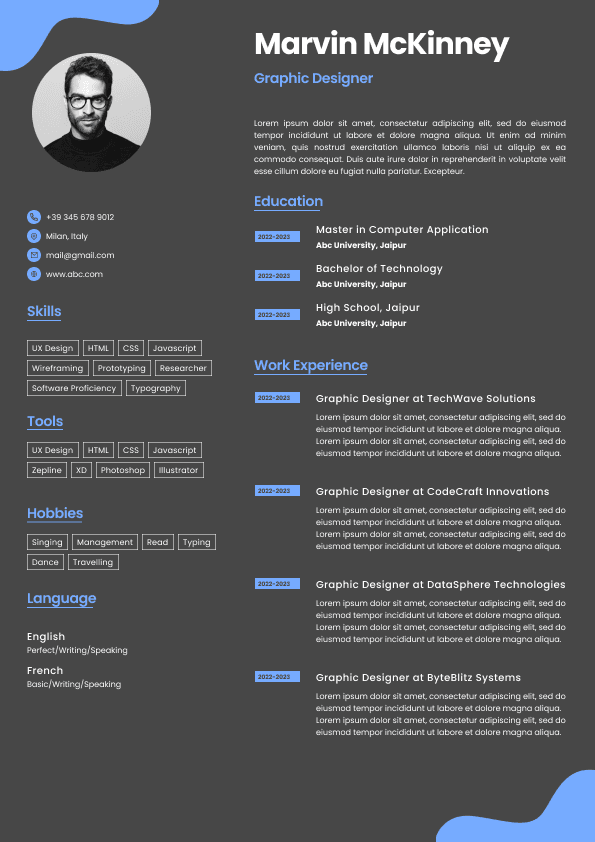
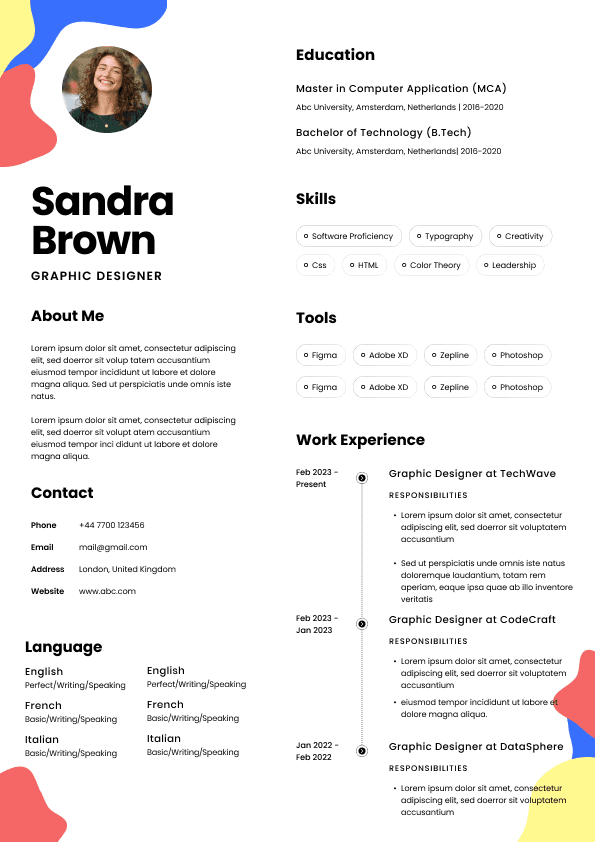
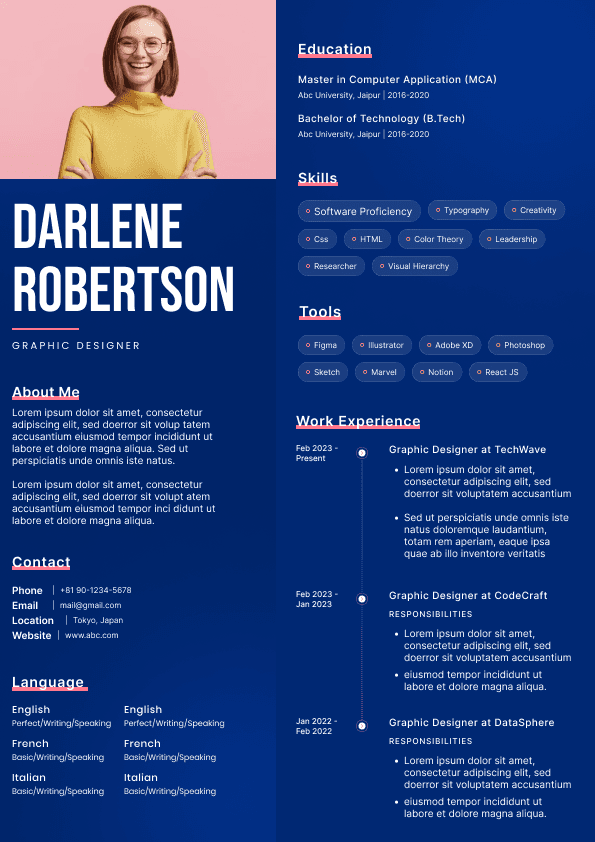
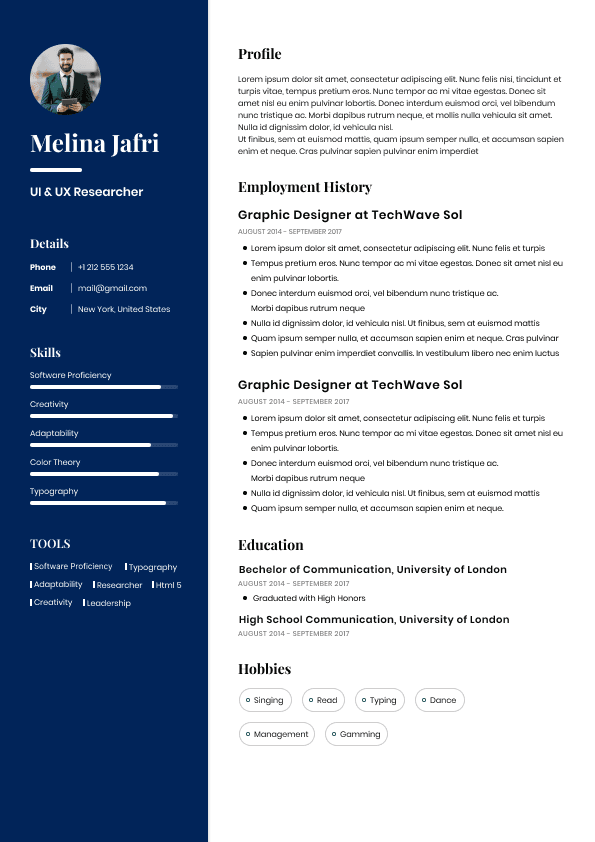
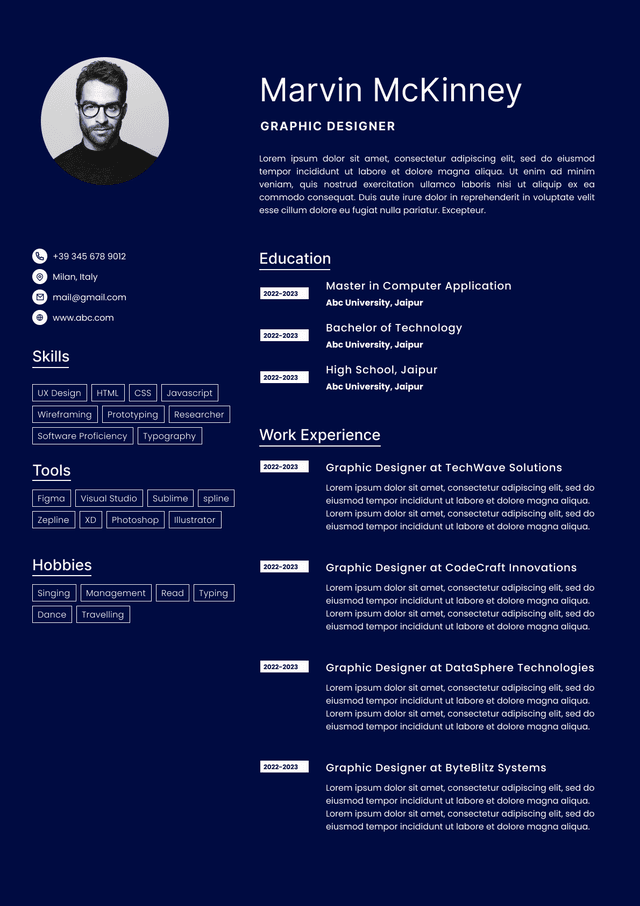
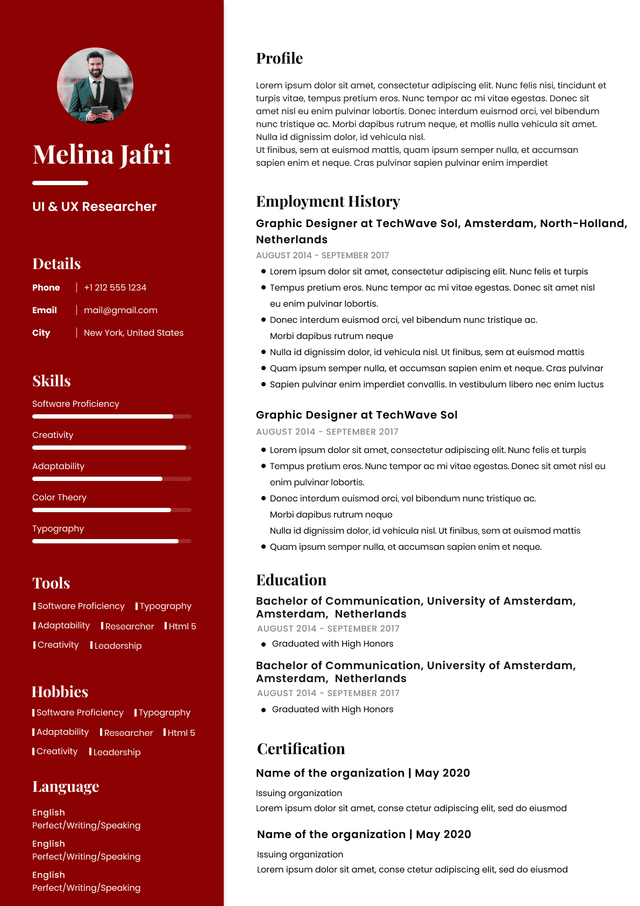

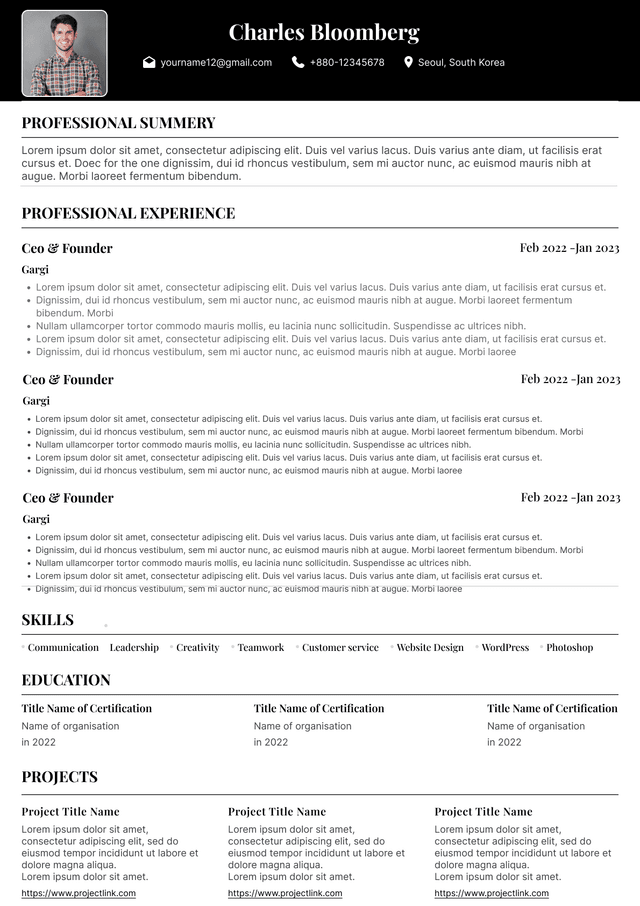
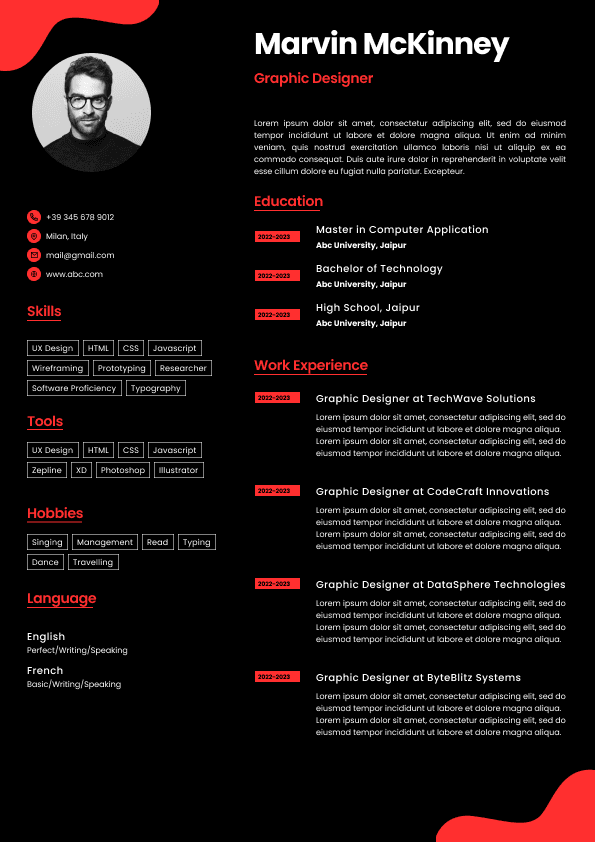




DevOps Engineer Resume Example
DevOps Engineer Resume Example
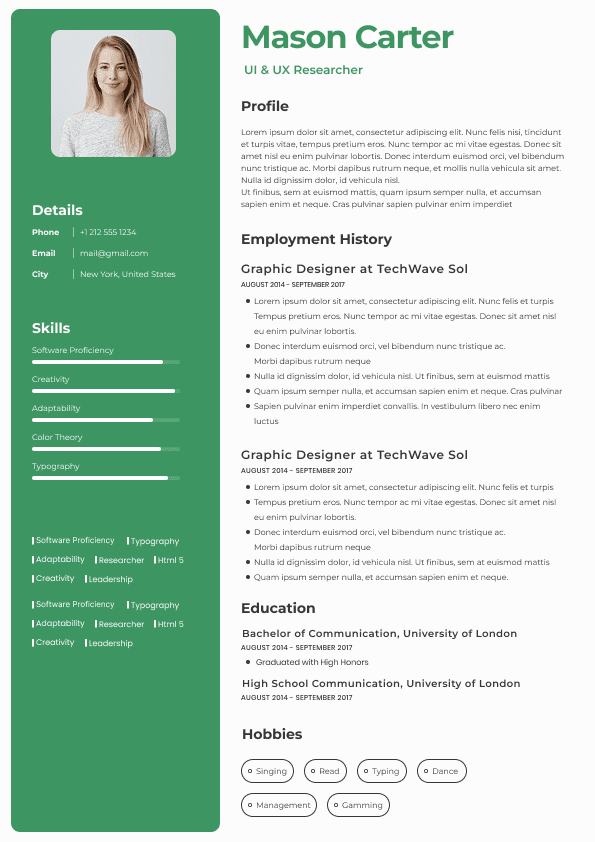
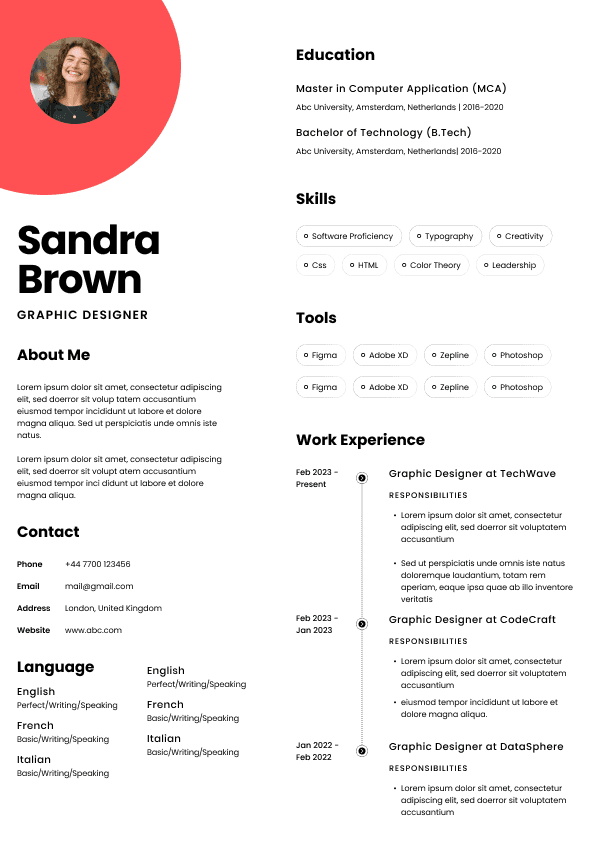
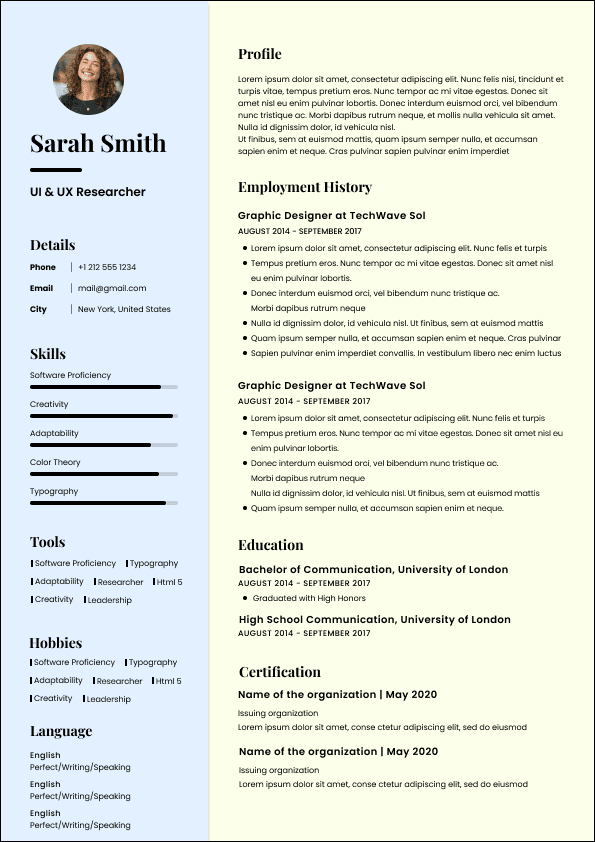
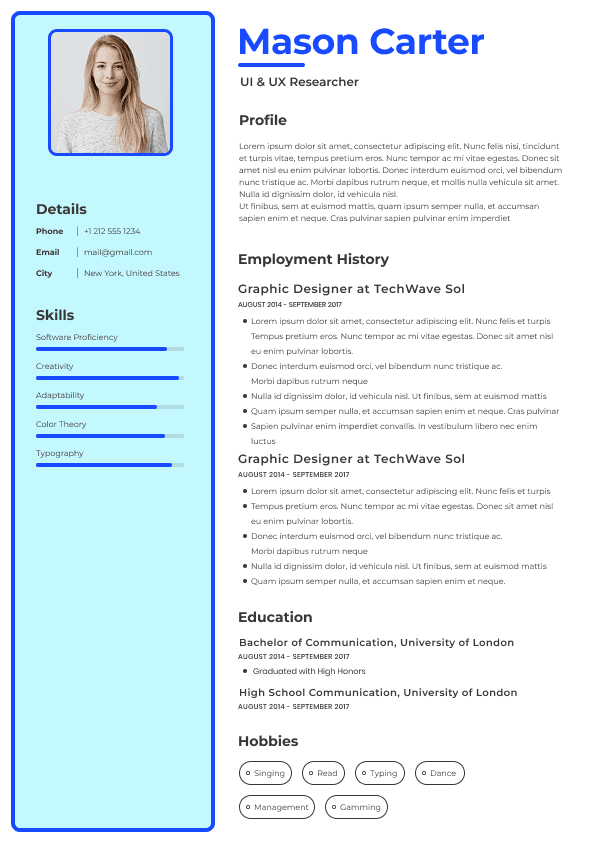
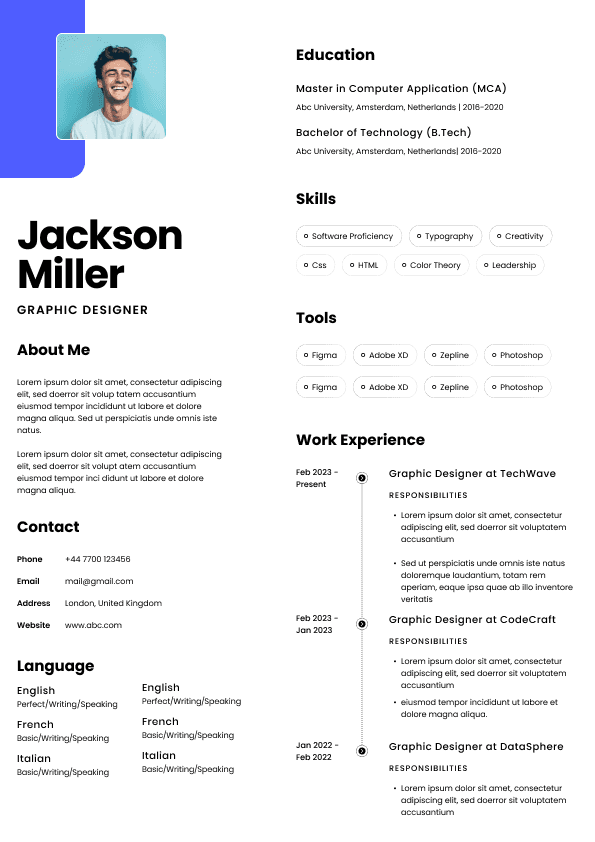
A DevOps Engineer resume example shows how infrastructure, automation, and system reliability experience should be presented for modern hiring systems. DevOps roles are evaluated differently from traditional software engineering positions because recruiters and applicant tracking systems focus on operational impact, scalability, and ownership rather than code volume alone. A strong DevOps Engineer resume example demonstrates how a candidate designs, automates, deploys, and maintains production systems while improving speed, stability, and cost efficiency.
What Makes a DevOps Engineer Resume Example Correct in 2026
A DevOps Engineer resume is evaluated very differently from traditional software resumes. Reviewers, both human and automated, look for operational impact rather than simple tool exposure. A strong DevOps Engineer resume example must demonstrate infrastructure ownership rather than passive support. It must show automation outcomes instead of listing scripts. It must highlight system reliability improvements rather than uptime claims without context. It must reflect CI/CD and cloud scale instead of isolated deployments. If a resume example does not clearly show a before state, an after state, and a measurable effect, it is incomplete.
Full DevOps Engineer Resume Example (Annotated)
Below is a complete, modern DevOps Engineer resume example. Each section is followed by an explanation of why it works.
Header
Aarav Patel
Senior DevOps Engineer
Austin, TX | Remote
aarav.patel@email.com | github.com/aaravpatel | linkedin.com/in/aaravpatel
Why this works
The job title matches how DevOps roles are indexed in applicant tracking systems. A GitHub profile is included, which is expected for DevOps roles. Location clarity helps distributed teams filter candidates efficiently.
Professional Summary (DevOps-Specific)
DevOps Engineer with 7 plus years of experience designing and operating cloud-native infrastructure on AWS. Specialized in Terraform-based infrastructure as code, Kubernetes orchestration, and CI/CD automation for high-availability systems serving over five million monthly users. Proven track record of reducing deployment failures, infrastructure costs, and incident response time.
Why this works
The summary mentions scale rather than buzzwords. It establishes cloud expertise, automation ownership, and reliability focus. It avoids vague phrases such as results-driven.


 Upload Resume
 Import from Linkedin