Choose from a wide range of CV templates and customize the design with a single click.

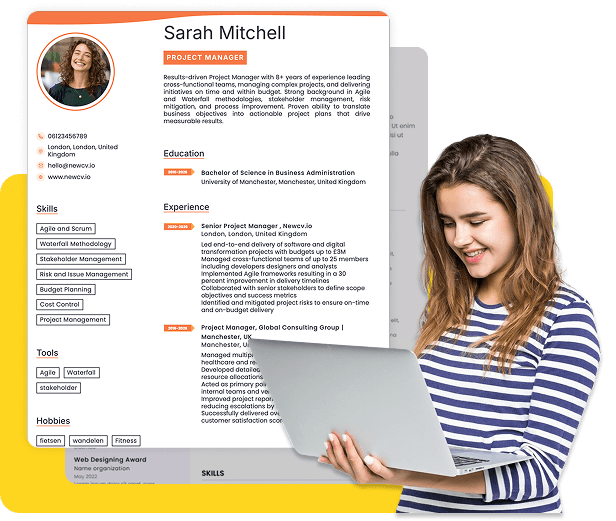
Use ATS-optimised CV and resume templates that pass applicant tracking systems. Our CV builder helps recruiters read, scan, and shortlist your CV faster.
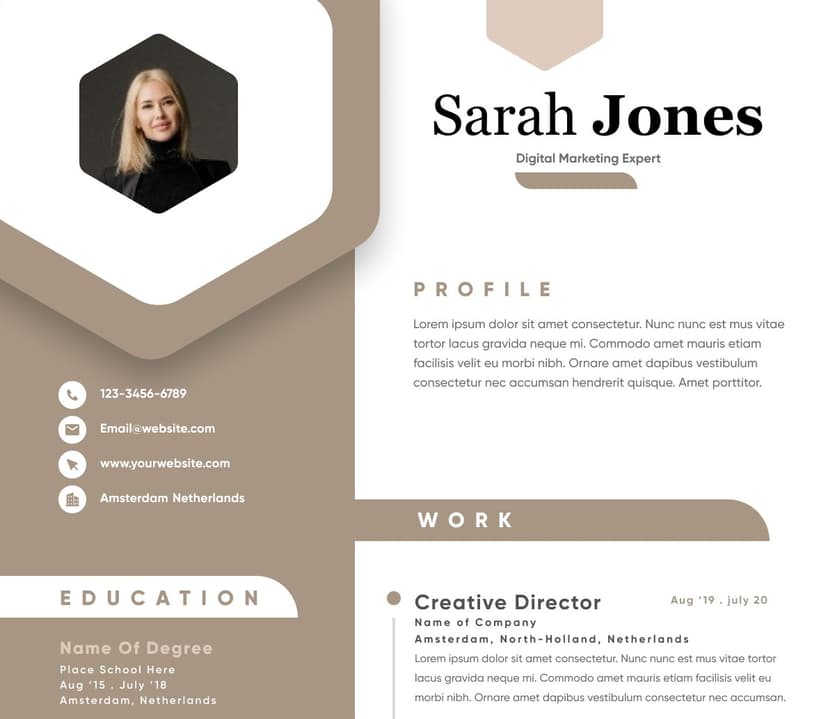
Use professional field-tested resume templates that follow the exact CV rules employers look for.
Create CV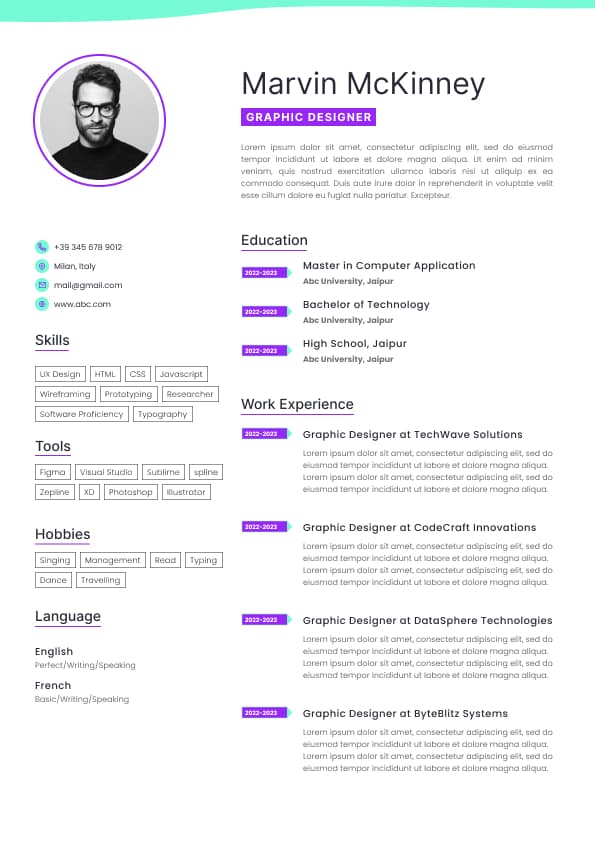
Use professional field-tested resume templates that follow the exact CV rules employers look for.
Create CVIf your Amazon warehouse resume isn’t getting callbacks, it’s likely due to specific, fixable mistakes—not lack of experience. Most applicants fail because their resumes don’t match what hiring managers are scanning for: speed, accuracy, safety, and reliability. Even small errors can get your application filtered out instantly. This guide breaks down the exact resume mistakes that lead to rejection—and how to fix them so your application actually gets noticed.
Amazon hiring is high-volume and fast-paced. Recruiters or automated systems scan resumes in seconds looking for:
Relevant warehouse or physical work experience
Clear evidence of productivity and reliability
Keywords tied to logistics, picking, packing, and safety
Simple, scannable formatting
If your resume doesn’t immediately match these expectations, it gets skipped—no matter how capable you are.
Hiring systems look for job-specific keywords. A generic resume doesn’t match Amazon’s requirements.
Customize your resume with terms like:
Picking and packing
Inventory management
Warehouse operations
Order fulfillment
Safety compliance
Recruiters assume you may not handle lifting, standing, or fast-paced movement.
Mention tasks like:
Lifting heavy items (e.g., up to 50 lbs)
Standing for long shifts
Working in fast-paced environments
“Responsible for packing orders.”
“Packed 120+ orders per shift with 99% accuracy.”
Duties don’t prove performance. Results do.
If your resume lacks keywords, it may never reach a human.
Include relevant terms naturally:
Warehouse associate
Logistics
Shipping and receiving
Quality control
Order picking
Recruiters spend seconds scanning. If it’s hard to read, they move on.
Keep formatting:
Clean and simple
Consistent headings
Easy-to-read font
Clear sections
If you don’t show productivity, you look average.
Include metrics like:
Orders processed per hour
Daily output volume
Accuracy rates
Lack of safety awareness is a red flag.
Mention:
Following safety protocols
Using equipment properly
Maintaining a safe workspace
Recruiters can’t quickly see your warehouse fit.
Focus on:
Warehouse roles
Physical jobs
Fast-paced environments
Even retail or restaurant jobs can work—if framed correctly.
They can’t understand your experience quickly.
Use clear titles:
Warehouse Associate
Order Picker
Fulfillment Assistant
Important information gets missed.
Use bullet points:
Short
Direct
Action-focused
Amazon values consistency and attendance.
Include:
Perfect attendance records
Reliability recognition
Consistent shift completion
Errors signal carelessness.
Always:
Proofread
Use spell check
Read aloud before submitting
Recruiters don’t have time to dig through clutter.
Keep it:
1 page (ideal for warehouse roles)
Focused on relevant skills and experience
You may appear difficult to work with.
Include:
Team-based tasks
Collaboration with supervisors
Working in coordinated environments
If your resume doesn’t reflect their culture, you seem like a mismatch.
Highlight:
Fast-paced adaptability
Attention to detail
Consistency under pressure
A strong resume is:
Keyword-optimized
Results-driven
Easy to scan
Focused on warehouse-relevant skills
Backed by measurable achievements
It answers one question quickly:
Can this person handle the job efficiently and reliably?
Before submitting your resume, ask:
Does it clearly show warehouse or physical work experience?
Are there measurable results included?
Is it easy to scan in under 10 seconds?
Does it include relevant keywords?
Is everything directly relevant to the job?
If you answer “no” to any of these—you’re likely getting filtered out.


 Upload CV
 Import from Linkedin