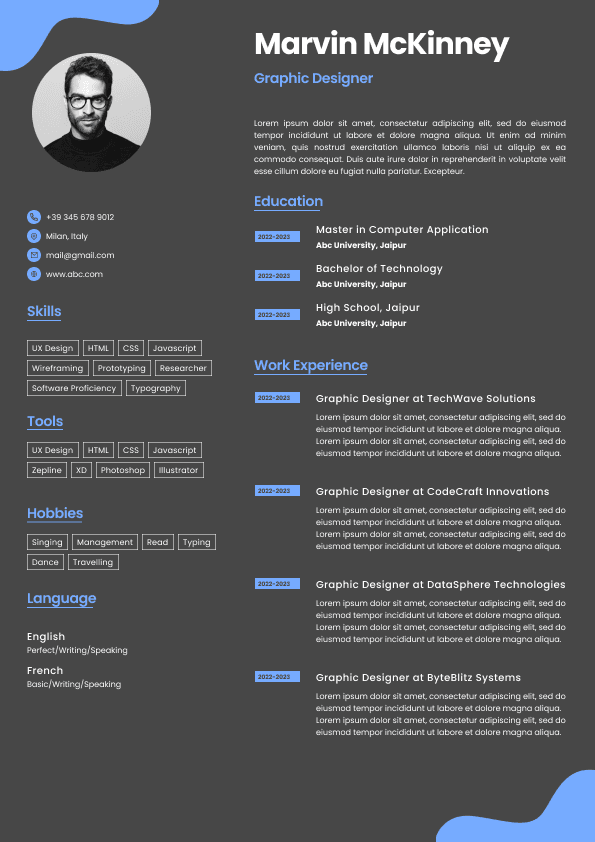
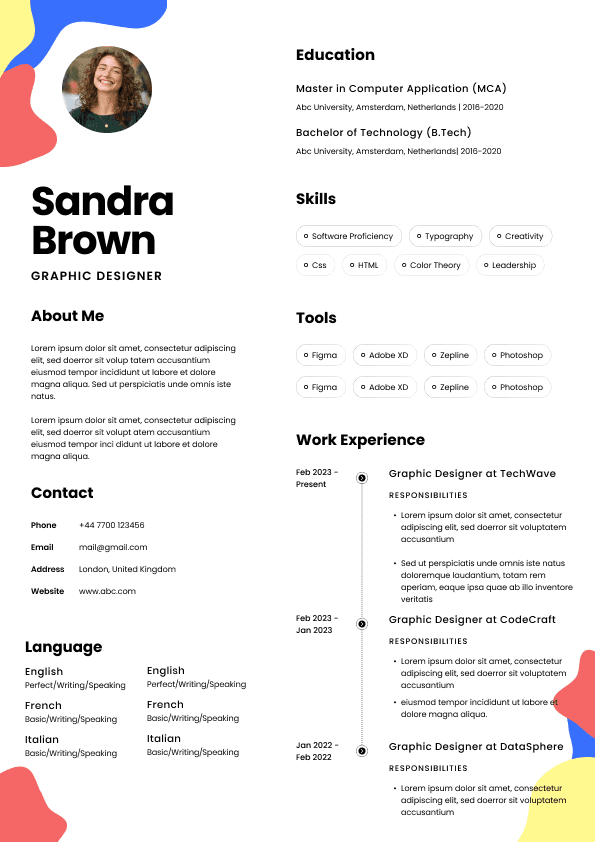
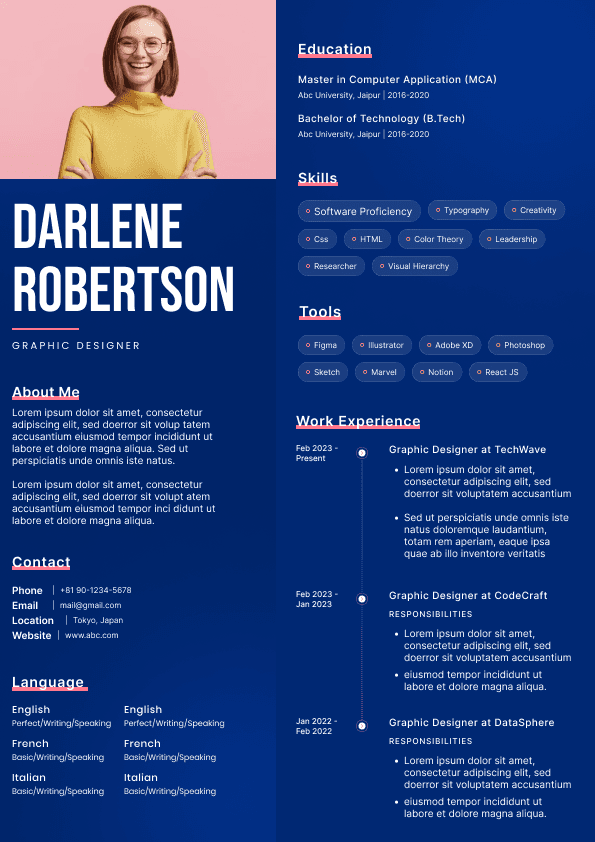
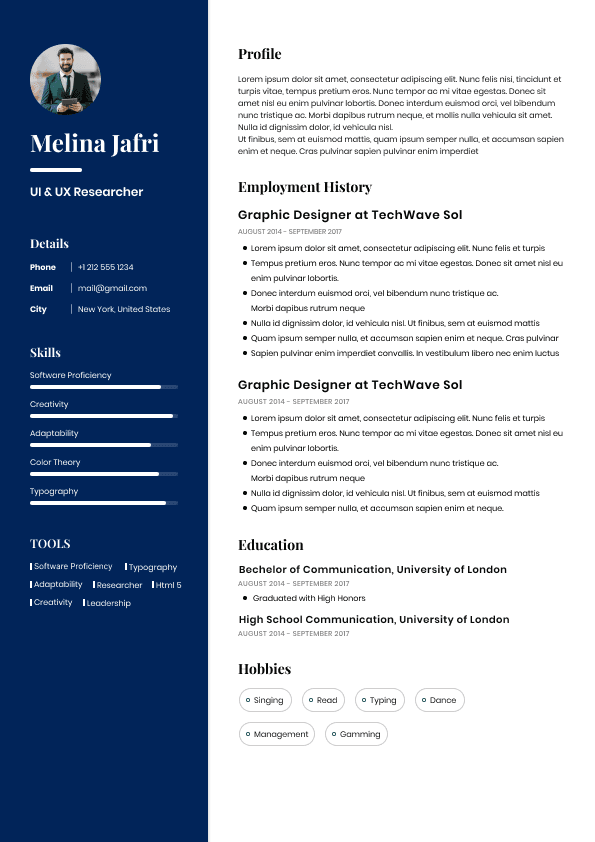
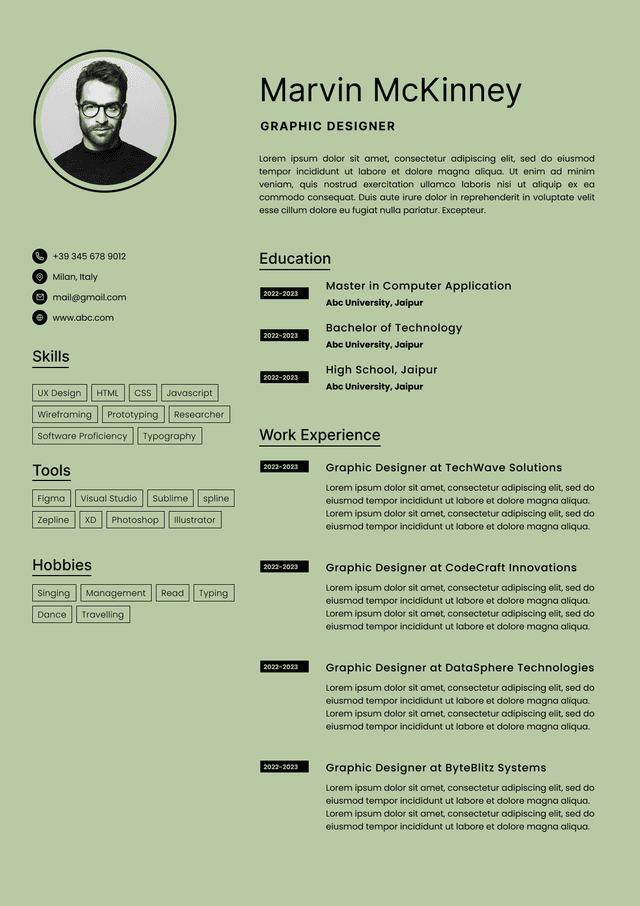
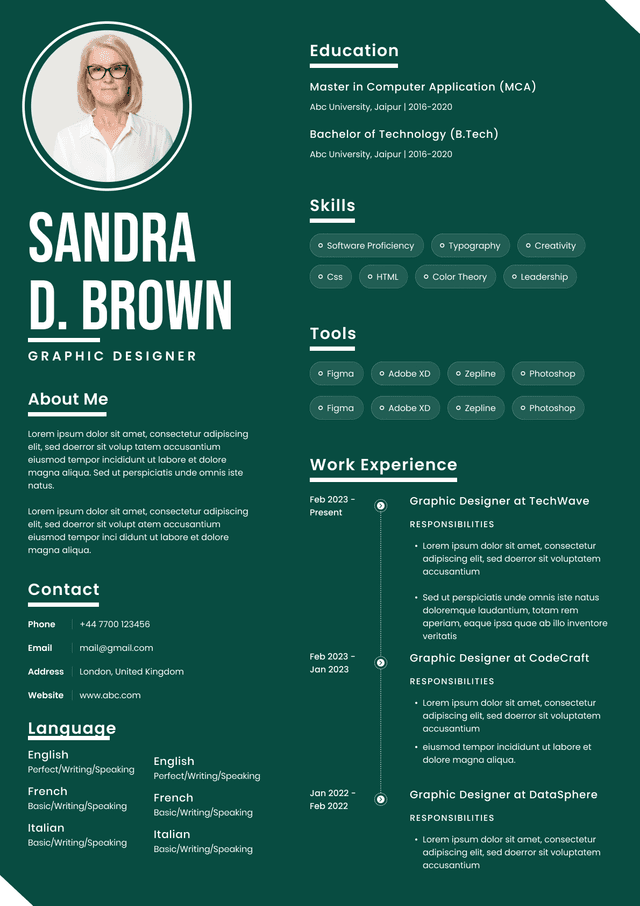
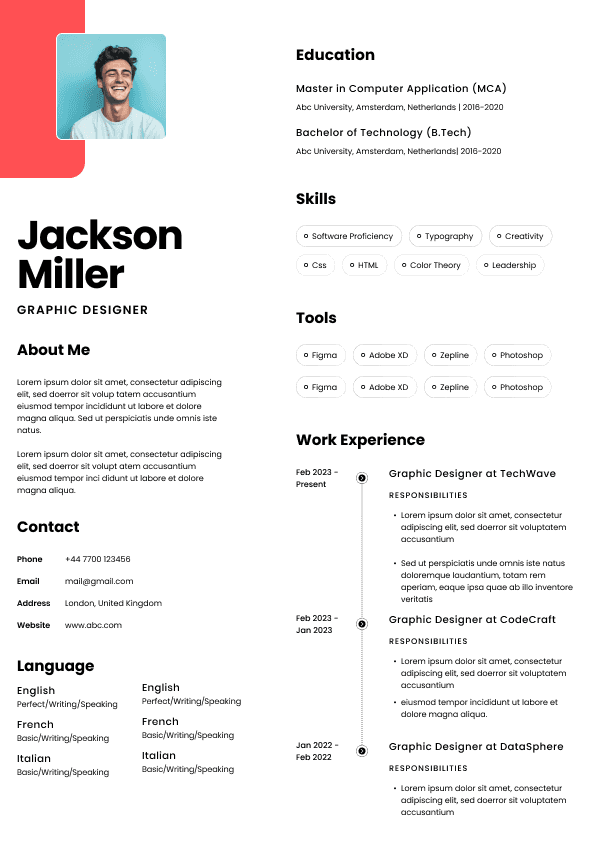
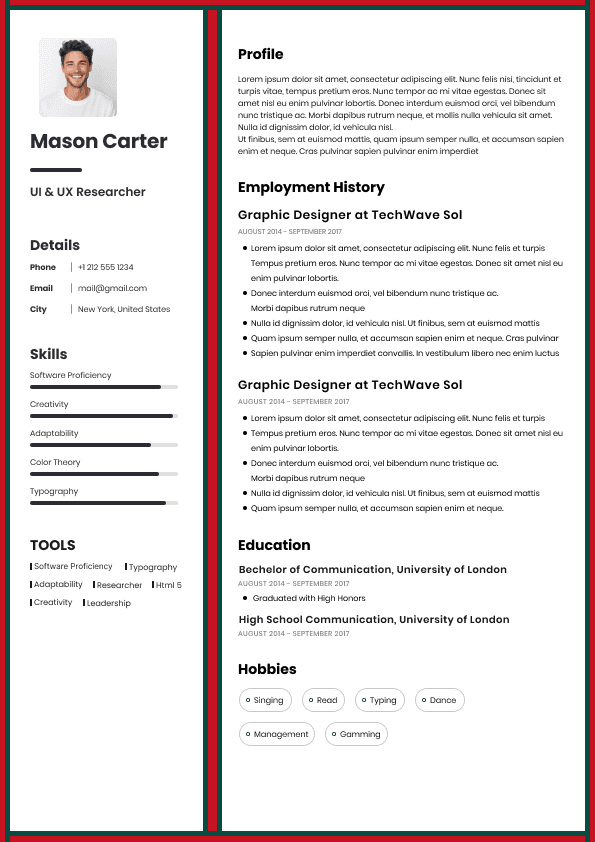
STILL APPLYING. STILL HEARING NOTHING?BUILD YOUR RESUME

STILL APPLYING. STILL HEARING NOTHING?BUILD YOUR RESUME
FAQ
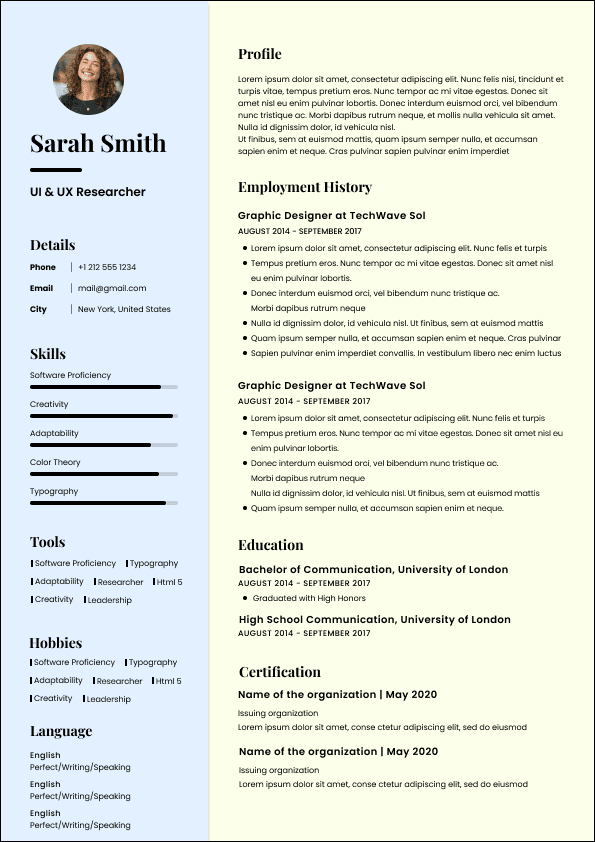
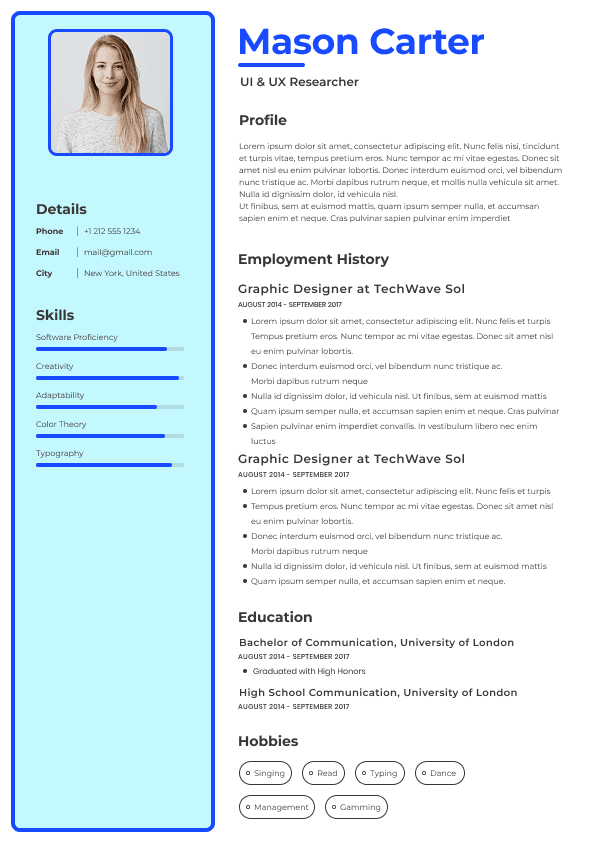
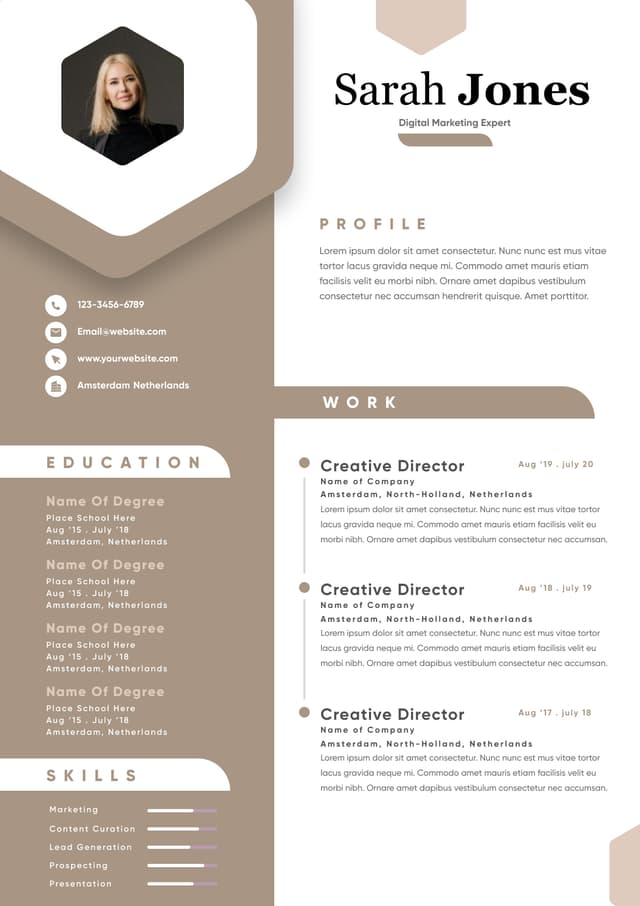
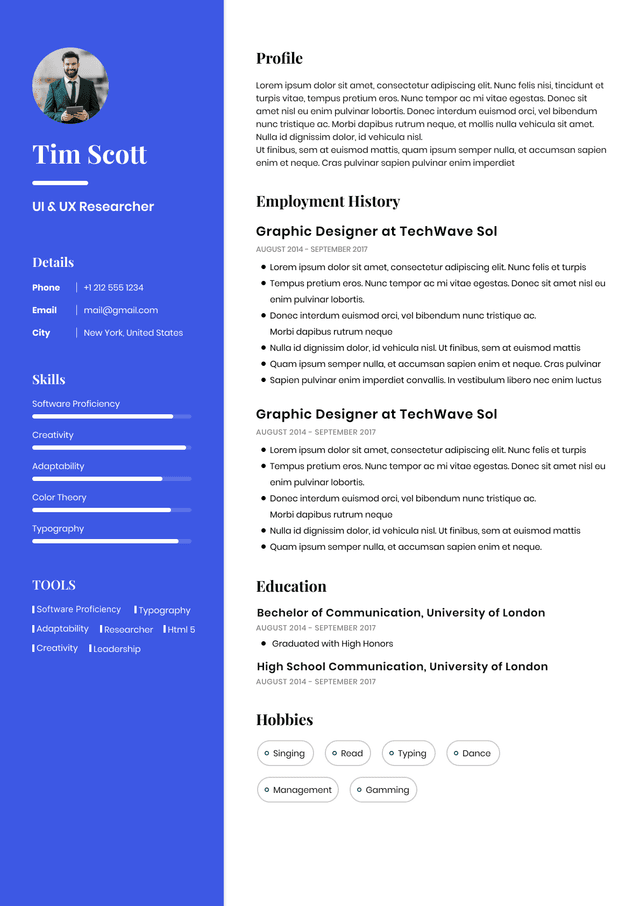
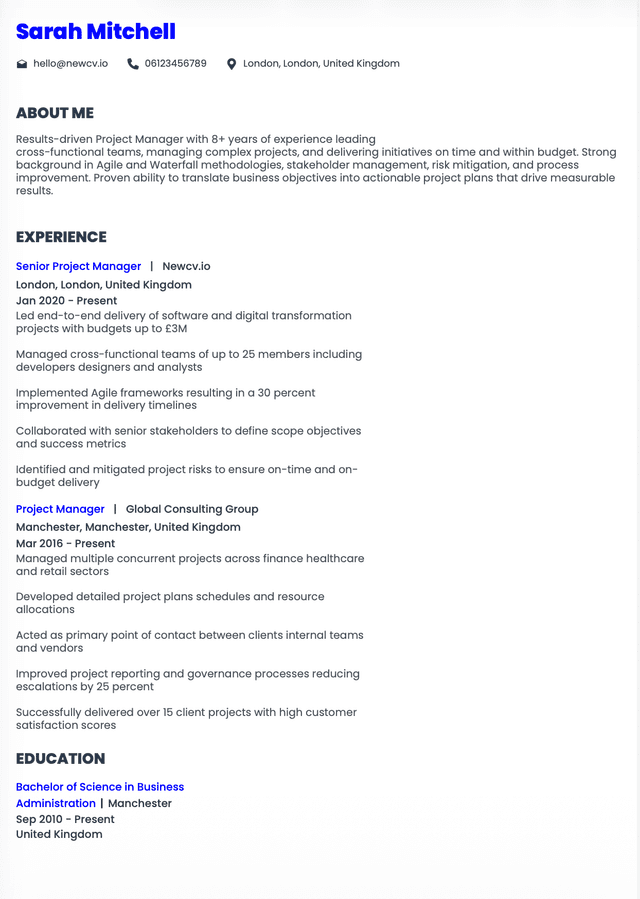
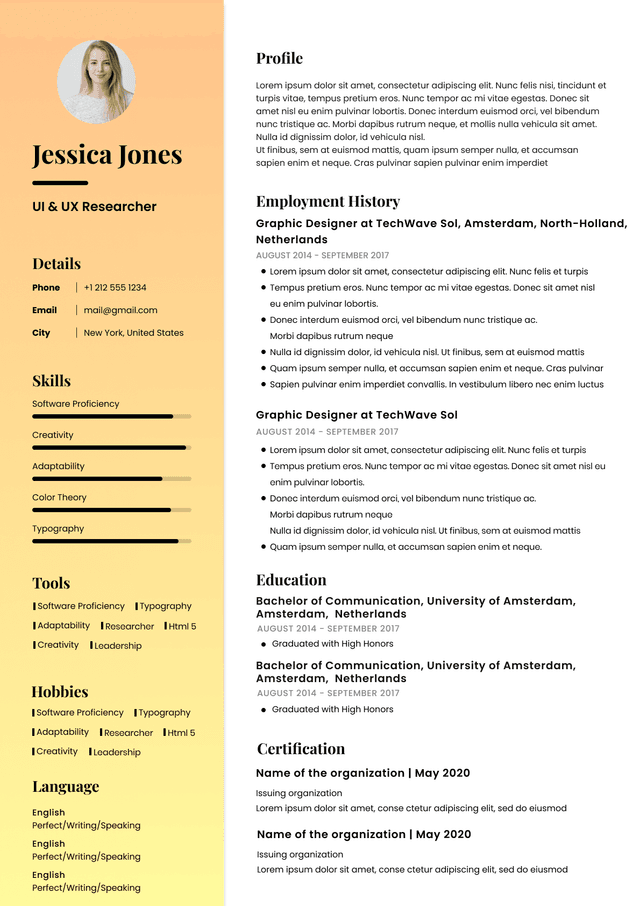
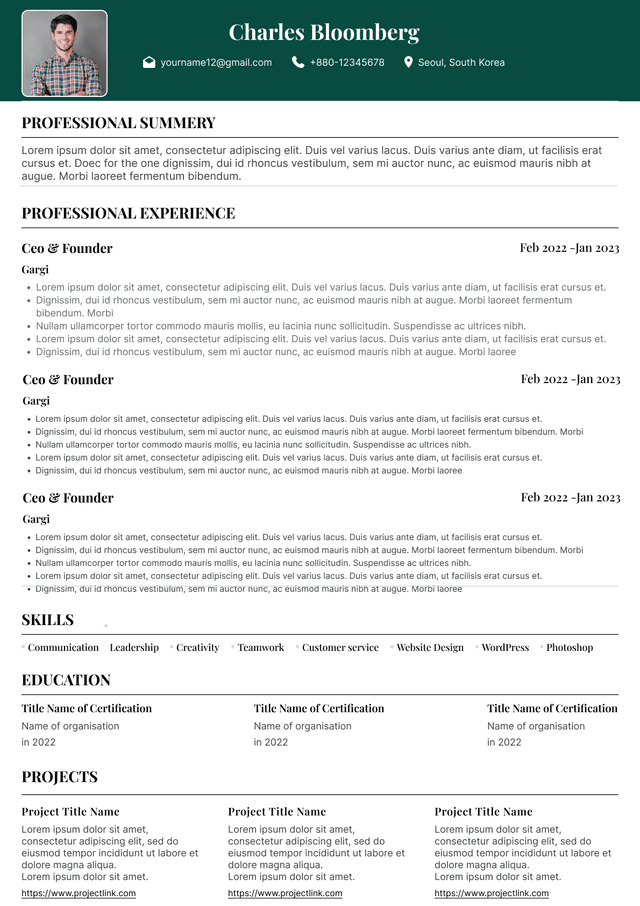
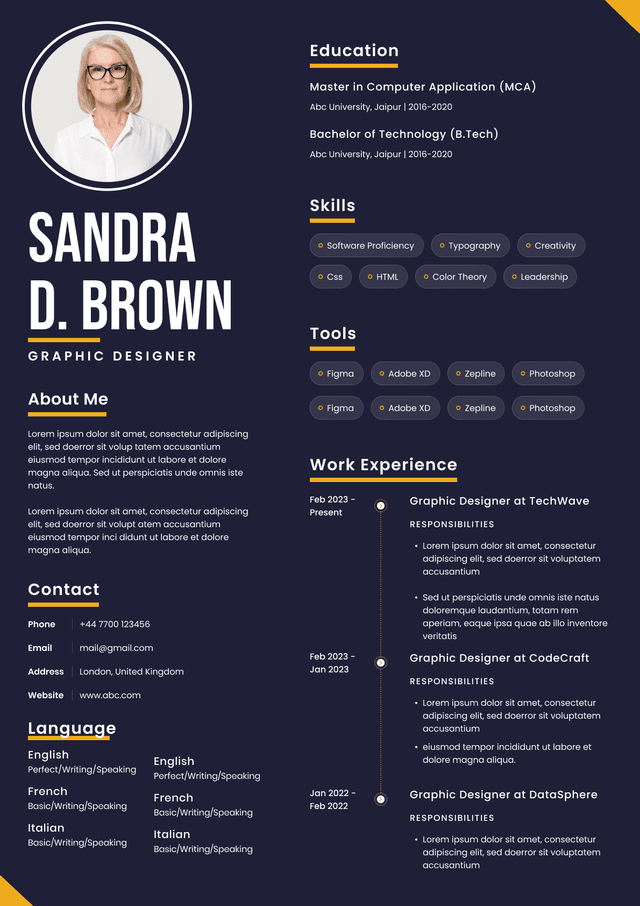
NEWCV is better than Canva resume templates for job seekers who want a resume that looks unique, reads clearly, and can be created fast without spending hours dragging boxes around a design canvas. Canva is useful for visual documents, but a resume is not just a pretty page. In the US job market, your resume has to survive recruiter scanning, applicant tracking systems, hiring manager judgment, and the brutal reality that most resumes get only a short first look.
That is where NEWCV is different. It gives you modern resume templates, standout visual design, AI powered resume creation, and ATS friendly structure in one tool. You are not choosing between speed, design, readability, and personal branding. You get all four, without having to become a part time graphic designer just to apply for jobs.
Canva made design accessible, and I am not going to pretend that is a bad thing. For social media graphics, presentations, portfolios, and visual branding assets, Canva can be excellent. But resumes are a different game.
A resume is not judged like a poster.
A recruiter is not looking at your resume thinking, “What a beautiful layout.” Not first. First, we are trying to answer a much colder question:
Can this person do the job, and can I understand that quickly enough to keep reading?
That is where many Canva resume templates fall apart.
They often look impressive at first glance, but they can create real problems for job applications, especially in the US hiring process where applicant tracking systems, recruiter databases, and keyword matching still play a major role. A visually creative resume can become a liability if the structure makes the information harder to parse, scan, or compare.
The mistake candidates make is assuming “beautiful” means “effective.” It does not. A resume can look beautiful and still fail because:
The layout hides important experience
The design takes attention away from achievements
The formatting does not translate well into ATS systems
NEWCV is built around a more practical idea: job seekers should be able to create a resume that is fast, professional, ATS friendly, visually impressive, and personally branded without fighting the tool.
That sounds simple, but it solves a real candidate problem.
Most resume builders force a compromise. You either get a plain ATS friendly resume that looks like every other basic document, or you get a highly designed resume that may not work well in real hiring systems. Canva leans heavily toward visual freedom. Traditional resume builders lean heavily toward safe formatting. NEWCV sits in the middle where modern job seekers actually need help.
With NEWCV, the resume is designed to support both screening and storytelling.
That means:
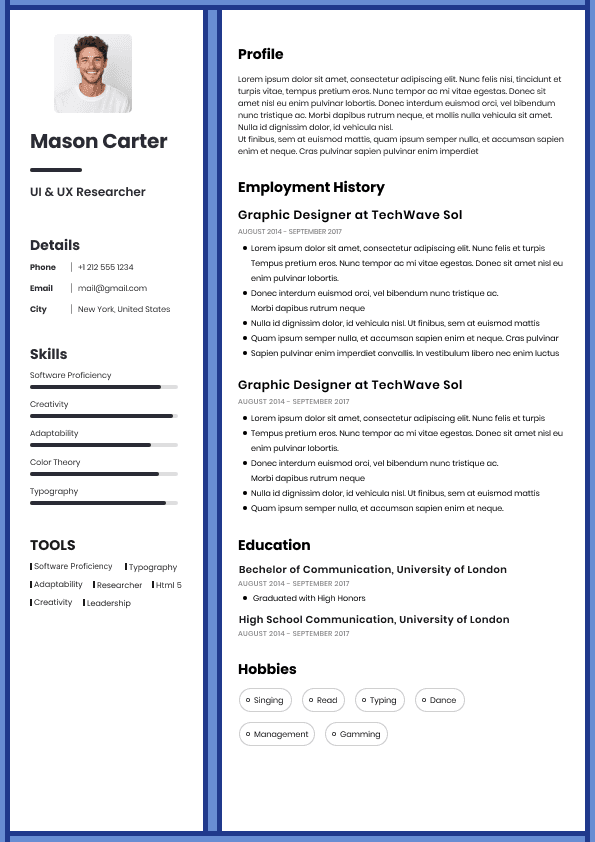
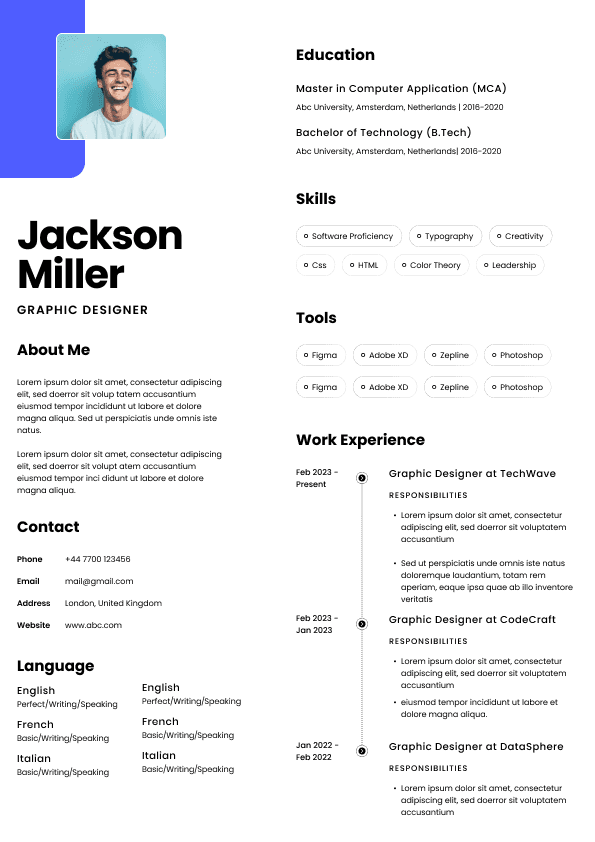
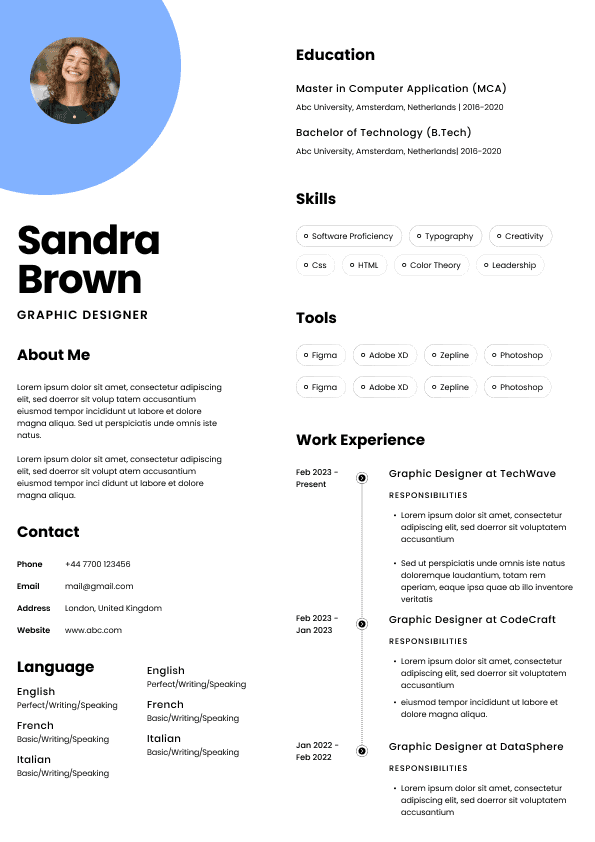
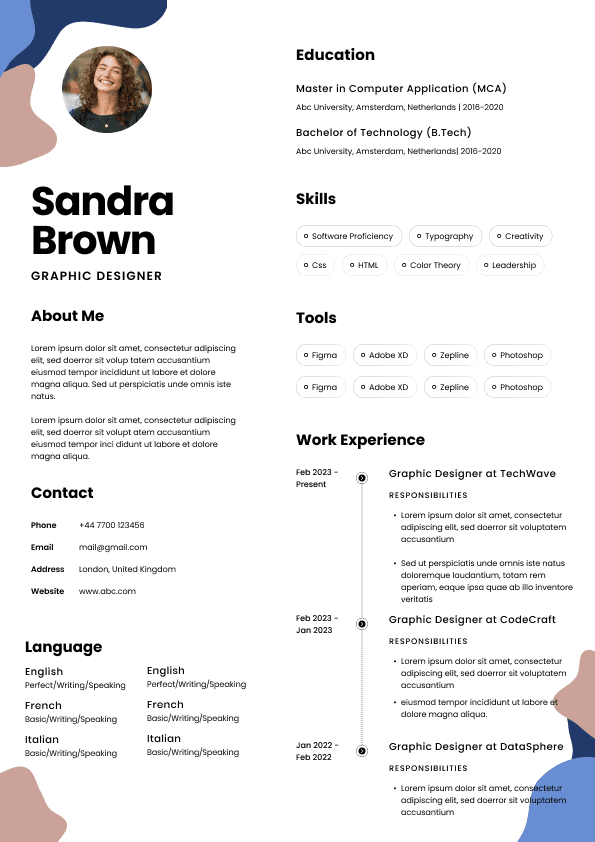
Clean layouts that recruiters can scan quickly
ATS friendly resume templates that protect structure and readability
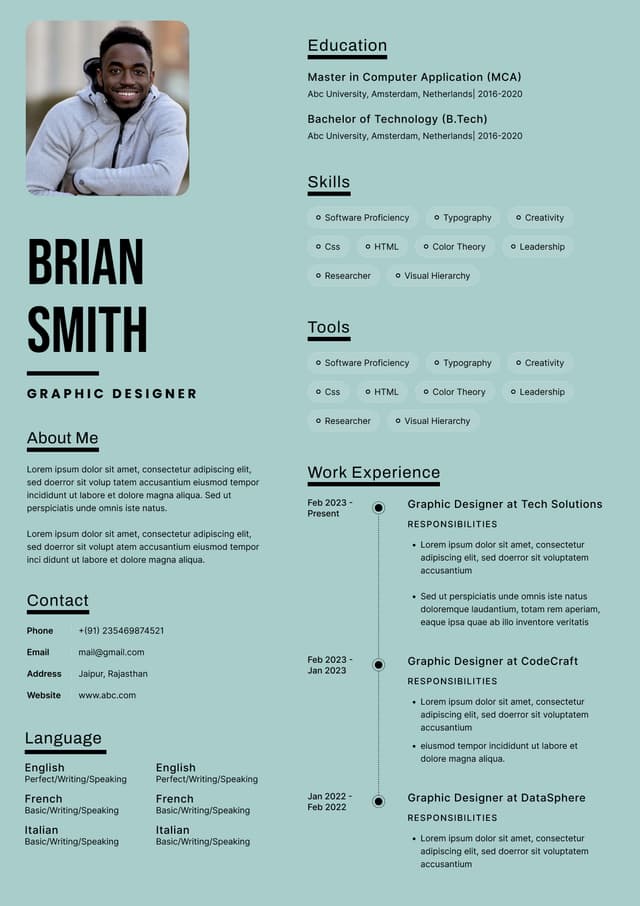
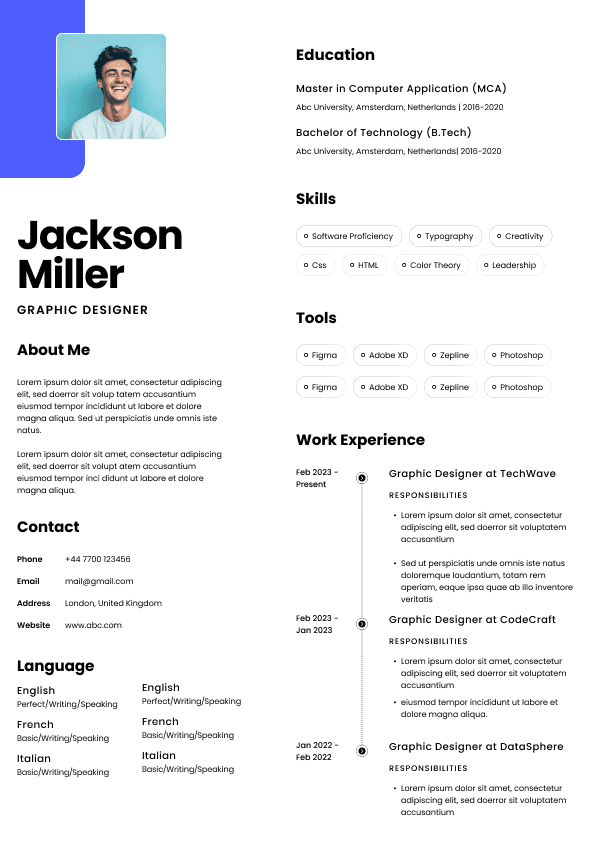
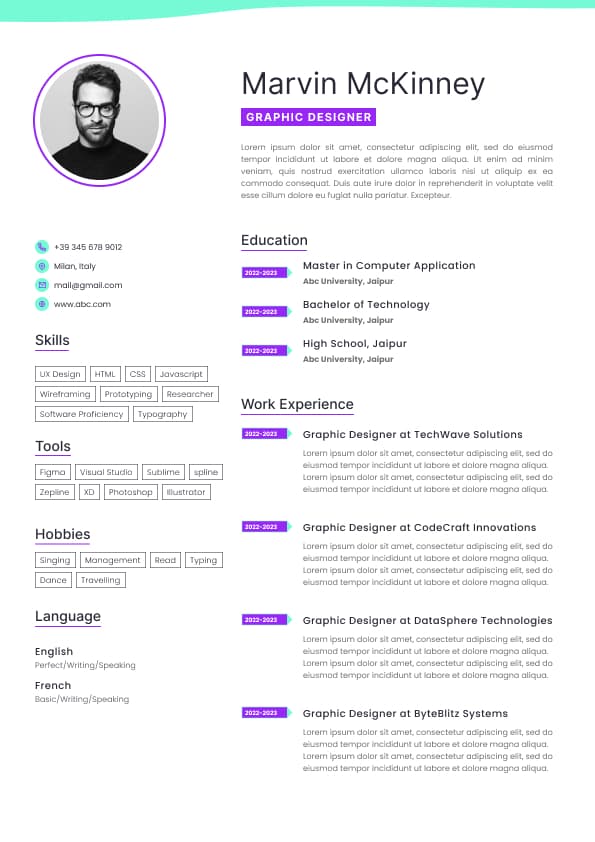
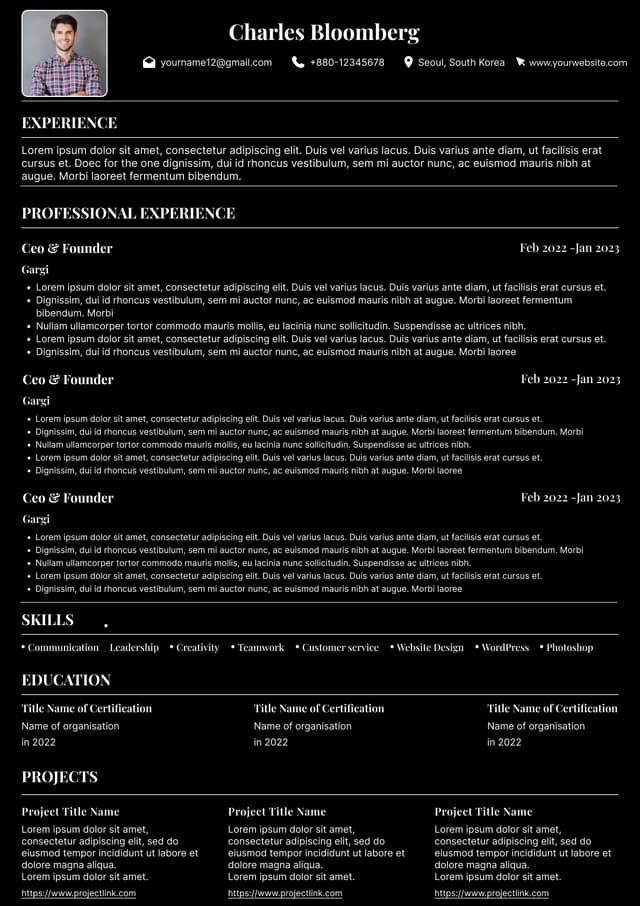
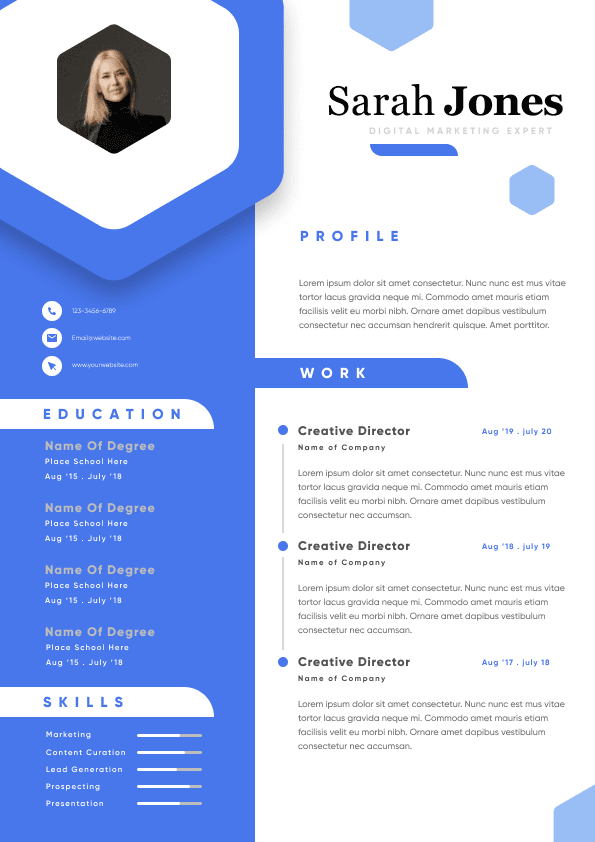
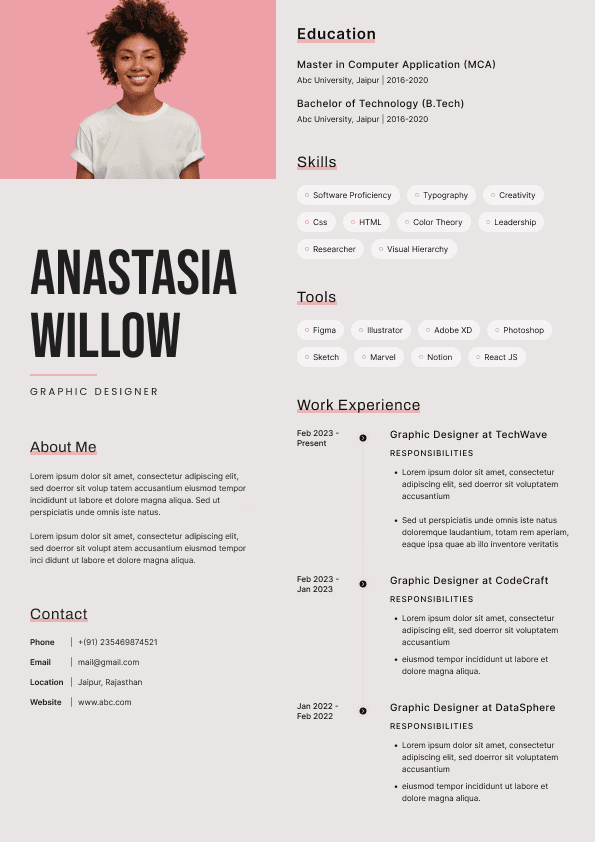
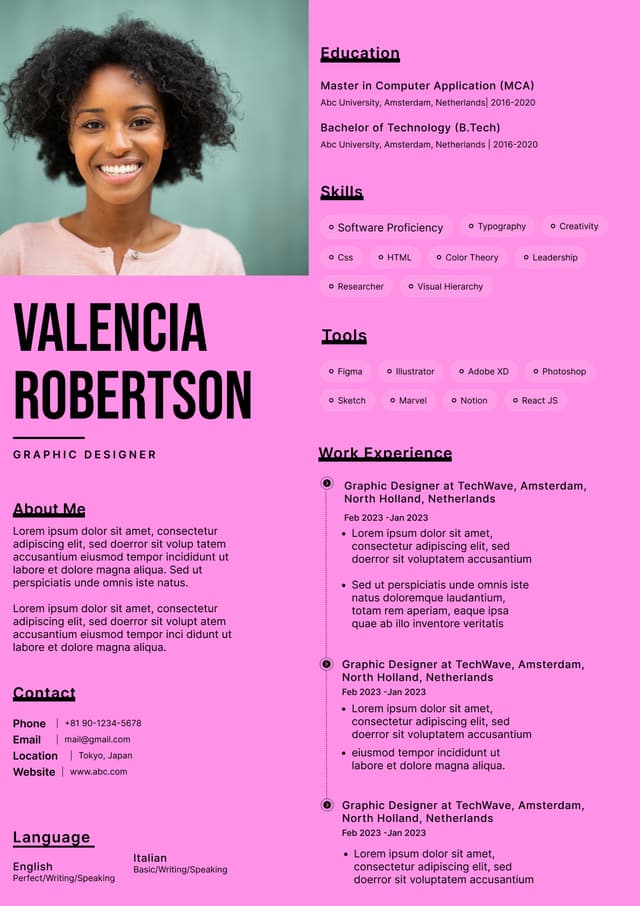
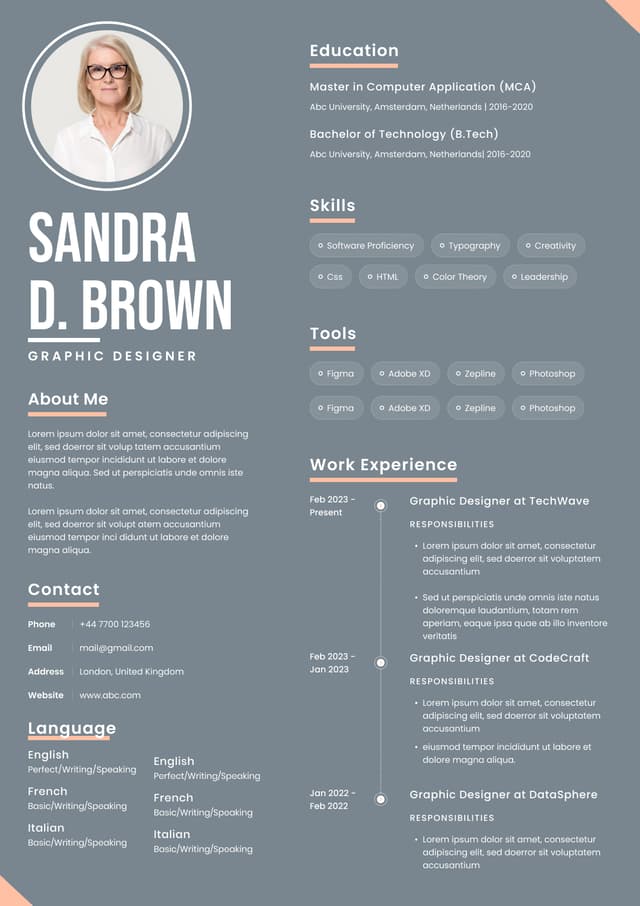
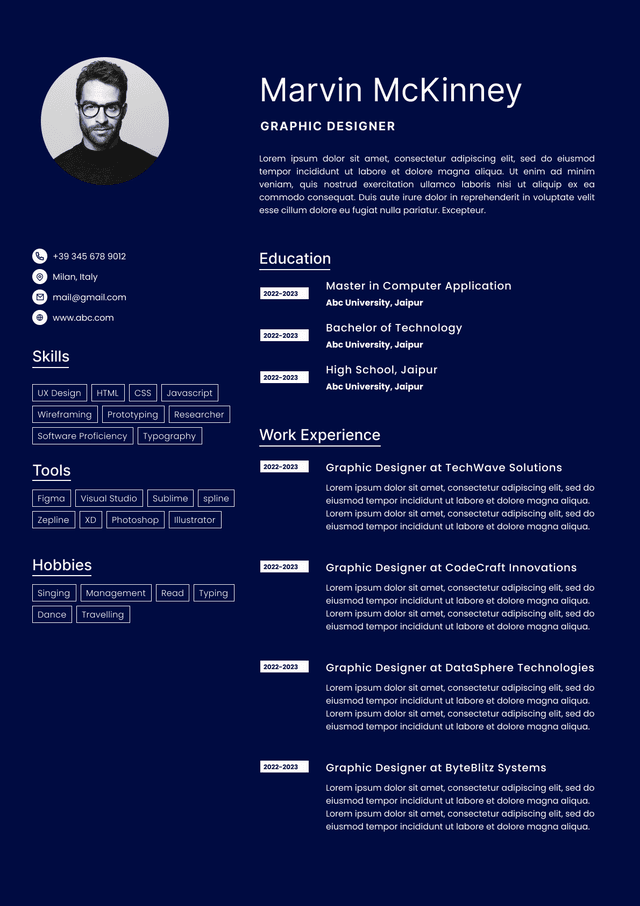
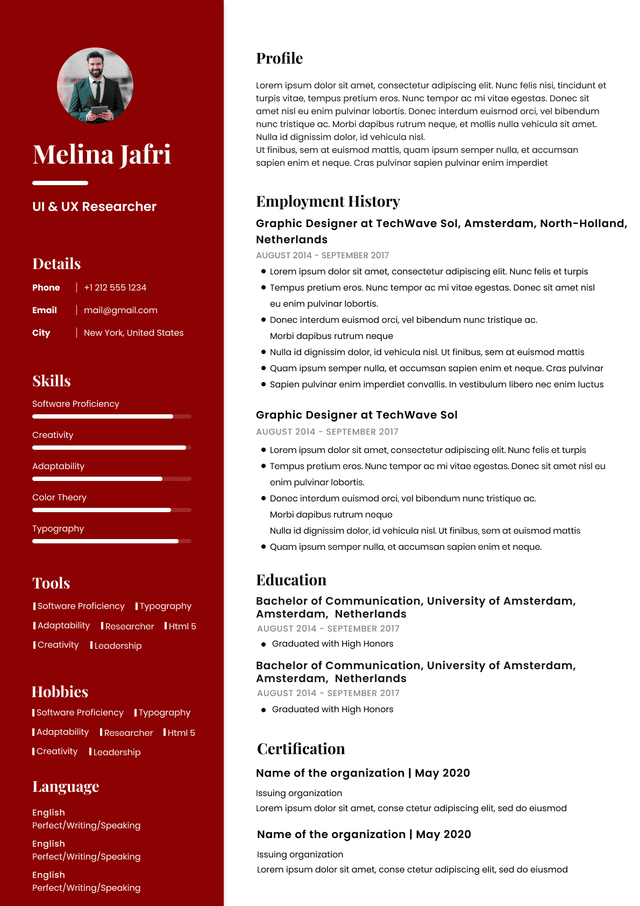
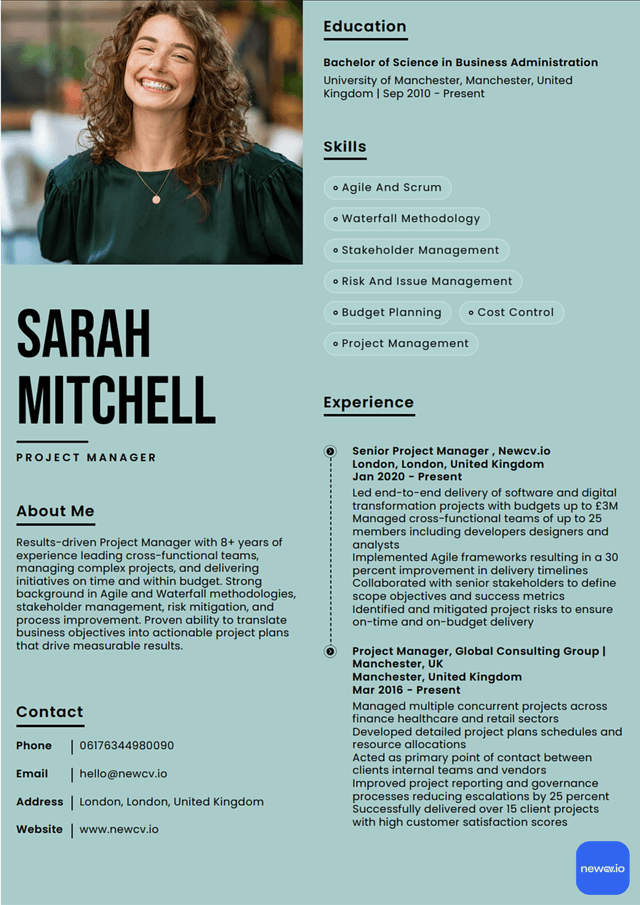
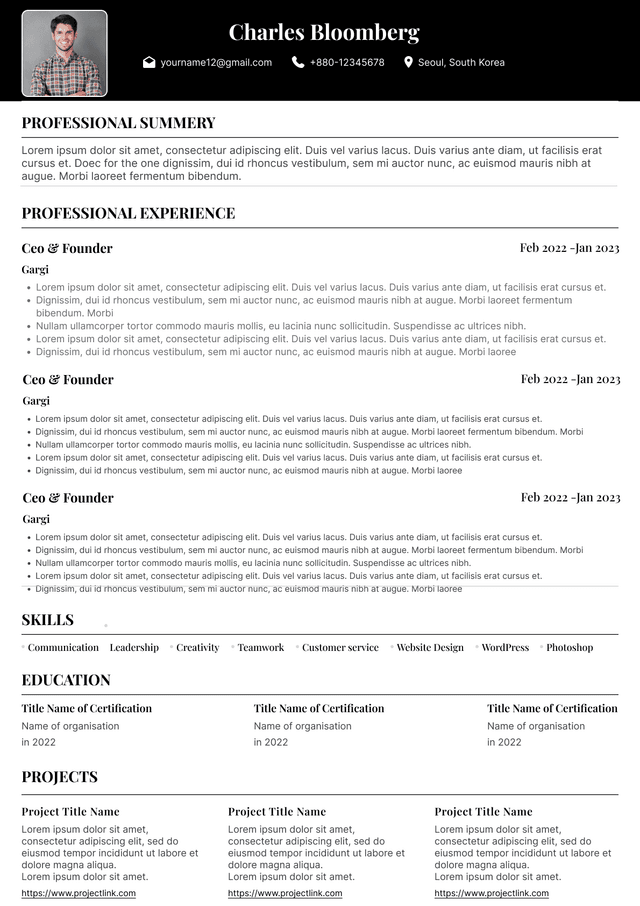
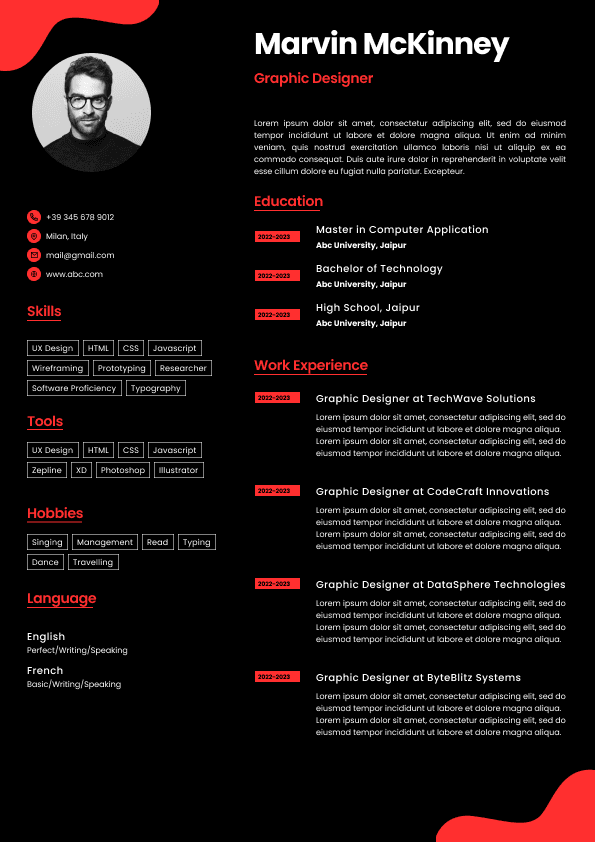
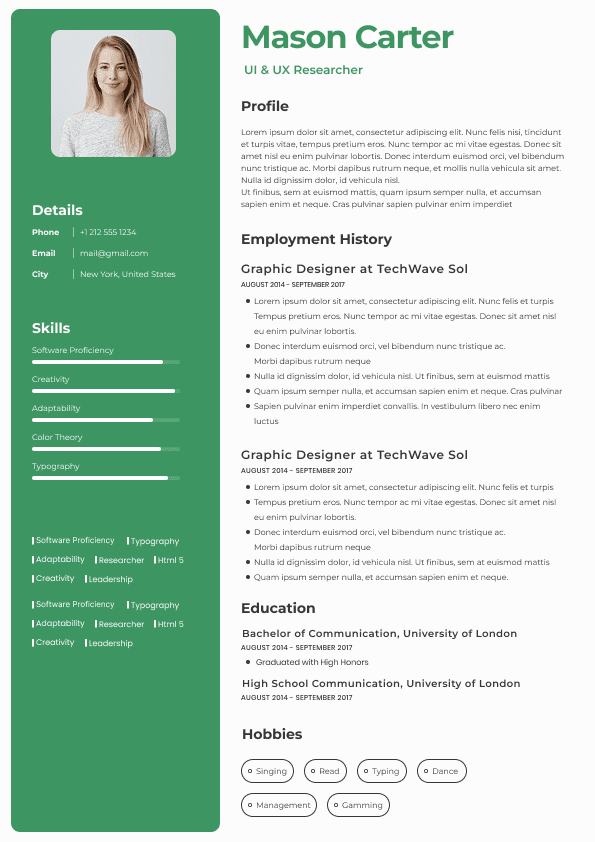
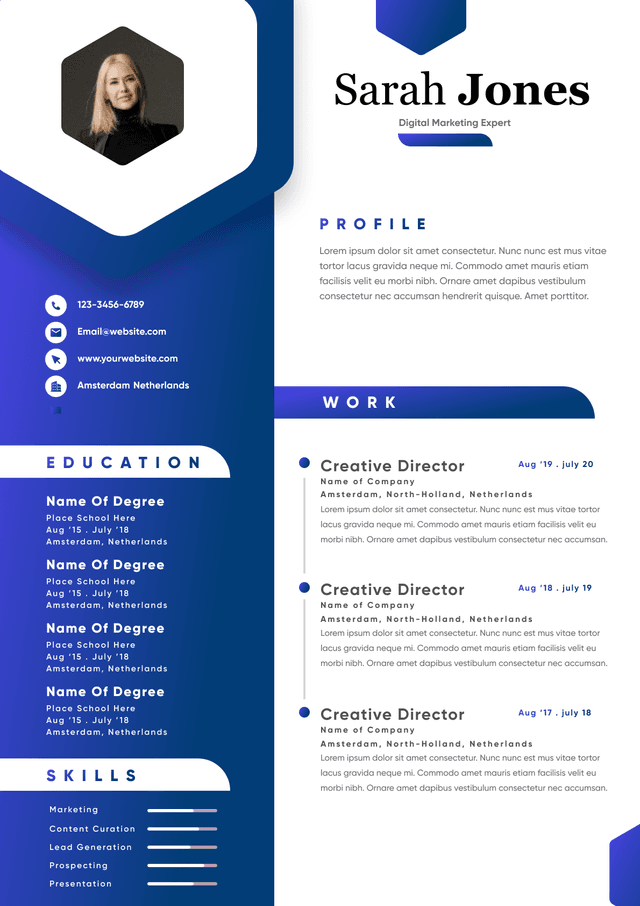
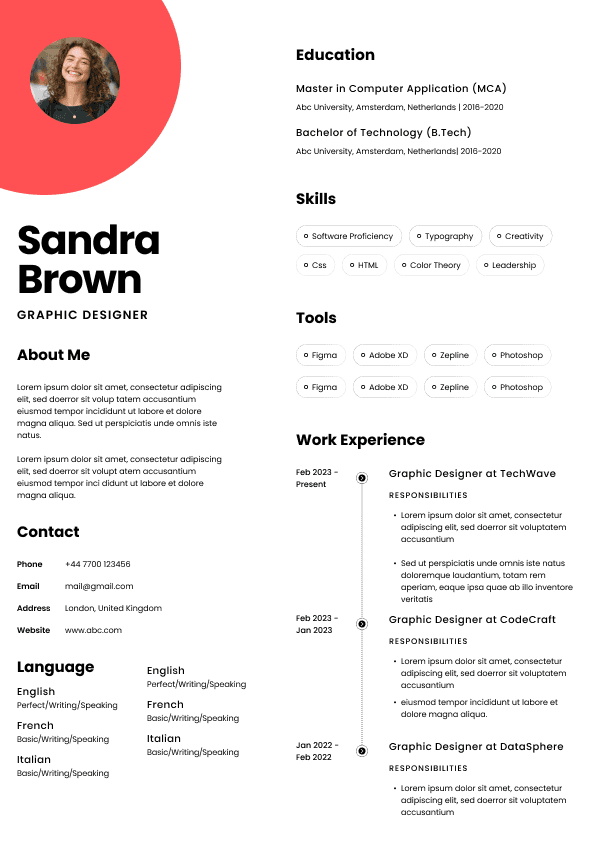
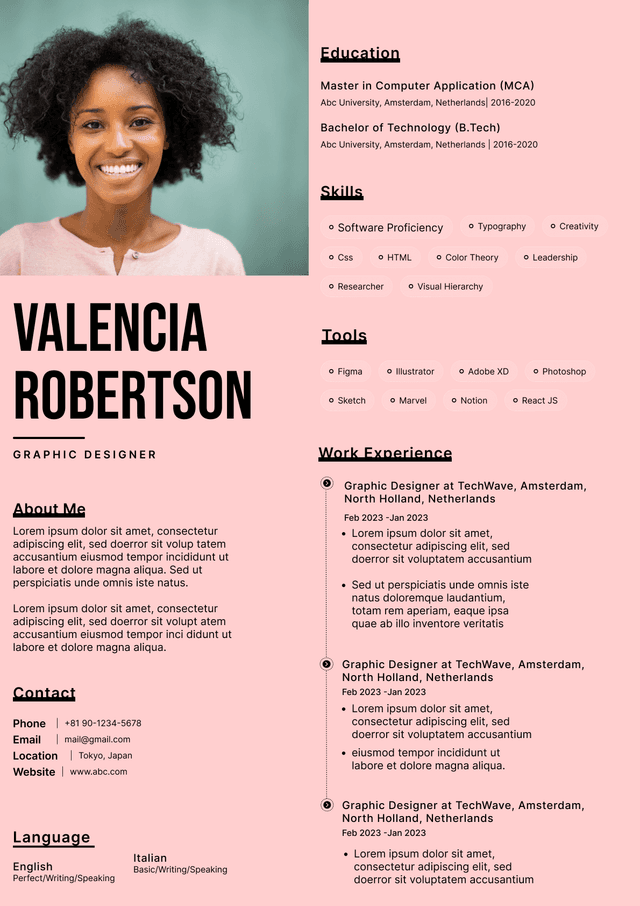
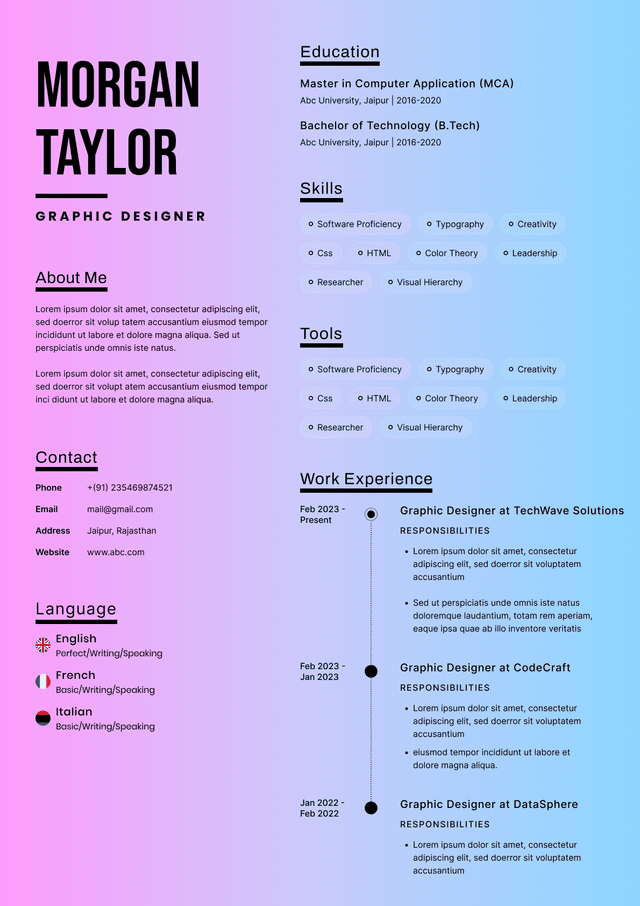
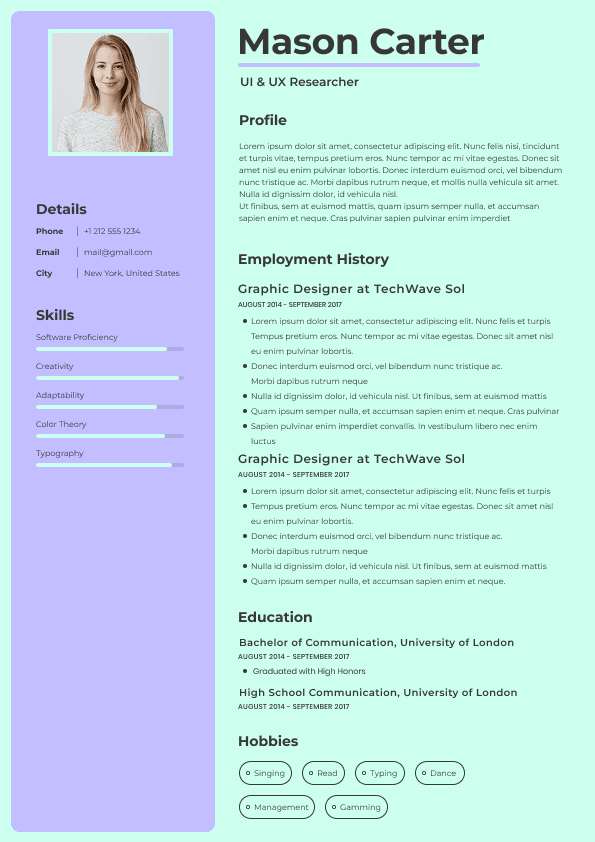
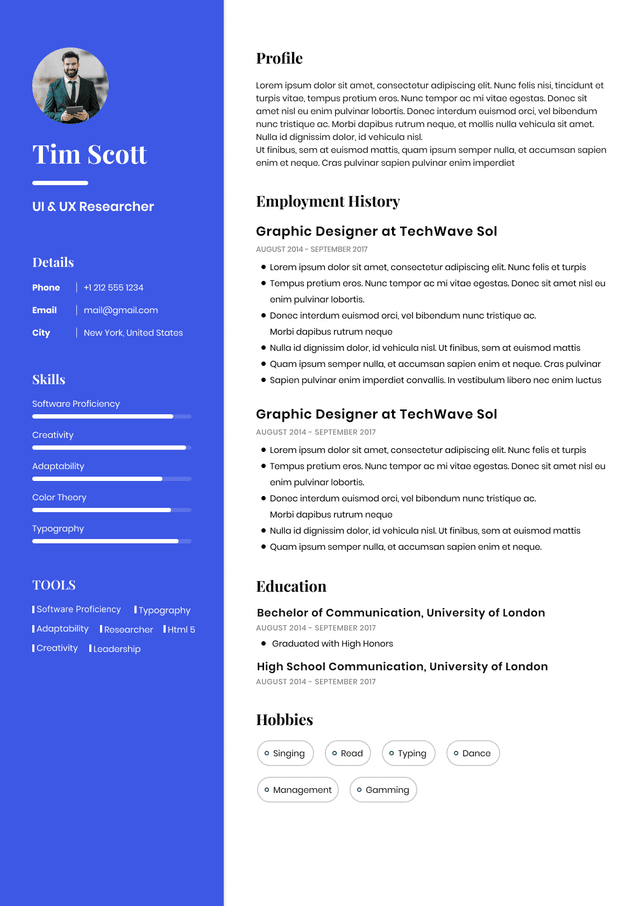
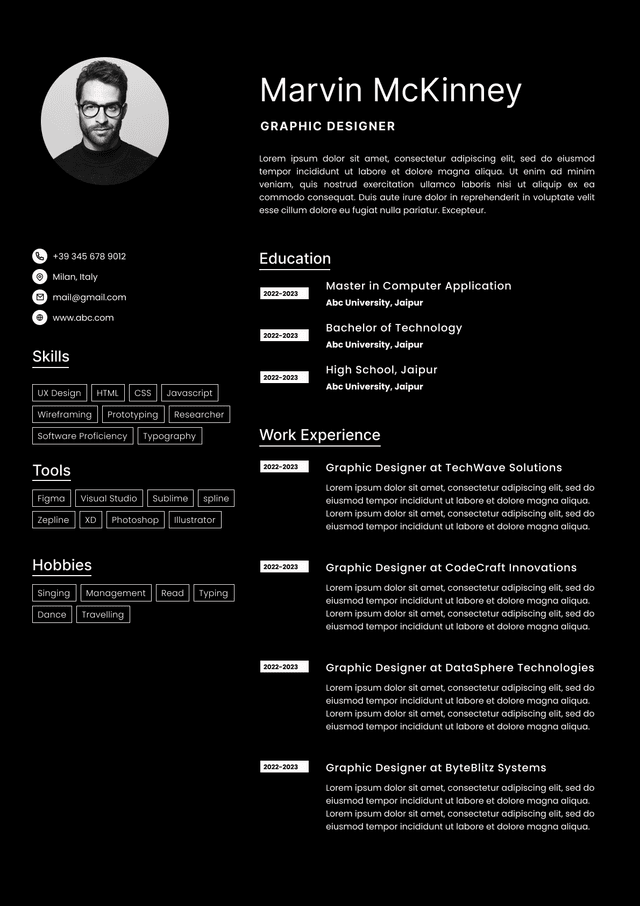
Unique designs that do not look like recycled Canva templates
AI powered resume optimization that helps improve content, wording, and keyword alignment
When people search for the best resume template, they usually think they are looking for design.
They are not.
They are usually trying to solve one of these deeper problems:
“My resume looks boring.”
“I am applying but not hearing back.”
“I do not know how to make my experience look stronger.”
“I want something modern but still professional.”
“I need a resume fast because I found a job I want to apply for today.”
“I want to stand out without looking unserious.”
“I do not know whether my resume will pass ATS screening.”
When I say NEWCV is better than Canva for resumes, I do not mean Canva is a bad tool. I mean Canva was not created only for resume performance.
That difference matters.
Canva gives you design flexibility. NEWCV gives you resume focused design direction.
And honestly, many job seekers do not need more flexibility. They need a better path. Too much design freedom can create messy resume decisions:
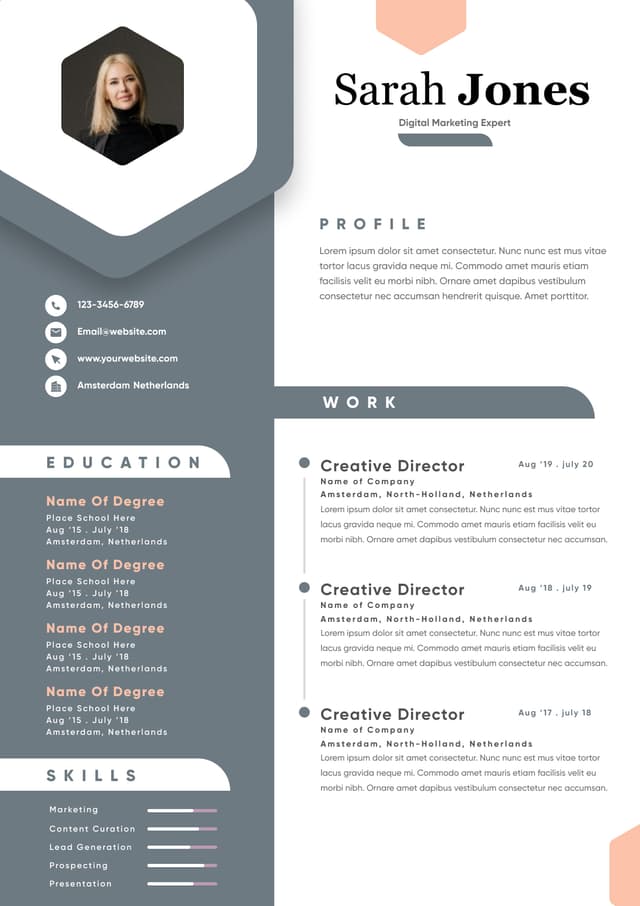
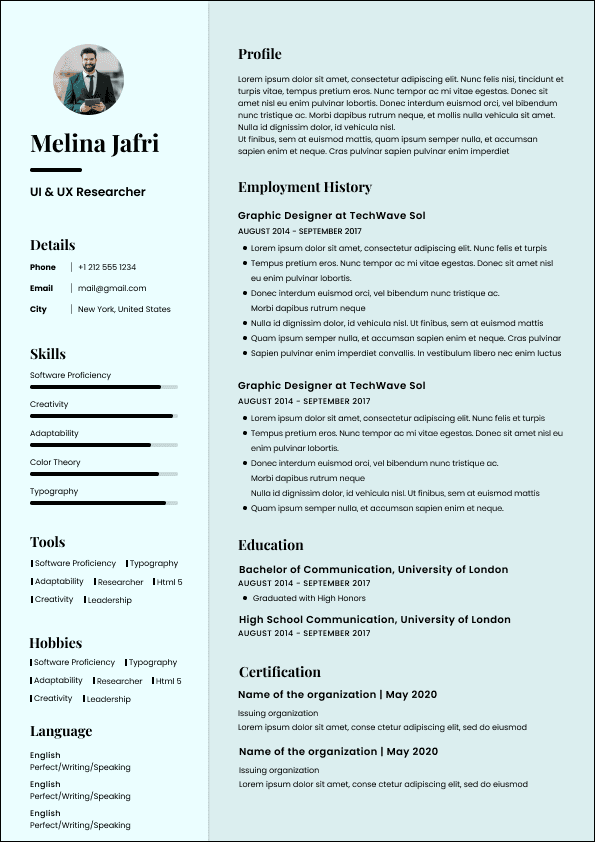
Multiple columns that confuse reading order
Icons that add style but no hiring value
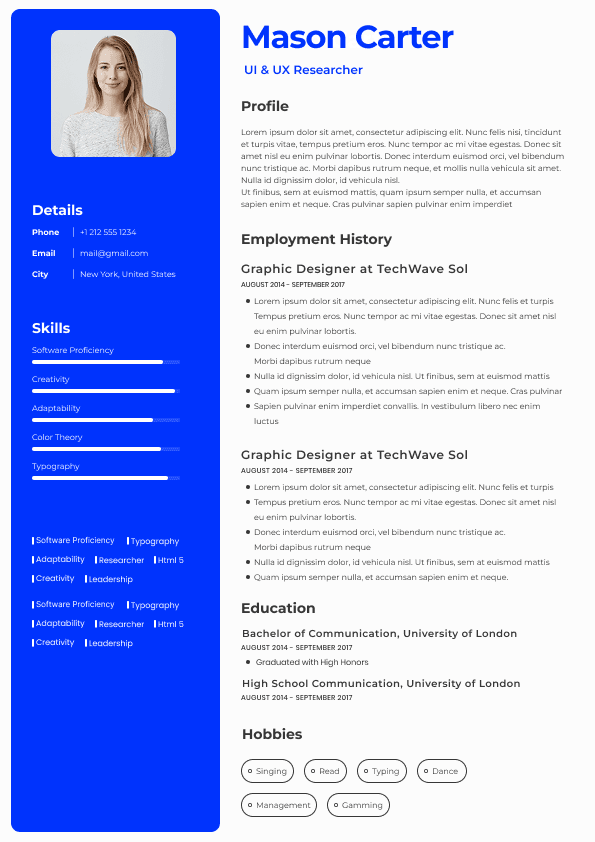
Skill bars that look visual but say nothing useful
Decorative sections that take space away from achievements
Tiny fonts that look sleek but hurt readability
Photos or graphics that are unnecessary for most US applications
The “create your resume in 2 minutes” benefit is not just a convenience claim. It speaks to a real job search problem.
Most candidates lose momentum because the resume process becomes too heavy.
They open Canva, choose a template, change colors, move sections, resize text, adjust spacing, replace icons, fix alignment, rewrite bullets, export the file, realize something shifted, go back in, fix it again, and somehow an hour has disappeared. That is fine if you enjoy design work. It is painful if you need to apply before a posting closes or before the applicant pool gets crowded.
In recruitment, timing can matter.
A strong application sent early can sometimes get reviewed before the role is flooded. Not always, but often enough that speed is part of strategy. Hiring teams may start screening before the application deadline. Recruiters may shortlist candidates while the job is still live. A manager may interview the first strong batch before later applicants are even reviewed.
That is why a fast resume builder is not just about saving time. It helps you move while the opportunity is still warm.
NEWCV is built for that practical reality. You can create a professional, modern, ATS friendly resume quickly instead of wasting hours trying to make a general design template behave like a proper resume builder.
One of the biggest resume misconceptions I see is the idea that ATS friendly resumes have to look plain.
They do not.
ATS friendly means the resume is structured in a way that applicant tracking systems and recruiter workflows can process more reliably. It does not mean your resume must look like it was typed during a lunch break in 2006.
A good ATS friendly resume usually has:
Clear section headings
Readable fonts
Logical formatting
Consistent job history structure
Standard resume sections
Relevant keywords used naturally
There is a strange contradiction in hiring advice. Candidates are told to stand out, then they are given templates that make them look exactly like everyone else.
That is not helpful.
A unique resume design can make a difference, but only when it supports the content. The goal is not to shock the recruiter. The goal is to create a professional document that feels intentional, polished, and aligned with the candidate’s personal brand.
For US job seekers, this is especially useful when applying in competitive fields where presentation and communication matter, such as:
Marketing
Sales
Product management
Customer success
Operations
Design adjacent roles
A modern resume is no longer just a work history document. For many roles, it is the first piece of personal branding an employer sees.
This does not mean your resume needs to be dramatic. It means it should communicate a clear professional identity.
A strong resume tells the employer:
What kind of professional you are
What problems you solve
What level you operate at
What industries, tools, or functions you understand
What makes your background relevant to this specific role
Why your experience deserves a closer look
A weak resume only lists tasks.
This is where personal branding becomes practical. I am not talking about fluffy branding language like “passionate self starter with a proven track record.” Please, no. Recruiters have suffered enough.
Candidates often assume recruiters read resumes from top to bottom. In reality, the first scan is more selective.
When I review a resume, I am usually trying to answer several questions quickly:
Is this person relevant for the role?
Have they done similar work before?
Are their job titles and career path aligned with the level of the position?
Do their skills match what the hiring manager needs?
Can I understand their impact, or are they only listing responsibilities?
Is the resume easy to read, or do I have to work too hard?
Does anything look confusing, inflated, outdated, or mismatched?
The clearest way to understand the difference is to look at the purpose of each tool.
Canva is a design platform. NEWCV is an AI resume builder created specifically for resumes, personal branding, and job applications.
That difference affects the final result.
With Canva, the candidate is responsible for making design decisions, content decisions, formatting decisions, ATS decisions, and export decisions. That can work for someone with strong resume knowledge and design confidence. But most job seekers do not want to build a resume from scratch. They want a better resume without the design headache.
With NEWCV, the process is more direct. You are building a resume for hiring outcomes, not just visual appeal.
The practical difference looks like this:
Canva is flexible, but that flexibility can slow candidates down
NEWCV is faster because the tool is built around resume creation
Canva templates can look attractive, but many are not designed around recruiter scanning
NEWCV templates are built to combine visual impact with resume readability
AI resume tools can be useful, but they can also make resumes worse if they create generic content.
That is the part many AI resume builders get wrong.
A resume does not become stronger just because the wording sounds more polished. Recruiters do not need elegant filler. We need evidence. We need relevance. We need clarity.
Good AI resume optimization should help with:
Stronger resume summaries
Clearer bullet points
Better keyword alignment
More relevant skills placement
Cleaner structure
Stronger action language
A common candidate mistake is choosing the template they personally like the most.
That sounds logical, but it is not always strategic.
The best resume template is the one that makes your experience easiest to understand for the job you want.
For example, a creative resume template may work well for a visual role, but it can feel distracting for finance, compliance, legal operations, healthcare administration, or engineering roles. A very traditional template may work for conservative industries, but it can undersell a candidate in marketing, product, design adjacent, or startup environments.
The template should fit:
The role
The industry
The candidate’s level
The amount of experience
The strength of the work history
“Recruiter approved” is used everywhere, so let me make it practical.
A recruiter approved resume layout is not magical. It simply respects how recruiters actually read.
That means the resume should:
Put the most important information where it is easy to find
Make job titles, companies, dates, and locations clear
Keep sections predictable enough that recruiters do not have to hunt
Use enough white space to reduce visual fatigue
Avoid design tricks that interfere with parsing
Keep achievements connected to the roles where they happened
A good resume builder should not only work for one type of candidate. NEWCV can support different career stages because it combines templates, speed, AI support, and branding flexibility.
For entry level job seekers, the challenge is usually limited experience. They need a resume that highlights education, internships, projects, transferable skills, part time work, volunteer experience, and potential without looking empty.
For mid career professionals, the challenge is focus. They often have enough experience, but their resume becomes crowded. They need a structure that shows progression, impact, and specialization without turning into a job history dump.
For career changers, the challenge is translation. They need to connect previous experience to the target role in a way that feels credible. Design and AI support can help, but only if the resume clearly explains transferable value.
For senior professionals, the challenge is positioning. They need a resume that communicates leadership, scope, results, and strategic value without becoming too long, too dense, or too generic.
For freelancers and portfolio based professionals, the challenge is proof. They need a resume that can connect work history, project outcomes, personal brand, and portfolio evidence.
NEWCV’s resume plus portfolio plus personal branding approach is especially useful here because many modern careers do not fit neatly into old resume formats.
A generic resume template gives you a layout. A stronger resume system helps you make better decisions.
That is the difference job seekers should care about.
A resume that gets attention in the US job market usually does several things well:
It aligns with the target role
It uses clear job titles and recognizable section headings
It includes keywords naturally without stuffing
It shows measurable or specific impact where possible
It avoids vague personality claims
It has a clean visual hierarchy
It is easy to skim quickly
Resume templates are helpful only when candidates use them strategically. I see the same mistakes again and again.
One common mistake is choosing a design before understanding the target job. The job should guide the resume structure. Not the other way around.
Another mistake is using a template with too many visual elements. Icons, charts, rating bars, and decorative blocks may look nice, but they rarely help a recruiter make a hiring decision.
Candidates also overuse the same templates. If a resume looks too familiar, it can feel less personal, even if the content is different. This is one reason unique NEWCV templates can create a stronger first impression than widely used Canva resume designs.
Another issue is treating the resume like a one time document. In the US job market, strong candidates often adjust their resume for different roles. That does not mean rewriting everything. It means improving the summary, skills, keywords, and strongest examples based on the job.
Speed helps here. If your resume builder is slow and frustrating, you are less likely to customize your resume. If NEWCV helps you create and improve resumes faster, that can directly support a better application strategy.
No resume builder can guarantee you will get hired fast. Any tool that promises that too aggressively should make you raise an eyebrow.
Hiring depends on many factors:
Your experience
The role requirements
Market competition
Salary alignment
Location or remote eligibility
Timing
Interview performance
Internal candidates