STILL APPLYING. STILL HEARING NOTHING?BUILD YOUR RESUME

STILL APPLYING. STILL HEARING NOTHING?BUILD YOUR RESUME
Choose from a wide range of NEWCV resume templates and customize your NEWCV design with a single click.
FAQ
A full stack developer is expected to build and maintain both frontend and backend systems that support modern web applications. In today’s US hiring market, employers are no longer just looking for “someone who knows React and Node.js.” They want developers who can ship production-ready applications, work across the stack, collaborate with engineering teams, understand architecture decisions, and solve real business problems.
Most companies prioritize practical engineering ability over theory alone. That means candidates who can demonstrate experience with APIs, databases, deployment workflows, testing, cloud platforms, and scalable application design consistently outperform applicants with only academic credentials.
For entry-level candidates, hiring managers often care more about project quality, GitHub activity, internships, and problem-solving ability than years of experience. For senior-level roles, expectations expand into system design, scalability, architecture ownership, mentoring, and technical leadership.
This guide breaks down the real-world qualifications, technical requirements, recruiter expectations, and hiring standards companies use when evaluating full stack developers in the US job market.
A full stack developer works across both the frontend and backend of web applications.
That typically includes:
Building user interfaces using frameworks like React, Angular, or Vue
Developing backend APIs and business logic using technologies like Node.js, Python, Java, or .NET
Managing databases such as PostgreSQL, MySQL, MongoDB, or Redis
Integrating authentication, authorization, and security controls
Working with deployment pipelines, cloud infrastructure, and version control systems
Troubleshooting production issues and improving application performance
In modern engineering teams, full stack developers are often expected to contribute throughout the entire software development lifecycle rather than focusing on a single layer of the application.
Most full stack developer job descriptions include a combination of technical skills, engineering practices, and collaboration abilities.
Here’s what employers consistently prioritize.
Frontend capability remains one of the biggest screening filters in full stack hiring.
Most companies expect experience with:
JavaScript and TypeScript
HTML5 and CSS3
Responsive web design
State management
Component-based architecture
REST API integration
Backend capability separates true full stack developers from frontend-focused candidates.
Most employers expect experience with at least one backend language and framework.
Common backend stacks include:
Node.js with Express or NestJS
Python with Django or FastAPI
Java with Spring Boot
C# with .NET
PHP with Laravel
Ruby on Rails
Go
Core backend expectations usually include:
Database knowledge is mandatory for full stack developer roles.
Employers typically expect familiarity with both relational and NoSQL systems.
Most commonly requested databases include:
PostgreSQL
MySQL
MongoDB
Redis
SQL Server
Candidates should understand:
Schema design
Relationships and normalization
Modern full stack developers spend a significant amount of time working with APIs.
Most hiring teams expect candidates to understand:
REST APIs
GraphQL
Authentication tokens
API versioning
CRUD operations
Request validation
Rate limiting
API security
A bachelor’s degree is still commonly preferred, but it is no longer mandatory at many companies.
Typical degree backgrounds include:
Computer Science
Software Engineering
Computer Engineering
Information Systems
Web Development
However, many employers now accept:
Coding bootcamp graduates
Self-taught developers
Entry-level hiring has shifted dramatically in recent years.
Companies no longer expect junior developers to know everything, but they do expect candidates to prove they can contribute in a real engineering environment.
Most entry-level requirements include:
Solid JavaScript fundamentals
Understanding of frontend frameworks
Basic backend API development
Database knowledge
Git and GitHub experience
Debugging ability
Deployment familiarity
Many job descriptions contain long lists of technologies, but hiring managers rarely expect mastery of every tool listed.
What they truly evaluate is whether candidates can:
Learn quickly
Adapt to existing systems
Solve engineering problems
Write maintainable code
Collaborate with teams
Understand tradeoffs
The strongest candidates demonstrate depth in a few technologies rather than shallow familiarity with everything.
Many applicants fail because they overload resumes with buzzwords.
Modern full stack roles increasingly include cloud and deployment responsibilities.
Frequently requested platforms and tools include:
AWS
Azure
Google Cloud Platform
Docker
Kubernetes
Terraform
GitHub Actions
Jenkins
Testing knowledge has become a major differentiator in hiring.
Many weak candidates can build features but struggle to maintain software quality.
Companies increasingly prioritize developers who understand:
Unit testing
Integration testing
End-to-end testing
API testing
Test automation
TDD concepts
Common testing tools include:
Jest
Security awareness is now considered a baseline expectation.
Most employers expect familiarity with:
OWASP Top 10 risks
Authentication security
Authorization models
Input validation
Secure password handling
Session management
SQL injection prevention
XSS prevention
Technical ability alone rarely determines hiring outcomes.
Engineering managers consistently prioritize developers who communicate clearly and collaborate effectively.
The most valuable soft skills include:
Problem-solving
Team collaboration
Technical communication
Documentation skills
Ownership mentality
Adaptability
Time management
Senior developers are also expected to:
Many applicants assume rejection happens because of missing technologies.
In reality, hiring managers often reject candidates for broader engineering concerns.
Tutorial-based projects are easy to spot.
Hiring teams look for:
Original projects
Real business logic
Proper architecture
Authentication systems
Database integration
Error handling
Senior full stack developers are evaluated very differently from junior and mid-level developers.
The focus shifts from implementation ability to engineering leadership and architecture ownership.
Senior-level expectations often include:
System design expertise
Scalability planning
Performance optimization
Distributed systems knowledge
Technical leadership
Mentorship
Architecture decisions
Certifications can help in certain environments, but they rarely replace practical experience.
The most respected certifications usually involve:
AWS
Azure
Google Cloud
Kubernetes
Scrum
Security
Certifications are most useful when:
Entering the industry
Most engineering hiring processes evaluate candidates across four major categories:
Can the candidate actually build and maintain applications?
Can they reason through unfamiliar technical challenges?
Can they explain technical concepts clearly and collaborate effectively?
Can they contribute safely within real engineering environments?
Strong candidates consistently demonstrate all four areas.
Weak candidates usually focus too heavily on memorization instead of engineering reasoning.
The strongest candidates combine technical depth with practical execution.
The current US market heavily favors developers who can:
Ship production-ready applications
Work across frontend and backend systems
Understand cloud deployment
Collaborate with product and engineering teams
Learn new technologies quickly
Communicate effectively
The market has become increasingly selective, especially for entry-level roles.
Candidates who stand out usually have:

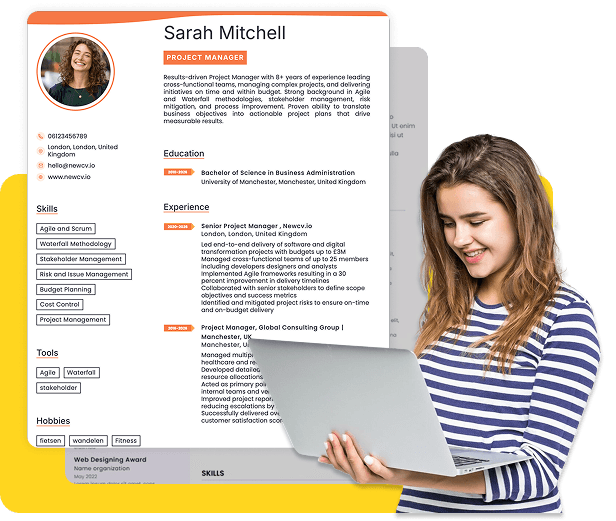
Use ATS-optimised Resume and resume templates that pass applicant tracking systems. Our Resume builder helps recruiters read, scan, and shortlist your Resume faster.

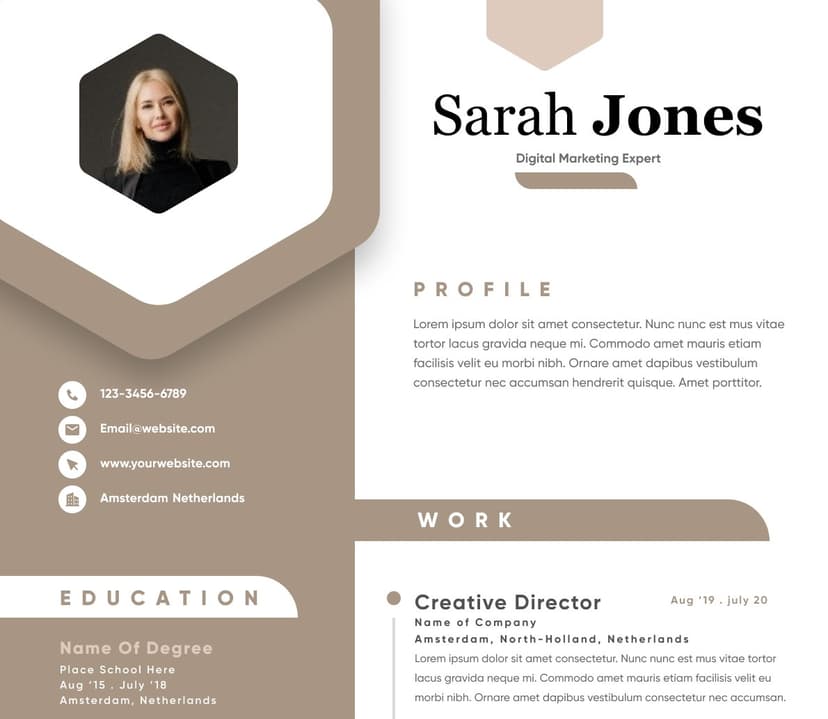
Use professional field-tested resume templates that follow the exact Resume rules employers look for.
Create Resume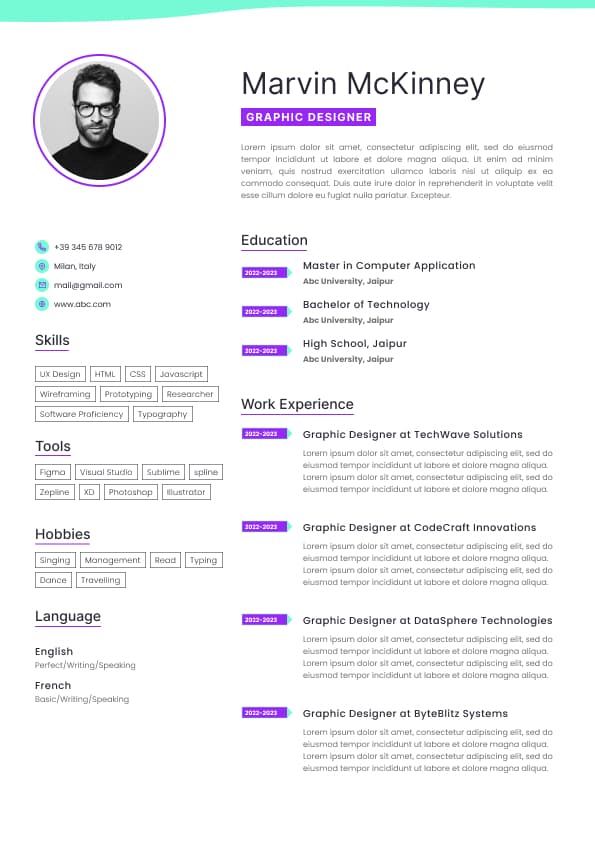
Use professional field-tested resume templates that follow the exact Resume rules employers look for.
Create ResumeFrontend performance optimization
Cross-browser compatibility
The most requested frontend frameworks include:
React
Next.js
Angular
Vue.js
Recruiters frequently reject candidates who list frontend frameworks but cannot explain:
Component lifecycle
State management
Rendering optimization
API data handling
Authentication flows
Error handling strategies
Hiring managers often test whether candidates understand frontend engineering beyond building static UI components.
Building APIs
Authentication and authorization
Database integration
Error handling
Business logic implementation
API security
Logging and monitoring
Performance optimization
Strong backend developers also understand:
Application scalability
Rate limiting
Caching strategies
Queue systems
Async processing
Database indexing
Secure session management
One major hiring mistake candidates make is presenting themselves as “full stack” while only having tutorial-level backend knowledge.
Real backend proficiency becomes obvious during technical interviews.
Indexing
Query optimization
Data migrations
Transactions
ORM tools
Caching layers
Senior candidates are often evaluated on how well they model scalable systems and prevent database bottlenecks.
Weak candidates frequently fail interviews because they rely entirely on ORM abstractions without understanding underlying SQL behavior.
Strong candidates can explain:
When to use REST vs GraphQL
How authentication flows work
How frontend and backend systems communicate
How to structure maintainable APIs
How to handle API failures gracefully
This is especially important in SaaS, fintech, healthcare, and enterprise software environments.
Career changers
Developers with strong portfolios and GitHub projects
In practice, employers prioritize demonstrated engineering ability over formal credentials alone.
A candidate with excellent production-quality projects often outperforms candidates with degrees but weak practical skills.
Basic testing knowledge
Entry-level candidates should also have:
Personal projects
GitHub repositories
Bootcamp work
Freelance projects
Internship experience
Portfolio websites
Recruiters consistently prioritize candidates who can demonstrate:
Real applications instead of tutorial clones
Clean code organization
Deployment experience
Problem-solving ability
Strong communication skills
Curiosity and learning ability
A junior developer with three strong portfolio projects usually performs better than someone who completed dozens of disconnected tutorials.
Hiring managers immediately notice when candidates list technologies they cannot discuss confidently.
If you claim expertise in Kubernetes, GraphQL, or distributed systems, expect deep technical questions.
Overinflated resumes are one of the fastest ways to lose credibility during interviews.
CI/CD pipelines
Most companies do not expect junior developers to be DevOps engineers.
However, they increasingly expect developers to understand:
Deployment workflows
Environment configuration
Container basics
CI/CD concepts
Monitoring systems
Production debugging
Senior full stack developers are often expected to own deployment strategy and operational reliability.
Cypress
Playwright
Selenium
JUnit
PyTest
Strong engineering organizations care heavily about maintainability and reliability, not just feature delivery speed.
CSRF protection
Candidates interviewing for fintech, healthcare, cybersecurity, or government-related roles are often evaluated heavily on secure coding practices.
A surprising number of developers still fail interviews because they cannot explain basic web security concepts.
Mentor junior engineers
Lead technical discussions
Influence architecture decisions
Balance technical tradeoffs with business goals
One overlooked hiring factor is communication during technical interviews.
Candidates who explain their reasoning clearly often outperform technically stronger candidates with poor communication skills.
Deployment experience
Many candidates understand frontend development but lack backend depth.
Common failure areas include:
Authentication flows
Database relationships
API design
Performance optimization
Async processing
Many resumes list technologies without showing business impact or engineering outcomes.
Hiring managers want evidence of:
Problems solved
Systems improved
Performance gains
Collaboration experience
Production deployments
Strong candidates can explain:
Why they chose a framework
How they structured an application
Tradeoffs they considered
Problems they encountered
How they debugged issues
Interviewers often care more about engineering reasoning than memorized syntax.
Cross-team collaboration
Strong senior candidates can:
Design systems from scratch
Evaluate tradeoffs
Lead technical initiatives
Improve engineering processes
Reduce operational risk
Mentor teams effectively
At the senior level, companies care less about whether you know a specific framework and more about whether you can solve large-scale engineering problems.
Senior interview loops often focus heavily on:
System architecture
Scalability
Reliability
Communication
Leadership
Product thinking
This is why many technically capable mid-level developers struggle to transition into senior roles.
Changing careers
Applying to enterprise organizations
Supporting existing practical experience
Recruiters rarely hire developers based on certifications alone.
Hands-on engineering ability still dominates hiring decisions.
Strong project portfolios
Real-world application experience
Clear technical communication
Demonstrated ownership
Depth in modern engineering workflows
The developers getting hired fastest are not necessarily the ones with the most technologies listed on their resumes.
They are the ones who can prove they can build, maintain, and improve real software systems effectively.


 Upload Resume
 Import from Linkedin