STILL APPLYING. STILL HEARING NOTHING?BUILD YOUR RESUME

STILL APPLYING. STILL HEARING NOTHING?BUILD YOUR RESUME
Choose from a wide range of NEWCV resume templates and customize your NEWCV design with a single click.
FAQ

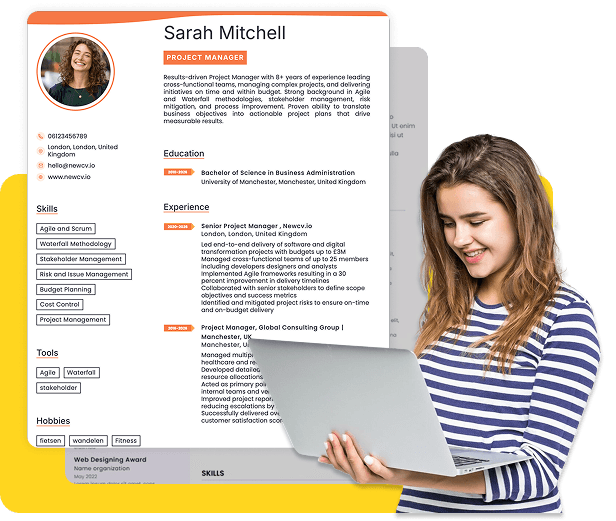
Full Stack Developer Resume Templates and Formats
A full stack developer resume template should do two things extremely well: pass Applicant Tracking Systems (ATS) and make technical hiring managers immediately understand your stack, experience level, and impact. Most resumes fail because they either overload the page with technologies or hide important engineering work behind generic bullet points.
The best full stack developer resume format is usually a clean reverse chronological layout with technical skills near the top, measurable project outcomes, and stack-specific keywords naturally integrated throughout the resume. For junior developers or bootcamp graduates, a combination format often works better because projects can carry more weight than professional experience.
This guide breaks down the best ATS-friendly full stack developer resume templates, when to use each format, what recruiters actually scan first, and how to structure a resume that gets interviews in today’s US tech market.
Most recruiters spend less than 10 seconds on the first scan of a technical resume. During that scan, they are usually trying to answer five questions:
What technologies does this candidate use?
What level are they: junior, mid-level, senior, or lead?
Have they built production applications?
Do they understand modern development workflows?
Does their experience align with the open role?
That means your resume template matters more than many developers realize. If your formatting hides stack alignment or makes scanning difficult, strong technical experience can get overlooked.
For full stack developer resumes specifically, recruiters prioritize:
Frontend and backend stack visibility
Framework relevance to the job posting
Cloud and deployment exposure
API and database experience
Measurable engineering outcomes
Modern tooling familiarity
GitHub or portfolio evidence
Clean ATS parsing
The best resume templates surface this information immediately.
Different resume formats work better depending on your experience level and career path.
This is the strongest format for most experienced full stack developers.
It highlights:
Career progression
Engineering ownership
Recent technical experience
Team collaboration
Production-scale work
This format works best for:
Mid-level developers
Senior developers
Lead engineers
Candidates with stable work history
Developers with 2+ years of experience
Recruiters strongly prefer this format because it mirrors how technical hiring decisions are made. Recent experience carries the most weight.
A functional format emphasizes skills and projects over work history.
This format is useful for:
Bootcamp graduates
Career changers
Self-taught developers
Candidates with employment gaps
Entry-level developers without production experience
However, functional resumes can create skepticism if they hide timeline clarity. Recruiters may assume the candidate lacks real-world experience unless projects are exceptionally strong.
This is often the best option for project-heavy full stack developers.
It combines:
Technical skills prominence
Project visibility
Professional experience
Stack specialization
This format works especially well for:
MERN stack developers
Freelancers
Startup engineers
Open-source contributors
Developers with strong side projects
Combination resumes help technical candidates showcase practical engineering capability even if traditional employment history is limited.
Resume length should reflect experience depth, not ego.
Best for:
Internship candidates
Junior developers
Bootcamp graduates
Developers with under 3 years of experience
A strong one-page resume forces prioritization and improves readability.
Best for:
Senior engineers
Technical leads
Architects
Developers with extensive projects
Multi-stack engineers
Two pages are acceptable when every section adds value. Padding weak content to reach two pages hurts performance.
ATS systems parse resumes line by line. Overdesigned templates often break parsing and hide important keywords.
The safest ATS-friendly layout includes:
Single-column structure
Standard section headings
Plain text formatting
Clear spacing
Consistent bullet structure
Standard fonts
A high-performing full stack developer resume typically includes:
Contact information
Professional summary
Technical skills
Professional experience
Projects
Certifications
Education
Optional sections:
Open-source contributions
Publications
Technical blog
Speaking engagements
Below is the structure recruiters expect to see.
Include:
Full name
Phone number
Professional email
LinkedIn profile
GitHub profile
Portfolio website
Optional but valuable:
Deployed applications
Technical blog
API documentation
Your summary should communicate:
Experience level
Primary stacks
Engineering strengths
Business impact
Avoid vague summaries like:
Weak Example
“Motivated full stack developer passionate about coding and technology.”
This says nothing meaningful.
Good Example
“Full stack developer with 5+ years of experience building scalable SaaS applications using React, Node.js, TypeScript, PostgreSQL, and AWS. Led frontend modernization initiatives that reduced page load times by 38% and improved deployment efficiency through CI/CD automation.”
This immediately signals:
Stack relevance
Experience level
Production impact
Technical maturity
Technical skills placement matters heavily in technical recruiting.
Most recruiters scan the skills section before reading experience.
Place technical skills near the top.
React
Next.js
Angular
Vue.js
TypeScript
JavaScript
Redux
Tailwind CSS
Node.js
Express.js
Python
Java
.NET
GraphQL
REST APIs
PostgreSQL
MongoDB
MySQL
Redis
AWS
Docker
Kubernetes
Terraform
Jenkins
GitHub Actions
Jest
Cypress
Playwright
Selenium
Git
Jira
Postman
Figma
Many developers write task-based bullets instead of outcome-based bullets.
Recruiters do not hire based on responsibilities alone. They hire based on evidence of technical execution and business impact.
“Worked on frontend and backend development for web applications.”
This provides no differentiation.
“Built and deployed a React and Node.js customer portal serving 120K+ users, reducing support ticket volume by 27% through self-service account management features.”
This demonstrates:
Technologies
Ownership
Scale
Outcome
Product impact
US tech hiring strongly favors clarity over creativity.
The best modern full stack developer resume templates are:
Minimal
Structured
ATS-safe
Highly scannable
Use:
Arial
Calibri
Aptos
Helvetica
Avoid:
Decorative fonts
Tiny font sizes
Multi-column layouts
Graphic-heavy templates
These are related but not identical.
Broader positioning.
Usually includes:
Multiple backend technologies
Several frontend frameworks
Cross-platform architecture
Broader infrastructure exposure
More specialized positioning.
Focused on:
MongoDB
Express.js
React
Node.js
MERN resumes should emphasize:
API development
React architecture
State management
Full JavaScript ecosystem expertise
Recruiters hiring for MERN roles expect deeper specialization, not broad generalized experience.
Many technically strong developers lose interviews because of preventable formatting and positioning issues.
ATS systems often fail to parse:
Skill meters
Icons
Visual charts
Sidebars
This can hide critical keywords.
Some developers overload resumes with technologies.
This creates two problems:
ATS may flag unnatural repetition
Recruiters lose confidence in credibility
Only include technologies you can confidently discuss in technical interviews.
A resume listing 40 technologies but showing no measurable outcomes usually hurts credibility.
Hiring managers look for evidence of practical application.
Projects should show:
Stack
Architecture
Problem solved
Deployment approach
User impact
Not just feature lists.
Prioritize:
Projects
GitHub activity
Bootcamp work
Technical skills
Internships
Recruiters know entry-level candidates lack production experience. Strong projects become the proof of capability.
Focus on:
Ownership
Team collaboration
Product impact
Deployment experience
Scalability work
At this level, hiring managers expect measurable engineering contributions.
Emphasize:
Architecture decisions
Technical leadership
Mentorship
System scalability
Performance optimization
Cross-functional influence
Senior resumes should show business impact alongside technical complexity.
Technical hiring managers often care less about exhaustive skills lists and more about execution patterns.
They want evidence that you can:
Ship production code
Debug effectively
Collaborate across teams
Understand architecture tradeoffs
Build maintainable systems
Work within modern engineering workflows
Strong resumes communicate engineering maturity.
Weak resumes communicate tool familiarity only.
That distinction matters heavily in competitive hiring markets.
A GitHub link only helps if the content is strong.
Recruiters typically look for:
Recent commits
Real applications
Clean README files
Deployment links
Documentation quality
Weak GitHub profiles can actually hurt candidates.
Live applications
Responsive UI
Clean architecture
API integration
Performance optimization
Real-world use cases
Broken deployment links
Empty repositories
Tutorial clones
Poor documentation
Incomplete projects
Many candidates focus too heavily on downloadable formats instead of structure quality.
Whether you use:
Word
Google Docs
The critical factor is ATS compatibility and recruiter readability.
PDF is usually safest because formatting stays consistent.
However:
Some ATS systems handle Word documents better
Certain applications explicitly request DOCX
Always follow employer instructions exactly.
Before submitting your resume, verify the following:
Technical skills appear near the top
Resume uses a single-column layout
Bullets include measurable outcomes
Stack keywords match the target role
Experience is reverse chronological
GitHub and LinkedIn links work
Formatting remains clean in PDF export
Resume avoids graphics and tables
Projects include deployed technologies
Bullet points start with strong action verbs
The strongest full stack developer resumes consistently do three things better than average resumes:
Strong resumes explain impact, not just technologies.
Generic resumes underperform.
React-heavy roles want React depth. SaaS backend roles want API and cloud depth.
Hiring managers prioritize developers who understand:
Scalability
Maintainability
Performance
Deployment workflows
Cross-team collaboration
Not just coding syntax.
Use ATS-optimised Resume and resume templates that pass applicant tracking systems. Our Resume builder helps recruiters read, scan, and shortlist your Resume faster.

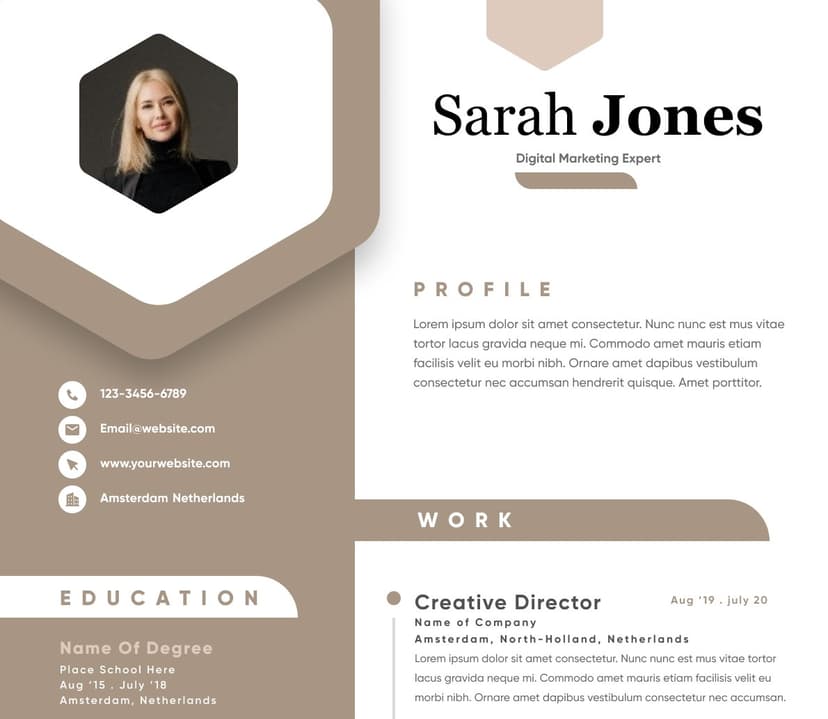
Use professional field-tested resume templates that follow the exact Resume rules employers look for.
Create Resume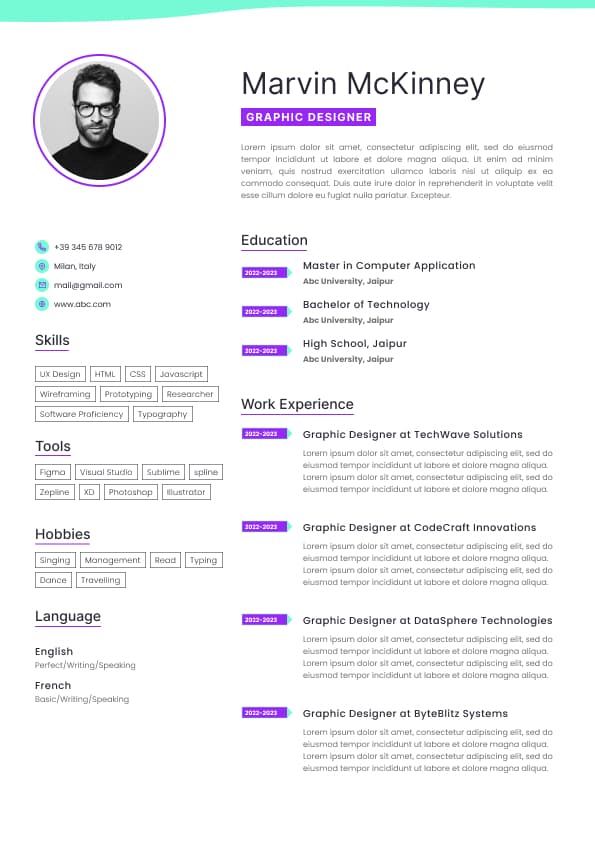
Use professional field-tested resume templates that follow the exact Resume rules employers look for.
Create Resume


 Upload Resume
 Import from Linkedin