STILL APPLYING. STILL HEARING NOTHING?BUILD YOUR RESUME

STILL APPLYING. STILL HEARING NOTHING?BUILD YOUR RESUME
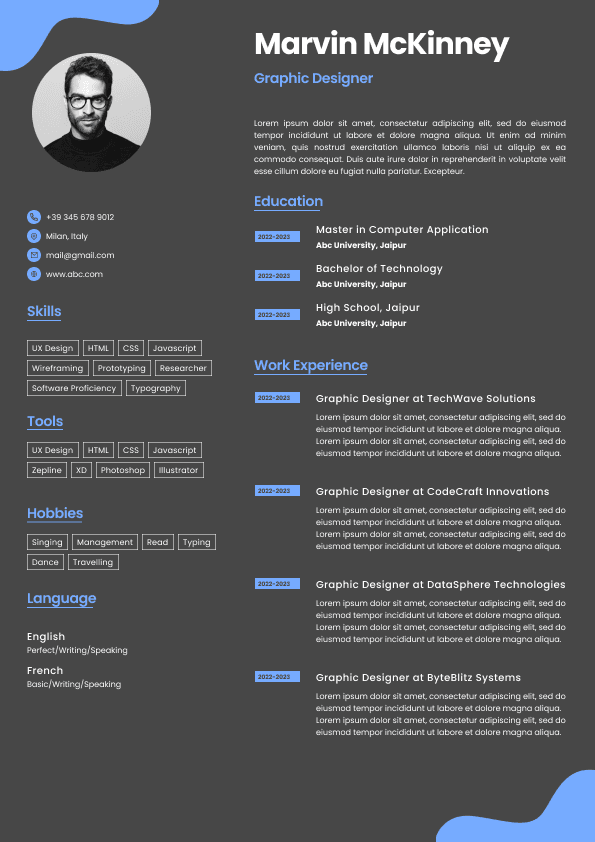
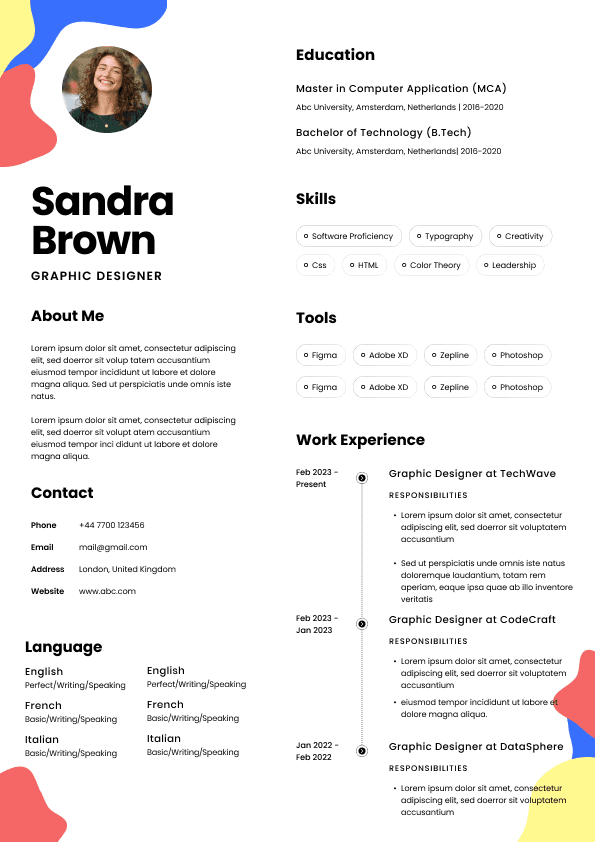
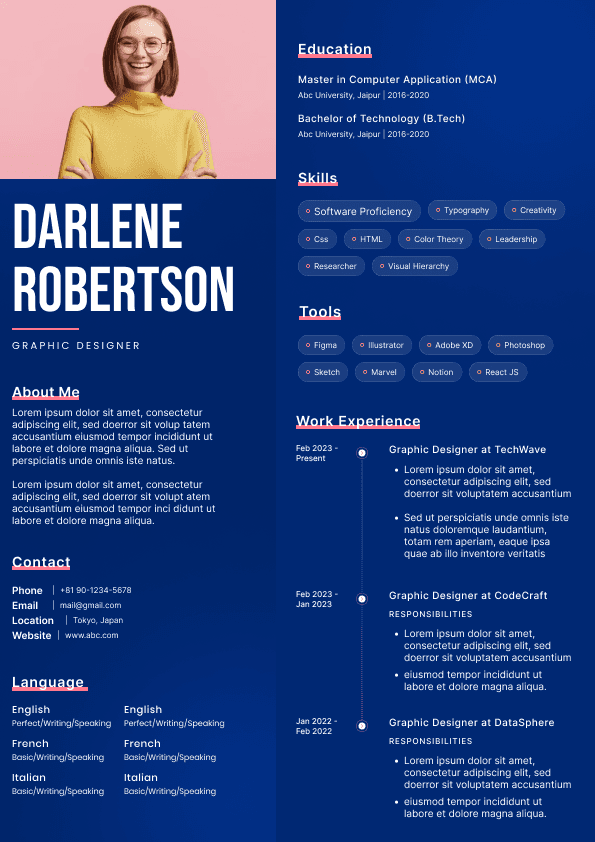
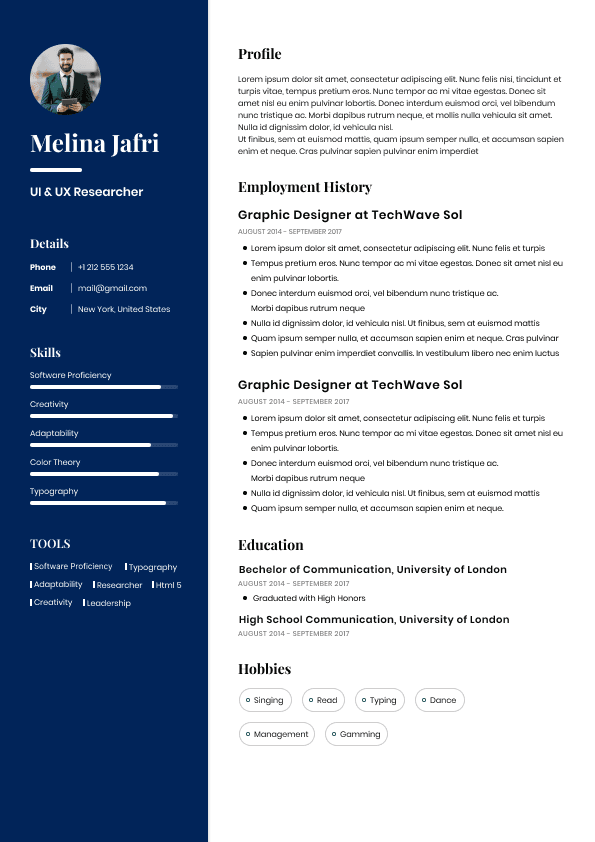
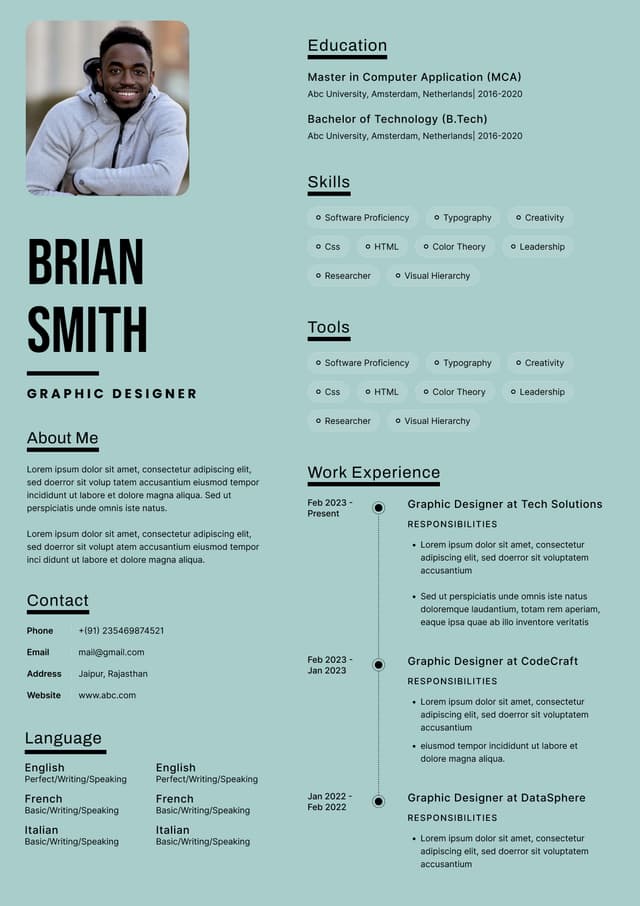
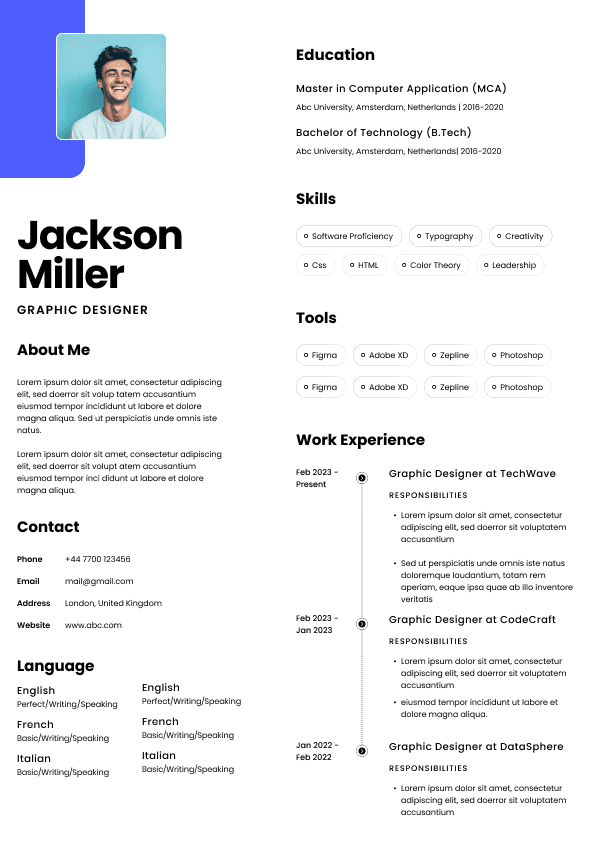
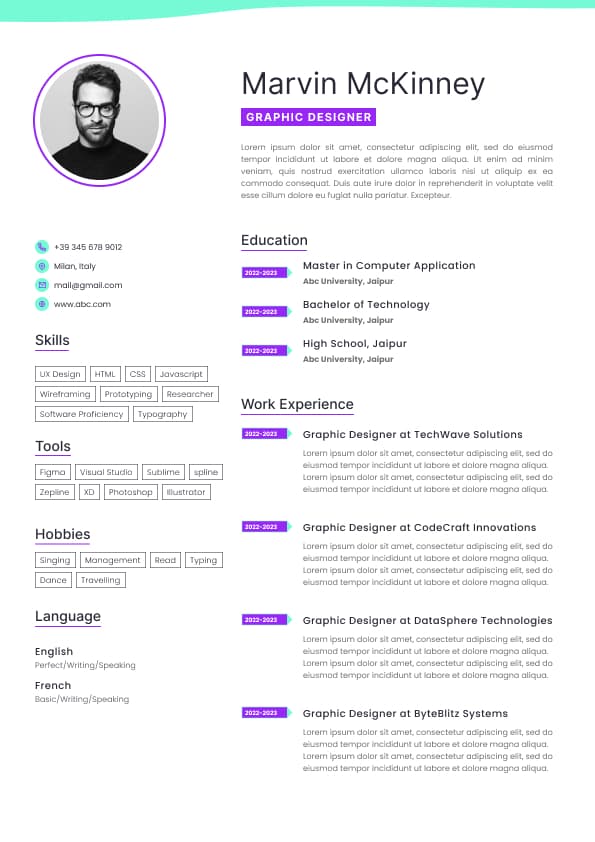
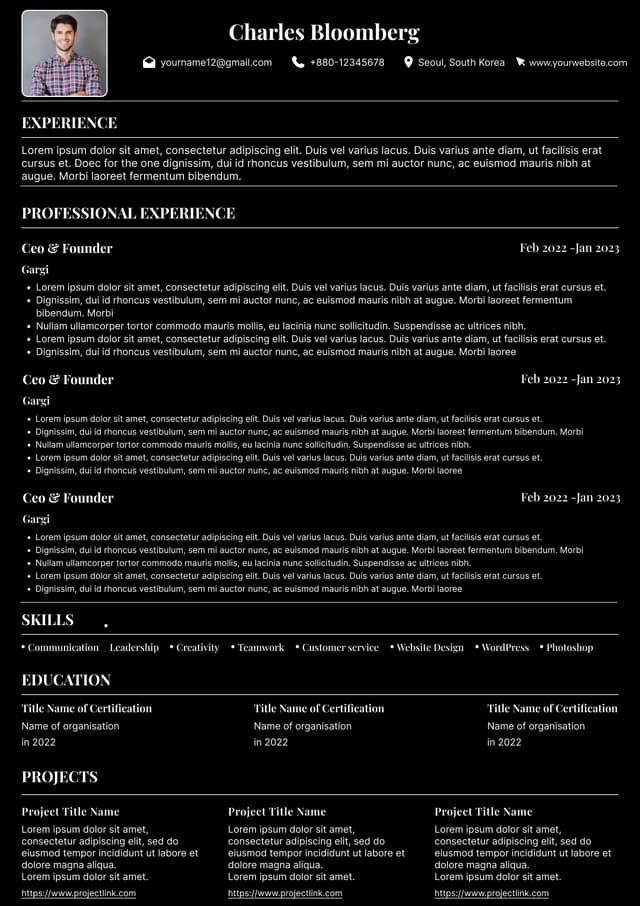
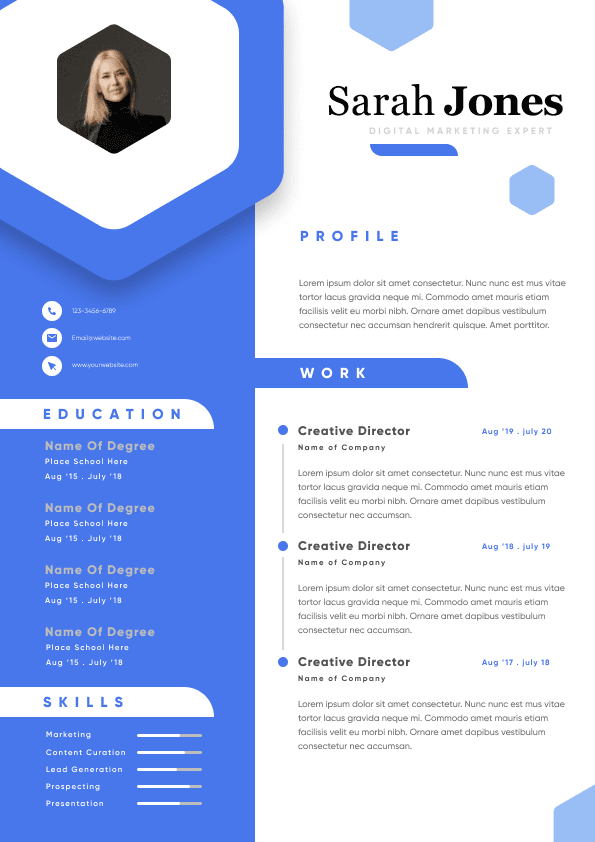
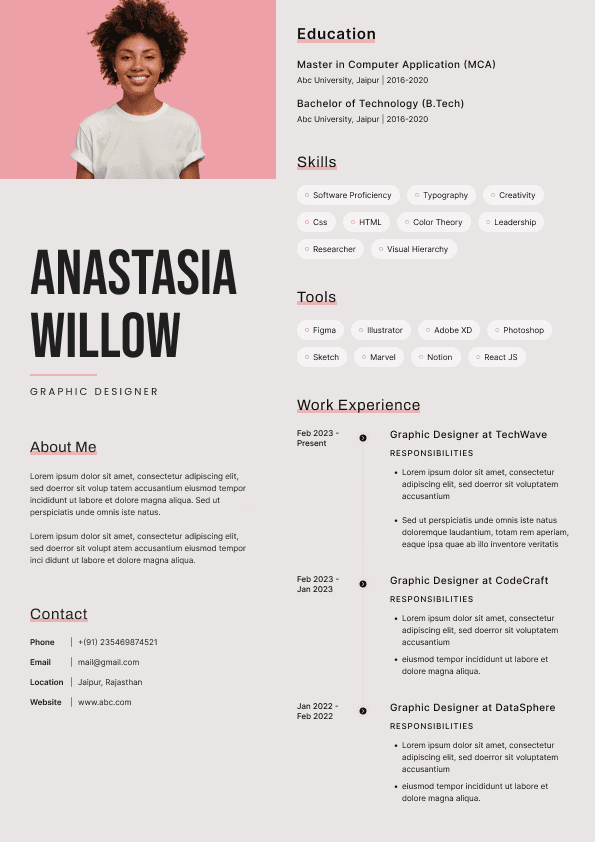
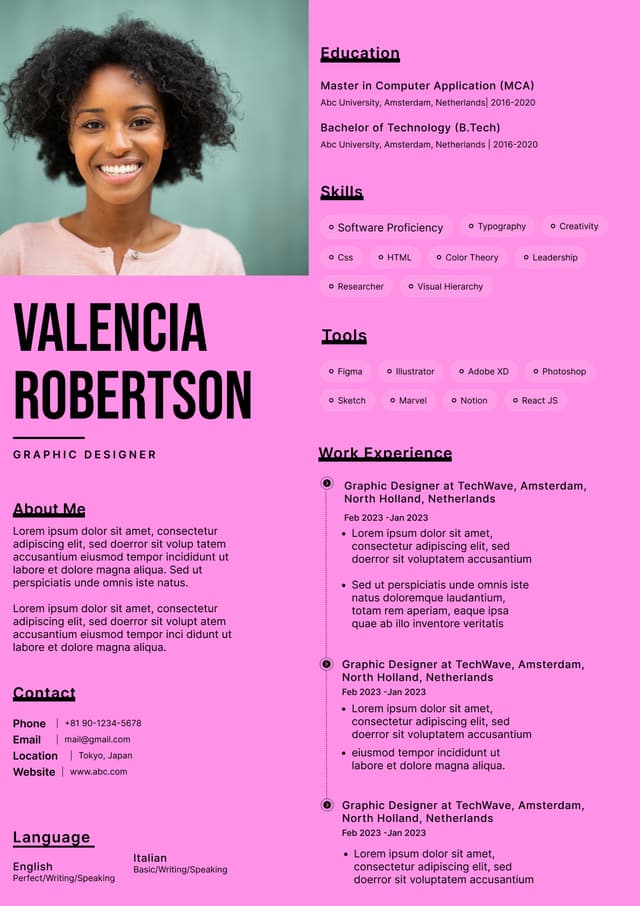
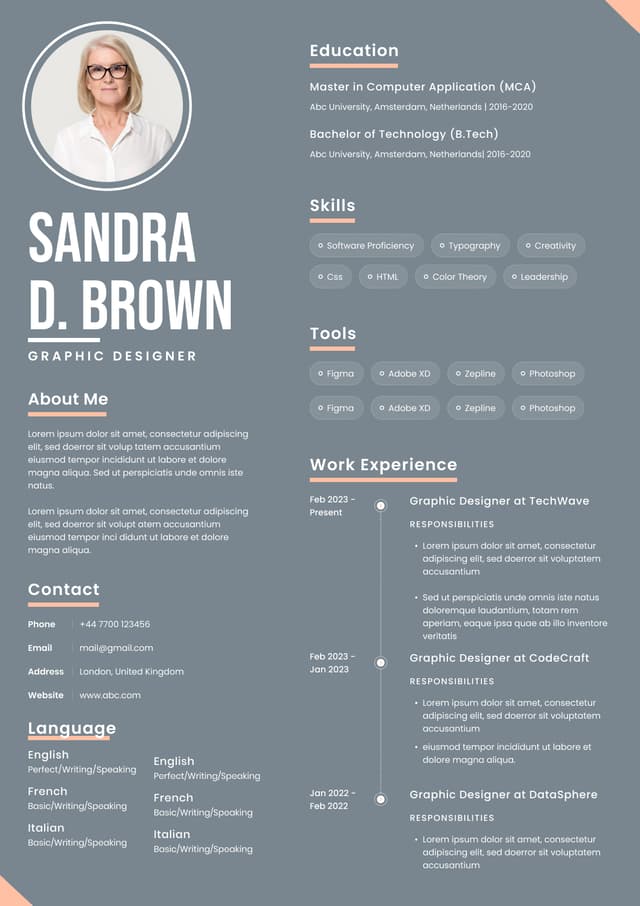
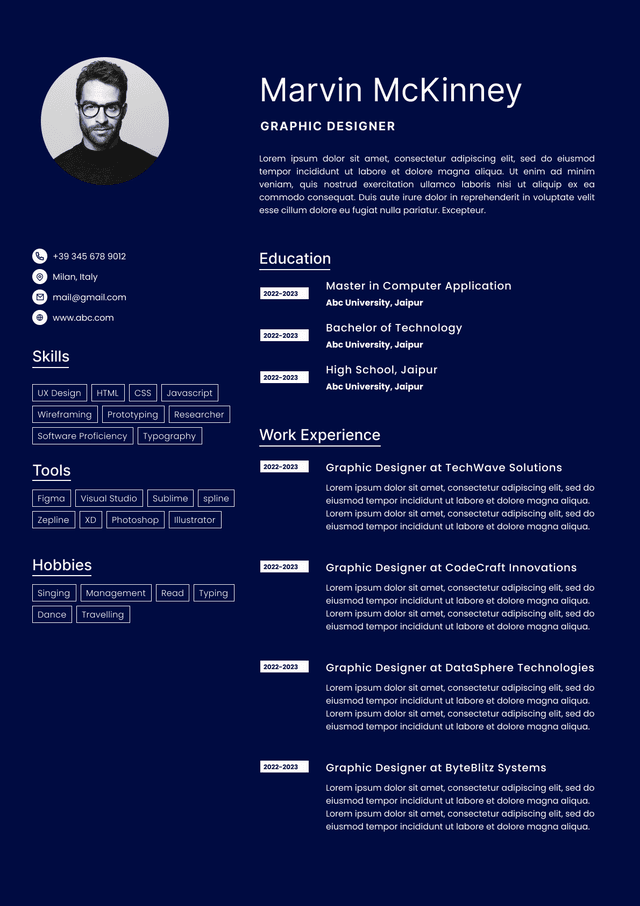
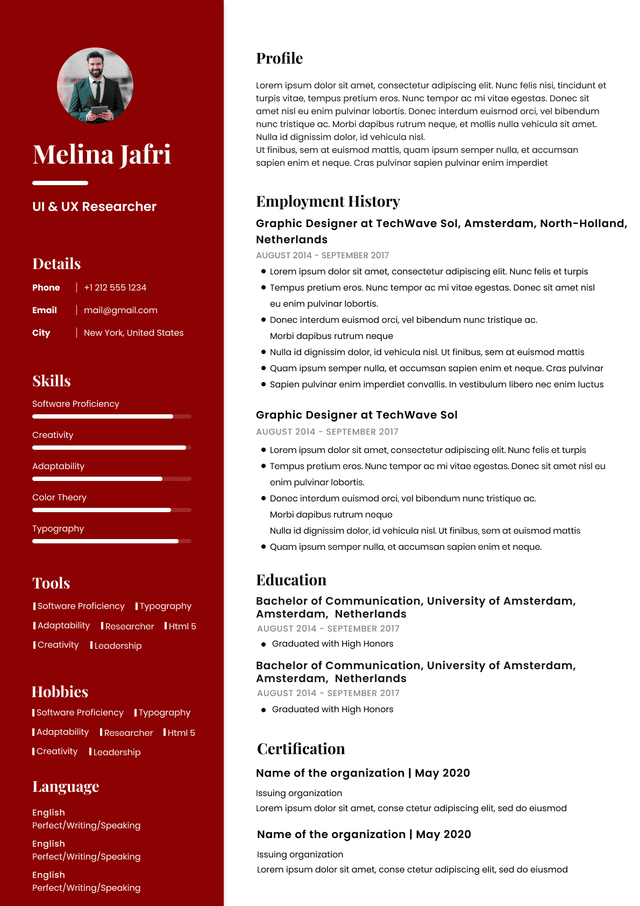
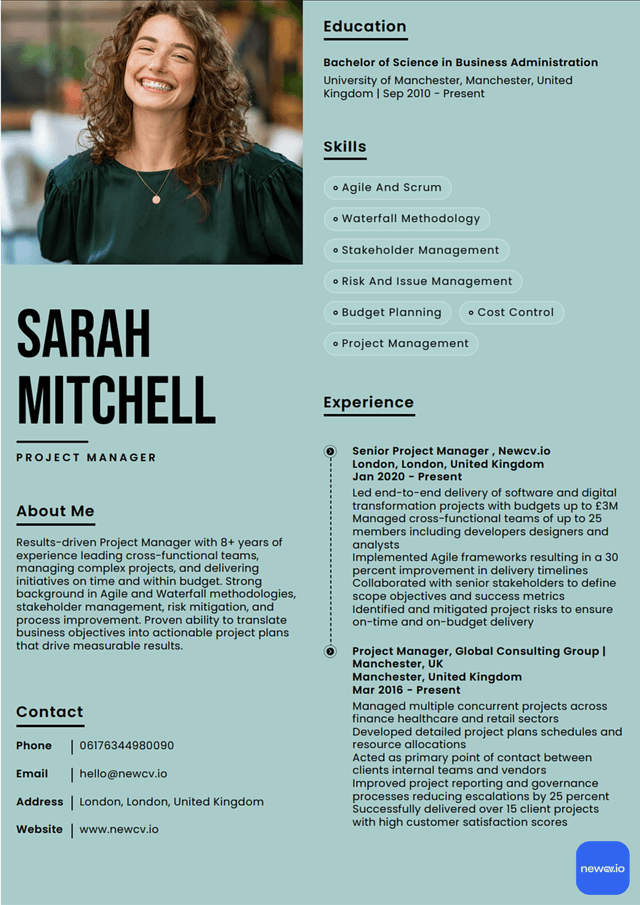
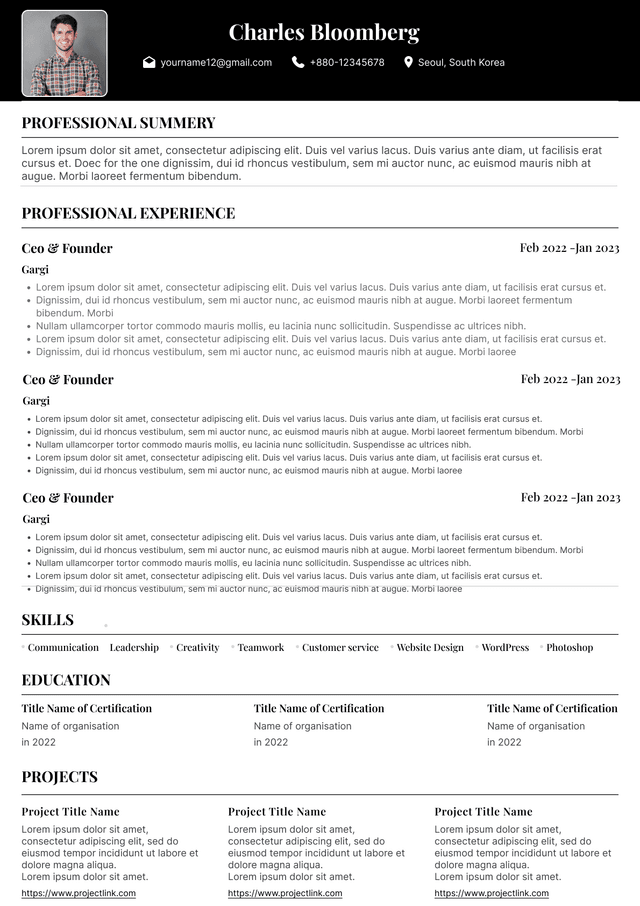
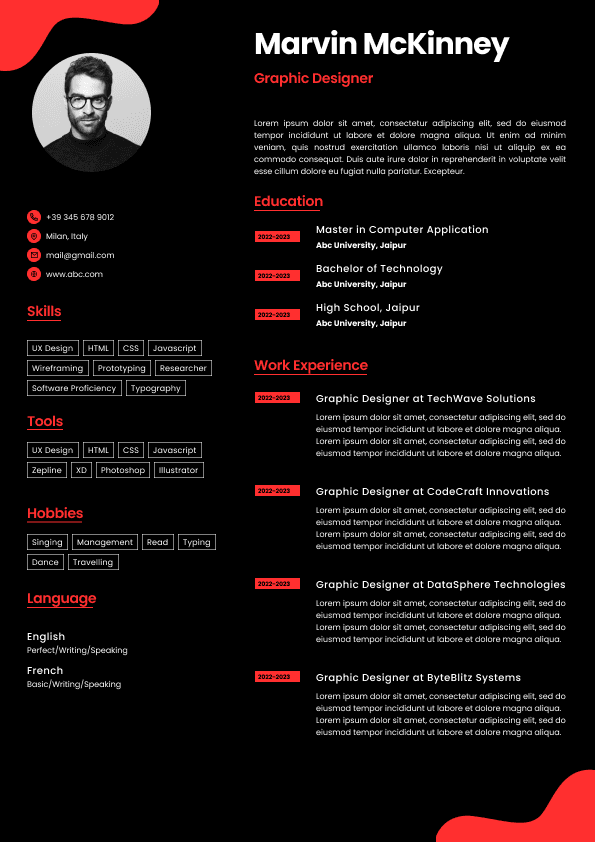
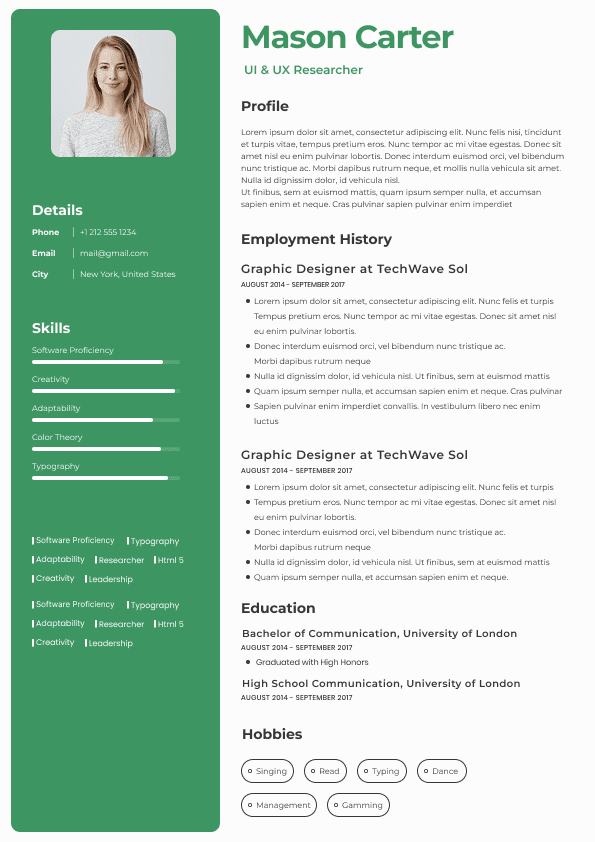
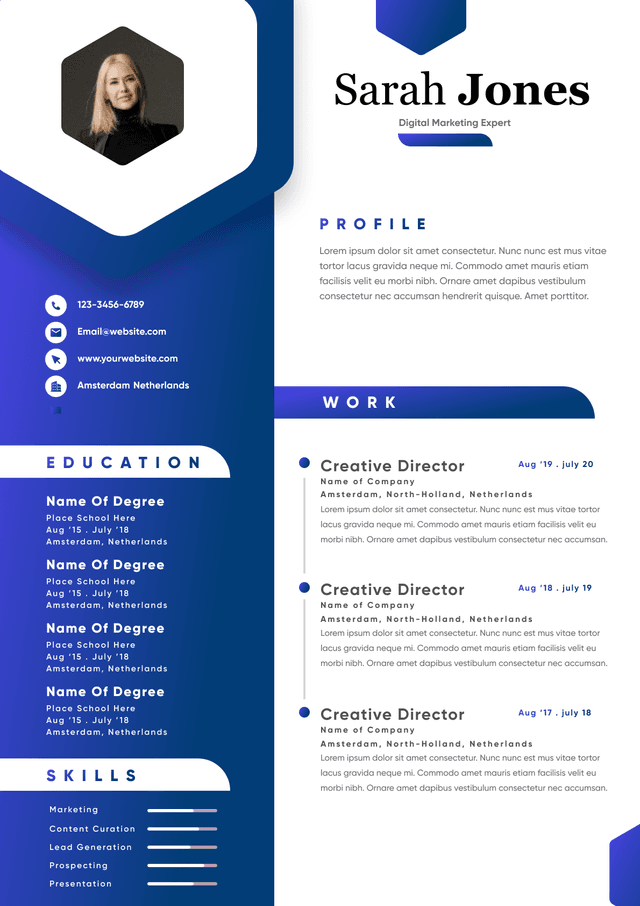
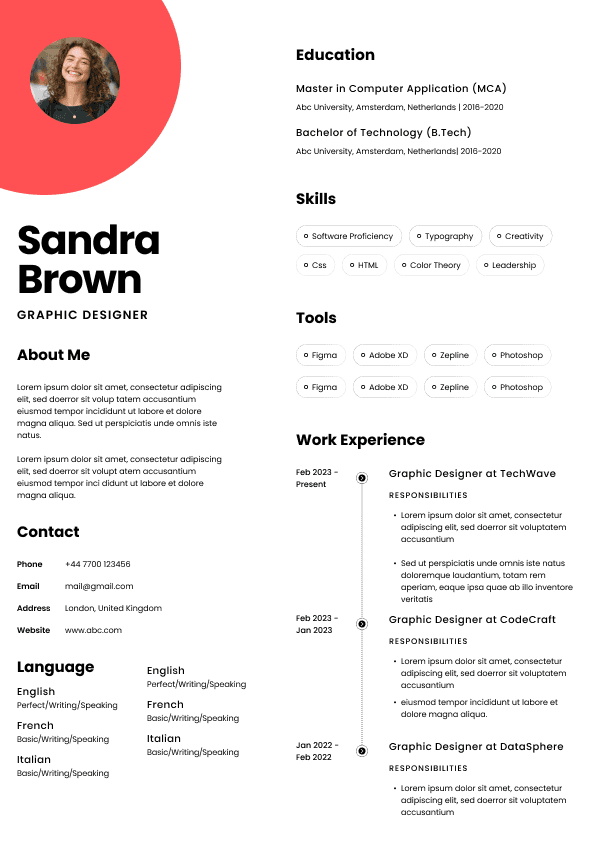
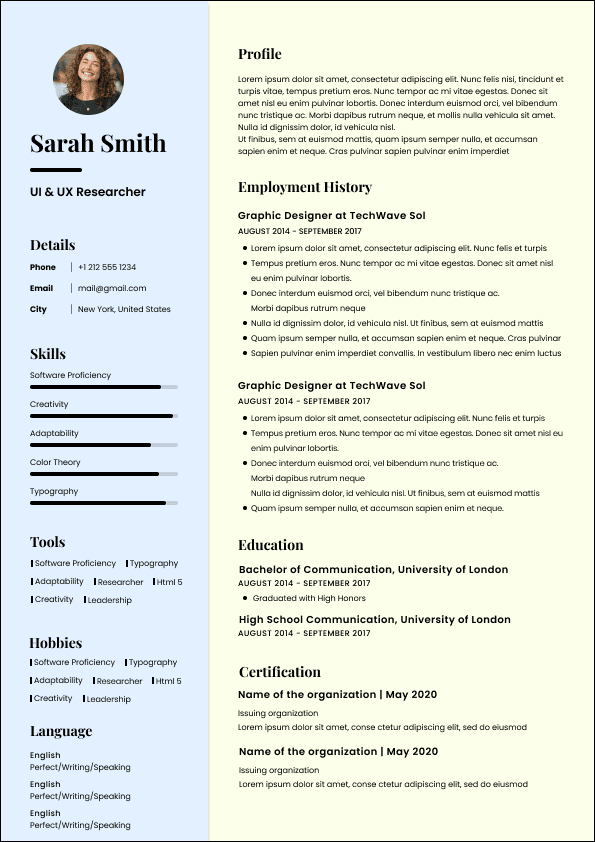
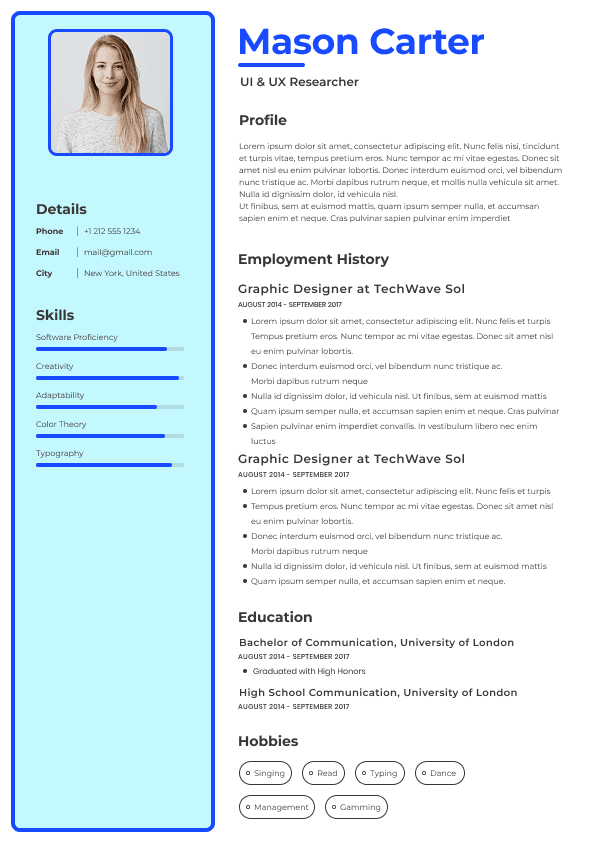
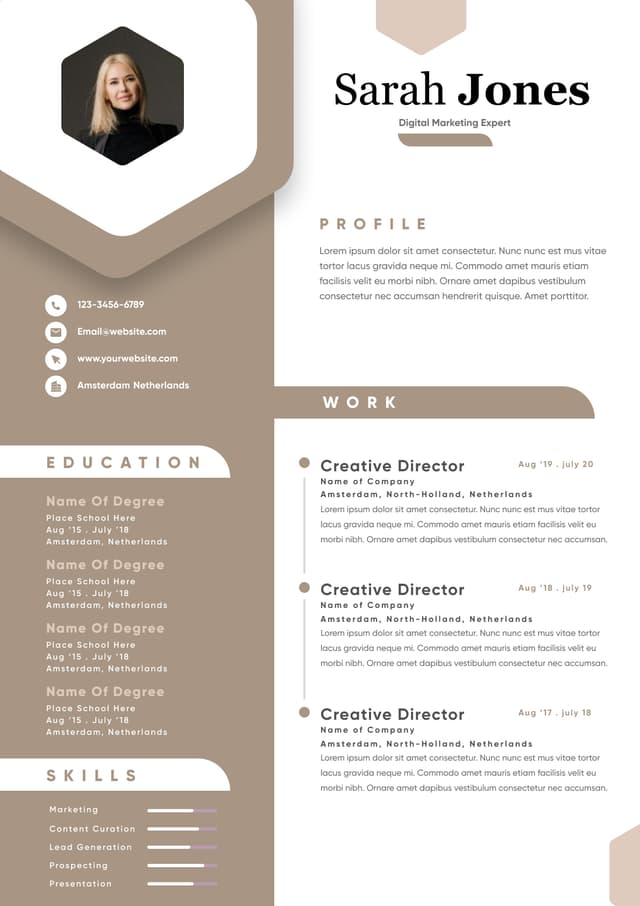
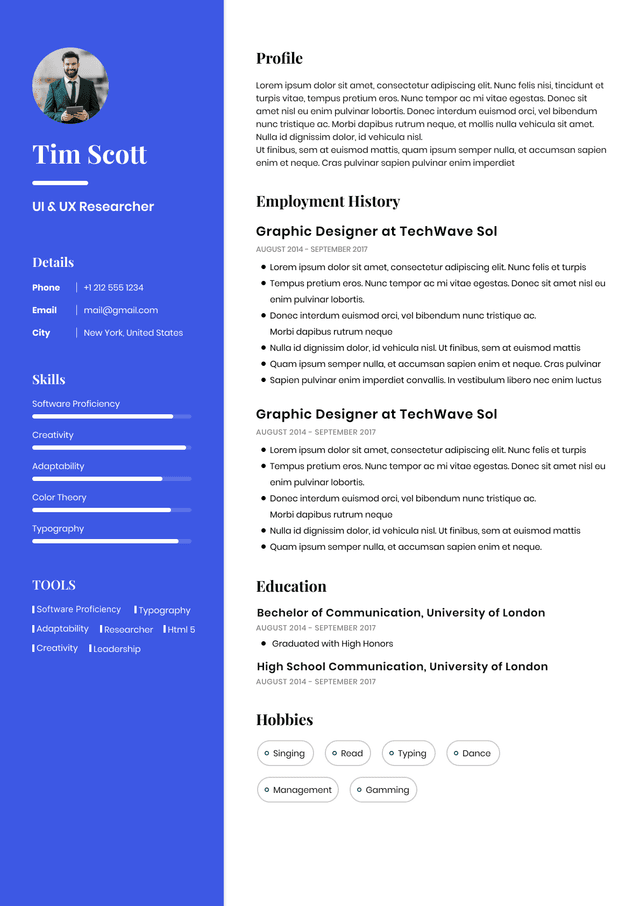
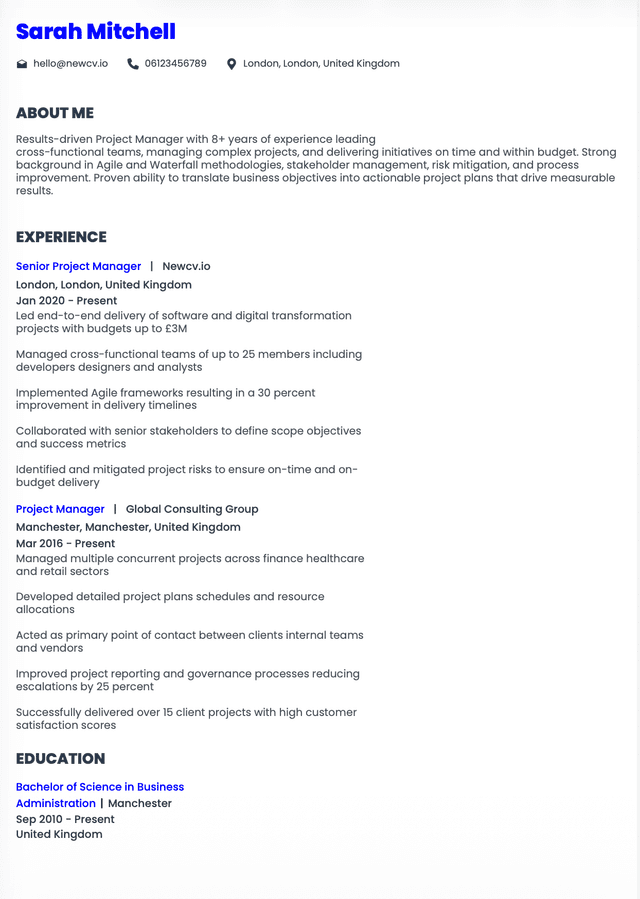
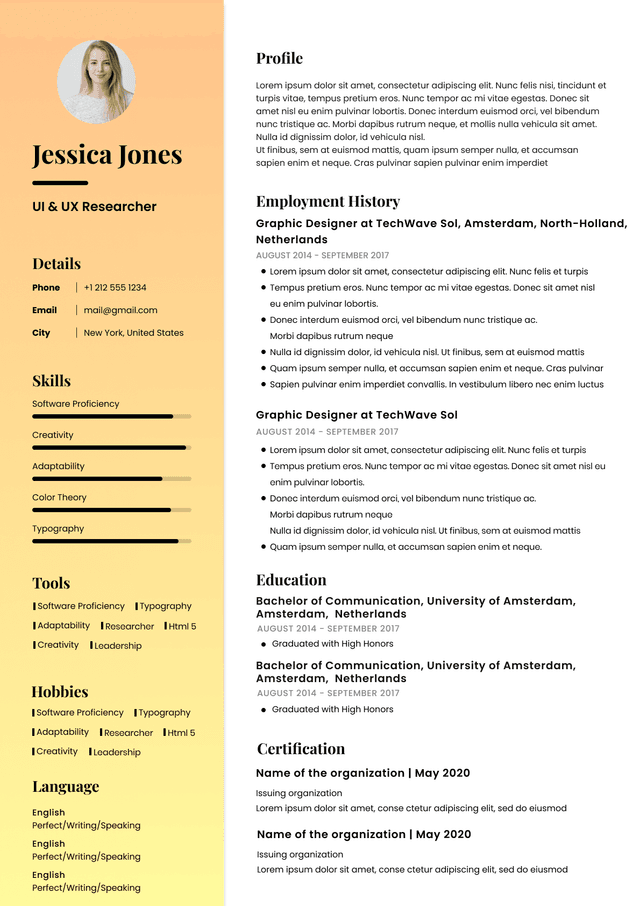
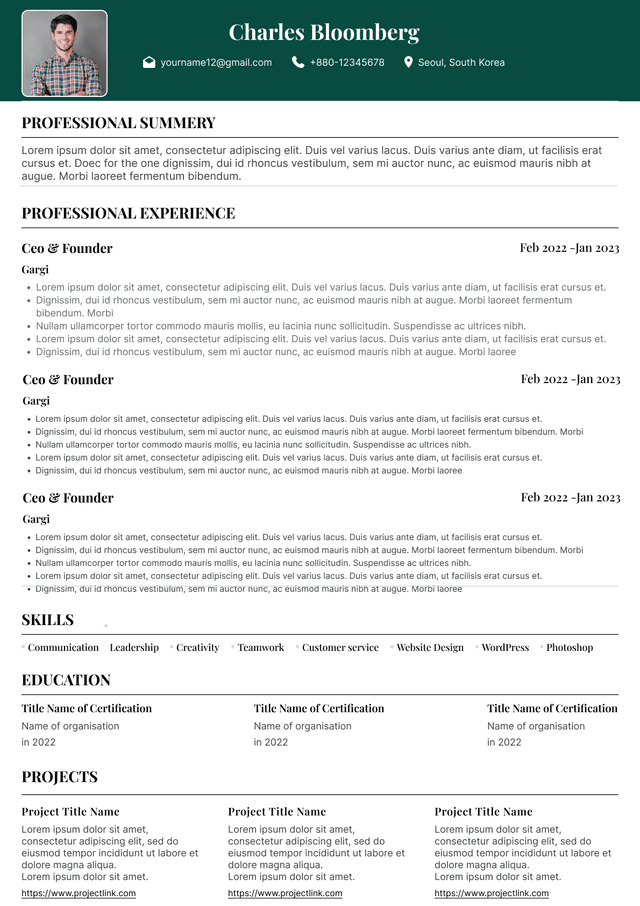
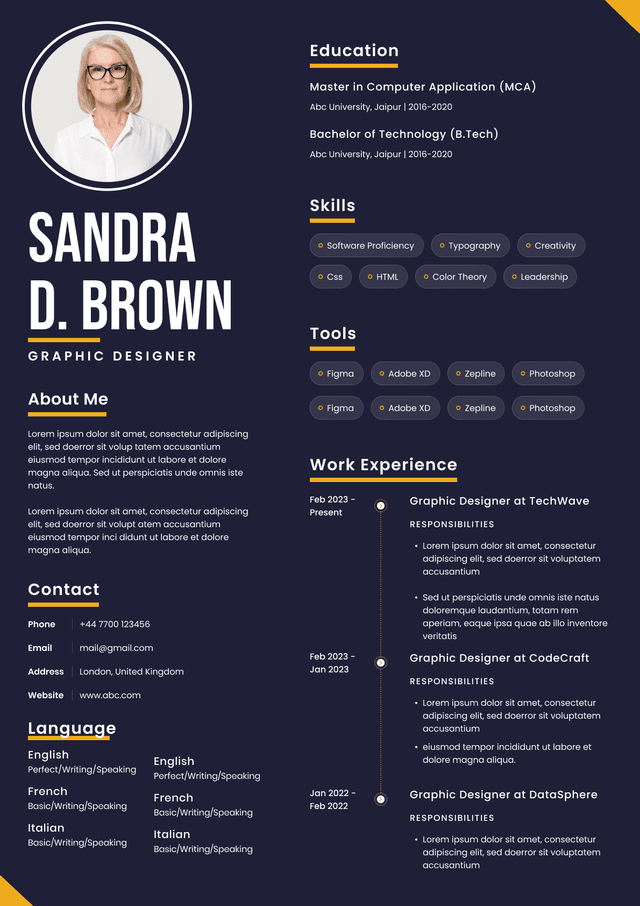
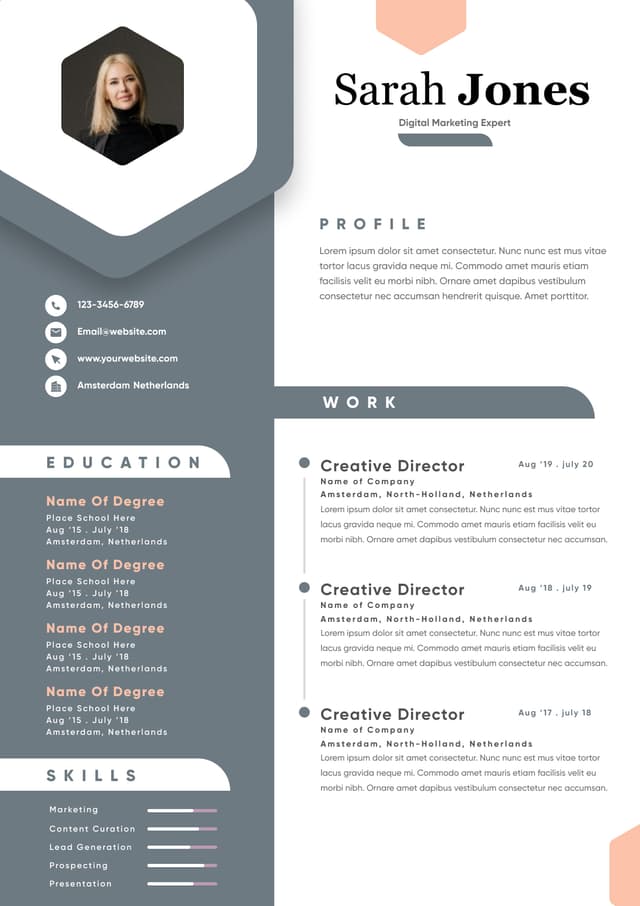
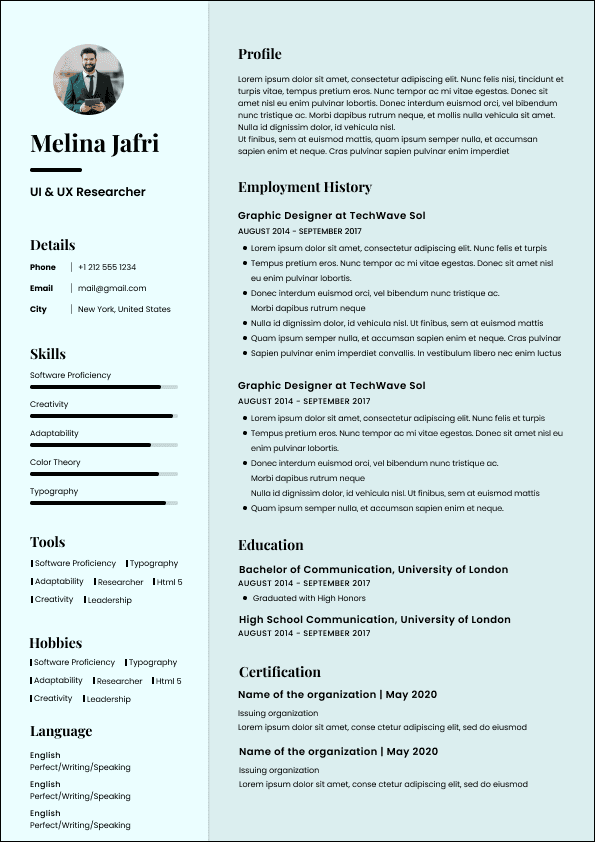
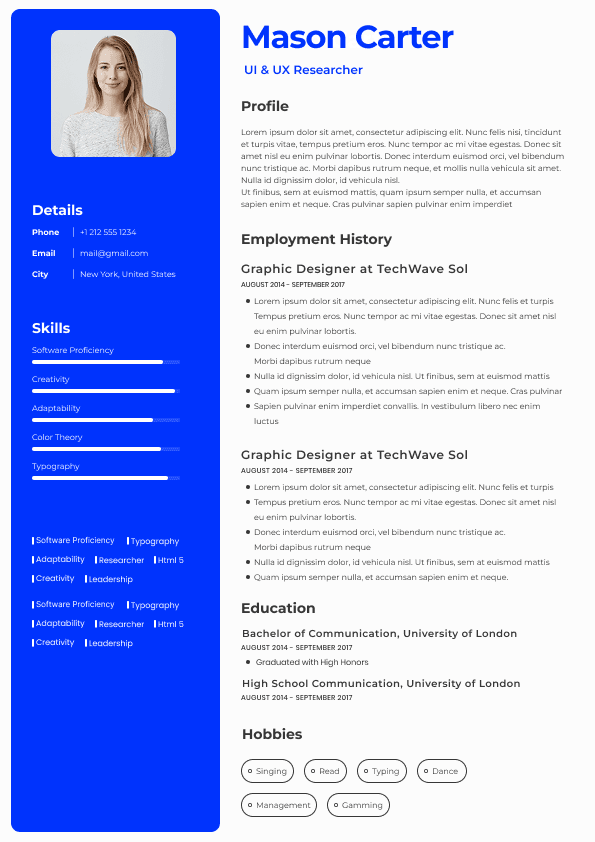
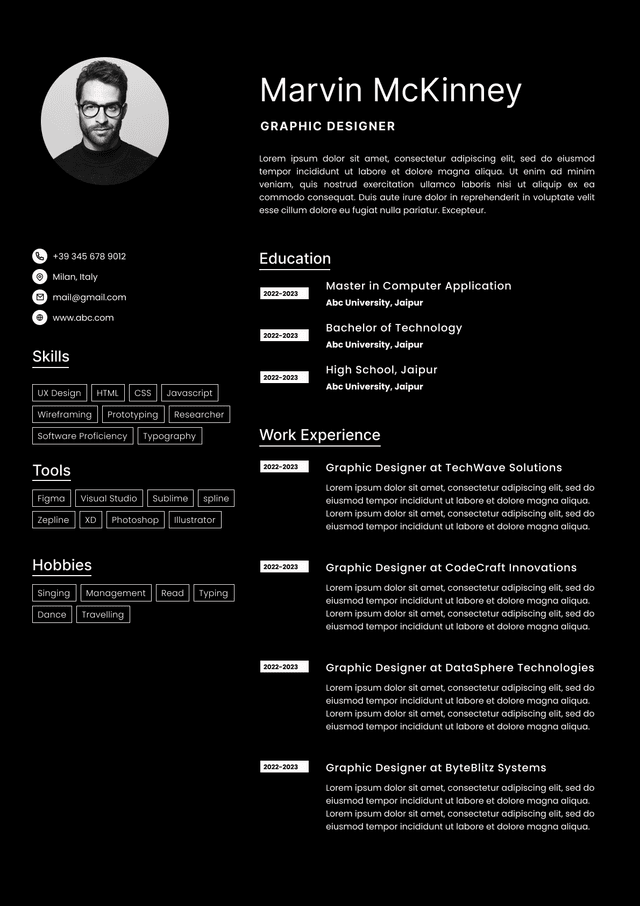
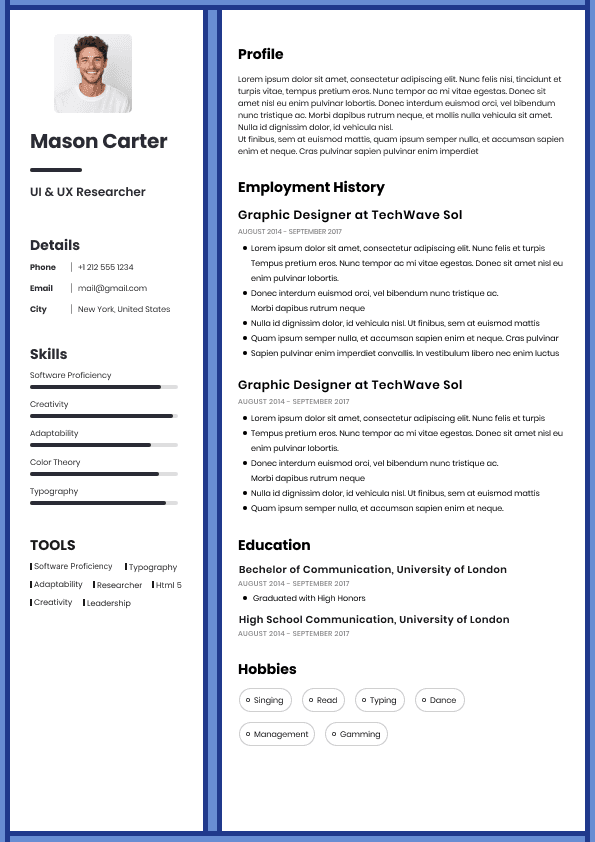
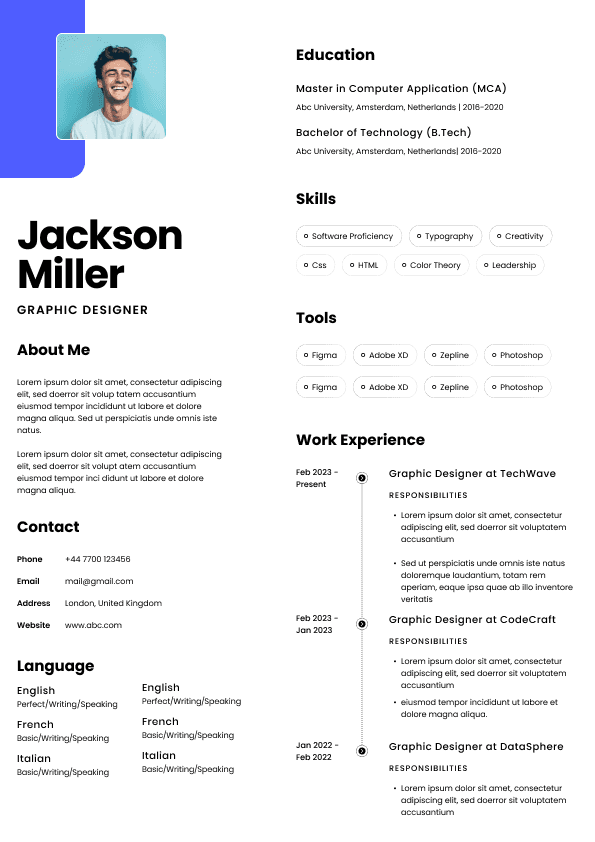
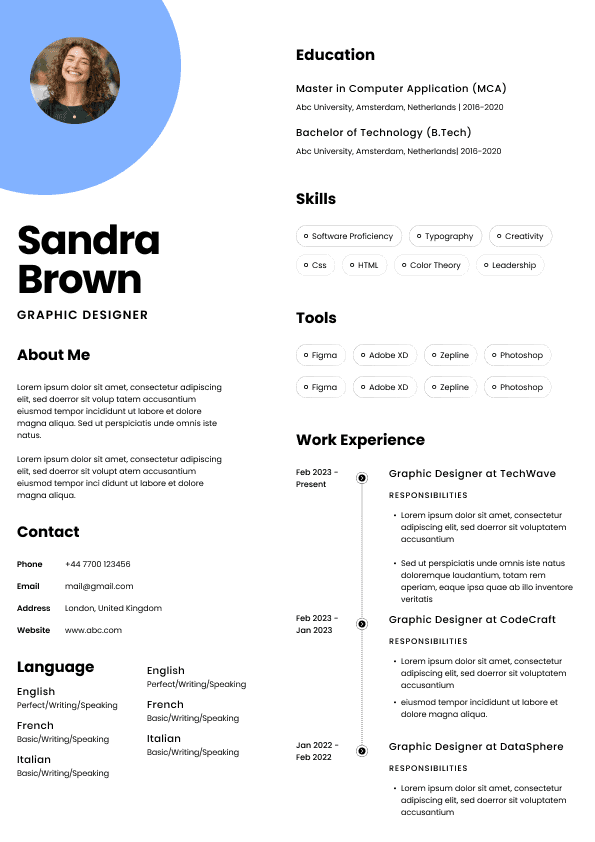
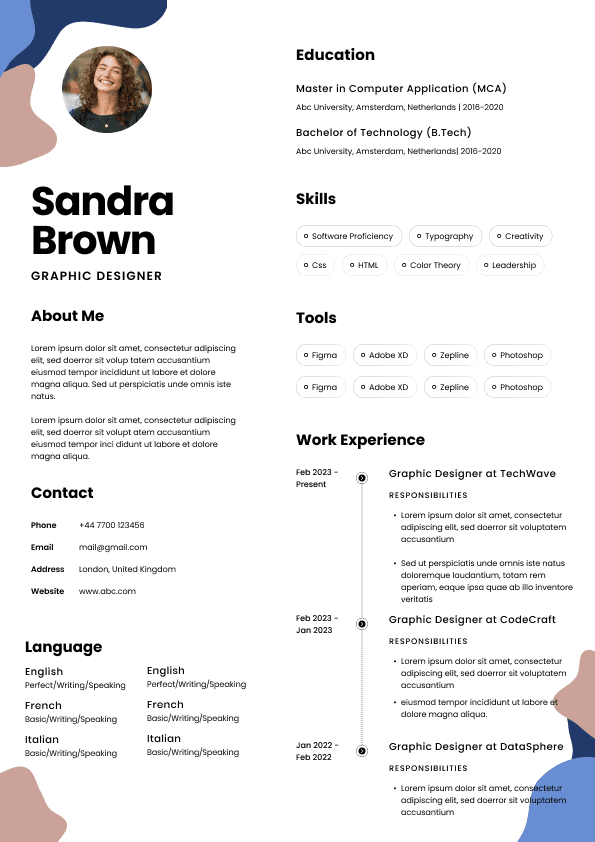
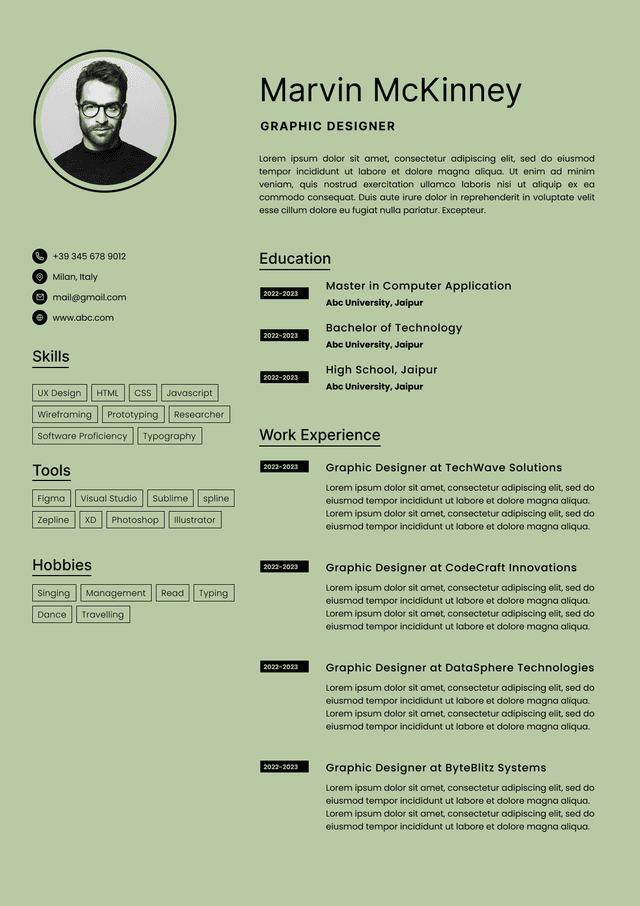
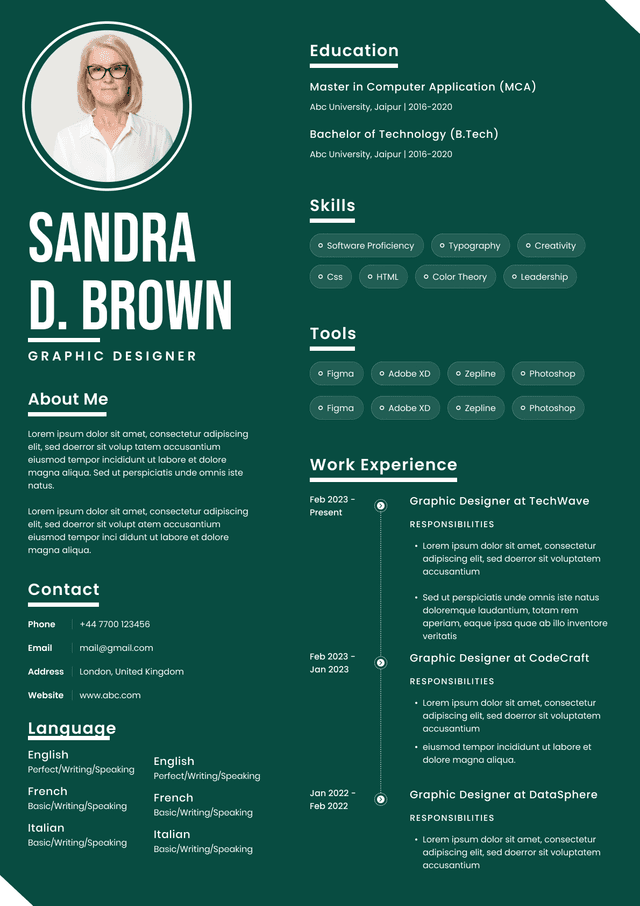
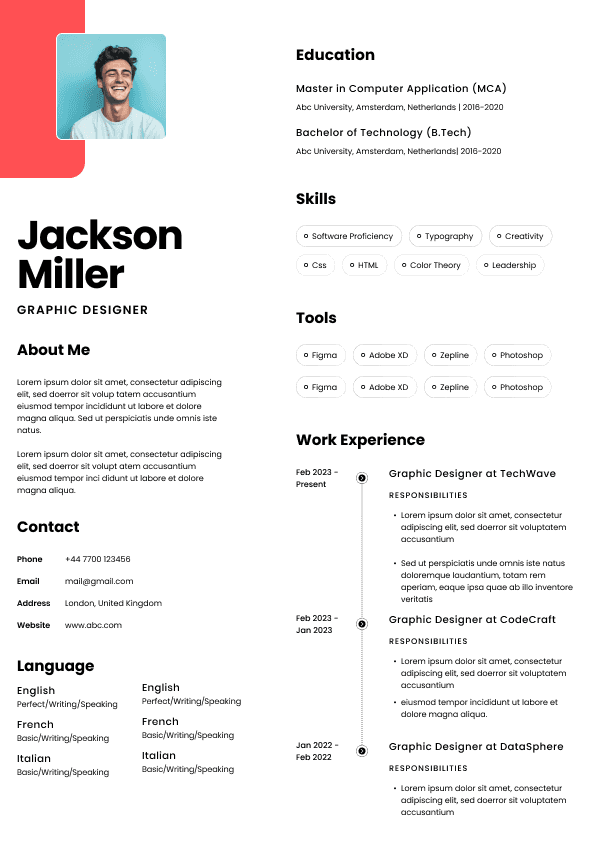
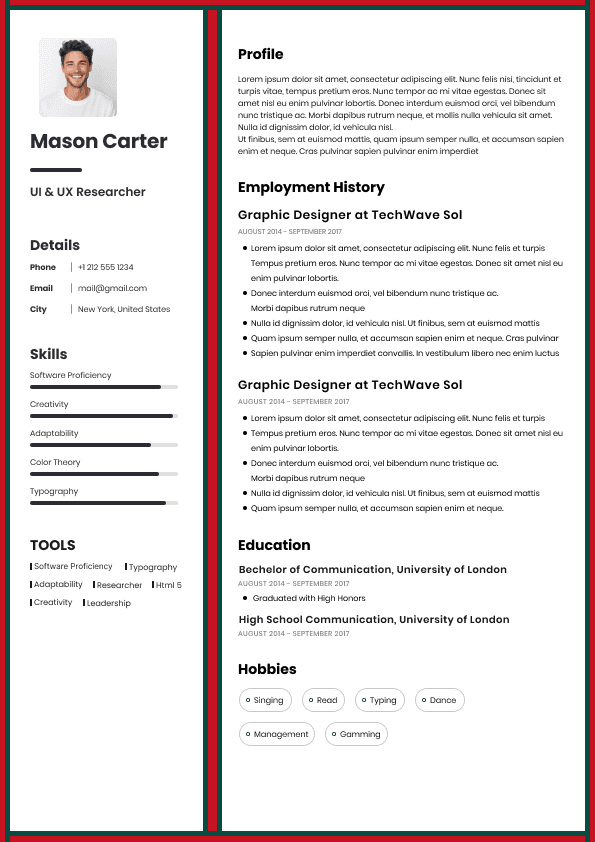
Choose from a wide range of NEWCV resume templates and customize your NEWCV design with a single click.
FAQ

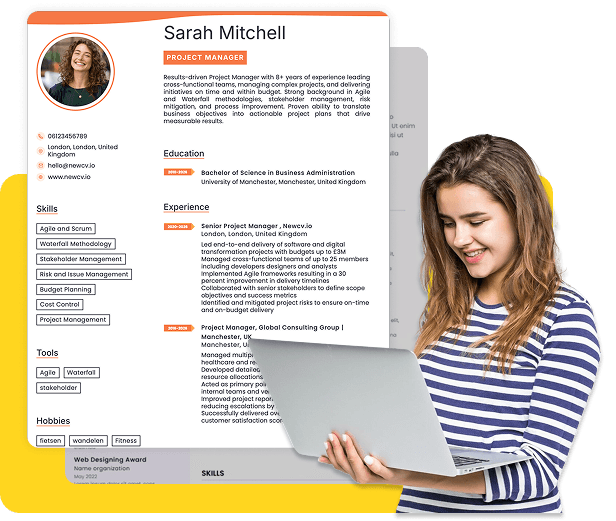
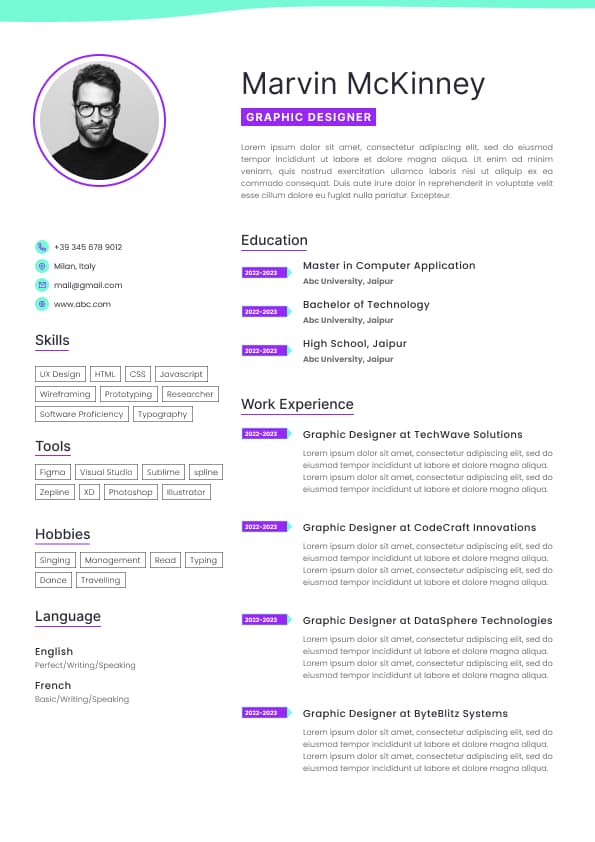
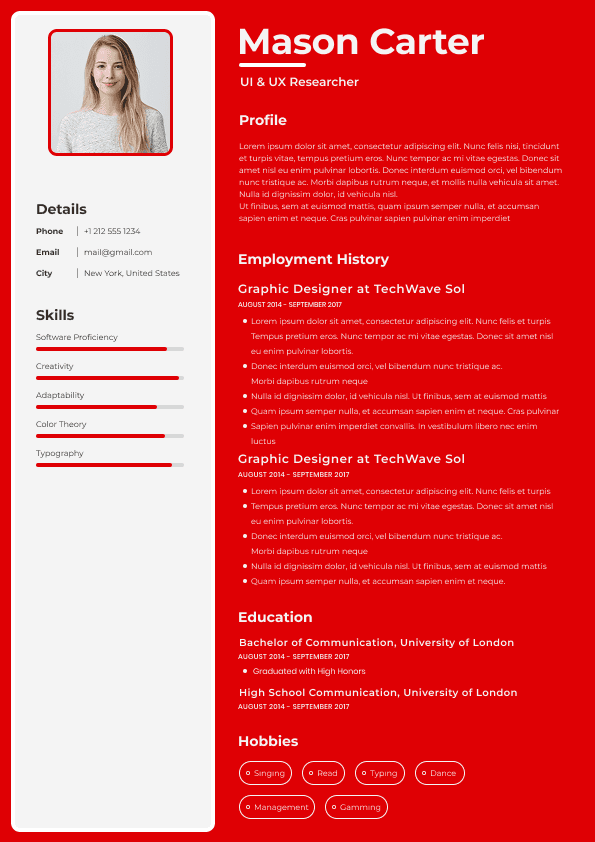
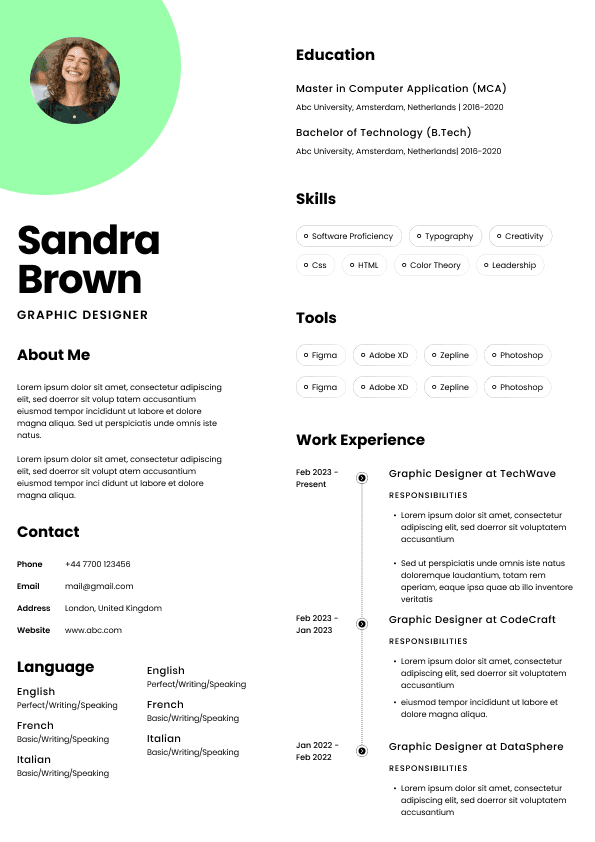
Use professional field-tested resume templates that follow the exact Resume rules employers look for.
Create ResumeMost candidates believe high-paying jobs are won through experience alone.
They are not.
They are won through positioning.
AI resume builders can help you get there—but only if you understand how high-paying roles are actually evaluated across ATS systems, recruiters, and hiring managers.
This guide breaks down exactly how to use an AI resume builder for high paying jobs, not just to create a resume—but to engineer one that signals value, authority, and impact at the level required for top-tier compensation.
High-paying roles are not just about salary thresholds.
They share common evaluation criteria:
Direct business impact (revenue, cost, growth)
Strategic responsibility (decision-making, ownership)
Scarcity of skillset (specialized or leadership capability)
Risk exposure (the cost of failure is high)
Your resume must reflect these dimensions immediately.
AI can help structure this—but cannot invent it.
AI tools are trained on average resumes.
High-paying roles require above-average signals.
AI often produces:
“Led initiatives to improve efficiency”
“Managed cross-functional teams”
This is baseline language.
It does not justify a high salary.
High-paying roles are tied to money.
If your resume does not include:
Revenue generated
Costs reduced
Budgets managed
You are invisible to top-tier recruiters.
High earners are decision-makers.
AI resumes often describe execution, not strategy.
For high salary roles, recruiters immediately scan for:
Seniority alignment
Company caliber
Scope of responsibility
Financial or operational impact
If these are not visible instantly, the resume is rejected.
Recruiters ask:
“Why is this candidate worth $150K+?”
Your resume must answer that question without explanation.
AI tools are powerful for:
Structuring executive-level narratives
Extracting high-impact keywords
Rewriting weak bullet points into stronger statements
But they require strategic direction.
Before using AI, clarify:
Target salary range
Target role level (Manager, Director, VP)
Industry positioning
Without this, AI will default to mid-level output.
AI amplifies what you provide.
Include:
Revenue numbers
Team sizes
Project scale
Stakeholder level (C-suite, board, etc.)
Every bullet should answer:
“What changed because of you?”
Weak Example:
“Responsible for sales strategy”
Good Example:
“Developed and executed sales strategy that increased annual revenue by $8.2M within 12 months”
Replace execution language with impact language.
Weak Example:
“Helped improve operations”
Good Example:
“Redesigned operational workflows, reducing costs by 22% and increasing efficiency across 4 business units”
Strong professional summary with positioning
Clear hierarchy of experience
Metrics-heavy bullet points
Leadership and ownership signals
Entry-level templates
Skill-heavy layouts without context
Visual-heavy designs that distract from impact
Hiring managers are not looking for effort.
They are looking for certainty.
Can this person deliver results at scale?
Have they handled similar complexity before?
Do they reduce risk or create it?
Your resume must answer these without ambiguity.
Instead of listing tasks, show:
Revenue ownership
Growth contribution
Strategic influence
Highlight scale:
“Managed $10M budget” vs average $1M roles
“Led 50-person team” vs typical 5–10
High-paying roles require: