Choose from a wide range of CV templates and customize the design with a single click.

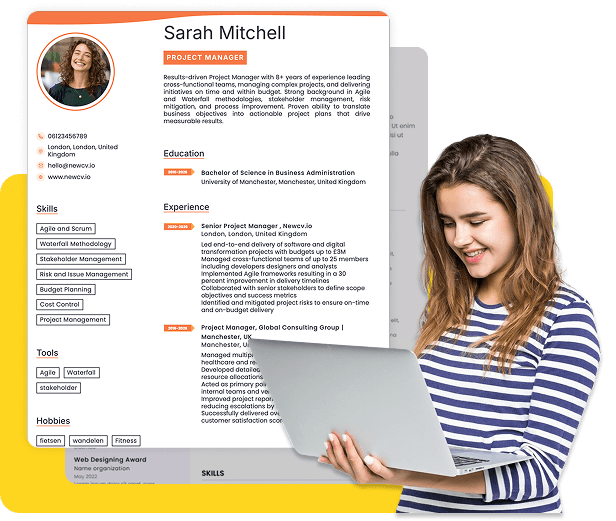
Use ATS-optimised CV and resume templates that pass applicant tracking systems. Our CV builder helps recruiters read, scan, and shortlist your CV faster.


Use professional field-tested resume templates that follow the exact CV rules employers look for.
Create CV
Use professional field-tested resume templates that follow the exact CV rules employers look for.
Create CVIf you’re searching CDL driver earnings per month, you’re likely asking a deeper question: how much can I realistically make as a CDL driver in the United States—and how do I increase it?
The answer isn’t a simple number. CDL driver pay varies dramatically based on experience, route type, endorsements, company, and how strategically you position yourself in the market.
This guide breaks down real US compensation data, recruiter insights, and negotiation strategies so you understand not just what CDL drivers earn per month, but why they earn it—and how to earn more.
Let’s start with the actual numbers.
Entry-Level CDL Driver (0–1 years): $3,000 – $4,200/month
Mid-Level CDL Driver (2–5 years): $4,200 – $6,000/month
Experienced CDL Driver (5–10 years): $5,500 – $7,500/month
Top-Tier / Specialized Drivers: $7,500 – $12,000+/month
Average salary CDL driver USA: $55,000 – $85,000/year
$90,000 – $150,000+/year
Not all CDL jobs are equal. In fact, job type is the #1 driver of earnings variability.
$5,000 – $9,000/month
Paid per mile (typically $0.50 – $0.75+)
Long-haul, multi-state routes
Why pay is higher:
OTR drivers generate more revenue and are harder to retain due to lifestyle trade-offs.
$3,500 – $5,500/month
Hourly pay ($20 – $32/hour typical)
Experience directly impacts compensation—but not in a linear way.
$3,000 – $4,200/month
Limited negotiating power
Often placed in lower-paying routes
Recruiter behavior:
Companies view new drivers as higher risk due to accident probability and insurance costs.
$4,200 – $6,000/month
Access to better routes
Eligible for bonuses
Companies don’t benchmark CDL drivers purely on “average salary.” Instead, they look at:
Route type (OTR vs local vs regional)
Revenue per mile or per load
Driver retention risk
Licensing + endorsements (Hazmat, Tanker, Doubles/Triples)
This means two drivers with identical experience can earn vastly different monthly income.
Home daily
Recruiter insight:
Local roles pay less because they’re in higher demand from drivers, reducing employer leverage.
$4,500 – $7,000/month
Balanced schedule (home weekly)
Sweet spot for many drivers balancing income and lifestyle.
$8,000 – $20,000+/month (gross)
Net profit: $4,000 – $12,000/month after expenses
Critical reality:
Top-line revenue is misleading. Fuel, insurance, maintenance, and downtime significantly reduce net income.
Key shift:
At this stage, drivers become profitable assets rather than cost risks.
$5,500 – $7,500/month
Priority for premium loads
Strong leverage in negotiations
Includes:
Hazmat drivers
Oversized load specialists
Team drivers
High-mileage OTR drivers
To fully understand CDL driver earnings per month, you need to look beyond base pay.
Base pay (per mile or hourly)
Performance bonuses
Safety bonuses
Signing bonuses ($1,000 – $10,000)
Referral bonuses
Per diem (tax advantages)
Mid-Level OTR Driver:
Base: $5,200
Mileage bonus: $600
Safety bonus: $300
Per diem advantage: $200 equivalent
Total monthly compensation: ~$6,300
In large logistics companies or startups:
Stock options may be offered (rare)
More common in fleet management roles, not drivers
Specialization is one of the fastest ways to increase earnings.
Hazmat Drivers: $6,000 – $10,000/month
Tanker Drivers: $5,500 – $9,000/month
Flatbed Drivers: $5,000 – $8,500/month
Refrigerated (Reefer): $5,500 – $9,000/month
Oversized Loads: $7,000 – $12,000+/month
Why these pay more:
Higher risk
Additional certifications
Limited talent pool
Compliance complexity
Unlike many professions, CDL pay is less tied to geography.
California: Higher pay ($6,000 – $9,000/month), higher cost of living
Texas: Strong demand, competitive rates
Midwest: Stable pay, lower cost of living
Northeast: Higher congestion = higher pay adjustments
Key insight:
Route profitability matters more than your home base.
From a recruiter and hiring manager perspective, these are the real decision drivers:
Companies ask:
How many miles can you run?
How efficient are you?
What freight can you handle?
Drivers who are likely to leave quickly:
Get lower offers
Receive fewer incentives
Clean driving records lead to:
Higher-paying routes
Lower insurance costs for employers
Each endorsement increases your market value.
During driver shortages:
Signing bonuses increase
Mileage rates rise
Negotiation leverage shifts to drivers
This is where most drivers leave money on the table.
Focus on:
Hazmat
Tanker
Doubles/Triples
These directly increase pay potential.
Not all freight pays equally.
Hazardous materials
Time-sensitive loads
Oversized freight
Weak Example:
Choosing a job based on hourly rate alone
Good Example:
Evaluating:
Pay per mile
Bonus structure
Route consistency
Deadhead miles
Best time to negotiate:
After receiving an offer
When switching companies
During driver shortages
Higher earning ceiling, but:
Higher risk
Operational complexity
Cash flow volatility
Most drivers negotiate incorrectly.
Proven mileage history
Safety record
Specialized experience
Weak Example:
“I want more money because I need it.”
Good Example:
“I’ve consistently run 2,800+ miles/week with zero safety incidents. I’m targeting roles in the $0.70/mile range.”
Competing offers
Hard-to-fill routes
Urgent hiring needs
Even experienced drivers often earn below market value.
Staying too long at one company
Not negotiating
Lack of specialization
Poor understanding of compensation structure
The trucking industry continues to face structural shortages.
Continued driver shortages
Increasing wages for experienced drivers
More performance-based pay models
Technology impacting routing efficiency
Entry-level: Rapid growth in first 2–3 years
Mid-level: Plateau unless specialized
Senior: Strong earnings with niche focus
Your CDL driver earnings per month are not fixed—they’re highly controllable.
At a basic level, you can expect:
$3,000 – $5,000/month as a beginner
$5,000 – $7,500/month as a solid mid-career driver
$8,000 – $12,000+/month at the top end
But the difference between average and top earners comes down to:
Specialization
Negotiation strategy
Route selection
Career positioning
From a recruiter’s perspective, the highest-paid CDL drivers aren’t just experienced—they’re strategic about how they work, where they work, and how they negotiate.
If your goal is to maximize income, treat your CDL career like a business decision—not just a job.


 Upload CV
 Import from Linkedin