STILL APPLYING. STILL HEARING NOTHING?BUILD YOUR RESUME

STILL APPLYING. STILL HEARING NOTHING?BUILD YOUR RESUME
Choose from a wide range of NEWCV resume templates and customize your NEWCV design with a single click.
FAQ
Modern iOS development is heavily API-driven. Most production Swift apps rely on REST APIs, GraphQL services, authentication systems, caching layers, offline sync logic, and backend collaboration workflows. Hiring managers are no longer evaluating iOS developers only on UI implementation. They want engineers who can build resilient networking layers, debug backend issues, understand API contracts, and ship reliable mobile experiences in real-world production environments.
Strong iOS API integration skills directly impact app stability, user retention, release velocity, and product quality. Developers who understand networking architecture, token handling, offline-first UX, and backend coordination consistently stand out in interviews and high-growth mobile teams.
This guide breaks down how experienced iOS engineers approach API integration in production apps, what recruiters look for, and the architectural patterns that separate junior implementation from senior-level mobile engineering.
Many developers think API integration means “making HTTP requests.” In real mobile engineering environments, it means designing reliable systems between the app and backend services.
That includes:
Request modeling
Authentication flows
Retry handling
Error-state UX
Pagination
Caching
Data consistency
Most iOS apps use either REST APIs, GraphQL, or a hybrid architecture.
REST remains the dominant architecture in enterprise mobile systems because it is mature, predictable, and tooling-friendly.
Common REST integration responsibilities include:
HTTP methods
URLSession configuration
JSON parsing
Request interceptors
Authentication headers
Pagination handling
One of the fastest ways recruiters identify senior iOS engineers is by how they structure networking code.
Weak candidates scatter API calls across ViewControllers.
Strong engineers isolate networking into scalable layers.
A mature networking architecture usually includes:
API client
Service layer
Request builders
Response decoders
Authentication interceptors
Environment configuration
Many tutorials teach basic URLSession usage but ignore production realities.
Real-world mobile apps need networking systems that survive:
Poor connectivity
Token expiration
Background interruptions
Slow backend responses
Partial failures
Retry storms
Experienced Swift developers commonly add:
Most iOS apps consume JSON-based APIs.
Junior developers often stop at basic Codable usage.
Senior engineers focus on resilience.
Experienced developers anticipate:
Missing fields
Nullable values
Type mismatches
Backend inconsistencies
Versioning changes
Backward compatibility
Authentication complexity is one of the biggest separators between tutorial-level developers and production-ready engineers.
Modern iOS apps frequently use:
OAuth 2.0
JWT tokens
Refresh tokens
Session authentication
API keys
SSO integrations
Biometric authentication
Offline reliability is one of the strongest indicators of advanced mobile engineering maturity.
Most apps operate in unreliable network environments.
Users expect functionality even with weak connectivity.
Strong mobile experiences:
Preserve user actions offline
Queue pending updates
Cache critical data
Retry intelligently
Avoid destructive sync conflicts
Production apps often use:
Most networking tutorials barely cover error handling.
In production, error handling directly impacts retention and app ratings.
Apps fail because of:
Timeout issues
Rate limiting
Backend outages
Invalid payloads
Authentication expiration
Serialization failures
Connectivity interruptions
One of the most overlooked mobile engineering skills is backend collaboration.
High-performing iOS developers do not operate in isolation.
API contract reviews
Swagger/OpenAPI validation
GraphQL schema review
Backend QA coordination
Error-code alignment
Release dependency planning
Feature flag coordination
Testability is a major senior-level differentiator.
Most junior developers build networking systems that are impossible to test.
That includes:
Protocol-based services
Dependency injection
Mock API clients
Response simulation
Environment switching
Testing reduces:
Regression bugs
Professional mobile teams rarely operate with a single backend environment.
Most production teams use:
Local development
QA
Staging
Production
Strong iOS engineers understand:
Build configurations
Environment switching
Secret management
Modern apps increasingly rely on real-time communication.
Chat systems
Live dashboards
Collaboration tools
Trading apps
Delivery tracking
Presence systems
WebSocket implementations require handling:
Many iOS developers underestimate how much backend integration affects hiring decisions.
Recruiters increasingly screen for:
Production app experience
API debugging ability
Cross-functional collaboration
Architecture maturity
Reliability thinking
Ownership mentality
Candidates stand out when they can explain:
Companies care about business impact, not just implementation.
Strong API integration work improves:
API success rates
User task completion
App responsiveness
Offline reliability
Data freshness
Crash reduction
Support ticket reduction
Experienced mobile engineers connect technical decisions to user outcomes and operational stability.
That perspective strongly influences senior-level hiring.
The biggest difference between mid-level and senior mobile developers is proactive systems thinking.
Senior engineers anticipate:
Backend instability
Network degradation
Authentication edge cases
API contract drift
Release coordination risks
Sync conflicts
Scaling bottlenecks
They build resilient systems before failures occur.
That mindset is what companies are actually hiring for.


Use ATS-optimised Resume and resume templates that pass applicant tracking systems. Our Resume builder helps recruiters read, scan, and shortlist your Resume faster.


Use professional field-tested resume templates that follow the exact Resume rules employers look for.
Create Resume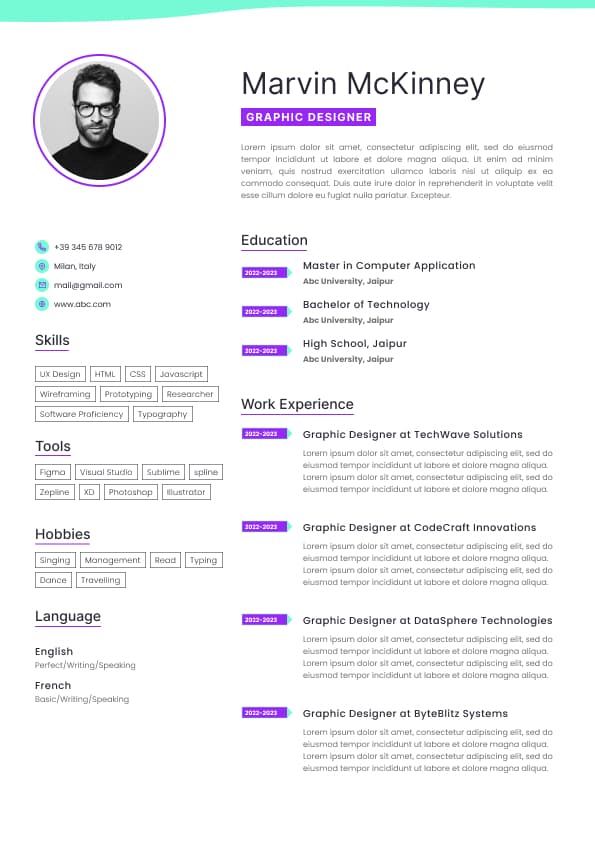
Use professional field-tested resume templates that follow the exact Resume rules employers look for.
Create ResumeOffline synchronization
Environment configuration
Backend contract validation
Release coordination
Production-grade API integration is less about isolated API calls and more about system reliability.
Hiring managers evaluate whether an iOS engineer can:
Build maintainable networking architecture
Prevent backend-related app failures
Reduce loading-state friction
Handle inconsistent API behavior gracefully
Collaborate with backend engineers during feature development
Support scalable product releases
This is why backend collaboration has become a major signal for senior iOS hiring.
API versioning
Multipart uploads
Retry logic
REST is especially common in:
Fintech apps
Healthcare platforms
Enterprise systems
E-commerce apps
Legacy backend ecosystems
GraphQL adoption is growing in startups and product-led engineering organizations because it gives mobile teams more control over payload shape and reduces overfetching.
iOS developers working with GraphQL typically handle:
Query construction
Fragment management
Schema validation
Apollo iOS integration
Optimistic updates
Real-time subscriptions
Cache normalization
Recruiters often associate GraphQL experience with stronger product engineering maturity because it requires closer backend collaboration and schema awareness.
There is no universal “better” option.
What matters most is whether the developer understands:
Tradeoffs
API scalability
Payload optimization
Caching implications
Error recovery
Mobile performance impact
Strong candidates explain architecture decisions clearly instead of blindly favoring one technology.
Repository pattern
Dependency injection
Logging system
Mock networking support
Recruiters and engineering managers look for architecture thinking.
A developer who understands networking abstraction signals:
Maintainability awareness
Scalability mindset
Team collaboration readiness
Testing maturity
Long-term product thinking
This is especially important for:
Senior iOS roles
Staff mobile engineering roles
Product engineering positions
Startup infrastructure teams
Async/await support
Request timeout handling
Exponential backoff retries
Request cancellation
Connectivity awareness
Structured concurrency
Background tasks
Request deduplication
Weak Example
API requests directly inside views
No retry handling
Hardcoded URLs
No environment separation
Generic error messages
No logging
Good Example
Centralized API client
Protocol-based request abstraction
Token refresh support
Structured error mapping
Request tracing and logging
Environment-aware configuration
Testable service architecture
This distinction matters heavily during technical interviews.
Backend APIs frequently change unexpectedly.
Strong mobile engineers avoid app crashes by implementing:
Defensive decoding
Optional handling strategies
Custom decoding logic
Response validation
Safe fallback values
Hiring managers pay attention to how candidates discuss API instability.
Developers who understand defensive parsing usually have stronger production experience.
It signals they have dealt with:
Live app maintenance
Backend inconsistencies
Production incidents
Crash reduction efforts
Multi-factor authentication
Experienced iOS developers:
Store tokens securely in Keychain
Avoid token leakage in logs
Handle refresh expiration gracefully
Prevent duplicate refresh requests
Manage session invalidation cleanly
Authentication failures are one of the most common causes of:
Support tickets
Login failures
User churn
Session crashes
Backend instability
Weak implementations often fail during:
Token refresh races
App backgrounding
Expired sessions
Concurrent requests
Strong engineers design for these scenarios proactively.
Core Data synchronization
SwiftData persistence
Local cache layers
Retry queues
Delta sync systems
Background refresh tasks
Conflict resolution logic
Modern apps frequently use optimistic UI updates to improve perceived speed.
This means:
UI updates immediately
Backend sync occurs asynchronously
Failures rollback safely if needed
Strong candidates understand both the UX benefits and data consistency risks.
One of the biggest backend/mobile problems is stale data.
Poor cache invalidation causes:
Incorrect account information
Inventory mismatch
Duplicate actions
Data corruption
User confusion
Experienced developers understand cache lifecycle management instead of relying on simplistic expiration rules.
Effective iOS engineers:
Separate user-facing errors from internal logs
Create meaningful recovery states
Avoid technical jargon in UI
Prevent infinite retry loops
Track API failure analytics
Developers who discuss reliability and recovery strategies usually have stronger ownership mentality.
Hiring managers associate this with:
Production readiness
User empathy
Stability-focused engineering
Lower operational risk
API deprecation planning
Poor collaboration creates:
Broken releases
Payload mismatches
Last-minute fixes
Duplicate assumptions
App store delays
Experienced iOS developers proactively:
Validate edge cases early
Test staging environments thoroughly
Clarify response expectations
Review API documentation critically
Coordinate release sequencing
This dramatically reduces backend/mobile defects.
Companies increasingly hire for “product engineers,” not isolated mobile coders.
Strong backend collaboration signals:
Cross-functional communication
Ownership mentality
Systems thinking
Delivery reliability
This matters heavily in:
Startups
Growth-stage companies
Platform engineering teams
Consumer mobile products
Release instability
QA bottlenecks
Production incidents
Teams shipping frequently depend heavily on testable networking infrastructure.
Candidates who discuss mock networking intelligently are often perceived as more scalable hires because they understand maintainable engineering systems.
API key isolation
Release safety checks
One of the most damaging mobile mistakes is accidentally pointing builds to the wrong environment.
Experienced developers implement safeguards to prevent:
Production data corruption
QA contamination
Invalid analytics
Security exposure
Reconnection logic
Connection drops
State synchronization
Battery impact
Background behavior
Strong engineers design resilient reconnect systems instead of assuming persistent connectivity.
API failure recovery decisions
Offline sync tradeoffs
Authentication architecture
Backend coordination workflows
Scalability considerations
Real production incidents
Hiring managers often reject candidates who:
Only discuss UI work
Cannot explain networking architecture
Lack backend understanding
Ignore edge cases
Have no debugging process
Production mobile engineering is systems engineering.
The strongest candidates demonstrate that mindset clearly.


 Upload Resume
 Import from Linkedin