STILL APPLYING. STILL HEARING NOTHING?BUILD YOUR RESUME

STILL APPLYING. STILL HEARING NOTHING?BUILD YOUR RESUME
Choose from a wide range of NEWCV resume templates and customize your NEWCV design with a single click.
FAQ
If you are applying to mobile developer jobs that are hiring immediately, your resume has one job: prove you can contribute fast with minimal onboarding risk. Recruiters reviewing urgent mobile engineering openings are not looking for perfect resumes. They are looking for candidates who can ship code, work inside existing app environments, pass technical screens quickly, and join Agile teams without delays.
That changes how your resume should be written.
A resume optimized for fast hiring prioritizes technical stack visibility, production app experience, deployment familiarity, and availability signals above everything else. Hiring managers for urgent mobile roles typically scan resumes in under 30 seconds before deciding whether to move forward. If your React Native, Swift, Kotlin, Flutter, Firebase, CI/CD, App Store, or Google Play experience is difficult to find, you lose interviews immediately.
This guide breaks down exactly how to structure a mobile developer resume for immediate-hire opportunities, quick-apply systems, staffing recruiters, startups, agencies, contract roles, and remote-first engineering teams.
Urgent hiring follows different evaluation logic than traditional hiring.
In standard hiring, companies may spend weeks comparing candidates. In fast-hiring environments, recruiters are trying to answer four questions quickly:
Can this person contribute immediately?
Does this person match the current tech stack?
Will this person pass technical interviews without excessive risk?
Can this person start fast?
That means your resume must reduce uncertainty.
The strongest resumes for immediate-hire mobile developer roles clearly communicate:
Exact mobile technologies used recently
Production deployment experience
For fast hiring, the reverse-chronological format still performs best because recruiters need recent technical relevance immediately.
Your resume should follow this order:
Contact information
Professional headline
Immediate availability section
Technical skills
Professional summary
Professional experience
Projects or app portfolio
Your headline should instantly position you for the specific hiring market.
Weak headlines are vague and generic.
Weak Example
“Software Developer”
This tells recruiters almost nothing.
Good Example
“Mobile Developer | iOS, Android, React Native, Flutter”
This immediately improves ATS matching and recruiter confidence.
For experienced candidates, stronger positioning may include:
Senior Mobile Developer | SwiftUI, Kotlin, Firebase
React Native Mobile Engineer | TypeScript | CI/CD
Flutter Developer | Cross-Platform Apps | Fastlane
Mobile App Developer | iOS & Android | Agile Teams
The goal is immediate technical alignment.
Most competing resumes completely miss this.
For urgent hiring, availability is often a major decision factor.
Recruiters handling contract, startup, or staffing placements frequently prioritize candidates who can interview quickly and start immediately.
A short availability block near the top dramatically improves response rates.
Available immediately
Open to full-time, contract, or contract-to-hire roles
Open to remote, hybrid, or onsite opportunities
Available for technical interviews and coding assessments
Authorized to work in the United States
Your technical skills section should appear above experience.
Why?
Because recruiters often keyword-scan resumes before reading experience details.
If your mobile stack is buried halfway down the page, you reduce your chances of passing initial screening.
Swift
SwiftUI
UIKit
Xcode
Combine
Core Data
App Store Connect
Your summary should not read like a generic career objective.
Recruiters care about production readiness.
The best summaries communicate:
Years of experience
Mobile specialization
Production app ownership
Deployment experience
Speed and adaptability
Immediate availability
Results-driven Mobile Developer with 6+ years of experience building and maintaining production iOS, Android, and cross-platform applications using Swift, Kotlin, React Native, and Flutter. Experienced working in Agile sprint environments, app modernization projects, and fast-moving startup teams. Proven record of shipping high-performance mobile applications, improving release velocity, and contributing to scalable mobile architectures. Available immediately for remote, contract, or full-time opportunities.
This is where most resumes fail.
Weak resumes describe responsibilities.
Strong resumes demonstrate production impact.
Recruiters hiring quickly want evidence that you can contribute without hand-holding.
Your bullet points should emphasize:
Live app experience
Release ownership
Performance improvements
Speed of delivery
Cross-functional collaboration
Existing codebase contributions
Developed and deployed cross-platform mobile features using React Native and TypeScript for a fintech app with 500K+ active users
Reduced app crash rates by 28% through performance optimization and improved exception handling
Collaborated with backend engineers to integrate REST and GraphQL APIs into production mobile applications
Participated in Agile sprint cycles, consistently delivering mobile features within release deadlines
Managed App Store and Google Play deployments using Fastlane and CI/CD automation pipelines
Onboarded into existing mobile codebases within two weeks and contributed to active release cycles immediately
Most developers underestimate how risk-focused hiring managers are during urgent hiring.
Managers are trying to avoid:
Slow onboarding
Poor collaboration
Inability to work in existing architectures
Weak debugging skills
Release instability
Poor communication
That is why resumes with purely academic project descriptions often struggle.
Hiring managers prefer candidates who show:
Entry-level candidates often believe they cannot qualify for fast-hiring roles.
That is not true.
Many startups, staffing firms, agencies, and smaller SaaS companies prioritize practical skill readiness over years of experience.
The key is positioning.
Focus heavily on:
Strong GitHub repositories
Published apps
App portfolio links
Technical project depth
Internship experience
Bootcamp capstones
For mobile development hiring, portfolio visibility matters more than in many other engineering disciplines.
Recruiters and hiring managers often verify:
App Store links
Google Play links
GitHub activity
Portfolio projects
UI quality
Code organization
Deployment consistency
Your links should be easy to find near the top of the resume.
GitHub
Portfolio website
App Store apps
Google Play apps
Technical blog if relevant
Do not hide these in small formatting at the bottom.
Fast-hiring roles often rely heavily on ATS filtering.
Especially on:
LinkedIn Easy Apply
Indeed Quick Apply
Dice
Greenhouse
Lever
Wellfound
Workday
Built In
Your resume must be ATS-compatible.
ATS systems parse these more reliably:
Professional Experience
Technical Skills
Education
Certifications
Avoid:
Multi-column layouts
Icons
Graphics
Certifications rarely replace experience, but they can improve recruiter confidence during quick screening.
Especially for contract or staffing-based hiring.
Meta iOS Developer Professional Certificate
Meta Android Developer Professional Certificate
Google Associate Android Developer
AWS Certified Developer
Azure Developer Associate
Scrum Master Certification
Google Cloud Professional Cloud Developer
These certifications are most valuable when paired with production projects.
Many technically capable developers lose interviews because their resumes create uncertainty.
Recruiters skip vague summaries instantly.
If recruiters cannot immediately see Swift, Kotlin, React Native, or Flutter experience, you lose relevance.
Projects alone are weaker than live deployment experience.
Mobile resumes should be highly scannable.
Responsibility-focused bullets perform poorly.
Fast-hiring recruiters actively look for this information.
This is especially damaging for mobile candidates.
This is one of the biggest hidden hiring factors.
Recruiters often submit only candidates who appear low-risk.
Your resume should communicate:
Reliability
Fast onboarding ability
Team collaboration
Release stability
Communication skills
Production maturity
That means your wording matters.
Contributed to production release cycles
Collaborated with cross-functional Agile teams
Maintained existing mobile codebases
Participated in peer code reviews
Delivered features within sprint deadlines
Supported app performance optimization initiatives
Contributed to scalable mobile architecture improvements
These phrases reduce perceived hiring risk.
Remote mobile engineering hiring is still highly active, especially for startups and contract teams.
But remote hiring introduces additional evaluation criteria.
Recruiters look for evidence of:
Independent execution
Communication skills
Async collaboration
Documentation habits
Remote Agile participation
Self-management
Worked with distributed engineering teams
Participated in remote Agile ceremonies
Maintained technical documentation
Collaborated asynchronously across time zones
Used Jira, Slack, GitHub, and CI/CD pipelines daily
These details improve remote hiring confidence significantly.
For most candidates:
1 page for entry-level mobile developers
2 pages for experienced candidates
Do not cut valuable production experience purely to stay on one page.
But also avoid unnecessary filler.
Every line should support hiring decisions.
Before applying, verify that your resume clearly shows:
Mobile specialization near the top
Immediate availability
Technical stack visibility
Production app experience
Agile collaboration
App deployment experience
GitHub or portfolio links
ATS-friendly formatting

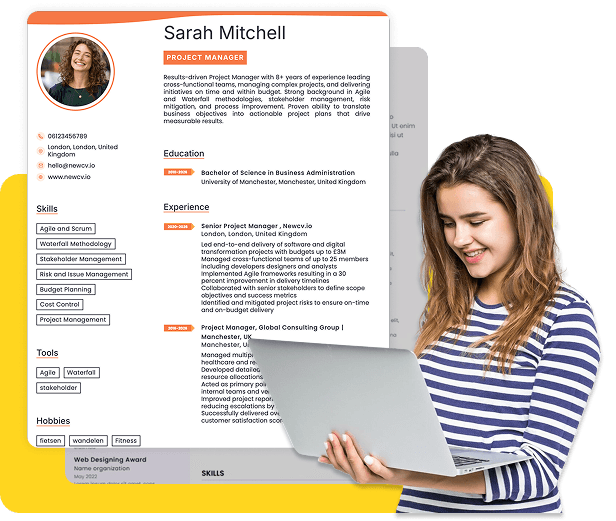
Use ATS-optimised Resume and resume templates that pass applicant tracking systems. Our Resume builder helps recruiters read, scan, and shortlist your Resume faster.
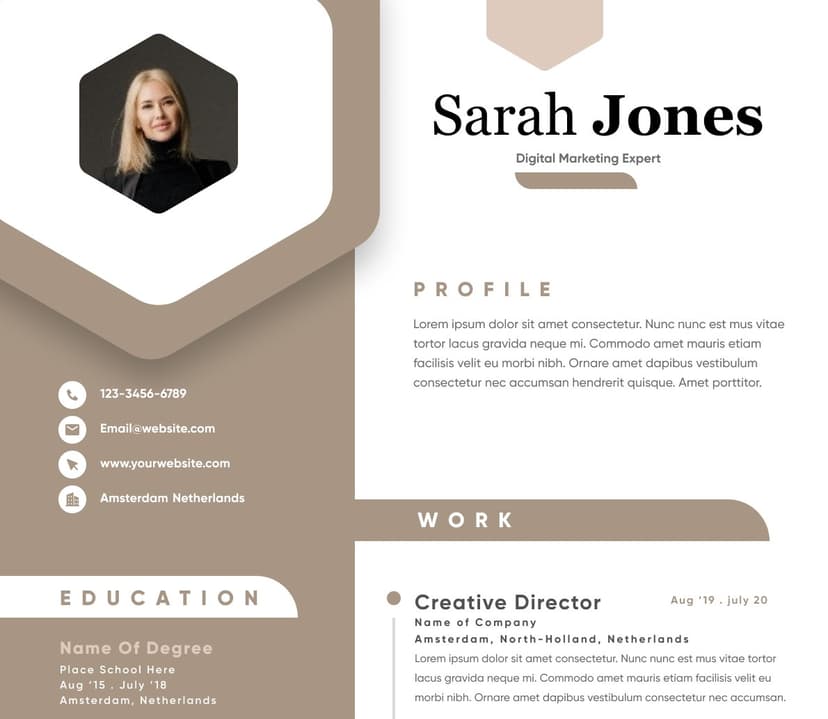
Use professional field-tested resume templates that follow the exact Resume rules employers look for.
Create Resume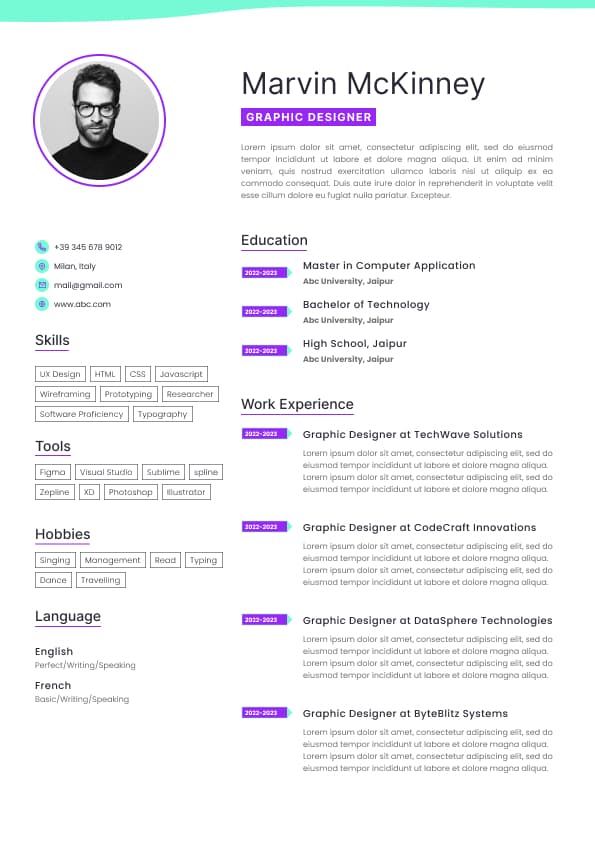
Use professional field-tested resume templates that follow the exact Resume rules employers look for.
Create ResumeAbility to work in Agile sprint cycles
Experience joining existing codebases
Availability status
Remote collaboration readiness
Ownership of live apps
Speed of onboarding capability
Hiring managers do not want to decode your background. They want immediate technical clarity.
Education
Certifications
This structure works because it front-loads the exact information recruiters scan first during urgent hiring.
Time zone and relocation openness if relevant
Availability: Available immediately for remote or hybrid mobile developer roles. Open to contract, contract-to-hire, or full-time opportunities. Available for technical interviews, coding assessments, and rapid onboarding.
This removes friction from recruiter decision-making.
Kotlin
Java
Jetpack Compose
Android SDK
Gradle
Google Play Console
React Native
Flutter
Dart
TypeScript
Expo
Firebase
REST APIs
GraphQL
Node.js
AWS
Azure
Fastlane
Bitrise
Codemagic
GitHub Actions
Jenkins
XCTest
Espresso
Jest
Detox
Unit Testing
UI Testing
This summary works because it combines technical alignment, business impact, and hiring readiness.
Agile execution
Stability and scalability
Implemented Firebase analytics and push notification systems to improve user engagement metrics
Conducted peer code reviews and participated in mobile architecture discussions across distributed engineering teams
These bullets demonstrate immediate business usefulness.
Real production ownership
Existing app maintenance experience
Experience with release cycles
App performance optimization
Team collaboration
CI/CD familiarity
Technical adaptability
Even junior candidates should frame projects through practical delivery outcomes.
Open-source contributions
Firebase and API integrations
Real UI/UX implementation
Generic classroom descriptions
Long objective statements
Overly theoretical project explanations
Listing technologies without implementation proof
Weak GitHub activity
Recruiters want evidence you can build functioning mobile applications now.
Text boxes
Heavy visual designs
These frequently break ATS parsing.
If a job mentions:
SwiftUI
Jetpack Compose
Firebase
GraphQL
React Native
Those exact terms should appear naturally in your resume when relevant.
Keyword alignment still matters heavily in mobile hiring.
Fast onboarding capability
Remote or contract openness if applicable
If recruiters can understand your value within 20 to 30 seconds, your resume is positioned correctly.


 Upload Resume
 Import from Linkedin