Choose from a wide range of CV templates and customize the design with a single click.

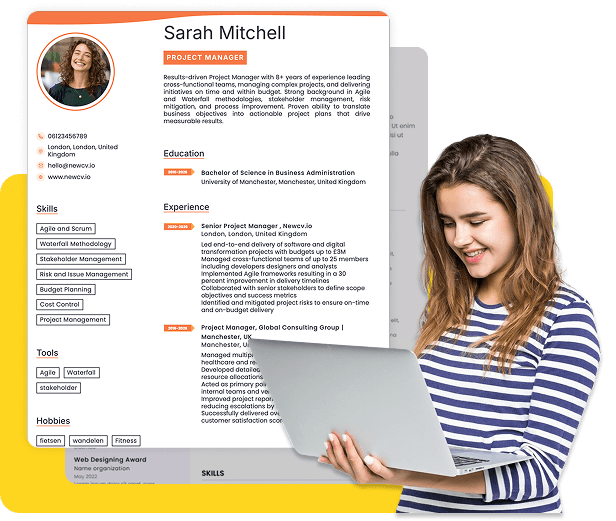
Use ATS-optimised CV and resume templates that pass applicant tracking systems. Our CV builder helps recruiters read, scan, and shortlist your CV faster.


Use professional field-tested resume templates that follow the exact CV rules employers look for.
Create CV
Use professional field-tested resume templates that follow the exact CV rules employers look for.
Create CVIf you’re researching the UPS delivery driver salary in the United States, you’re likely asking a deeper question: What can I realistically earn, how is that pay structured, and how do I maximize it?
Working as a driver for :contentReference[oaicite:0] is one of the most lucrative non-degree career paths in logistics. But the headline salary numbers you see online often miss critical details like union pay scales, overtime, pension value, and progression timelines.
This guide breaks down real-world UPS driver compensation, including base salary, total compensation, bonuses, benefits, and how pay evolves over time.
In the U.S., UPS delivery drivers are among the highest-paid delivery professionals due to union contracts negotiated by the Teamsters.
Entry-level salary (year 1): $45,000 – $65,000
Mid-level salary (2–4 years): $65,000 – $95,000
Top-rate salary (4+ years): $95,000 – $120,000+
Average salary UPS driver USA: ~$85,000 – $100,000
UPS compensation is not just base pay. The real earning power comes from overtime, benefits, and pension.
Base salary: $70,000 – $100,000
New hires rarely start immediately as full-time drivers.
Package handler or seasonal driver roles: $30,000 – $45,000
Entry driver (probationary): $45,000 – $65,000
Limited route control and inconsistent hours
Recruiter insight:
Most candidates underestimate the “path-to-driver” phase. UPS promotes internally, so early patience is critical.
Once you gain seniority:
Salary increases annually through union scale
More predictable routes
Breaking it down for clarity:
Hourly pay: $21 – $42+ (depending on progression)
Overtime rate: 1.5x (often $60+/hour at top rate)
Monthly salary: $5,500 – $10,000+
👉 High earners consistently hit $8K–$10K/month due to overtime.
Overtime pay: $10,000 – $40,000+
Annual bonus (rare, limited): $0 – $5,000
Pension value: $15,000 – $25,000 annually (long-term value)
Healthcare benefits: $10,000 – $20,000 equivalent value
👉 Realistic total compensation (TC): $100,000 – $140,000+
Top drivers in high-volume routes regularly exceed $120K due to overtime alone.
Significant overtime opportunities
Earnings range: $65,000 – $95,000
Why pay jumps here:
Drivers gain route efficiency, increasing delivery volume and overtime eligibility.
After reaching “top rate” (usually after 4 years):
Hourly rate peaks (~$40+/hour depending on contract)
Overtime becomes the primary income driver
Route ownership increases efficiency
Earnings range: $95,000 – $120,000+
Top performers in dense urban routes can exceed $130K.
Not all UPS drivers earn the same. Route type heavily influences income.
Lower delivery density
Less overtime opportunity
Earnings: $70,000 – $95,000
Higher package volume
Business pickups increase efficiency
Earnings: $85,000 – $115,000
Dense delivery areas (NYC, LA, Chicago)
Maximum stop efficiency
Heavy overtime
Earnings: $100,000 – $130,000+
Recruiter insight:
Route density = earning power. The faster you complete deliveries, the more overtime capacity you unlock.
These are the highest-paid UPS driving roles.
Requires CDL license
Long-distance or hub-to-hub transport
Salary range: $95,000 – $140,000+
Location impacts both cost of living and route density.
California (Los Angeles, Bay Area): $100K – $130K
New York (NYC metro): $105K – $135K
Washington (Seattle): $95K – $120K
Texas (Dallas, Houston): $80K – $110K
Florida: $75K – $100K
Midwest (Ohio, Indiana): $70K – $95K
Rural areas: $65K – $90K
Important:
UPS uses national union pay scales, so differences are driven more by overtime volume than base salary.
From a recruiter and compensation perspective, UPS pay is less negotiable and more structured than corporate roles.
Pay increases are predefined
Based on tenure, not negotiation
Removes typical salary negotiation leverage
Peak seasons (Q4) dramatically increase earnings
Drivers who accept overtime earn 20–40% more
High-density routes = higher earning potential
Seniority determines route selection
Dictates schedule, routes, and workload
Directly impacts earning potential
Faster drivers complete routes earlier
Opens more hours for overtime
UPS offers one of the strongest blue-collar compensation packages in the U.S.
Fully covered medical, dental, vision
No or very low premiums
Unlike most employers:
Defined benefit pension
Lifetime payouts after retirement
👉 This alone can add $500K–$1M+ in lifetime value
2–6 weeks vacation (based on tenure)
Paid holidays
Strong union protection
Extremely low layoff risk
Internal promotion is key.
Weak Example: Waiting passively in a warehouse role
Good Example: Actively bidding for driver openings and seniority shifts
Volunteer during peak seasons
Take high-volume routes
Requires CDL
Significantly higher earning ceiling
Seniority compounds over time
Impacts every aspect of earnings
UPS is very different from corporate jobs.
Base salary
Raises
Bonus structure
Overtime participation
Route selection (via seniority)
Career path (feeder vs delivery)
Recruiter insight:
Your “negotiation” happens through career decisions, not offer-stage bargaining.
The difference comes down to:
Overtime participation
Route density
Seniority level
Work efficiency
Two drivers with the same base pay can differ by $40K+ annually.
UPS drivers remain in high demand due to:
E-commerce growth
Logistics expansion
Strong union protections
Union contracts continue increasing pay rates
Overtime demand remains high
Pension benefits becoming more valuable as rare perks
👉 Long-term earning potential remains strong compared to similar roles like Amazon or FedEx drivers.
UPS delivery drivers are among the best-compensated non-degree roles in the U.S. workforce.
High total compensation ($100K+)
Strong job security
Elite benefits and pension
Clear earning progression
However, success depends on:
Patience early in your career
Willingness to work overtime
Strategic route and role decisions
If you’re optimizing for long-term financial stability without a college degree, UPS is one of the most powerful career paths available in the U.S. labor market.


 Upload CV
 Import from Linkedin