STILL APPLYING. STILL HEARING NOTHING?BUILD YOUR RESUME

STILL APPLYING. STILL HEARING NOTHING?BUILD YOUR RESUME
Choose from a wide range of NEWCV resume templates and customize your NEWCV design with a single click.
FAQ
If you are applying for Android developer jobs in today’s market, generic Android experience is rarely enough for top-tier roles. Companies increasingly hire Android developers based on domain specialization, not just Kotlin or Jetpack skills.
A FinTech company wants engineers who understand payment flows, biometric authentication, PCI-sensitive workflows, and fraud prevention. A healthcare employer looks for HIPAA awareness, telehealth workflows, secure messaging, and EHR integration. Streaming companies prioritize ExoPlayer, Media3, DRM, playback analytics, and Android TV experience.
This means your resume, LinkedIn profile, project descriptions, and interview positioning should reflect the business workflows of the industry you target, not just technical implementation.
The Android developers getting the most interviews today are the ones who combine strong mobile engineering skills with domain-specific product understanding.
Most Android developers position themselves too broadly.
Recruiters searching for candidates rarely type “Android Developer” alone anymore. They search combinations like:
“FinTech Android Developer Kotlin”
“Healthcare Android Engineer HIPAA”
“Android Automotive Developer”
“Enterprise Android Developer MDM”
“Streaming Android Developer ExoPlayer”
That changes how resumes are filtered, ranked, and shortlisted.
Hiring managers want developers who already understand the operational realities of their industry because onboarding is faster, compliance risks are lower, and product decisions improve.
A developer who understands KYC workflows in banking or appointment scheduling logic in healthcare creates value much faster than someone who only knows Android architecture patterns.
This is especially true in regulated or operationally complex industries.
The most common positioning mistake is listing only technical stacks without business context.
Built Android applications using Kotlin and Jetpack Compose
Integrated REST APIs
Worked in Agile environment
This sounds interchangeable with thousands of other resumes.
Built secure mobile banking features including biometric login, encrypted transaction history, card controls, and payment workflows using Kotlin and Jetpack Compose
Integrated PCI-aware payment APIs and implemented secure session handling for digital wallet functionality
Financial technology is one of the most competitive Android hiring markets because mobile apps are central to customer acquisition and retention.
Companies hiring FinTech Android developers expect security awareness, transaction reliability, and strong UX thinking.
Mobile banking
Digital wallet
Payment flows
PCI DSS awareness
Biometric authentication
Fraud prevention
KYC workflows
Healthcare Android hiring prioritizes compliance awareness, patient privacy, accessibility, and secure communication.
Healthcare organizations are risk-sensitive. They prefer developers who already understand PHI handling and HIPAA-conscious workflows.
HIPAA awareness
PHI protection
Telehealth
Secure messaging
Patient portal
Appointment scheduling
EHR integration
Retail and e-commerce Android development focuses heavily on conversion optimization, retention, personalization, and revenue impact.
Unlike regulated industries, hiring decisions here are highly KPI-driven.
Product catalog
Shopping cart
Checkout flow
Payment SDKs
Mobile conversion
Push promotions
Loyalty programs
Media companies hire Android developers who understand performance, playback reliability, subscriptions, and content delivery systems.
This is a highly specialized Android niche.
ExoPlayer
Media3
Android TV
Offline downloads
DRM awareness
Video playback
Live streaming
Android Automotive hiring has grown significantly across connected vehicles, embedded systems, and smart device ecosystems.
These roles require stronger hardware awareness than traditional Android application development.
Android Automotive OS
Android Auto
BLE
Bluetooth
Embedded Android
Sensors
Vehicle infotainment
Enterprise Android development focuses on internal operations, security, scalability, workforce productivity, and device management.
These roles are less flashy but often highly stable and well-compensated.
SSO
MDM
Offline sync
Barcode scanning
Field service
Device management
Secure enterprise apps
Most candidates underestimate how keyword-driven recruiter searches really are.
Recruiters use combinations of:
Industry terms
Android frameworks
Product workflows
Compliance keywords
Business functions
A recruiter hiring for a banking app might search:
“Kotlin Android PCI payment biometric”
“Android mobile banking developer”
Many Android developers assume they cannot position themselves for specialized industries without direct employment history.
That is not true.
You can build credible domain relevance through:
Side projects
Open-source contributions
Architecture case studies
Technical blog content
Portfolio applications
Certifications
API integrations
The strongest Android resumes combine technical implementation with measurable impact.
High-value metrics include:
Transaction success rate
Checkout conversion
Crash-free sessions
App retention
Push engagement
Playback stability
Appointment completion rate
Accessibility defects reduced
The best Android developers position themselves as product contributors, not just mobile coders.
That means your resume, LinkedIn, and interview answers should communicate:
Industry understanding
User workflow awareness
Business impact
Operational context
Compliance sensitivity
Product thinking
Reliability ownership
Android hiring is moving toward domain specialization faster than many developers realize.
The market increasingly rewards developers who understand:
Regulated workflows
Revenue systems
Operational constraints
Customer behavior
Industry-specific product logic
Generic Android developers still get hired, but specialized Android developers typically:
Receive more recruiter outreach
Pass screening faster

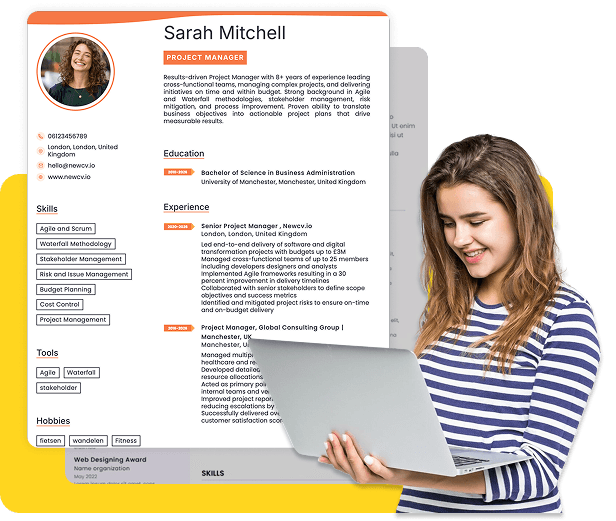
Use ATS-optimised Resume and resume templates that pass applicant tracking systems. Our Resume builder helps recruiters read, scan, and shortlist your Resume faster.

Use professional field-tested resume templates that follow the exact Resume rules employers look for.
Create Resume
Use professional field-tested resume templates that follow the exact Resume rules employers look for.
Create ResumeReduced failed transaction flows by 18% through checkout optimization and API retry handling
The second version immediately communicates domain relevance, product understanding, and measurable impact.
That is what recruiters and hiring managers look for.
Secure APIs
Encrypted storage
Plaid integration
Card controls
Transaction history
Recruiters are evaluating whether you understand financial trust systems, not just Android UI development.
Strong candidates usually demonstrate:
Authentication and session security experience
Secure storage implementation
Payment SDK integration
Financial transaction reliability
Banking workflow understanding
Fraud reduction awareness
Regulatory sensitivity
Built Android banking features supporting biometric authentication, secure account access, transaction history, and digital wallet workflows
Implemented encrypted local storage and secure token handling to improve mobile payment security compliance
Integrated Plaid APIs to support account linking and real-time financial data synchronization
Improved payment completion rates by optimizing checkout latency and reducing API timeout failures
Collaborated with fraud prevention teams to strengthen authentication workflows and suspicious activity detection
Many Android developers fail FinTech screening because they describe only frontend implementation.
Hiring managers want evidence that you understand:
Sensitive financial data handling
Authentication risks
Regulatory pressure
Customer trust implications
Payment failure consequences
A resume that sounds like a generic mobile app project often loses to candidates with even moderate FinTech domain exposure.
Healthcare APIs
Medication reminders
Remote patient monitoring
Accessibility
Care coordination
Healthcare hiring managers want developers who understand reliability and trust.
Key evaluation areas include:
Secure handling of patient data
Accessibility compliance
Healthcare workflow understanding
Messaging security
Scheduling systems
Clinical integration awareness
Stability and uptime sensitivity
Developed HIPAA-aware Android patient portal features including appointment scheduling, secure messaging, and telehealth workflows
Integrated healthcare APIs and EHR-connected services to improve patient record accessibility within Android applications
Improved accessibility compliance across Android healthcare workflows, reducing usability defects for screen-reader users
Built medication reminder functionality and remote patient monitoring integrations for chronic care management applications
Collaborated with security teams to strengthen PHI protection and secure session management practices
Healthcare employers often prioritize risk reduction over flashy engineering.
A candidate with stable healthcare workflow experience may outperform a technically stronger Android engineer with no regulated-industry exposure.
That is especially true for:
Hospital systems
Insurance companies
Telehealth platforms
Clinical software providers
Medical device companies
Personalization
Search and filters
Order tracking
A/B testing
Recommendation engines
Hiring managers in e-commerce care deeply about measurable business outcomes.
They look for Android developers who understand:
Conversion optimization
Cart abandonment reduction
Purchase funnel performance
Mobile engagement
Retention strategy
Promotional systems
Experimentation frameworks
Improved Android checkout conversion rates through cart optimization, payment flow simplification, and retry handling enhancements
Built personalized mobile shopping experiences using recommendation APIs and behavioral targeting workflows
Developed push notification campaigns that increased repeat customer engagement and app retention
Optimized product catalog rendering and search/filter performance for high-volume retail Android applications
Integrated loyalty program functionality and order tracking systems into customer-facing Android experiences
Top e-commerce Android candidates speak the language of business metrics.
Instead of saying:
They say:
That shift matters enormously during recruiter screening.
Chromecast
Playback analytics
Subscription workflows
Performance optimization
Adaptive streaming
Hiring managers look for developers who understand:
Playback stability
Buffering reduction
Media rendering optimization
Subscription retention
Large-scale user behavior
Smart TV experiences
DRM constraints
Delivered Android streaming features using ExoPlayer and Media3 for optimized video playback and playback stability improvements
Implemented offline download functionality and DRM-aware content handling for subscription-based media platforms
Built Android TV experiences supporting Chromecast integration and multi-device playback continuity
Improved streaming reliability and reduced playback interruptions through performance optimization initiatives
Integrated playback analytics systems to monitor engagement, buffering rates, and session stability
Many developers list ExoPlayer experience without demonstrating business understanding.
Streaming companies care about:
Watch-time retention
Playback reliability
Subscription engagement
Ad delivery quality
Viewer drop-off reduction
The strongest candidates connect technical implementation to media consumption outcomes.
Telematics
Navigation
Device connectivity
Location services
IoT integration
Recruiters look for engineers comfortable with:
Hardware integration
Connectivity systems
Sensor-driven workflows
Embedded environments
Real-time responsiveness
Navigation systems
Vehicle ecosystem constraints
Developed Android Automotive OS features supporting infotainment, navigation, and connected vehicle experiences
Integrated BLE and Bluetooth workflows for vehicle-device communication and accessory connectivity
Built embedded Android functionality for telematics systems and location-aware driving applications
Optimized Android performance for hardware-constrained automotive environments
Collaborated with firmware and hardware teams to improve sensor integration and connectivity reliability
Automotive hiring managers often prefer candidates who can communicate cross-functionally with hardware, embedded, and systems teams.
Pure mobile app experience alone may not be enough.
Audit logs
Role-based access
Internal tools
Workforce mobility
Compliance workflows
Enterprise hiring emphasizes:
Operational reliability
Security awareness
Scalability
Offline functionality
Workforce efficiency
Multi-role permissions
Large-device deployments
Built enterprise Android field-service applications supporting offline sync, barcode scanning, and secure role-based access
Integrated SSO authentication and MDM-compatible workflows for enterprise mobility initiatives
Developed audit logging systems and secure data access workflows for internal operational tools
Improved offline synchronization reliability for distributed workforce applications operating in low-connectivity environments
Collaborated with operations teams to streamline Android workflows for logistics and field-service employees
Enterprise Android experience often gets underestimated by candidates, but employers value developers who understand operational workflows.
Enterprise hiring managers frequently prioritize:
Reliability over trendy architecture
Stability over experimentation
Workflow efficiency over visual complexity
That makes domain understanding extremely important.
“FinTech Android secure APIs”
A healthcare recruiter might search:
“Android HIPAA telehealth EHR”
“Healthcare Android secure messaging”
If your resume lacks these domain entities, you may never appear in recruiter searches even if technically qualified.
Industry-specific feature simulations
A developer targeting FinTech roles could build:
A mock mobile banking app
Biometric authentication workflows
Transaction history screens
Secure token storage
Plaid API integrations
Spending analytics dashboards
That creates domain credibility even before landing a FinTech job.
Offline sync success rate
Security findings resolved
App store ratings
Customer satisfaction improvements
Metrics help hiring managers understand business impact, not just engineering activity.
Use this framework in resume bullets and LinkedIn experience sections:
Action + Business Workflow + Android Technology + Measurable Outcome
This structure is significantly stronger than generic technical descriptions.
Command higher salaries
Access more niche opportunities
Compete against smaller talent pools
The developers who stand out now are the ones who combine Android engineering excellence with real business-domain fluency.


 Upload Resume
 Import from Linkedin