STILL APPLYING. STILL HEARING NOTHING?BUILD YOUR RESUME

STILL APPLYING. STILL HEARING NOTHING?BUILD YOUR RESUME
Choose from a wide range of NEWCV resume templates and customize your NEWCV design with a single click.
FAQ


ASP.NET developer certifications matter most when they validate skills employers actively hire for: Azure cloud development, DevOps, API security, containerization, enterprise architecture, and modern ASP.NET Core development. In the US job market, certifications rarely replace real production experience, but they absolutely influence recruiter screening, ATS visibility, consulting opportunities, government contracts, and cloud-focused hiring decisions.
The certifications that consistently carry weight for ASP.NET developers are Microsoft Azure certifications, Kubernetes credentials, cloud architecture certifications, and security-focused training. These credentials help prove current Microsoft ecosystem knowledge, especially for developers transitioning into cloud-native .NET environments or modernizing legacy enterprise applications.
For entry-level ASP.NET developers, certifications can compensate for limited professional experience. For mid-level and senior developers, they strengthen positioning for higher-paying enterprise, DevOps, cloud, and architecture-focused roles.
Most hiring managers do not care about certifications in isolation. They care whether the certification supports a business-critical skill.
That distinction matters.
A recruiter hiring for a modern ASP.NET Core role is usually screening for:
Azure deployment experience
API development
SQL and database performance
Cloud-native architecture
CI/CD pipelines
Kubernetes or containerization
Secure authentication and authorization
Enterprise modernization
Microservices
DevOps collaboration
The certifications that align with those business needs are the ones that move candidates forward.
The strongest ASP.NET developer certifications today are:
Microsoft Certified: Azure Developer Associate
Microsoft Certified: Azure Solutions Architect Expert
AWS Certified Developer – Associate
Certified Kubernetes Application Developer (CKAD)
Docker Certified Associate
Microsoft Certified: Azure DevOps Engineer Expert
CompTIA Security+
Google Professional Cloud Developer
GitHub Actions Certification
These certifications strengthen credibility because they map directly to modern enterprise ASP.NET development environments.
Microsoft certifications carry the most weight for ASP.NET developers because they align directly with the .NET ecosystem most US companies use.
This is the single most valuable certification for most ASP.NET developers.
It validates:
Azure App Services
ASP.NET Core deployment
Azure Functions
Authentication and authorization
Storage integration
Monitoring and diagnostics
API integrations
Cloud-native application development
Recruiters often search specifically for Azure certifications when sourcing ASP.NET candidates on LinkedIn and ATS platforms.
This certification is especially valuable for:
Backend ASP.NET developers
ASP.NET Core developers
Enterprise developers
Cloud-focused .NET engineers
Developers moving from legacy .NET Framework to Azure
This certification is more strategic and architecture-focused.
It matters most for:
Senior ASP.NET developers
Lead engineers
Enterprise architects
Cloud modernization specialists
Technical leads
Hiring managers see this credential as evidence of broader infrastructure and system design knowledge, not just coding ability.
It is particularly useful for developers involved in:
Microservices
Distributed systems
Enterprise migration projects
High-scale APIs
Multi-region cloud deployments
Modern ASP.NET hiring increasingly overlaps with DevOps responsibilities.
This certification validates:
CI/CD pipelines
Infrastructure automation
Azure DevOps
GitHub Actions
Deployment strategies
Monitoring and observability
Kubernetes integration
Developers with both coding and deployment expertise are significantly more valuable in enterprise hiring environments.
Many companies now prefer ASP.NET developers who can own deployment pipelines instead of relying entirely on separate DevOps teams.
This is an entry-level certification.
It is useful for:
Junior ASP.NET developers
Career changers
Internship candidates
Developers entering cloud environments
It will not strongly differentiate experienced developers, but it can help early-career candidates pass initial recruiter screens.
Modern ASP.NET development is now heavily cloud-dependent.
Even companies that still use on-prem infrastructure are actively modernizing toward Azure, AWS, or hybrid cloud environments.
Many US companies run mixed Microsoft and AWS environments.
This certification helps ASP.NET developers stand out in organizations that use:
ASP.NET Core APIs on AWS
ECS or EKS deployments
Lambda integrations
Cloud-native backend systems
Hybrid Azure and AWS architecture
Recruiters increasingly value developers who understand multiple cloud ecosystems.
Less common in the .NET ecosystem, but still valuable for developers working in:
SaaS companies
AI-focused platforms
Multi-cloud environments
Kubernetes-heavy infrastructures
This certification is strongest when paired with Kubernetes expertise.
Containerization has become standard for enterprise ASP.NET deployments.
Many experienced developers underestimate how valuable Kubernetes knowledge has become in hiring.
This is one of the highest-value technical certifications for senior ASP.NET developers.
It validates:
Containerized applications
Kubernetes deployments
Scaling and orchestration
Configuration management
Cloud-native architecture
ASP.NET developers with Kubernetes expertise are highly attractive for:
Enterprise modernization projects
SaaS platforms
Microservices environments
High-scale API systems
This is more infrastructure-oriented.
It helps ASP.NET developers move toward:
Platform engineering
Cloud infrastructure leadership
DevOps-heavy positions
Technical architecture roles
Docker knowledge is now expected in many ASP.NET Core environments.
This certification supports:
Containerization skills
Deployment workflows
Environment consistency
Cloud migration projects
Even when employers do not explicitly ask for Docker certifications, Docker expertise improves technical interview performance.
Security has become a major differentiator in enterprise hiring.
Many ASP.NET applications handle sensitive business, healthcare, finance, or government data.
Security-focused developers often command higher salaries because secure coding expertise is difficult to hire for.
This is one of the best foundational cybersecurity certifications for developers.
It helps validate:
Authentication concepts
Secure infrastructure awareness
Risk management
Identity management
Security fundamentals
This certification is especially useful for developers applying to:
Government contractors
Healthcare organizations
Financial institutions
Enterprise SaaS companies
This is a strong entry-level security certification for developers moving toward security-focused engineering roles.
These certifications matter for ASP.NET developers working with:
Azure Active Directory
OAuth2
OpenID Connect
Enterprise authentication
Identity governance
Developers who deeply understand authentication and authorization systems are extremely valuable in enterprise hiring.
Not all ASP.NET developers should pursue the same certifications.
The best certification depends on the actual type of work you want.
Most valuable certifications:
Azure Developer Associate
SQL Server training
CKAD
API security training
Docker Certified Associate
Hiring managers for backend roles prioritize scalability, APIs, databases, and cloud deployment.
Best certifications:
Azure Developer Associate
React or Angular training
GitHub Actions Certification
Azure DevOps Engineer Expert
Full stack developers are often evaluated on deployment capability in addition to frontend and backend skills.
Best certifications:
Azure Solutions Architect Expert
Azure DevOps Engineer Expert
CKAD
Azure AI Engineer Associate
This path aligns with high-paying enterprise cloud roles.
Best certifications:
Azure architecture certifications
Security certifications
SQL Server administration training
DevOps certifications
Enterprise environments care heavily about reliability, scalability, governance, and modernization.
Best certifications:
Security+
OWASP secure coding training
Identity management certifications
Azure security certifications
This niche is growing rapidly because companies increasingly prioritize application security.
Best certifications and training:
ASP.NET Core learning paths
Azure Developer Associate
Frontend integration training
Cloud deployment training
Blazor remains niche compared to React and Angular, but enterprise adoption is growing.
Yes, but only under specific conditions.
Certifications help most when they solve uncertainty for the employer.
A certification can help if the recruiter is unsure whether you can:
Work in Azure
Handle cloud deployments
Understand DevOps workflows
Build secure APIs
Modernize legacy systems
Work in enterprise environments
However, certifications do not compensate for weak technical fundamentals.
Hiring managers still prioritize:
Real project experience
Production systems
Code quality
SQL expertise
API development
Problem-solving ability
Architecture understanding
This is why many senior ASP.NET developers have few certifications but strong experience.
At the same time, certifications can significantly improve interview opportunities when:
You are early in your career
You are changing specialties
You are moving into cloud engineering
You are targeting enterprise roles
You are competing in crowded job markets
You are applying through ATS-heavy hiring systems
Most candidates misunderstand how certifications are evaluated.
Recruiters rarely think:
“This candidate has certifications, therefore they are qualified.”
Instead, recruiters think:
“This certification reduces hiring risk for this specific role.”
For example:
Azure certifications reduce uncertainty around cloud readiness
Security certifications reduce concern about secure coding practices
Kubernetes certifications suggest scalability experience
DevOps certifications imply deployment ownership capability
The strongest candidates connect certifications directly to real project outcomes.
Example:
“Completed Azure certification.”
This adds little value.
Example:
“Used Azure App Services, Azure SQL, and CI/CD pipelines in production after completing Azure Developer Associate certification.”
Now the certification supports real-world capability.
That distinction matters enormously during hiring.
Certifications should support your positioning, not dominate your resume.
The best placement is usually:
Dedicated Certifications section
Technical Skills section
Professional Development section
For most experienced developers, certifications should appear below experience.
Certifications
Microsoft Certified: Azure Developer Associate
Certified Kubernetes Application Developer (CKAD)
AWS Certified Developer – Associate
Generic certifications dilute technical positioning.
Too many certifications can signal shallow specialization.
Senior developers should prioritize impact and project delivery.
Old certifications tied to obsolete technology stacks weaken credibility.
Not all valuable training results in formal certification.
Some highly respected learning platforms include:
Microsoft Learn ASP.NET and Azure tracks
Pluralsight ASP.NET Core paths
Linux Foundation Kubernetes training
Microsoft DevOps learning paths
SQL Server administration training
OWASP secure coding training
Hiring managers care more about practical implementation than completion badges.
The best training programs include:
Real deployment projects
API development
Cloud integration
CI/CD implementation
Security workflows
Production architecture patterns
Some certifications provide limited hiring value.
These include:
Generic coding certifications
Outdated .NET Framework certifications
Low-level beginner certifications unrelated to cloud or enterprise development
Certifications disconnected from modern deployment environments
Today’s ASP.NET hiring market is heavily driven by:
ASP.NET Core
Azure
APIs
Containers
Cloud deployment
Security
DevOps automation
Certifications outside those areas typically matter far less.
The strongest ASP.NET developers combine four things:
Strong production experience
Cloud deployment capability
Modern architecture understanding
Continuous technical learning
Certifications work best when they support that broader positioning strategy.
The most competitive ASP.NET candidates today can:
Build APIs
Deploy cloud infrastructure
Optimize SQL performance
Secure authentication systems
Work with containers
Own CI/CD pipelines
Collaborate across DevOps workflows
That combination is what drives hiring momentum in the modern US .NET market.
Use ATS-optimised Resume and resume templates that pass applicant tracking systems. Our Resume builder helps recruiters read, scan, and shortlist your Resume faster.


Use professional field-tested resume templates that follow the exact Resume rules employers look for.
Create Resume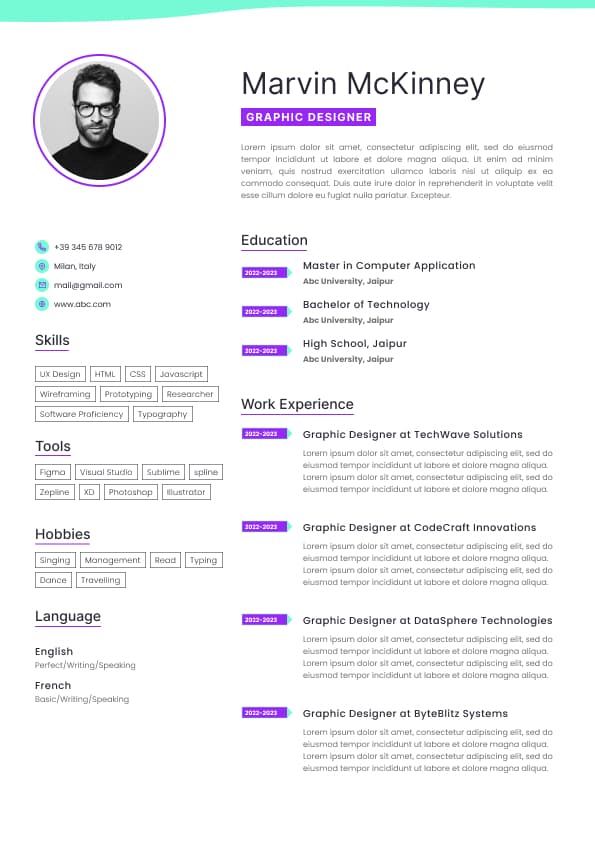
Use professional field-tested resume templates that follow the exact Resume rules employers look for.
Create ResumeScrum.org Professional Scrum Master (PSM I)


 Upload Resume
 Import from Linkedin