STILL APPLYING. STILL HEARING NOTHING?BUILD YOUR RESUME

STILL APPLYING. STILL HEARING NOTHING?BUILD YOUR RESUME
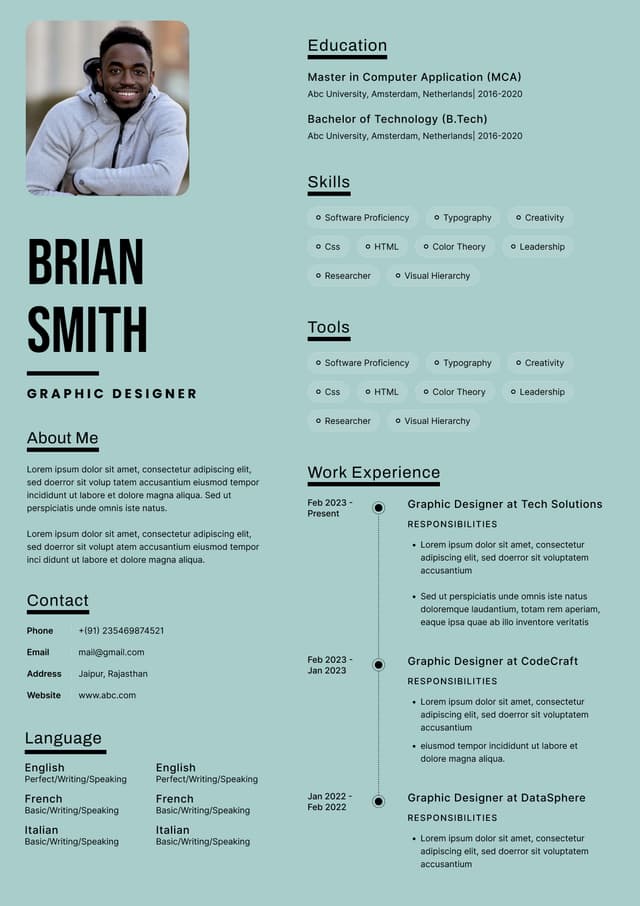
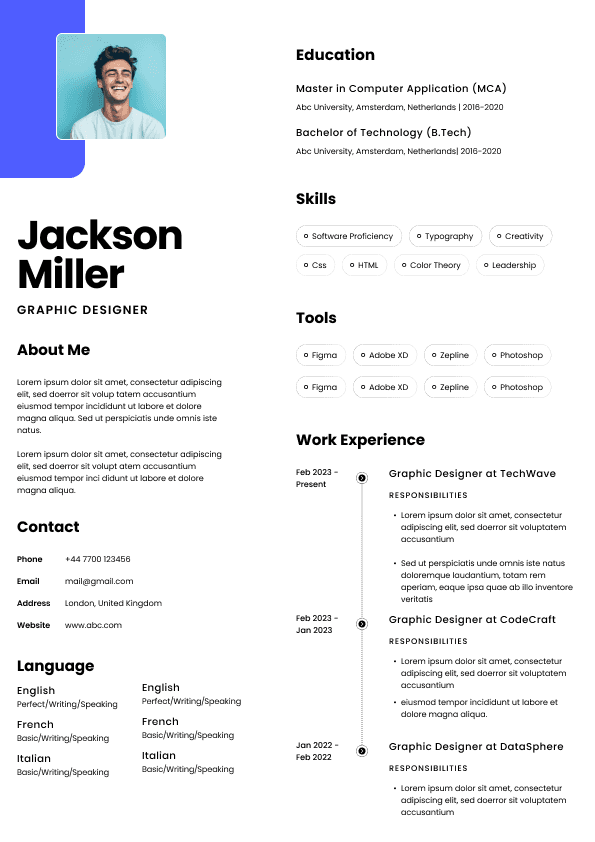
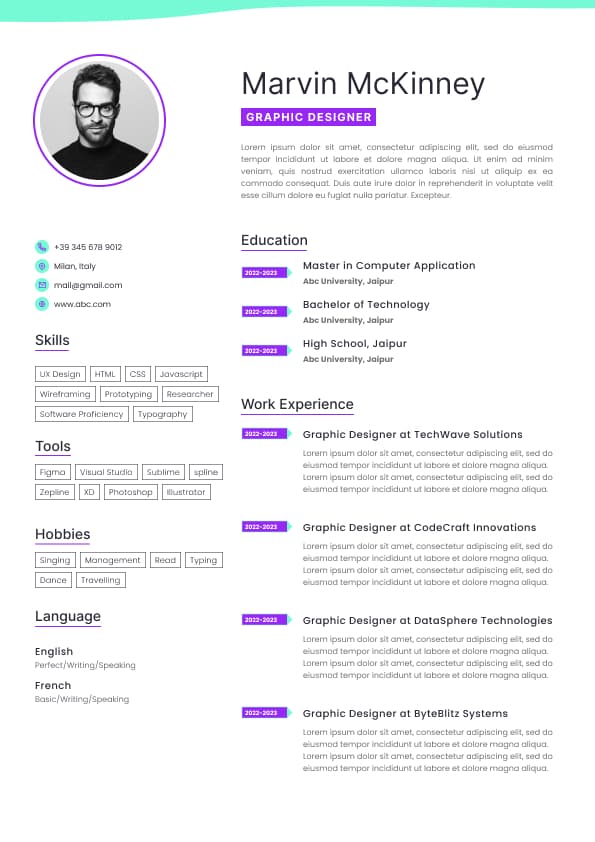
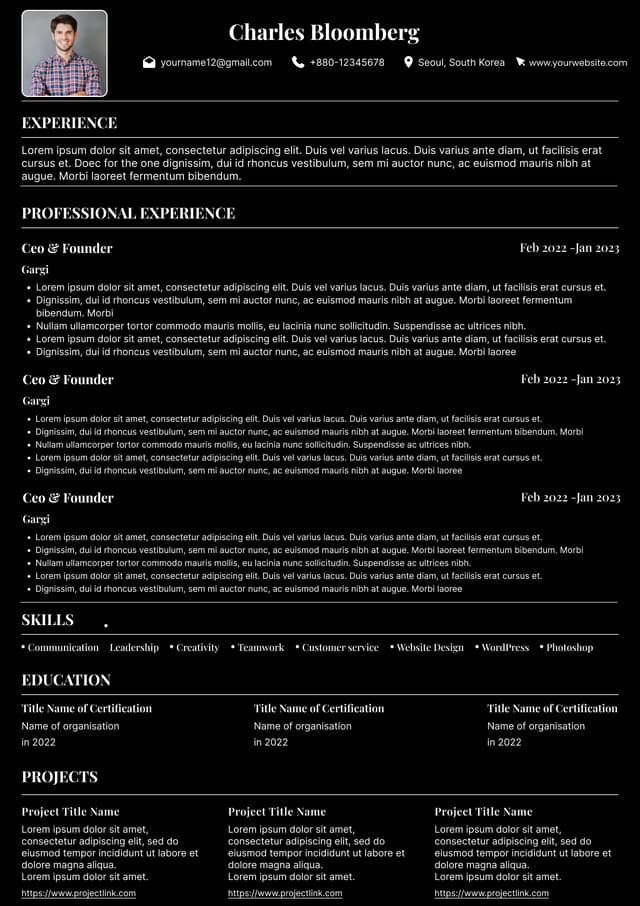
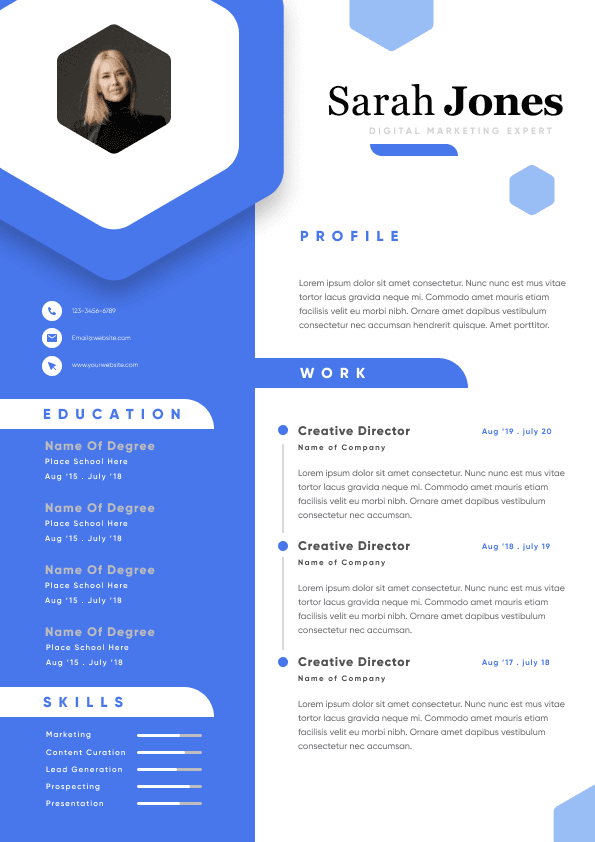
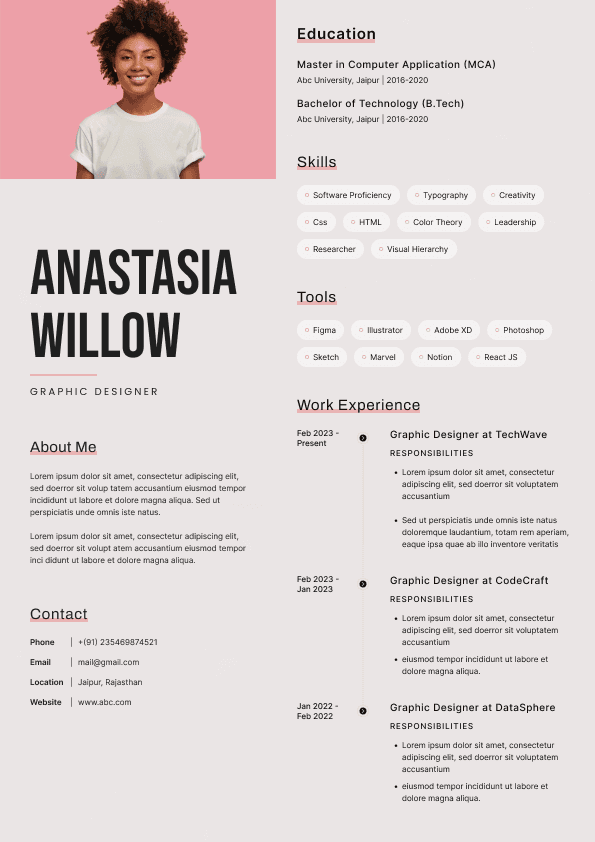
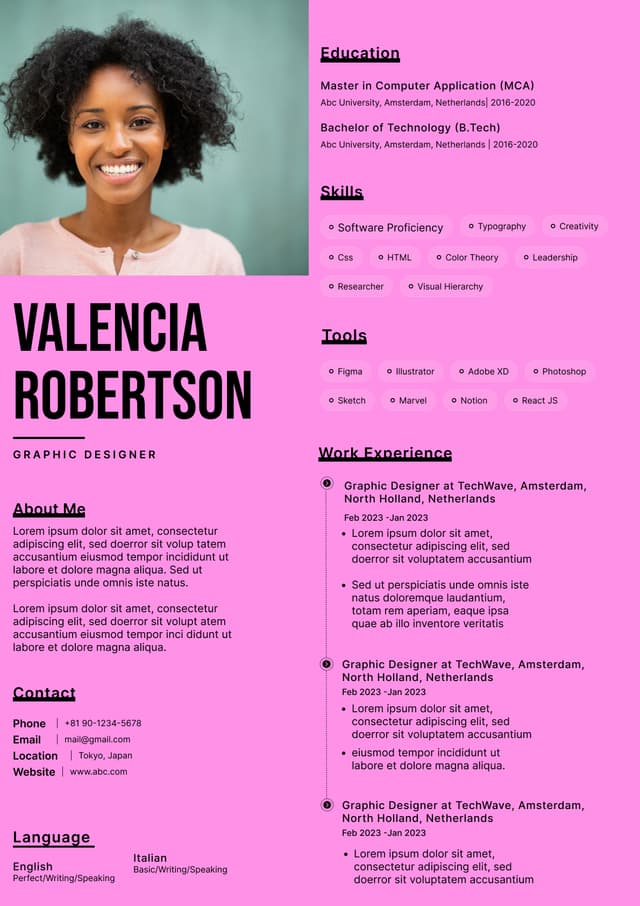
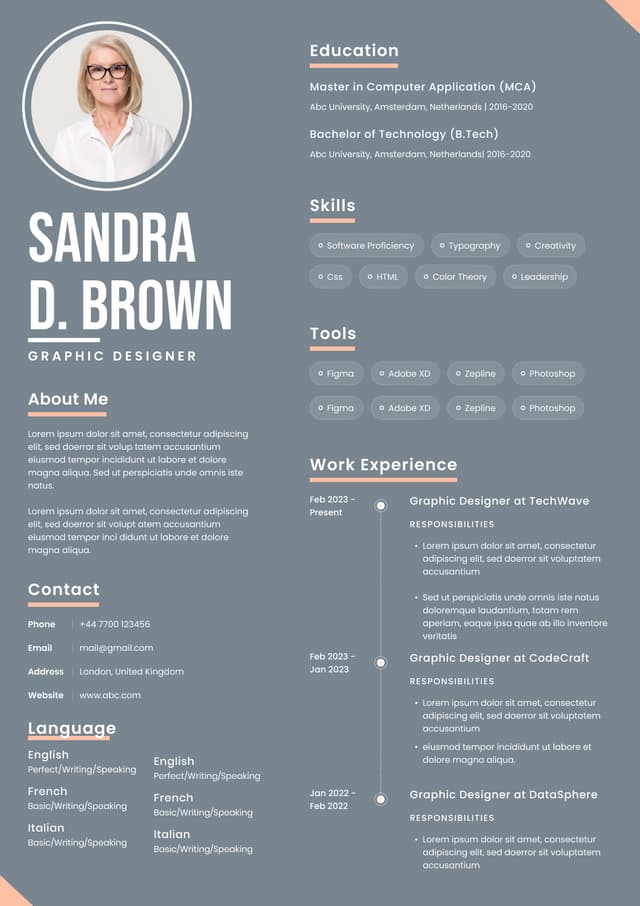
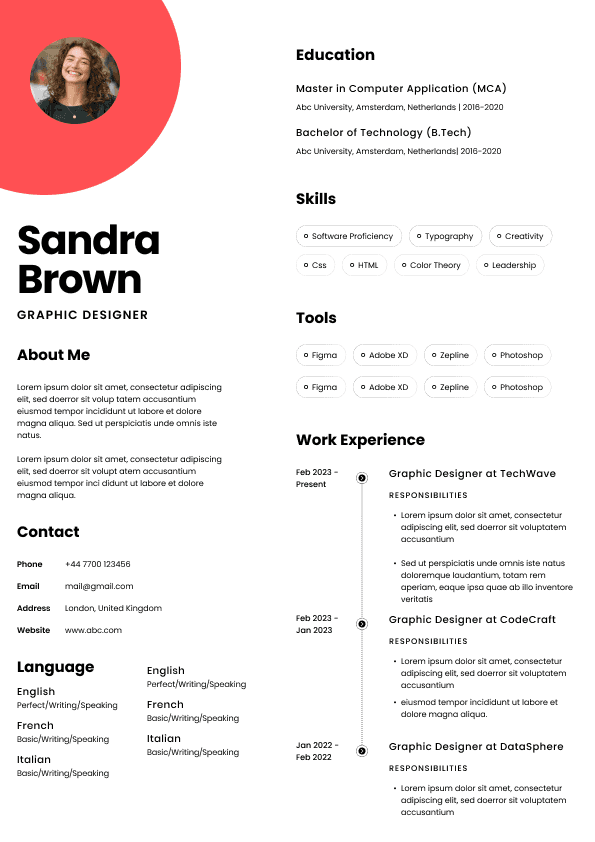
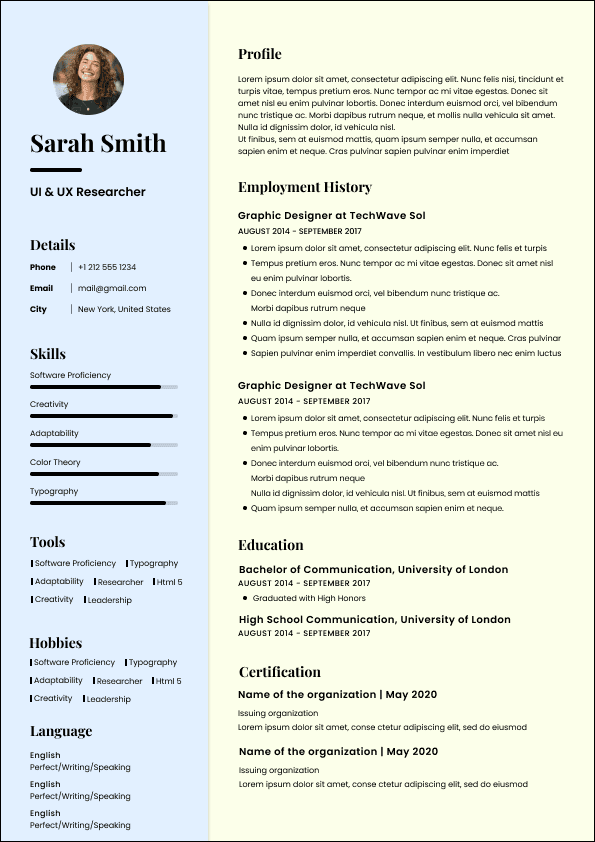
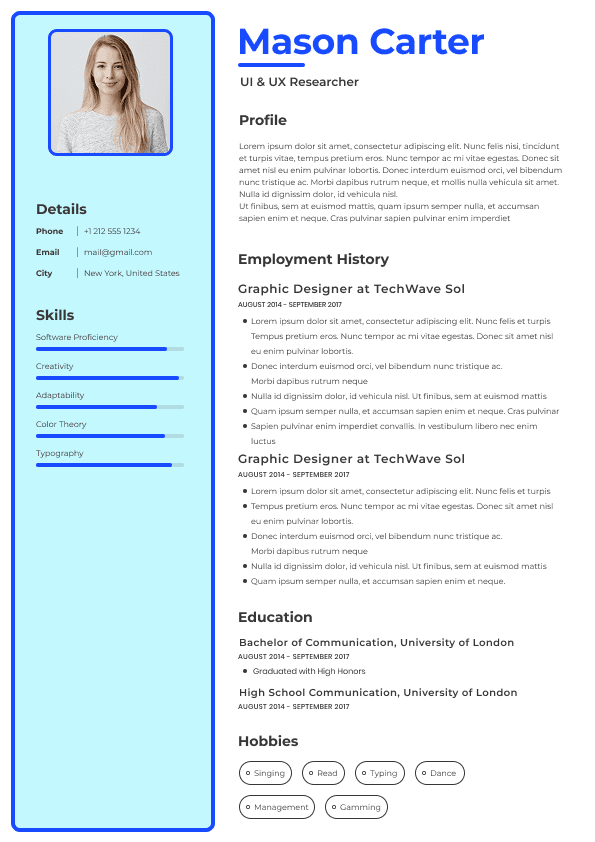
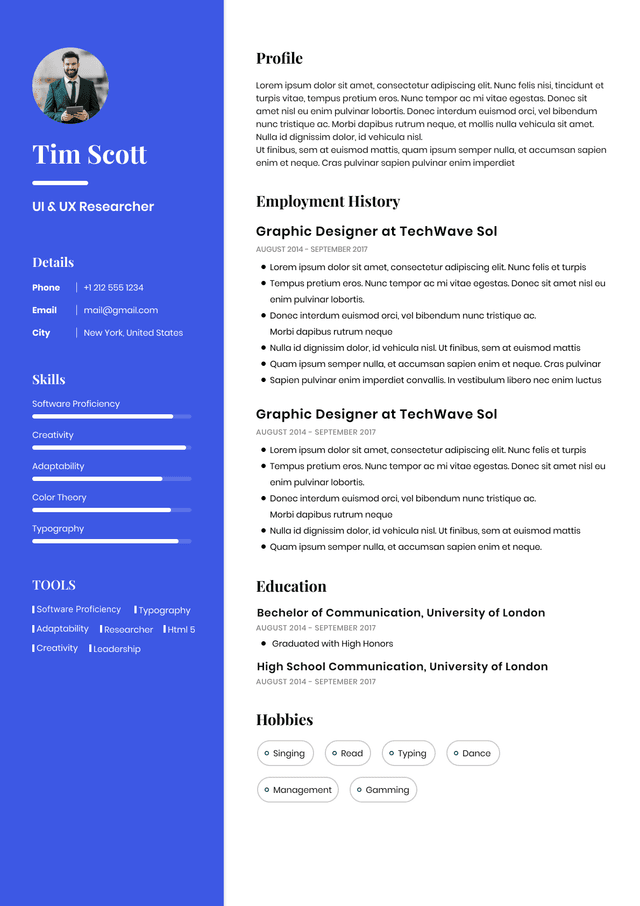
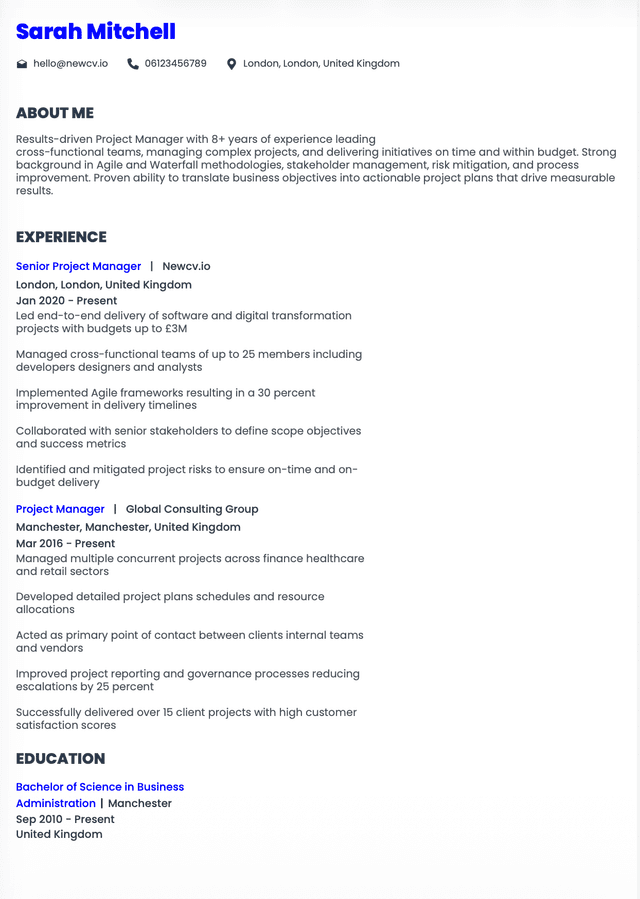
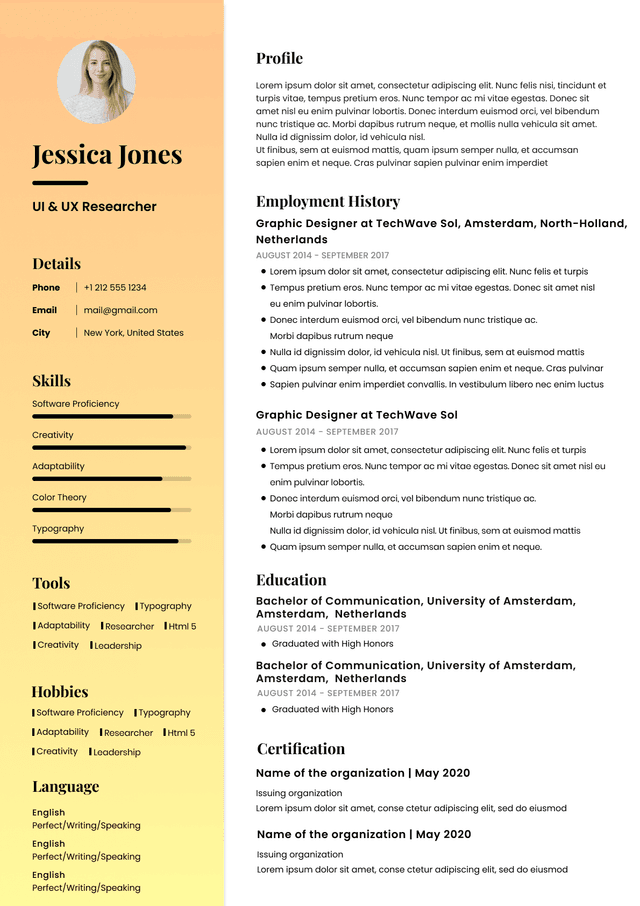
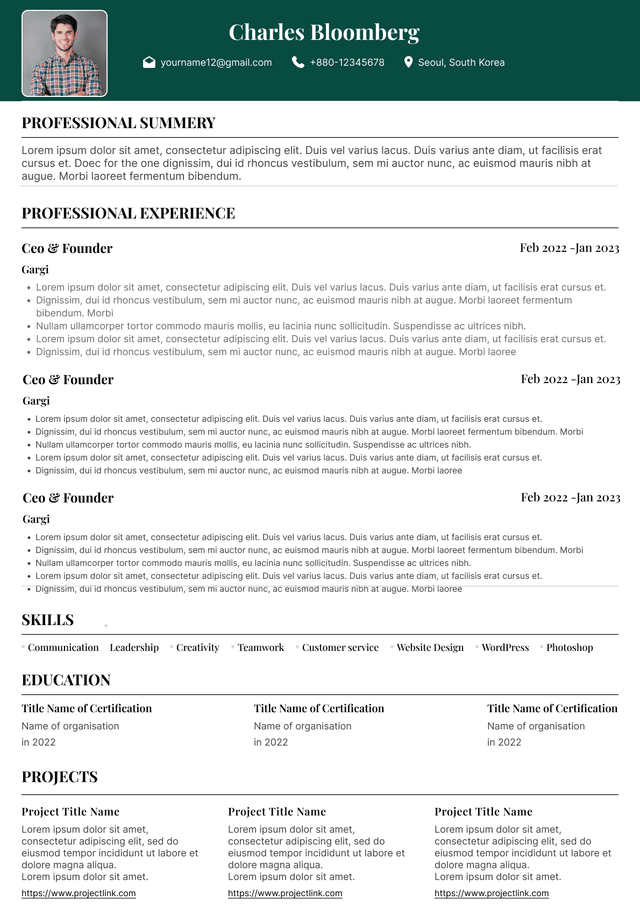
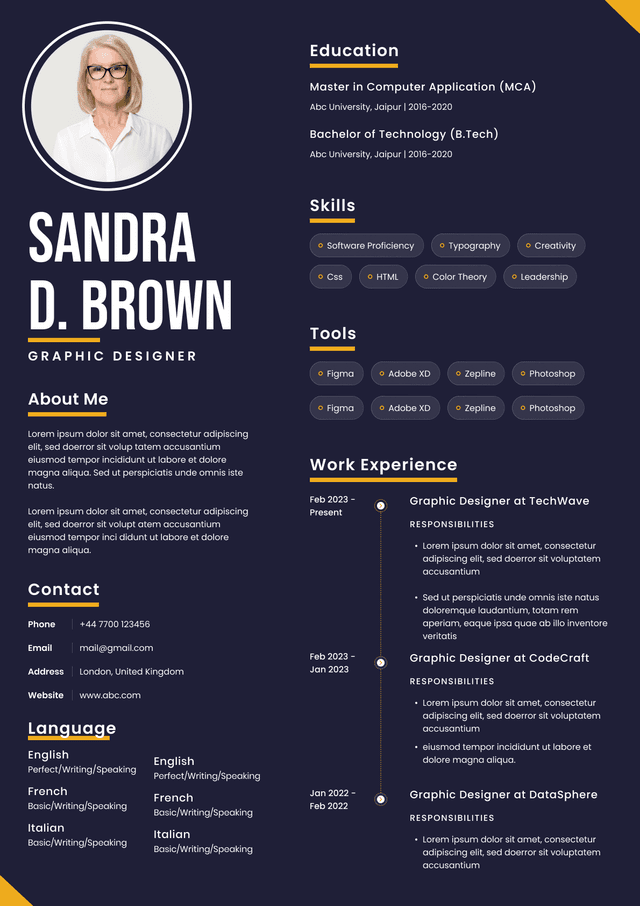
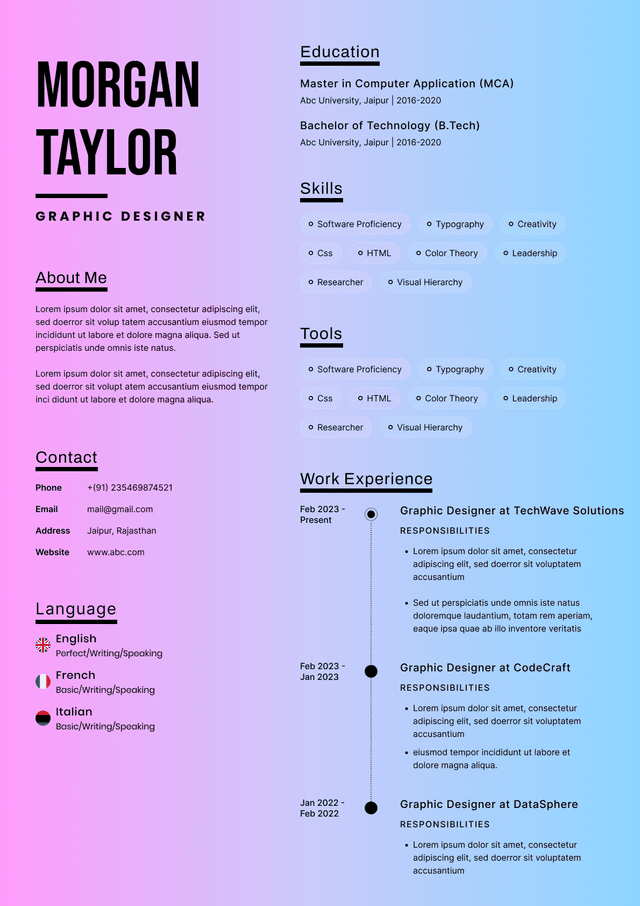
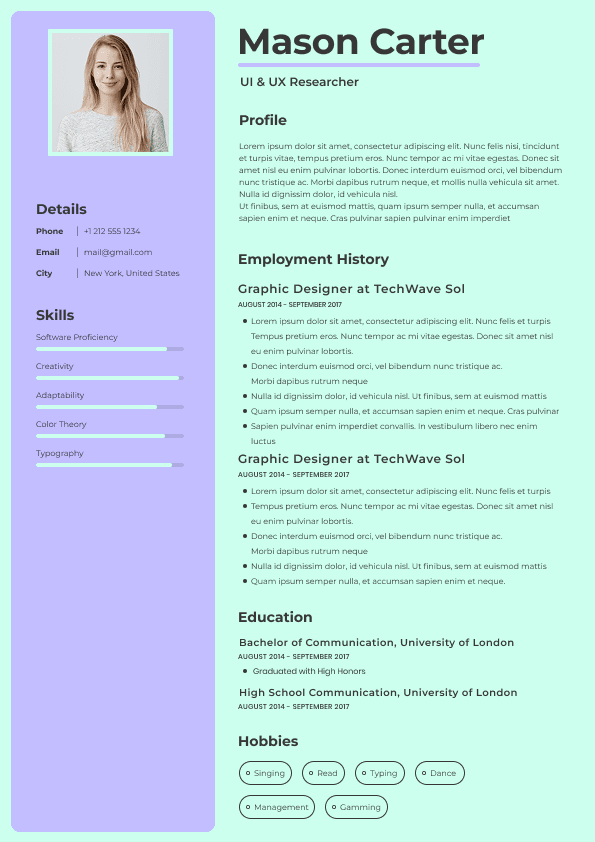
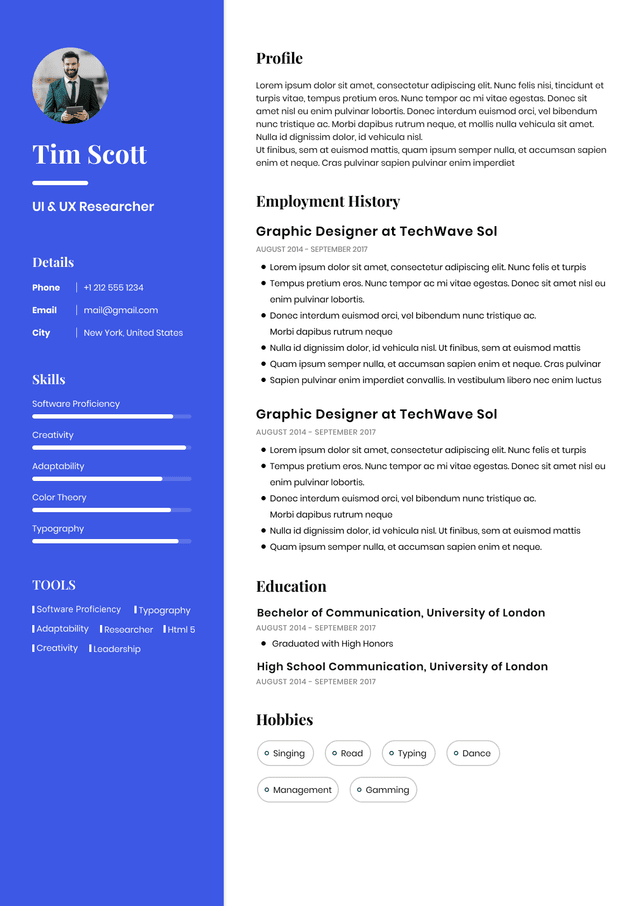
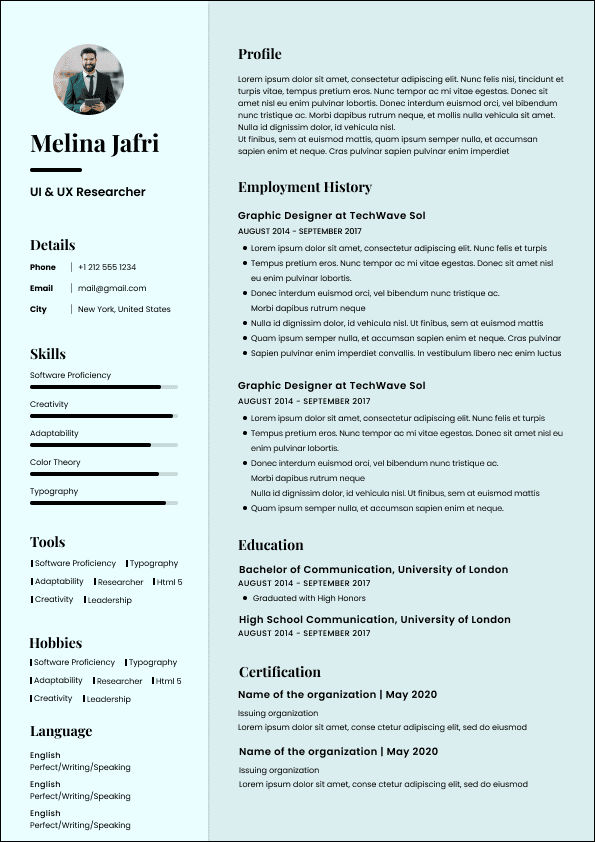
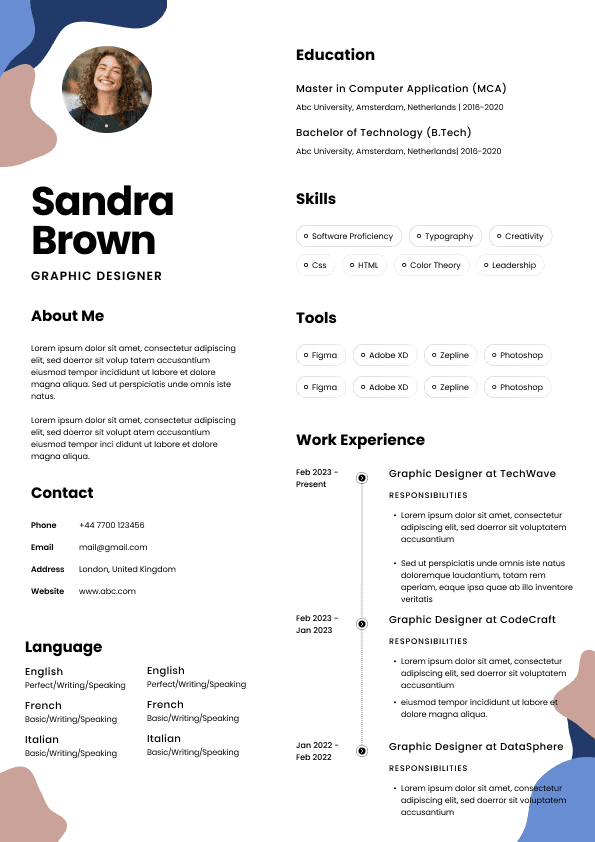
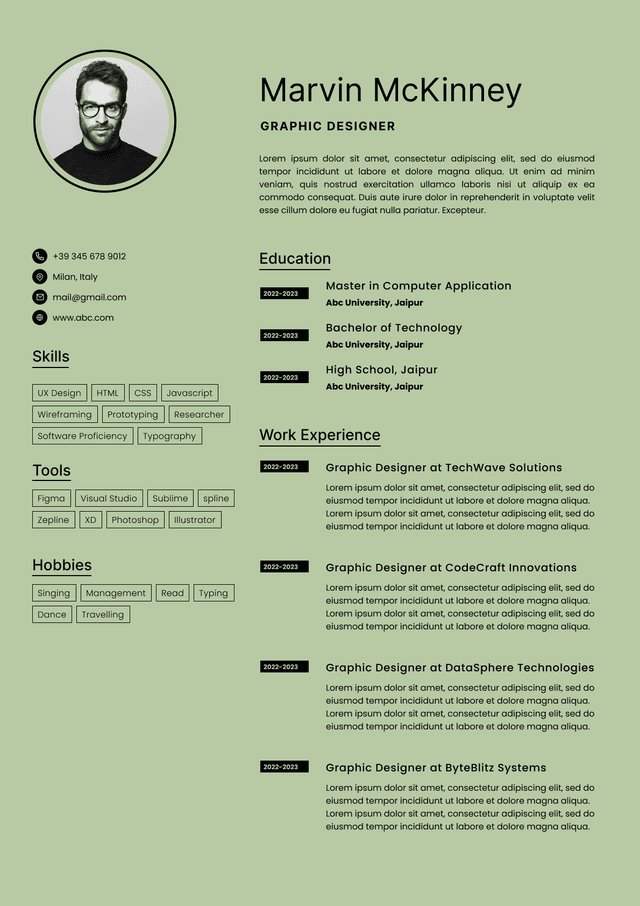
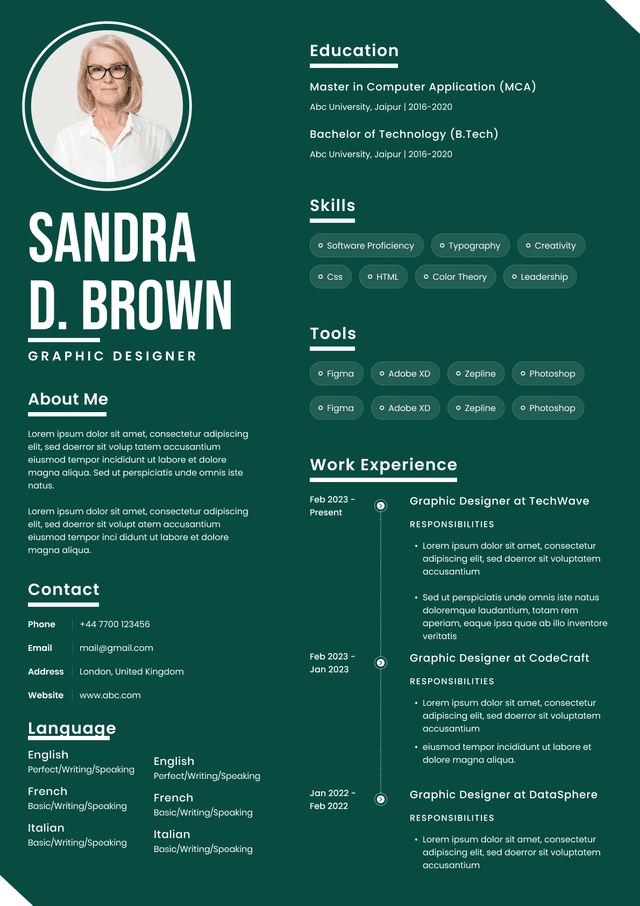
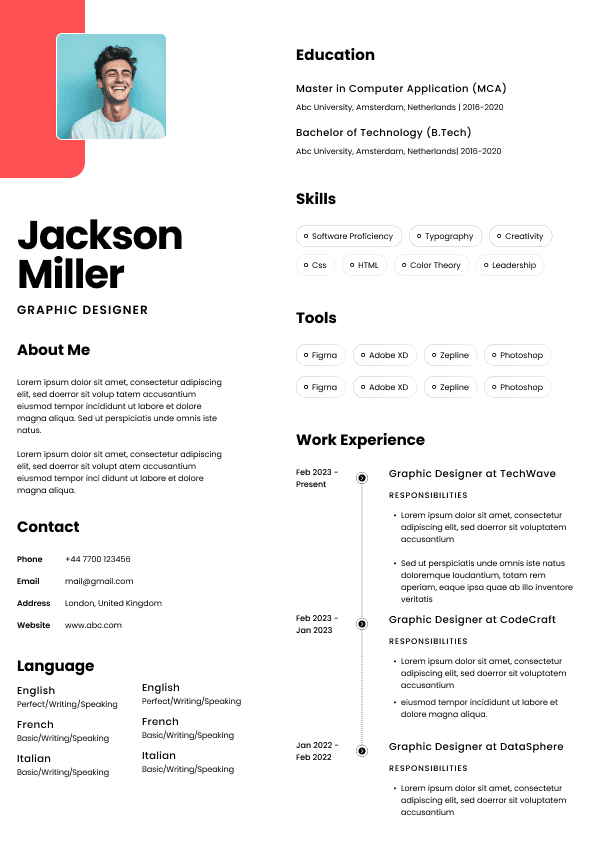
Choose from a wide range of NEWCV resume templates and customize your NEWCV design with a single click.
FAQ
An ASP.NET developer is responsible for building, maintaining, optimizing, and securing web applications, APIs, and enterprise systems using Microsoft technologies like ASP.NET Core, C#, SQL Server, Azure, and .NET. In modern hiring, recruiters and engineering managers are not looking for vague resume statements like “developed web applications.” They want proof that you can ship scalable systems, collaborate across engineering teams, solve production issues, improve performance, and support real business operations.
The biggest mistake candidates make is listing generic programming tasks instead of responsibilities tied to measurable engineering impact. Strong ASP.NET developer resumes demonstrate ownership across the software lifecycle: architecture, coding, testing, deployment, debugging, cloud infrastructure, security, CI/CD, and ongoing application support.
This guide breaks down the exact ASP.NET developer duties and responsibilities employers expect, how those responsibilities differ by seniority, and how to present them effectively on a resume.
An ASP.NET developer designs, develops, tests, deploys, and maintains applications built on the Microsoft .NET ecosystem. These applications may include:
Enterprise web applications
REST APIs and microservices
Internal business systems
SaaS platforms
E commerce platforms
Financial systems
Healthcare applications
Customer portals
Below are the responsibilities most commonly expected in ASP.NET developer roles across US companies.
The primary responsibility of an ASP.NET developer is building web applications and backend systems using Microsoft technologies.
This includes:
Developing ASP.NET Core MVC applications
Building RESTful APIs
Creating backend business logic
Developing Razor Pages and Blazor applications
Writing reusable service layers
Building enterprise workflows
Supporting full stack functionality
Hiring managers specifically look for evidence that candidates worked on production systems rather than tutorial level projects.
Modern engineering teams prioritize maintainability as much as functionality.
ASP.NET developers are expected to:
Write clean object oriented C# code
Follow SOLID principles
Build reusable components
Reduce technical debt
Improve code readability
Follow coding standards
Refactor legacy systems
Recruiters often reject resumes that only mention “coding” without showing engineering quality.
API development is one of the most important responsibilities for modern ASP.NET developers.
Typical API responsibilities include:
Designing RESTful APIs
Building CRUD endpoints
Securing APIs with JWT or OAuth
Integrating third party services
Handling API versioning
Optimizing response times
Managing API documentation
Many companies now hire ASP.NET developers primarily for backend API work rather than traditional MVC applications.
One of the biggest differences between junior and mid level developers is production ownership.
Companies want developers who can:
Diagnose application failures
Investigate production incidents
Analyze logs and telemetry
Resolve deployment issues
Fix SQL performance problems
Debug APIs and integrations
Support live systems
This responsibility matters far more than many candidates realize.
A developer who can stabilize production systems is significantly more valuable than someone who only writes features.
ASP.NET developers rarely work in isolation.
Most enterprise environments require collaboration with:
Product managers
Business analysts
QA engineers
DevOps engineers
Security teams
Database administrators
UX designers
Stakeholders
Most ASP.NET teams operate within Agile or Scrum frameworks.
Typical responsibilities include:
Sprint planning
Daily standups
Backlog refinement
Estimation sessions
Retrospectives
User story implementation
Feature prioritization
Recruiters generally expect Agile experience unless the role is highly specialized.
However, generic “worked in Agile environment” statements are weak.
Performance optimization is a major differentiator in ASP.NET hiring.
Experienced developers are expected to improve:
API response times
SQL query performance
Memory utilization
Caching strategies
Application scalability
Database efficiency
Load handling
Companies care deeply about this because poor performance directly impacts revenue, customer retention, and infrastructure costs.
Modern ASP.NET development extends beyond coding.
Developers are increasingly expected to participate in:
CI/CD pipeline maintenance
Azure DevOps workflows
Git branching strategies
Automated deployments
Release management
Build automation
Infrastructure coordination
This is especially important in cloud first organizations.
Security responsibilities have become significantly more important in ASP.NET roles.
Developers are expected to understand:
Authentication and authorization
JWT security
Role based access control
Input validation
Data encryption
Secure API practices
OWASP vulnerabilities
Compliance requirements
A large percentage of enterprise companies still operate legacy Microsoft systems.
ASP.NET developers are often responsible for:
Refactoring .NET Framework applications
Migrating legacy MVC systems
Updating Web Forms applications
Replacing WCF services
Modernizing monolithic architectures
Improving outdated SQL procedures
This experience is extremely valuable because many businesses struggle with modernization projects.
Candidates who can support both modern ASP.NET Core systems and legacy .NET applications are often more employable than developers focused only on the latest technologies.
Testing responsibilities are increasingly expected even for backend developers.
Typical responsibilities include:
Writing unit tests
Building integration tests
Supporting QA workflows
Improving test coverage
Automating regression testing
Validating API functionality
Developers who ignore testing responsibilities may appear incomplete to hiring managers.
Good Example:
“Developed automated unit and integration tests improving backend test coverage and reducing production defects.”
Modern engineering teams emphasize observability and reliability engineering.
ASP.NET developers may work with:
Application Insights
Serilog
Splunk
Datadog
ELK Stack
Azure monitoring tools
Responsibilities often include:
Monitoring production systems
Daily responsibilities vary based on company size, architecture, and seniority, but commonly include:
Writing and reviewing C# code
Building APIs and backend services
Participating in standups
Debugging application issues
Reviewing pull requests
Updating database logic
Collaborating with QA teams
Deploying application updates
Junior developers typically:
Fix bugs
Build smaller features
Write basic APIs
Support testing
Learn enterprise workflows
Work under senior guidance
Hiring managers mainly evaluate:
Learning ability
Code quality fundamentals
Mid level developers usually:
Own larger features
Design backend services
Troubleshoot production systems
Optimize applications
Support deployments
Mentor junior developers
This level often represents the strongest hiring demand.
Senior developers are expected to:
Lead architecture decisions
Improve engineering standards
Drive modernization efforts
Design scalable systems
Review pull requests
Mentor teams
Coordinate cross functional engineering work
Solve high impact production issues
Senior level resumes must show business impact and technical leadership, not just coding tasks.
When writing ASP.NET developer responsibilities on a resume, focus on:
Business impact
Scale
Technical complexity
Ownership
Measurable improvements
Production experience
Avoid listing responsibilities exactly like a job description.
Recruiters prefer achievement driven statements rather than copied task lists.
Strong resume bullets usually include:
Action verb
Technology stack
Business outcome
Scale or impact
Technical responsibility
Developed ASP.NET Core APIs supporting high volume enterprise transactions
Optimized SQL Server queries reducing backend processing times by 45%
Generic bullets like these hurt resume quality:
Responsible for development
Worked on backend systems
Handled debugging
Worked in Agile team
These phrases are vague and low value.
Many candidates create “technology dump” resumes.
Recruiters do not want random keyword lists. They want proof you used those technologies effectively.
Weak Example:
“ASP.NET Core, C#, SQL Server, Azure, Git.”
Good Example:
“Built scalable ASP.NET Core APIs using C#, SQL Server, and Azure App Services for enterprise customer platforms.”
The second version demonstrates applied experience.
Technical work should connect to outcomes whenever possible.
Hiring managers care about:
Faster systems
Better reliability
Reduced defects
Improved scalability
Successful deployments
Operational stability
The strongest resumes connect engineering work to those results.
Important semantic keywords often include:
ASP.NET Core
C#
MVC
Web API
REST APIs
SQL Server
Entity Framework
Azure
Recruiters generally screen resumes in this order:
Does the candidate match the company’s .NET environment?
Has the candidate worked on real systems used by customers or internal business operations?
Did the candidate handle scalable enterprise level work or only basic CRUD applications?
Did the candidate improve performance, reliability, scalability, or operational outcomes?
Does the resume show testing, CI/CD, security, collaboration, and deployment ownership?
Candidates who demonstrate all five areas consistently outperform generic developer resumes.


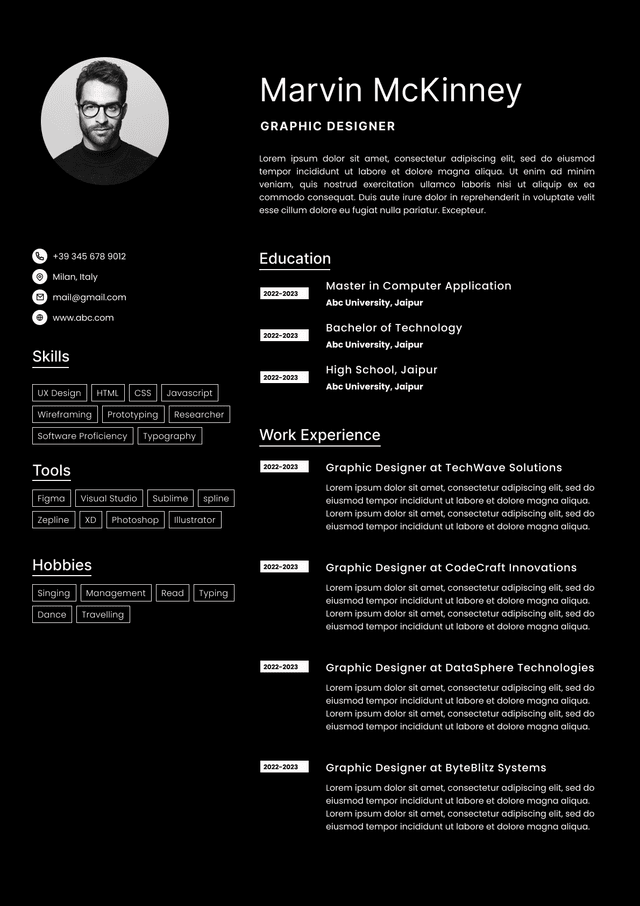
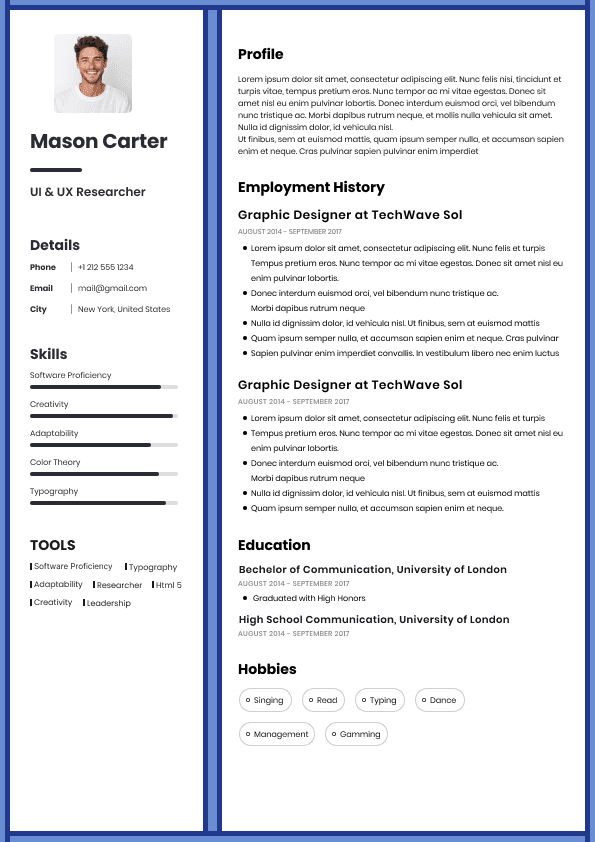
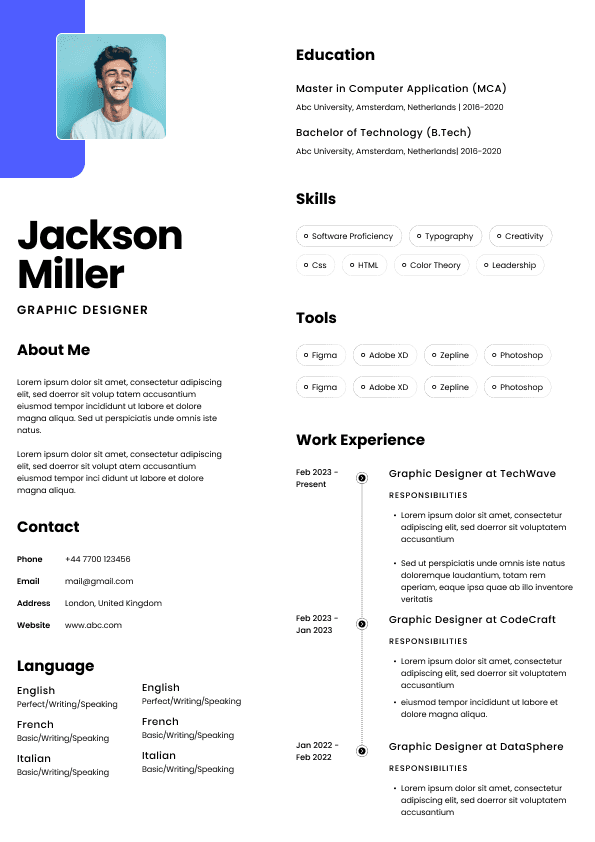
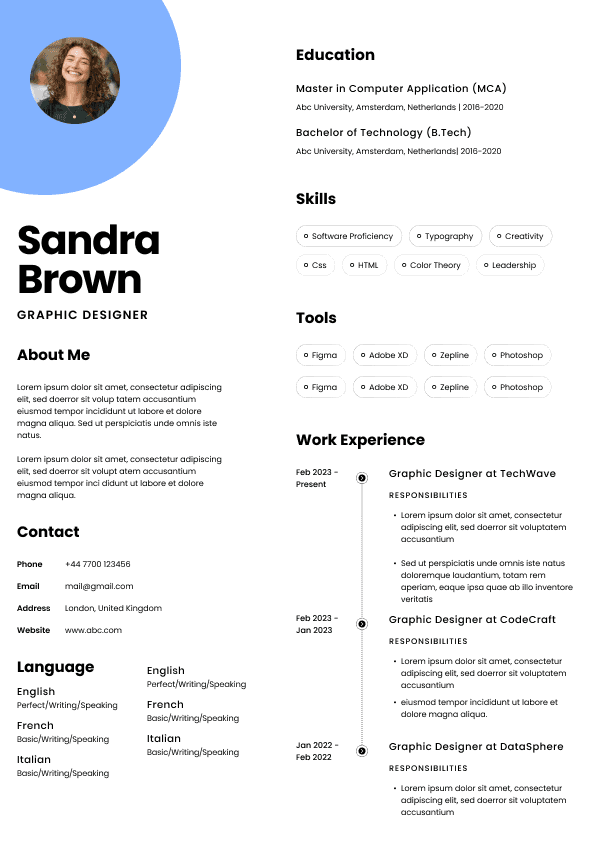
Use ATS-optimised Resume and resume templates that pass applicant tracking systems. Our Resume builder helps recruiters read, scan, and shortlist your Resume faster.


Use professional field-tested resume templates that follow the exact Resume rules employers look for.
Create Resume
Use professional field-tested resume templates that follow the exact Resume rules employers look for.
Create ResumeCloud based backend systems
Modern ASP.NET developers typically work with:
ASP.NET Core
C#
SQL Server
Entity Framework
Azure
REST APIs
Git
Azure DevOps
Docker
CI/CD pipelines
JavaScript frameworks
Authentication systems
Cloud infrastructure
In real hiring environments, companies evaluate ASP.NET developers on more than coding ability. Hiring managers want developers who can:
Build maintainable systems
Debug production problems quickly
Improve performance and scalability
Collaborate with QA and DevOps teams
Follow secure coding standards
Contribute to architecture decisions
Support production deployments
Work effectively in Agile teams
That is why resumes focused only on coding languages usually underperform.
Strong resume language includes:
Designed and developed scalable ASP.NET Core APIs supporting enterprise applications
Built full stack web applications using ASP.NET MVC, C#, SQL Server, and JavaScript frameworks
Developed backend services and reusable business logic components for multi tenant SaaS platforms
Weak Example:
“Worked on ASP.NET applications.”
This tells recruiters almost nothing.
Good Example:
“Designed and developed ASP.NET Core web applications and REST APIs serving over 50,000 monthly users.”
The second example shows ownership, scale, and technical relevance.
During interviews and resume reviews, engineering leaders assess whether you understand:
Separation of concerns
Dependency injection
Architecture patterns
Reusability
Testability
Long term maintainability
That is why phrases like “wrote backend code” are weak compared to statements showing architectural thinking.
Recruiters strongly respond to candidates who mention:
ASP.NET Core Web API
Swagger/OpenAPI
Authentication and authorization
API integrations
Microservices
JSON serialization
Performance optimization
Cloud hosted APIs
These keywords align directly with enterprise hiring needs.
Many developers omit operational responsibilities completely.
That is a major missed opportunity because engineering managers highly value candidates who can handle real world production environments.
Good Example:
“Troubleshot production application issues, analyzed Application Insights logs, and resolved API performance bottlenecks reducing incident resolution time by 40%.”
This demonstrates operational maturity.
Strong developers translate business requirements into technical solutions.
Hiring managers look for candidates who can:
Communicate technical tradeoffs
Participate in Agile workflows
Coordinate releases
Clarify requirements
Contribute to sprint planning
Work cross functionally
Developers who cannot collaborate effectively often struggle in enterprise environments regardless of technical ability.
Good Example:
“Collaborated in Agile Scrum teams to deliver ASP.NET Core features across biweekly sprint cycles.”
This is more credible and specific.
Optimized SQL Server queries reducing API response times by 35%
Implemented Redis caching improving application scalability during peak traffic
Refactored backend services to reduce memory consumption and improve processing efficiency
These bullets show business impact rather than generic development work.
Recruiters increasingly prioritize developers who understand software delivery pipelines because modern engineering teams operate with DevOps aligned workflows.
Candidates without deployment experience often appear less production ready.
Security awareness is now considered a baseline expectation in many enterprise environments.
Avoid generic statements like:
Weak Example:
“Handled application security.”
Instead use:
Good Example:
“Implemented JWT authentication, role based authorization, and secure API validation practices in ASP.NET Core applications.”
Specificity increases credibility.
Enterprise hiring managers value modernization experience because it reflects practical business reality.
This demonstrates engineering discipline.
Investigating alerts
Analyzing logs
Improving uptime
Preventing recurring incidents
Operational awareness is becoming a major hiring advantage.
Investigating support tickets
Monitoring production systems
Refining technical requirements
Improving system performance
Junior developers may focus more heavily on feature implementation, while senior developers spend more time on architecture, mentoring, scalability, and technical leadership.
Team collaboration
Technical growth potential
Integrated third party payment APIs and identity providers into customer facing platforms
Refactored legacy .NET Framework applications into scalable ASP.NET Core services
Implemented CI/CD pipelines using Azure DevOps improving deployment reliability
These bullets sound credible because they reflect actual engineering outcomes.
CI/CD
Azure DevOps
Microservices
Blazor
Razor Pages
Authentication
Authorization
Performance optimization
Cloud migration
Agile Scrum
Git
Docker
Kubernetes
API integrations
Enterprise applications
Distributed systems
These terms align closely with modern Microsoft ecosystem hiring.











 Upload Resume
 Import from Linkedin