STILL APPLYING. STILL HEARING NOTHING?BUILD YOUR RESUME

STILL APPLYING. STILL HEARING NOTHING?BUILD YOUR RESUME
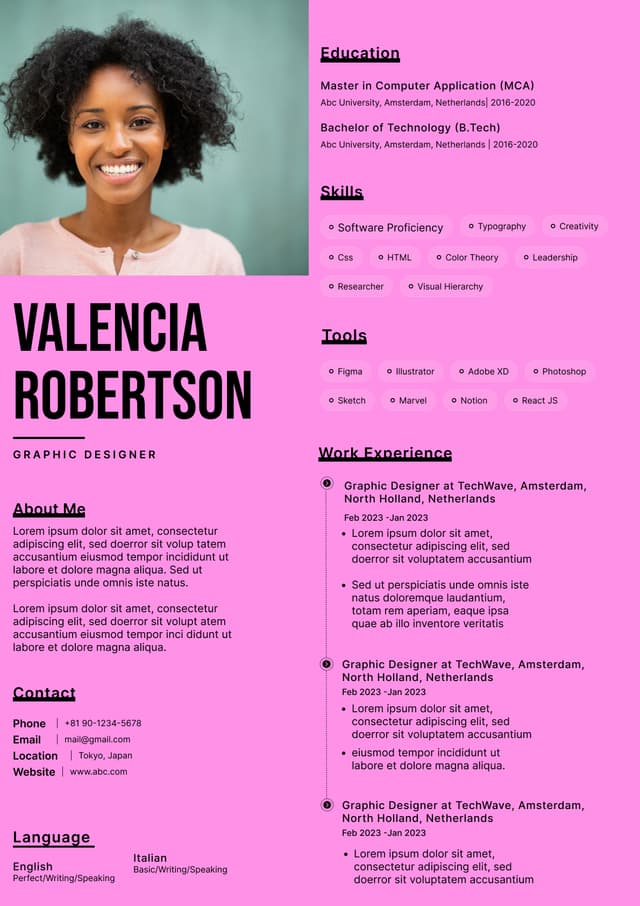
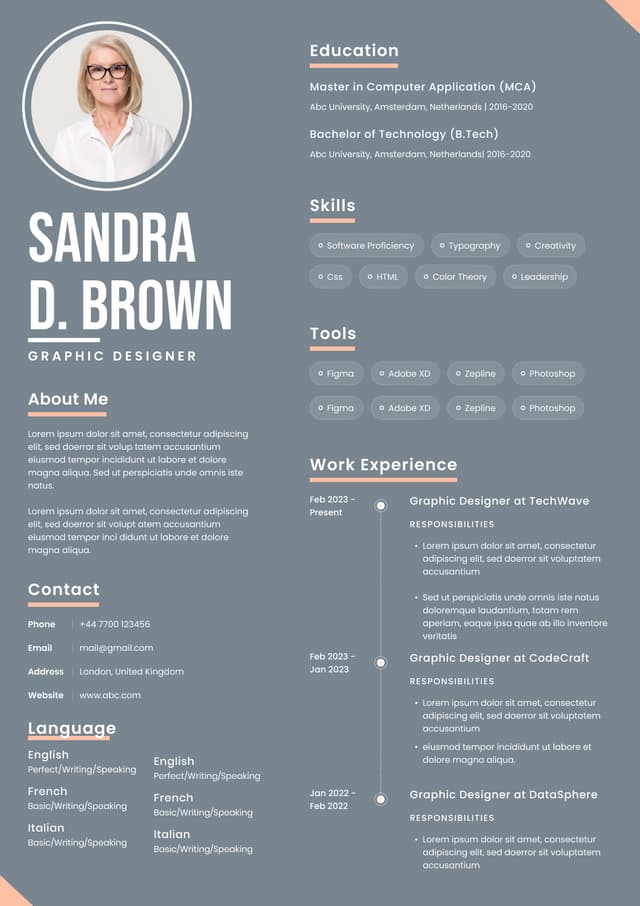
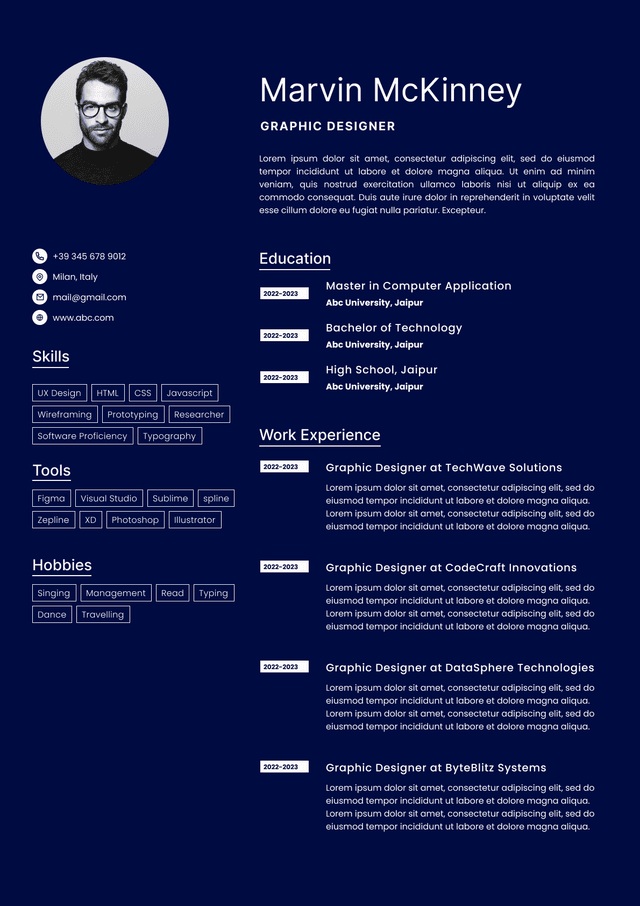
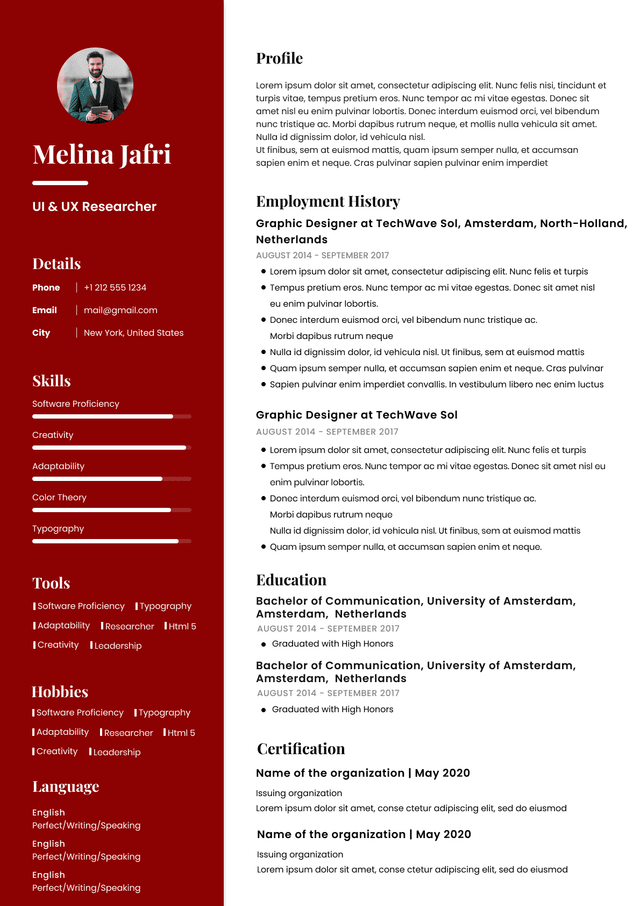
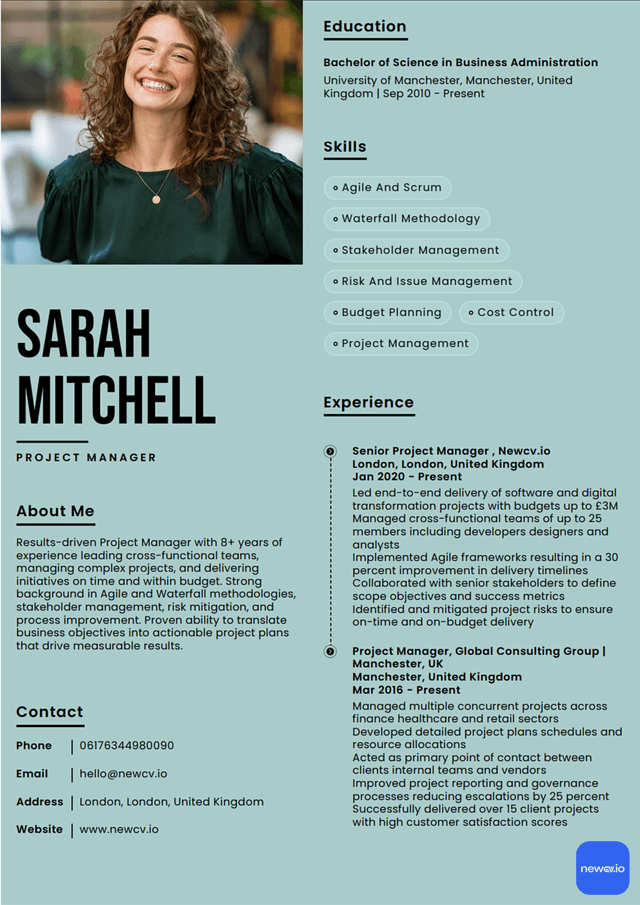
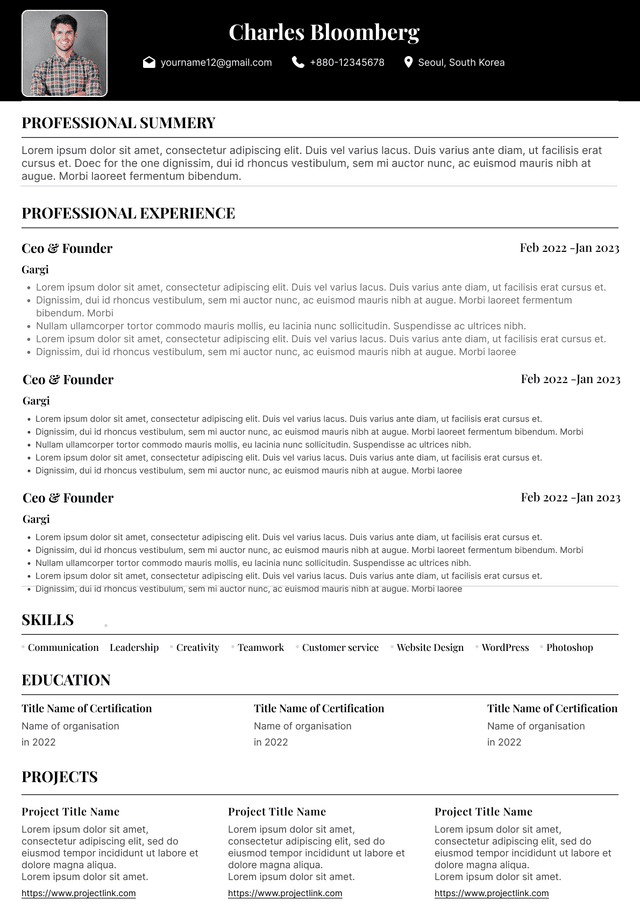
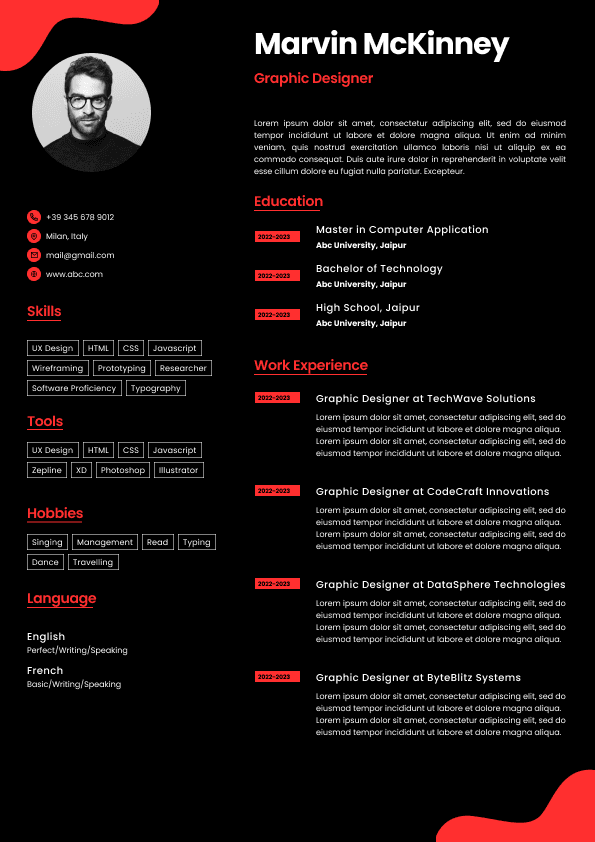
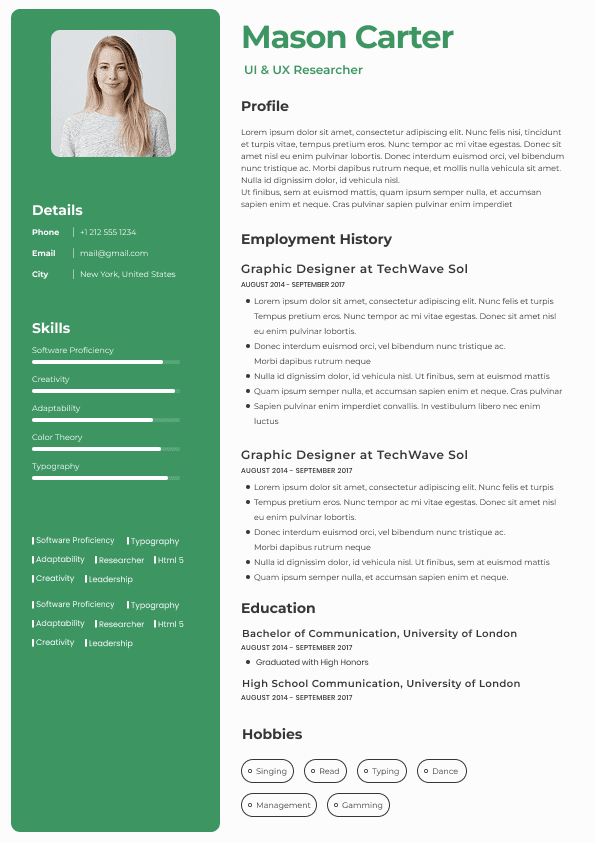
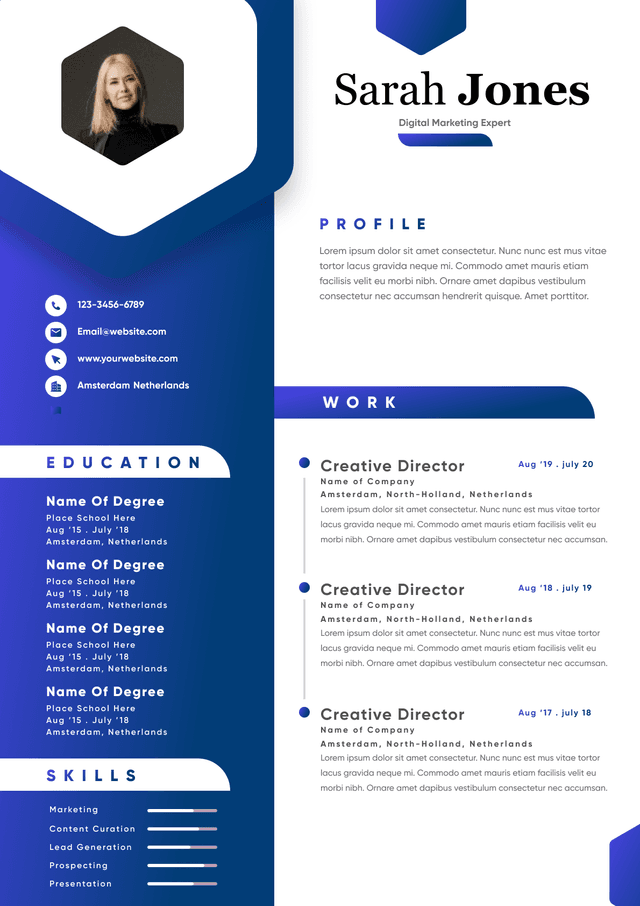
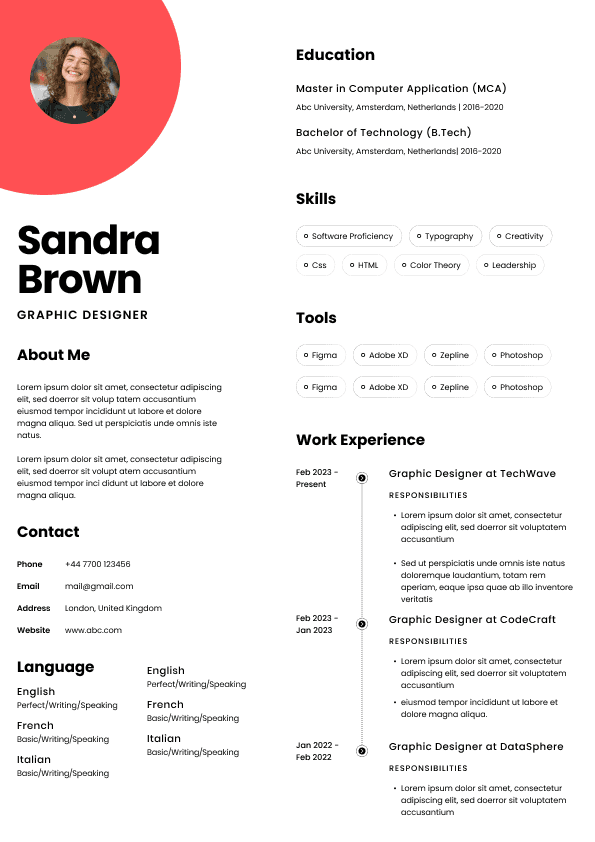
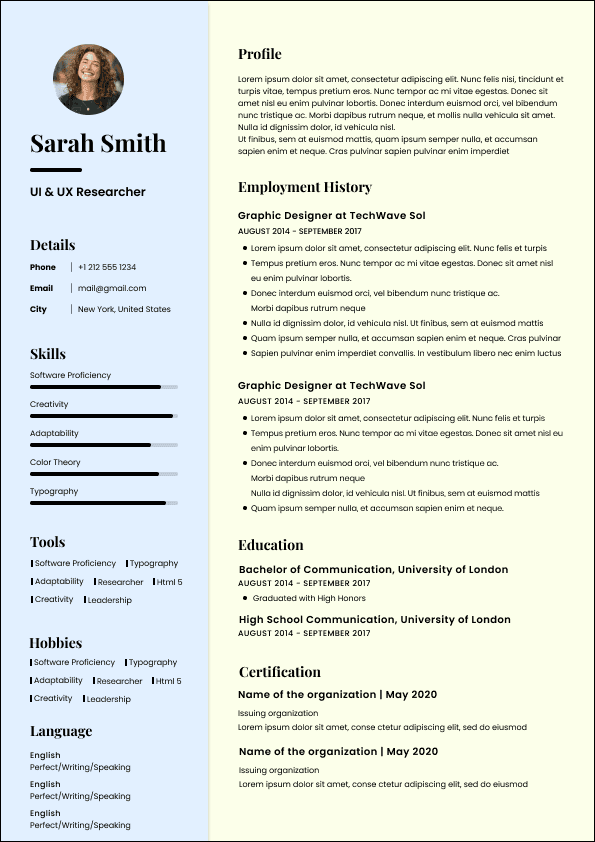
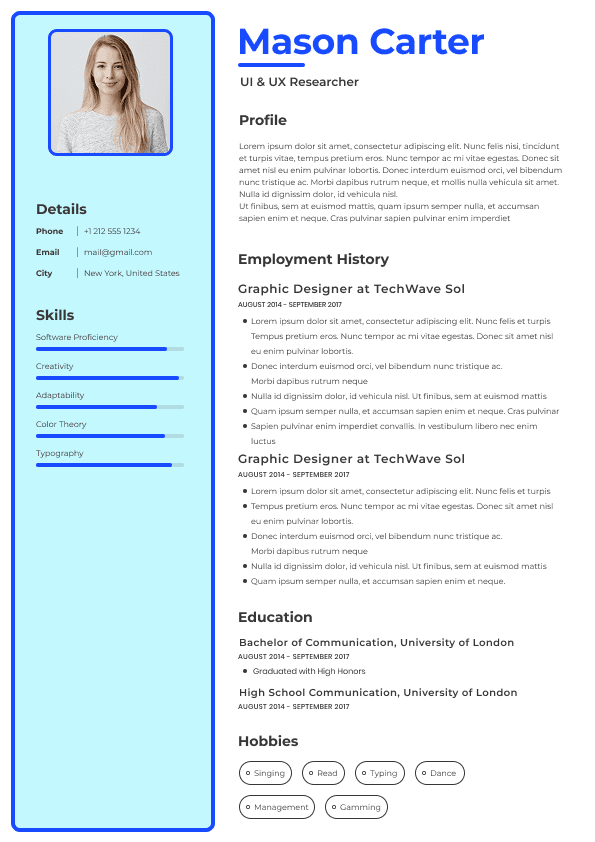
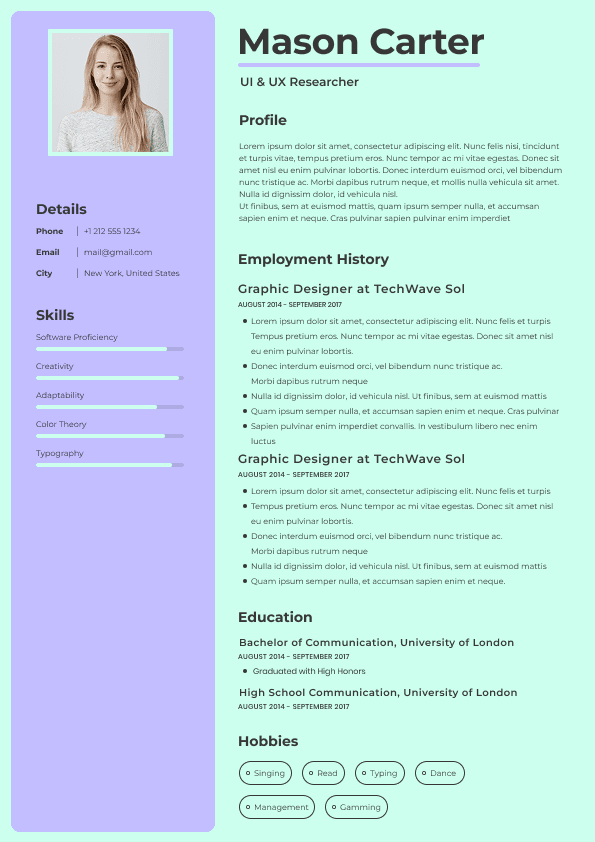
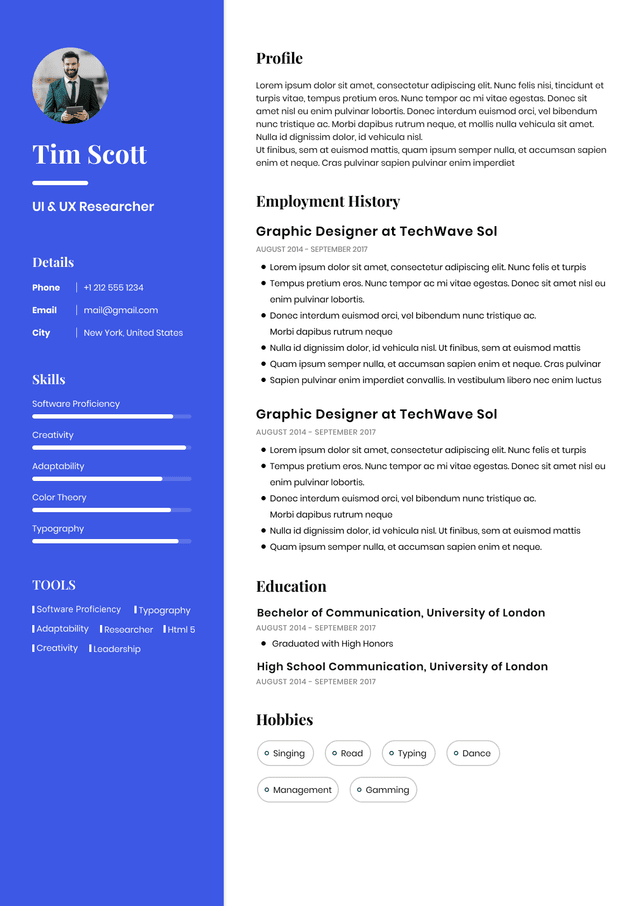
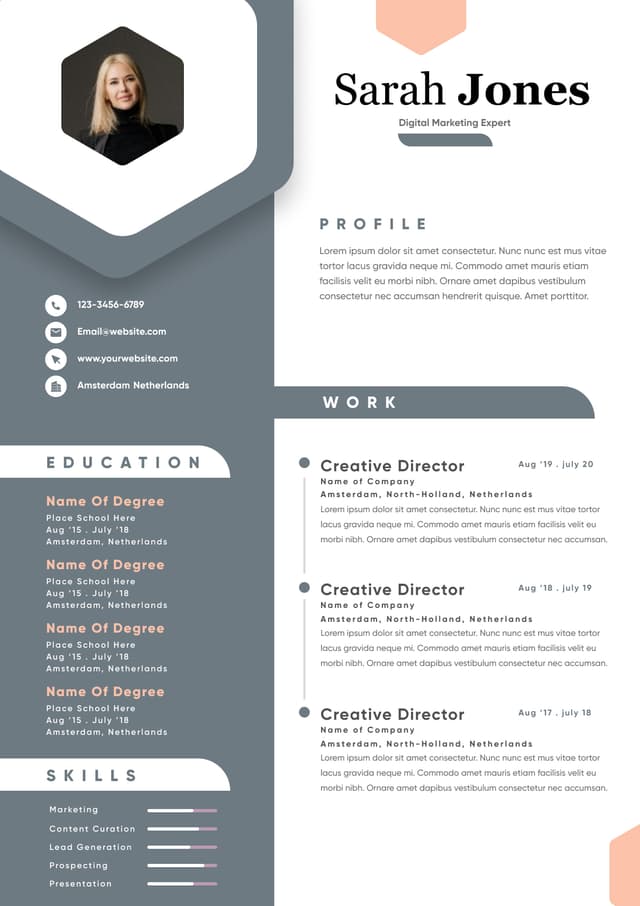
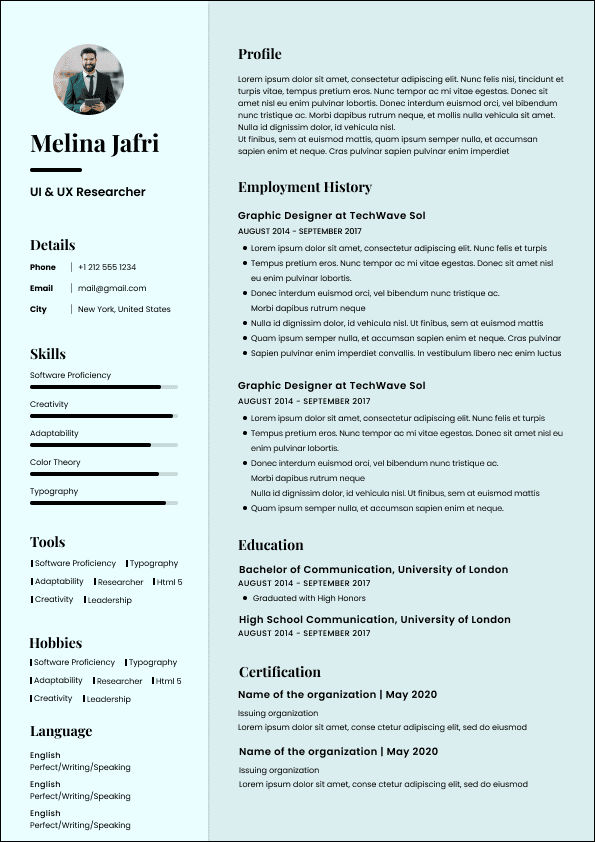
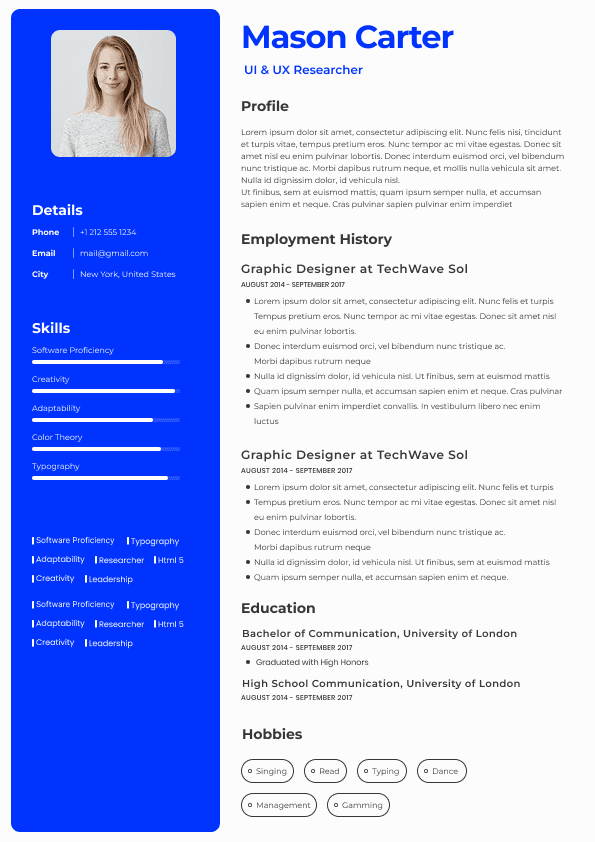
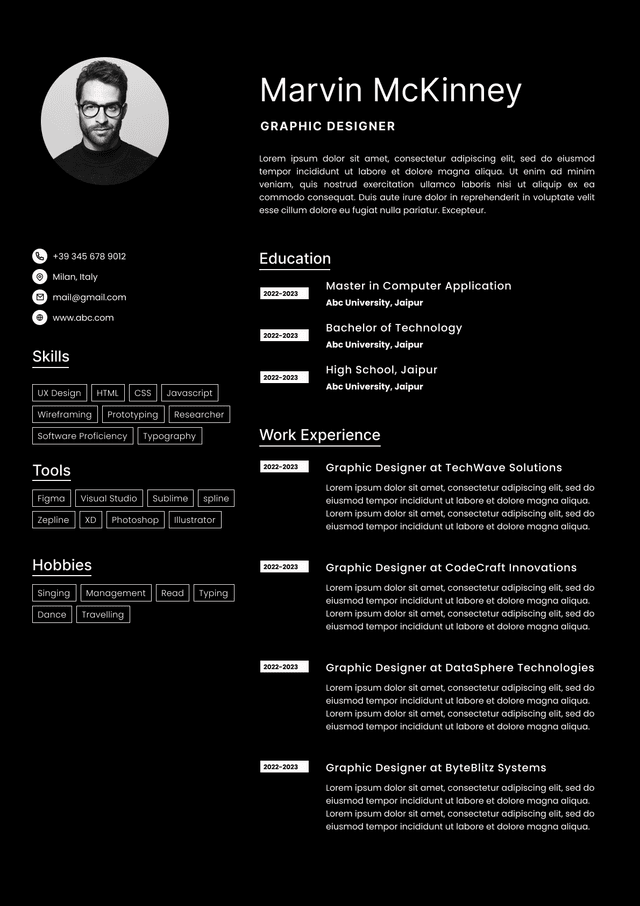
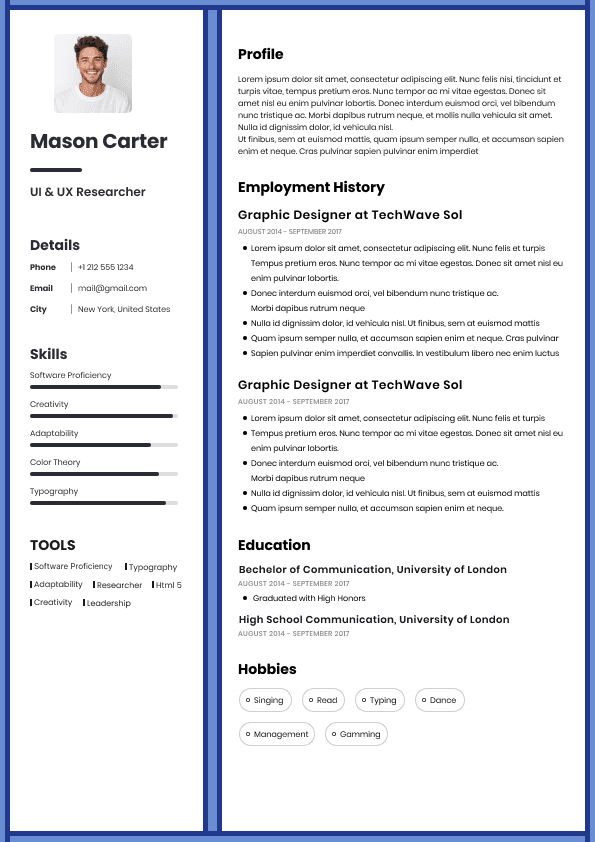
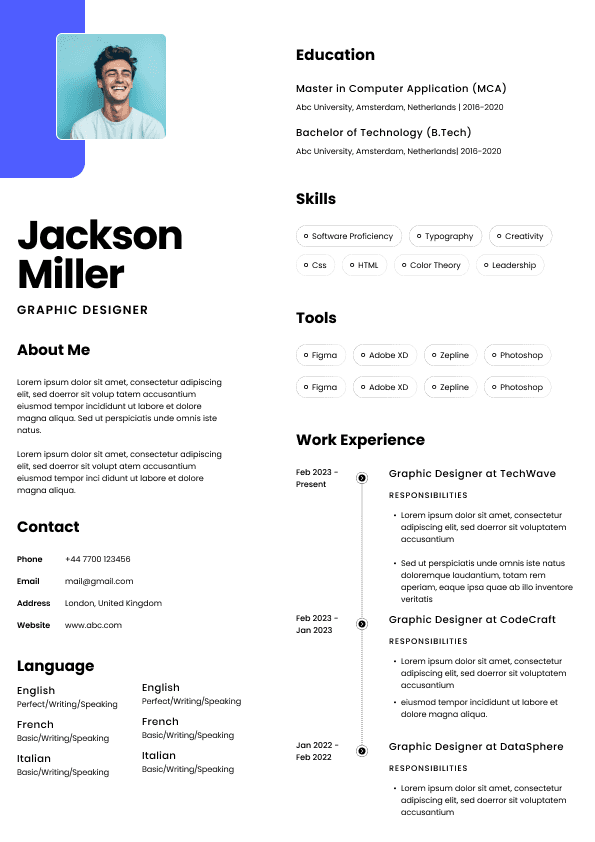
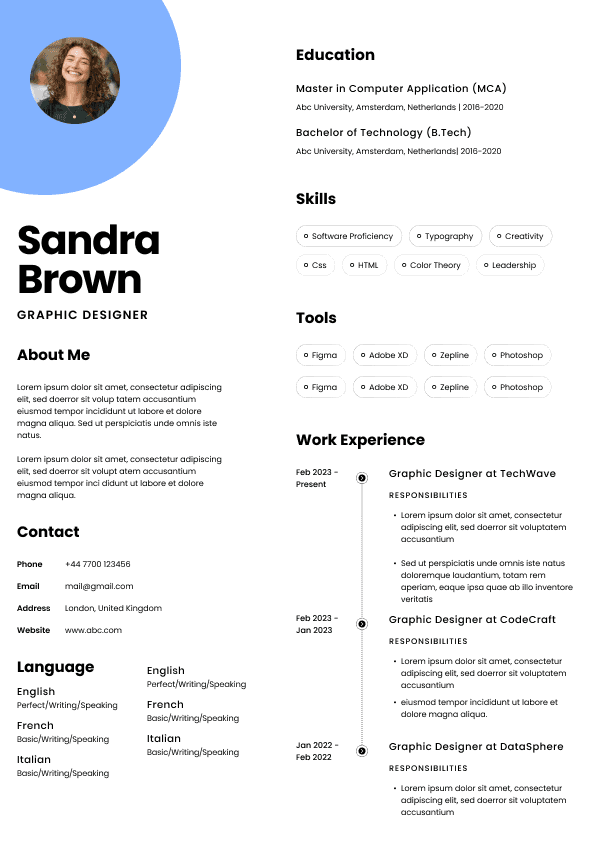
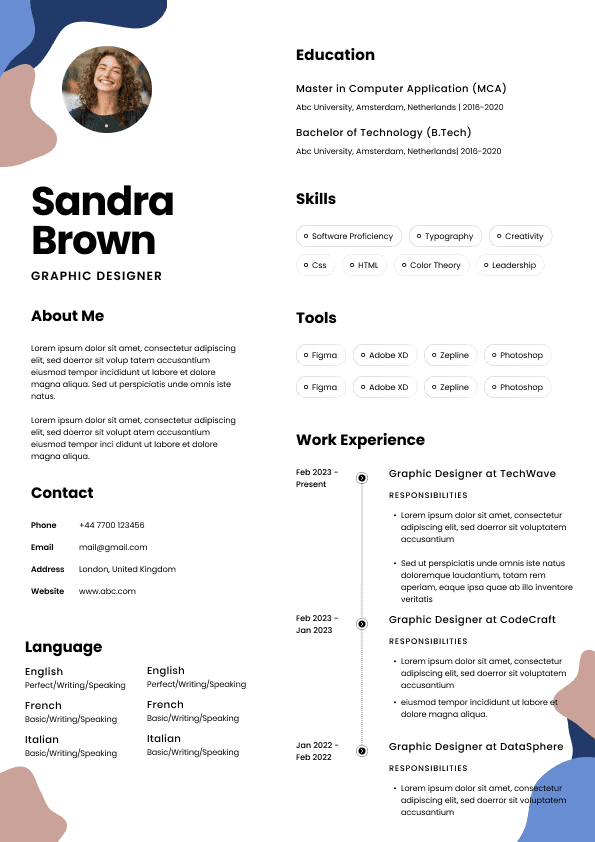
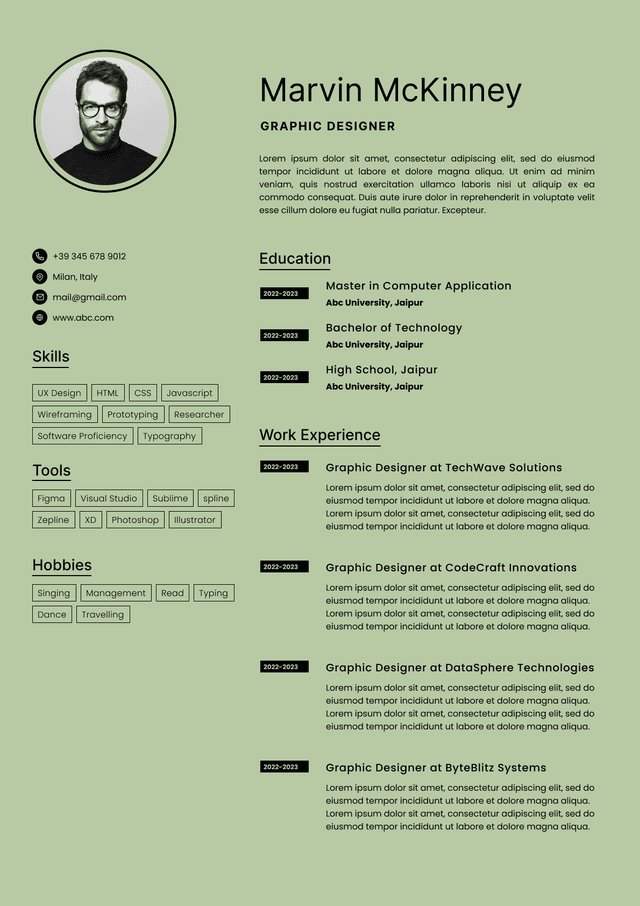
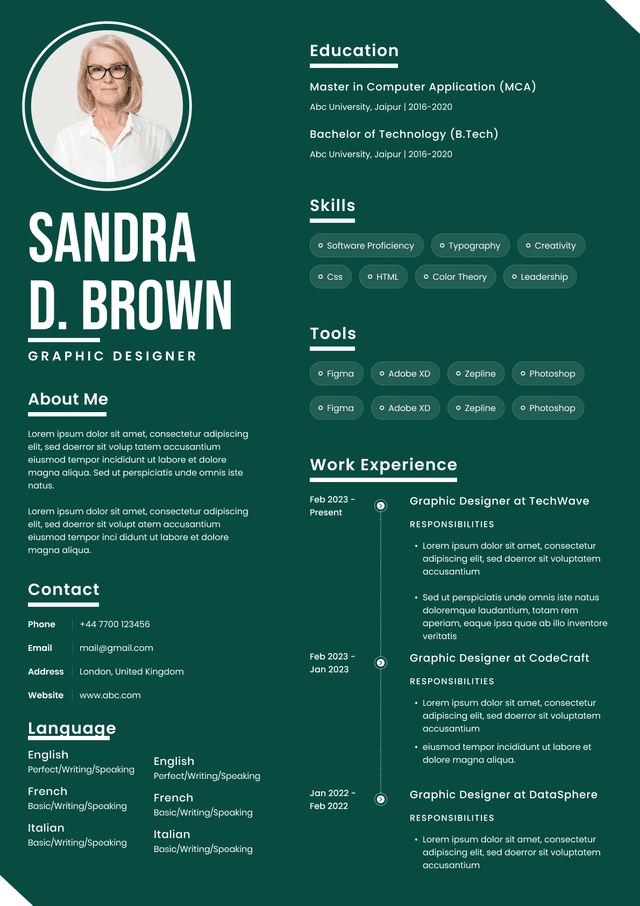
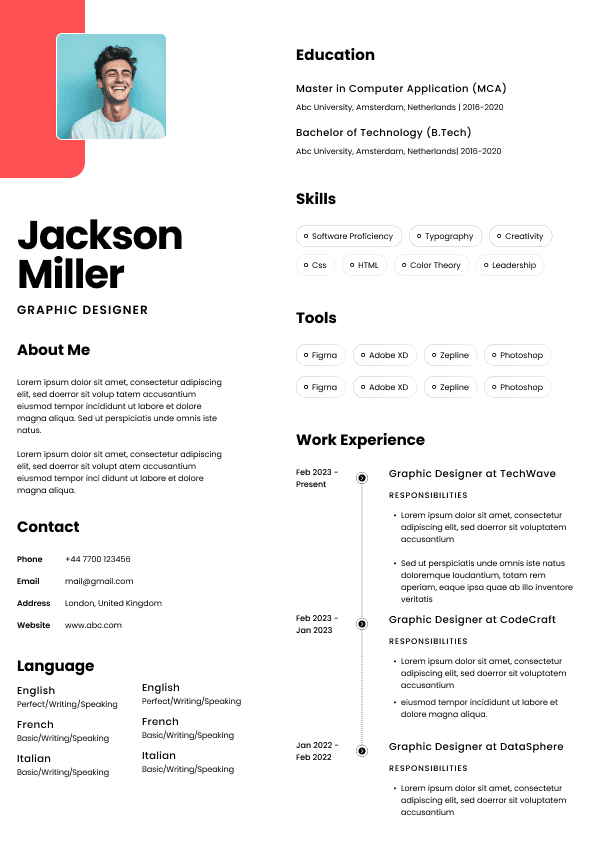
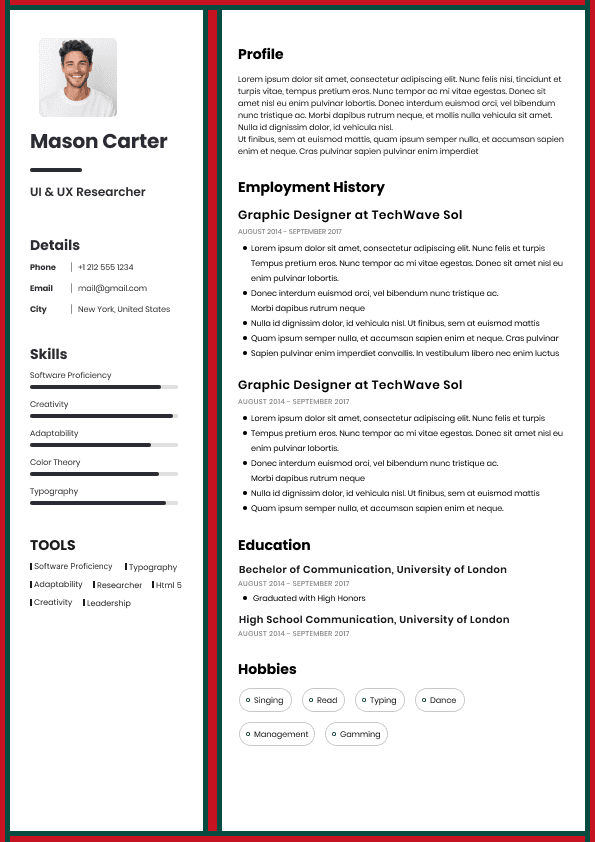
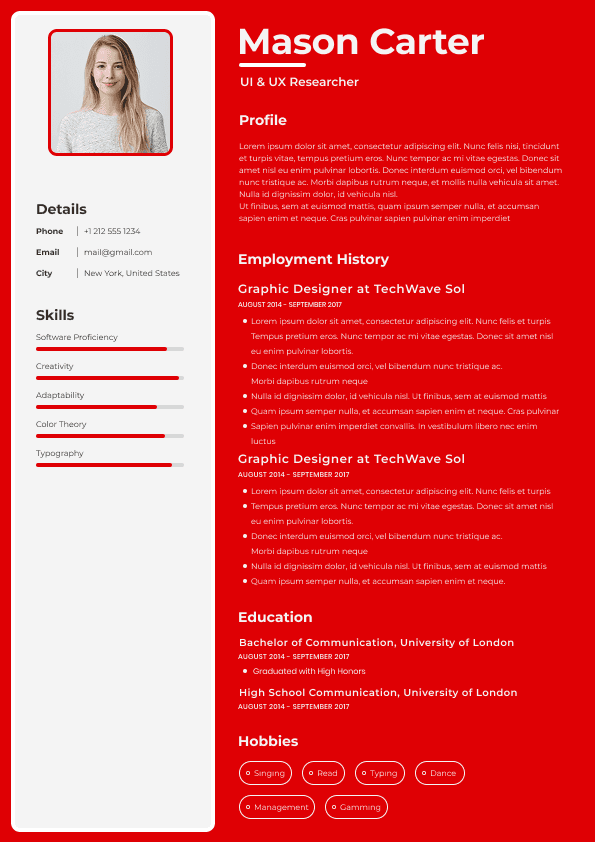
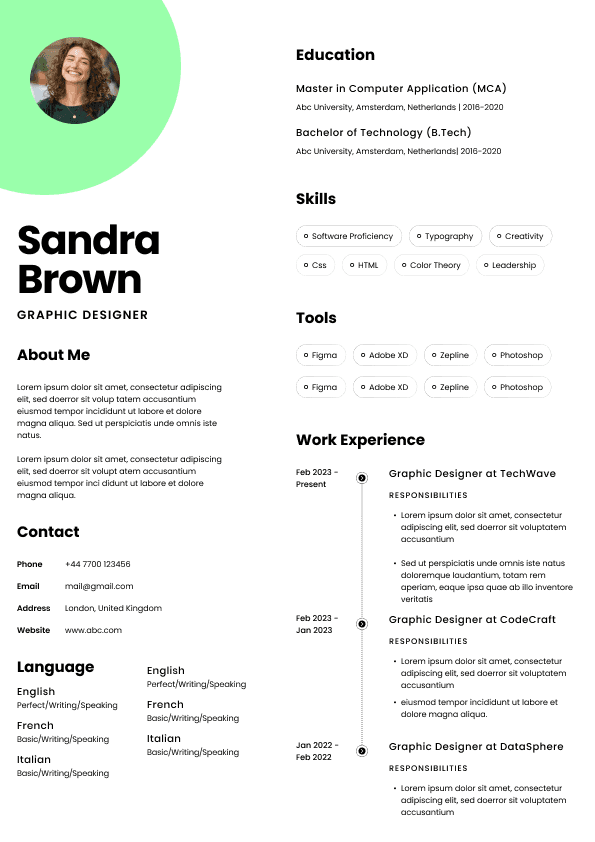
Choose from a wide range of NEWCV resume templates and customize your NEWCV design with a single click.
FAQ
Most ASP.NET developer portfolios fail for one reason: the projects look like tutorials instead of real software.
Hiring managers reviewing junior and mid-level .NET candidates are not looking for another generic CRUD app copied from YouTube. They want evidence that you can build production-style applications using modern ASP.NET Core practices, database design, authentication, APIs, deployment, clean architecture, and business logic.
The strongest ASP.NET developer projects demonstrate three things at once:
You understand enterprise development patterns
You can solve realistic business problems
You can build maintainable applications beyond beginner tutorials
If your goal is to land a .NET internship, junior ASP.NET role, backend developer job, or enterprise C# position, your projects matter more than most candidates realize. In many cases, recruiters use portfolio projects to decide whether a candidate gets an interview at all.
This guide breaks down the best ASP.NET developer projects by skill level, hiring goal, and real-world relevance, including what actually makes a project resume-worthy in today’s hiring market.
Most candidates focus on the app idea itself. Recruiters focus on implementation quality.
A simple inventory system with excellent architecture, authentication, deployment, and documentation will outperform an “advanced” project with weak execution.
Here’s what hiring managers actually evaluate when reviewing ASP.NET projects.
Projects that solve recognizable business problems perform better during screening.
Strong examples include:
Appointment scheduling systems
Employee management portals
SaaS dashboards
Claims processing workflows
CRM systems
Beginner projects should prove you understand the fundamentals of ASP.NET Core, MVC architecture, databases, and CRUD operations.
The mistake many candidates make is trying to build something “complex” too early instead of building something clean and complete.
This remains one of the best entry-level projects when implemented correctly.
User authentication
Task categorization
Due dates and reminders
Entity Framework Core
SQL Server integration
Validation handling
Responsive UI
Recruiters still care about CRUD skills because enterprise software heavily depends on data management.
Good CRUD project ideas include:
Inventory tracker
Employee records system
Asset management tool
Vendor management platform
Contact management application
ASP.NET MVC
Entity Framework Core
An expense tracker demonstrates stronger business logic than a basic CRUD app.
Authentication
Monthly reporting
Category filtering
Budget limits
Charts and analytics
Export to CSV or PDF
REST API integration
This is one of the best beginner-to-intermediate transition projects.
Markdown editor
Admin dashboard
SEO-friendly routing
Comment moderation
Rich text editing
Role permissions
Draft publishing workflow
This project demonstrates content management system concepts commonly used in enterprise environments.
A strong educational management system can become a highly effective internship portfolio project.
Student enrollment
Attendance tracking
Grade management
Admin permissions
Search and filtering
Reporting dashboard
Educational systems naturally involve:
Intermediate projects should demonstrate architecture decisions, scalability thinking, API design, and business workflows.
This is where candidates start separating themselves from tutorial-level developers.
An e-commerce application remains one of the strongest full stack ASP.NET portfolio projects.
Product catalog
Shopping cart
Checkout flow
Authentication
Order tracking
Payment integration
Admin dashboard
Inventory management
This is one of the highest-value ASP.NET Core portfolio projects for modern hiring.
SaaS platforms dominate modern software hiring.
A multi-user admin dashboard demonstrates:
User management
Analytics reporting
Role permissions
Subscription logic
API integration
Dashboard architecture
Customer relationship management systems strongly align with enterprise ASP.NET development.
Lead tracking
Contact management
Sales pipelines
Activity logging
Reporting dashboards
Role-based access
Email integration
CRM systems demonstrate:
This is an underrated but extremely effective portfolio project.
Ticket lifecycle workflows
Role-based permissions
File uploads
SLA tracking
Internal comments
Notification systems
Audit logging
Dashboards are highly valuable because businesses rely heavily on reporting systems.
ASP.NET Core Web API
React or Blazor frontend
SQL Server
Redis caching
Chart libraries
Azure deployment
Real-time reporting
Advanced projects should demonstrate scalability, distributed systems knowledge, cloud architecture, and production engineering practices.
These projects are particularly valuable for mid-level roles, enterprise jobs, and highly competitive internships.
This is one of the strongest advanced .NET portfolio projects possible.
API Gateway
Authentication service
User service
Billing service
Notification service
Message queue integration
Docker
This project demonstrates advanced enterprise architecture thinking.
Tenant isolation
Subscription plans
Billing workflows
Permission management
Usage metering
Tenant-specific configuration
This project signals:
SignalR projects remain highly respected in ASP.NET hiring.
Live messaging
Presence indicators
Typing notifications
Group chat support
Authentication
Persistent message storage
WebSocket communication
Security-focused projects perform exceptionally well with enterprise recruiters.
ASP.NET Identity
OAuth2
OpenID Connect
JWT tokens
Azure Key Vault
MFA support
Role management
Healthcare software is a major ASP.NET hiring sector.
Appointment scheduling
Provider calendars
Secure authentication
HIPAA-aware design concepts
Audit logging
Role restrictions
You do not need actual HIPAA certification for a portfolio project.
However, demonstrating awareness of healthcare privacy and access control principles signals maturity.
Entry-level hiring managers prioritize practical implementation over extreme complexity.
The best internship projects are:
Complete
Deployed
Well-documented
Professionally structured
Easy to explain during interviews
Razor Pages
Bootstrap
Tailwind CSS
Basic React integration
ASP.NET Core
ASP.NET Core Web API
Entity Framework Core
Expense tracker
Employee management system
Inventory dashboard
Appointment booking app
Authentication portal
CRM mini-app
Calculator apps
GitHub quality matters heavily in technical screening.
Many recruiters and engineering managers check repositories before interviews.
Your repository should clearly explain:
Business problem
Features
Architecture decisions
Technologies used
Setup instructions
Screenshots
Deployment links
Strong candidates avoid commit histories like:
The strongest projects combine modern .NET technologies with enterprise-relevant tooling.
ASP.NET Core
Minimal APIs
Entity Framework Core
Dapper
SignalR
MediatR
AutoMapper
Recruiters recognize cloned tutorial apps immediately.
If your project looks identical to a common YouTube tutorial, it loses credibility.
Take a simple project and extend it significantly.
Add:
Authentication
Admin workflows
Reporting
Deployment
API integrations
Testing
Five weak projects do not outperform one strong project.
Recruiters prefer:
Fewer projects
Better architecture
Cleaner implementation
Real deployment
Strong documentation
A live deployed application dramatically improves portfolio quality.
Candidates who deploy projects appear more job-ready.
Poor documentation creates the impression that the candidate cannot communicate technically.
This matters more than many developers realize.
ASP.NET hiring heavily prioritizes backend engineering capability.
Strong UI is helpful, but backend architecture matters far more in enterprise hiring.
Most candidates only need:
Beyond that, quality matters more than quantity.
One CRUD/business app
One API project
One full stack application
One scalable architecture project
One cloud/deployment project
One business workflow system
Recruiters usually evaluate projects in this order:
They check:
Technologies used
Project relevance
GitHub quality
Deployment availability
Technical reviewers inspect:
Architecture quality
Code organization
The strongest strategy is not building the “most complex” application.
It is building realistic software that demonstrates professional engineering habits.
Your projects should prove you can:
Build secure applications
Work with databases
Design APIs
Handle authentication
Deploy software
Structure maintainable code
Solve business problems
That is what hiring managers are actually screening for.


Use ATS-optimised Resume and resume templates that pass applicant tracking systems. Our Resume builder helps recruiters read, scan, and shortlist your Resume faster.

Use professional field-tested resume templates that follow the exact Resume rules employers look for.
Create Resume
Use professional field-tested resume templates that follow the exact Resume rules employers look for.
Create ResumeReporting platforms
Help desk ticketing systems
These resemble actual enterprise software environments where ASP.NET is heavily used.
Weak portfolio projects often include:
Random calculators
Weather apps
Clone tutorials
Meme generators
Unrealistic “social media” apps with no depth
Recruiters immediately recognize tutorial-driven projects.
Modern ASP.NET applications almost always require user management.
Strong projects include:
ASP.NET Identity
JWT authentication
OAuth2 or OpenID Connect
Role-based access control
Admin vs user permissions
Protected API endpoints
Candidates who skip authentication often look inexperienced.
A real ASP.NET developer must understand relational data modeling.
Projects should include:
SQL Server or PostgreSQL integration
Entity Framework Core migrations
Relationships and normalization
Validation rules
Query optimization
Repository or service patterns
Recruiters often inspect database structure in GitHub repositories.
Modern .NET hiring strongly favors API development skills.
High-value portfolio projects include:
RESTful ASP.NET Core APIs
Swagger/OpenAPI documentation
API versioning
Error handling middleware
Pagination and filtering
Secure endpoints
Logging and monitoring
Many enterprise teams hire specifically for backend API work.
A deployed project instantly separates you from many applicants.
Strong deployment indicators include:
Azure App Service deployment
Docker containers
GitHub Actions CI/CD
Azure DevOps pipelines
Kubernetes deployment
Environment configuration management
A live production deployment signals engineering maturity.
Deployment to Azure
Weak candidates submit basic task lists with no authentication, poor architecture, and no deployment.
Add:
Role-based dashboards
Task priority logic
Team collaboration
Email notifications
Activity logging
REST API support
This transforms a tutorial app into a realistic business productivity system.
SQL relationships
Data validation
Dependency injection
Repository patterns
Many junior candidates underestimate how important “boring” business applications are in enterprise hiring.
Internal business systems are where many ASP.NET jobs actually exist.
It demonstrates:
Financial data handling
Reporting logic
Query optimization
Dashboard development
These are valuable enterprise skills.
Relational database complexity
Multiple user roles
Reporting requirements
Data validation rules
These closely mirror enterprise applications.
ASP.NET Core
Entity Framework Core
SQL Server
Stripe integration
JWT authentication
React or Angular frontend
Docker support
Recruiters use e-commerce projects to assess:
Application architecture
State management
Payment workflow logic
Security awareness
Database design
API structure
Many candidates spend too much time on UI design and ignore backend architecture quality.
Enterprise .NET hiring prioritizes backend implementation quality far more heavily than flashy visuals.
Tenant management
Team permissions
Billing portal
Usage analytics
Audit logs
Notification systems
API key management
Candidates who understand SaaS architecture often outperform others during interviews because modern businesses increasingly operate on subscription models.
Complex relational data
Business workflow thinking
Enterprise architecture patterns
Internal software development skills
These projects often resonate strongly with enterprise hiring managers.
Workflow management
State transitions
Backend business logic
Enterprise operations thinking
This closely resembles real internal business software.
KPI visualization
Data aggregation
Filtering systems
Export functionality
This type of project demonstrates backend optimization and data querying skills.
Kubernetes
Azure Service Bus
RabbitMQ
Redis
gRPC
Azure Kubernetes Service
Most junior candidates cannot explain distributed systems.
A candidate who understands microservices architecture immediately stands out.
Scalability awareness
SaaS architecture knowledge
Security thinking
Enterprise software maturity
These are extremely valuable in modern .NET hiring.
Real-time architecture
Concurrency handling
State management
Most candidates build simple chat demos.
Strong candidates build scalable communication systems with authentication, logging, and message persistence.
SSO integration
Password reset workflows
Access logging
Device tracking
Identity and access management are critical enterprise priorities.
Candidates with security awareness often move ahead quickly during screening.
SQL Server
SQLite for lightweight apps
Azure App Service
GitHub Actions
Basic weather apps
Copycat tutorial projects
Tiny one-page demos
Recruiters care more about implementation depth than flashy concepts.
“final final fix”
“test”
“asdf”
Professional commit messages matter more than many candidates realize.
Recruiters often inspect:
Folder organization
Naming conventions
Separation of concerns
Configuration management
Dependency injection usage
Strong repositories use:
appsettings.json
environment variables
secret management practices
This demonstrates professional engineering habits.
React
Angular
Blazor
Razor Pages
TypeScript
SQL Server
PostgreSQL
Redis
MongoDB
Microsoft Azure
Docker
Kubernetes
GitHub Actions
Azure DevOps
Azure Functions
JWT authentication
OAuth2
OpenID Connect
IdentityServer
Distributed systems project
SaaS architecture project
Security-focused platform
Database design
Authentication implementation
API structure
Hiring managers evaluate:
Why you built it
Technical decisions
Tradeoffs
Scalability thinking
Problem-solving ability
The ability to explain your architecture matters almost as much as the project itself.
Candidates who understand this consistently outperform applicants with flashy but shallow portfolio projects.



 Upload Resume
 Import from Linkedin