STILL APPLYING. STILL HEARING NOTHING?BUILD YOUR RESUME

STILL APPLYING. STILL HEARING NOTHING?BUILD YOUR RESUME
Choose from a wide range of NEWCV resume templates and customize your NEWCV design with a single click.
FAQ


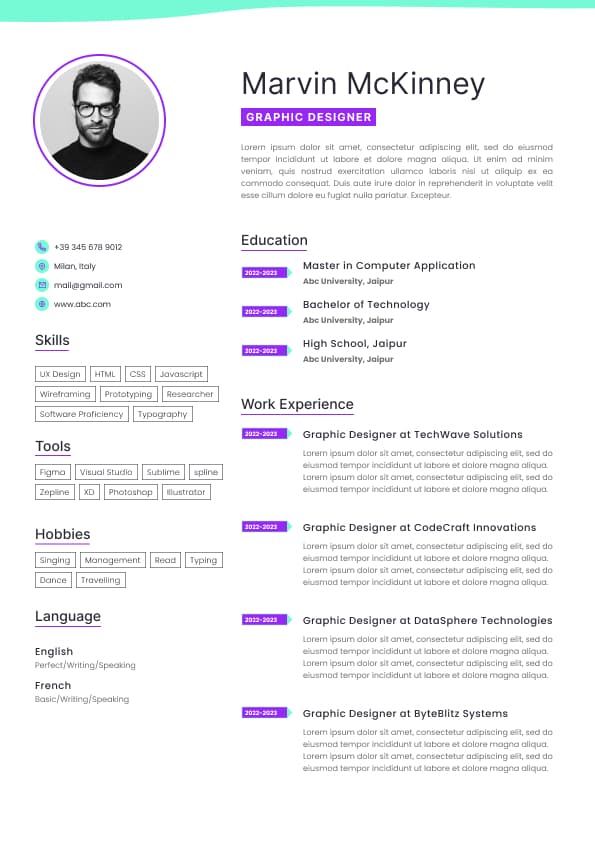
Use professional field-tested resume templates that follow the exact Resume rules employers look for.
Create ResumeAn ASP.NET API integration developer resume should position you as a secure enterprise connectivity specialist, not just a general .NET developer. Hiring managers want proof that you can connect business critical systems, build reliable middleware, manage authentication, reduce integration failures, and support CRM, ERP, payment, SaaS, and B2B workflows. The strongest resumes highlight ASP.NET Core, C#, REST APIs, SOAP, OAuth2, JWT, Azure API Management, Microsoft Graph API, webhooks, SQL Server, and measurable integration outcomes. Your resume should show what systems you connected, how you secured them, what failures you reduced, and how your work improved synchronization, uptime, onboarding speed, or transaction reliability.
An API heavy ASP.NET resume has one job: convince the recruiter and hiring manager that you can safely connect systems that the business depends on.
That means your resume should prove you can handle:
Secure API connectivity
Enterprise middleware development
Third party system integration
CRM and ERP data synchronization
Payment gateway workflows
OAuth2, OpenID Connect, and JWT authentication
Webhook processing and validation
API throttling, retry logic, logging, and monitoring
Azure API Management policies
B2B partner integrations
Production support for business critical integrations
A standard ASP.NET resume usually talks about applications. An integration focused resume talks about systems, data movement, security, reliability, and business continuity.
That difference matters because hiring managers for these roles are not only asking, “Can this person write C#?” They are asking, “Can this person keep our systems connected without breaking revenue, reporting, customer data, or partner operations?”
The best positioning is clear and specific:
You are an ASP.NET developer who specializes in enterprise API integrations, middleware, and secure system connectivity.
That positioning is stronger than saying you are simply a backend developer, full stack developer, or .NET developer because it matches the exact business problem employers are hiring for.
Use language that reflects integration ownership:
ASP.NET API Integration Developer
ASP.NET Integration Engineer
API Middleware Developer
Enterprise Integration Developer
.NET Systems Integration Developer
ASP.NET Core Developer specializing in API connectivity
Avoid positioning yourself too broadly unless the job description is also broad. If the role emphasizes Salesforce, SAP, Microsoft Dynamics 365, ServiceNow, Stripe, PayPal, Microsoft Graph API, Azure API Management, or B2B APIs, your resume should make those systems highly visible.
Results driven ASP.NET Core Developer specializing in enterprise API integrations, middleware services, and secure third party system connectivity. Experienced building REST and SOAP integrations with CRM, ERP, payment, and SaaS platforms using C#, OAuth2, JWT, Azure API Management, SQL Server, and webhook processing. Strong background improving API reliability, reducing integration errors, and supporting business critical data synchronization workflows.
Senior ASP.NET Integration Engineer with deep experience designing secure enterprise integration solutions across CRM, ERP, payment, identity, and SaaS ecosystems. Skilled in ASP.NET Core, C#, REST APIs, SOAP services, OAuth2, OpenID Connect, Microsoft Entra ID, Azure API Management, Microsoft Graph API, and middleware architecture. Known for improving API reliability, reducing failed transactions, accelerating partner onboarding, and building scalable integration workflows for high volume enterprise environments.
Your technical skills section should be organized so both ATS software and human recruiters can quickly identify your fit. Do not place every tool into one long paragraph. Group skills by category.
Languages and Frameworks:
C#, ASP.NET Core, .NET Framework, Entity Framework Core, LINQ
API and Integration Technologies:
REST APIs, SOAP APIs, GraphQL, gRPC, OData, Webhooks, SignalR, Swagger, OpenAPI, JSON, XML
Security and Authentication:
OAuth2, OpenID Connect, JWT, API Keys, Token Validation, Microsoft Entra ID, Role Based Access Control, Claims Based Authorization
Cloud and Middleware:
Azure API Management, Azure Functions, Azure Logic Apps, Azure Service Bus, Enterprise Middleware, API Orchestration
Enterprise Platforms:
Salesforce, SAP, ServiceNow, Microsoft Dynamics 365, Microsoft Graph API, SharePoint, Power Platform, Workday, HubSpot, NetSuite
Payment and Business Platforms:
Stripe, PayPal, QuickBooks, DocuSign, Twilio, SendGrid
Databases and Tools:
SQL Server, PostgreSQL, Cosmos DB, Postman, Insomnia, Azure DevOps, Application Insights, Git, Docker
Michael Carter
Dallas, Texas
michaelcarter@email.com
555 555 5555
LinkedIn: linkedin.com/in/michaelcarter
Professional Summary
Enterprise focused ASP.NET Core Developer with 7 years of experience building secure API integrations, middleware platforms, and scalable B2B connectivity solutions. Specialized in REST APIs, SOAP services, OAuth2 authentication, Azure API Management, Microsoft Graph API, payment gateway integrations, and ERP and CRM synchronization workflows. Proven record improving API reliability, reducing integration failures, and increasing automation across enterprise systems.
Technical Skills
Languages and Frameworks: C#, ASP.NET Core, .NET Framework, Entity Framework Core, LINQ
API Technologies: REST APIs, SOAP APIs, GraphQL, Webhooks, Swagger, OpenAPI, OData
Security: OAuth2, OpenID Connect, JWT, Microsoft Entra ID, RBAC, Claims Based Authorization
Cloud and Middleware: Azure API Management, Azure Functions, Azure Logic Apps, Azure Service Bus
Enterprise Platforms: Salesforce, Microsoft Dynamics 365, SAP, Microsoft Graph API, Stripe, PayPal, HubSpot
Tools: Postman, Insomnia, Git, Azure DevOps, Application Insights, SQL Server
Professional Experience
Senior ASP.NET API Integration Developer
TechNova Solutions, Dallas, TX
2021 to Present
Built secure ASP.NET Core integrations connecting Salesforce, Microsoft Dynamics 365, and internal ERP systems using REST APIs and OAuth2 authentication
Developed middleware services supporting high volume API transactions across B2B partner platforms
Implemented Azure API Management policies for token validation, throttling, monitoring, and secure external API exposure
Reduced integration failures by 38 percent through improved retry logic, webhook validation, centralized logging, and exception handling
Designed payment gateway workflows integrating Stripe and PayPal with SQL Server transaction auditing and webhook reconciliation
Improved partner onboarding speed by 45 percent by standardizing API documentation, request validation, and integration patterns
Built Microsoft Graph API integrations supporting enterprise identity synchronization, SharePoint automation, and Teams notifications
ASP.NET Developer
Vertex Digital Systems, Fort Worth, TX
2018 to 2021
Developed REST API integrations using ASP.NET Core for CRM, finance, and reporting systems
Maintained SOAP service integrations with legacy vendor platforms and internal enterprise applications
Created asynchronous integration workflows using Azure Service Bus and Azure Functions
Integrated Twilio and SendGrid APIs for automated customer communication workflows
Improved API response time by optimizing SQL queries, payload handling, and application monitoring
Certifications
Microsoft Certified: Azure Developer Associate
Microsoft Certified: Azure Solutions Architect Expert
Strong bullet points should show what you integrated, how you secured it, what problem you solved, and what business outcome improved.
Weak Example:
Worked on third party API integrations.
Good Example:
Reduced integration failures by 42 percent by improving retry handling, webhook validation, centralized logging, and exception monitoring across ASP.NET Core middleware services.
Weak Example:
Integrated payment systems.
Good Example:
Built secure Stripe and PayPal payment gateway integrations using ASP.NET Core, OAuth2, webhook reconciliation, and SQL Server transaction logging.
Use bullet points like these:
Built secure ASP.NET Core API integrations with Salesforce, Microsoft Graph API, and internal enterprise systems
Developed middleware services to synchronize customer, order, and financial data between ERP and CRM platforms
Integrated payment gateway workflows using C#, REST APIs, OAuth2, webhooks, and SQL Server transaction tracking
Implemented Azure API Management policies for authentication, throttling, monitoring, and secure API exposure
Reduced failed API transactions by improving retry logic, exception handling, webhook validation, and operational alerting
Designed B2B API workflows that improved partner onboarding speed and reduced manual data entry
Supported SOAP to REST modernization efforts for legacy enterprise integrations
Built Microsoft Graph API integrations for identity, SharePoint, Outlook, and Teams based automation
Improved API response time through payload optimization, SQL tuning, caching, and performance monitoring
Created standardized integration patterns for CRM, ERP, SaaS, payment, and messaging platforms
Recruiters rarely search only one keyword. They search clusters of related terms that match the job description.
For ASP.NET API integration developer roles, your resume should naturally include:
ASP.NET Core
C#
REST API
SOAP API
API integration
Third party integration
Systems integration
Enterprise middleware
API orchestration
Azure API Management
OAuth2
OpenID Connect
JWT
Webhooks
Microsoft Graph API
Salesforce integration
ERP integration
CRM integration
Payment gateway integration
B2B API integration
SaaS integration
SQL Server
Postman
Swagger
OpenAPI
Do not keyword stuff. The keywords should appear inside real experience, skill categories, and bullet points that prove actual implementation.
Hiring managers look beyond keywords. They want signs of production readiness.
They ask:
Can this candidate connect systems without creating security risk?
Can this candidate handle unreliable third party APIs?
Can this candidate troubleshoot failed transactions quickly?
Can this candidate design retry logic, logging, and validation properly?
Can this candidate support integrations that affect revenue, reporting, or customer operations?
Can this candidate work with business teams, vendors, architects, and security reviewers?
The strongest resumes answer those questions before the interview.
That means you should emphasize reliability, security, scale, and business impact. A resume that only says “built APIs” is weaker than one that says “reduced failed transactions,” “improved synchronization speed,” or “implemented secure token validation through Azure API Management.”
API integration work is measurable. Even if you do not know every exact number, you can often estimate responsibly using business context.
Useful metrics include:
Reduced integration errors
Improved API reliability
Faster data synchronization
Reduced manual data entry
Improved partner onboarding speed
Reduced failed transactions
Increased system uptime
Improved API response time
Higher transaction volume supported
Fewer support tickets related to integration failures
Strong metrics make your experience easier to trust because they show real operational impact.
Weak Example:
Helped improve API reliability.
Good Example:
Improved API reliability by reducing recurring timeout failures through retry policies, better exception handling, and enhanced monitoring across third party integration workflows.
Enterprise platforms carry weight because they involve critical business data. If you have worked with major platforms, place them where recruiters can see them quickly.
For CRM integrations, mention platforms such as Salesforce, Microsoft Dynamics 365, HubSpot, or ServiceNow and explain what data moved between systems.
For ERP integrations, mention SAP, NetSuite, Workday, QuickBooks, or internal financial systems and describe synchronization, reporting, order processing, vendor data, or employee data workflows.
For payment integrations, mention Stripe, PayPal, payment reconciliation, transaction logging, fraud controls, webhook validation, and error handling.
For Microsoft ecosystem integrations, mention Microsoft Graph API, SharePoint, Teams, Outlook, Power Platform, Microsoft Entra ID, and Azure API Management.
Do not bury these platforms in a long tools list only. Put the most relevant ones inside your professional summary and work experience bullets.
If your resume focuses mostly on MVC pages, CRUD apps, and basic backend development, recruiters may not see you as an integration specialist.
A skills list is not enough. Show where you used the tools and what improved because of your work.
API integration roles require trust. If your resume does not mention OAuth2, JWT, token validation, API keys, Microsoft Entra ID, RBAC, or claims based authorization, it may look incomplete.
SOAP experience is still valuable in finance, healthcare, government, manufacturing, insurance, and enterprise ERP environments. Do not remove it just because REST is more modern.
Avoid phrases like “worked on APIs” or “participated in integrations.” Use stronger language such as built, integrated, implemented, reduced, improved, designed, migrated, standardized, secured, and automated.
The best ASP.NET API integration developer resume positions you as a reliable enterprise systems connector. It should show that you can build secure integrations, manage authentication, reduce failures, support third party platforms, and protect business continuity.
Before applying, check whether your resume clearly answers these questions:
What systems have you connected?
What API technologies have you used?
How did you secure integrations?
What middleware or orchestration work did you own?
What failures, delays, or manual processes did you reduce?
What business platforms did you integrate?
What measurable impact did your work create?
If your resume answers those questions clearly, you will look far stronger than a generic ASP.NET developer applying for the same role.
Use ATS-optimised Resume and resume templates that pass applicant tracking systems. Our Resume builder helps recruiters read, scan, and shortlist your Resume faster.

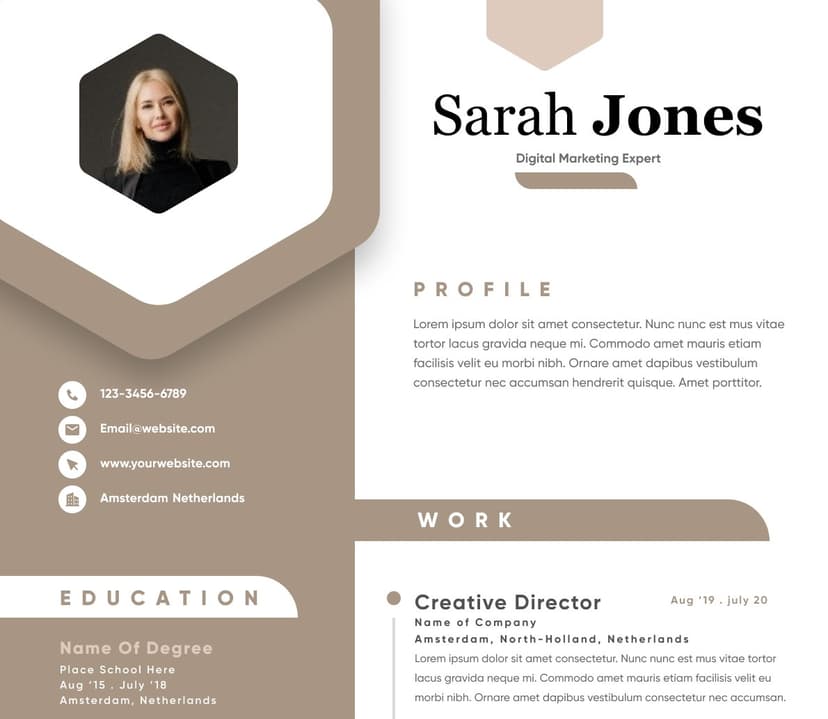
Use professional field-tested resume templates that follow the exact Resume rules employers look for.
Create Resume


 Upload Resume
 Import from Linkedin