STILL APPLYING. STILL HEARING NOTHING?BUILD YOUR RESUME

STILL APPLYING. STILL HEARING NOTHING?BUILD YOUR RESUME
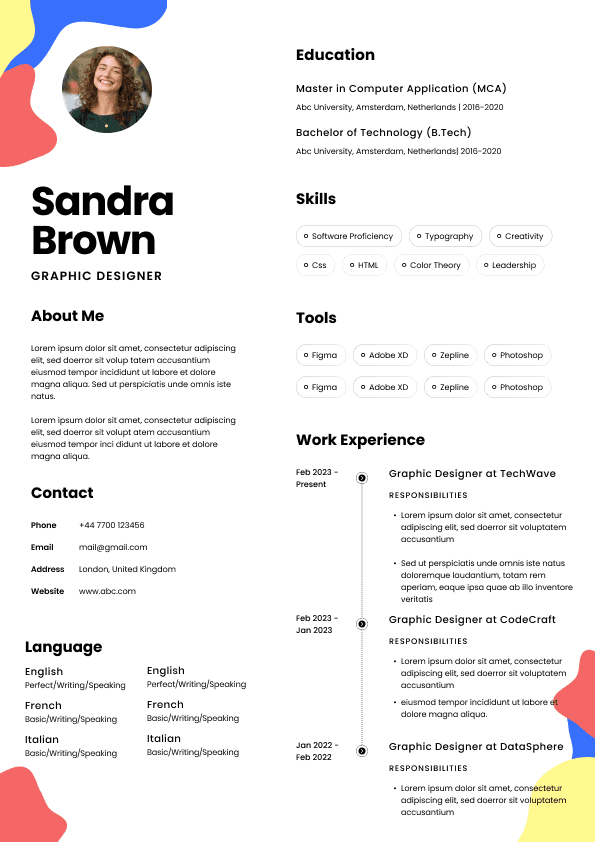
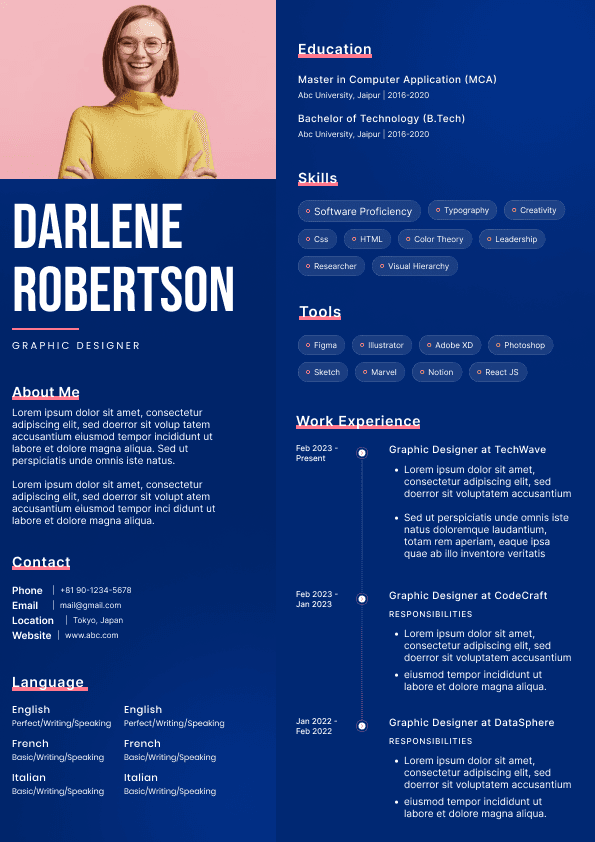
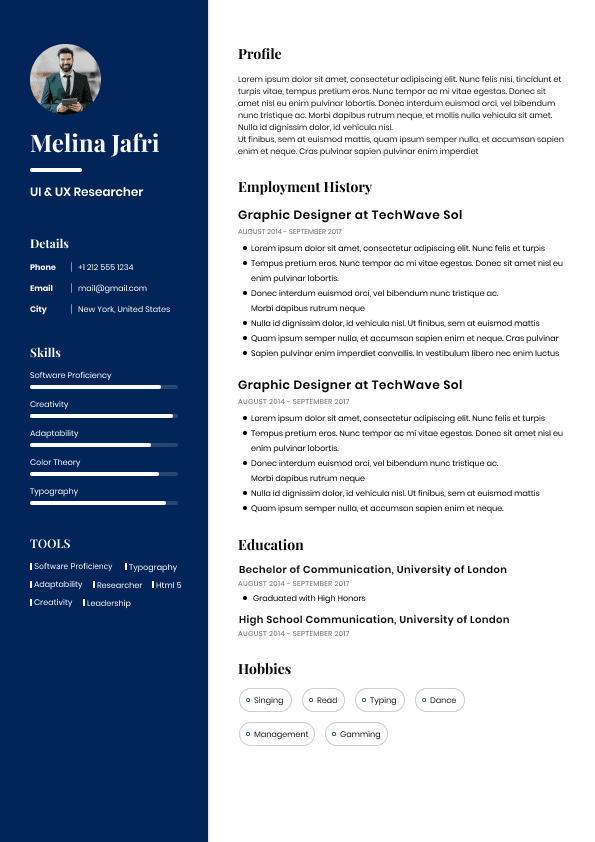
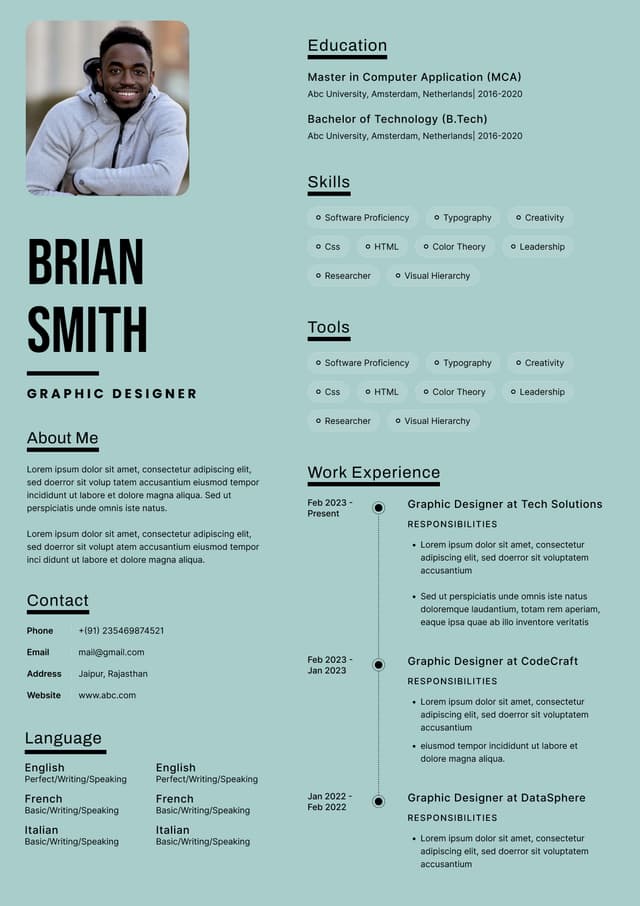
Choose from a wide range of NEWCV resume templates and customize your NEWCV design with a single click.
FAQ
An effective ASP.NET developer resume is not just a list of technologies. U.S. employers expect proof that you can build, maintain, optimize, and support production-grade .NET applications in real business environments. The strongest resumes demonstrate measurable impact with ASP.NET Core, C#, SQL Server, REST APIs, Azure, and enterprise application development while showing how you contributed to scalability, performance, security, modernization, and delivery outcomes.
Most ASP.NET developer resumes fail because they read like generic technology inventories instead of showing business value and engineering ownership. Hiring managers want evidence that you can solve problems in production systems, collaborate across teams, support cloud deployment pipelines, improve application reliability, and work effectively inside Agile development environments. Your resume needs to position you as someone who can contribute immediately in a real software engineering team, not someone who only completed tutorials or copied keywords from job descriptions.
Hiring managers screening ASP.NET resumes typically evaluate candidates across five core areas:
Technical depth in the Microsoft ecosystem
Real production experience
Backend architecture understanding
Business impact and ownership
Ability to work in modern engineering workflows
Most recruiters spend less than 30 seconds on the first review. During that scan, they look for immediate alignment between your experience and the role requirements.
For ASP.NET roles, employers usually expect evidence of:
C# and .NET expertise
The biggest mistake candidates make is describing responsibilities instead of outcomes.
“Worked on ASP.NET applications using C# and SQL Server.”
This tells employers almost nothing.
“Developed and maintained ASP.NET Core APIs supporting 250K+ monthly transactions, reducing average response time by 38% through SQL query optimization and caching improvements.”
The second version demonstrates:
Technical ownership
Scale
Performance optimization
Business impact
Production experience
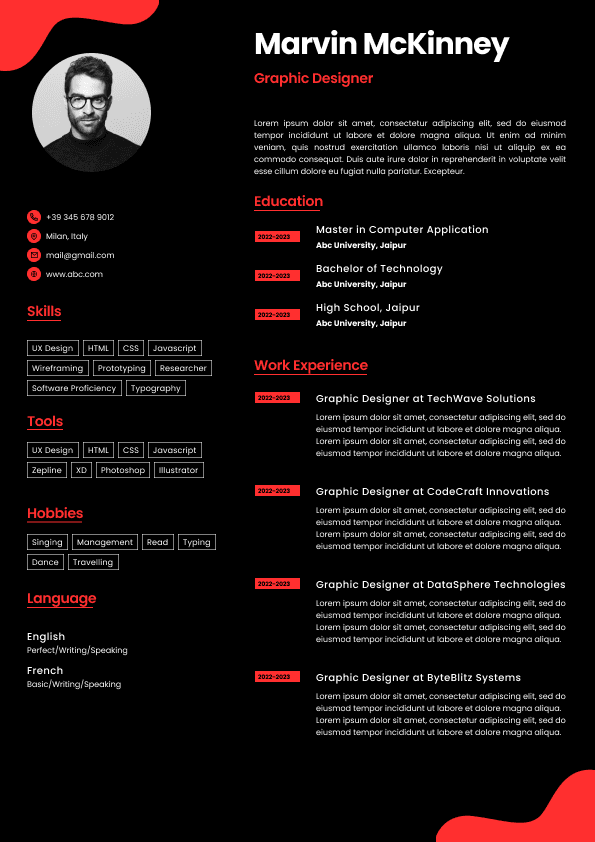
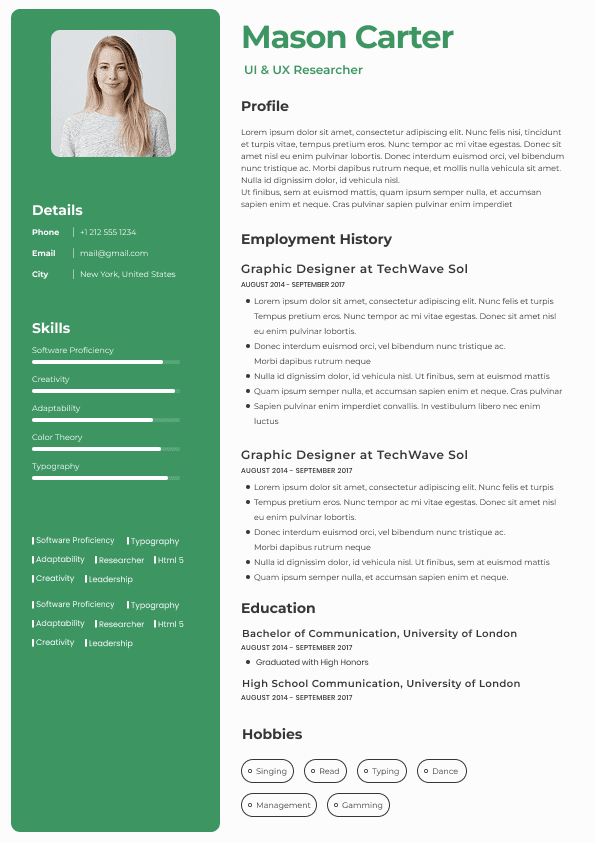
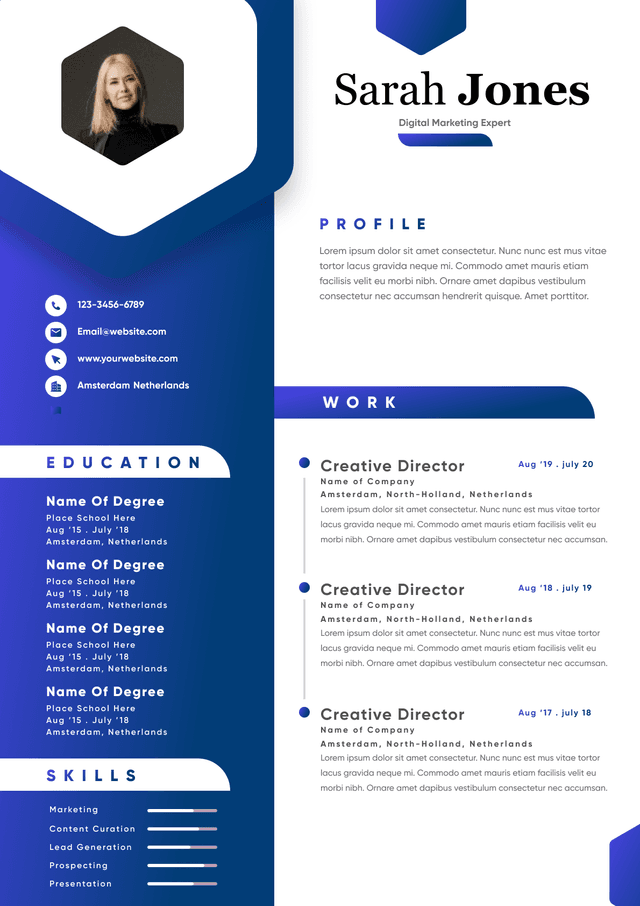
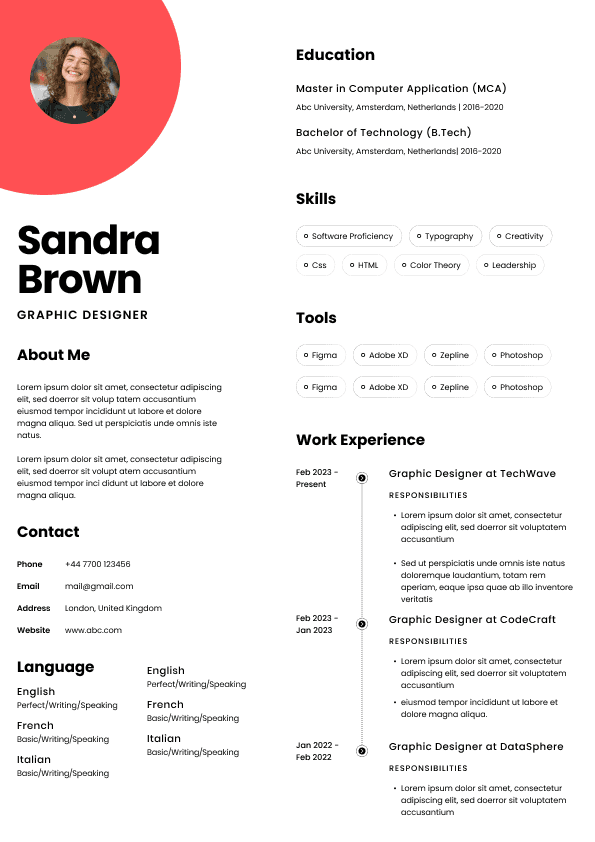
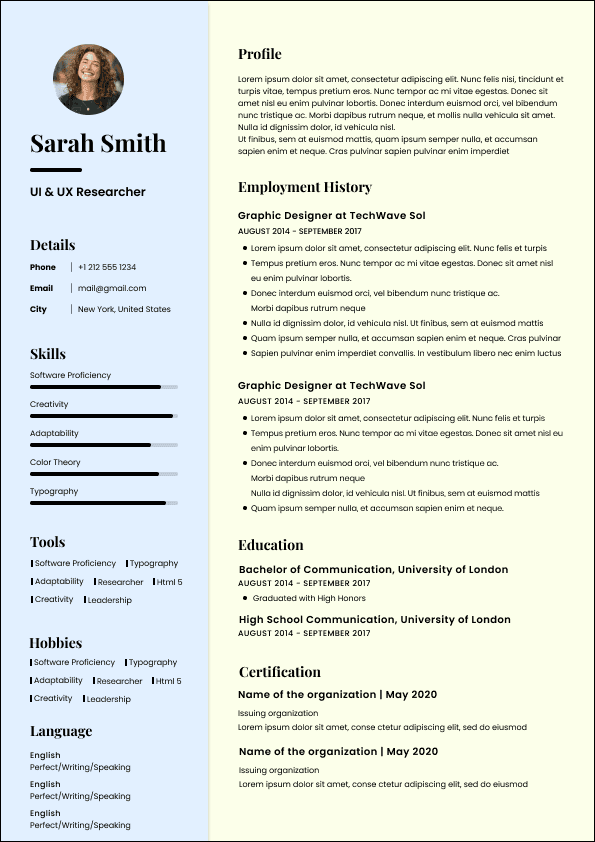
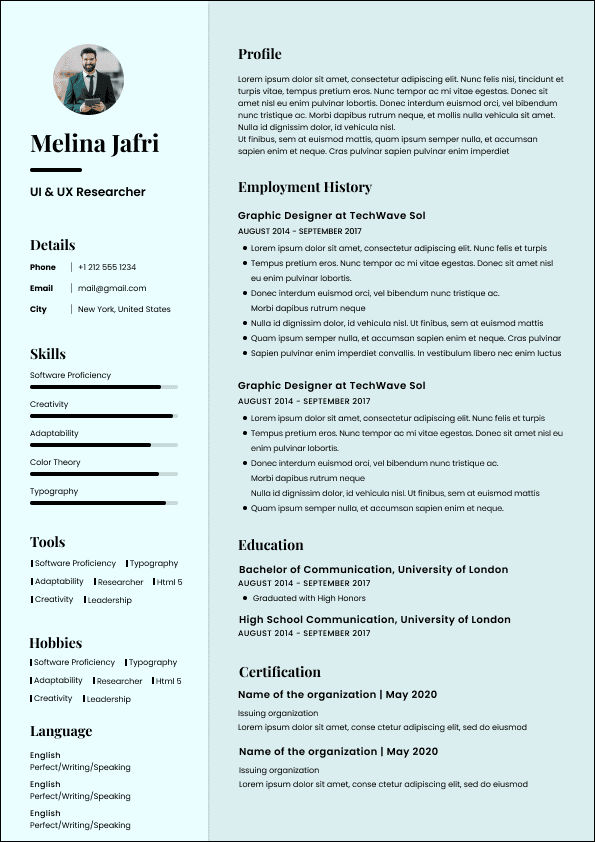
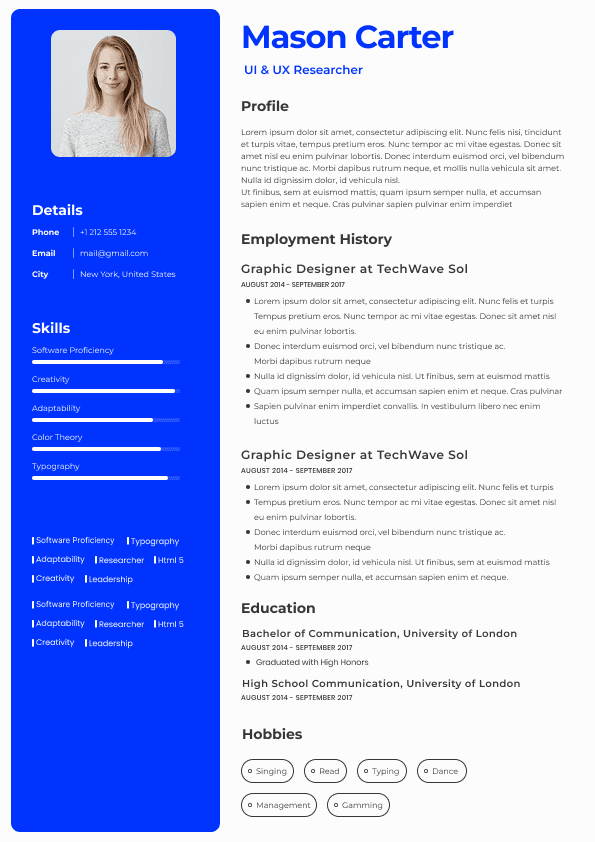
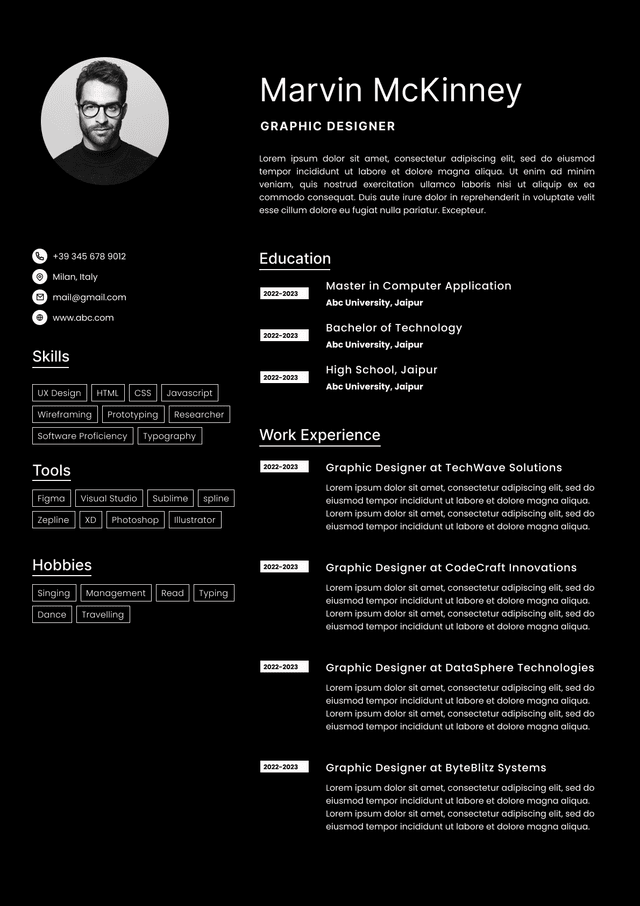
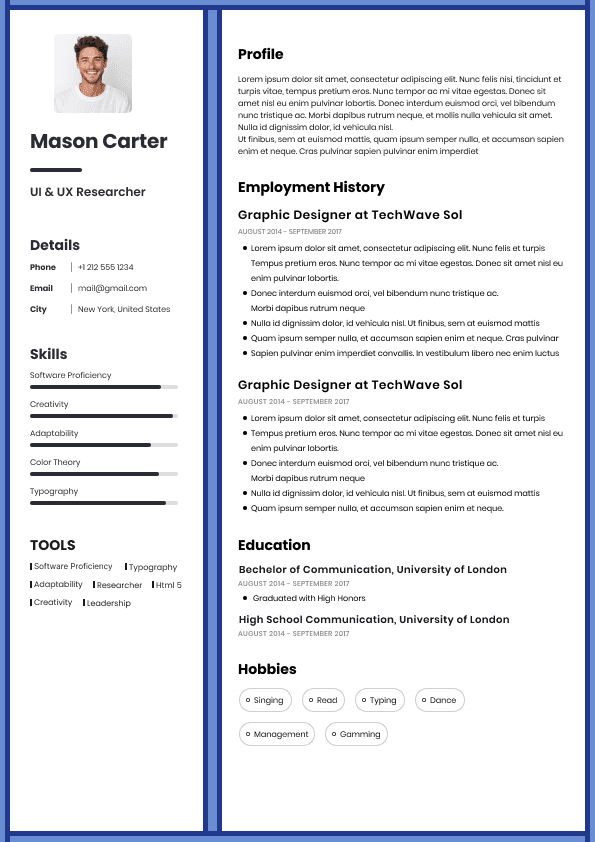
A modern ASP.NET developer resume should prioritize readability, ATS compatibility, and technical clarity.
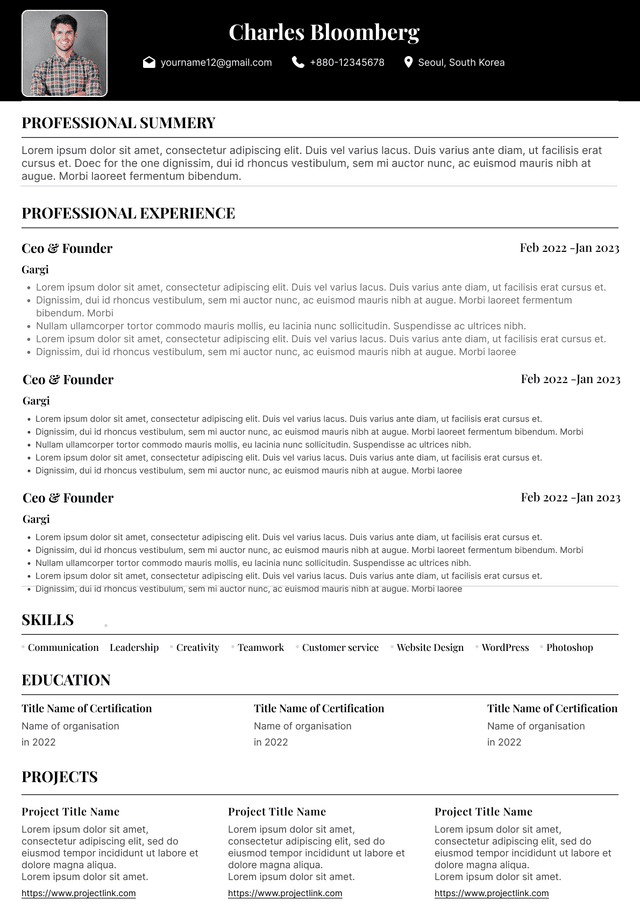
The ideal structure is:
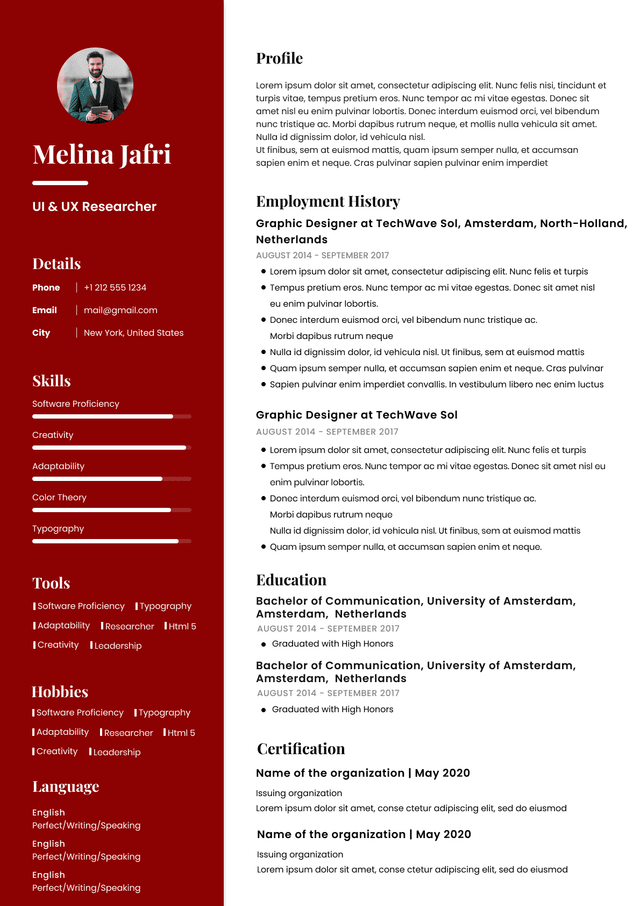
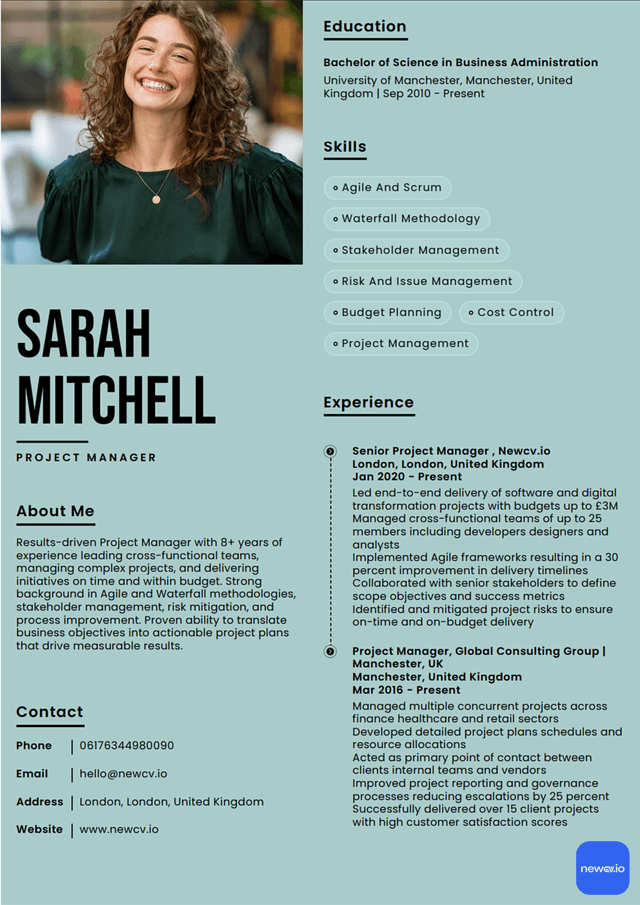
Professional summary
Technical skills
Professional experience
Projects if relevant
Education
Certifications if valuable
For experienced developers, your professional experience section matters far more than certifications or coursework.
Your summary should position you strategically for the exact type of ASP.NET role you want.
Avoid generic summaries filled with buzzwords.
“Motivated ASP.NET developer with strong communication skills seeking growth opportunities.”
This sounds junior and generic.
“ASP.NET Core developer with 6+ years of experience building enterprise web applications, REST APIs, and cloud-integrated backend systems using C#, SQL Server, Entity Framework Core, and Azure. Experienced in scalable SaaS architectures, CI/CD pipelines, performance optimization, and Agile development environments.”
This immediately communicates:
Experience level
Technology alignment
Business environment
Architectural exposure
Many developers either overload this section or make it too vague.
The best ASP.NET skills sections group technologies logically.
Languages & Frameworks
C#
ASP.NET Core
ASP.NET MVC
.NET 6/.NET 8
Web API
LINQ
Blazor
Employers increasingly prioritize ASP.NET Core over legacy ASP.NET MVC or Web Forms experience.
However, legacy modernization remains a major hiring category in the U.S. enterprise market.
If you have older .NET experience, position it strategically.
Instead of saying:
“Worked on Web Forms applications.”
Use:
“Supported modernization of legacy ASP.NET Web Forms applications into ASP.NET Core microservices architecture, improving deployment flexibility and maintainability.”
This reframes legacy experience as modernization experience, which is significantly more valuable.
Entry-level candidates often struggle because they lack production experience.
The solution is not exaggeration.
Instead, demonstrate:
Real projects
Practical problem-solving
Deployment exposure
API development
Database integration
Git collaboration
Testing awareness
Hiring managers know junior candidates will not have enterprise architecture expertise yet. They mainly want proof that you can contribute without excessive handholding.
Your experience section determines whether you get interviews.
Every bullet should demonstrate at least one of these:
Scale
Complexity
Ownership
Optimization
Business impact
Collaboration
Technical decision-making
Full stack ASP.NET roles require more than backend knowledge.
Employers expect developers who can contribute across:
APIs
Databases
Frontend frameworks
Cloud infrastructure
Deployment workflows
If applying for full stack roles, include technologies like:
React
Angular
Many ASP.NET roles now expect at least moderate Azure familiarity.
Especially in SaaS, fintech, healthcare, and enterprise environments.
Valuable Azure experience includes:
Azure App Services
Azure Functions
Azure SQL Database
Azure DevOps
Azure Storage
Application Insights
Azure Key Vault
Candidates who combine ASP.NET Core and Azure experience are often prioritized because employers want developers comfortable with modern cloud-native environments.
Many candidates copy massive skill lists from job postings.
Recruiters recognize this instantly.
If your resume claims:
Kubernetes
Terraform
Kafka
RabbitMQ
Redis
Blazor
Angular
Different industries prioritize different experience signals.
Employers prioritize:
Security
Transaction reliability
Auditability
Performance
API integrations
Authentication systems
Hiring teams look for:
Recruiters are not evaluating your code quality directly.
They are checking whether your background aligns with the hiring manager’s requirements.
Their screening process usually focuses on:
Years of experience
Technology alignment
Industry alignment
Recent relevance
Employment stability
Cloud experience
Team collaboration
Modern ATS systems are better than many candidates realize.
Stuffing keywords unnaturally can hurt readability and recruiter trust.
Instead, naturally integrate critical technologies into real experience.
ASP.NET Core
C#
.NET Framework
ASP.NET MVC
Web API
RESTful APIs
Entity Framework Core
Senior-level candidates are evaluated differently.
Employers expect evidence of:
Technical leadership
Architecture decisions
Mentorship
Cross-team collaboration
System scalability
Production ownership
Incident resolution
Long-term maintainability
One page is ideal.
One to two pages depending on experience depth.
Two pages are completely acceptable if the content is high value.
Never extend resume length with filler.
Hiring managers prefer concise depth over excessive detail.
Yes, especially if:
You are entry-level
Transitioning into .NET development
Have limited professional experience
Want to demonstrate modern technologies
Strong project examples include:
SaaS applications
Inventory systems
Booking platforms
API-driven systems
Certifications are rarely the deciding factor for experienced developers.
But they can help early-career candidates.
The most respected options include:
Microsoft Certified: Azure Developer Associate
Microsoft Certified: Azure Fundamentals
AZ-204
Azure DevOps certifications
However, production experience still outweighs certifications in most U.S. hiring decisions.
Many experienced developers worry about older technologies like:
Web Forms
VB.NET
.NET Framework
The key is framing.
Do not center your resume around outdated stacks.
Instead emphasize:
Modernization
Migration work
Maintenance of business-critical systems
Transition to ASP.NET Core
Technical skills get interviews.
Professional execution gets offers.
Hiring managers strongly value developers who can:
Communicate technical tradeoffs clearly
Work effectively with QA and DevOps teams
Debug production issues calmly
Handle changing requirements
Document systems clearly
Participate in code reviews professionally
The best way to demonstrate soft skills is through accomplishments, not buzzwords.
“Excellent communication skills.”
The strongest ASP.NET resumes position candidates as business-impact engineers, not just coders.
That means your resume should consistently show:
What systems you worked on
Who used them
What problems you solved
How you improved outcomes
How you contributed to engineering delivery
Most resumes focus only on technologies.
Top-performing resumes focus on technical outcomes tied to real business environments.
That difference is often what separates rejected candidates from interview invitations.

Use ATS-optimised Resume and resume templates that pass applicant tracking systems. Our Resume builder helps recruiters read, scan, and shortlist your Resume faster.

Use professional field-tested resume templates that follow the exact Resume rules employers look for.
Create Resume
Use professional field-tested resume templates that follow the exact Resume rules employers look for.
Create ResumeASP.NET Core or ASP.NET MVC application development
REST API development and integration
SQL Server and Entity Framework experience
Azure or cloud deployment exposure
Git-based collaboration workflows
Production support and debugging ability
CI/CD familiarity
Agile team experience
Secure coding and authentication knowledge
If those signals are missing or buried, your resume will likely fail before a technical interview even happens.
That is what hiring managers want to see.
Enterprise readiness
JavaScript
TypeScript
Databases
SQL Server
Entity Framework Core
Stored Procedures
T-SQL
Redis
Cloud & DevOps
Microsoft Azure
Azure DevOps
Docker
CI/CD Pipelines
IIS
GitHub Actions
Frontend Technologies
HTML5
CSS3
Bootstrap
React
Angular
Tools & Methodologies
Git
Visual Studio
Swagger/OpenAPI
Jira
Agile/Scrum
Unit Testing
Do not claim technologies you cannot discuss confidently during interviews.
Built deployed ASP.NET Core projects
Used GitHub professionally
Created REST APIs
Connected SQL databases
Implemented authentication
Used Azure or Docker
Followed clean code practices
Even personal or freelance projects can help if presented correctly.
Developed ASP.NET Core APIs used by internal finance systems processing over $12M in annual transactions
Reduced SQL Server query execution time by 45% through indexing improvements and stored procedure optimization
Migrated monolithic ASP.NET MVC applications to microservices architecture using Docker and Azure Kubernetes Service
Implemented JWT authentication and role-based authorization across enterprise healthcare applications, improving compliance readiness
Built reusable backend services using C# and Entity Framework Core, reducing duplicate code across multiple SaaS products
Collaborated with DevOps engineers to automate CI/CD deployment pipelines using Azure DevOps, reducing release failures by 32%
Resolved production defects and performance bottlenecks across high-traffic e-commerce APIs supporting 500K+ monthly users
These bullets communicate engineering maturity.
TypeScript
REST API integration
State management
Responsive UI development
But do not overstate frontend expertise if your background is primarily backend-focused.
Hiring managers quickly identify inflated claims during technical interviews.
React
AWS
Azure
GCP
But your experience bullets never reference them, credibility drops immediately.
Employers do not care that you “participated in development activities.”
They care about outcomes.
Even internal systems count as production experience.
Mention:
Live systems
User scale
Performance improvements
Reliability improvements
Deployment ownership
Avoid:
Multi-column layouts
Graphics-heavy resumes
Skill rating bars
Huge paragraphs
ATS systems still struggle with overly designed resumes.
HIPAA awareness
Secure patient data handling
Reliability
Compliance-focused development
Enterprise integrations
Focus areas include:
Scalability
Multi-tenant architecture
Cloud infrastructure
API-first development
CI/CD automation
Employers care heavily about:
Performance optimization
Payment integrations
High-traffic systems
Caching strategies
Customer-facing reliability
Tailoring your achievements to the industry significantly improves interview conversion rates.
Seniority indicators
This means keyword relevance matters, but contextual relevance matters even more.
For example:
“Built REST APIs in ASP.NET Core integrated with Azure Service Bus and SQL Server.”
This performs far better than:
“Experienced with APIs, Azure, and SQL.”
Specificity increases credibility.
SQL Server
Azure
CI/CD
Docker
Microservices
Authentication
OAuth
JWT
Agile
Scrum
Git
Azure DevOps
The strongest resumes use these naturally inside project and achievement descriptions.
Senior developers should demonstrate influence, not just coding execution.
“Led modernization initiative migrating legacy ASP.NET applications to .NET 8 microservices architecture, improving deployment frequency from monthly to weekly releases.”
This demonstrates:
Leadership
Modernization
Architecture
Delivery improvement
Operational impact
Authentication systems
Azure deployments
Weak tutorial clones add little value.
Hiring managers can usually identify tutorial-based projects immediately.
This keeps your experience relevant instead of outdated.
“Collaborated with product managers, QA engineers, and DevOps teams to deliver enterprise billing platform enhancements across quarterly release cycles.”
This demonstrates collaboration naturally.



 Upload Resume
 Import from Linkedin