STILL APPLYING. STILL HEARING NOTHING?BUILD YOUR RESUME

STILL APPLYING. STILL HEARING NOTHING?BUILD YOUR RESUME
FAQ
An ASP.NET DevOps Engineer resume needs to do more than list Azure DevOps or Docker. Hiring managers are looking for proof that you can reliably ship production software at scale with minimal downtime, automate deployments, reduce release risk, and support modern cloud infrastructure. Most resumes fail because they describe tools instead of operational impact.
The strongest candidates demonstrate measurable ownership of CI/CD pipelines, release automation, infrastructure-as-code, container orchestration, monitoring, rollback strategy, and deployment reliability. Recruiters also want evidence that you can work across development and operations, not just write YAML files.
If you want interviews for ASP.NET DevOps, Azure DevOps, CI/CD, release engineering, or platform-focused .NET roles, your resume must clearly show:
End-to-end deployment ownership
Production deployment reliability
Cloud infrastructure automation
CI/CD pipeline optimization
Most companies hiring ASP.NET DevOps Engineers are trying to solve one of these problems:
Slow deployments causing release bottlenecks
Frequent production incidents after deployments
Manual release processes creating operational risk
Lack of automated testing in deployment pipelines
Poor visibility into application health and deployment failures
Inconsistent environments between development and production
Scaling issues with legacy deployment workflows
Modern ASP.NET DevOps roles sit between software engineering, cloud infrastructure, release engineering, and platform reliability.
Your resume should reflect competency across all four areas.
This is the foundation of the role.
Recruiters specifically search for:
Azure DevOps
Azure Pipelines
GitHub Actions
Jenkins
TeamCity
YAML pipelines
A clean, technically dense resume consistently performs best.
Recommended structure:
Keep this short and operationally focused.
Do not write vague summaries like:
“Results-driven developer”
“Hard-working professional”
“Team player”
Instead, position yourself around deployment ownership and reliability engineering.
Good Example
“ASP.NET DevOps Engineer with 6+ years of experience building Azure DevOps CI/CD pipelines, automating cloud infrastructure, and deploying containerized ASP.NET Core applications to Kubernetes environments. Specialized in deployment automation, release engineering, production reliability, Infrastructure-as-Code, and cloud-native delivery workflows.”
Group skills strategically instead of dumping keywords randomly.
Your bullet points determine whether recruiters think you merely supported deployments or actually owned release engineering.
Strong bullets contain:
Technical ownership
Scale
Business impact
Reliability improvement
Quantifiable outcome
Built Azure DevOps CI/CD pipelines for ASP.NET Core applications, reducing deployment time from 45 minutes to 12 minutes
Recruiters reject many technically capable candidates because their resumes create the wrong perception.
Bad resumes look like certification checklists.
Weak Example
“Used Docker, Kubernetes, Azure DevOps, Jenkins, and Terraform.”
This provides no proof of competency.
Hiring managers care about operational outcomes:
Faster deployments
Fewer failed releases
Reduced downtime
Better rollback speed
Improved reliability
Modern ATS systems parse technical relevance aggressively.
Your resume should naturally include:
CI/CD pipelines
Pipeline automation
Release engineering
Build automation
Deployment automation
Multi-stage pipelines
Release approvals
Michael Carter
ASP.NET DevOps Engineer with 7+ years of experience designing CI/CD pipelines, automating cloud infrastructure, and deploying containerized ASP.NET Core applications across Azure environments. Specialized in Azure DevOps, Kubernetes deployment, Infrastructure-as-Code, release engineering, and production reliability optimization for enterprise-scale systems.
CI/CD & Release Engineering: Azure DevOps, Azure Pipelines, GitHub Actions, Jenkins, TeamCity, Octopus Deploy, YAML Pipelines
Cloud & Infrastructure: Microsoft Azure, AKS, Azure App Services, Terraform, ARM Templates, Bicep
Containers & Orchestration: Docker, Kubernetes, Helm, Container Registries
Monitoring & Reliability: Application Insights, Azure Monitor, Serilog, Grafana, Prometheus, ELK Stack
Programming & Automation: C#, PowerShell, Bash, YAML
Senior ASP.NET DevOps Engineer
TechBridge Solutions — Austin, TX
2021 – Present
Designed Azure DevOps CI/CD pipelines supporting deployment workflows for 40+ ASP.NET Core microservices
Recruiters usually scan resumes in this order:
They immediately look for:
Azure DevOps
Kubernetes
Docker
CI/CD ownership
Terraform
Cloud deployment experience
If those are missing, many resumes get filtered out within seconds.
Now they assess:
Most candidates focus heavily on tools.
The strongest candidates demonstrate operational thinking.
That means your resume should show:
Risk reduction
Release governance
Production reliability
Observability
Recovery planning
Deployment safety
Scalability
For example:
Senior DevOps-focused .NET roles increasingly blend:
Platform engineering
Cloud architecture
Reliability engineering
Release governance
Infrastructure automation
To position yourself at a senior level, emphasize:
Cross-team ownership
Standardization initiatives
Certifications matter most when paired with real deployment ownership.
The strongest certifications for this niche include:
Microsoft Certified: Azure DevOps Engineer Expert
Microsoft Azure Administrator Associate
Certified Kubernetes Application Developer (CKAD)
Certified Kubernetes Administrator (CKA)
Terraform Associate
However, certifications alone will not compensate for weak operational experience.
Hiring managers prioritize:
Real deployments
Before submitting your ASP.NET DevOps resume, verify that it clearly demonstrates:
CI/CD pipeline ownership
Azure DevOps or GitHub Actions experience
Deployment automation expertise
Docker and Kubernetes deployment knowledge
Infrastructure-as-Code implementation
Monitoring and observability integration
Release reliability improvements
Automated testing workflows
Choose from a wide range of NEWCV resume templates and customize your NEWCV design with a single click.


Use ATS-optimised Resume and resume templates that pass applicant tracking systems. Our Resume builder helps recruiters read, scan, and shortlist your Resume faster.

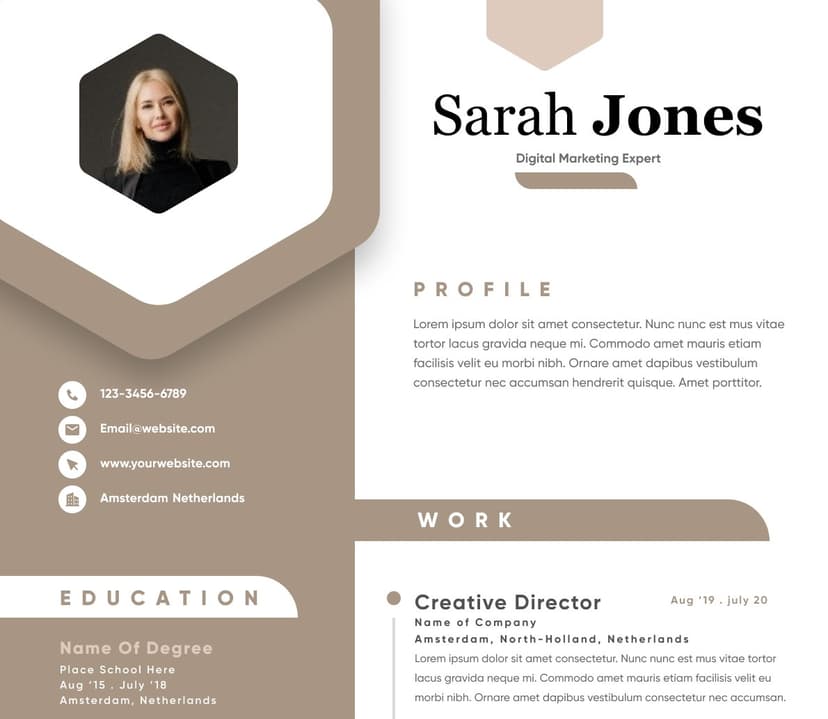
Use professional field-tested resume templates that follow the exact Resume rules employers look for.
Create Resume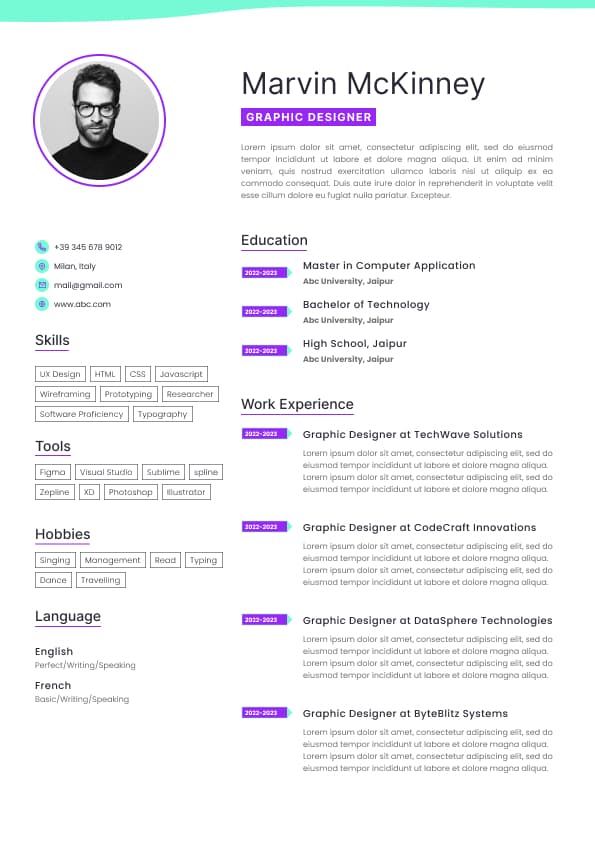
Use professional field-tested resume templates that follow the exact Resume rules employers look for.
Create ResumeKubernetes or container deployment experience
Release engineering maturity
Monitoring and rollback implementation
Security and secrets management practices
This guide breaks down exactly how recruiters evaluate ASP.NET DevOps resumes, what hiring managers actually care about, and how to position your experience to compete for modern .NET cloud engineering roles.
Cloud migration modernization initiatives
Weak infrastructure automation practices
Kubernetes adoption for ASP.NET Core services
Your resume should directly align with these operational business problems.
Hiring managers are not impressed by generic statements like:
Weak Example
“Worked with Azure DevOps and CI/CD pipelines.”
That tells them nothing about scale, ownership, reliability, or business impact.
What they want instead:
Good Example
“Designed and maintained Azure DevOps YAML pipelines for 25+ ASP.NET Core microservices, reducing deployment failures by 40% through automated testing, health checks, and rollback validation.”
That immediately communicates:
Scope
Ownership
Technical depth
Reliability improvements
Business outcome
Build automation
Release automation
Multi-stage pipelines
Automated testing
Environment promotion
Strong resumes explain:
How pipelines were structured
What deployment problems were solved
How reliability improved
How deployment speed improved
How releases became safer
Container deployment experience dramatically increases market value for ASP.NET engineers.
High-value keywords include:
Docker
Kubernetes
AKS
Helm
Container orchestration
Sidecar containers
Service mesh
Ingress controllers
Rolling deployments
Blue-green deployments
Canary deployments
Recruiters especially value candidates who understand operational deployment strategy, not just container creation.
Infrastructure automation is now expected for senior DevOps-oriented .NET roles.
Important keywords:
Terraform
Bicep
ARM templates
Infrastructure-as-code
Cloud provisioning
Environment automation
Immutable infrastructure
Hiring managers want engineers who can provision environments consistently and reduce manual infrastructure dependency.
Many resumes completely fail here.
Strong DevOps engineers understand observability and operational health.
High-impact technologies:
Application Insights
Azure Monitor
Serilog
Seq
ELK Stack
Datadog
Grafana
Prometheus
Health checks
Alerting systems
Companies increasingly prioritize engineers who can reduce deployment-related incidents, not just automate deployments.
CI/CD & Release Engineering: Azure DevOps, Azure Pipelines, GitHub Actions, Jenkins, Octopus Deploy, TeamCity, YAML Pipelines
Cloud & Infrastructure: Azure, AKS, Terraform, Bicep, ARM Templates, Azure App Services
Containers & Orchestration: Docker, Kubernetes, Helm, Container Registries
Monitoring & Reliability: Application Insights, Azure Monitor, Serilog, Grafana, Prometheus, ELK Stack
Languages & Automation: C#, PowerShell, Bash, YAML
This improves ATS parsing and recruiter readability.
Containerized ASP.NET Core APIs using Docker and deployed workloads to Azure Kubernetes Service environments
Automated multi-stage deployment workflows using YAML pipelines, GitHub Actions, and Azure App Services
Implemented blue-green deployment strategies that reduced production downtime during releases by 85%
Integrated automated unit, integration, and smoke testing into CI/CD pipelines, reducing failed production deployments
Developed Infrastructure-as-Code templates using Terraform and Bicep for automated cloud provisioning
Configured Kubernetes Helm charts for scalable ASP.NET Core microservice deployment across multiple environments
Integrated Azure Key Vault secrets management into deployment pipelines for secure credential handling
Created automated rollback procedures and deployment validation workflows for high-availability production systems
Improved deployment reliability through health checks, monitoring alerts, and centralized logging with Serilog and Grafana
Reduced manual release effort by automating environment promotion workflows across development, staging, and production
Configured Azure Monitor and Application Insights dashboards to improve deployment visibility and incident response
Optimized Docker build pipelines and image caching strategies, reducing build execution time by 35%
Implemented canary deployment strategies for ASP.NET APIs to minimize release risk during production rollouts
Automated SQL database migration deployment processes within CI/CD release pipelines
These bullets work because they communicate operational maturity, not just tool familiarity.
Reduced manual effort
Without measurable impact, your resume looks junior-level.
Avoid passive wording like:
Assisted with deployments
Supported CI/CD
Helped maintain pipelines
Use ownership-driven language:
Designed
Built
Automated
Implemented
Optimized
Architected
Led
Many candidates focus only on deployments.
Modern DevOps hiring strongly values:
Observability
Incident reduction
Logging strategy
Alerting systems
Health monitoring
Rollback engineering
Operational reliability separates strong candidates from average ones.
YAML pipelines
Continuous integration
Continuous delivery
Azure DevOps
Azure Pipelines
Azure App Services
AKS
Terraform
ARM templates
Bicep
Infrastructure-as-Code
Cloud automation
Docker
Kubernetes
Helm
Container deployment
Container orchestration
Microservices deployment
Monitoring
Health checks
Automated rollback
Production support
Logging
Alerting
Deployment reliability
Observability
Do not keyword-stuff. Use them naturally within achievement-driven bullet points.
Reduced deployment duration from 50 minutes to under 15 minutes through pipeline optimization and parallelized testing
Containerized enterprise ASP.NET Core APIs using Docker and deployed workloads to Azure Kubernetes Service clusters
Implemented Helm-based Kubernetes deployment strategies supporting rolling updates and automated rollback workflows
Built Infrastructure-as-Code templates using Terraform and Bicep for automated provisioning across staging and production environments
Integrated automated testing, deployment approvals, and release gates into CI/CD workflows to improve release reliability
Configured centralized monitoring with Azure Monitor, Application Insights, Grafana, and Prometheus for production observability
Reduced production deployment failures by 42% through deployment validation checks and automated smoke testing
Bachelor of Science in Computer Science
University of Texas at Dallas
Microsoft Certified: Azure DevOps Engineer Expert
Certified Kubernetes Application Developer (CKAD)
Deployment scale
Reliability ownership
Monitoring implementation
Rollback strategy
Automation depth
This determines whether you look like:
or
High-value candidates show measurable operational improvements:
Faster releases
Fewer incidents
Improved uptime
Reduced manual effort
Better deployment reliability
This is where senior-level differentiation happens.
“Configured Kubernetes deployments.”
Good Example
“Implemented rolling and canary deployment strategies in AKS environments to reduce release risk and improve production deployment stability.”
The second version demonstrates engineering judgment, not just technical execution.
Deployment governance
Platform scalability
CI/CD architecture decisions
Incident prevention
Environment automation
Enterprise deployment strategy
Senior candidates are evaluated on systems thinking, not just pipeline maintenance.
Production systems
Reliability outcomes
Infrastructure automation ownership
Production deployment strategy
Rollback and recovery planning
Measurable operational outcomes
Cloud deployment experience
Security and secrets management
If your resume only lists tools without operational outcomes, it will struggle in competitive DevOps hiring markets.


 Upload Resume
 Import from Linkedin