STILL APPLYING. STILL HEARING NOTHING?BUILD YOUR RESUME

STILL APPLYING. STILL HEARING NOTHING?BUILD YOUR RESUME
Choose from a wide range of NEWCV resume templates and customize your NEWCV design with a single click.
FAQ

An iOS developer portfolio is no longer optional in competitive mobile hiring. Recruiters and hiring managers use portfolios to validate whether you can ship production-quality apps, understand Apple platform standards, and communicate technical decisions clearly. A strong iOS developer portfolio does not just display screenshots. It proves engineering capability, product thinking, UI quality, architecture decisions, and business impact.
The biggest mistake candidates make is treating their portfolio like a design gallery instead of a hiring asset. Recruiters are not evaluating aesthetics alone. They are looking for signals that reduce hiring risk:
Can this developer build real iOS products?
Do they understand Swift and SwiftUI deeply?
Have they solved practical mobile engineering problems?
Can they ship polished App Store-quality experiences?
Would they perform well inside a production engineering team?
The best iOS developer portfolios answer those questions within minutes.
This guide breaks down exactly how to build an iOS developer portfolio that improves recruiter visibility, increases interview conversion rates, and positions you competitively in the current US hiring market.
Most recruiters reviewing iOS candidates are not deeply technical. Your portfolio has to communicate value quickly before a senior engineer or hiring manager ever sees your work.
The strongest portfolios make specialization obvious immediately.
Within the first screen, recruiters should clearly understand:
You are an iOS developer, not a generic software engineer
Your primary stack includes Swift, SwiftUI, UIKit, or Apple platform technologies
You have built real mobile applications
Your apps solve actual user or business problems
Your work quality matches modern App Store expectations
Recruiters scan portfolios extremely fast. Most initial reviews happen in under two minutes.
That means your portfolio homepage must communicate:
Clear role positioning
Strong technical identity
Production-quality app visuals
Real project outcomes
Easy navigation
Visible GitHub and App Store links
A direct way to contact you
Weak portfolios force recruiters to figure out what the candidate actually does.
Strong portfolios remove all ambiguity.
The highest-performing iOS developer portfolio websites follow a predictable structure because it aligns with recruiter evaluation behavior.
Your hero section should instantly establish specialization.
A strong headline is simple and direct.
Good Examples
Senior iOS Developer Specializing in SwiftUI and Scalable Mobile Apps
Swift Developer Building High-Performance iOS Applications
Native iOS Engineer Focused on Product-Led Mobile Experiences
Avoid vague positioning.
Weak Examples
Passionate Programmer
Creative Technologist
Software Enthusiast
Those headlines communicate nothing useful to recruiters or hiring managers.
Your hero section should also include:
Primary tech stack
Portfolio CTA button
Resume download
GitHub link
LinkedIn link
App Store links if available
The best About sections explain professional value, not personal history.
Recruiters want to understand:
Your specialization
Experience level
Industry focus
Product strengths
Engineering strengths
Types of apps you build
Strong positioning example:
Good Example
“I build scalable iOS applications using SwiftUI, UIKit, and MVVM architecture with a focus on performance, accessibility, and polished user experiences.”
That communicates far more value than generic passion statements.
Your skills section should reflect actual iOS engineering competency.
Group technologies logically.
Swift
SwiftUI
UIKit
Xcode
Combine
Core Data
SwiftData
WidgetKit
StoreKit
HealthKit
MVVM
Clean Architecture
Dependency Injection
REST APIs
GraphQL
Offline-first architecture
Performance optimization
Accessibility
Firebase
Supabase
Node.js
AWS
Cloud Functions
GitHub Actions
Fastlane
CI/CD
TestFlight
Crashlytics
Do not overload the page with technologies you barely understand.
Recruiters can usually detect inflated skill sections quickly during interviews.
Projects determine whether your portfolio converts into interviews.
Most iOS developer portfolios fail here.
Recruiters do not care about unfinished tutorial clones or generic weather apps unless they demonstrate exceptional execution.
Your featured projects should demonstrate:
Real-world engineering complexity
Mobile product thinking
UI quality
Architecture decisions
Business or user impact
App scalability
Performance optimization
Production readiness
The best projects demonstrate practical engineering depth.
Strong portfolio project types include:
API-driven production apps
Subscription apps using StoreKit
Offline-first mobile apps
Firebase-integrated apps
SwiftUI animation-heavy interfaces
Accessibility-focused apps
HealthKit integrations
Push notification systems
WidgetKit implementations
AI-powered mobile apps
ARKit experiences
Real-time collaboration apps
A recruiter should immediately see complexity beyond beginner tutorials.
Each project should include far more than screenshots.
Your project page should explain:
What business or user problem did the app solve?
Specify technologies clearly.
Example:
SwiftUI
Firebase
MVVM
Core Data
Combine
StoreKit
This section separates strong candidates from average ones.
Explain:
Why you chose specific architecture patterns
Performance optimizations
State management strategy
Offline handling
Accessibility implementation
API handling strategy
Scalability decisions
This is one of the biggest recruiter blind spots candidates miss.
Include outcomes whenever possible.
Examples:
Reduced app launch time by 42%
Improved crash-free sessions to 99.8%
Increased onboarding completion rate by 24%
Built subscription flow improving conversion by 17%
Reduced API latency through caching implementation
Metrics make projects feel real and commercially relevant.
One of the most common hiring mistakes junior iOS developers make is building a portfolio entirely around SwiftUI without demonstrating UIKit understanding.
Many enterprise iOS teams still rely heavily on UIKit.
A strong portfolio clarifies:
Which projects use SwiftUI
Which projects use UIKit
Hybrid implementation experience
Migration experience if relevant
This matters because hiring managers evaluate long-term adaptability, not just trend alignment.
Your portfolio itself reflects engineering judgment.
An iOS portfolio should feel aligned with Apple ecosystem quality standards.
The best portfolios usually include:
Minimalist layouts
Strong typography
Clean spacing
Smooth animations
Excellent mobile responsiveness
Dark mode support
Fast loading performance
Native-app-inspired UI interactions
Apple-style design principles matter more than flashy effects.
Overdesigned portfolios often create negative signals because they feel impractical or difficult to maintain.
The highest-performing iOS portfolios generally follow these characteristics:
White space-heavy layouts
Clear content hierarchy
Subtle animations
Device mockups
Large app previews
Strong readability
Fast transitions
Accessibility-friendly contrast
Hiring managers often associate clean UI decisions with engineering maturity.
A surprising number of iOS portfolios perform poorly on mobile devices.
That immediately damages credibility.
Recruiters frequently open portfolios from:
LinkedIn mobile
Email links
Slack referrals
Internal ATS systems on mobile devices
If your iOS portfolio is difficult to navigate on iPhone, it creates a major negative impression.
Your portfolio stack should prioritize performance, maintainability, SEO, and developer experience.
The most effective modern stack usually includes:
Next.js
React
TypeScript
Tailwind CSS
Framer Motion
Sanity CMS
Contentful
Markdown-based content systems
Vercel
Cloudflare
Netlify
Next.js is especially popular because it combines:
Excellent SEO performance
Fast page speed
Easy deployment
Dynamic project pages
Strong developer experience
Most developers ignore portfolio SEO entirely.
That is a major missed opportunity.
An optimized iOS developer portfolio can generate:
Recruiter discovery
Organic inbound opportunities
Startup visibility
Freelance inquiries
Technical credibility
Do not place all projects on one page.
Each major app should have its own optimized page.
Example URLs:
/swiftui-fitness-app
/ios-budget-tracker
/healthkit-running-app
Naturally include terms like:
iOS Developer
Swift Developer
SwiftUI Developer
Mobile App Developer
Native iOS Engineer
Do not keyword stuff.
Use schema markup for:
Projects
Articles
Apps
Portfolio pages
Large screenshots frequently destroy Core Web Vitals.
Compress all images aggressively without damaging quality.
Technical blogging remains one of the most underrated visibility strategies for iOS developers.
Strong topics include:
SwiftUI performance optimization
Async/await implementation
MVVM architecture decisions
Core Data optimization
StoreKit subscription handling
Accessibility implementation
Blogs help establish topical authority and recruiter confidence.
Lack of experience is not the biggest problem.
Lack of proof is.
Junior developers often assume recruiters expect enterprise-level apps. That is incorrect.
Recruiters mainly want evidence that you can:
Finish projects
Write clean code
Understand mobile architecture
Build polished UI
Solve practical engineering problems
Learn quickly
Focus on fewer but higher-quality projects.
Three excellent projects outperform ten unfinished ones.
Your projects should demonstrate progression.
One polished SwiftUI app
One UIKit-based app
One API-driven or Firebase-integrated app
If possible, include:
App Store deployment
TestFlight beta access
GitHub repositories
Technical documentation
Hiring managers often evaluate:
Code organization
UI polish
App stability
Architectural thinking
Error handling
Attention to detail
They are usually less concerned about advanced scale at entry level.
A polished small app beats a broken ambitious app almost every time.
Senior-level portfolios are evaluated differently.
At senior level, hiring managers expect:
Technical leadership signals
Architecture depth
Product impact
Scalability understanding
Team collaboration examples
Mentorship evidence
Performance optimization experience
Senior candidates should highlight:
System design decisions
Complex integrations
CI/CD improvements
Cross-functional collaboration
KPI improvements
Crash reduction metrics
App scalability initiatives
Recruiters rarely inspect code deeply.
Senior engineers do.
Your GitHub should support your portfolio, not replace it.
Strong GitHub signals include:
Clean README files
Consistent commits
Organized repositories
Production-quality naming conventions
Meaningful documentation
Clear architecture
Weak signals include:
Empty repositories
Tutorial projects
Broken builds
Poor documentation
Random unfinished experiments
Yes. Absolutely.
App Store deployment is one of the strongest credibility signals in iOS hiring.
It demonstrates:
Ability to finish products
Understanding of Apple deployment process
Production readiness
Real-world QA experience
App lifecycle familiarity
Even a small published app creates trust.
These mistakes consistently hurt interview conversion rates.
Recruiters see the same templates repeatedly.
A portfolio that feels copied creates weak differentiation.
If recruiters cannot immediately tell you are an iOS engineer, your positioning is failing.
Five unfinished apps weaken credibility more than one polished app strengthens it.
Screenshots alone are insufficient.
Hiring managers want engineering thinking.
Projects without measurable impact feel hypothetical.
An iOS developer portfolio that breaks on iPhone creates immediate skepticism.
Low-quality screenshots significantly reduce perceived product quality.
Strong candidates explain why they structured apps certain ways.
Live demos, TestFlight builds, or App Store links create credibility.
Most iOS portfolios look interchangeable.
To stand out, demonstrate product-level thinking.
The strongest candidates combine:
Engineering depth
UX understanding
Performance awareness
Accessibility implementation
Business impact thinking
Hiring managers increasingly prefer developers who understand product outcomes, not just code implementation.
These additions can significantly improve credibility when executed well:
Feature walkthrough videos
App architecture diagrams
Performance optimization breakdowns
Crash analytics improvements
Accessibility demonstrations
Offline sync explanations
CI/CD workflows
Real-time API handling demos
These elements create senior-level perception even before interviews begin.
A portfolio should drive action.
Your CTAs should be obvious and frictionless.
Include:
Resume download
Email contact
LinkedIn profile
GitHub profile
App Store links
Calendly link if freelancing
Recruiters should never need to search for contact information.
The best iOS developer portfolios are not the flashiest.
They are the clearest.
They quickly communicate:
Specialization
Technical depth
Product quality
Real-world execution
Engineering maturity
A recruiter should leave your portfolio understanding exactly why you are valuable as an iOS engineer.
If your portfolio creates confusion, it lowers interview conversion.
If your portfolio creates confidence, it increases hiring momentum dramatically.
The goal is not to impress everyone.
The goal is to reduce hiring risk for the right company.
Use ATS-optimised Resume and resume templates that pass applicant tracking systems. Our Resume builder helps recruiters read, scan, and shortlist your Resume faster.
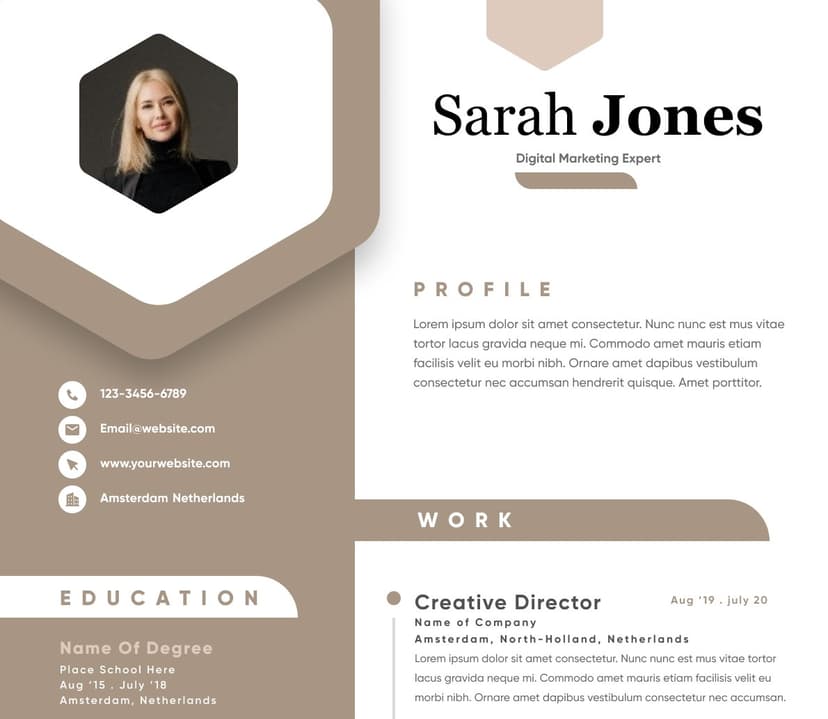
Use professional field-tested resume templates that follow the exact Resume rules employers look for.
Create Resume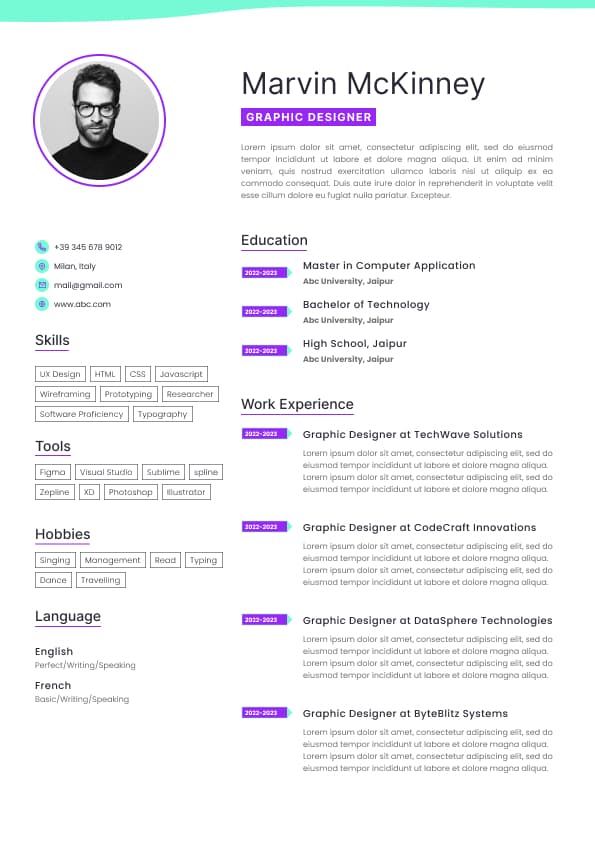
Use professional field-tested resume templates that follow the exact Resume rules employers look for.
Create Resume


 Upload Resume
 Import from Linkedin