STILL APPLYING. STILL HEARING NOTHING?BUILD YOUR RESUME

STILL APPLYING. STILL HEARING NOTHING?BUILD YOUR RESUME
Choose from a wide range of NEWCV resume templates and customize your NEWCV design with a single click.
FAQ
Remote .NET developer jobs remain one of the strongest remote hiring categories in software engineering because enterprise companies, SaaS startups, fintech firms, healthcare organizations, and Microsoft-stack consulting companies continue investing heavily in C#, ASP.NET Core, Azure, and cloud modernization.
But most applicants fail for predictable reasons.
Hiring managers are not just screening for technical skills anymore. They are evaluating whether you can operate independently in a distributed engineering environment without creating communication gaps, delivery risks, or production instability.
That means the candidates getting interviews for remote .NET developer jobs are usually the ones who can demonstrate:
Strong async communication
Ownership and accountability
Clean Git and pull request workflows
Experience working across time zones
Documentation habits
The biggest misconception about remote software jobs is that companies primarily hire based on framework knowledge alone.
They do not.
For remote .NET roles, employers evaluate candidates in three layers:
This includes:
C# proficiency
ASP.NET Core experience
REST API development
SQL Server or PostgreSQL
Entity Framework
Azure cloud services
Not all remote .NET jobs are structured the same way.
Understanding the categories helps you target the right opportunities faster.
These are often the most flexible remote employers.
Typical stack:
ASP.NET Core
Azure
React or Angular
Microservices
Docker
Kubernetes
Common expectations:
The highest-paying remote .NET jobs increasingly prioritize cloud and collaboration skills over traditional backend-only experience.
The strongest demand currently centers around:
C#
ASP.NET Core
REST APIs
Azure
SQL Server
Entity Framework Core
Docker
Many developers waste time on low-quality job boards full of fake listings, outdated roles, or resume farming scams.
The best remote .NET jobs are usually concentrated in a smaller set of reliable platforms.
The strongest platforms for remote .NET hiring include:
Indeed
Dice
Built In
Wellfound
Otta
LinkedIn remains the strongest overall platform because recruiters actively source candidates there daily.
Most resumes fail remote screening because they look like generic backend developer resumes.
Recruiters need evidence that you can succeed remotely.
Within the first 10 to 20 seconds, recruiters evaluate:
Remote experience
Cloud experience
Communication signals
Production ownership
Team collaboration
Delivery impact
If those signals are weak, your resume often gets deprioritized before deeper review.
Most candidates lose remote engineering interviews because they underestimate how communication-heavy the process has become.
Remote interviews test far more than coding ability.
Many developers know the answer but explain it poorly.
Hiring managers evaluate:
Clarity
Structure
Technical reasoning
Communication under pressure
Remote teams rely heavily on written and verbal clarity.
If your explanations are confusing, companies assume collaboration will also be difficult.
Senior remote hiring increasingly emphasizes system thinking.
Candidates struggle when asked:
The best preparation strategy mirrors actual remote engineering work.
Many companies now use:
Take-home projects
Recorded coding explanations
Async code reviews
GitHub-based assignments
They are evaluating:
Code structure
Documentation
Communication
Entry-level remote .NET jobs exist, but they are significantly more competitive than mid-level openings.
Companies hesitate to hire junior remote developers because onboarding remotely requires more structure and management effort.
The strongest entry-level candidates usually have:
Strong GitHub projects
Deployed applications
Clean documentation
Internship experience
Cloud exposure
Portfolio APIs
Global remote hiring has expanded significantly for Microsoft-stack developers.
However, international remote hiring usually depends on four factors:
Time zone overlap
English communication ability
Contracting structure
Seniority level
U.S. employers commonly prioritize:
Partial U.S. working hour overlap
Clear spoken communication
After reviewing thousands of technical resumes, the strongest remote candidates usually share the same traits.
Hiring managers consistently prioritize developers who appear dependable.
That includes:
Consistent work history
Clear project ownership
Production accountability
Stable communication
Structured resume presentation
Top candidates discuss:
Most developers focus too heavily on applications and not enough on positioning.
Interview rates usually improve when candidates:
Optimize LinkedIn for remote keywords
Show measurable technical impact
Add cloud and DevOps experience prominently
Demonstrate collaboration experience
Build portfolio credibility
Use targeted applications instead of mass applying
Tailor resumes to the role type

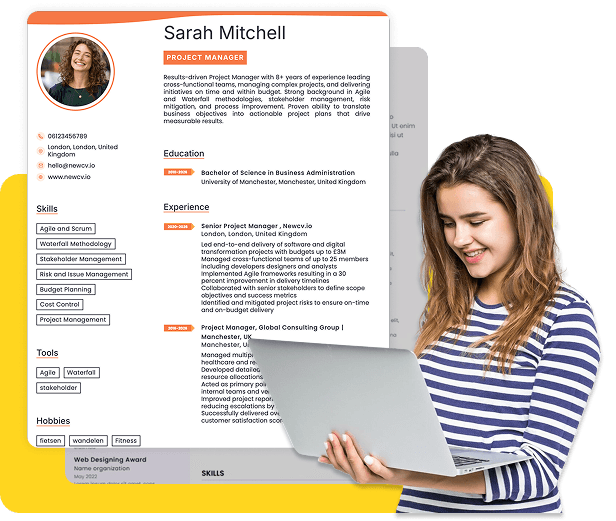
Use ATS-optimised Resume and resume templates that pass applicant tracking systems. Our Resume builder helps recruiters read, scan, and shortlist your Resume faster.

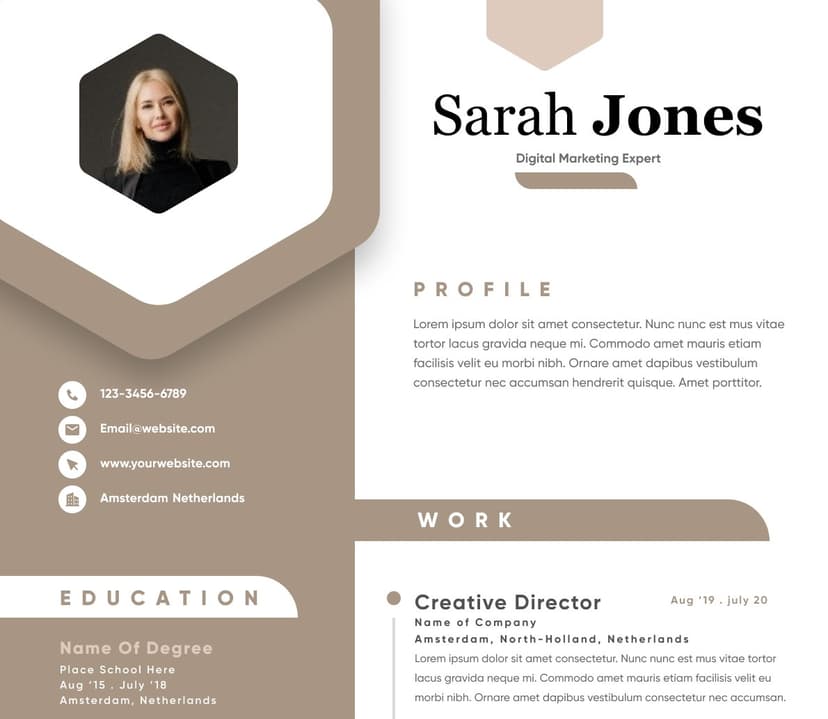
Use professional field-tested resume templates that follow the exact Resume rules employers look for.
Create Resume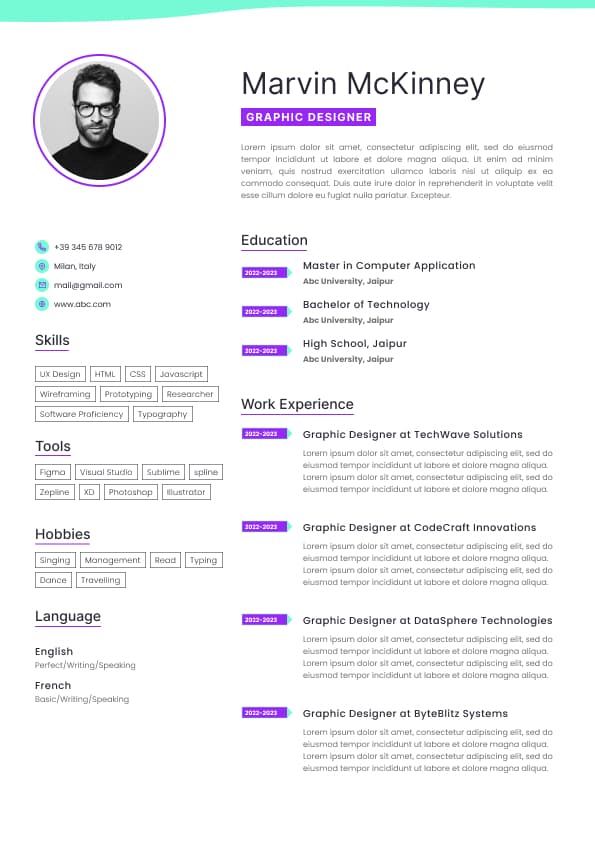
Use professional field-tested resume templates that follow the exact Resume rules employers look for.
Create ResumeReal production support experience
Clear architecture thinking
Reliable collaboration in Agile environments
If your resume and interview strategy only focus on coding, you are likely losing interviews to developers who appear more “remote-ready,” even if they are technically weaker.
Microservices architecture
CI/CD pipelines
Unit and integration testing
Git workflows
Most mid-level applicants already meet this baseline.
Technical competency alone rarely differentiates candidates anymore.
This is where many applicants fail.
Recruiters and engineering managers look for signals that you can work effectively without constant supervision.
They want evidence of:
Self-management
Async communication
Independent problem solving
Documentation discipline
Sprint ownership
Production accountability
Cross-functional collaboration
Clear written communication
A developer who creates fewer coordination problems often gets prioritized over a technically stronger developer who communicates poorly.
Remote engineering teams care heavily about operational stability.
Hiring managers look for developers who:
Ship consistently
Reduce bugs
Handle production incidents calmly
Write maintainable code
Participate in code reviews professionally
Understand delivery timelines
Can explain technical tradeoffs clearly
This is especially important in remote enterprise environments where teams are distributed across multiple regions.
Fast iteration
Strong ownership
Async communication
Product-focused thinking
These companies usually prioritize communication and speed over strict corporate process.
Large organizations hiring remote Microsoft-stack developers typically focus on:
Stability
Security
Scalable architecture
Compliance
Documentation
These roles often involve:
Legacy modernization
Enterprise APIs
Azure cloud migration
Internal platforms
Multi-team collaboration
Interview processes are usually longer and more process-heavy.
Remote consulting firms hire many .NET developers because clients increasingly want distributed engineering teams.
These jobs often require:
Client-facing communication
Strong documentation
Fast context switching
Time zone flexibility
Presentation skills
Candidates who can explain architecture decisions clearly often outperform purely technical candidates.
Remote contract .NET jobs can pay exceptionally well, especially for:
Azure migrations
Legacy .NET Framework modernization
API integrations
Performance optimization
Enterprise support
However, these roles heavily favor developers with:
Proven delivery history
Strong LinkedIn presence
Portfolio credibility
Immediate availability
Junior developers usually struggle more in contract markets because companies expect minimal onboarding.
Microservices
CI/CD pipelines
GitHub Actions or Azure DevOps
These skills significantly improve interview rates:
React or Angular
Kubernetes
Azure Functions
Event-driven architecture
Distributed systems
Identity and authentication systems
Performance tuning
Messaging systems like RabbitMQ or Kafka
This is the biggest ranking factor many developers underestimate.
Companies actively search resumes for:
Jira
Azure Boards
Agile sprint participation
Async collaboration
Pull request reviews
Technical documentation
Cross-functional communication
Production support responsibility
A technically strong resume that lacks remote collaboration signals often performs worse than expected.
For fully distributed companies:
RemoteOK
We Work Remotely
Arc.dev
Turing
These platforms tend to include more international remote opportunities and contractor roles.
Experienced developers often perform better through:
Microsoft partner networks
Azure consulting firms
Direct company career pages
Engineering communities
Referral networks
Many high-paying remote engineering jobs never become publicly competitive because companies fill them through referrals first.
Your resume should naturally include:
Remote collaboration
Distributed teams
Async communication
Agile workflows
Azure DevOps
Jira
Cross-functional collaboration
Documentation
Production support
CI/CD
This improves both ATS matching and recruiter confidence.
Weak resumes describe responsibilities.
Strong resumes show outcomes.
Weak Example
“Worked on ASP.NET Core APIs for enterprise applications.”
Good Example
“Built and maintained ASP.NET Core APIs supporting 1.2M+ monthly transactions while reducing average API response time by 37%.”
Remote employers especially value measurable reliability and scalability improvements.
Hiring managers want developers who take initiative remotely.
Strong bullet points often include:
Led
Improved
Reduced
Automated
Optimized
Resolved
Designed
Migrated
Passive wording makes candidates appear dependent on management direction.
Why choose microservices vs monoliths?
How would you scale this API?
How would you secure authentication?
How would you improve performance?
How would you monitor failures remotely?
Memorized coding answers rarely succeed in modern remote interviews.
Remote employers strongly prefer engineers who understand operational impact.
They want developers who think about:
Monitoring
Logging
Error handling
Deployment safety
Rollback plans
Incident response
Scalability
Developers who only focus on “writing code” often appear junior even when experienced.
Commit discipline
Maintainability
Not just correctness.
Strong candidates explain:
Why they chose a solution
What alternatives exist
Performance implications
Scalability concerns
Security considerations
Hiring managers care more about engineering judgment than perfect syntax recall.
The best interview answers usually come from real experience.
Prepare examples involving:
API scaling
Azure deployment
Production incidents
Database optimization
Authentication systems
CI/CD improvements
Team collaboration challenges
Concrete stories create far more credibility than theoretical answers.
Active learning evidence
Common mistakes include:
Applying blindly to hundreds of roles
Listing every technology ever touched
Weak project explanations
No deployment experience
No collaboration examples
Generic resumes
Junior candidates who present themselves like reliable contributors perform far better than those who focus only on learning technologies.
Independent work capability
Reliable internet and availability
Strong async communication
For international candidates, communication clarity often matters as much as technical ability.
International developers often find the strongest opportunities in:
SaaS startups
Consulting firms
Contract roles
Product engineering companies
Remote-first startups
Enterprise companies sometimes have stricter compliance and geographic hiring limitations.
User impact
Scalability
Delivery timelines
Business priorities
Team coordination
This signals engineering maturity.
Strong remote developers:
Write clearly
Explain decisions logically
Ask thoughtful questions
Handle ambiguity calmly
Avoid overcomplicating answers
Communication quality strongly influences remote hiring decisions because distributed teams depend on it daily.
Include strong GitHub or project examples when relevant
Small positioning improvements often outperform learning another framework.


 Upload Resume
 Import from Linkedin