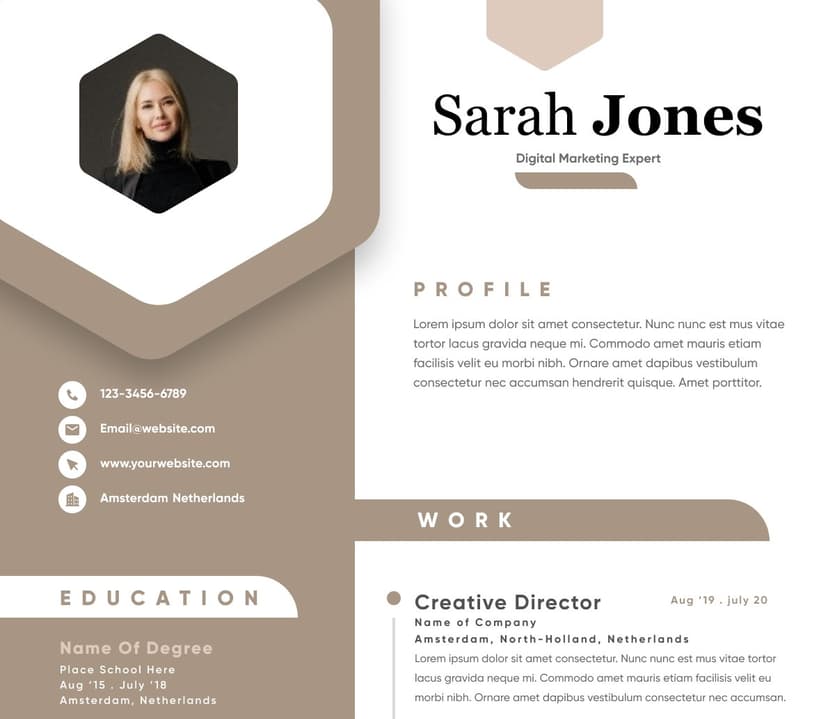
Choose from a wide range of NEWCV resume templates and customize your NEWCV design with a single click.

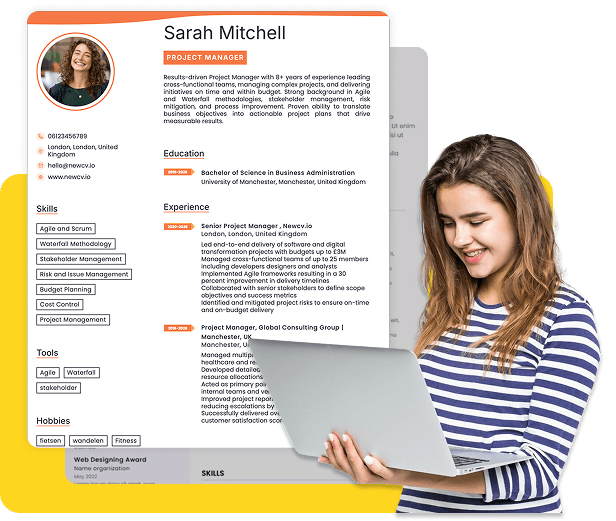
Use ATS-optimised Resume and resume templates that pass applicant tracking systems. Our Resume builder helps recruiters read, scan, and shortlist your Resume faster.

Use professional field-tested resume templates that follow the exact Resume rules employers look for.
Create Resume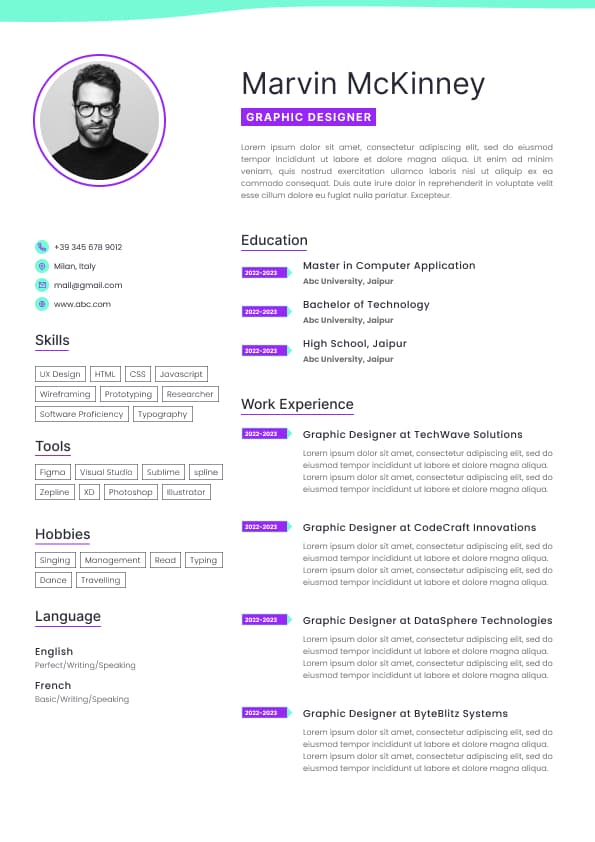
Use professional field-tested resume templates that follow the exact Resume rules employers look for.
Create ResumeMost web developer resumes do not fail because candidates lack technical skills. They fail because the resume structure makes it difficult for recruiters and Applicant Tracking Systems to quickly identify relevance.
Hiring teams reviewing web developer resumes typically spend less than 10 seconds on the first scan. ATS software parses headings, keywords, experience structure, technologies, and formatting before a recruiter even opens the file.
The highest-performing web developer resume templates share several traits:
•Clean single-column layouts
• ATS-readable formatting
• Strong technical keyword placement
• Clear project and experience sections
• Measurable impact statements
• Easy-to-scan technical skill categories
• Direct links to GitHub, portfolio, or live projects
The best format depends on your experience level, technical depth, and career path. A junior frontend developer should not use the same resume structure as a senior full stack engineer or freelance web developer.
This guide breaks down the best ATS-friendly web developer resume templates, the formats recruiters actually prefer, and the mistakes that silently destroy interview rates.
Different resume formats serve different hiring scenarios. Choosing the wrong structure can hurt both ATS parsing and recruiter confidence.
This is the strongest format for most web developers.
Recruiters prefer reverse chronological resumes because they immediately show:
•Current technical relevance
• Career progression
• Recent frameworks and technologies
• Stability and project ownership
• Real-world production experience
This format works best for:
•Mid-level developers
• Senior developers
• Full stack engineers
• Frontend developers with professional experience
• Backend developers
• CMS developers
• E-commerce developers
• Candidates with steady employment history
A strong reverse chronological layout typically includes:
•Contact information
• Professional summary
• Technical skills
• Work experience
• Projects
Resume length should match career depth, not arbitrary rules.
Best for:
•Entry-level developers
• Internships
• Junior frontend developers
• Bootcamp graduates
• Candidates with under 3 years of experience
A one-page resume forces prioritization. Recruiters prefer concise resumes when experience is limited.
Best for:
•Senior developers
• Full stack engineers
• Technical leads
• CMS specialists
• E-commerce developers
• Developers with extensive project portfolios
• Candidates with multiple frameworks or platforms
Two pages are acceptable when the content adds clear hiring value.
What recruiters dislike is unnecessary filler, not length itself.
Functional resumes focus more on skills and projects than work history.
This format works best for:
•Bootcamp graduates
• Career changers
• Self-taught developers
• Freelancers with inconsistent work history
• Junior developers without professional experience
However, recruiters are often skeptical of heavily skills-based resumes because they can hide weak experience.
If you use a functional format:
•Keep it ATS-friendly
• Include real projects with technologies used
• Add measurable outcomes
• Show deployment links when possible
• Include GitHub activity or live websites
Combination resumes blend technical skills, projects, and professional experience.
This format works especially well for:
•Full stack developers
• Freelancers
• Agency developers
• Developers with extensive side projects
• Portfolio-heavy candidates
• Multi-stack engineers
Combination resumes perform well when candidates have strong technical depth but unconventional experience histories.
ATS systems parse resumes linearly. Complex formatting breaks extraction.
The safest layout is:
•Single-column structure
• Standard section headings
• Simple bullet points
• No graphics or icons
• No text boxes
• No skill bars
• No tables
• Minimal styling
Use professional, ATS-safe fonts such as:
•Arial
• Calibri
• Aptos
• Helvetica
Avoid overly stylized fonts that reduce readability.
This depends on the employer.
Best when:
•Formatting consistency matters
• The application system accepts PDFs
• You want exact visual control
Best when:
•Employers explicitly request DOCX
• Older ATS systems are involved
• Staffing firms request editable files
Modern ATS platforms generally parse both well, but Word files still reduce parsing risk slightly.
Recruiters expect specific sections in a predictable order.
Missing or poorly structured sections reduce interview conversion.
Your summary should immediately position you for the role.
Weak summaries are generic and skill-heavy.
Weak Example
“Hardworking web developer skilled in coding and problem solving.”
This says nothing meaningful.
Good Example
“Frontend web developer with 4+ years of experience building responsive React and Next.js applications for SaaS and e-commerce platforms. Improved page speed scores by 38% and reduced frontend bug resolution time by 25% through reusable component architecture and performance optimization.”
Strong summaries include:
•Years of experience
• Core specialization
• Key technologies
• Business impact
• Industry relevance
Recruiters scan this section extremely fast.
Technical skills should appear near the top of the resume.
Group skills by category instead of listing random technologies.
•Languages: JavaScript, TypeScript, HTML5, CSS3, PHP
• Frontend: React, Next.js, Vue.js, Tailwind CSS, Bootstrap
• Backend: Node.js, Express.js, Laravel
• Databases: MySQL, PostgreSQL, MongoDB
• CMS: WordPress, Shopify, Webflow
• Tools: Git, GitHub, Docker, Figma, Jira
• Testing: Jest, Cypress
• SEO & Performance: Core Web Vitals, Technical SEO, Lighthouse Optimization
This improves recruiter scanning and ATS keyword matching.
This is where most hiring decisions are made.
Recruiters look for:
•Production-level work
• Technology usage
• Scope of responsibility
• Business outcomes
• Complexity
• Team collaboration
• Performance improvements
Weak bullet points only describe responsibilities.
Strong bullet points show impact.
Weak Example
“Worked on frontend development for company websites.”
Good Example
“Developed and optimized responsive React-based e-commerce interfaces serving 150K+ monthly users, improving mobile conversion rates by 18% and reducing load times by 32%.”
Strong web developer bullet points typically include:
•Technology stack
• Website or platform type
• Action taken
• Performance or business impact
• Scale or user base
Projects matter heavily in web development hiring.
Especially for:
•Junior developers
• Bootcamp graduates
• Freelancers
• Self-taught developers
• Career changers
A strong project section can compensate for limited formal experience.
Recruiters care less about “cool ideas” and more about execution quality.
Strong project entries include:
•Technologies used
• Real functionality
• Deployment status
• Performance optimization
• Authentication systems
• APIs
• Database integration
• Mobile responsiveness
• SEO implementation
• Business logic complexity
•Project title
• Tech stack
• Key functionality
• Measurable results if applicable
• GitHub link
• Live demo link
Good Example
E-Commerce Storefront | React, Next.js, Stripe, MongoDB
Built a fully responsive e-commerce platform with Stripe payment integration, server-side rendering, and optimized Core Web Vitals performance scoring above 90. Reduced cart abandonment through streamlined checkout UX and implemented dynamic inventory management APIs.
For web developers, resumes alone are rarely enough.
Hiring managers often verify:
•Code quality
• Deployment ability
• UI consistency
• Project complexity
• Commit history
• Documentation quality
• Real-world implementation skills
Always include when relevant:
•Portfolio website
• GitHub profile
• LinkedIn profile
• Live projects
• Technical blog
• Case studies
Missing links can reduce recruiter confidence, especially for frontend and full stack roles.
Best structure:
•Summary
• Technical skills
• Projects
• Education
• Certifications
• Internship or freelance experience
At entry level, projects often matter more than formal work experience.
Common problems include:
•Too much coursework
• No deployed projects
• Generic summaries
• Weak GitHub activity
• No measurable outcomes
• Excessive design formatting
• Keyword stuffing
Frontend resumes should emphasize:
•UI implementation
• Responsive design
• Accessibility
• Performance optimization
• JavaScript frameworks
• Cross-browser compatibility
• Design collaboration
Recruiters often prioritize:
•React
• Next.js
• TypeScript
• Tailwind CSS
• Component architecture
• Performance metrics
Full stack resumes should clearly separate frontend and backend capabilities.
Recruiters look for:
•API development
• Authentication systems
• Database management
• Cloud deployment
• Frontend frameworks
• Scalability understanding
• Production architecture
Avoid presenting yourself as “full stack” without evidence across both areas.
Freelancers should structure experience strategically.
Instead of listing dozens of small clients separately, group work where possible.
Freelance Web Developer | Self-Employed
Then organize projects underneath.
This improves:
•Resume readability
• ATS parsing
• Professional credibility
Recruiters often distrust fragmented freelance resumes unless the work appears organized and outcome-driven.
This is one of the biggest problems in tech resumes.
Design-heavy templates frequently break ATS parsing.
Avoid:
•Columns
• Infographics
• Progress bars
• Icons
• Charts
• Graphics
• Text overlays
Minimalist layouts outperform visually flashy resumes in ATS environments.
Some candidates overload resumes with random technologies.
Recruiters can spot this immediately.
Bad keyword stuffing creates:
•Low credibility
• Inconsistent positioning
• Suspicious experience claims
Instead:
•Use technologies naturally
• Match the job description honestly
• Align skills with actual projects and experience
Simply listing technologies is not enough.
Recruiters want to see how technologies were used.
Weak Example
“React, Node.js, MongoDB”
Good Example
“Built RESTful Node.js APIs integrated with MongoDB databases to support React-based e-commerce applications handling 20K+ monthly transactions.”
Context creates credibility.
Metrics dramatically improve web developer resumes.
Strong metrics include:
•Performance gains
• Speed improvements
• Revenue impact
• User growth
• SEO improvements
• Conversion increases
• Deployment scale
• Bug reduction
Metrics transform technical work into business value.
Strong ATS optimization requires semantic relevance, not repetition.
Depending on specialization, relevant keywords may include:
•Frontend development
• Responsive web design
• React.js
• Next.js
• JavaScript
• TypeScript
• Node.js
• REST APIs
• Technical SEO
• Web accessibility
• CMS development
• Shopify development
• WordPress development
• E-commerce development
• Performance optimization
• Core Web Vitals
• Git version control
• Agile development
• Cross-browser compatibility
• Mobile-first development
Use keywords naturally inside:
•Summary
• Experience
• Projects
• Skills
Candidates often obsess over templates when strategy matters more.
The best free web developer resume template is one that:
•Parses correctly in ATS systems
• Prioritizes readability
• Supports technical scanning
• Highlights measurable impact
• Makes technologies easy to identify
Recruiters rarely reject candidates because the template looked “too simple.”
They reject resumes because:
•Experience lacks clarity
• Skills feel inflated
• Projects look weak
• Achievements lack impact
• Formatting hurts readability
A clean, professional, ATS-friendly layout consistently outperforms visually complex resumes.
Most candidates misunderstand recruiter behavior.
Recruiters are not conducting deep technical evaluations during first review.
The initial screen focuses on:
•Role alignment
• Technical relevance
• Experience depth
• Stack compatibility
• Project complexity
• Business impact
• Career consistency
The resume’s job is not to prove you are an elite engineer.
Its job is to earn the interview.
That means your resume must quickly answer:
•Does this candidate match the stack?
• Can they contribute quickly?
• Have they built similar products?
• Is their experience believable?
• Are they technically current?
The best web developer resumes reduce uncertainty immediately.
Use a single-column layout, standard headings, simple fonts, and clear keyword placement. Avoid graphics, tables, icons, skill bars, and complex formatting that can break ATS parsing.
PDF works well for modern ATS systems and preserves formatting consistency. Word files are safer when employers specifically request DOCX or use older ATS platforms.
A functional or combination format works best for junior developers with limited experience but strong projects. Focus heavily on technical projects, GitHub links, and deployed applications.
Portfolio links are extremely important for frontend, full stack, and freelance developers. Recruiters and hiring managers often verify coding ability, UI quality, and deployment experience through portfolios and GitHub profiles.
Include only skills you can confidently discuss in interviews. Group them logically by category such as Languages, Frontend, Backend, Databases, CMS, Tools, Testing, and SEO.
The most common reasons include poor ATS formatting, vague experience descriptions, missing project depth, inflated skills, lack of measurable impact, weak summaries, and no evidence of real-world development work.


 Upload Resume
 Import from Linkedin