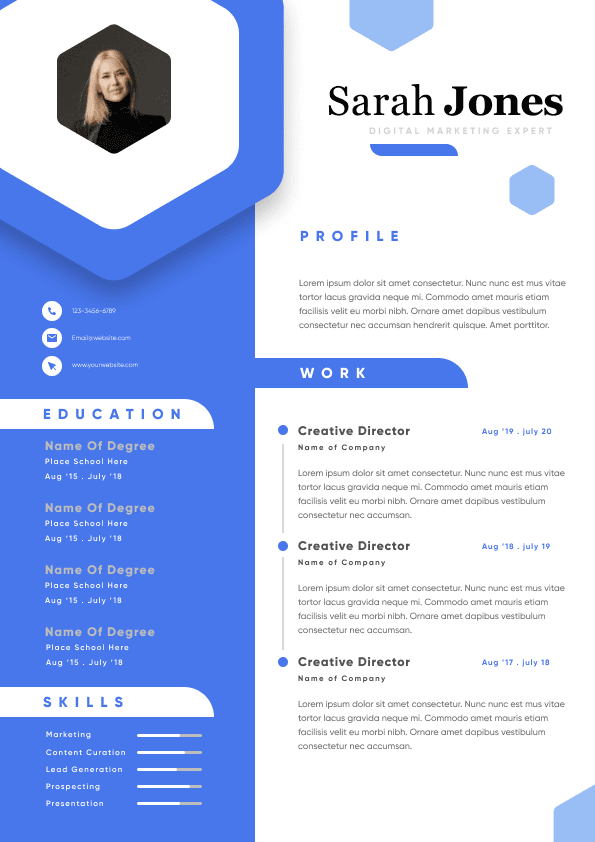
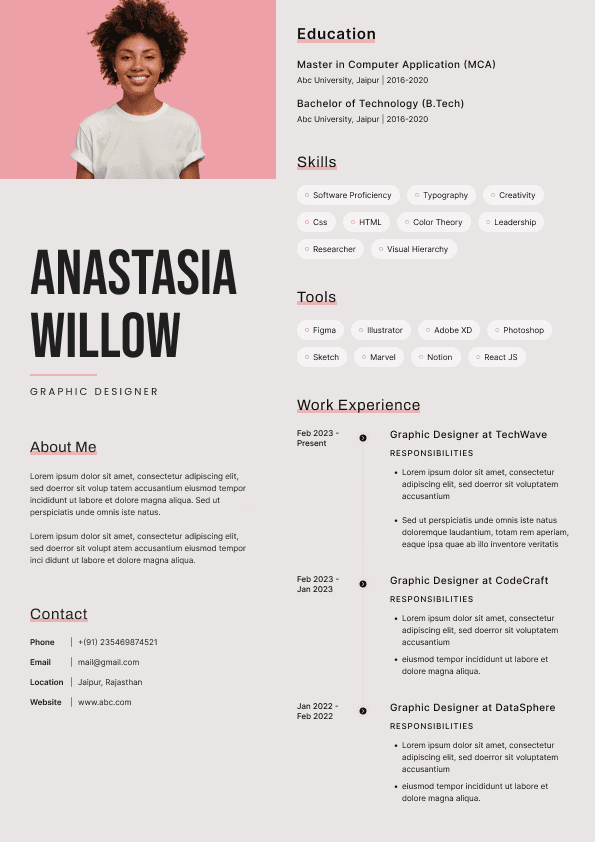
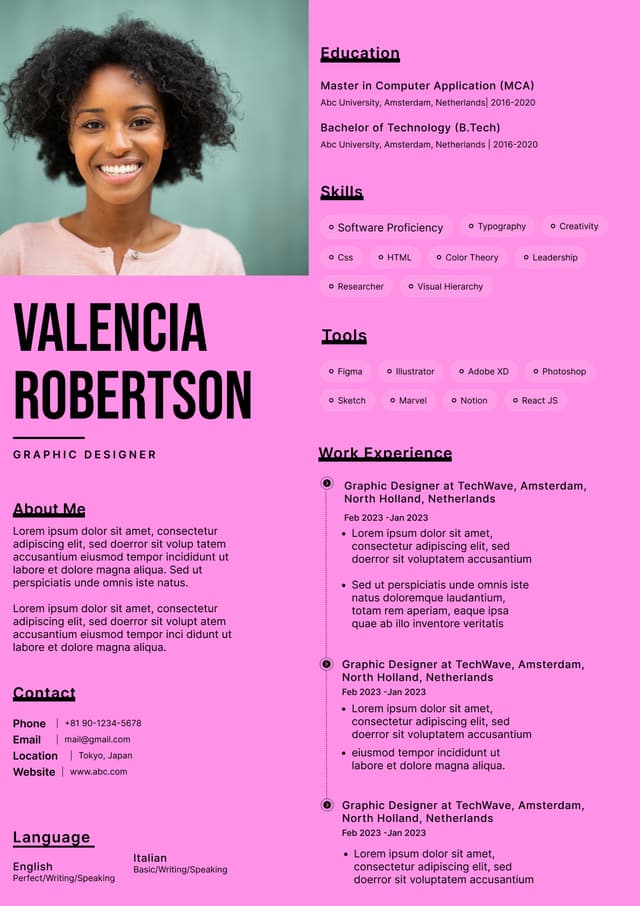
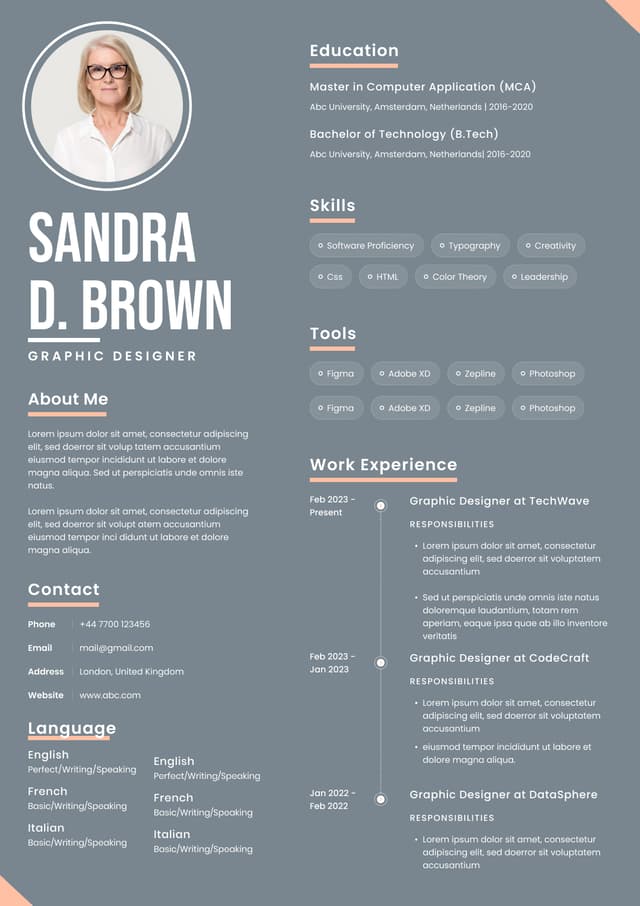
STILL APPLYING. STILL HEARING NOTHING?BUILD YOUR RESUME

STILL APPLYING. STILL HEARING NOTHING?BUILD YOUR RESUME
FAQ
A good CV file name is simple, professional, searchable, and clearly linked to you and the role. The best format is usually First Name Last Name CV Job Title or First Name Last Name CV Company Name, saved as a PDF unless the employer asks for something else. For example, Aoife Byrne CV Marketing Executive.pdf is much stronger than My CV Final Version 3.pdf.
In the Irish job market, your CV file name will not get you hired on its own. Let’s be honest about that. But a poor file name can make your application look careless before anyone has even opened the document. Recruiters, hiring managers, and applicant tracking systems deal with hundreds of files. Your file name should make their job easier, not give them another tiny reason to question your attention to detail.
The strongest CV file name format is:
First Name Last Name CV Job Title.pdf
For example:
Sarah Murphy CV Accounts Assistant.pdf
Conor Walsh CV Software Engineer.pdf
Niamh O'Brien CV HR Generalist.pdf
Daniel Kelly CV Project Manager.pdf
Aisling Ryan CV Customer Success Manager.pdf
This format works because it answers the three things a recruiter needs immediately:
Who the candidate is
Here are practical CV file name examples that work well for job applications in Ireland.
Use these when applying for most roles:
Emma Doyle CV.pdf
Liam O'Sullivan CV.pdf
Sophie Gallagher CV.pdf
Patrick Nolan CV.pdf
Meabh Kennedy CV.pdf
This is acceptable when the application is straightforward and the role is clear from the job portal or email subject line.
However, I usually prefer adding the job title because it gives more context.
This is the best option for most applications:
For most Irish job applications, I recommend this format:
First Name Last Name CV Job Title.pdf
For example:
Claire Walsh CV Office Administrator.pdf
This is professional, ATS friendly, easy to search, and easy for recruiters to forward to hiring managers.
It also avoids two common problems:
It is not too vague
It is not overcomplicated
Some candidates overthink this. They try to include location, seniority, date, version number, employer name, reference code, and sometimes half the job description. That is unnecessary.
Your file name is not your cover letter. It does not need to sell your entire career story. It just needs to label the document properly.
In Ireland, where applications often move between recruitment agencies, internal HR teams, hiring managers, and sometimes external interview panels, clarity matters. The more people who handle your CV, the more useful a clean file name becomes.
A CV file name will not compensate for weak experience, poor formatting, or an unfocused CV. But it does influence the first tiny impression.
And recruitment is full of tiny impressions.
Before opening your CV, a recruiter may already notice:
Whether the file looks professional
Whether the candidate followed instructions
Whether the application seems tailored
Whether the document is easy to identify
Whether the candidate seems organised
This matters because hiring is not just about whether you can do the job. It is also about whether you look like a low risk person to progress.
That may sound blunt, but it is true. Employers are constantly trying to reduce uncertainty. A messy CV file name does not prove you are careless, but it adds a small question mark.
For some roles, that question mark barely matters. For others, it matters more.
When you upload your CV through a job board or employer website, the file name may appear in the ATS or application system. When you email your CV, the file name appears as an attachment. When a recruiter downloads it, the file name is what sits in their folder.
That means your CV file name may be seen by:
Recruitment agency consultants
Internal recruiters
HR coordinators
Hiring managers
Interview panel members
Talent acquisition teams
Administrators managing candidate files
Here is what happens behind the scenes more often than candidates realise. A recruiter may shortlist five CVs and send them to a hiring manager. If all the files are named clearly, reviewing them is easy. If one is called , the recruiter may rename it manually, but they should not have to.
Some CV file names are common, but they create the wrong impression.
CV.pdf
This is too vague. Once downloaded, it tells the recruiter nothing about who the CV belongs to.
Laura McCarthy CV Legal Secretary.pdf
This is clear, searchable, and role specific.
My CV.docx
This feels casual and unfinished. It may be fine on your own laptop, but it is not ideal for a professional job application.
Sean Byrne CV Sales Executive.pdf
This gives the recruiter the candidate name and target role immediately.
Final CV Updated New Version.pdf
This tells me the candidate has multiple versions, but it does not tell me who they are or what role they are applying for.
Yes, in most cases, you should include the job title in your CV file name.
The job title gives context and helps your CV stand out in folders, email attachments, ATS records, and recruiter shortlists. This is especially useful if you are applying for multiple types of roles.
For example, imagine a candidate is open to both customer success and account management roles. These are related, but not identical. A tailored CV file name helps keep the application aligned.
Better file names would be:
Rachel Byrne CV Customer Success Manager.pdf
Rachel Byrne CV Account Manager.pdf
This also signals that you have thought about the role. Not in a dramatic way. Nobody is throwing confetti because you named the file properly. But it shows basic application discipline.
There is one exception. If the employer gives specific upload instructions, follow those instructions instead. Some public sector, academic, graduate, or regulated hiring processes may request a particular naming format or reference number.
In those cases, do not be creative. Follow the instruction exactly.
Recruiters remember candidates who ignore simple instructions. Not fondly.
Usually, no.
You do not normally need to include your location in your CV file name unless it is genuinely relevant to the application or requested by the employer.
For example, these are usually unnecessary:
Emma Doyle CV Dublin.pdf
John Murphy CV Cork.pdf
Sarah Walsh CV Galway.pdf
Your location should already be inside your CV, usually near your contact details. Adding it to the file name can make sense if you are applying for location specific contract work, field based roles, relocation roles, or international applications where location is a major screening factor.
Useful examples might be:
David Kelly CV Electrician Dublin.pdf
Amina Khan CV Nurse Cork.pdf
You can add a date, but most candidates do not need to.
A date can be useful if you are keeping versions organised for yourself, but it is not always necessary for the employer. If you do include a date, keep it clean.
Good examples:
Sarah Murphy CV Marketing Manager 2026.pdf
Conor Walsh CV Data Analyst June 2026.pdf
Weak examples:
Sarah CV updated 16 June latest.pdf
Conor CV new version today.pdf
The problem with dates is that they can accidentally make your CV look old. If a recruiter sees CV 2022.pdf, they may wonder whether the document is outdated, even if the content is current.
That is why I usually prefer leaving the date out of the file name you send to employers. Use dates in your private folders if you want, but send a clean candidate facing version.
There is a difference between a file name that helps you organise your laptop and a file name that helps a recruiter review your application.
For most job applications in Ireland, send your CV as a PDF unless the job advert specifically asks for a Word document.
A PDF usually preserves your formatting, looks cleaner, and prevents layout issues when opened on different systems. That matters more than candidates realise. A CV that looks perfect on your laptop can look oddly spaced or broken when opened elsewhere.
A professional file name should therefore usually end in:
For example:
Grace Nolan CV Finance Assistant.pdf
Michael O'Donnell CV Civil Engineer.pdf
Leah Connolly CV Recruitment Consultant.pdf
However, some recruiters or agencies may ask for Word format because they need to format CVs for client submission, remove contact details for blind submission, or add agency branding. Some ATS platforms also parse Word documents well.
If the advert says send your CV in Word format, do that.
If it says PDF only, do that.
If it says nothing, PDF is usually the safest and most polished option.
The real recruiter advice is simple:
An ATS friendly CV file name is simple, readable, and free from unnecessary symbols.
Use plain words, your name, CV, and the job title.
Good ATS friendly examples:
Aoife Byrne CV Data Analyst.pdf
James Kelly CV Operations Manager.pdf
Megan Walsh CV Executive Assistant.pdf
Ronan O'Neill CV Software Developer.pdf
Avoid:
Special symbols
Emojis
Excessive punctuation
Different applications need slightly different file naming choices. Here is how I would handle the most common situations.
Use:
First Name Last Name CV Job Title.pdf
Examples:
Hannah Clarke CV Office Manager.pdf
Eoin Fitzgerald CV Business Development Manager.pdf
Laura Brennan CV Payroll Specialist.pdf
This is clean and professional for direct applications through company websites, Irish job boards, and employer portals.
Use:
First Name Last Name CV Job Title.pdf
Examples:
Most CV file name mistakes are not dramatic. They are small signs of weak application discipline.
CV.pdf is the classic problem.
It may not ruin your application, but it makes your CV harder to identify. If ten candidates send files called CV.pdf, the recruiter has to rename or rely on the system to organise them.
That is avoidable.
Never send a CV with a file name like:
Final CV.pdf
Latest CV.pdf
Updated CV.pdf
Final final CV.pdf
Those labels are for your own drafting process, not for employers.
To a recruiter, it looks unpolished. It also subtly suggests that there may be other versions floating around, which does not help.
A strong CV file name quietly signals that you are organised, professional, and aware of how applications are handled.
It says:
I understand this document will be reviewed by other people
I have labelled it clearly
I have tailored this application enough to name it properly
I have checked the basics
I am not making the recruiter work harder than necessary
This is especially important in competitive Irish sectors such as finance, technology, pharmaceuticals, engineering, construction, healthcare, professional services, administration, and sales.
When employers have several suitable candidates, the basics matter. Not because they are the whole decision, but because they support the overall impression.
I often tell candidates this: your application should reduce doubt.
A poor file name creates a tiny doubt. A good file name removes one.
Here is the rule I would use if you want a simple answer:
Name your CV so a recruiter can identify you, understand the document, and connect it to the role without opening it.
That usually means:
First Name Last Name CV Job Title.pdf
This works because it is:
Professional
Clear
Searchable
Relevant
Easy to forward
Easy to save
Before sending your CV, check that your file name includes:
Your first name
Your surname
The word CV
The target job title where useful
A professional file type, usually PDF
No version labels
No spelling mistakes
No wrong company name
Written by Simar Malhi, a recruiter and headhunter with international recruitment experience. I write about CVs, job applications, hiring decisions, and the reality behind recruitment processes. My goal is to help candidates understand more honestly how employers, recruiters, and hiring managers actually select candidates.