STILL APPLYING. STILL HEARING NOTHING?BUILD YOUR RESUME

STILL APPLYING. STILL HEARING NOTHING?BUILD YOUR RESUME
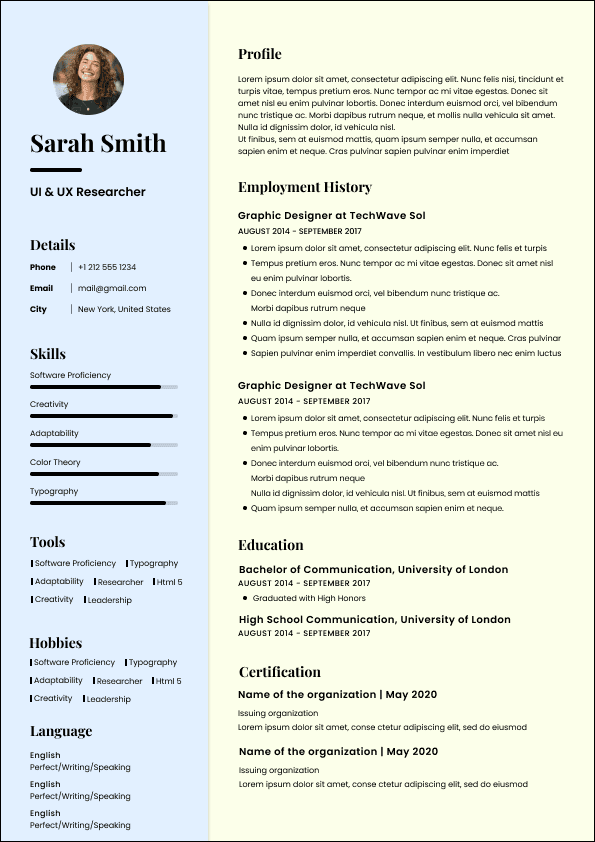
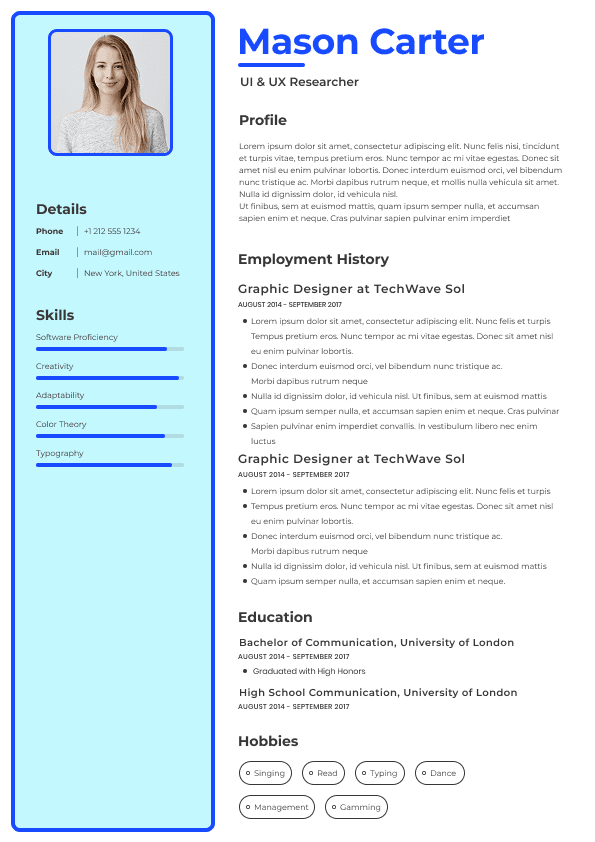
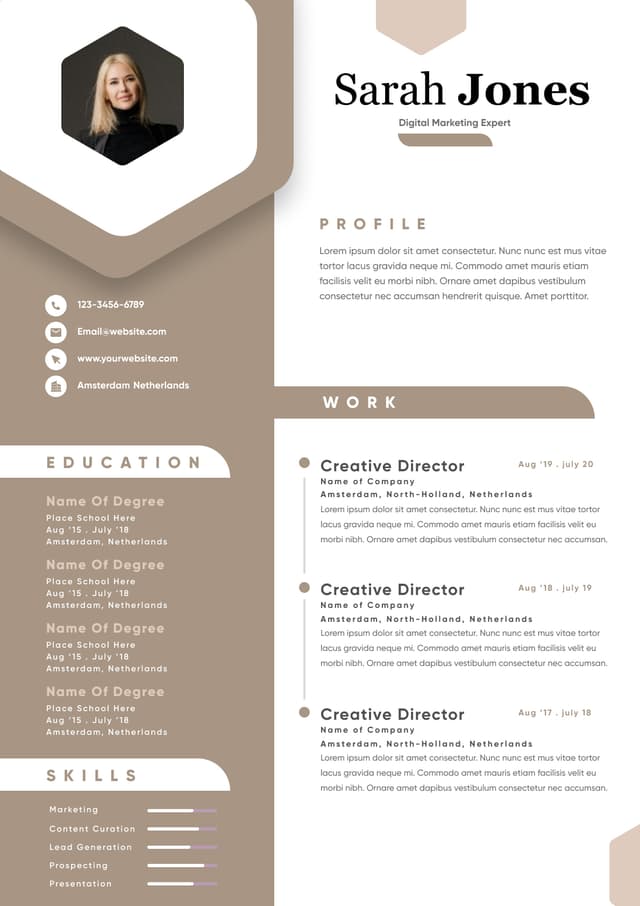
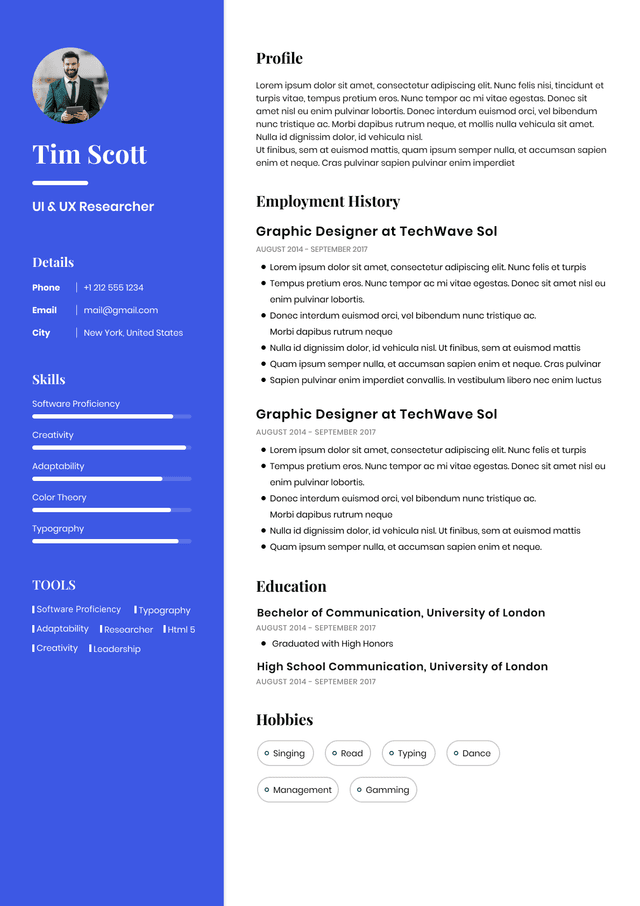
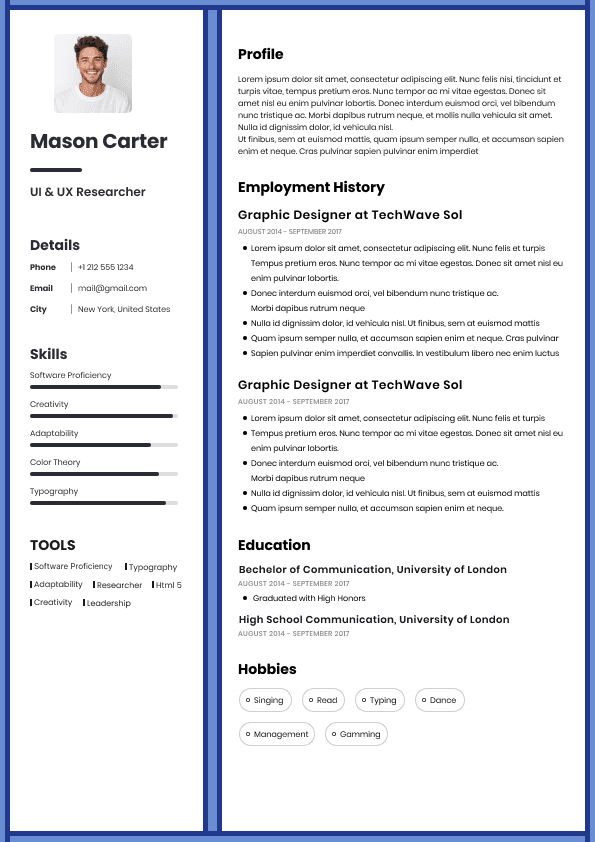
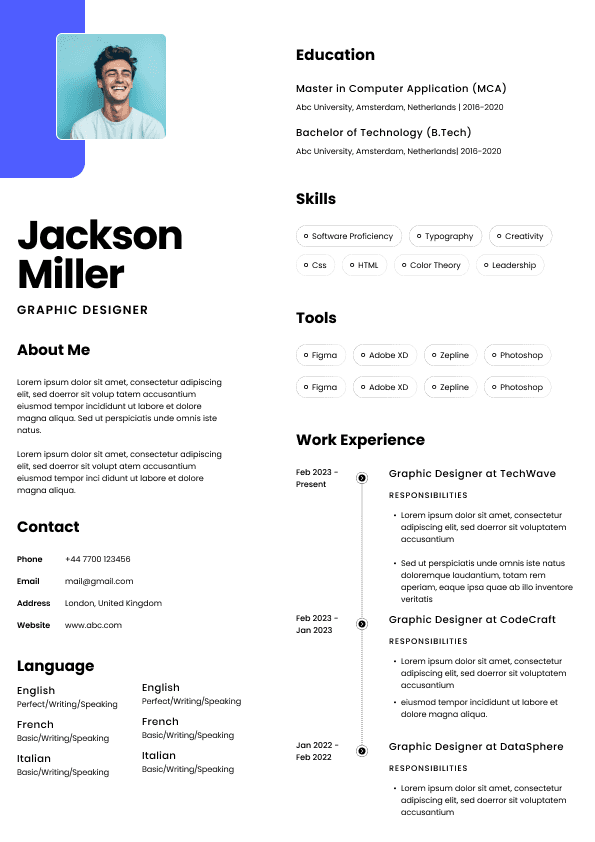
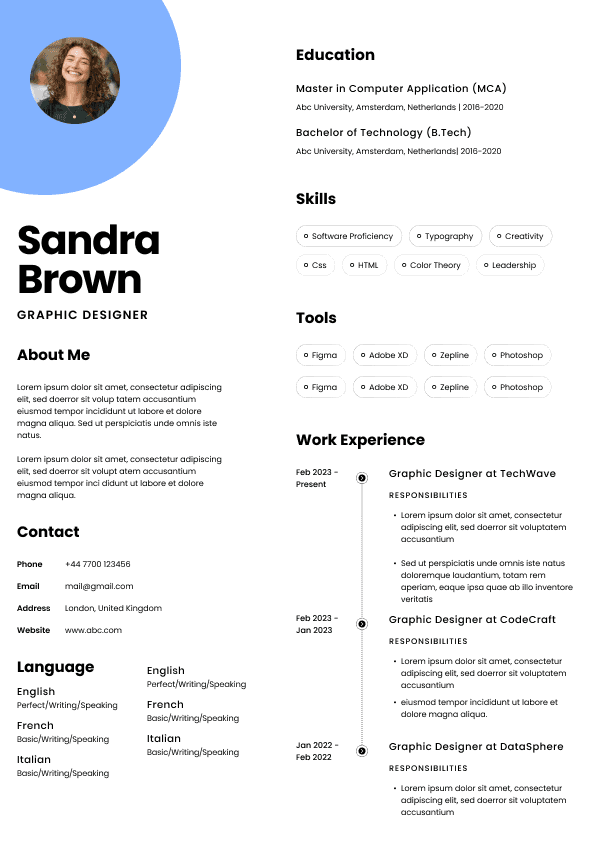
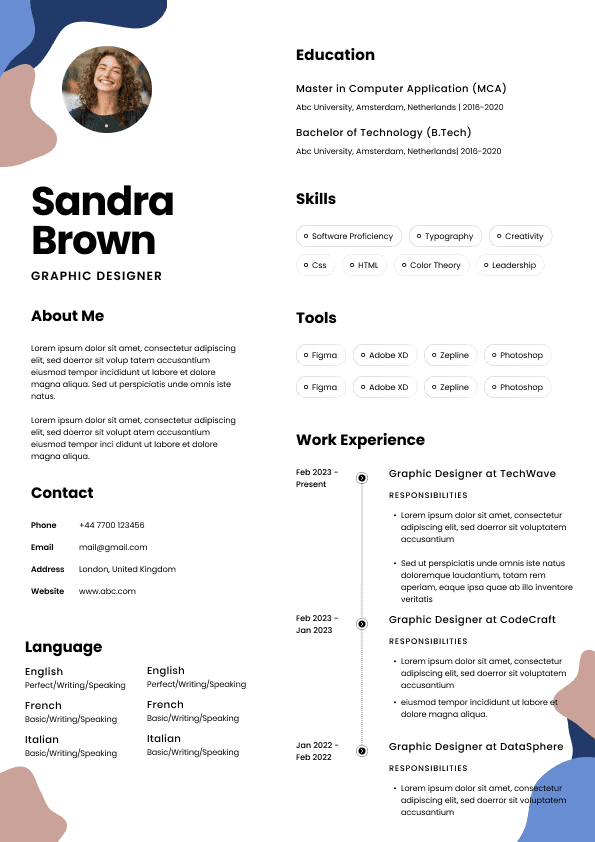
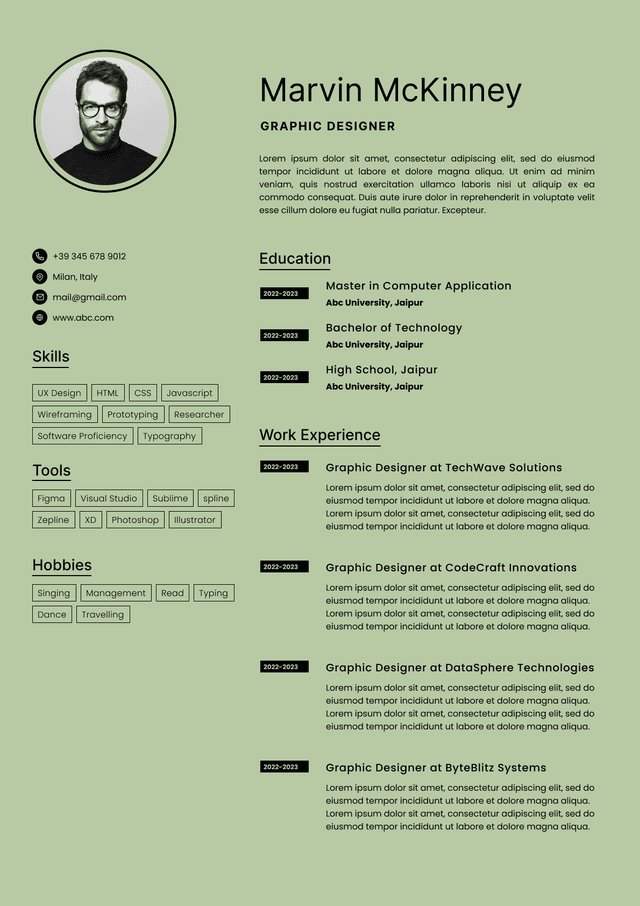
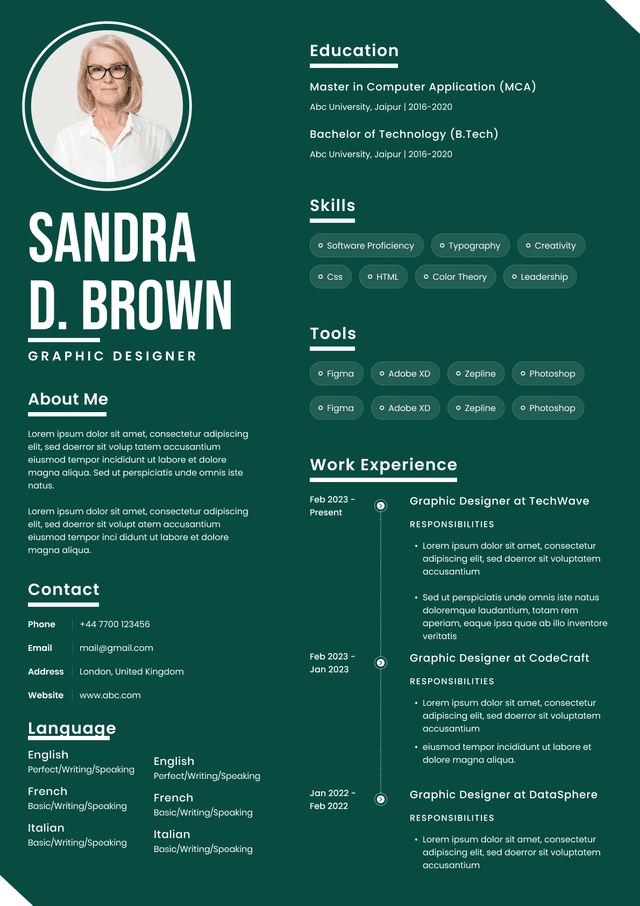
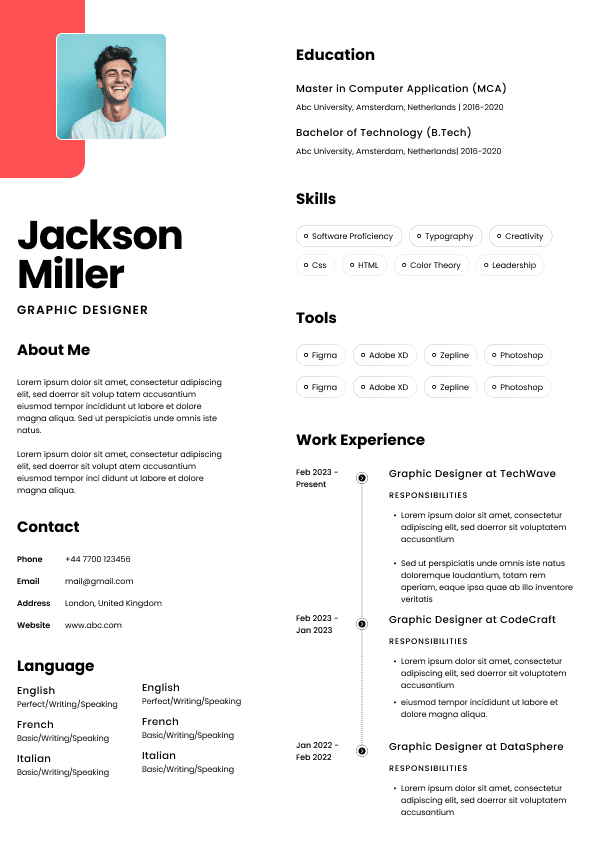
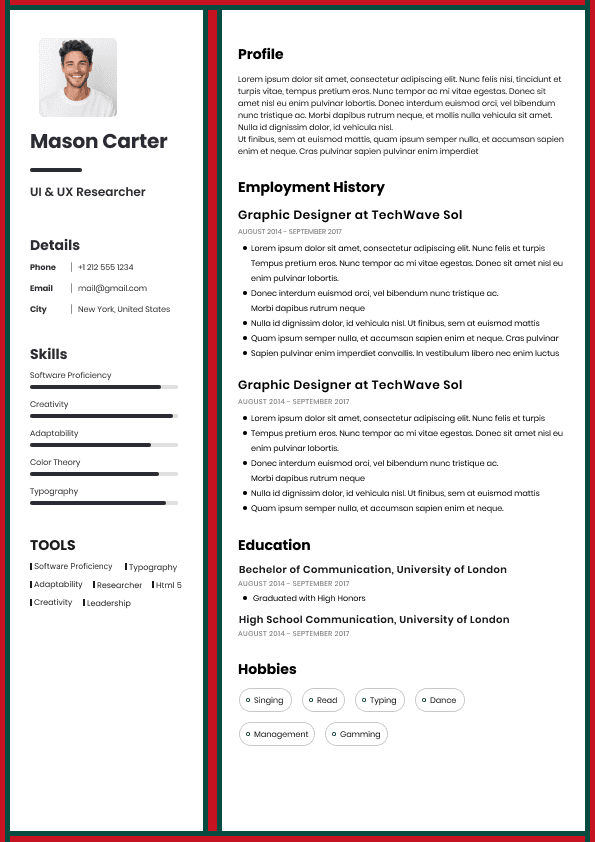
Choose from a wide range of NEWCV resume templates and customize your NEWCV design with a single click.
FAQ
An ASP.NET developer is expected to build, maintain, and optimize modern web applications using Microsoft technologies, primarily C#, .NET, ASP.NET Core, SQL Server, and related cloud or frontend tools. Most employers look for candidates who can write clean, scalable backend code, work within existing enterprise systems, collaborate in Agile teams, and deploy secure production-ready applications.
For entry-level roles, companies typically prioritize foundational programming ability, projects, GitHub work, internships, and problem-solving skills over years of experience. Mid-level and senior ASP.NET developers are evaluated more heavily on architecture decisions, API development, scalability, cloud infrastructure, debugging ability, and ownership of production systems.
The biggest hiring mistake candidates make is assuming ASP.NET hiring is only about coding. In reality, recruiters and engineering managers assess whether you can contribute to a real software development lifecycle, work within large codebases, and build maintainable enterprise applications under business constraints.
Most ASP.NET developer job descriptions look similar on the surface, but hiring managers are actually screening for four core capabilities:
Technical execution
Production readiness
Team collaboration
Long-term maintainability mindset
Strong candidates demonstrate more than syntax knowledge. Employers want developers who understand how applications behave in production environments, how systems scale, and how to work safely inside enterprise architecture.
The majority of ASP.NET developer positions require proficiency in:
C#
.NET Framework or .NET Core/.NET 8
A bachelor’s degree in Computer Science, Software Engineering, Information Systems, or Computer Engineering is commonly preferred, but it is no longer an absolute requirement for many employers.
In practice, hiring managers typically evaluate candidates using this hierarchy:
Proven production experience
Strong portfolio or GitHub projects
Technical interview performance
Internship experience
Degree and certifications
Candidates without a degree can still compete effectively if they demonstrate real development ability through:
Production applications
Many job descriptions list technologies without explaining why they matter. Understanding the hiring logic behind these requirements gives candidates a major advantage.
C# remains the foundation of ASP.NET development. Employers expect developers to understand:
Classes and inheritance
Interfaces
Generics
Async/await
Exception handling
LINQ
Collections
Entry-level ASP.NET roles rarely require deep enterprise experience, but employers still expect candidates to prove development readiness.
Most junior candidates are not rejected for lack of experience.
They are rejected because they cannot demonstrate practical capability.
For entry-level ASP.NET developers, employers typically look for:
Strong C# fundamentals
Understanding of ASP.NET Core basics
SQL knowledge
Git familiarity
Personal projects
Internship experience
Preferred qualifications usually separate average candidates from highly competitive candidates.
These are not always mandatory, but they strongly influence hiring decisions.
Microsoft Azure experience is increasingly valuable because many companies now run ASP.NET applications in cloud environments.
High-demand Azure skills include:
Azure App Service
Azure Functions
Azure SQL
Azure DevOps
Azure Storage
CI/CD pipelines
Many technical candidates underestimate how heavily communication impacts hiring decisions.
Engineering managers often reject technically capable developers who:
Cannot explain decisions clearly
Communicate poorly during debugging
Resist feedback
Struggle in collaborative environments
The most valued soft skills include:
Problem-solving
Communication
Documentation
Security awareness is becoming a major ASP.NET hiring requirement, especially in regulated industries.
Employers increasingly expect familiarity with:
OWASP Top 10
Authentication systems
Authorization models
Secure API design
Input validation
SQL injection prevention
XSS prevention
CSRF protection
Junior developers are evaluated on:
Learning potential
Coding fundamentals
Problem-solving
Basic project execution
Team fit
Employers usually tolerate technical gaps if candidates show strong growth capability.
Mid-level developers are expected to:
Build features independently
Many candidates consume endless tutorials without building real applications.
Recruiters quickly recognize this pattern during interviews because candidates struggle with:
Architecture discussions
Debugging scenarios
Real deployment questions
System tradeoffs
Weak SQL knowledge is one of the most common rejection reasons in ASP.NET hiring.
Backend developers are expected to understand data behavior deeply.
Candidates often list:
Most ASP.NET interviews evaluate three areas simultaneously:
Technical depth
Practical engineering judgment
Communication ability
Strong interview performance usually includes:
Clear debugging explanations
Tradeoff discussions
Real project examples
Architectural reasoning
Certifications rarely replace experience, but they can strengthen positioning in competitive markets.
Useful certifications include:
Microsoft Azure certifications
Azure Developer Associate
Azure Solutions Architect
Scrum certifications
Security certifications
Docker or Kubernetes certifications
Certifications matter most when:
Transitioning careers
ASP.NET remains heavily used in enterprise environments.
Industries actively hiring ASP.NET developers include:
Financial services
Healthcare
Insurance
Government
Manufacturing
Logistics
SaaS companies
Cybersecurity
The strongest candidates position themselves around outcomes, not technologies alone.
Instead of saying:
Weak Example
“Worked with ASP.NET Core and SQL Server.”
Strong candidates communicate impact.
Good Example
“Built and optimized ASP.NET Core APIs serving 200K+ monthly requests while reducing SQL query response times by 40%.”
Recruiters respond to:
Business impact
Scalability
Reliability
Performance improvements
Ownership
ASP.NET hiring continues evolving toward cloud-native development and scalable backend engineering.
The most in-demand ASP.NET developers now combine:
Backend engineering
Cloud infrastructure
API architecture
Security awareness
CI/CD knowledge
Production troubleshooting
Developers who only focus on writing controller logic are increasingly vulnerable to commoditization.
The strongest long-term career positioning comes from understanding how enterprise systems operate end to end.


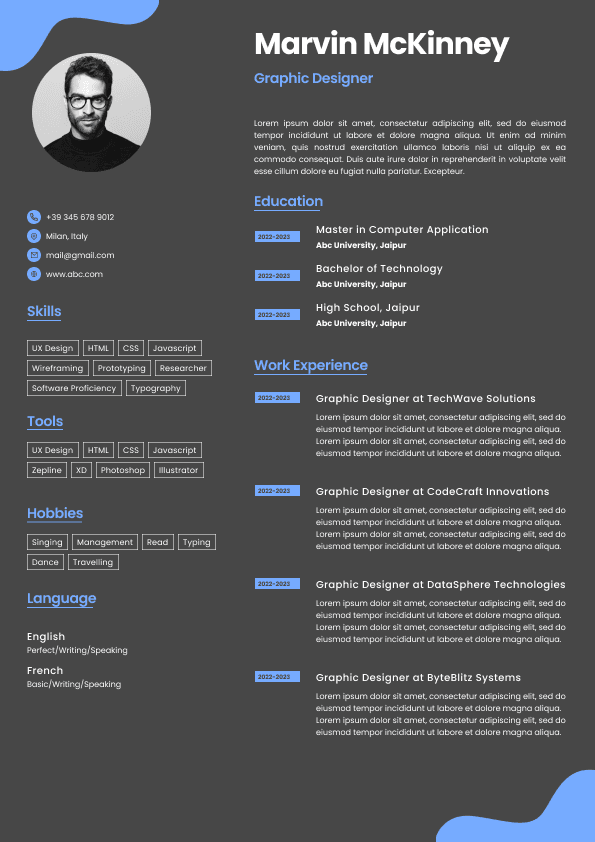
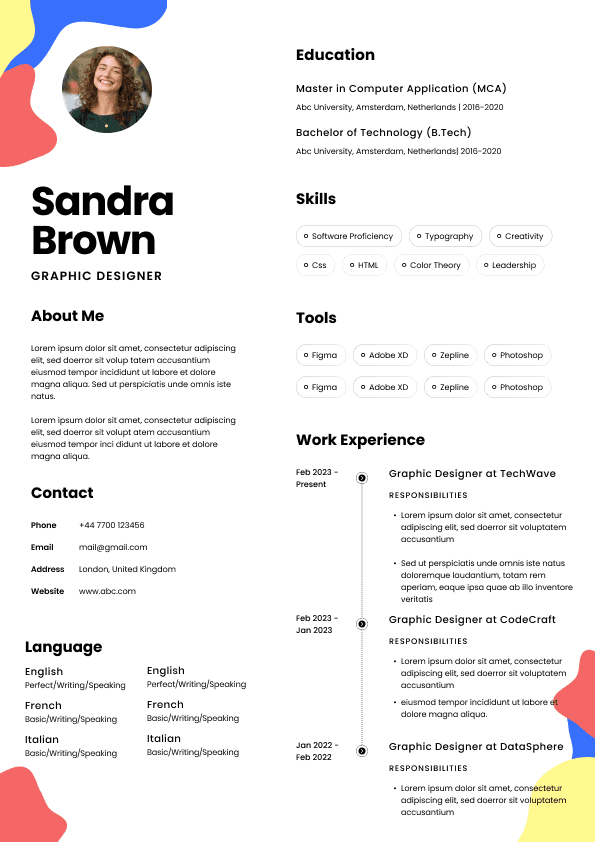
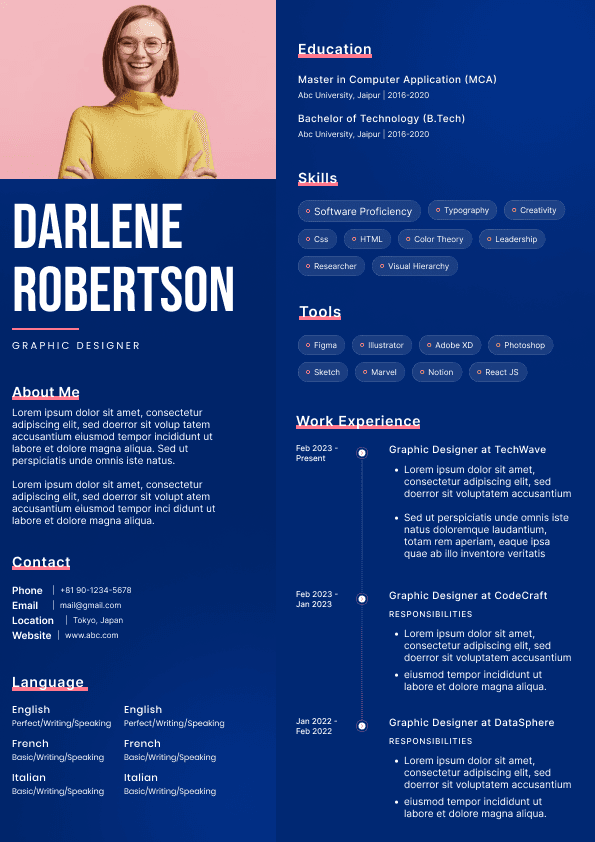
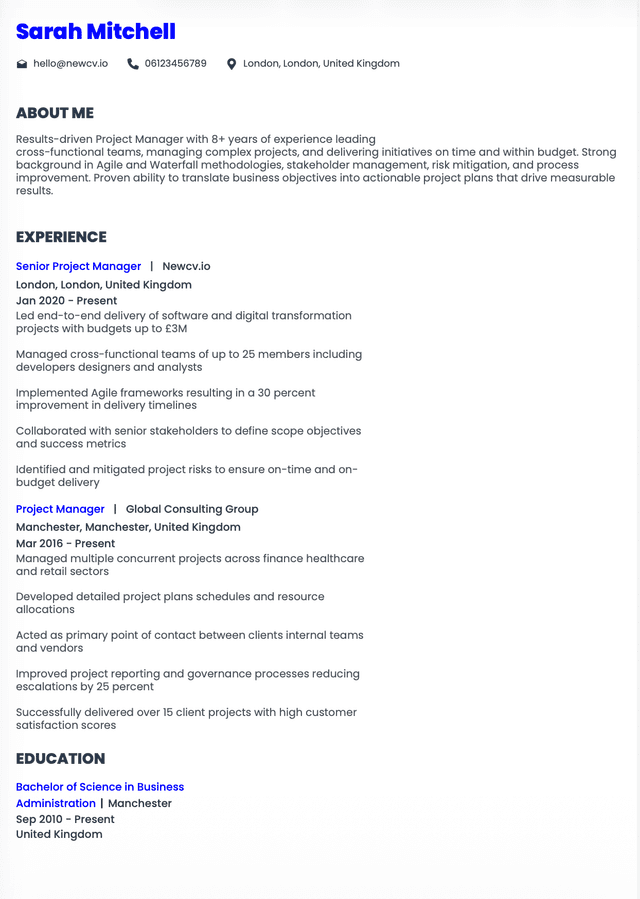
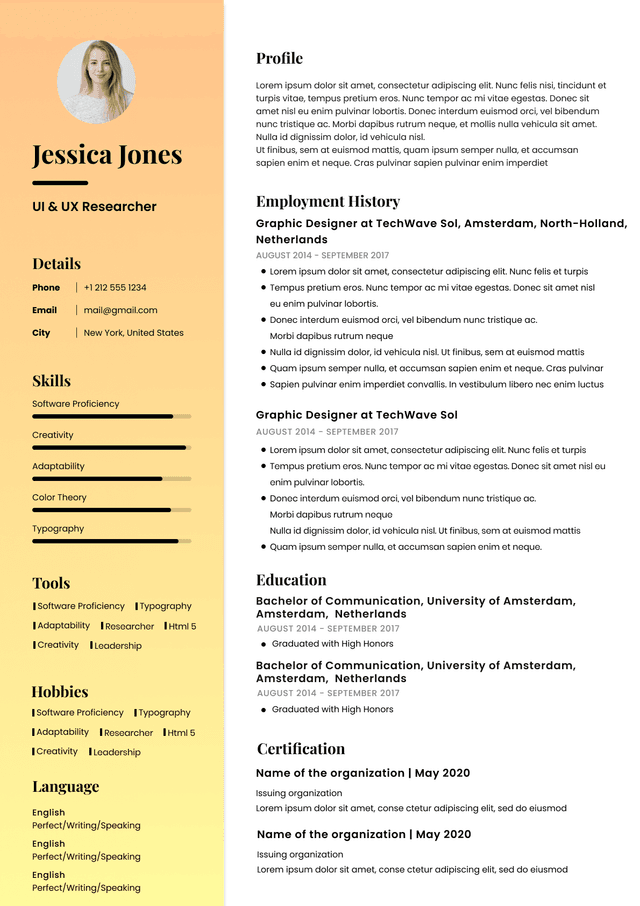
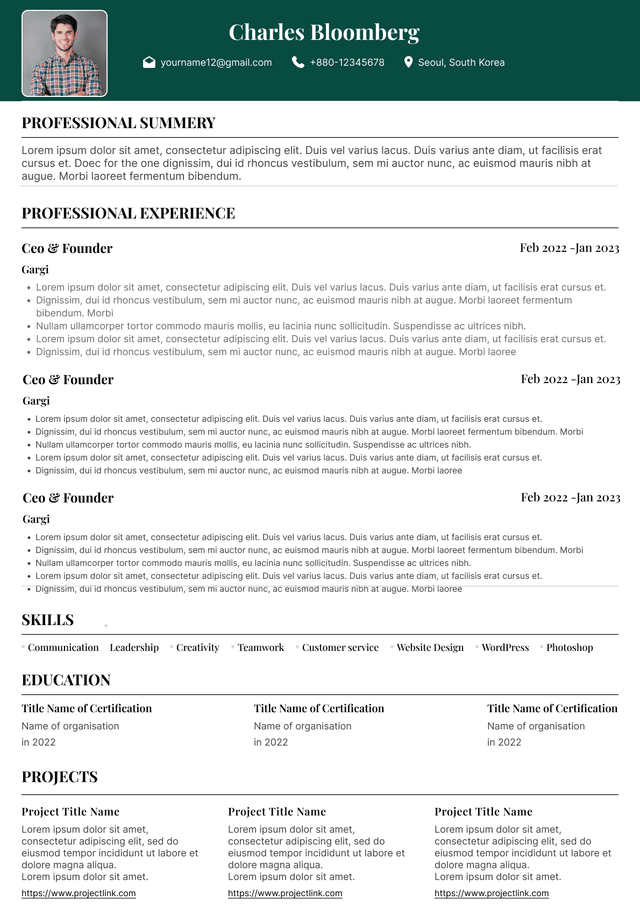
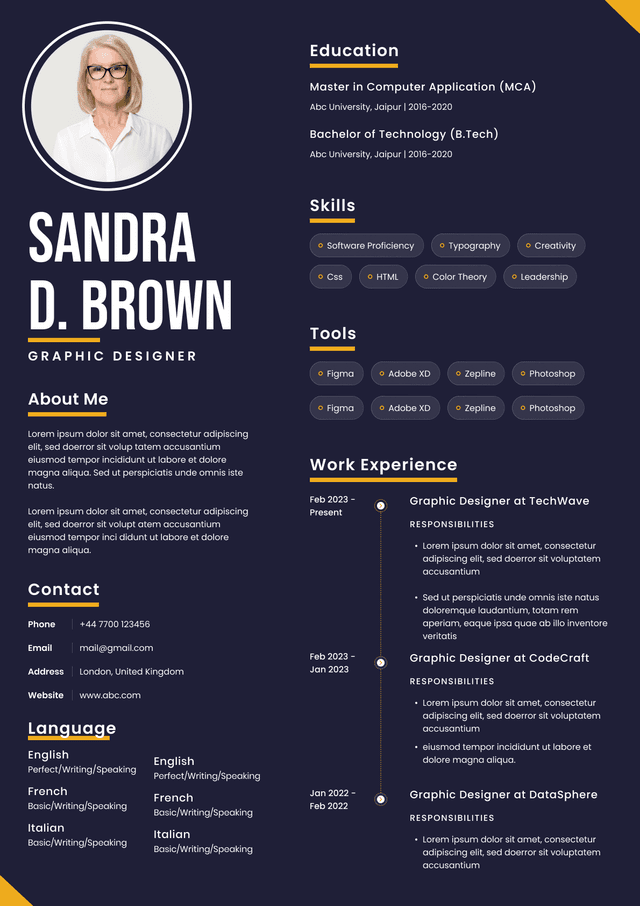
Use ATS-optimised Resume and resume templates that pass applicant tracking systems. Our Resume builder helps recruiters read, scan, and shortlist your Resume faster.


Use professional field-tested resume templates that follow the exact Resume rules employers look for.
Create Resume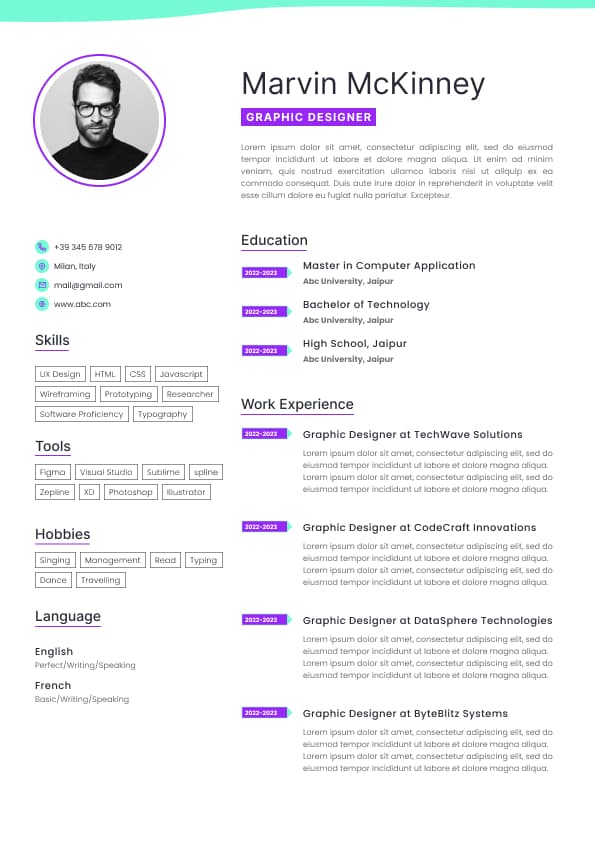
Use professional field-tested resume templates that follow the exact Resume rules employers look for.
Create ResumeASP.NET Core
ASP.NET MVC
SQL Server
T-SQL
REST APIs
HTML, CSS, and JavaScript
Entity Framework Core
Git version control
Most modern companies now prioritize ASP.NET Core over legacy ASP.NET Web Forms. Candidates focusing only on older Microsoft stacks often struggle in competitive hiring pipelines unless applying to legacy enterprise environments.
Hiring managers especially value candidates who understand:
Dependency injection
Middleware
Authentication and authorization
API security
Database optimization
SOLID principles
Object-oriented programming
Layered architecture
Asynchronous programming
LINQ
Performance tuning
Open-source contributions
SaaS projects
API integrations
Cloud deployments
Freelance development work
Technical portfolios
Recruiters increasingly prioritize practical capability over formal education for junior and mid-level ASP.NET positions.
Delegates and events
Weak candidates can write code that works. Strong candidates write maintainable, scalable, testable code.
Engineering teams evaluate whether developers understand:
Readability
Performance tradeoffs
Architectural consistency
Memory efficiency
Debugging practices
Modern employers strongly favor ASP.NET Core because it supports:
Cross-platform development
High-performance APIs
Cloud-native deployment
Containerization
Modern microservices architecture
ASP.NET MVC knowledge is still important because many enterprise applications continue using MVC patterns internally.
Recruiters often reject candidates who only know tutorials but cannot explain:
Request lifecycle
Middleware flow
Routing
Model binding
Dependency injection
Service registration
Database ability is one of the most underestimated ASP.NET hiring requirements.
Employers expect developers to:
Write optimized SQL queries
Understand indexing
Avoid inefficient joins
Design normalized schemas
Handle transactions safely
Optimize database performance
Many junior developers fail technical interviews because they treat SQL as secondary.
In real enterprise systems, poor database decisions directly impact application performance, scalability, and infrastructure cost.
Modern ASP.NET developers are heavily evaluated on API development skills.
Most teams now build:
Internal APIs
Public APIs
Microservices
Mobile backends
Third-party integrations
Hiring managers want developers who understand:
HTTP methods
Status codes
Authentication
JWT tokens
API versioning
Serialization
Validation
Rate limiting
Error handling
Candidates who can explain API security and scalability immediately stand out.
Ability to debug issues
Basic frontend understanding
A strong junior candidate often has:
A deployed ASP.NET Core project
GitHub repositories with clean commits
REST API projects
CRUD applications
Authentication implementation
Azure deployment exposure
The fastest way to stand out in entry-level ASP.NET hiring is practical evidence.
Recruiters respond strongly to candidates who can show:
Real applications
GitHub activity
Documentation quality
API projects
Cloud deployment
Technical curiosity
A portfolio project with authentication, APIs, SQL Server, and Azure deployment often carries more weight than generic coursework.
Azure Key Vault
Candidates with even moderate Azure experience often outperform equally skilled developers without cloud exposure.
Many ASP.NET developer roles now overlap with full stack development.
Employers commonly prefer experience with:
React
Angular
Blazor
TypeScript
Bootstrap
Even backend-focused developers benefit from understanding frontend workflows because modern engineering teams collaborate closely across the stack.
Modern ASP.NET development increasingly includes deployment responsibility.
Strong candidates understand:
Docker
Kubernetes
GitHub Actions
Azure DevOps pipelines
Automated deployments
Environment configuration
Monitoring and logging
Recruiters view DevOps familiarity as evidence of production maturity.
Ownership
Adaptability
Team collaboration
Senior ASP.NET developers are especially evaluated on:
Mentorship ability
Technical leadership
Architecture communication
Stakeholder interaction
Secure secret management
Candidates who ignore security concepts often appear inexperienced, even if their coding ability is strong.
In enterprise environments, insecure code creates legal, operational, and financial risk.
Debug production issues
Design APIs
Optimize performance
Review code
Contribute to architecture discussions
This is where many candidates plateau.
Strong mid-level developers move beyond task execution and begin demonstrating engineering judgment.
Senior ASP.NET developers are expected to:
Design scalable systems
Lead technical initiatives
Mentor developers
Improve architecture
Handle production incidents
Make infrastructure decisions
Hiring managers assess senior candidates heavily on decision-making quality, not just coding ability.
Docker
Kubernetes
Azure
Microservices
But cannot explain how they used them.
Hiring managers care more about implementation depth than keyword lists.
Many developers build only greenfield projects.
Real jobs often involve:
Legacy systems
Technical debt
Incremental modernization
Complex integrations
Candidates who understand enterprise realities stand out significantly.
Production awareness
Hiring managers often explore:
How you structured an API
How you optimized performance
How you handled deployment issues
How authentication was implemented
How you debugged production failures
Why architectural decisions were made
Candidates who only memorize definitions usually struggle.
The strongest candidates explain engineering decisions through real-world examples.
Applying for enterprise environments
Lacking direct production experience
Competing for cloud-focused roles
Enterprise organizations especially value ASP.NET because of:
Microsoft ecosystem integration
Security capabilities
Long-term support
Scalability
Internal tooling compatibility
Candidates immediately gain credibility when they can discuss:
Production deployments
Performance optimization
Security implementation
Architecture decisions
API scalability
Cloud infrastructure
Real debugging scenarios
Even junior developers can stand out by demonstrating practical execution rather than theoretical knowledge.




 Upload Resume
 Import from Linkedin