STILL APPLYING. STILL HEARING NOTHING?BUILD YOUR RESUME

STILL APPLYING. STILL HEARING NOTHING?BUILD YOUR RESUME
Choose from a wide range of NEWCV resume templates and customize your NEWCV design with a single click.
FAQ

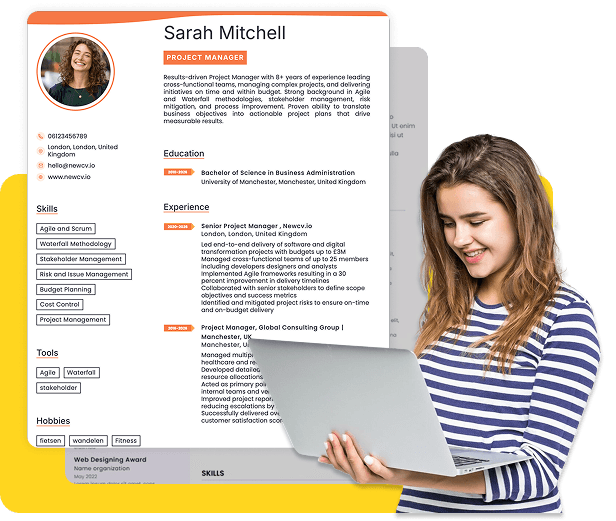
An ASP.NET Developer resume template should do two things exceptionally well: pass ATS screening and help a hiring manager quickly validate your technical credibility. Most developers fail at one of those two goals. Either the resume looks visually impressive but breaks ATS parsing, or it becomes a wall of technical keywords with no proof of business impact.
For ASP.NET developers in the US market, recruiters typically spend less than 20 seconds on the first scan. They look for clear evidence of modern Microsoft stack experience, backend architecture capability, cloud exposure, API development, database optimization, and measurable project outcomes. Your resume format directly affects whether those strengths are visible fast enough.
The best ASP.NET Developer resume templates are clean, reverse chronological, keyword-optimized, and structured for rapid technical evaluation. They prioritize readability, technical relevance, and ATS compatibility over visual design tricks.
This guide covers the exact resume formats, layouts, templates, and recruiter-approved structures that work in today’s US hiring market for ASP.NET developers.
Hiring teams evaluating ASP.NET developers are usually trying to answer five questions immediately:
Can this candidate build and maintain production-grade .NET applications?
Do they understand modern backend development practices?
Have they worked with current Microsoft technologies?
Can they contribute to scalable systems and APIs?
Is their experience relevant to our tech stack and business environment?
Your resume template should make those answers obvious within seconds.
Most recruiters are not deeply technical. The first reviewer is often:
A recruiter
A talent acquisition specialist
An HR coordinator
A staffing partner
That means resume structure matters as much as technical content.
A poorly formatted resume can bury strong experience under:
Dense paragraphs
Overdesigned layouts
Multi-column formatting
Visual skill bars
Graphics or icons
Unclear section hierarchy
ATS systems also struggle with complex formatting, especially tables, text boxes, and design-heavy templates.
This is the strongest format for most ASP.NET developers.
It works best for:
Mid-level developers
Senior developers
Full-stack .NET developers
Lead engineers
Enterprise application developers
Candidates with steady work history
Why recruiters prefer it:
Easy to scan quickly
Shows career progression clearly
Highlights recent technical experience first
Matches ATS parsing standards
Aligns with how hiring managers evaluate technical growth
This format is only useful in limited situations.
Best for:
Career changers
Bootcamp graduates
Candidates with employment gaps
Entry-level developers without formal experience
The risk with functional resumes is credibility. Technical hiring managers often distrust skill-only resumes because they hide project scope and real-world usage.
If you use this format, you must include strong project sections with measurable technical outcomes.
This is ideal for project-heavy ASP.NET developers.
Best for:
Freelancers
Consultants
Cloud-focused developers
Developers with multiple tech stacks
Candidates with extensive GitHub or open-source work
A combination format works well when projects are as important as formal employment.
Best for:
Internships
Junior developers
Entry-level candidates
Developers with under 3 years of experience
A one-page resume forces prioritization. Recruiters prefer concise resumes when experience is limited.
Best for:
Senior developers
Solution architects
Team leads
Developers with enterprise experience
Candidates with extensive technical projects
Two pages are completely acceptable in US tech hiring when the content adds value.
The mistake is not length. The mistake is irrelevant content.
The highest-performing layouts follow a simple recruiter scanning pattern.
Include:
Full name
Phone number
Professional email
GitHub
Portfolio or personal website if relevant
Location only as city and state
Do not include:
Full address
Photo
Date of birth
Marital status
This section should immediately position your technical value.
Strong summaries include:
Years of experience
Core Microsoft technologies
Industry specialization
Architecture or backend expertise
Cloud technologies
Measurable impact
Weak Example
“Hardworking ASP.NET developer seeking opportunities to grow.”
Why it fails:
Generic
No technical depth
No business impact
No differentiation
Good Example
“ASP.NET Developer with 6+ years of experience building scalable enterprise web applications using ASP.NET Core, C#, SQL Server, Azure, and RESTful APIs. Experienced in modernizing legacy systems, improving API response times, and supporting high-traffic SaaS platforms in Agile environments.”
Why it works:
Immediate technical clarity
Modern stack alignment
Enterprise relevance
Performance-focused language
For ASP.NET resumes, technical skills should appear near the top.
Recruiters often scan the skills section before reading experience.
C#
JavaScript
TypeScript
SQL
HTML/CSS
ASP.NET Core
ASP.NET MVC
.NET Framework
Entity Framework
LINQ
Web API
Blazor
SQL Server
PostgreSQL
MySQL
MongoDB
Azure
AWS
Docker
Kubernetes
Azure DevOps
CI/CD Pipelines
xUnit
NUnit
Selenium
Postman
Git
Visual Studio
Jira
Swagger
Redis
Grouping skills improves recruiter scanning dramatically.
The best ATS resume templates prioritize parsing accuracy over design complexity.
Single-column structure
Standard section headings
Clean typography
Simple formatting
Consistent spacing
Clear hierarchy
Use:
Arial
Calibri
Aptos
Helvetica
Avoid decorative fonts.
Best for preserving formatting.
Use PDF unless the employer specifically requests Word format.
Useful when:
ATS compatibility is uncertain
A recruiter explicitly requests Word
Applying through older systems
Google Docs exports are acceptable if formatting remains clean.
Best for:
Mid-level developers
Corporate environments
Enterprise roles
Characteristics:
Conservative formatting
Clear section structure
Minimal design elements
Strong readability
Best for:
SaaS companies
Startups
Cloud engineering roles
Characteristics:
Modern spacing
Cleaner typography
Minimal visual styling
Still ATS-safe
Best for:
ATS-heavy applications
Staffing agencies
Government contractors
Simple templates often outperform heavily designed resumes because parsing reliability matters more than aesthetics.
Most ATS systems score resumes partly based on keyword relevance.
But keyword stuffing hurts readability and credibility.
The goal is natural semantic coverage.
Include relevant terms such as:
ASP.NET Core
C#
REST API
Microservices
Azure
SQL Server
Entity Framework
MVC
CI/CD
Web API
Agile
Docker
Authentication
OAuth
JWT
Cloud-native applications
Backend development
Full-stack development
The strongest resumes integrate keywords naturally into:
Summary
Skills
Experience
Projects
Recruiters do not just want technologies.
They want evidence of impact.
Use:
Action + Technology + Scope + Outcome
Weak Example
“Worked on ASP.NET applications.”
Why it fails:
No ownership
No technical depth
No measurable value
Good Example
“Developed and optimized ASP.NET Core APIs supporting 500K+ monthly users, reducing average response times by 38% through SQL query optimization and caching improvements.”
Why it works:
Specific technologies
Quantified impact
Performance relevance
Scalability evidence
Good ASP.NET developer bullets often include:
API performance improvements
Database optimization
Cloud migrations
Authentication implementation
CI/CD automation
Legacy modernization
Scalability improvements
Bug reduction metrics
Security enhancements
Projects matter heavily for:
Junior developers
Self-taught developers
Career changers
Open-source contributors
Projects become less important for senior candidates with strong enterprise experience.
Recruiters respond well to projects involving:
RESTful APIs
SaaS platforms
Authentication systems
Real-time applications
Azure deployments
Microservices architecture
Payment integrations
Enterprise dashboards
Strong projects include:
Real business logic
Deployment evidence
GitHub repository
Measurable complexity
API integrations
Authentication
Database architecture
Weak projects usually look tutorial-based.
Hiring managers can recognize copied portfolio projects immediately.
Yes, if the GitHub profile strengthens your credibility.
A GitHub profile helps when it demonstrates:
Active coding
Real projects
Clean documentation
Modern technologies
Consistent contributions
Do not include GitHub if:
Repositories are empty
Projects are unfinished
Code quality is poor
Everything is copied tutorials
One strong repository is better than 25 weak ones.
Many developers create giant skill lists with every technology they have touched once.
This weakens credibility.
Recruiters look for depth, not random keyword accumulation.
Generic language kills technical differentiation.
Avoid vague phrases like:
“Responsible for development”
“Worked with team members”
“Handled backend tasks”
Be specific about architecture, systems, scale, and outcomes.
Technical hiring teams want fast stack visibility.
Burying skills below education or certifications slows recruiter evaluation.
Avoid:
Skill bars
Star ratings
Percentage proficiency
These are subjective and ATS-unfriendly.
Legacy technologies are acceptable if relevant.
But if your resume overemphasizes outdated stacks without modern technologies, recruiters may assume your skills are outdated.
Balance legacy enterprise experience with modern development practices.
Focus on:
Projects
Internships
Technical skills
Certifications
GitHub work
Keep it to one page.
Focus on:
Production systems
API development
Business impact
Performance optimization
Cloud exposure
Use reverse chronological format.
Focus on:
Architecture decisions
Scalability
Team leadership
System modernization
Enterprise impact
Recruiters expect measurable technical ownership.
Focus on:
System design
Distributed architecture
Cloud infrastructure
Technical leadership
Enterprise transformation
Architecture resumes should emphasize strategic technical decisions, not just coding tasks.
Technical hiring managers evaluate resumes differently than recruiters.
Recruiters focus on:
Stack alignment
ATS keywords
Experience level
Resume clarity
Hiring managers focus on:
Complexity of systems built
Architecture understanding
Scalability exposure
Real technical ownership
Problem-solving depth
This is why strong resumes combine:
Clear formatting
Relevant keywords
Technical specificity
Measurable business outcomes
Your file name matters more than most candidates realize.
Use:
Firstname_Lastname_ASPNET_Developer_Resume.pdf
Example:
John_Smith_ASPNET_Developer_Resume.pdf
Avoid:
resumefinal.pdf
updatedresume2.pdf
mycvnew.pdf
Professional file naming improves recruiter organization and professionalism.
The best ASP.NET Developer resumes are not the most visually impressive.
They are the easiest to evaluate quickly.
A high-performing resume makes these things immediately obvious:
What technologies you actually use
What systems you built
What business impact you created
Whether your experience matches the role
Most developers underperform because their resumes focus too heavily on tasks and not enough on outcomes.
Recruiters remember candidates who demonstrate:
Scalability
Performance improvements
Cloud experience
API architecture
Business impact
Modern Microsoft stack expertise
A clean ATS-friendly template combined with strong technical positioning consistently outperforms flashy resume designs in the US tech hiring market.
Use ATS-optimised Resume and resume templates that pass applicant tracking systems. Our Resume builder helps recruiters read, scan, and shortlist your Resume faster.

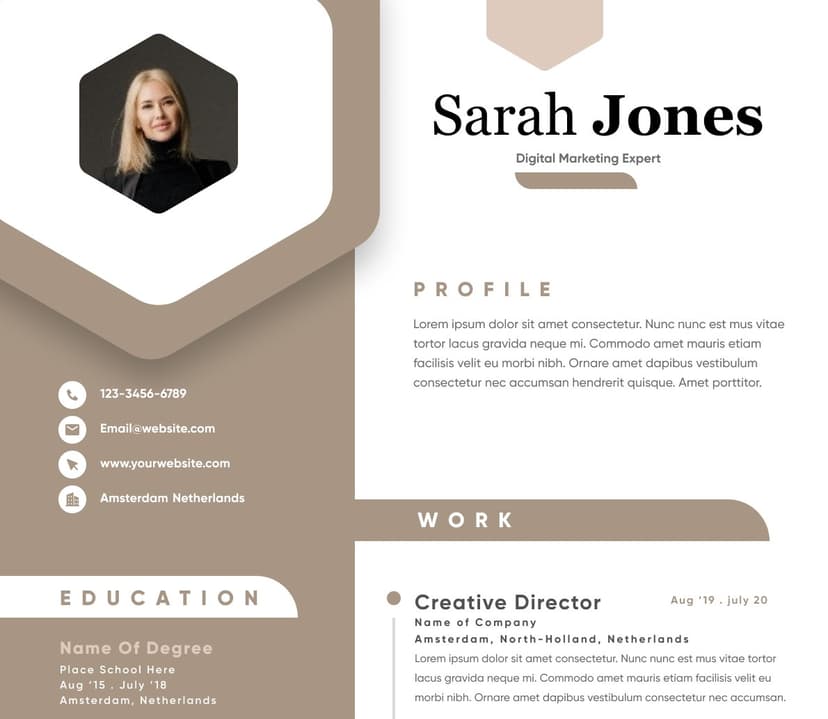
Use professional field-tested resume templates that follow the exact Resume rules employers look for.
Create Resume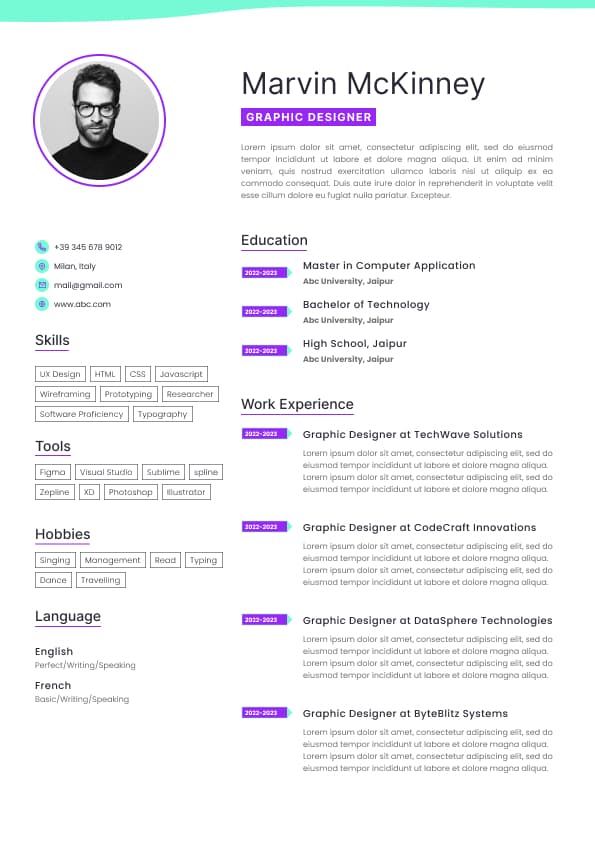
Use professional field-tested resume templates that follow the exact Resume rules employers look for.
Create Resume


 Upload Resume
 Import from Linkedin