STILL APPLYING. STILL HEARING NOTHING?BUILD YOUR RESUME

STILL APPLYING. STILL HEARING NOTHING?BUILD YOUR RESUME
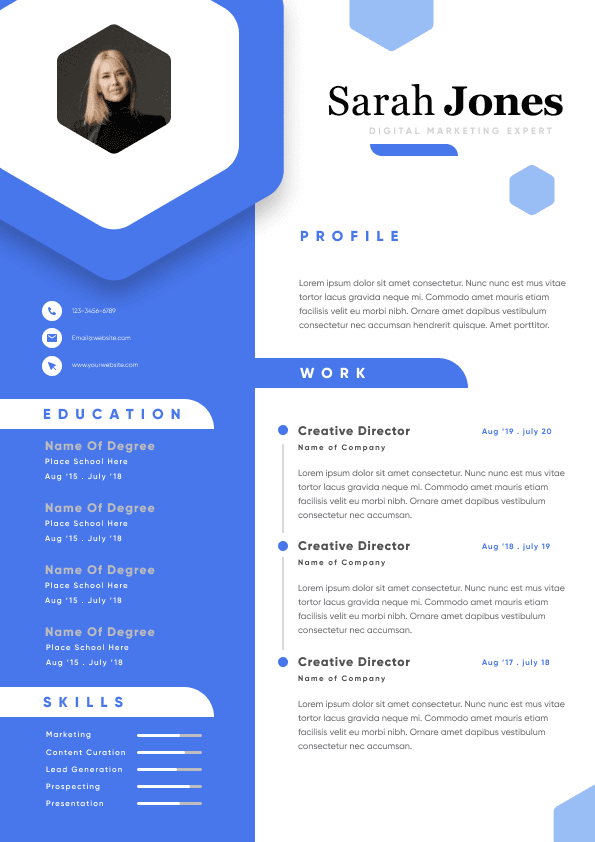
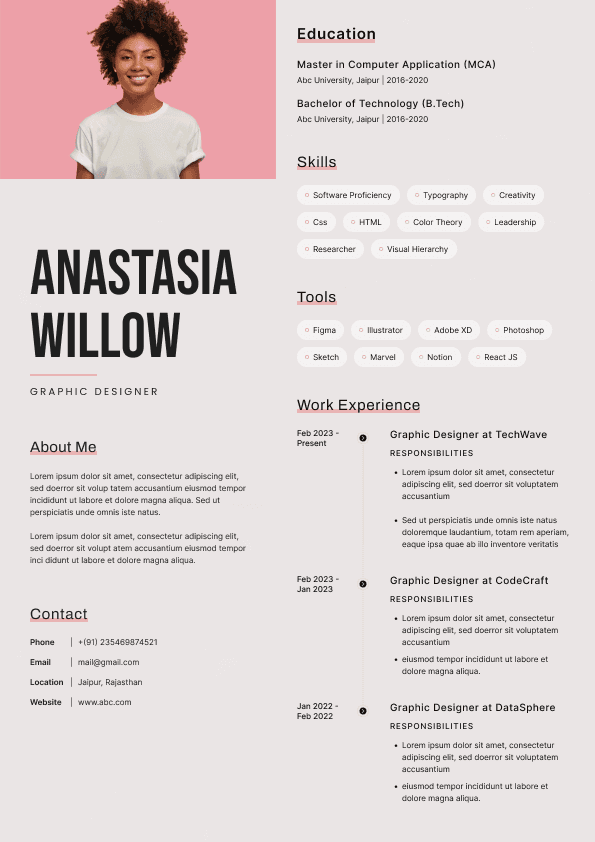
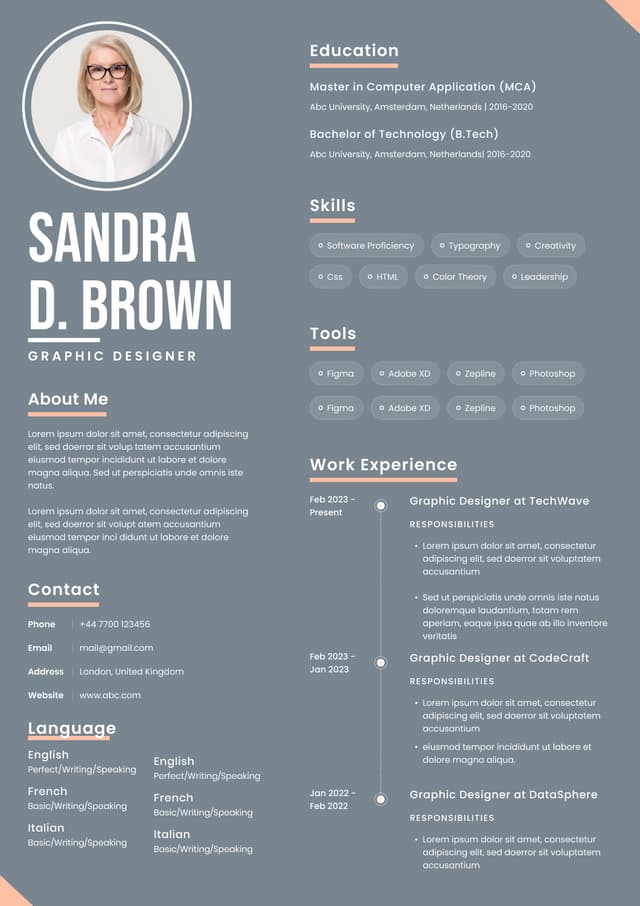
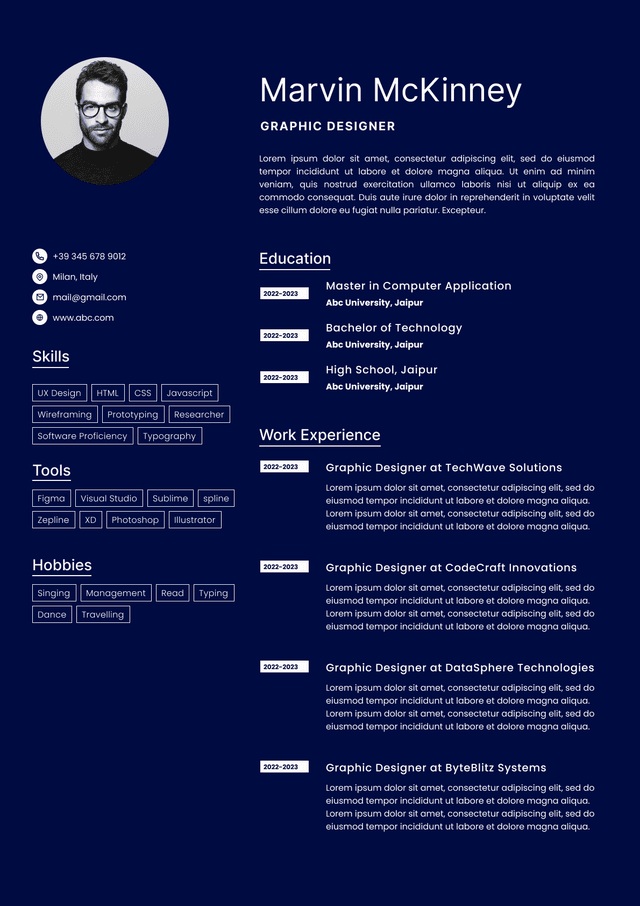
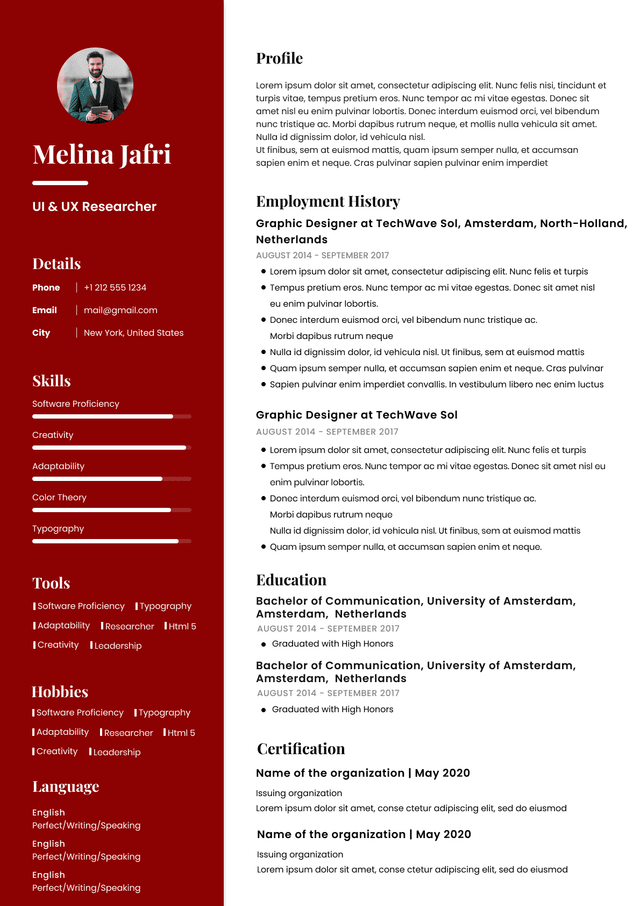
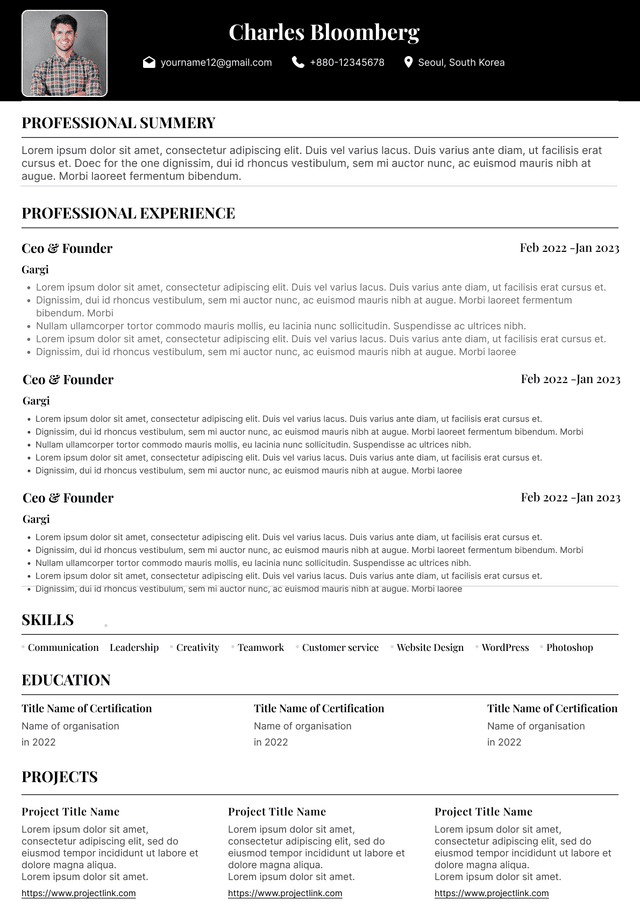
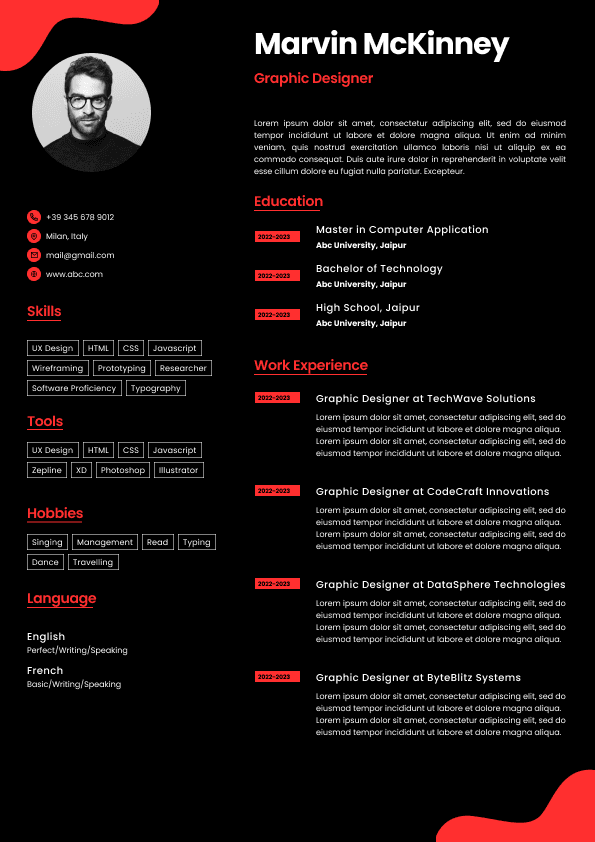
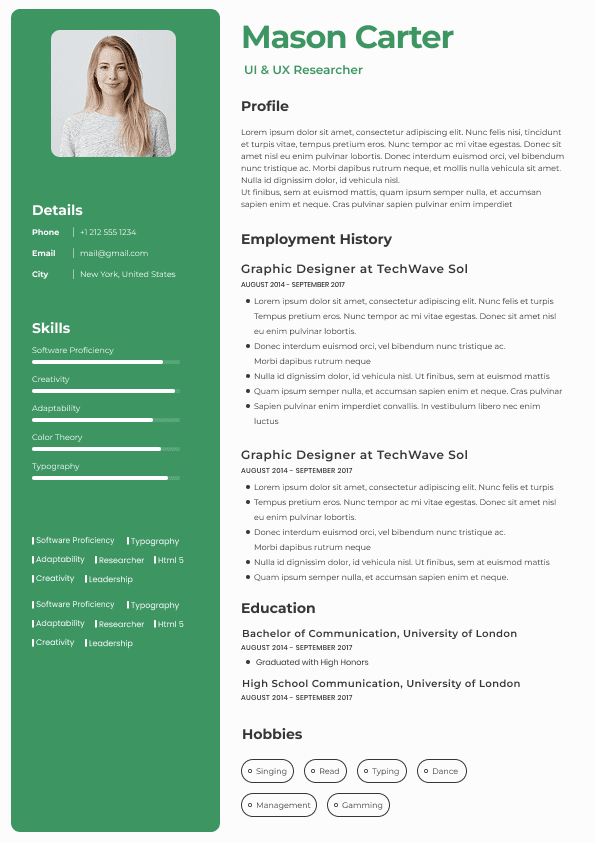
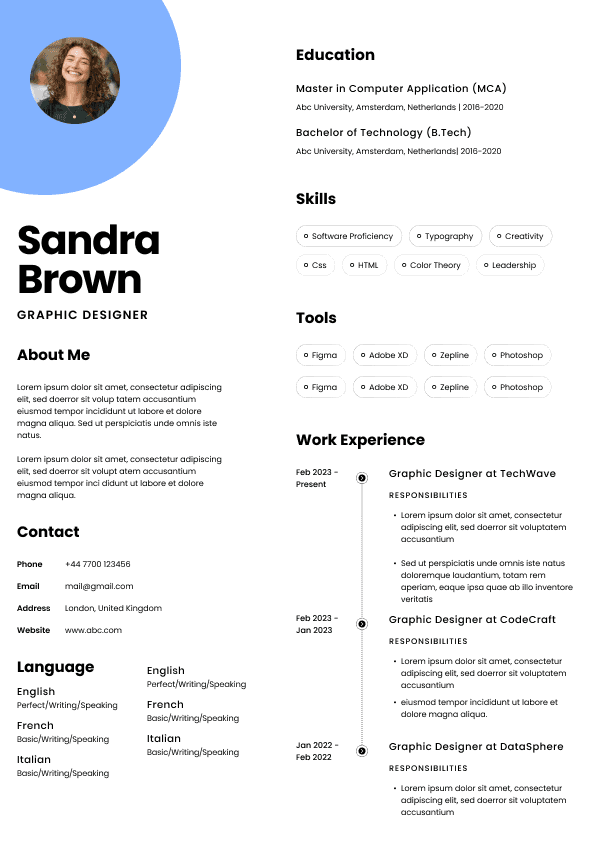
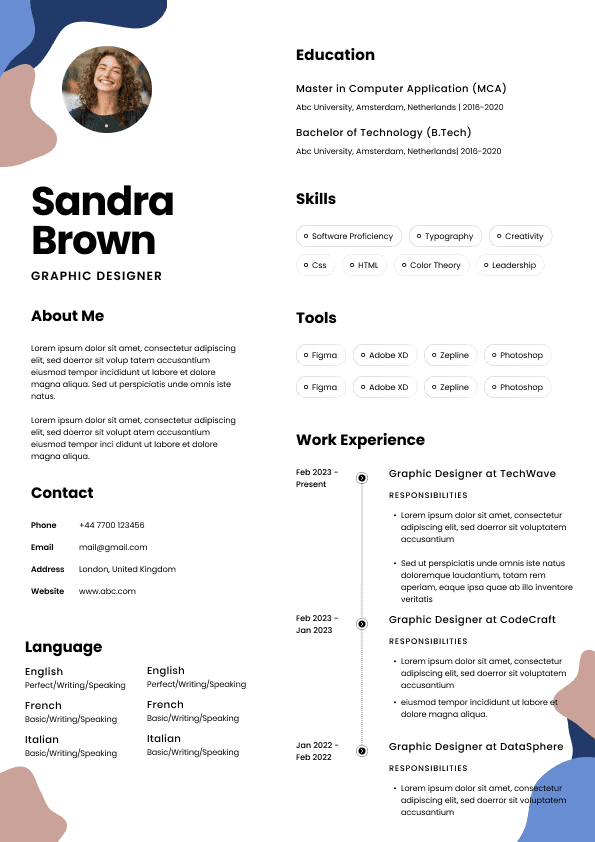
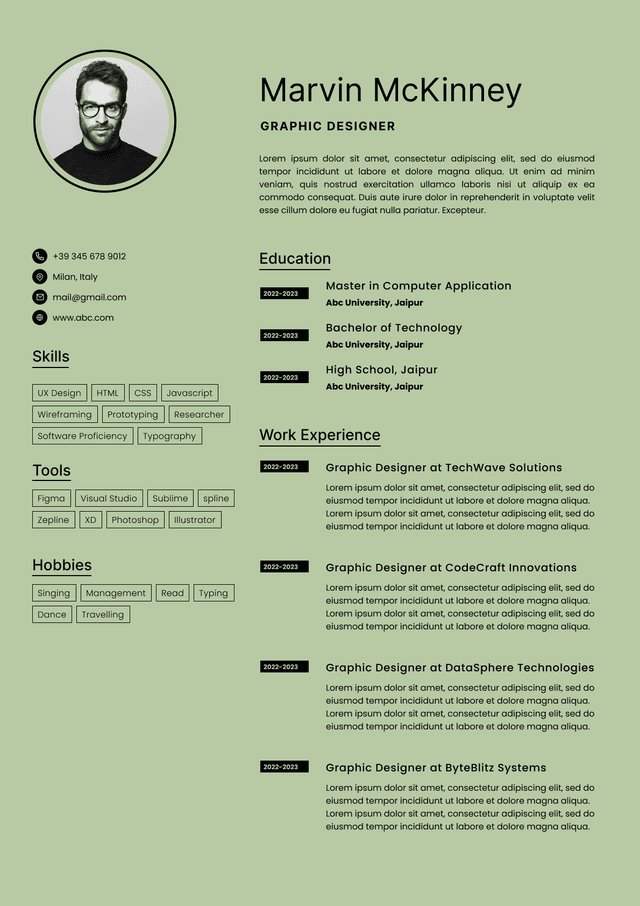
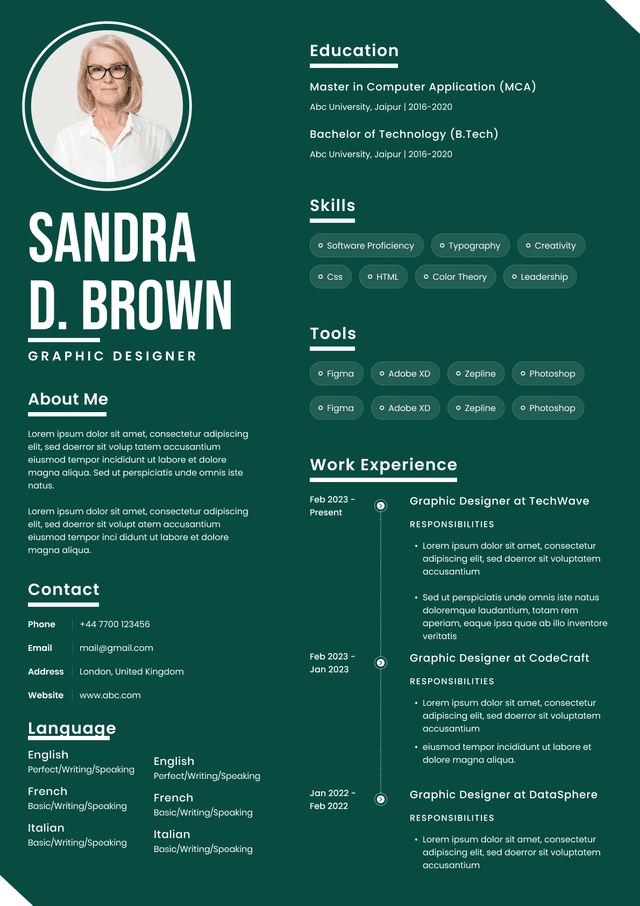
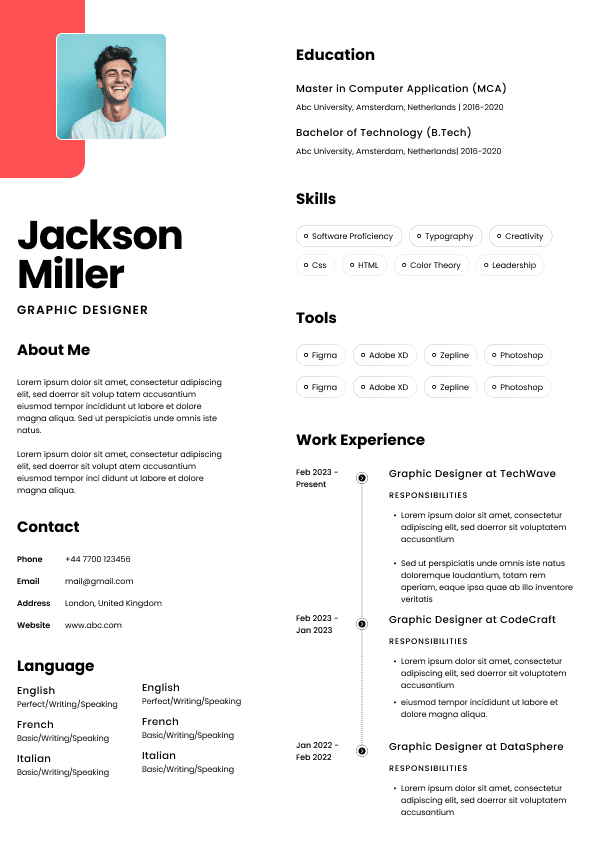
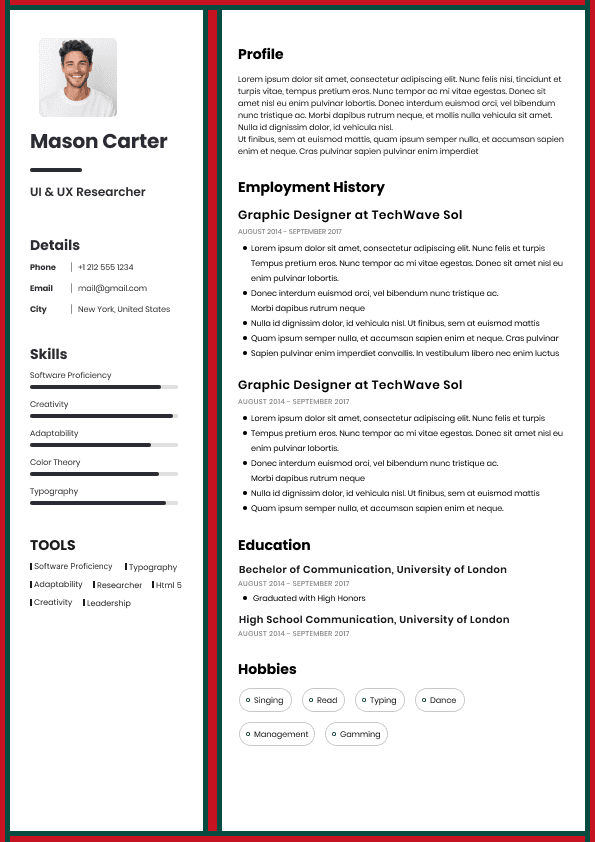
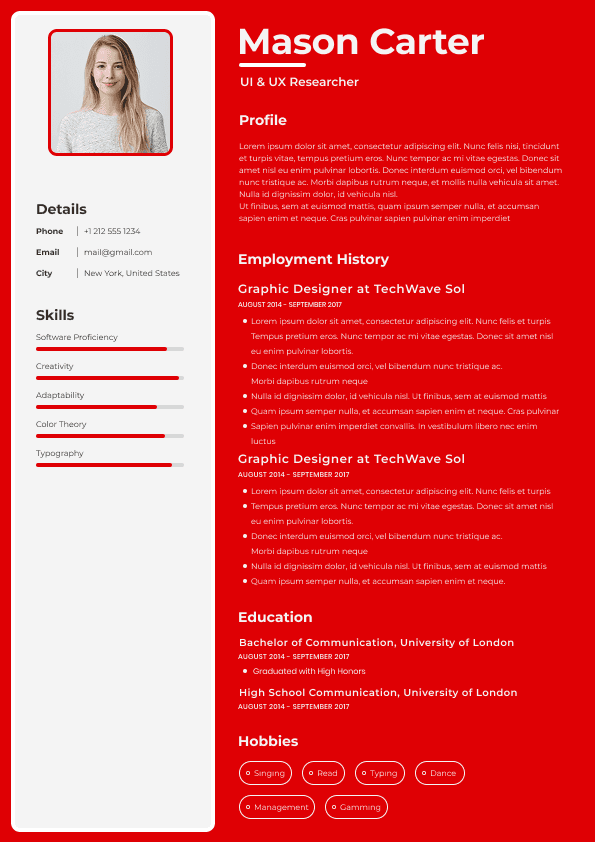
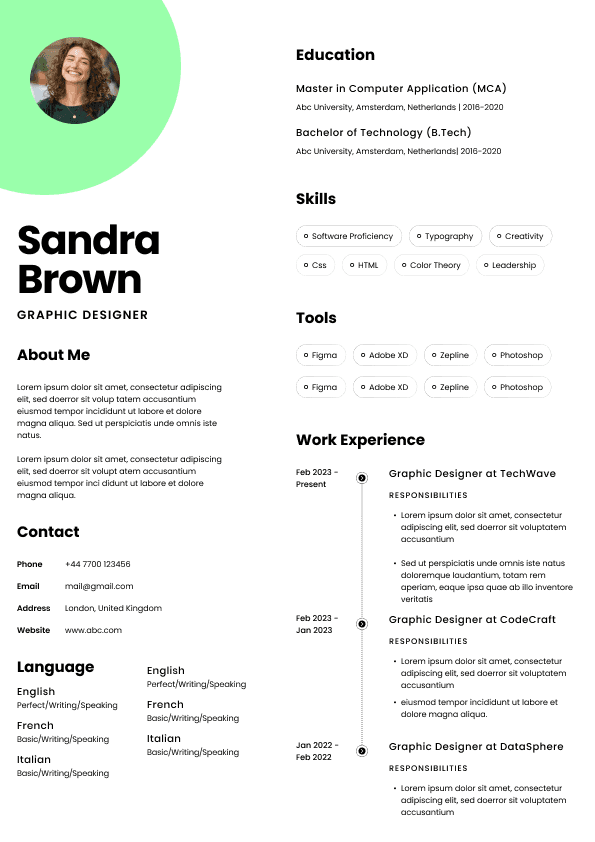
Choose from a wide range of NEWCV resume templates and customize your NEWCV design with a single click.
FAQ
An ASP.NET developer in the U.S. typically earns between $75,000 and $180,000+ per year, depending on experience, Azure expertise, architecture skills, location, and industry. Entry-level developers usually land between $70,000 and $100,000, while senior ASP.NET and cloud-focused .NET engineers regularly exceed $150,000+ total compensation in high-paying markets like San Francisco, Seattle, New York, and enterprise cloud environments.
The highest-paying ASP.NET roles are no longer basic MVC development jobs. Companies pay premium salaries for developers who can build scalable APIs, modernize legacy enterprise systems, lead Azure cloud migrations, optimize SQL Server performance, and design distributed systems. Recruiters and hiring managers increasingly prioritize ASP.NET Core, Azure, microservices, DevOps, and architecture ownership over simple CRUD application experience.
If your goal is maximizing salary as a .NET developer, stack depth and business impact matter far more than years of experience alone.
ASP.NET developer compensation varies heavily based on technical depth, company type, cloud expertise, and production ownership responsibilities.
Here’s the realistic U.S. salary range across most hiring markets:
Entry-level ASP.NET developer: $70,000–$100,000
Junior .NET developer: $75,000–$110,000
Mid-level ASP.NET developer: $100,000–$135,000
Senior ASP.NET developer: $130,000–$175,000+
Lead .NET developer: $150,000–$200,000+
.NET architect: $170,000–$220,000+ total compensation
Developers with Azure cloud architecture, distributed systems, security engineering, or fintech experience routinely outperform these ranges.
Hourly rates vary significantly between full-time employment, consulting, contract work, and freelance engagements.
Typical U.S. hourly compensation:
Full-time ASP.NET developer equivalent: $35–$90/hour
Contract ASP.NET developer: $55–$130+/hour
Senior enterprise .NET consultant: $90–$160+/hour
Specialized cloud modernization consultant: $120–$200+/hour in some markets
The highest hourly rates usually go to developers who can independently own complex enterprise environments without extensive management oversight.
That includes professionals with expertise in:
ASP.NET Core
Azure architecture
Most entry-level ASP.NET developers earn between $70,000 and $100,000.
Candidates at this level are evaluated primarily on:
C# fundamentals
SQL knowledge
ASP.NET Core basics
API understanding
Git usage
Debugging ability
Internship or project experience
Learning velocity
Mid-level ASP.NET developers typically earn between $100,000 and $135,000.
At this stage, companies expect independent delivery capability.
Hiring managers evaluate whether you can:
Own production features
Design APIs
Manage database changes
Handle integrations
Support deployments
Troubleshoot production issues
Participate effectively in architecture discussions
This is where many developers plateau financially.
Senior ASP.NET developers generally earn between $130,000 and $175,000+.
Top-paying employers expect senior engineers to:
Lead technical design
Mentor developers
Improve architecture
Reduce operational risk
Own production systems
Improve scalability
Make platform decisions
Drive modernization initiatives
Some .NET specializations command significantly higher compensation because they solve expensive business problems.
The strongest-paying roles include:
Azure .NET Developer
Cloud .NET Architect
Enterprise .NET Architect
ASP.NET Core Developer
API Platform Engineer
.NET Microservices Developer
Security-Focused .NET Engineer
FinTech ASP.NET Developer
Location still significantly affects compensation, even in remote hiring markets.
Typical compensation: $145,000–$230,000+
Strongest industries: SaaS, AI infrastructure, fintech, cloud platforms
Typical compensation: $125,000–$210,000+
Strong Microsoft ecosystem demand
Heavy Azure and enterprise cloud hiring
Typical compensation: $120,000–$200,000+
Many remote-first companies now use hybrid compensation models that partially adjust for location while still paying above local-market averages.
Remote .NET salaries depend heavily on company compensation philosophy.
Most employers follow one of three models:
National pay bands
Location-adjusted pay
Hybrid geographic bands
The best-paying remote companies usually compete nationally for talent and prioritize output over geography.
Remote ASP.NET developers commonly earn between $95,000 and $180,000+, especially in cloud-focused and SaaS environments.
However, remote hiring is also more competitive.
Recruiters increasingly filter remote candidates aggressively based on:
Production-scale experience
Communication quality
Many developers believe salary growth comes mainly from tenure.
In reality, compensation growth is tied much more closely to business-critical capability expansion.
Legacy-only ASP.NET experience limits compensation.
Companies pay significantly more for engineers who can modernize older enterprise applications into scalable ASP.NET Core ecosystems.
Azure remains one of the largest salary multipliers in the Microsoft ecosystem.
High-value Azure skills include:
Azure App Services
AKS
Azure Functions
CI/CD pipelines
Infrastructure as Code
Not all industries pay equally for the same technical skills.
The highest-paying ASP.NET sectors typically include:
Fintech
Enterprise SaaS
Cloud infrastructure
Healthcare technology
Cybersecurity
AI platform companies
Government contracting
Insurance technology
Contract work can significantly increase short-term earnings.
However, compensation structure matters.
Stable income
Bonuses
401(k) matching
Healthcare
Equity
PTO
Promotion tracks
Higher hourly rates
Faster income growth
Multiple-client flexibility
Specialized consulting opportunities
The mistake many developers make is comparing hourly contract rates directly to salaried compensation without accounting for:
Benefits
Downtime risk
Self-employment taxes
Insurance costs
Most developers underestimate how quickly recruiters evaluate candidates.
In many technical hiring pipelines, recruiters spend less than 30 seconds determining whether a candidate moves forward.
For ASP.NET roles, recruiters immediately scan for:
ASP.NET Core
C#
Azure
SQL Server
API development
Cloud infrastructure
Production support
Developers who remain exclusively in older Web Forms or outdated enterprise stacks often see compensation stagnate.
Modern ASP.NET Core and cloud-native experience now drive premium compensation.
Many developers stay focused only on implementation.
Higher compensation usually follows engineers who can make technical decisions, not just execute them.
Strong technical candidates still lose offers because they cannot clearly explain:
System design decisions
Scalability tradeoffs
Production incidents
Architecture rationale
Business impact
Senior engineering compensation increasingly rewards communication and leadership.
Engineers who explain technical complexity clearly often outperform technically similar candidates during hiring.
A typical progression path looks like this:
ASP.NET Developer → Mid-Level Developer → Senior ASP.NET Developer → Lead .NET Developer → .NET Architect → Principal Engineer / Engineering Manager / Solutions Architect
The highest-paying career branches usually include:
Cloud architecture
Distributed systems
Platform engineering
DevOps engineering
Security engineering
Engineering leadership
Enterprise modernization consulting
The strongest long-term salary growth usually comes from combining technical depth with strategic business ownership.
Developers with Azure architecture knowledge consistently outperform traditional application-only engineers in compensation.
System design interviews heavily influence senior-level compensation decisions.
Understanding scalability, caching, resiliency, messaging, and distributed systems creates major salary leverage.
Many developers stay underpaid simply because they apply to low-budget companies.
High-paying .NET employers typically include:
Enterprise SaaS companies
Fintech firms
Cloud platforms
Large-scale enterprise software companies
AI infrastructure companies
Recruiters respond strongly to measurable outcomes.
Instead of writing:
Weak Example:
“Worked on ASP.NET applications.”
Use:
Good Example:
“Modernized legacy ASP.NET MVC platform into ASP.NET Core microservices architecture, reducing deployment failures by 42% and improving API response times by 38%.”
Outcome-oriented positioning directly affects compensation.
Strong salary leverage often comes from visible technical credibility.
Examples include:
GitHub projects
Open-source contributions
Technical blogs
NuGet packages
Conference talks
Architecture case studies
Azure certifications
These signals reduce hiring risk and increase recruiter confidence.
Many developers focus too heavily on base salary alone.
High-paying ASP.NET roles often include:
Annual bonuses
Signing bonuses
Equity or stock options
Remote stipends
Certification reimbursement
Microsoft tooling budgets
Conference budgets
Wellness stipends


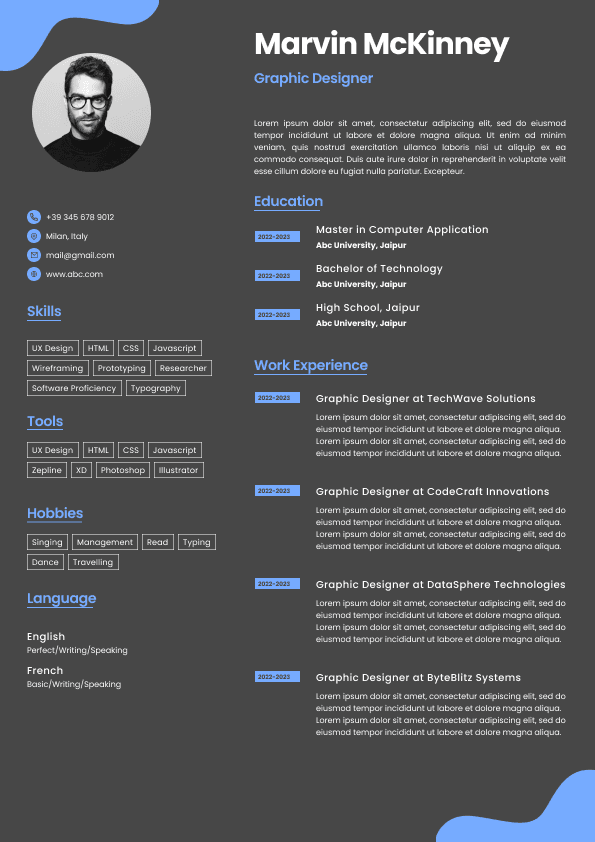
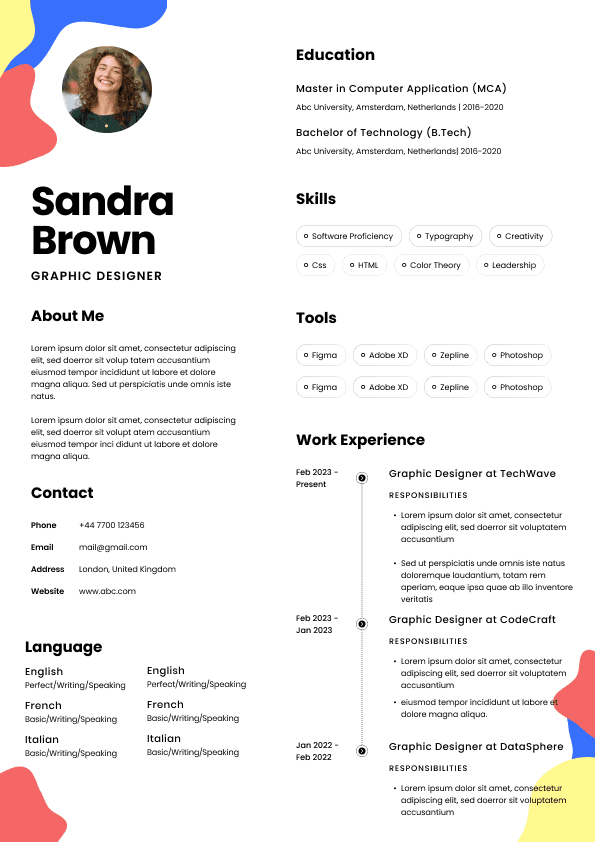
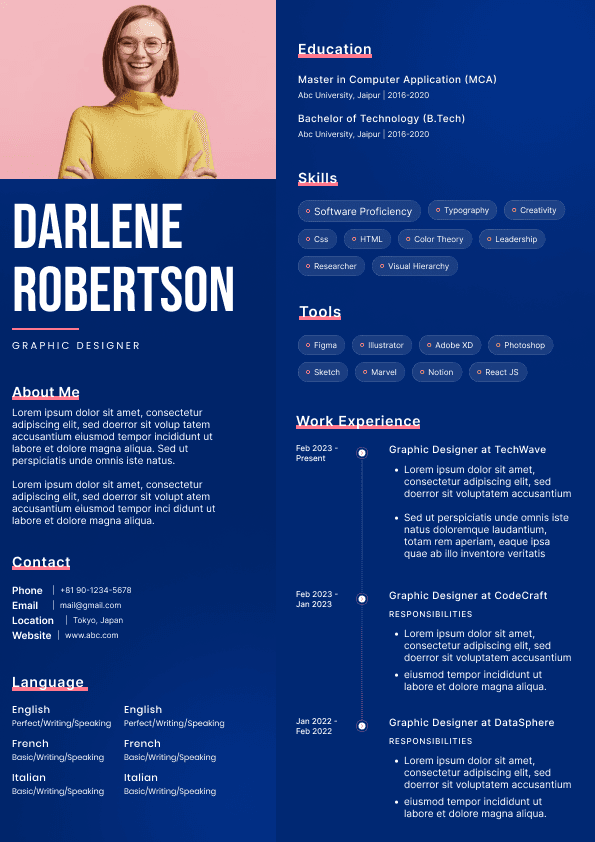
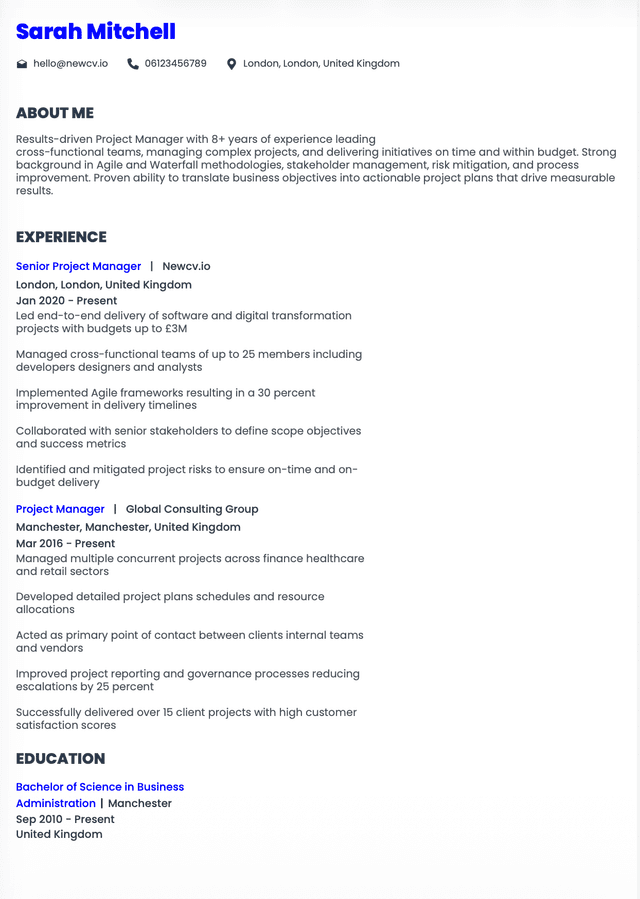
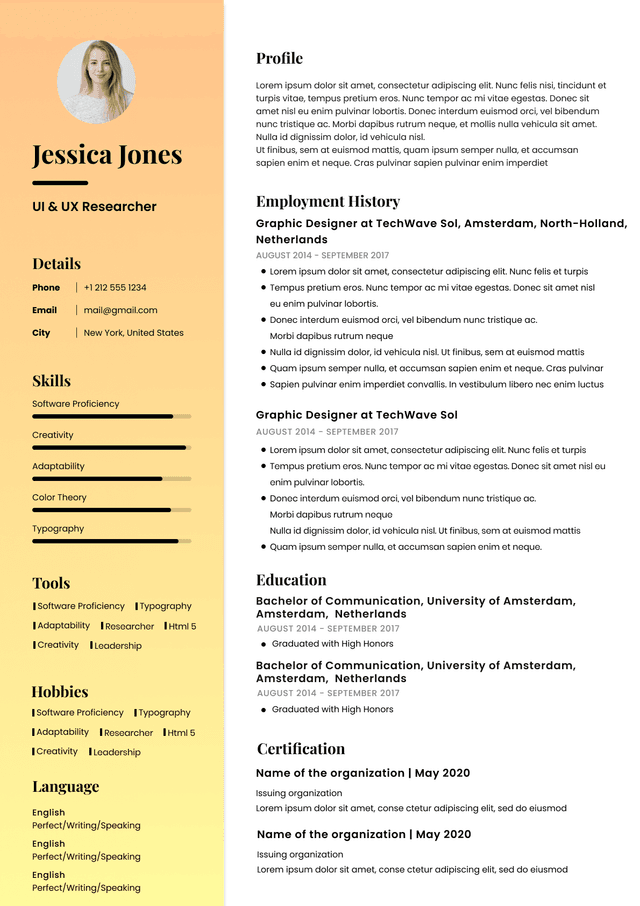
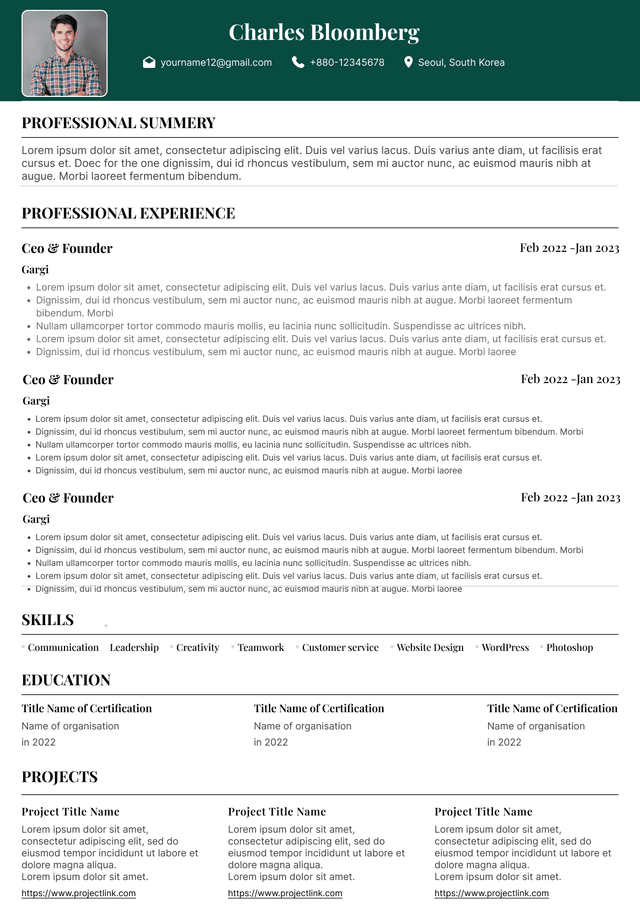
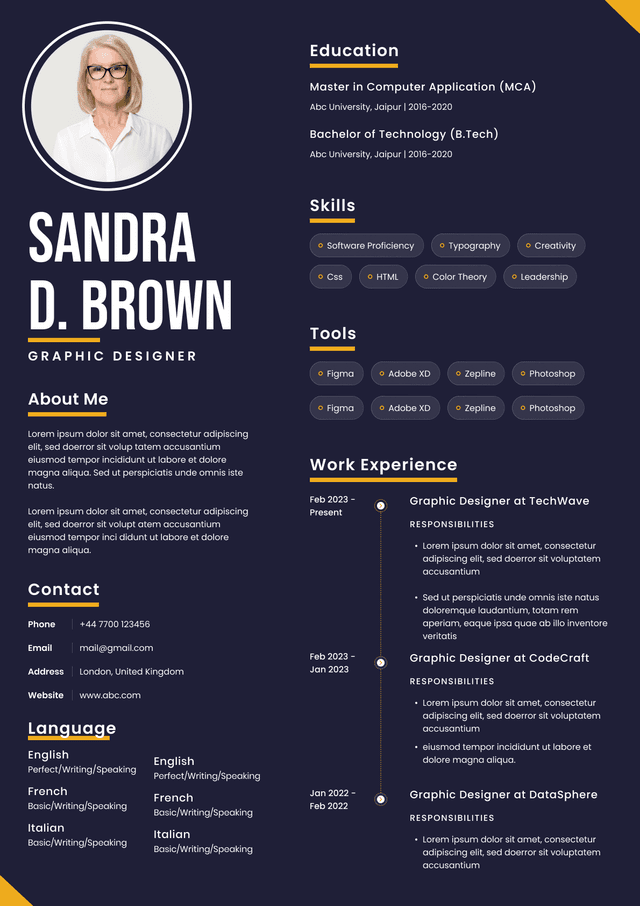
Use ATS-optimised Resume and resume templates that pass applicant tracking systems. Our Resume builder helps recruiters read, scan, and shortlist your Resume faster.


Use professional field-tested resume templates that follow the exact Resume rules employers look for.
Create Resume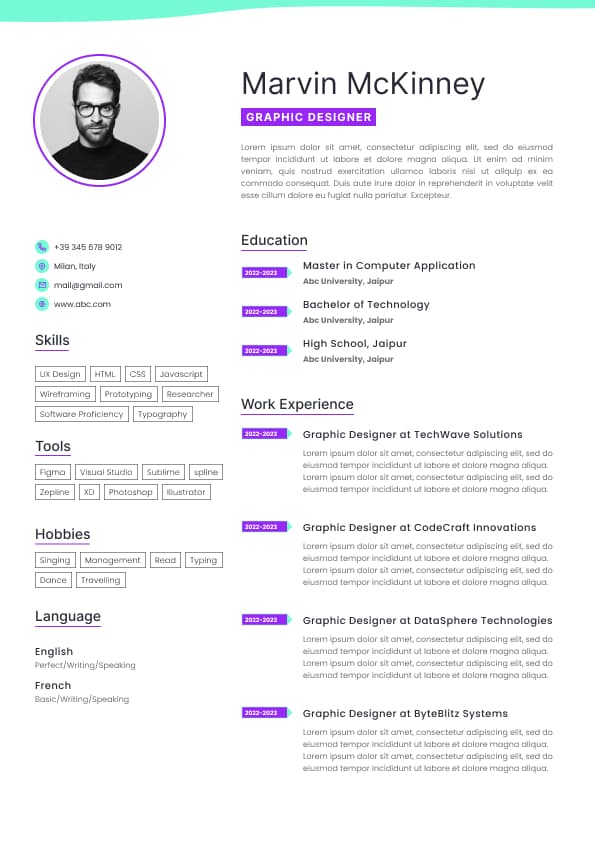
Use professional field-tested resume templates that follow the exact Resume rules employers look for.
Create ResumeMany salary articles online dramatically oversimplify compensation by averaging all .NET roles together. That creates misleading expectations. A developer maintaining legacy Web Forms applications in a low-cost market is not competing in the same compensation tier as a cloud-native ASP.NET Core engineer leading enterprise modernization initiatives.
Hiring managers pay for risk reduction, scalability expertise, and system ownership.
API platform engineering
SQL Server optimization
Kubernetes and containerization
Distributed systems
Identity and authentication systems
Enterprise modernization
Recruiters frequently see developers undervalue themselves because they benchmark against generic “web developer” rates instead of enterprise Microsoft-stack engineering markets.
What actually gets junior developers hired is proof of execution.
Recruiters consistently reject entry-level candidates who only list coursework without demonstrating projects, GitHub repositories, APIs, database work, or deployable applications.
Strong entry-level candidates usually have:
Personal projects
Internship experience
Cloud deployment exposure
API integrations
Unit testing knowledge
Basic Azure familiarity
The difference between a $75,000 offer and a $95,000 offer often comes down to practical project depth.
The biggest salary separator at mid-level is whether the candidate remains task-oriented or evolves into a systems-oriented engineer.
Developers who only execute tickets often stagnate. Developers who understand scalability, architecture tradeoffs, performance, and operational risk move rapidly toward senior compensation tiers.
At senior level, compensation becomes increasingly tied to business impact.
Hiring managers care less about framework memorization and more about:
Technical judgment
System reliability
Architecture maturity
Incident reduction
Team influence
Long-term maintainability
Senior candidates who cannot clearly explain business outcomes during interviews often lose high-paying opportunities even with strong technical skills.
SaaS Platform Engineer
Legacy Modernization Consultant
Full Stack .NET Lead Developer
Distributed Systems Engineer
The market strongly rewards engineers who combine development ability with infrastructure, scalability, security, and cloud architecture knowledge.
For example:
A standard CRUD-focused ASP.NET developer may earn $105,000.
A cloud-native ASP.NET Core engineer leading Azure microservices architecture may earn $180,000+.
The technology stack appears similar on paper, but the business value is dramatically different.
Strong fintech and enterprise demand
Typical compensation: $110,000–$185,000+
Strong healthcare, biotech, and enterprise software sectors
Typical compensation: $110,000–$190,000+
Government contracting and security-cleared environments
architecture ownership
Cloud depth
Self-management ability
Developers with weak resumes or generic experience often struggle in remote national hiring pools because they compete against candidates from top-tier markets.
Event-driven architecture
Monitoring and observability
The jump from developer to senior engineer often depends on architecture capability.
Employers pay premium salaries to engineers who can:
Design scalable systems
Reduce infrastructure risk
Improve reliability
Optimize long-term maintainability
This remains massively undervalued by candidates.
Developers who can optimize enterprise database performance often become extremely valuable because poor database architecture creates major business costs.
Security-focused .NET developers command premium compensation in:
Healthcare
Fintech
Government contracting
Enterprise SaaS
Compliance-heavy environments reward developers who understand authentication, authorization, auditing, encryption, and secure architecture.
Enterprise consulting
Traditional internal IT departments usually pay less than product-driven engineering organizations.
A developer writing internal maintenance tools may earn far less than a developer building revenue-generating SaaS infrastructure with the same framework knowledge.
Non-billable time
Senior contract engineers often earn more overall, but they also absorb more career volatility.
System scale
Architecture ownership
Senior candidates are evaluated differently from junior candidates.
Junior candidates are screened for potential.
Senior candidates are screened for risk reduction.
That means high-paying employers expect evidence of:
Technical leadership
Business impact
Scalability improvements
Production reliability
Cross-team collaboration
Architectural decision-making
Candidates who only describe responsibilities instead of outcomes weaken their market positioning significantly.
On-call compensation
Profit sharing
Enterprise SaaS companies and cloud-focused organizations frequently offer substantial equity upside beyond salary.
In some cases, total compensation can exceed base pay by 20% to 50% or more.










 Upload Resume
 Import from Linkedin