STILL APPLYING. STILL HEARING NOTHING?BUILD YOUR RESUME

STILL APPLYING. STILL HEARING NOTHING?BUILD YOUR RESUME
Choose from a wide range of NEWCV resume templates and customize your NEWCV design with a single click.
FAQ

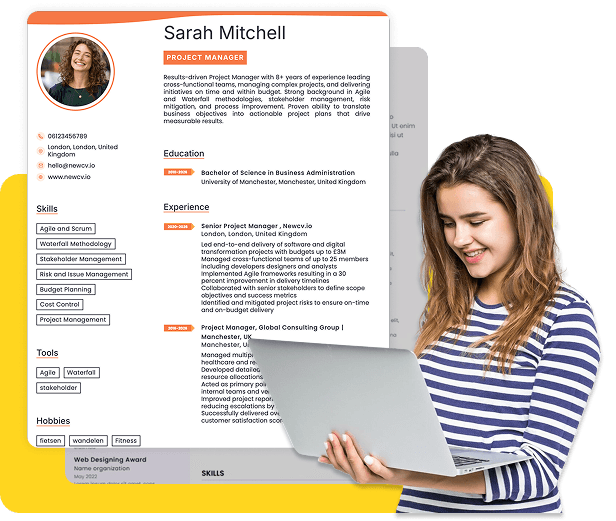
A strong .NET Developer resume is not just a list of technologies. Hiring managers want proof that you can build, maintain, optimize, and deploy production-grade applications inside the Microsoft ecosystem. The resumes that consistently get interviews show three things clearly:
Technical depth in the Microsoft stack
Business impact tied to engineering work
Experience delivering stable, scalable applications in real environments
Most .NET resumes fail because they read like generic developer profiles filled with buzzwords like “worked on APIs,” “used C#,” or “participated in Agile.” That does not help recruiters understand your architecture level, ownership, Azure exposure, or production impact.
The best .NET Developer resumes combine measurable results with technical specificity. They explain what was built, which technologies were used, how the system improved, and what business outcome was achieved.
This guide breaks down exactly how to structure, write, optimize, and improve a .NET Developer resume that performs well with recruiters, hiring managers, ATS systems, and technical interview panels.
Most recruiters review a developer resume in less than 30 seconds before deciding whether to continue.
For .NET roles, the first screening decision usually depends on these factors:
Microsoft stack alignment
Years of relevant .NET experience
Azure cloud exposure
Backend architecture experience
API and database work
Enterprise application delivery
Modern .NET ecosystem knowledge
Measurable engineering impact
Seniority indicators
Stability and scalability experience
Hiring managers are also evaluating hidden signals, including:
Whether you worked on production systems or only internal tools
Whether you understand architecture or only implementation
Whether you contributed independently or only followed tickets
Whether you can operate inside enterprise environments
Whether your experience matches the company’s technical maturity
A resume that simply lists “C#, ASP.NET, SQL Server” without context looks junior, even if the candidate has years of experience.
Your summary should position you immediately for the target role.
A good .NET Developer summary includes:
Current title or specialization
Years of experience
Microsoft technologies
Cloud platform exposure
Application types or industries
Technical strengths
Measurable business impact
Avoid vague summaries that sound copied from generic resume templates.
Weak Example
“Experienced .NET Developer with strong problem-solving skills seeking a challenging opportunity.”
This tells recruiters almost nothing.
Good Example
“Senior .NET Developer with 8+ years of experience building enterprise SaaS and fintech applications using C#, ASP.NET Core, Azure, SQL Server, and RESTful APIs. Led modernization of legacy systems into cloud-native microservices architecture, reducing deployment time by 60% and improving API response performance by 42%. Experienced in Agile delivery, CI/CD pipelines, Kubernetes deployments, and high-availability distributed systems.”
This works because it establishes:
Technical stack
Seniority
Architecture exposure
Cloud experience
Business impact
Enterprise-level delivery
Many .NET resumes lose ATS rankings because the technical skills section is poorly organized.
Recruiters also scan this section quickly to determine stack alignment.
Group technologies logically instead of dumping them into a long paragraph.
Languages:
C#
VB.NET
JavaScript
TypeScript
SQL
Frameworks & Libraries:
ASP.NET Core
.NET Framework
Entity Framework Core
MVC
Blazor
LINQ
Cloud & DevOps:
Microsoft Azure
Azure App Services
Azure Functions
Azure DevOps
Docker
Kubernetes
CI/CD Pipelines
Databases:
SQL Server
PostgreSQL
MongoDB
Redis
API & Integration:
REST APIs
GraphQL
Microservices
SOAP Services
RabbitMQ
Testing & Quality:
xUnit
NUnit
Selenium
SonarQube
Tools & Methodologies:
Git
Jira
Agile Scrum
Terraform
This structure improves:
ATS readability
Recruiter scanning speed
Keyword relevance
Technical credibility
Your work experience section is the most important part of the resume.
This is where recruiters determine whether you actually built production systems or only touched code superficially.
Strong .NET experience bullets contain:
What you built
Technologies used
Scale or complexity
Architecture context
Business impact
Measurable outcome
Use this framework:
Action Verb + System/Feature + Technologies + Scope + Measurable Result
Why this works:
Clear technical ownership
Modern architecture
Scale indicator
Measurable performance result
This demonstrates:
Modernization experience
Cloud expertise
Enterprise architecture exposure
Operational improvement
Hiring managers want specifics.
The strongest resumes explain:
Which applications were built
Which users or customers were impacted
Which Azure services were used
Which architecture patterns were implemented
Which performance improvements were achieved
Which deployment or operational gains occurred
ASP.NET Core
Web API
gRPC
Entity Framework Core
Authentication and authorization
Middleware implementation
Dependency injection
Azure Functions
Azure Service Bus
Azure Kubernetes Service
Azure SQL Database
Azure Blob Storage
Azure Monitor
Azure Key Vault
Microservices
Event-driven systems
CQRS
Clean Architecture
Domain-Driven Design
Scalable distributed systems
CI/CD automation
Infrastructure as code
Blue-green deployments
Containerization
Monitoring and observability
These details separate strong enterprise developers from generic application coders.
Most developer resumes explain responsibilities instead of outcomes.
Recruiters care about outcomes.
The strongest engineering resumes quantify impact.
API performance improvements
Cloud cost reductions
Deployment speed increases
Database optimization gains
Bug reduction percentages
Test coverage improvements
System uptime increases
Scalability improvements
Concurrent user handling
Migration timelines
Transaction throughput improvements
Optimized SQL Server queries and indexing strategy, reducing reporting execution time from 18 seconds to under 3 seconds
Increased automated test coverage from 42% to 87% using xUnit and integration testing pipelines
Reduced Azure infrastructure costs by 27% through autoscaling optimization and storage lifecycle management
Built real-time payment processing APIs supporting 250K+ daily transactions with 99.98% uptime
These bullets show operational maturity and business awareness.
One mistake developers make is using the same resume for every application.
Enterprise hiring managers want domain relevance.
Prioritize:
Scalability
APIs
Cloud-native architecture
CI/CD
Multi-tenant systems
Performance optimization
Highlight:
HIPAA compliance
Security
Data privacy
Reliability
EMR/EHR integrations
Audit logging
Focus on:
Security clearance
Compliance
Stability
Legacy modernization
Documentation standards
Enterprise architecture
Emphasize:
Transaction systems
Security
High availability
Real-time processing
Fraud prevention systems
Distributed architecture
Highlight:
High traffic systems
Checkout performance
Inventory systems
Payment integrations
Caching strategies
Search optimization
Hiring managers trust candidates faster when resumes reflect industry-specific system experience.
Entry-level developers often think lack of experience automatically disqualifies them.
That is not true.
The biggest issue is lack of proof.
If you are junior, your projects become your credibility.
REST API projects
Full-stack ASP.NET Core apps
Azure deployment projects
Authentication systems
CRUD applications with real architecture
E-commerce systems
SaaS-style dashboards
Inventory systems
Real-time chat applications
Include:
Technologies used
Architecture decisions
Deployment methods
Database structure
Authentication implementation
Performance optimization
GitHub repository
Cloud deployment
This sounds substantially stronger than:
“Created inventory management project using C#.”
Certifications alone will not get interviews.
But the right certifications strengthen credibility, especially for cloud-focused roles.
Microsoft Certified: Azure Developer Associate
Microsoft Certified: Azure Solutions Architect Expert
Azure Fundamentals
Kubernetes certifications
Scrum certifications
SQL Server certifications
Security certifications
DevOps certifications
Cloud certifications matter most when they align with your actual resume experience.
A certification without matching project or work evidence carries limited value.
Many qualified developers fail ATS filtering before a recruiter even sees the resume.
Include relevant variations naturally:
.NET Developer
C# Developer
ASP.NET Core
REST API
SQL Server
Azure
Entity Framework Core
Microservices
CI/CD
Agile Scrum
Azure DevOps
Web API
Cloud-native applications
Kubernetes
Docker
Graphics-heavy templates
Two-column layouts
Missing keyword variations
Abbreviations without full terms
Overly creative formatting
Large text blocks without structure
Generic job titles
Use clean formatting with standard headings:
Summary
Technical Skills
Professional Experience
Projects
Certifications
Education
Weak resumes say:
Worked on APIs
Developed applications
Fixed bugs
Participated in Agile meetings
These bullets sound low ownership and interchangeable.
A resume that only discusses coding tasks appears junior.
Strong candidates mention:
Scalability
System design
Cloud infrastructure
Deployment pipelines
Architecture modernization
Performance optimization
Listing 40 technologies without context creates skepticism.
Recruiters care more about depth than random keyword stuffing.
Technical work without business outcomes weakens the resume.
Always connect engineering work to:
Speed
Stability
Revenue
User experience
Reliability
Cost reduction
Scalability
Many resumes still emphasize:
Web Forms
Old .NET Framework only
Legacy desktop applications
Modern .NET hiring increasingly prioritizes:
ASP.NET Core
Cloud-native systems
Azure
APIs
Containers
Distributed systems
Senior developers are evaluated differently.
Recruiters expect evidence of:
Architecture ownership
Mentorship
Technical leadership
Cross-functional collaboration
System modernization
Scalability decisions
Production reliability
Led migration initiatives
Designed distributed systems
Mentored engineering teams
Defined technical standards
Reduced operational risk
Improved deployment pipelines
Collaborated with product and infrastructure teams
This demonstrates leadership, scale, and business impact simultaneously.
The safest and strongest format is reverse chronological.
Professional Summary
Technical Skills
Professional Experience
Projects
Certifications
Education
Use clean section headings
Keep consistent spacing
Use standard fonts
Avoid graphics and icons
Keep bullet formatting simple
Use 10–12 pt font size
Save as PDF unless otherwise requested
Junior developers: 1 page
Mid-level developers: 1–2 pages
Senior developers: 2 pages
A strong 2-page resume is better than a weak 1-page resume filled with vague summaries.
Tailoring matters heavily in .NET hiring.
Recruiters compare resumes against the exact stack requirements.
If the job emphasizes:
ASP.NET Core
Azure Functions
Blazor
Kubernetes
Azure DevOps
Those technologies should appear naturally in your experience section if you have used them.
If the company wants:
Microservices
Distributed systems
Event-driven architecture
Your bullets should reflect architecture exposure, not just coding.
If the company is fintech, healthcare, SaaS, or insurance-focused, prioritize relevant domain experience.
Recruiters consistently favor candidates who already understand the business environment.
The best .NET resumes do not try to impress with technology lists alone.
They demonstrate production-level engineering impact.
A hiring manager wants confidence that you can:
Build scalable systems
Deliver reliable software
Operate inside modern Microsoft ecosystems
Collaborate across teams
Improve performance and stability
Contribute beyond coding tasks
Your resume should show technical depth and business outcomes together.
That combination is what consistently gets interviews.
Use ATS-optimised Resume and resume templates that pass applicant tracking systems. Our Resume builder helps recruiters read, scan, and shortlist your Resume faster.

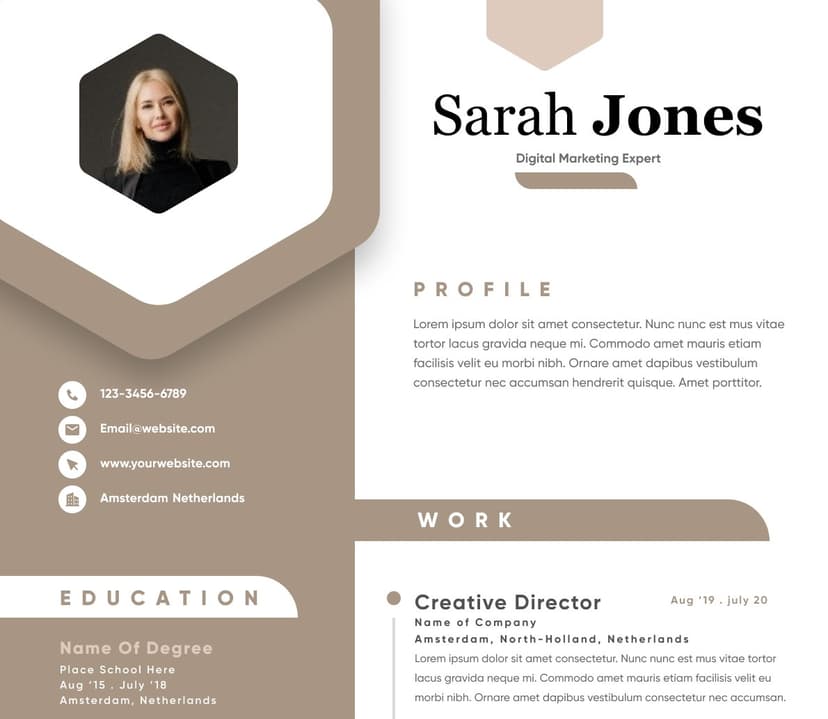
Use professional field-tested resume templates that follow the exact Resume rules employers look for.
Create Resume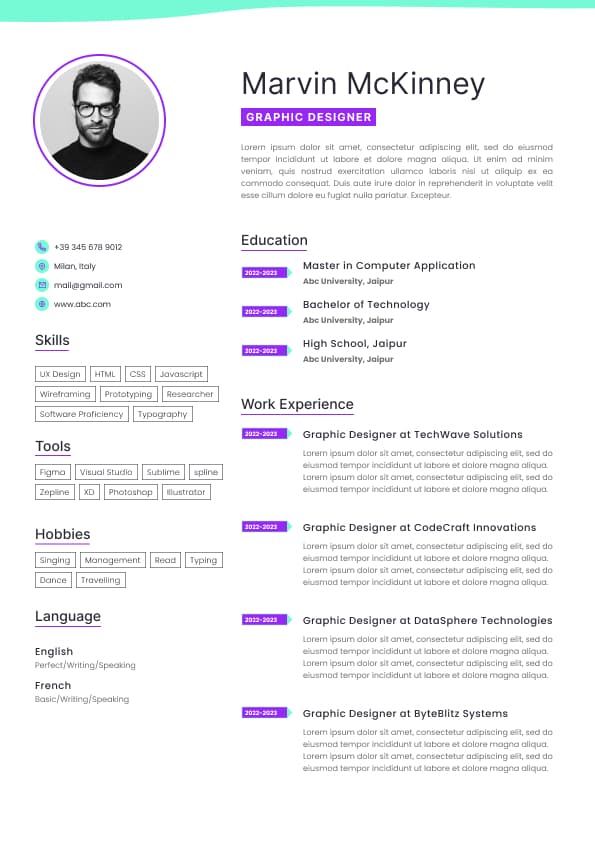
Use professional field-tested resume templates that follow the exact Resume rules employers look for.
Create Resume


 Upload Resume
 Import from Linkedin