STILL APPLYING. STILL HEARING NOTHING?BUILD YOUR RESUME

STILL APPLYING. STILL HEARING NOTHING?BUILD YOUR RESUME
Choose from a wide range of NEWCV resume templates and customize your NEWCV design with a single click.
FAQ
An effective ASP.NET developer resume does not just list technologies. It proves you can build, optimize, deploy, and maintain production-grade Microsoft applications that solve business problems. Hiring managers screening ASP.NET resumes are looking for clear evidence of backend architecture experience, API development, database optimization, cloud deployment, and measurable engineering impact.
Most resumes fail because they read like task lists instead of engineering outcomes. Recruiters see hundreds of resumes claiming “worked with C# and ASP.NET Core.” Very few explain what systems were built, how performance improved, what scale the applications handled, or how the developer contributed to delivery in real production environments.
A strong ASP.NET developer resume positions you as someone who can deliver reliable enterprise software using the Microsoft stack. That means combining technical depth with measurable business results, modern architecture experience, and ATS-friendly keyword optimization.
Most companies hiring ASP.NET developers are trying to solve one of these problems:
Modernizing legacy .NET applications
Building scalable APIs and backend services
Migrating systems to Azure cloud infrastructure
Improving application performance and reliability
Expanding enterprise internal systems
Supporting SaaS platforms with high uptime requirements
Integrating databases, APIs, authentication, and DevOps workflows
Your resume needs to show direct evidence that you can contribute to those goals.
Your summary section should position you quickly and clearly. This is not the place for vague soft skills or generic statements like “hardworking developer passionate about coding.”
Hiring managers want immediate clarity on:
Your specialization
Your seniority level
Your Microsoft stack expertise
The systems you build
The business impact you deliver
A high-performing summary typically includes:
ASP.NET title
Years of experience
Your skills section is critical for ATS parsing and recruiter scanning. Poorly structured skills sections often hurt otherwise strong resumes.
Instead of dumping random technologies into one paragraph, organize skills logically.
C#
JavaScript
TypeScript
SQL
PowerShell
ASP.NET Core
Your experience section is the most important part of the resume.
This is where most candidates fail.
The majority of ASP.NET developers describe responsibilities instead of outcomes. Hiring managers care far more about engineering impact than daily tasks.
Each bullet should combine:
Action
Technology
Scope
Business impact
Measurable outcome
Action Verb + System/Feature + Technologies + Scale/Problem + Result
Engineering resumes perform significantly better when they include measurable outcomes.
Metrics help recruiters and hiring managers estimate your impact level quickly.
Strong ASP.NET resume KPIs include:
API response time improvements
Deployment frequency increases
SQL query optimization gains
Application uptime improvements
Bug reduction percentages
Cloud infrastructure cost savings
User growth support
Different industries prioritize different engineering concerns.
A generic ASP.NET resume often underperforms because it lacks domain alignment.
Hiring managers expect:
Scalability
API performance
Multi-tenant architecture
CI/CD maturity
Cloud infrastructure
“Built scalable ASP.NET Core microservices deployed on Azure Kubernetes Service supporting a SaaS platform serving 120K+ active customers.”
One of the biggest resume gaps in the market is architectural credibility.
Many developers claim ASP.NET experience but only worked on small features inside existing systems.
Senior hiring managers want evidence that you understand:
System architecture
Scalability
API design
Authentication
Distributed systems
Cloud infrastructure
Production reliability
Projects matter most when:
You have limited professional experience
You are changing careers
You are a bootcamp graduate
You are moving into backend development
Your work history lacks modern ASP.NET technologies
Good projects should demonstrate production-style thinking, not tutorial cloning.
Real authentication workflows
Certifications are not mandatory, but they can improve credibility in competitive markets.
The most valuable certifications for ASP.NET developers are directly tied to cloud infrastructure, Microsoft ecosystems, and DevOps workflows.
Microsoft Certified: Azure Developer Associate
Microsoft Certified: Azure Solutions Architect Expert
Microsoft SQL Server certifications
Docker Certified Associate
Certified Kubernetes Application Developer
Scrum Master certifications
Most companies use ATS filtering before human review.
ASP.NET resumes frequently fail ATS scans because candidates:
Overdesign resumes with graphics
Use tables incorrectly
Skip important Microsoft stack keywords
Use vague job titles
Leave out exact framework terminology
Include these naturally throughout your resume where relevant:
ASP.NET developer
Tailoring matters more in technical hiring than many candidates realize.
Most ASP.NET positions are highly specific.
One company may need:
Another may need:
Another may prioritize:
Another may focus heavily on:
Match technologies mentioned in the posting when accurate.
If the posting emphasizes:
ASP.NET Core
Recruiters want outcomes.
Bad:
“Responsible for maintaining applications.”
Better:
“Maintained and optimized ASP.NET Core applications supporting 300K monthly users with 99.9% uptime.”
Modern backend hiring evaluates:
Architecture
Scalability
Collaboration
Deployment
Performance
The best ASP.NET resumes communicate four things clearly:
You can build and maintain production-grade Microsoft applications.
Your work improved measurable outcomes.
You understand scalability, architecture, deployment, and reliability.
You can operate effectively inside Agile engineering environments.
That combination gets interviews.
Not long lists of technologies.
Not vague summaries.
Not generic “team player” language.
The biggest mistake ASP.NET developers make is positioning themselves as task executors instead of engineering problem solvers.
Hiring managers are not just buying coding ability.
They are hiring someone who can:
Improve systems
Reduce operational problems
Deliver scalable software
Support business growth
Build reliable backend infrastructure
Contribute inside modern engineering teams
Your resume should consistently reinforce those outcomes.
Every bullet should answer one silent hiring manager question:
“Why would this developer improve our engineering team?”


Use ATS-optimised Resume and resume templates that pass applicant tracking systems. Our Resume builder helps recruiters read, scan, and shortlist your Resume faster.

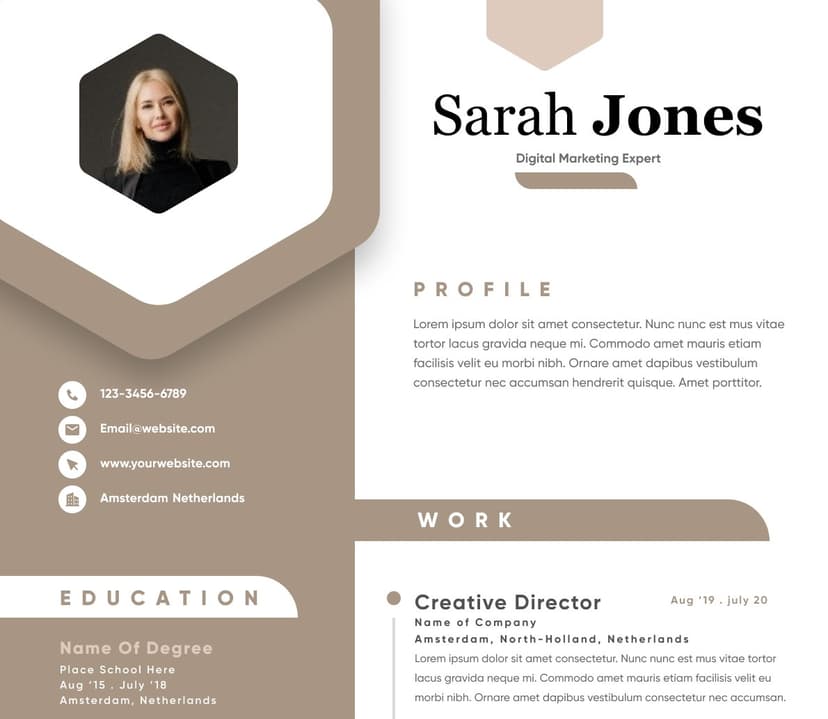
Use professional field-tested resume templates that follow the exact Resume rules employers look for.
Create Resume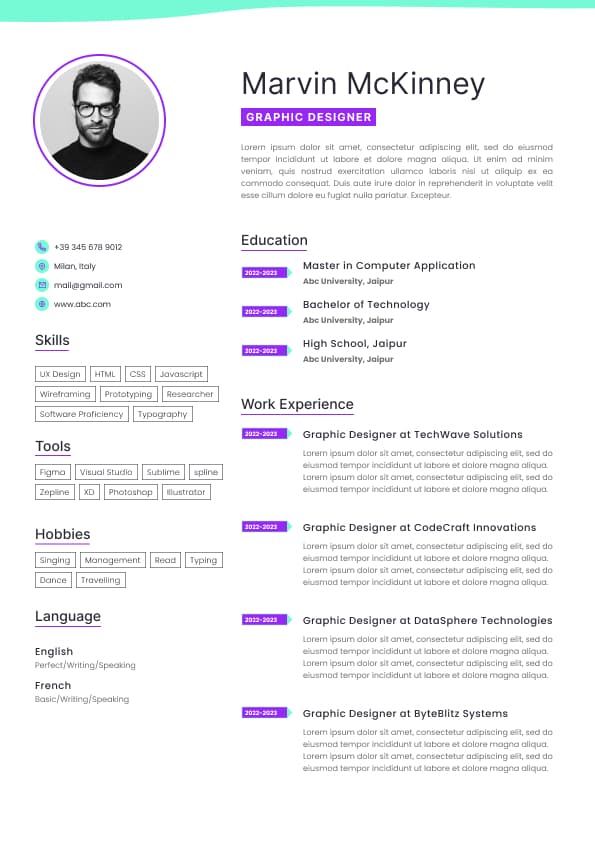
Use professional field-tested resume templates that follow the exact Resume rules employers look for.
Create ResumeRecruiters typically evaluate ASP.NET resumes in this order:
Job title alignment
Years of experience with the Microsoft stack
ASP.NET Core and modern .NET exposure
Backend architecture and API experience
SQL Server and database optimization
Azure or cloud infrastructure experience
Business impact and measurable results
Stability and progression in previous roles
ATS keyword alignment with the job description
If your resume does not immediately demonstrate those areas, you risk getting filtered out before a technical hiring manager ever sees your application.
Core technologies
Industry exposure
Architecture or cloud experience
Quantifiable results
“Motivated ASP.NET developer with experience in software development and teamwork.”
This says almost nothing meaningful.
“ASP.NET Developer with 6+ years of experience building scalable enterprise web applications using ASP.NET Core, C#, SQL Server, Azure, and REST APIs. Specialized in backend architecture, API optimization, and cloud-based deployments supporting SaaS and healthcare platforms with over 500K monthly users. Reduced API response times by 42% and improved deployment efficiency through CI/CD automation.”
This version immediately communicates technical credibility and business value.
ASP.NET MVC
.NET Framework
Entity Framework
Blazor
LINQ
REST APIs
Web API
Microservices
MVC Architecture
OAuth
JWT Authentication
SQL Server
PostgreSQL
MySQL
Redis
Azure
Azure DevOps
Docker
Kubernetes
CI/CD Pipelines
GitHub Actions
xUnit
NUnit
Selenium
Postman
Jira
Git
Swagger
RabbitMQ
This structure improves readability while naturally supporting semantic SEO and ATS keyword matching.
“Worked on ASP.NET applications and fixed bugs.”
This sounds junior and provides no evidence of capability.
“Developed and optimized ASP.NET Core REST APIs handling over 2 million monthly requests, reducing average response latency by 38% through SQL query optimization, Redis caching, and asynchronous processing.”
This immediately demonstrates:
Scale
Technical depth
Optimization skill
Performance impact
Production-level experience
System scalability improvements
Authentication performance gains
Database migration success rates
Reduced API latency from 1.8 seconds to 700 milliseconds
Improved SQL query execution speed by 55%
Increased deployment frequency from weekly to daily using Azure DevOps CI/CD
Reduced cloud infrastructure costs by 28% through Azure resource optimization
Supported migration of legacy .NET Framework applications to ASP.NET Core
Improved application uptime from 97.9% to 99.95%
Built microservices architecture supporting 400K+ active users
Numbers create credibility.
Without metrics, hiring managers often assume the candidate contributed at a low level.
Healthcare employers prioritize:
HIPAA compliance
Security
Data integrity
Reliability
Audit logging
“Developed secure ASP.NET MVC patient management systems with role-based access control, encrypted PHI storage, and audit logging compliant with HIPAA standards.”
Government hiring teams often care about:
Security clearances
Legacy modernization
Stability
Documentation
Compliance frameworks
“Modernized legacy .NET Framework applications into ASP.NET Core services supporting internal government operations while maintaining FISMA compliance requirements.”
FinTech employers value:
Transaction reliability
Security
Performance
Data consistency
Scalability
“Designed ASP.NET Core backend services processing financial transactions with sub-second execution times and 99.99% uptime reliability.”
Designed RESTful API architecture
Built microservices using ASP.NET Core
Implemented JWT authentication workflows
Developed event-driven integrations using RabbitMQ
Created scalable Azure-hosted backend systems
Migrated monolithic applications to modular services
Improved application resiliency through distributed caching
These phrases signal higher engineering maturity.
Database integration
REST API architecture
Azure deployment
CI/CD implementation
Role-based access control
Docker containerization
Real-world business functionality
“Developed an ASP.NET Core e-commerce platform with JWT authentication, Stripe payment integration, SQL Server backend, Azure deployment, and automated CI/CD pipelines using GitHub Actions.”
That sounds far stronger than:
“Built a shopping cart app.”
Security certifications related to cloud or identity management
Certifications help most when they reinforce practical experience already shown in the resume.
They do not compensate for weak technical bullets.
ASP.NET Core
C#
SQL Server
Azure
Web API
Entity Framework
REST APIs
MVC
CI/CD
Microservices
Azure DevOps
.NET Framework
Authentication
Cloud deployment
Do not keyword stuff.
Hiring managers can immediately tell when a resume was artificially optimized without real experience behind it.
Azure Functions
Kubernetes
Entity Framework Core
Those technologies should appear prominently if you have them.
Senior roles should emphasize:
Architecture
Mentorship
System ownership
Scalability
Cross-team collaboration
Mid-level roles should focus more on:
Feature delivery
Optimization
Technical execution
Agile participation
Industry alignment improves interview rates significantly.
If the company operates in healthcare, FinTech, insurance, or SaaS, prioritize matching experience from those sectors.
Production reliability
Not just coding.
Legacy technologies are fine if positioned correctly.
If you mention Web Forms or older .NET Framework versions, show modernization work or transition experience.
Keyword stuffing weakens credibility fast.
Technical resumes perform best when technologies are connected to real business outcomes.
Modern ASP.NET hiring heavily favors cloud familiarity.
Even moderate Azure exposure can improve competitiveness significantly.
If your resume answers that clearly with technical depth and measurable proof, your interview rate increases dramatically.


 Upload Resume
 Import from Linkedin