STILL APPLYING. STILL HEARING NOTHING?BUILD YOUR RESUME

STILL APPLYING. STILL HEARING NOTHING?BUILD YOUR RESUME
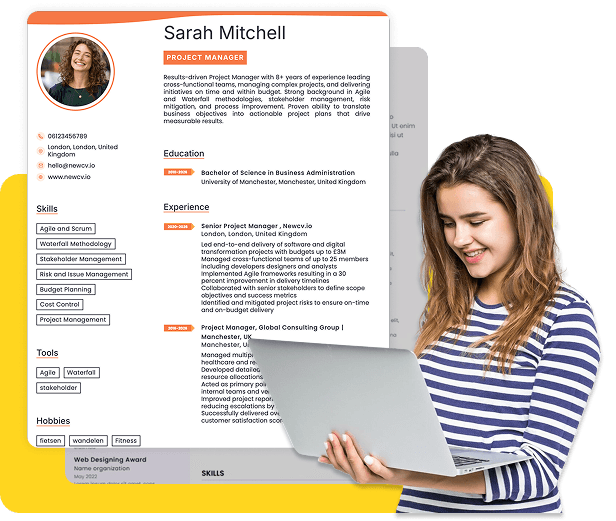
Choose from a wide range of NEWCV resume templates and customize your NEWCV design with a single click.
FAQ

If you are applying for a .NET developer internship, recruiters are not expecting you to have years of experience. They are evaluating whether you can learn quickly, write clean code, collaborate with a development team, and contribute to real projects without excessive hand-holding.
Most internship candidates fail because they apply with generic resumes, weak GitHub profiles, tutorial-level projects, and no proof of practical development ability. The candidates who get interviews usually demonstrate three things clearly:
Strong C# and object-oriented programming fundamentals
Practical ASP.NET Core or API projects with visible code
Evidence of initiative through GitHub, coursework, certifications, hackathons, or self-driven learning
Hiring managers for Microsoft-stack internships care far more about applied technical ability than polished corporate experience. A student with two strong ASP.NET Core projects and a clean GitHub repository often outperforms candidates with vague internship descriptions and no technical depth.
This guide breaks down exactly how to position yourself for a .NET developer internship in today’s hiring market, including resume strategy, interview preparation, project selection, GitHub optimization, and recruiter evaluation logic.
A .NET developer intern typically works on internal tools, APIs, web applications, debugging tasks, or backend support within a Microsoft technology stack.
Most internships involve:
Writing and debugging C# code
Supporting ASP.NET Core applications
Building or testing REST APIs
Working with SQL Server databases
Using Git for version control
Participating in Agile or Scrum workflows
Fixing bugs and improving existing codebases
Learning enterprise development standards
Depending on the company, interns may also work with:
Entity Framework Core
Azure services
Blazor
MVC architecture
Authentication systems
Docker containers
CI/CD pipelines
Microservices basics
Many students assume internships are purely educational. In reality, companies want interns who can become junior developers later. Recruiters are evaluating long-term hiring potential from the beginning.
Many candidates waste time trying to learn everything in the Microsoft ecosystem before applying. That is unnecessary.
Recruiters and hiring managers usually prioritize foundational skills over advanced specialization for internships.
You should understand:
Variables and data types
Loops and conditionals
Classes and objects
Inheritance and polymorphism
Interfaces
Exception handling
Async and await basics
Collections and LINQ
Weak C# fundamentals are one of the fastest ways candidates fail technical screenings.
You do not need enterprise-level expertise, but you should understand:
Controllers and routing
Dependency injection
Middleware basics
CRUD operations
MVC structure
API endpoints
Authentication fundamentals
Most .NET internships involve database interaction.
You should know:
SELECT statements
Joins
Primary and foreign keys
Basic normalization
CRUD database operations
Recruiters increasingly expect even interns to understand:
Git commits
Branching basics
Pull requests
Repository structure
Candidates without GitHub experience often look underprepared.
Projects are usually the deciding factor for internship candidates with limited experience.
Recruiters do not care about tutorial clones unless you significantly improved or customized them.
The best internship projects demonstrate:
Practical coding ability
Real application structure
Database integration
API usage
Clean architecture
Problem-solving
A CRUD application is still one of the best internship projects when done correctly.
Strong examples include:
Task management systems
Expense trackers
Student portals
Inventory systems
Appointment scheduling apps
What recruiters look for:
Authentication
Input validation
Database integration
Clean UI structure
Organized controllers and services
A well-built API project signals backend readiness.
Good examples:
Movie database API
Weather tracking API
E-commerce backend API
Fitness tracking API
Bonus points if you include:
JWT authentication
Swagger documentation
Error handling
Pagination
Role-based authorization
Many Microsoft-stack employers value cloud exposure.
Even basic Azure deployment experience can differentiate you from other students.
Examples:
Deploying an ASP.NET Core app to Azure App Service
Connecting Azure SQL Database
Hosting APIs in Azure
Blazor is still less saturated than React portfolios in the internship market.
A clean Blazor project can stand out because fewer students use it effectively.
Recruiters repeatedly reject candidates because their projects show no real engineering thinking.
Hiring managers recognize copied YouTube projects immediately.
Common examples:
Basic calculator apps
Unmodified to-do lists
Copy-pasted weather apps
Projects without persistence often look incomplete.
A strong project hidden on a local machine provides no proof.
Messy repositories suggest weak engineering habits.
A missing README reduces credibility fast.
Your GitHub profile is often more important than your resume for technical internships.
Recruiters may not deeply analyze your code, but engineering managers frequently do.
You do not need daily commits, but inactive profiles raise concerns.
Bad:
FinalProject123
TestRepo
Demo2
Good:
ASPNETCore-ExpenseTracker
MovieReviewAPI
AzureTaskManagementApp
Every serious project should include:
Project overview
Features
Technologies used
Screenshots
Setup instructions
Future improvements
Messy commits like:
“fix stuff”
“update”
“final final version”
create poor impressions.
Professional commit examples:
“Added JWT authentication middleware”
“Refactored repository pattern implementation”
“Implemented SQL pagination for product endpoint”
Internship resumes are different from experienced developer resumes.
Recruiters are evaluating potential, technical foundations, and initiative.
Your resume should focus heavily on proof of technical capability.
Group skills clearly.
Good Example
C#, ASP.NET Core, Entity Framework Core
SQL Server, REST APIs, LINQ
Git, GitHub, Azure Fundamentals
HTML, CSS, JavaScript
Avoid massive skill dumps that include technologies you barely understand.
This is usually the most important section for internship candidates.
Each project should explain:
What you built
Technologies used
Technical complexity
Results or functionality
Weak Example
“Built a web app using ASP.NET.”
Good Example
“Developed an ASP.NET Core MVC inventory management system with SQL Server integration, authentication, and CRUD functionality for 500+ simulated product records.”
For internships, education still matters heavily.
Include:
Degree
Graduation date
Relevant coursework
GPA if strong
Technical honors
Useful beginner certifications include:
Microsoft Azure Fundamentals
Microsoft Learn paths
C# certifications
SQL coursework certificates
Certifications alone do not get interviews, but they can strengthen weak experience levels.
Many students search for “.NET developer internship no experience” because they assume internships require prior employment.
That is usually false.
What matters is whether you can demonstrate capability another way.
Still the strongest substitute for experience.
Hackathons demonstrate collaboration and problem-solving under pressure.
Programming clubs help validate engagement.
Even small contributions can help.
Small business websites or nonprofit tools count as real experience if positioned correctly.
These can strengthen analytical credibility, especially for backend-heavy internships.
Most .NET internship interviews are designed to test fundamentals, not senior-level architecture expertise.
Expect questions about:
Classes vs objects
Inheritance
Encapsulation
Interfaces
Collections
Exception handling
Internship interviews often include:
Arrays
Strings
Dictionaries
Loops
Sorting basics
You usually will not face extremely difficult LeetCode-style interviews unless applying to highly competitive tech companies.
Typical questions:
Difference between INNER JOIN and LEFT JOIN
Primary keys
Index basics
CRUD queries
Interviewers may ask:
What is dependency injection?
What is middleware?
Explain routing in ASP.NET Core
Difference between MVC and Web API
Basic Git understanding is increasingly expected.
Many students think technical correctness alone determines hiring decisions.
It does not.
Internship interviews heavily evaluate coachability.
Hiring managers assess:
Communication clarity
Problem-solving process
Debugging mindset
Ability to explain decisions
Curiosity and willingness to learn
A candidate who explains their reasoning clearly often outperforms a candidate who silently struggles through coding questions.
A resume with only coursework and no projects is usually weak in today’s market.
Trying to master:
.NET
React
Kubernetes
AI
DevOps
Mobile development
simultaneously often leads to shallow skills.
Strong internship candidates usually go deeper into a smaller stack first.
Many candidates focus only on UI work.
Microsoft-stack internships often prioritize backend understanding.
Recruiters and engineers increasingly notice when candidates cannot explain their own projects.
If you use AI tools, you still need to understand:
Architecture
Logic
Debugging
Database flow
Authentication implementation
Generic developer resumes fail badly in internship hiring.
Your resume should clearly communicate:
Why you fit Microsoft-stack development
Which technologies you used
What technical problems you solved
One polished project is better than six weak projects.
Your best project should include:
Authentication
Database integration
API functionality
Deployment
Clean architecture
GitHub documentation
Many recruiters like seeing Microsoft ecosystem engagement.
Microsoft Learn pathways help validate motivation.
Azure Fundamentals is one of the few beginner certifications that can genuinely support internship applications.
It aligns directly with Microsoft-stack hiring.
Many students neglect LinkedIn completely.
Your LinkedIn should include:
Technical headline
GitHub link
Project highlights
Internship-focused summary
Technical skills
Strong internship candidates often apply:
Fall for summer internships
Early winter for spring opportunities
Many internship roles close months before students realize recruiting has started.
A highly competitive internship candidate often has:
2 to 4 strong technical projects
Clean GitHub repositories
ASP.NET Core experience
Basic SQL knowledge
Git familiarity
Some Azure exposure
Good communication skills
Evidence of consistent learning
Not every candidate has FAANG-level coding ability.
Most companies simply want interns who can contribute, learn quickly, and grow into reliable junior developers.
If you are starting from scratch, this sequence works well:
Learn C# fundamentals deeply
Build one CRUD ASP.NET Core project
Learn SQL basics
Push projects to GitHub
Add authentication and APIs
Deploy a project to Azure
Build a focused internship resume
Practice explaining your code aloud
Apply consistently to internships and new grad programs
Candidates who follow this progression usually outperform students who endlessly consume tutorials without shipping projects.
Use ATS-optimised Resume and resume templates that pass applicant tracking systems. Our Resume builder helps recruiters read, scan, and shortlist your Resume faster.
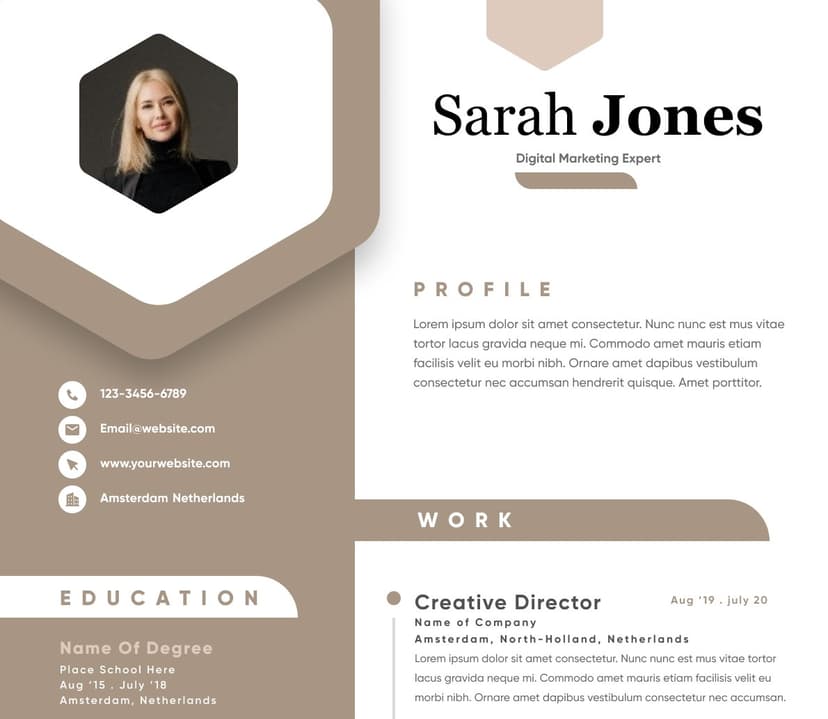
Use professional field-tested resume templates that follow the exact Resume rules employers look for.
Create Resume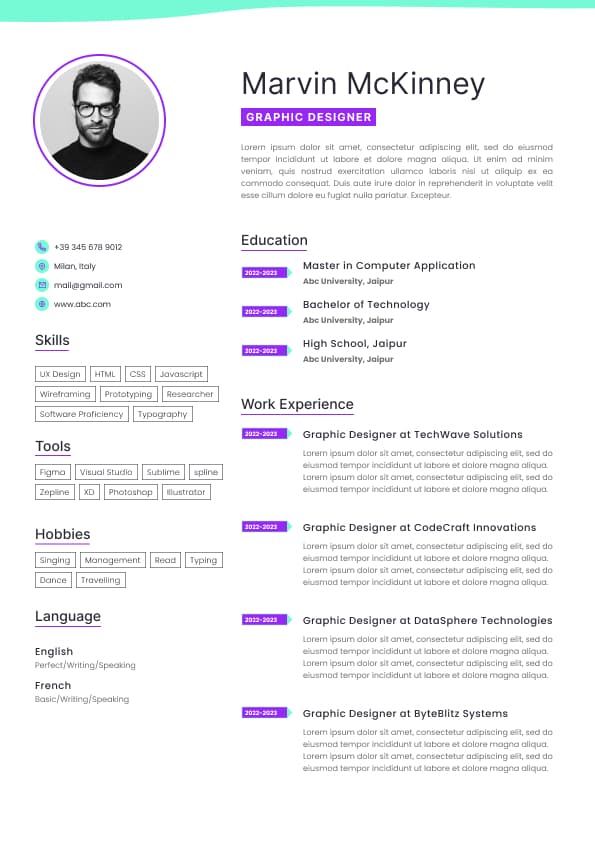
Use professional field-tested resume templates that follow the exact Resume rules employers look for.
Create Resume


 Upload Resume
 Import from Linkedin