STILL APPLYING. STILL HEARING NOTHING?BUILD YOUR RESUME

STILL APPLYING. STILL HEARING NOTHING?BUILD YOUR RESUME
Choose from a wide range of NEWCV resume templates and customize your NEWCV design with a single click.
FAQ
.NET developer job requirements have evolved far beyond basic C# knowledge. Today’s hiring managers expect candidates to understand modern software architecture, cloud platforms, APIs, databases, testing, security, and enterprise development workflows. Whether you are applying for an entry-level .NET developer role or a senior backend engineering position, employers evaluate your ability to build maintainable, scalable, production-ready applications using the Microsoft ecosystem.
Most companies now prioritize practical engineering ability over theoretical knowledge alone. Recruiters screen for hands-on experience with ASP.NET Core, SQL Server, REST APIs, Git, Azure, debugging, and modern development practices. Senior-level candidates are additionally evaluated on architecture decisions, scalability, cloud infrastructure, mentoring ability, and system design expertise.
This guide breaks down the real-world qualifications, technical skills, hiring expectations, and recruiter evaluation criteria companies use when hiring .NET developers in today’s US job market.
Most employers hire .NET developers to solve business problems through reliable software systems. That means companies are not simply looking for someone who “knows C#.” They want developers who can contribute to production environments with minimal risk.
Recruiters and engineering managers typically evaluate candidates across five core areas:
Technical programming skills
Software engineering fundamentals
Production development experience
Collaboration and communication ability
Modern tooling and cloud ecosystem familiarity
The exact expectations vary based on seniority, company size, and product complexity.
For example:
A startup may prioritize fast iteration, full stack capability, and cloud deployment experience
Most .NET developer job descriptions consistently include a similar set of technical requirements.
C# remains the foundation of most .NET roles. Employers expect developers to write clean, maintainable, object-oriented code that follows modern engineering standards.
Hiring managers typically expect experience with:
C#
.NET Framework or .NET Core/.NET 8+
ASP.NET Core
Object-oriented programming
Dependency injection
LINQ
Many job postings still list a bachelor’s degree requirement, but the reality is more nuanced.
Typical educational requirements include:
Computer Science
Software Engineering
Computer Engineering
Information Systems
Related technical fields
However, many employers now accept equivalent practical experience.
In the current US market, strong project work, GitHub contributions, internships, freelance development, or enterprise experience can offset lack of a formal degree in many organizations.
That said, degree expectations still matter more in:
Entry-level .NET hiring has become significantly more competitive.
Junior developers are no longer evaluated purely on theoretical knowledge. Employers increasingly expect proof of practical capability.
Most entry-level candidates should demonstrate:
Basic C# proficiency
ASP.NET Core familiarity
SQL fundamentals
Git usage
API understanding
Object-oriented programming concepts
As seniority increases, hiring criteria shift dramatically.
Companies stop evaluating only coding ability and start evaluating engineering ownership.
Azure expertise is increasingly valuable in the Microsoft ecosystem.
Common preferred qualifications include:
Azure App Services
Azure Functions
Azure DevOps
Azure Storage
Azure SQL
Azure Kubernetes Service
Many candidates underestimate how heavily soft skills influence hiring decisions.
Engineering managers do not hire developers to code in isolation. They hire people who can operate inside teams.
Strong communication is critical because developers constantly interact with:
Product managers
QA teams
Architects
DevOps engineers
Stakeholders
Other developers
Interviewers often evaluate:
Most resumes are rejected before a hiring manager ever sees them.
Recruiters typically scan resumes for 10 to 20 seconds initially.
Strong .NET resumes usually include:
Clear technical stack
Relevant project impact
Modern .NET technologies
Business outcomes
Production environment experience
Cloud or deployment exposure
Many candidates misunderstand what companies evaluate during .NET interviews.
Strong employers rarely care only about memorized syntax questions.
They evaluate engineering competence.
Typical interview topics include:
C# fundamentals
ASP.NET Core architecture
APIs and HTTP concepts
SQL optimization
Object-oriented programming
Design patterns
Certifications are rarely the primary hiring factor, but they can strengthen positioning in competitive markets.
Useful certifications may include:
Microsoft Azure certifications
Azure Developer Associate
Azure Solutions Architect
Kubernetes certifications
Scrum certifications
Security certifications
SQL Server certifications
Certifications matter most when:
Different industries prioritize different engineering capabilities.
Common priorities include:
Security
Performance
Reliability
Auditing
Compliance
Transaction consistency
High-availability systems
Many developers overestimate the importance of niche technologies and underestimate engineering reliability.
Most hiring managers ultimately prioritize developers who can:
Deliver maintainable solutions
Learn quickly
Collaborate effectively
Work independently
Operate in production environments
Reduce engineering risk
The safest hires are candidates who demonstrate consistent execution.
This is why candidates with strong practical experience often outperform candidates with impressive theoretical knowledge but weak delivery history.
Candidates who consistently land interviews usually follow a similar development path.
Focus on projects that demonstrate:
APIs
Authentication
Databases
Cloud deployment
CI/CD
Testing
Production readiness

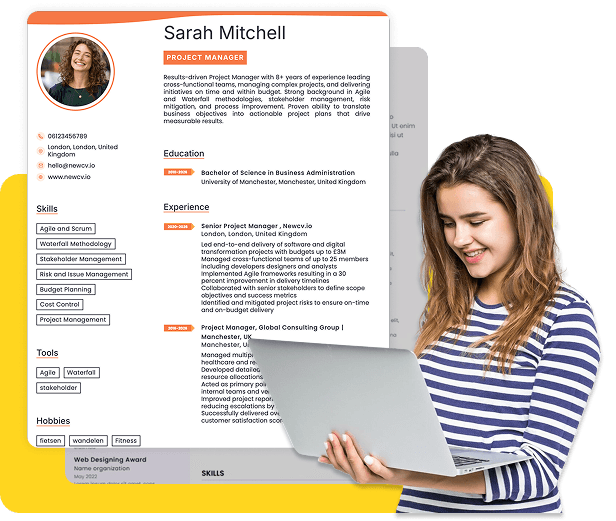
Use ATS-optimised Resume and resume templates that pass applicant tracking systems. Our Resume builder helps recruiters read, scan, and shortlist your Resume faster.

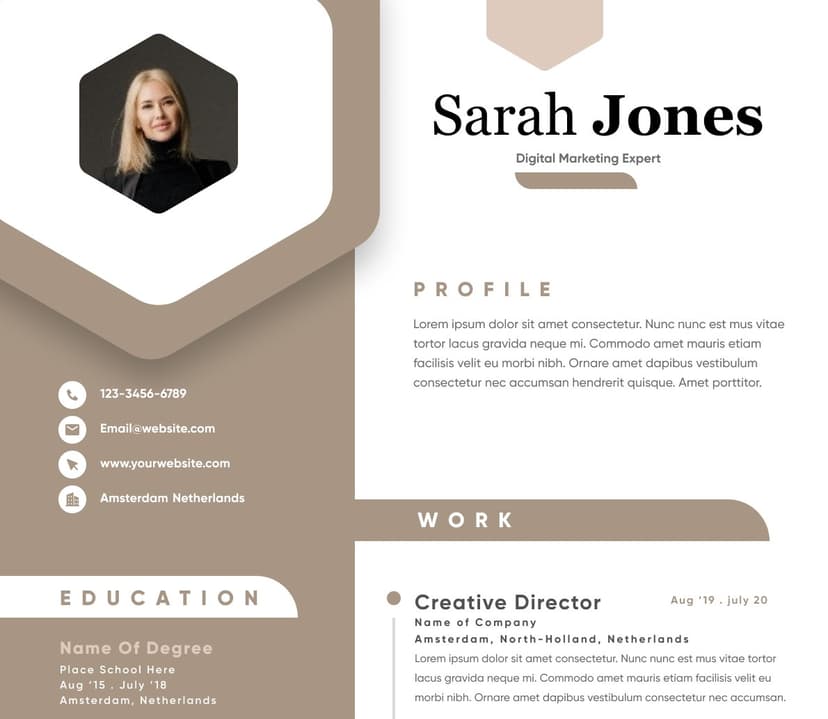
Use professional field-tested resume templates that follow the exact Resume rules employers look for.
Create Resume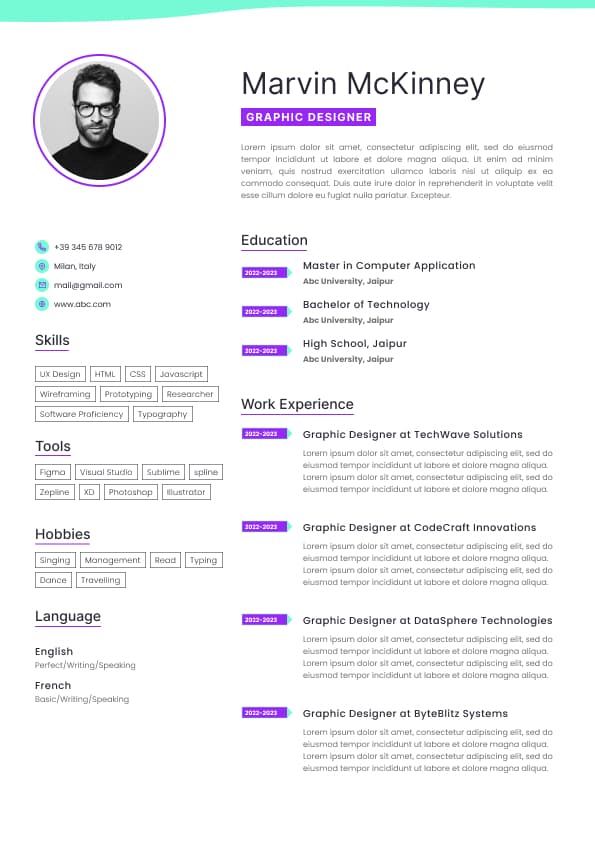
Use professional field-tested resume templates that follow the exact Resume rules employers look for.
Create ResumeAn enterprise company may prioritize architecture standards, legacy modernization, scalability, and secure coding practices
A fintech or healthcare company may emphasize compliance, testing, auditing, and software reliability
The strongest candidates demonstrate both coding ability and engineering maturity.
Asynchronous programming
Exception handling
Middleware and application pipelines
Candidates who only understand syntax but cannot explain architectural decisions usually struggle during technical interviews.
Recruiters often look for evidence that candidates have worked on real applications rather than tutorial-level projects.
Most .NET applications rely heavily on relational databases. Even backend-focused candidates are expected to understand database interaction patterns.
Common employer expectations include:
SQL Server experience
Writing optimized SQL queries
Stored procedures
Database schema design
Indexing fundamentals
Entity Framework Core
ORM concepts
Data migrations
Transaction management
One major hiring mistake candidates make is listing SQL Server without demonstrating actual database problem-solving ability.
Engineering managers often test:
Query optimization thinking
Data modeling decisions
API-to-database interaction design
Performance bottleneck awareness
Modern .NET development is heavily API-driven.
Most employers expect developers to build and maintain RESTful services using ASP.NET Core Web API.
Typical requirements include:
REST API development
JSON serialization
Authentication and authorization
JWT tokens
OAuth concepts
API versioning
Swagger/OpenAPI
Error handling
API security standards
For senior roles, candidates are often evaluated on:
API scalability
Distributed system communication
Rate limiting
Caching strategies
Message queues
Service decomposition decisions
Strong companies evaluate engineering thinking, not just framework familiarity.
Candidates are commonly expected to understand:
SOLID principles
Design patterns
Data structures and algorithms
Separation of concerns
Clean architecture
Dependency inversion
Unit testing concepts
Maintainability standards
A common rejection reason is developers who can build features but cannot explain why their implementation is maintainable, scalable, or testable.
Hiring managers increasingly prioritize developers who understand engineering tradeoffs.
Enterprise corporations
Government contractors
Highly regulated industries
Fortune 500 companies
Traditional consulting firms
Engineering leaders care more about whether candidates can:
Solve production problems
Debug effectively
Write maintainable code
Collaborate with teams
Understand software systems
Learn quickly
A weak candidate with a computer science degree often loses to a self-taught developer with strong practical projects and modern engineering skills.
Debugging ability
Basic frontend familiarity
Problem-solving capability
Employers also expect evidence of initiative.
Strong junior candidates usually have:
GitHub repositories
Personal projects
Internship experience
Bootcamp projects
Freelance work
Open-source contributions
Portfolio applications
The biggest differentiator for junior developers is proof of execution.
A candidate who built and deployed a real application usually outperforms someone with only coursework.
Strong portfolio projects often include:
Authentication systems
CRUD applications
API integrations
Database usage
Cloud deployment
Docker setup
CI/CD workflows
Logging and monitoring basics
Even simple projects become far more impressive when candidates explain engineering decisions clearly.
Infrastructure as code
CI/CD pipelines
Monitoring and observability
Many employers now prioritize cloud-native development experience over traditional on-premises experience.
Senior developers are frequently expected to understand scalable system design.
Preferred experience often includes:
Microservices architecture
Event-driven systems
Message brokers
Service communication patterns
Caching systems
Scalability optimization
Resilience patterns
Distributed tracing
Performance tuning
One major interview differentiator is whether candidates understand operational complexity, not just code implementation.
Modern engineering teams increasingly expect developers to participate in deployment and operational workflows.
Preferred qualifications may include:
Docker
Kubernetes
Terraform
Bicep
GitHub Actions
Azure DevOps pipelines
CI/CD automation
Infrastructure provisioning
Environment configuration
Developers who understand deployment pipelines are viewed as lower-risk hires because they can contribute across the software delivery lifecycle.
Clarity of technical explanations
Problem breakdown ability
Documentation habits
Collaboration mindset
Incident communication
Candidates who cannot explain technical decisions clearly often struggle even if they are technically capable.
Most companies prioritize structured thinking over memorized answers.
Interviewers look for candidates who can:
Analyze problems methodically
Debug efficiently
Ask smart clarifying questions
Evaluate tradeoffs
Handle ambiguity
Learn independently
Strong developers explain their reasoning process instead of jumping immediately into code.
The .NET ecosystem evolves rapidly.
Hiring managers strongly value developers who can adapt to:
New frameworks
Existing enterprise systems
Legacy modernization projects
Cloud migrations
Changing business requirements
Candidates who appear rigid or resistant to change are often viewed as risky hires.
API development
Team collaboration indicators
Common resume mistakes include:
Listing technologies without context
Generic job descriptions
No measurable outcomes
Overloading skills sections
Outdated technologies only
No evidence of modern development practices
Tutorial-level projects presented as enterprise experience
Weak Example:
“Worked on .NET applications using C# and SQL Server.”
Good Example:
“Built and maintained ASP.NET Core APIs supporting 250K+ monthly transactions, reducing response times by 35% through query optimization and caching improvements.”
The second example demonstrates:
Scale
Technical contribution
Business impact
Performance optimization
Real-world engineering experience
That is what recruiters and hiring managers actually respond to.
Async programming
Dependency injection
Authentication and authorization
Debugging scenarios
Unit testing
System design
Senior candidates are additionally evaluated on:
Scalability decisions
Architecture tradeoffs
Production troubleshooting
Cloud architecture
Team leadership
Cross-system integration
The best candidates:
Explain tradeoffs clearly
Communicate structured thinking
Demonstrate debugging logic
Understand maintainability
Discuss production considerations
Connect technical choices to business outcomes
Candidates who only memorize interview questions usually fail deeper technical discussions.
Candidates lack experience
Companies require compliance credentials
Moving into cloud-focused roles
Transitioning industries
Competing in enterprise hiring environments
However, certifications never replace practical engineering capability.
Healthcare employers often prioritize:
HIPAA awareness
Data security
Integration systems
Legacy modernization
Documentation quality
Reliability standards
SaaS companies frequently emphasize:
Scalability
APIs
Cloud architecture
Multi-tenant systems
Performance optimization
CI/CD maturity
Understanding the business environment can significantly improve interview performance.
Prioritize:
ASP.NET Core
Entity Framework Core
SQL Server
Azure fundamentals
Git and GitHub
Docker basics
REST APIs
Authentication systems
Do not focus only on coding syntax.
Learn:
Architecture fundamentals
Scalability concepts
System design basics
Debugging methodology
Software quality principles
Strong communication dramatically improves hiring outcomes.
Practice:
Explaining technical decisions
Discussing tradeoffs
Describing debugging processes
Walking through architecture choices
Technical interviews are partly engineering discussions, not just coding exams.


 Upload Resume
 Import from Linkedin