STILL APPLYING. STILL HEARING NOTHING?BUILD YOUR RESUME

STILL APPLYING. STILL HEARING NOTHING?BUILD YOUR RESUME
Choose from a wide range of NEWCV resume templates and customize your NEWCV design with a single click.
FAQ


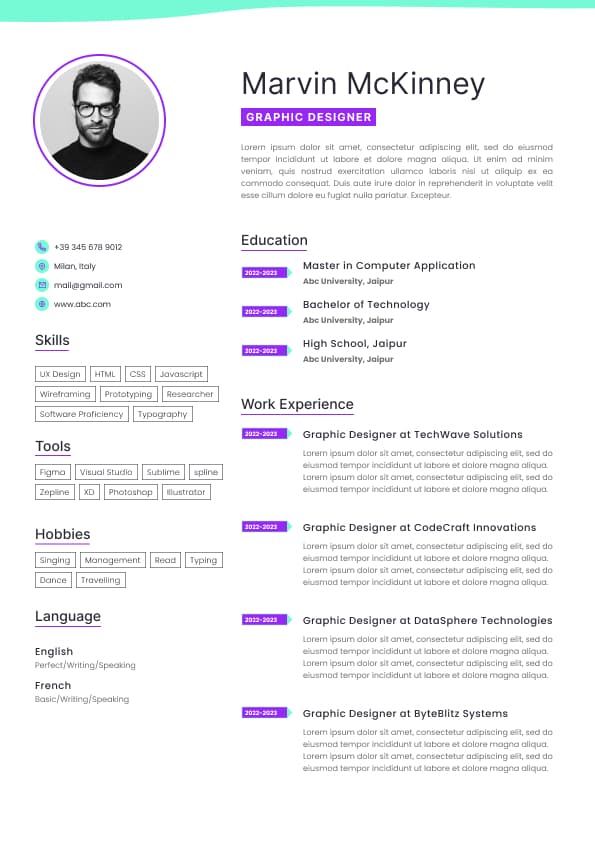
Use professional field-tested resume templates that follow the exact Resume rules employers look for.
Create Resume.NET developers in the United States typically earn between $75,000 and $180,000+ per year, depending on experience, location, technical specialization, and company type. Senior engineers working in Azure cloud environments, fintech, enterprise architecture, or distributed systems often exceed $200,000 in total compensation when bonuses and equity are included.
Entry-level .NET developers usually land in the $70,000–$105,000 range, while mid-level developers commonly earn $105,000–$145,000. Senior and lead developers with strong C#, ASP.NET Core, Azure, SQL Server, and microservices expertise command significantly higher salaries because they reduce technical risk and can lead enterprise-scale systems.
The highest-paying .NET jobs are typically tied to cloud modernization, backend platform engineering, financial systems, enterprise architecture, and government contracting. Recruiters and hiring managers increasingly prioritize developers who can modernize legacy .NET Framework applications, design scalable APIs, and operate effectively in Azure-based production environments.
Salary growth in .NET development is heavily tied to ownership level, architecture capability, and business impact. Hiring managers do not pay more simply for years of experience. They pay for reduced risk, technical leadership, and production-level problem solving.
Typical salary range: $70,000–$105,000
Entry-level developers are usually expected to:
Understand C# fundamentals
Build small ASP.NET Core features
Write basic SQL queries
Fix bugs and support sprint work
Work under mentorship
Learn Git workflows and testing practices
Candidates at the higher end of this range usually have:
Internship experience
Strong GitHub projects
Azure deployments
API projects
Computer science fundamentals
Practical portfolio work beyond tutorials
One major hiring reality: many entry-level applicants know syntax but cannot explain production workflows, debugging strategy, database relationships, or API behavior. Those gaps directly reduce salary offers.
Typical salary range: $75,000–$115,000
Junior developers are expected to contribute independently on smaller features and participate in:
Code reviews
Agile sprint execution
Unit testing
REST API development
SQL optimization basics
CI/CD workflows
At this stage, recruiters begin screening heavily for practical stack alignment:
C#
ASP.NET Core
SQL Server
REST APIs
Git
Azure basics
Entity Framework
Candidates who only list “.NET” without technical depth often lose out to applicants with stronger project specificity.
Typical salary range: $105,000–$145,000
This is where compensation increases substantially because developers begin owning business-critical functionality.
Mid-level developers are often responsible for:
Full feature ownership
API architecture
Database design changes
Production troubleshooting
Performance optimization
Cross-team collaboration
Cloud deployment support
Companies especially value developers who can independently ship production-ready systems without constant oversight.
Strong salary accelerators at this stage include:
Azure expertise
Microservices architecture
Kubernetes familiarity
Security implementation
Event-driven systems
High-traffic API experience
Typical salary range: $130,000–$180,000+
Senior developers are paid for technical leadership and risk reduction.
Hiring managers expect senior engineers to:
Lead system design
Make architectural decisions
Mentor developers
Improve engineering standards
Reduce production incidents
Drive modernization efforts
Handle complex debugging
Coordinate across teams
The biggest salary separator at the senior level is not coding speed. It is the ability to make scalable architectural decisions under real business constraints.
Senior candidates who struggle to explain system tradeoffs during interviews often fail to reach top compensation bands.
Typical compensation range: $155,000–$220,000+
Lead developers and architects often oversee:
Enterprise architecture
Cloud modernization
Distributed systems
Platform strategy
Integration architecture
Team technical direction
Scalability planning
Security and compliance alignment
Architect-level compensation rises sharply in:
Fintech
Enterprise SaaS
Healthcare technology
Government contracting
Cloud migration initiatives
Companies pay premium compensation for developers who can modernize large legacy ecosystems without disrupting business operations.
Hourly compensation varies significantly depending on employment type and specialization.
Typical hourly equivalent:
$38–$90/hour for salaried-equivalent roles
$55–$130+/hour for contract developers
$90–$160+/hour for senior enterprise contractors
Contract rates increase substantially when developers have expertise in:
Azure architecture
Government systems
Enterprise modernization
Financial systems
Secure APIs
High-scale backend infrastructure
Freelance .NET rates vary widely because clients often evaluate based on delivery capability rather than formal seniority.
Not all .NET jobs pay equally. Compensation rises fastest when the role directly impacts scalability, cloud infrastructure, security, or revenue-critical systems.
.NET Architect
Azure .NET Developer
Cloud .NET Engineer
Trading Systems C# Developer
FinTech .NET Developer
Microservices .NET Developer
Backend Platform Engineer
API Platform Developer
Security-Focused .NET Engineer
Dynamics 365 Developer
Enterprise Application Architect
Government Contractor .NET Developer
High-paying .NET roles usually involve one or more of the following:
Production-scale architecture
Cloud infrastructure ownership
Regulatory or security requirements
Distributed systems complexity
High uptime requirements
Revenue-critical systems
Performance-sensitive environments
For example, a fintech C# developer building low-latency trading systems is far more valuable to a company than a developer maintaining internal CRUD applications.
Location remains one of the biggest compensation drivers in the U.S. market.
Typical compensation: $140,000–$240,000+
High salaries are driven by:
Enterprise SaaS
Cloud platforms
AI infrastructure
Equity-heavy compensation models
Typical compensation: $125,000–$220,000+
Strong demand exists for:
Azure engineering
Microsoft-stack expertise
Enterprise cloud systems
Typical compensation: $120,000–$210,000+
High-paying sectors include:
Fintech
Trading systems
Enterprise banking infrastructure
Insurance technology
Typical compensation: $110,000–$190,000+
Boston strongly rewards:
Healthcare technology
Enterprise software
Security-focused development
Typical compensation: $105,000–$185,000+
Austin continues growing rapidly for:
SaaS startups
Cloud engineering
Hybrid enterprise environments
Dallas-Fort Worth
Chicago
Raleigh-Durham
Denver
Atlanta
Tampa
Phoenix
These markets often provide better cost-of-living balance than coastal tech hubs.
Remote work changed .NET compensation structures significantly, but pay models vary by employer.
Some companies use:
National pay bands
Location-adjusted compensation
Hybrid compensation models
Remote .NET developers commonly earn:
The highest-paying remote candidates typically demonstrate:
Independent delivery capability
Strong communication
Architecture ownership
Production cloud experience
Cross-functional collaboration skills
Remote employers screen heavily for autonomy because weak self-management creates operational risk.
Many developers focus too heavily on syntax knowledge while ignoring the skills that truly increase compensation.
ASP.NET Core
Azure cloud architecture
Distributed systems
SQL Server optimization
Kubernetes
CI/CD pipelines
API security
Microservices
Event-driven architecture
System design
Cloud migration experience
Hiring managers pay more when developers can show measurable impact.
Strong examples include:
Reduced cloud costs
Improved system performance
Reduced deployment failures
Increased scalability
Improved API latency
Modernized legacy systems
Reduced production incidents
Weak Example
“Worked on backend APIs using C# and .NET.”
This tells recruiters almost nothing.
Good Example
“Led migration of legacy .NET Framework APIs to ASP.NET Core microservices, reducing deployment failures by 45% and improving API response times by 38%.”
This demonstrates business value, technical depth, and measurable impact.
Industry selection dramatically affects earning potential.
Often among the highest-paying sectors because systems are:
High-risk
Performance-sensitive
Revenue-critical
Strong compensation for developers who understand:
Compliance
HIPAA environments
Enterprise integrations
Secure APIs
Government contractors often pay premium compensation for:
Clearance eligibility
Enterprise modernization
Long-term stability
Security-focused development
These companies aggressively hire developers with:
Azure expertise
Multi-tenant architecture experience
Scalability knowledge
Distributed systems expertise
Base salary is only part of total compensation.
Strong .NET compensation packages may include:
Annual bonus
Signing bonus
Equity or RSUs
401(k) matching
Healthcare coverage
Remote-work stipend
Certification reimbursement
Cloud tooling budget
Conference budget
Home office reimbursement
On-call compensation
Developer training programs
Enterprise employers often offer stronger long-term stability and retirement benefits, while SaaS companies may provide higher upside through equity.
Most developers increase compensation through increasing ownership, not simply tenure.
.NET Developer
→ Mid-Level .NET Developer
→ Senior .NET Developer
→ Lead Developer
→ .NET Architect or Solutions Architect
→ Principal Engineer or Engineering Manager
One of the strongest compensation paths because cloud modernization remains a major enterprise priority.
Developers who understand scalable backend systems become difficult to replace.
Performance-sensitive C# systems command premium compensation.
Lead developers and engineering managers often move into higher compensation bands due to organizational influence.
The fastest-growing developers are usually intentional about specialization.
Prioritize:
.NET 8
ASP.NET Core
Azure
SQL Server
Microservices
Kubernetes
API security
Cloud architecture
Many developers plateau because they can code features but cannot design systems.
Senior-level interviews increasingly evaluate:
Scalability decisions
Architectural tradeoffs
Failure handling
Performance optimization
Cloud cost management
High-paying employers want evidence, not claims.
Strong proof includes:
GitHub repositories
Azure deployments
Technical blog content
Open-source contributions
Architecture case studies
API demos
Top-paying companies evaluate more than syntax knowledge.
Common evaluation areas:
C# fundamentals
ASP.NET Core
SQL optimization
System design
API architecture
Behavioral leadership
Production debugging
Developers who only grind LeetCode but cannot discuss production engineering often underperform in enterprise interviews.
Salary growth frequently accelerates when developers:
Apply nationally
Pursue remote roles
Target cloud-focused companies
Move into fintech or enterprise SaaS
Relocate to stronger tech hubs
Recruiters screen .NET candidates very quickly.
Here is what immediately improves marketability:
Hiring managers want direct relevance:
C#
ASP.NET Core
Azure
SQL Server
REST APIs
CI/CD
Docker
Kubernetes
Generic “software engineer” resumes often underperform against highly targeted resumes.
Companies pay more for developers who can modernize:
Legacy .NET Framework systems
Monoliths
Outdated APIs
Manual deployments
Modernization directly impacts business efficiency, scalability, and security.
Senior compensation usually requires measurable business impact.
Recruiters look for:
Performance improvements
Scalability gains
Revenue impact
Cost reduction
Reliability improvements
At higher salary bands, communication becomes a compensation factor.
Senior engineers who cannot explain architecture clearly often lose leadership-track opportunities.
Developers who never specialize often plateau financially.
High-paying markets reward expertise, not broad mediocrity.
Azure expertise has become one of the strongest salary multipliers in the Microsoft ecosystem.
Higher compensation increasingly comes from:
Architecture
Business impact
Scalability
Leadership
Technical decision-making
Many candidates undersell themselves by listing responsibilities instead of outcomes.
Recruiters scan for impact first.
Use ATS-optimised Resume and resume templates that pass applicant tracking systems. Our Resume builder helps recruiters read, scan, and shortlist your Resume faster.


Use professional field-tested resume templates that follow the exact Resume rules employers look for.
Create Resume


 Upload Resume
 Import from Linkedin