STILL APPLYING. STILL HEARING NOTHING?BUILD YOUR RESUME

STILL APPLYING. STILL HEARING NOTHING?BUILD YOUR RESUME
FAQ
A strong .NET microservices developer resume is not just a list of technologies like ASP.NET Core, Docker, Kubernetes, or Azure Service Bus. Hiring managers want evidence that you can design, scale, troubleshoot, and operate distributed systems in production.
Most resumes fail because they describe tasks instead of architecture impact.
Senior backend and cloud-native hiring teams are specifically looking for engineers who can:
Decompose monoliths into scalable services
Design resilient event-driven systems
Improve system reliability and observability
Handle distributed communication failures
Most companies hiring for microservices-focused .NET engineers are not simply looking for “backend developers.”
They are looking for engineers who can safely operate complex distributed systems at scale.
That changes how resumes are evaluated.
Recruiters initially scan for:
ASP.NET Core microservices experience
Cloud-native deployment experience
Kubernetes or container orchestration
Event-driven architecture exposure
Production-scale distributed systems
Messaging infrastructure knowledge
The best .NET microservices resumes position the candidate as an architecture-focused backend engineer, not simply a coder.
Your resume should communicate four things immediately:
This includes:
Asynchronous communication
Service-to-service communication
Event-driven workflows
Queue processing
Retry strategies
Idempotency
Your summary should position you as a distributed systems engineer immediately.
Avoid generic summaries.
Weak Example
“.NET Developer with experience building APIs and backend systems.”
This sounds junior and interchangeable.
Good Example
“Senior .NET developer with 8+ years of experience designing cloud-native microservices using ASP.NET Core, Kubernetes, Azure Service Bus, Redis, and event-driven architecture. Proven track record improving API scalability, deployment velocity, and distributed system reliability in high-traffic enterprise environments.”
That summary communicates:
Seniority
Architecture depth
Production scale
Technical specialization
Business impact
The best-performing resumes organize skills by architecture domain instead of random keyword lists.
Languages & Frameworks
C#
ASP.NET Core
.NET 8
Entity Framework Core
Minimal APIs
Microservices & Architecture
Microservices
Distributed Systems
The biggest resume mistake in backend engineering is writing implementation-only bullets.
Hiring managers care about architecture outcomes.
Your bullet points should demonstrate:
System design decisions
Scalability improvements
Reliability improvements
Production ownership
Technical leadership
Cross-service architecture complexity
Designed ASP.NET Core microservices using C#, Docker, Redis, and Azure Kubernetes Service to support high-availability enterprise applications serving 3M+ monthly users
Built independently deployable backend services with clean architecture principles, reducing deployment dependencies across engineering teams
Refactored tightly coupled APIs into domain-based microservices, improving scalability and release velocity across multiple product teams
Implemented event-driven workflows using Azure Service Bus, asynchronous processing, retry policies, and dead-letter queues to improve transaction reliability
Developed pub/sub communication patterns using Kafka and worker services to process high-volume background events with low latency
ATS optimization still matters heavily in enterprise hiring.
However, keyword stuffing is a major mistake.
Strong resumes naturally integrate architecture-specific terminology within real accomplishments.
Microservices
Distributed systems
Event-driven architecture
CQRS
Event sourcing
Domain-driven design
Clean architecture
Service decomposition
Senior-level distributed systems resumes consistently demonstrate five traits.
Strong candidates explain:
Why services were decomposed
Why messaging patterns were selected
Why specific resilience strategies were implemented
Not just what technologies were used.
Hiring managers strongly value engineers who:
Handle incidents
Debug distributed failures
Improve reliability
Own operational metrics
This is often missing from mid-level resumes.
Senior resumes demonstrate:
Traffic scaling
Queue scaling
API throughput optimization
Infrastructure cost balancing
Horizontal scaling strategy
Strong candidates connect technical improvements to business outcomes.
For example:
Weak Example
“Implemented Redis caching.”
Good Example
“Implemented Redis distributed caching to reduce API latency by 40% and improve customer checkout responsiveness during peak traffic.”
The second version demonstrates engineering maturity.
Modern backend architecture requires collaboration with:
Platform engineering
DevOps
Security
QA
Product teams
Senior resumes mention this naturally.
A resume that simply says:
Docker
Kubernetes
Kafka
Does not prove expertise.
Hiring managers want:
What you built
Why you used it
What problems it solved
What scale it handled
Generic phrases hurt positioning:
“Worked on APIs”
“Developed backend services”
“Participated in Agile meetings”
These bullets are invisible in competitive hiring pipelines.
Many developers focus only on feature delivery.
Modern distributed systems hiring prioritizes:
Observability
Monitoring
Failure recovery
Incident reduction
System resilience
Missing these areas weakens senior-level positioning significantly.
Microservices hiring is heavily impact-oriented.
Strong resumes include:
Latency reduction
Throughput increase
Error reduction
Deployment frequency increase
Infrastructure savings
Scalability improvements
Metrics create credibility.
Recruiters increasingly see shallow Kubernetes experience.
Strong resumes explain:
Deployments
Autoscaling
Health checks
Helm
Service discovery
Ingress configuration
Container orchestration challenges
That signals production experience.
Senior .NET Microservices Developer with 9+ years of experience building cloud-native distributed systems using ASP.NET Core, Kubernetes, Azure Service Bus, Kafka, Redis, and Docker. Specialized in scalable backend architecture, event-driven systems, CQRS implementations, and production reliability engineering. Proven track record improving deployment velocity, API scalability, and distributed system observability in enterprise SaaS environments.
Languages & Frameworks
C#
ASP.NET Core
.NET 8
Entity Framework Core
Architecture
Microservices
CQRS
Event Sourcing
DDD
Designed ASP.NET Core microservices deployed on Azure Kubernetes Service supporting over 5M monthly API transactions
Led monolith-to-microservices decomposition initiative using domain-driven design principles and bounded contexts
Implemented event-driven communication using Azure Service Bus, background worker services, and pub/sub messaging patterns
Reduced API latency by 48% through Redis distributed caching and asynchronous processing optimizations
Improved deployment frequency by implementing containerized CI/CD workflows with Helm and Kubernetes deployments
Added OpenTelemetry tracing, correlation IDs, and centralized structured logging to improve incident response visibility
The hiring market has shifted dramatically.
Five years ago, companies primarily hired .NET developers based on framework knowledge.
Today, architecture capability matters far more.
Hiring teams increasingly prioritize:
Distributed systems thinking
Production ownership
Scalability engineering
Reliability engineering
Observability
Cloud-native infrastructure knowledge
The strongest candidates position themselves as backend platform engineers who happen to specialize in .NET.
That distinction matters.
If you want higher-paying cloud-native backend opportunities, your resume must shift from implementation-focused to systems-focused.
Focus heavily on:
Scalability
Reliability
Service architecture
Infrastructure awareness
Distributed communication
Production debugging
Monitoring and observability
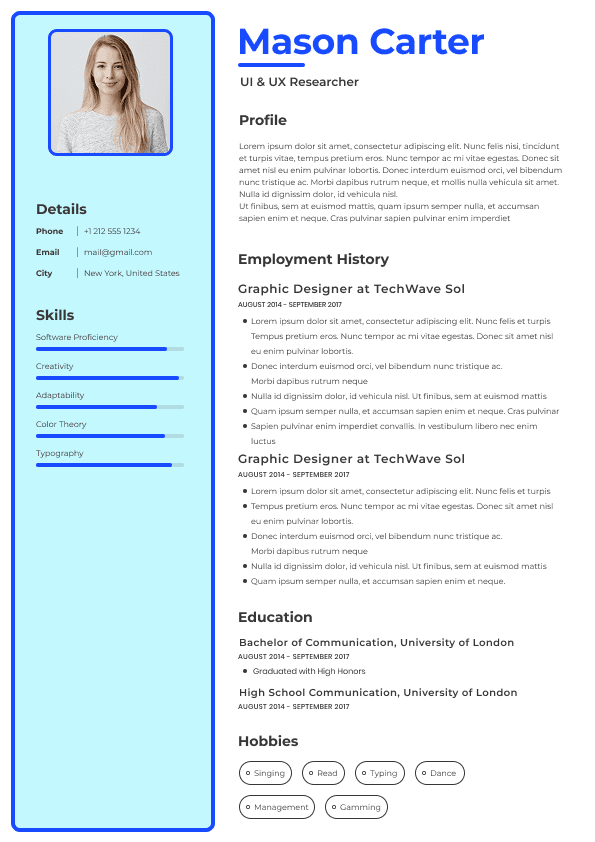
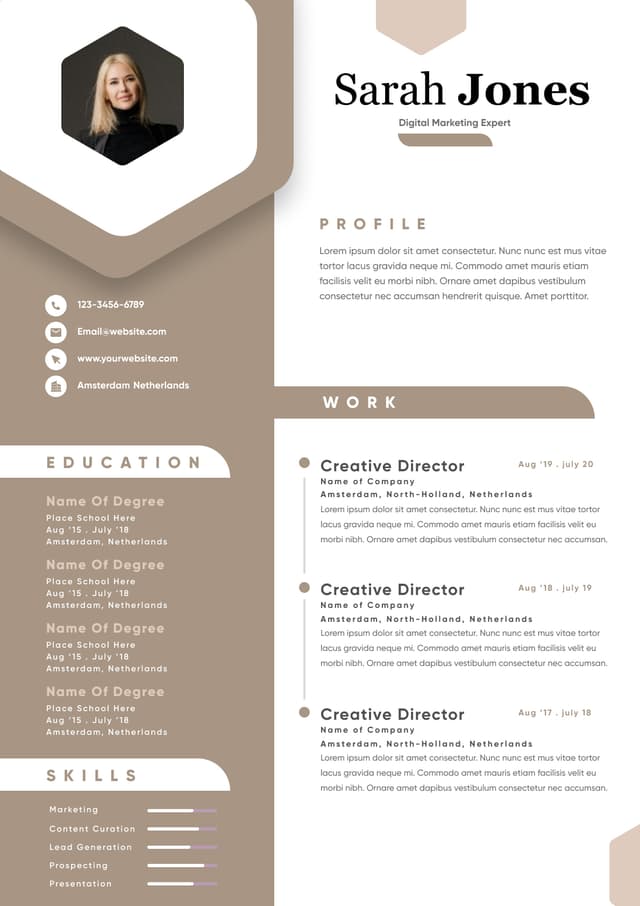
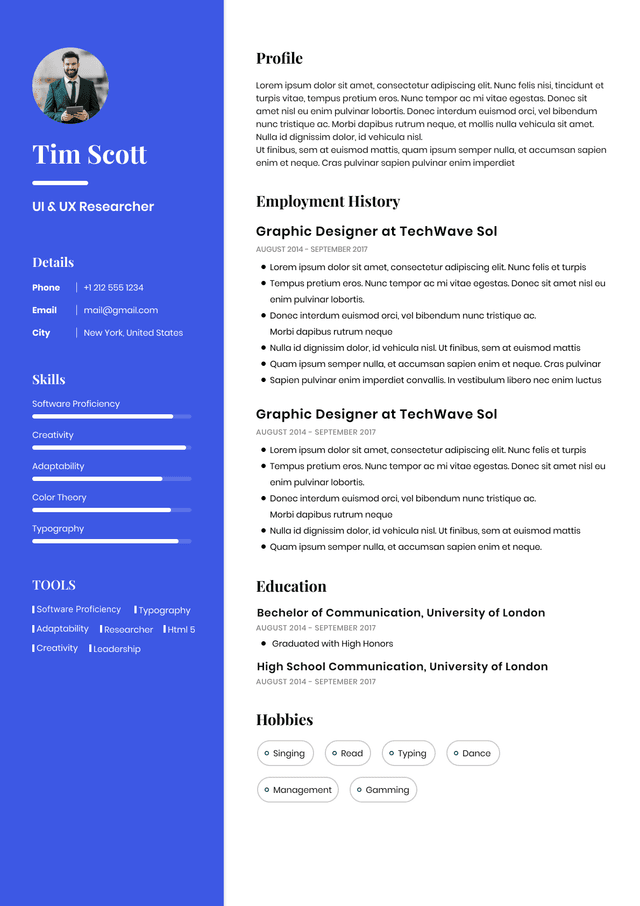
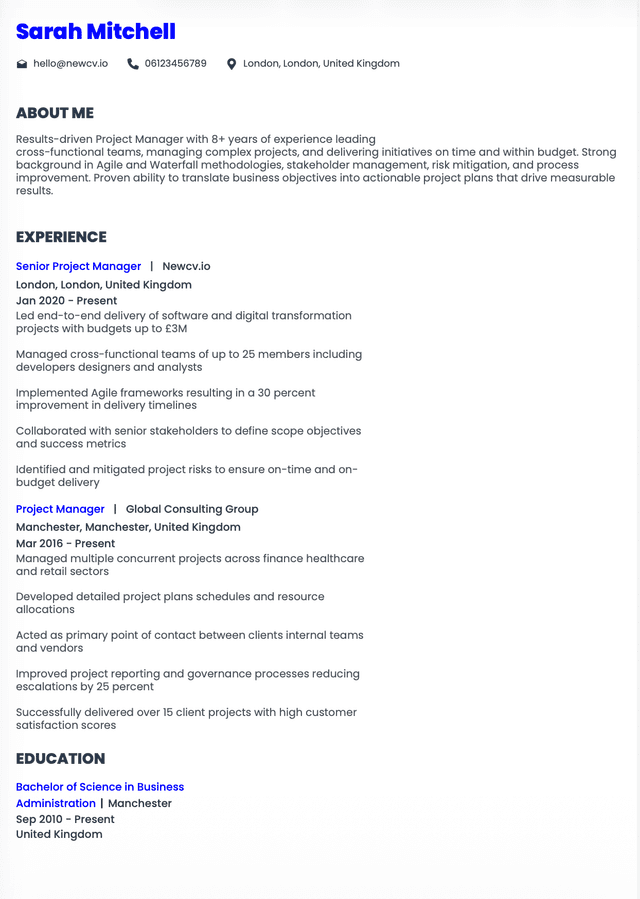
Choose from a wide range of NEWCV resume templates and customize your NEWCV design with a single click.

Use ATS-optimised Resume and resume templates that pass applicant tracking systems. Our Resume builder helps recruiters read, scan, and shortlist your Resume faster.

Use professional field-tested resume templates that follow the exact Resume rules employers look for.
Create Resume
Use professional field-tested resume templates that follow the exact Resume rules employers look for.
Create ResumeScale APIs under production traffic
Work across DevOps, platform engineering, QA, and product teams
The strongest resumes demonstrate architecture judgment, production ownership, and measurable scalability outcomes. That is what separates a mid-level ASP.NET developer from a high-value distributed systems engineer.
This guide shows exactly how recruiters evaluate .NET microservices resumes, what bullet points actually work, which technical signals matter most, and how to position yourself for senior cloud-native backend roles.
Scalability and reliability engineering
CI/CD and deployment ownership
Observability and monitoring experience
Hiring managers go deeper.
They evaluate whether you understand:
Service boundaries
Domain-driven design
Eventual consistency
Resilience patterns
Distributed failure handling
System bottlenecks
API scalability
Production debugging in distributed environments
This is why generic backend resumes underperform in cloud-native hiring pipelines.
A resume that says:
Weak Example
“Built backend APIs using ASP.NET Core.”
Tells the hiring manager almost nothing.
A resume that says:
Good Example
“Designed and deployed ASP.NET Core microservices on Azure Kubernetes Service using Docker, Redis caching, Azure Service Bus, and CQRS patterns to support 4M+ daily API requests.”
Immediately signals:
Scale
Architecture ownership
Infrastructure knowledge
Production responsibility
Distributed systems understanding
That is the level modern hiring teams expect.
Distributed tracing
Failure recovery
Recruiters heavily prioritize engineers who understand:
Docker
Kubernetes
Azure Kubernetes Service
Helm
Container registries
Autoscaling
Infrastructure-as-code
CI/CD pipelines
High-performing resumes include:
Throughput improvements
Latency reductions
Error reduction metrics
Uptime improvements
Queue optimization
Deployment velocity improvements
Modern backend hiring strongly favors engineers who:
Participate in incident response
Handle production debugging
Improve monitoring
Build health checks
Own observability
Reduce operational risk
This operational ownership is a major differentiator for senior backend hiring.
CQRS
Event Sourcing
Domain-Driven Design
Clean Architecture
Hexagonal Architecture
API Gateway Patterns
Cloud & Infrastructure
Microsoft Azure
Azure Kubernetes Service
Docker
Kubernetes
Helm
Terraform
Azure Container Registry
Messaging & Event Streaming
Azure Service Bus
Kafka
RabbitMQ
Azure Event Grid
Pub/Sub Architectures
Scalability & Reliability
Redis
Distributed Caching
Polly
Circuit Breakers
Load Balancing
Horizontal Scaling
Observability & Monitoring
OpenTelemetry
Application Insights
Azure Monitor
Structured Logging
Distributed Tracing
Correlation IDs
This structure aligns closely with how modern engineering teams evaluate architecture specialization.
Designed outbox-pattern-based event publishing mechanisms to ensure message consistency across distributed services
Deployed containerized ASP.NET Core applications to Kubernetes using Helm charts, autoscaling policies, and ingress controllers
Built CI/CD deployment pipelines for microservices environments, increasing deployment frequency while reducing release failures
Managed Azure Kubernetes Service environments with horizontal pod autoscaling and health checks to maintain production reliability during traffic spikes
Improved API response performance by 45% through distributed caching, asynchronous processing, and database query optimization
Reduced backend latency using Redis caching layers, read replicas, and optimized service communication strategies
Increased queue processing throughput by 60% through concurrency optimization and message batching techniques
Implemented OpenTelemetry distributed tracing and Application Insights monitoring across microservices environments
Built structured logging and correlation ID frameworks to accelerate root cause analysis during production incidents
Reduced critical production incidents through resilience patterns including circuit breakers, retry strategies, and timeout policies using Polly
These bullets demonstrate architecture maturity instead of simple coding tasks.
API gateway
Kubernetes
Docker
Azure Kubernetes Service
Helm
Terraform
Azure App Service
Autoscaling
Azure Service Bus
Kafka
RabbitMQ
Event Grid
Pub/Sub
Worker services
Distributed tracing
OpenTelemetry
Circuit breakers
Retry policies
Resilience patterns
Health checks
The key is contextual integration.
Recruiters instantly notice resumes that artificially dump keywords without demonstrating actual architecture work.
Clean Architecture
Distributed Systems
Cloud & Infrastructure
Azure
Azure Kubernetes Service
Docker
Kubernetes
Helm
Terraform
Messaging & Streaming
Azure Service Bus
Kafka
RabbitMQ
Monitoring & Reliability
OpenTelemetry
Application Insights
Azure Monitor
Structured Logging
Polly
Built resilience frameworks using Polly retry policies, timeout handling, and circuit breaker patterns
Collaborated with DevOps and platform engineering teams to optimize autoscaling policies and infrastructure costs
This structure aligns extremely well with senior cloud-native backend hiring expectations.
Modern backend hiring is less about CRUD APIs and more about operating scalable distributed ecosystems safely.
Deployment automation
The engineers commanding top salaries in the .NET ecosystem are typically strong in:
Kubernetes
Event-driven architecture
Messaging systems
Reliability engineering
Distributed tracing
Cloud-native deployment patterns
Those capabilities create major differentiation in senior hiring.

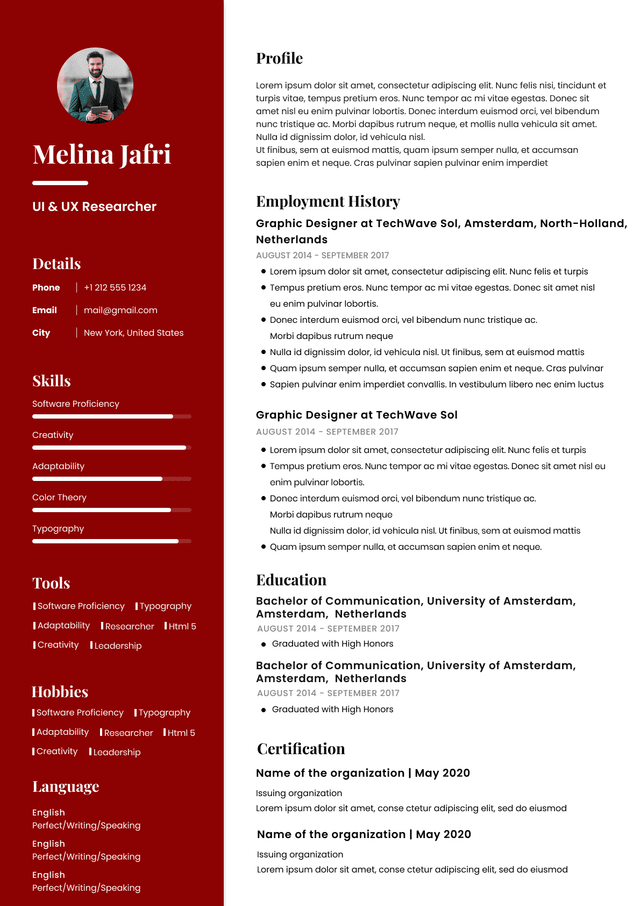
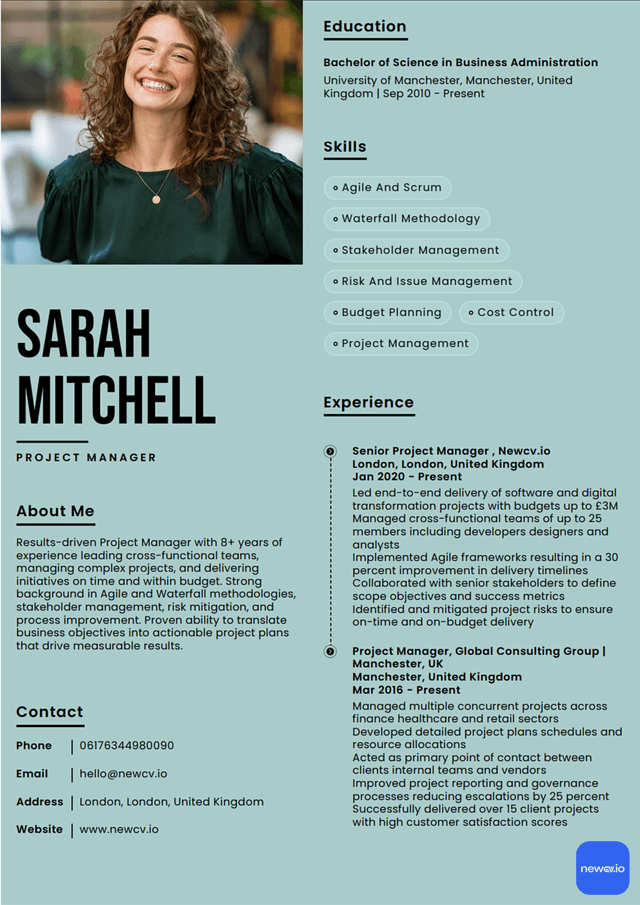
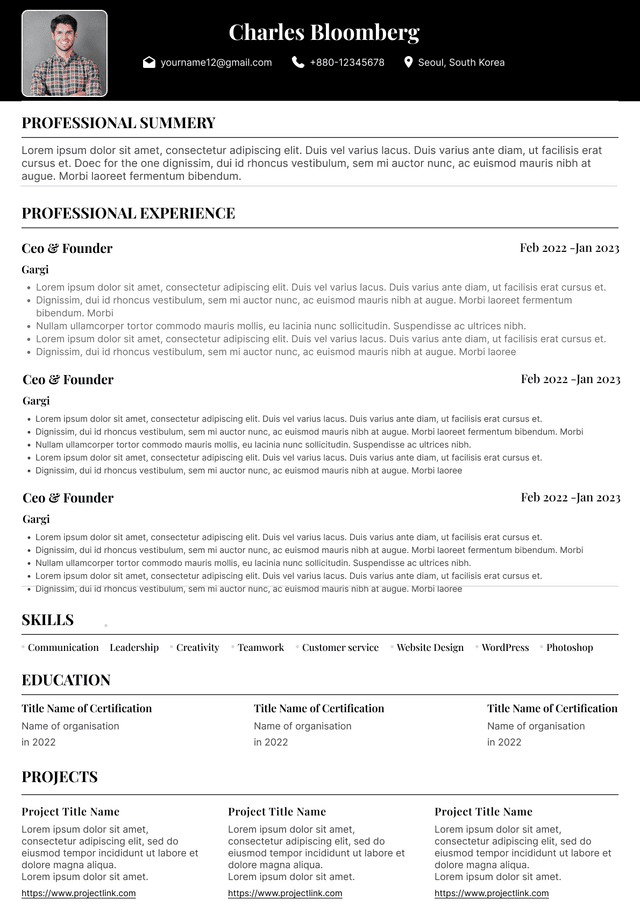
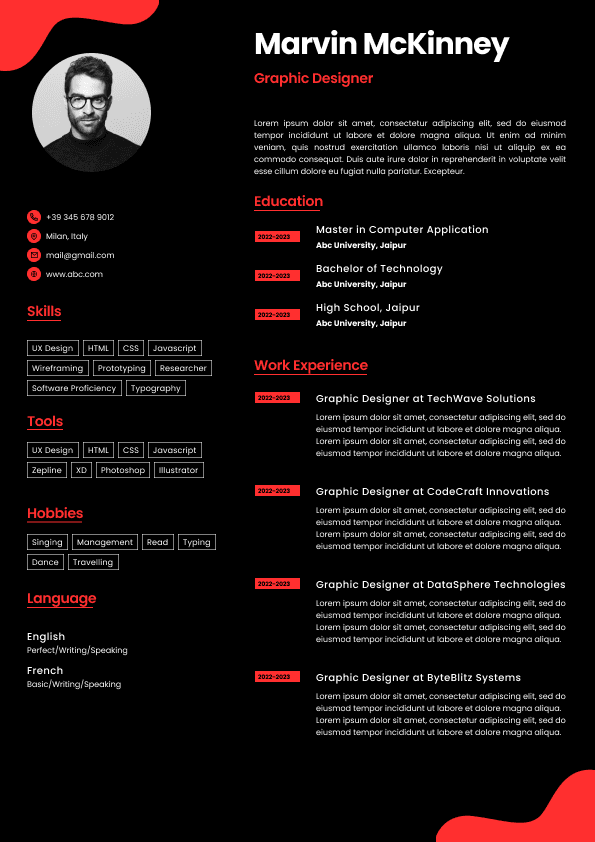
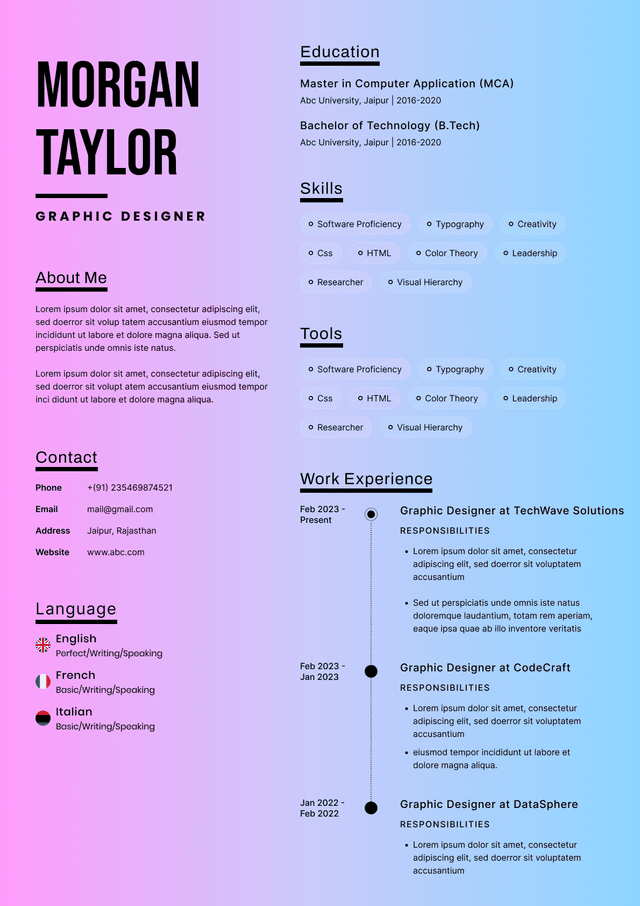
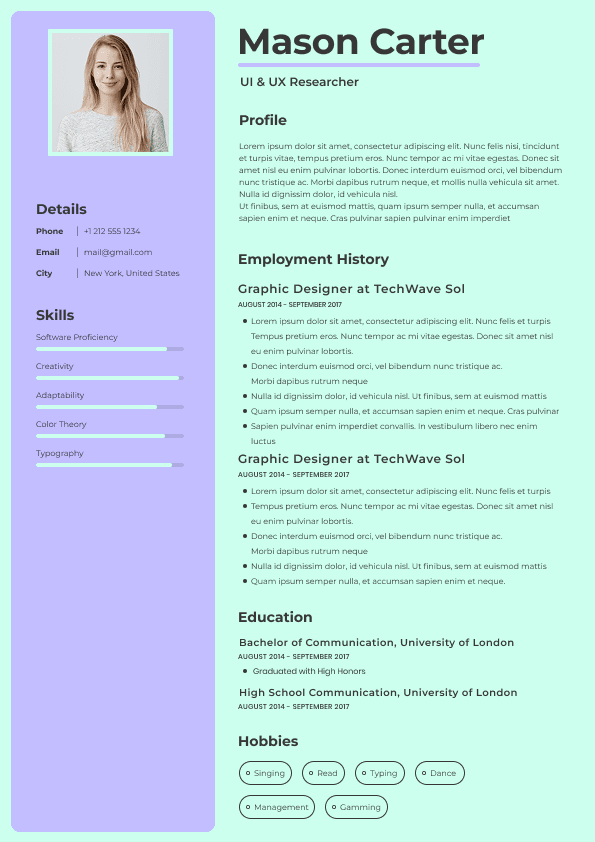
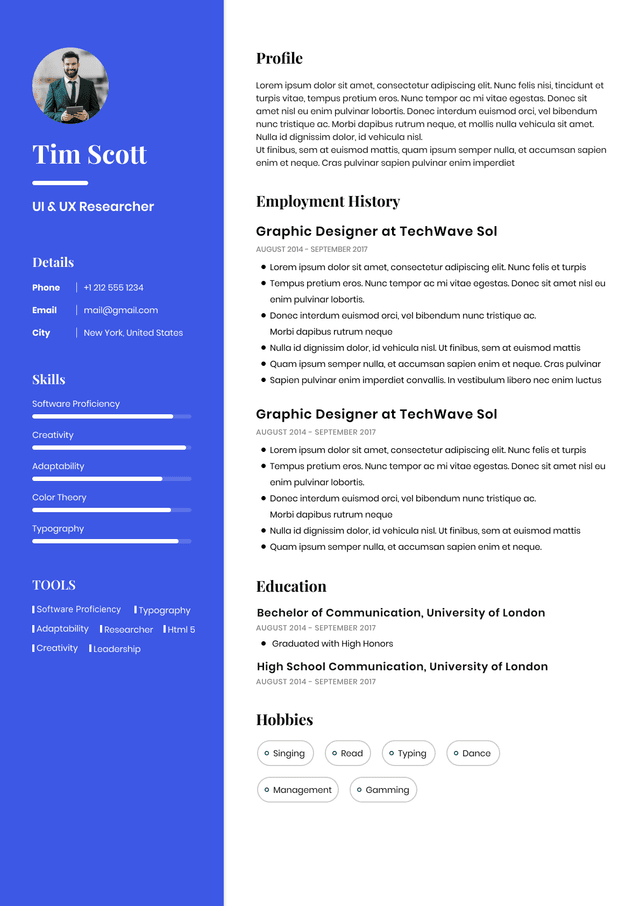
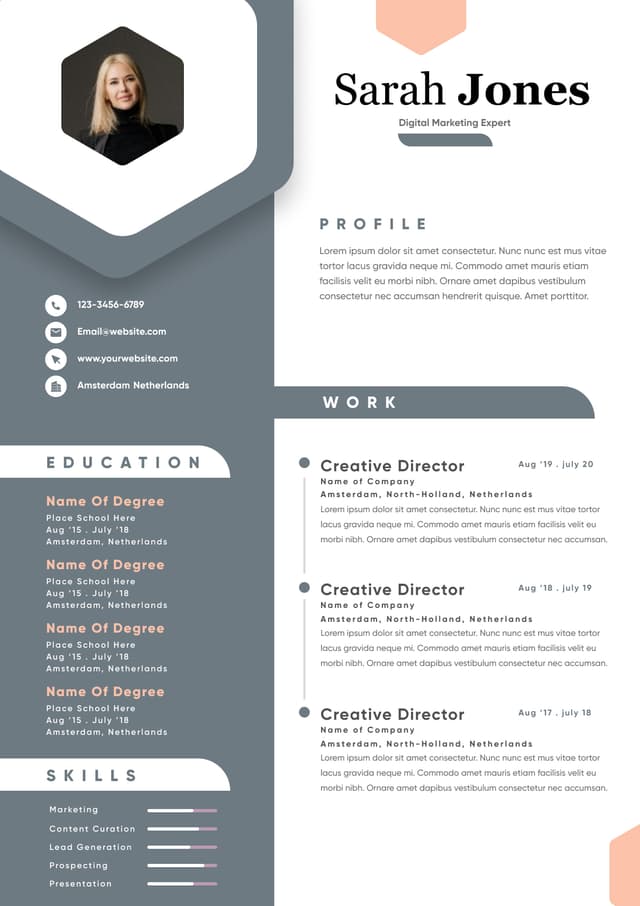


 Upload Resume
 Import from Linkedin