STILL APPLYING. STILL HEARING NOTHING?BUILD YOUR RESUME

STILL APPLYING. STILL HEARING NOTHING?BUILD YOUR RESUME
Choose from a wide range of NEWCV resume templates and customize your NEWCV design with a single click.
FAQ

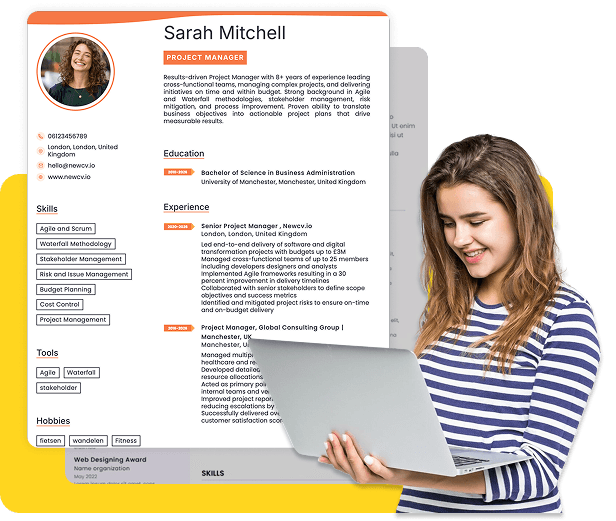
A PHP developer internship is one of the fastest ways to break into web development, especially for students, bootcamp graduates, and self-taught developers. Most companies hiring PHP interns are not expecting production-level engineers. They are looking for candidates who can demonstrate practical coding ability, basic backend fundamentals, problem-solving skills, and the ability to learn quickly.
The candidates who get interviews are rarely the ones with the most certificates. They are the ones who can show real projects, explain how their code works, use Git properly, and communicate technical decisions clearly. Even a simple Laravel CRUD app or WordPress plugin can outperform a generic resume filled with buzzwords if it demonstrates real implementation skills.
If you are applying for a PHP developer internship with little or no experience, your focus should be on three things:
Building practical projects
Positioning your technical skills correctly
Preparing for internship-level technical interviews
This guide breaks down exactly how recruiters and hiring managers evaluate PHP internship candidates in today’s US job market.
Most internship applicants assume companies want advanced technical expertise. That is usually incorrect.
For entry-level PHP internships, hiring managers primarily evaluate:
Problem-solving ability
Coding fundamentals
Learning potential
Technical curiosity
Communication skills
Reliability and consistency
A strong internship candidate typically demonstrates:
Basic PHP syntax proficiency
Understanding of arrays, loops, functions, and forms
Familiarity with SQL and databases
Ability to build CRUD applications
Basic Git workflow knowledge
Understanding of MVC concepts
Ability to debug errors independently
For Laravel or WordPress internships, recruiters also look for:
Exposure to frameworks or CMS ecosystems
Portfolio projects using Laravel or WordPress
Understanding of routing, controllers, plugins, or themes
Awareness of basic security practices
What immediately separates strong applicants from weak ones is proof of execution.
A candidate with:
One deployed Laravel task manager
A GitHub repository with documented commits
A functional authentication system
A small API project
will usually outperform someone listing “advanced PHP skills” with no evidence.
Many applicants overload their resumes with technologies they barely understand. Recruiters notice this quickly.
Focus on internship-relevant technical skills instead.
You should comfortably understand:
Variables and data types
Arrays and associative arrays
Loops and conditionals
Functions
Form handling
Sessions and cookies
File handling
Error handling
Basic OOP concepts
Internship interviewers commonly ask candidates to explain:
The difference between GET and POST
How sessions work
What associative arrays are
How form validation works
What object-oriented programming means in PHP
If you cannot explain these concepts clearly, your resume becomes irrelevant.
Even backend internships expect basic frontend understanding.
You should know:
HTML
CSS
JavaScript fundamentals
Responsive layout basics
SQL queries
MySQL database relationships
Most PHP intern projects involve frontend interaction with backend systems. Companies want interns who can connect forms, databases, and server logic together.
Recruiters consistently prioritize candidates who understand:
SELECT queries
INSERT, UPDATE, DELETE operations
JOIN statements
Basic database normalization
Primary and foreign keys
A surprising number of internship applicants struggle with simple database logic. Strong SQL skills create a major competitive advantage.
Laravel is one of the most requested PHP frameworks in internship postings.
For a Laravel developer internship, companies usually expect:
Basic MVC understanding
Laravel routing knowledge
Controllers and models
Blade templates
Migrations and seeders
Authentication basics
CRUD implementation
You do not need enterprise-level Laravel expertise.
You do need to explain:
How routes connect to controllers
How models interact with databases
How migrations work
How authentication is implemented
Strong signals include:
Clean project structure
Proper folder organization
GitHub documentation
Readable code
Validation handling
Error management
Use of Eloquent ORM
“I know Laravel and PHP.”
“Built a Laravel expense tracker with authentication, role-based access, CRUD operations, form validation, and MySQL integration.”
Specific implementation details create credibility.
WordPress internships are extremely common because many agencies and small businesses rely heavily on WordPress development.
For WordPress developer internships, recruiters usually prioritize:
Theme customization
Plugin familiarity
PHP integration within WordPress
Basic WordPress architecture knowledge
Debugging skills
Website maintenance ability
Strong beginner WordPress projects include:
Custom themes
Small plugins
WooCommerce modifications
Contact form integrations
Blog customization projects
Weak candidates:
Only install themes without coding
Cannot explain WordPress hooks
Have no PHP customization experience
Rely entirely on page builders
Strong candidates:
Modify templates directly
Understand child themes
Build lightweight plugin functionality
Explain hooks and actions clearly
Projects matter more than certificates for most PHP internships.
Recruiters and hiring managers consistently trust visible proof of skill over theoretical learning.
The strongest internship projects usually include:
CRUD applications
Authentication systems
API integrations
Database interaction
Validation and security handling
This demonstrates:
MVC understanding
CRUD logic
Authentication
Database relationships
This shows:
Data handling
User sessions
Financial calculations
Database structure
Excellent for demonstrating:
Relational databases
Business logic
CRUD workflows
Reporting functionality
Very strong for modern internships because it demonstrates:
Backend architecture
JSON handling
API endpoints
HTTP request understanding
This showcases:
Database relationships
Scheduling logic
Validation
User interaction workflows
A GitHub profile acts like a technical portfolio for internship hiring.
Recruiters often review:
Commit history
Project consistency
Code organization
Documentation quality
Activity level
A weak GitHub profile:
Empty repositories
No README files
Random unfinished projects
Copy-pasted tutorial code
A strong GitHub profile:
Clean repositories
Clear project descriptions
Deployment instructions
Consistent commits
Real functionality
Hiring managers often scan:
File organization
Naming conventions
Readability
Documentation
Evidence of independent work
Even simple projects can impress recruiters if they are clean, functional, and well-documented.
Most PHP internship resumes fail because they read like generic technology lists instead of evidence-based technical profiles.
Recruiters spend only seconds on initial resume screening.
Your resume must quickly communicate:
Technical alignment
Project relevance
Internship readiness
Learning potential
Strong PHP internship resumes emphasize:
Technical projects
GitHub links
Relevant coursework
Freelance or volunteer work
Hackathons or coding competitions
Technical clubs or student organizations
Include:
Technical Skills
Projects
Education
Certifications if relevant
GitHub Portfolio
Experience or Freelance Work
If you have no formal experience, projects become your experience.
“Passionate PHP developer seeking opportunity.”
“Built and deployed Laravel and WordPress applications with MySQL integration, authentication systems, REST APIs, and Git-based workflows.”
Specific technical evidence performs significantly better.
Many applicants worry about lacking professional experience. For internships, that is normal.
Recruiters instead evaluate:
Effort signals
Learning initiative
Technical consistency
Practical implementation ability
These help candidates stand out:
Active GitHub contributions
Self-built projects
Freelance websites
Volunteer development work
Open-source contributions
Technical blogging
Hackathon participation
Candidates often fail because they:
Cannot explain their own projects
Copy tutorial projects without understanding them
Overstate technical skills
Have inconsistent resume claims
List every technology imaginable
Recruiters would rather hire a candidate who deeply understands:
PHP
MySQL
Laravel basics
Git
than someone listing 25 technologies superficially.
Internship interviews usually focus on fundamentals, not advanced architecture.
Interviewers want to verify whether:
You actually built the projects listed
You understand basic backend logic
You can learn quickly
You communicate clearly
Expect questions about:
Variables
Arrays
Loops
Functions
Form handling
Sessions and cookies
You may be asked:
What is inheritance?
What is encapsulation?
Why use classes in PHP?
Common topics include:
SQL joins
CRUD operations
Database relationships
Normalization basics
Interviewers frequently ask:
What is MVC?
What are routes?
How do controllers work?
What are migrations?
What is Eloquent ORM?
This area is increasingly important.
You should understand:
SQL injection
XSS
CSRF
Input validation
Password hashing
Even junior candidates are expected to know basic security principles.
The best preparation strategy is practical repetition.
Most internship interviews revolve around your portfolio.
You should be able to explain:
Why you built the project
How the database works
How authentication functions
Challenges you faced
What you would improve
Candidates often fail because they memorize theory but cannot explain implementation decisions.
Strong candidates communicate their thinking process clearly.
Interviewers often evaluate:
Logical reasoning
Debugging methodology
Communication style
Even if you do not immediately know the answer, structured problem-solving creates a positive impression.
Many applicants are technically capable but fail because of positioning mistakes.
Common problems include:
Keyword stuffing
No project links
Generic summaries
Unclear technical skills
Irrelevant experience dominating the resume
Candidates often fail because they:
Cannot explain projects
Overstate experience
Freeze during basic technical questions
Give vague answers
Lack enthusiasm for development work
Recruiters lose confidence when they see:
Broken repositories
Incomplete codebases
No documentation
Empty profiles
Tutorial clones without customization
The internship market is crowded with applicants who all claim to be “passionate developers.”
Very few demonstrate real implementation ability.
The strongest internship candidates usually combine:
One strong framework project
One database-driven application
GitHub consistency
Clear communication
Strong resume positioning
A highly effective strategy is:
Build 2–4 polished projects
Deploy at least one application
Maintain active GitHub repositories
Tailor your resume to PHP internships specifically
Practice explaining technical decisions
This creates far more hiring value than collecting endless online certificates.
This depends on your target internship market.
Backend engineering roles
SaaS development exposure
API-focused work
Modern MVC architecture experience
Agency internships
Freelance opportunities
Faster client-based work
Small business development roles
Many successful junior PHP developers eventually learn both.
Laravel builds stronger backend engineering foundations.
WordPress creates faster access to paid opportunities and internships.
If you want results quickly, focus on execution instead of endless learning.
The most effective roadmap usually looks like this:
Learn PHP fundamentals thoroughly
Build one CRUD application
Learn Git and GitHub
Build a Laravel project
Learn SQL properly
Deploy projects publicly
Practice technical explanations
Apply consistently to internships
Candidates who combine technical proof with clear communication consistently outperform candidates who only consume tutorials.
Hiring managers are not looking for perfect junior developers.
They are looking for evidence that you can contribute, learn fast, solve problems, and grow into a reliable engineer.
Use ATS-optimised Resume and resume templates that pass applicant tracking systems. Our Resume builder helps recruiters read, scan, and shortlist your Resume faster.

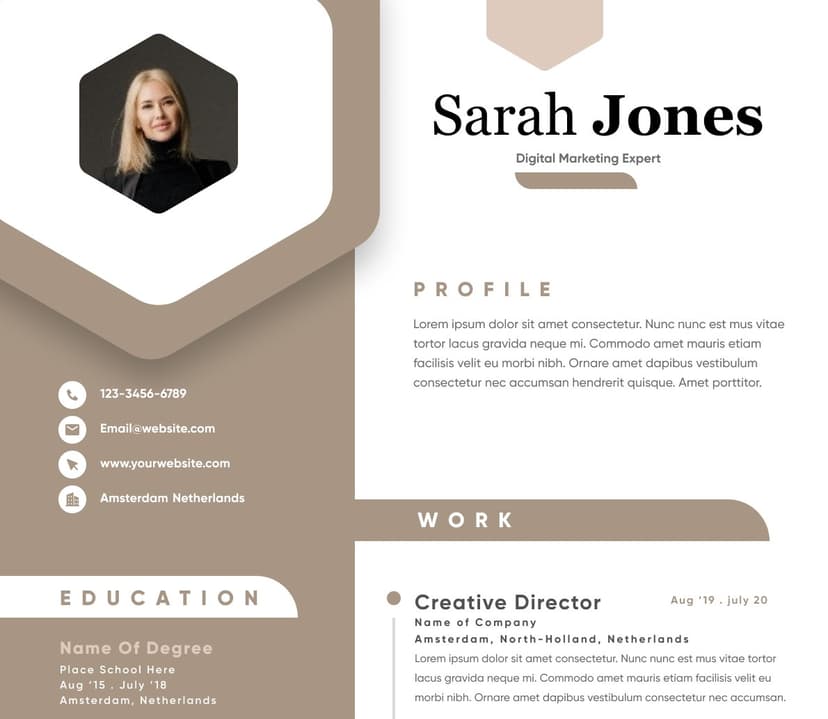
Use professional field-tested resume templates that follow the exact Resume rules employers look for.
Create Resume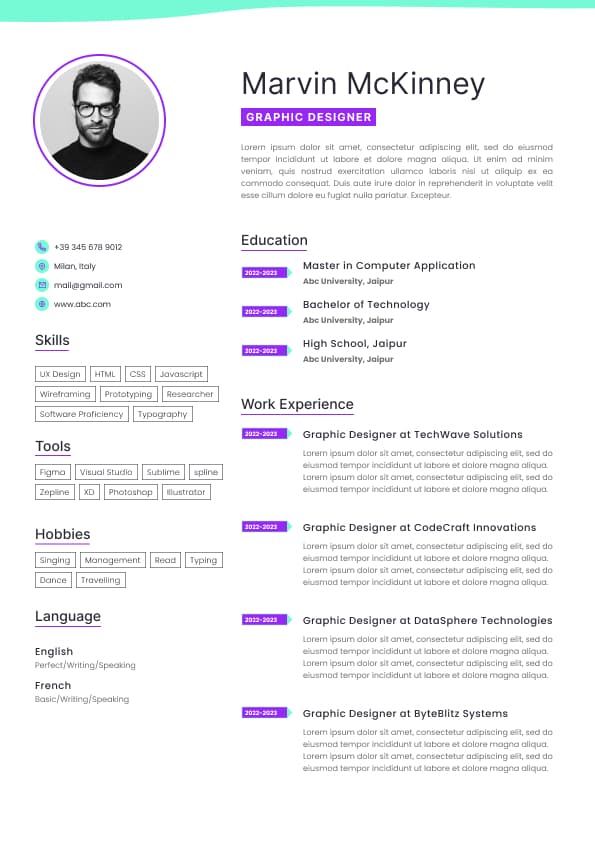
Use professional field-tested resume templates that follow the exact Resume rules employers look for.
Create Resume


 Upload Resume
 Import from Linkedin