STILL APPLYING. STILL HEARING NOTHING?BUILD YOUR RESUME

STILL APPLYING. STILL HEARING NOTHING?BUILD YOUR RESUME
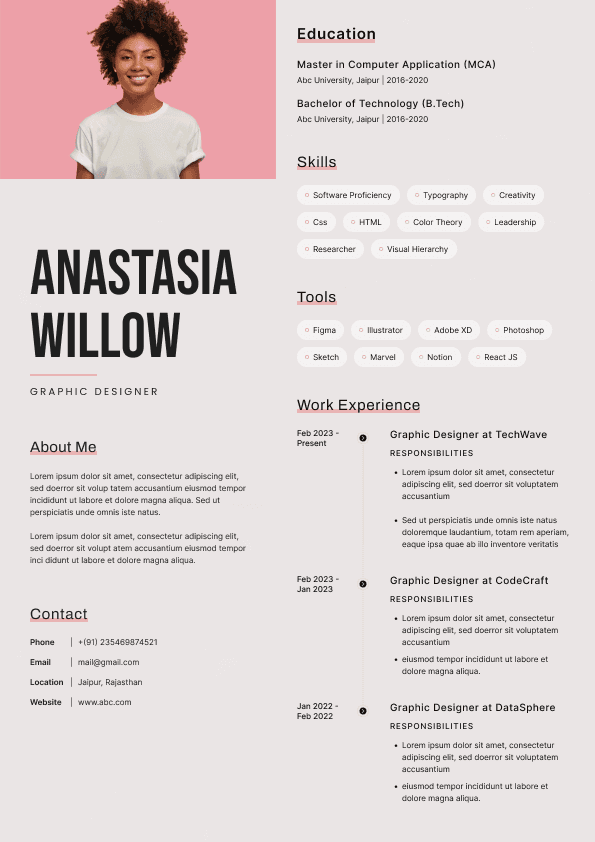
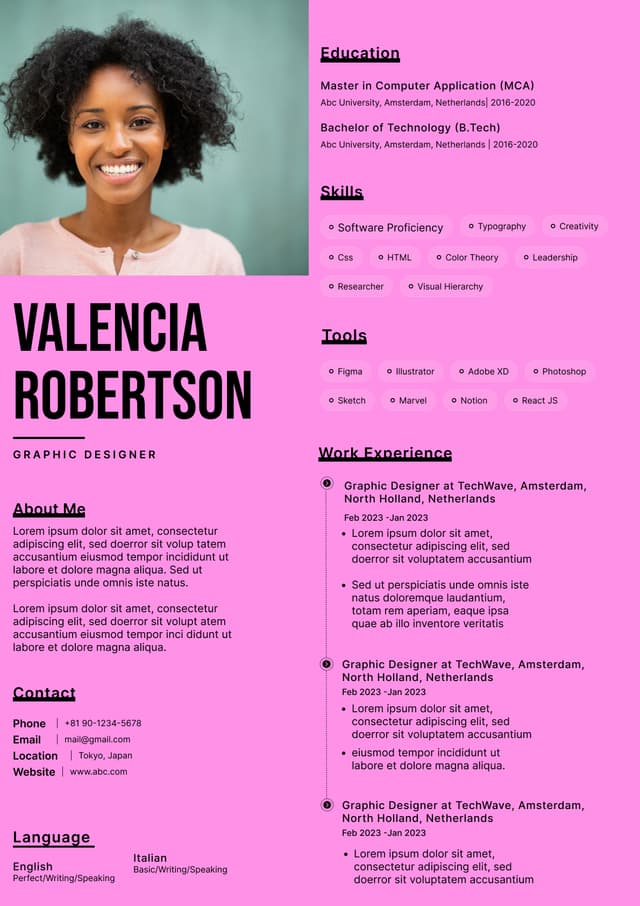
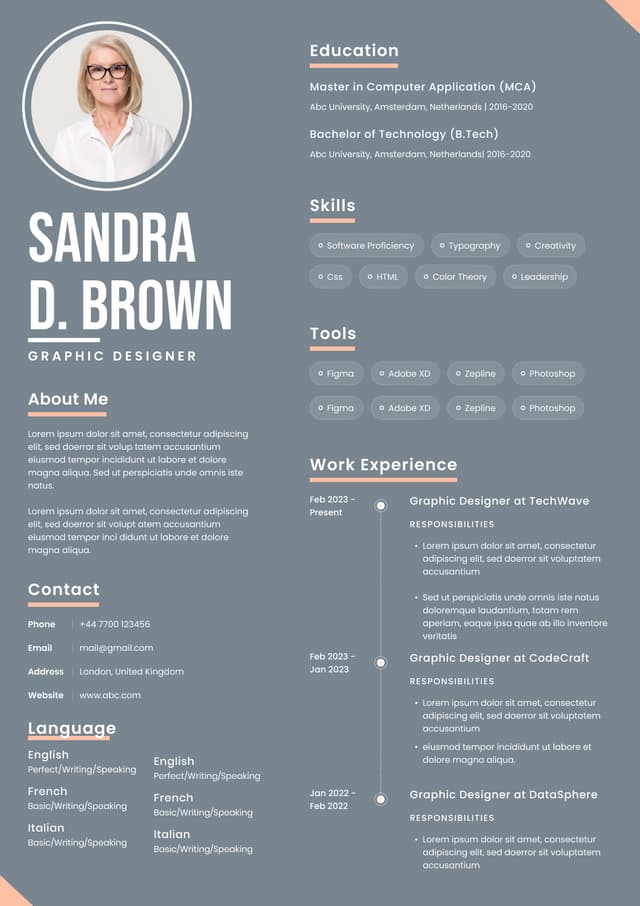
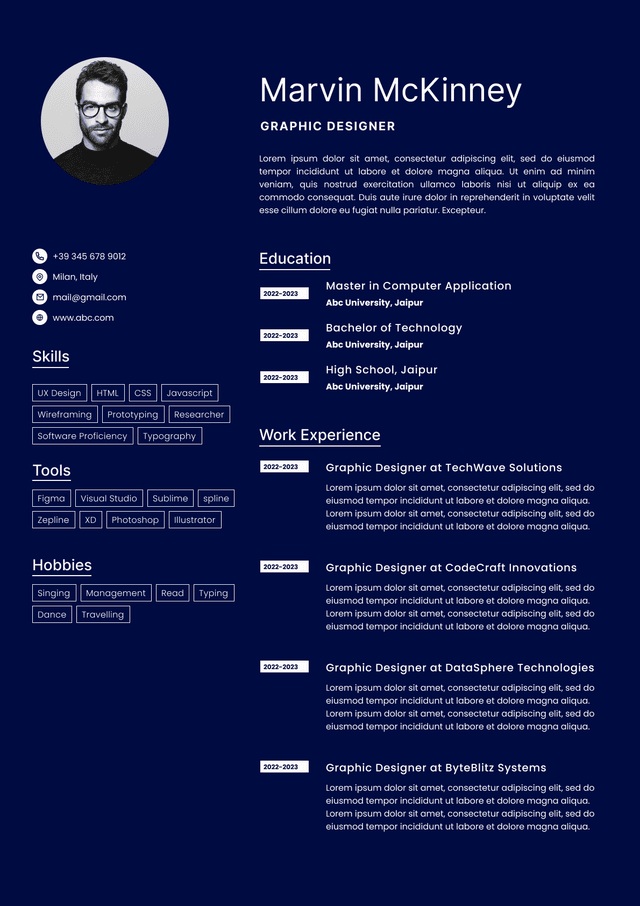
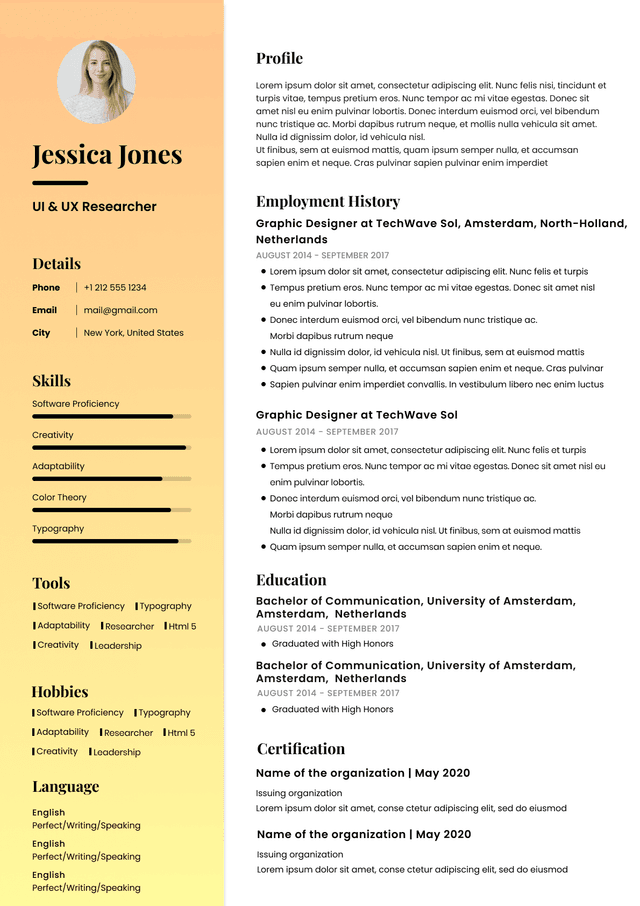
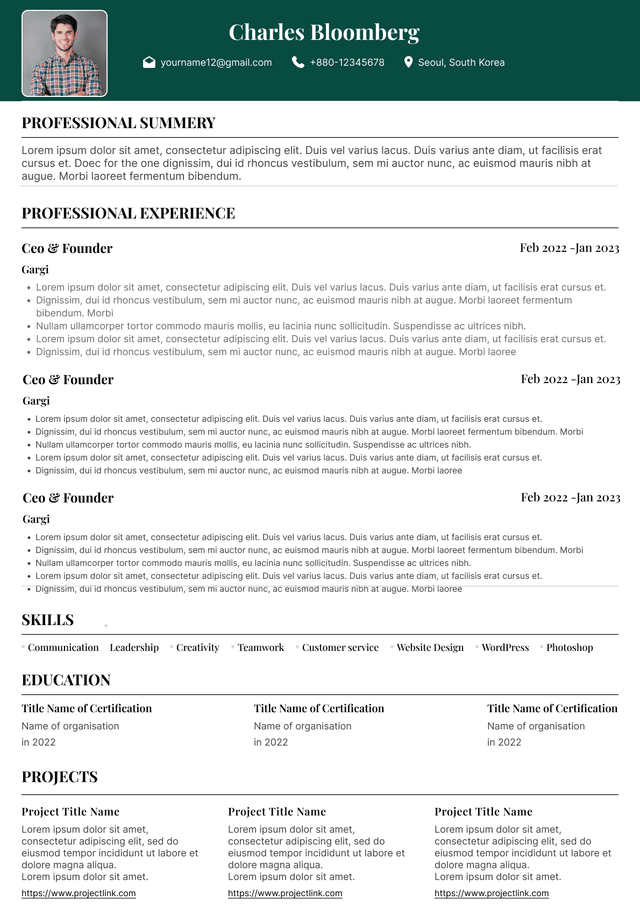
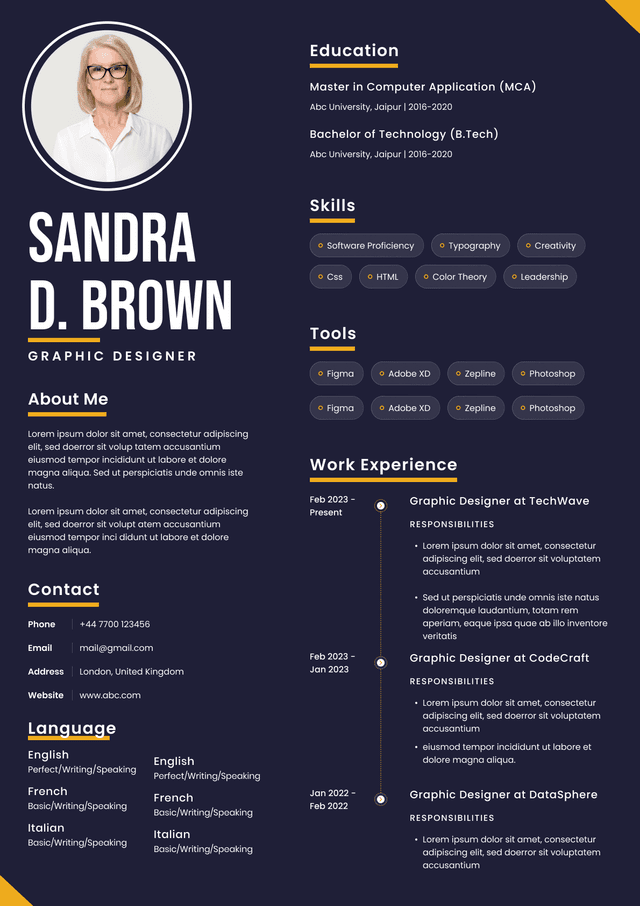
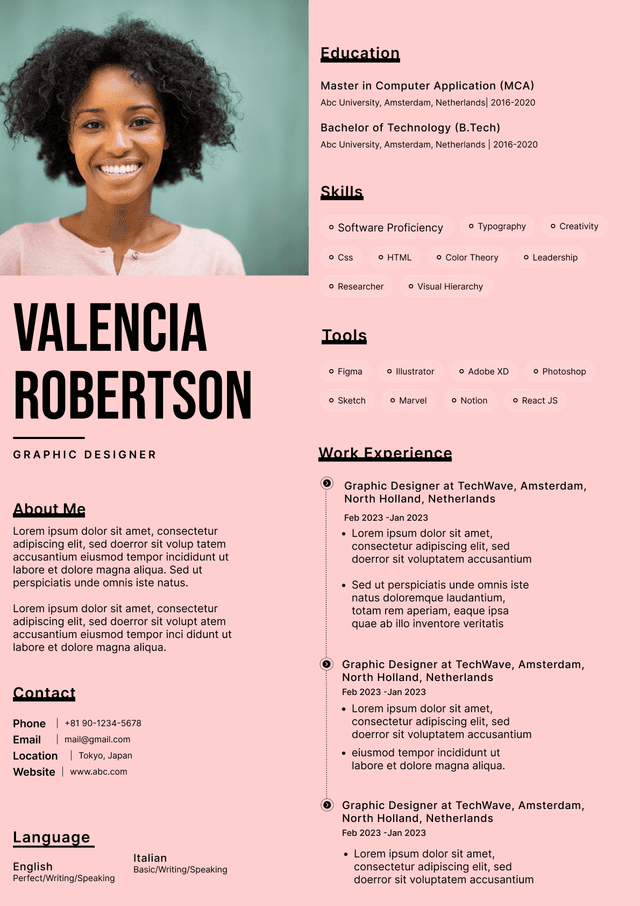
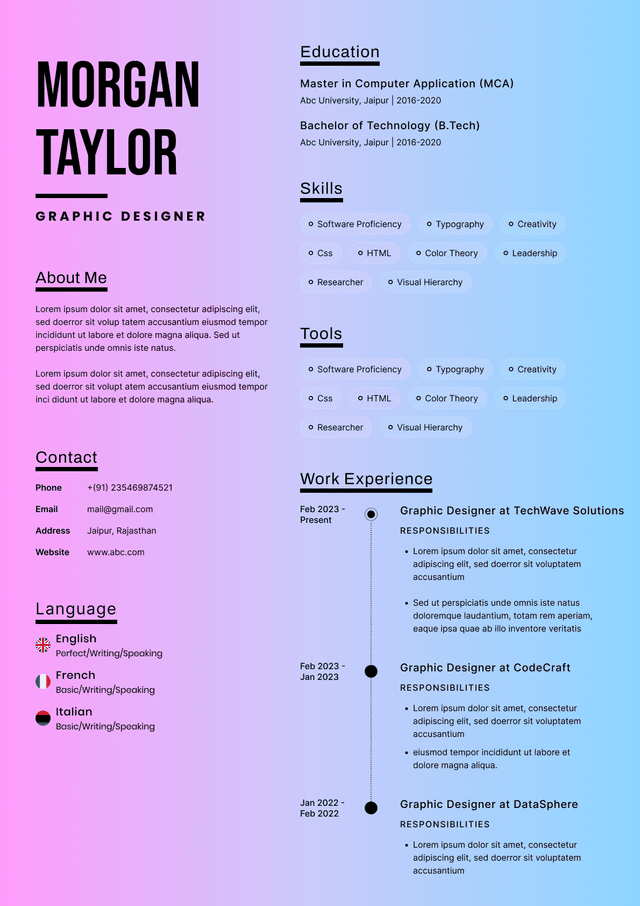
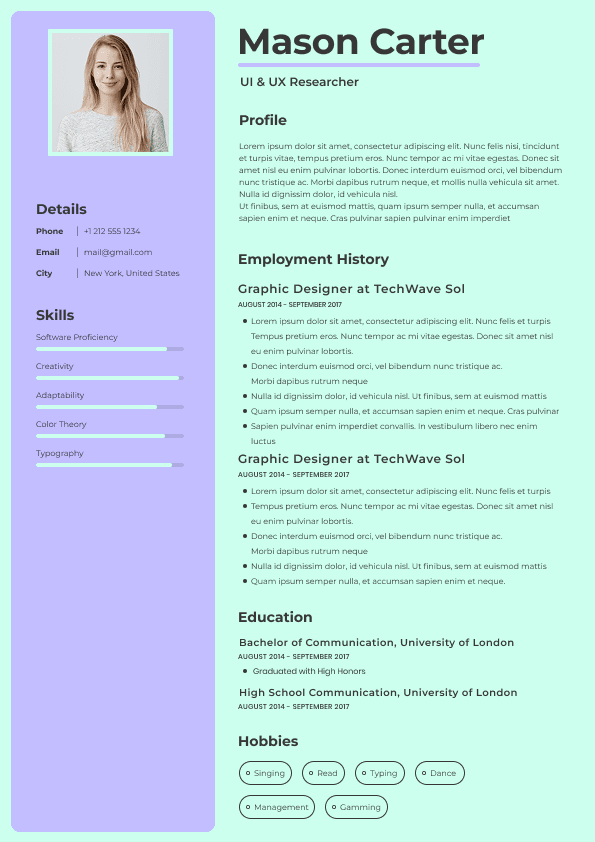
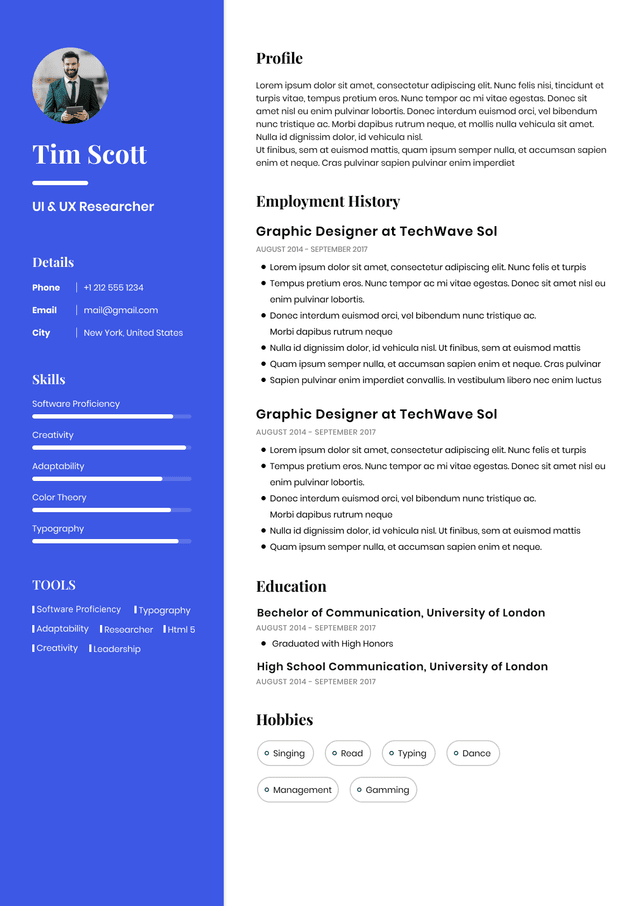
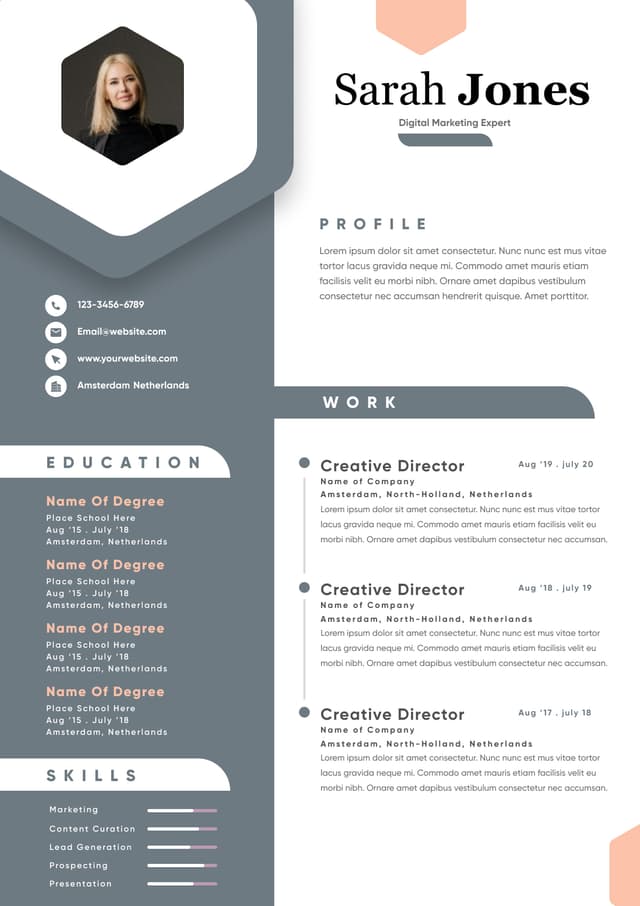
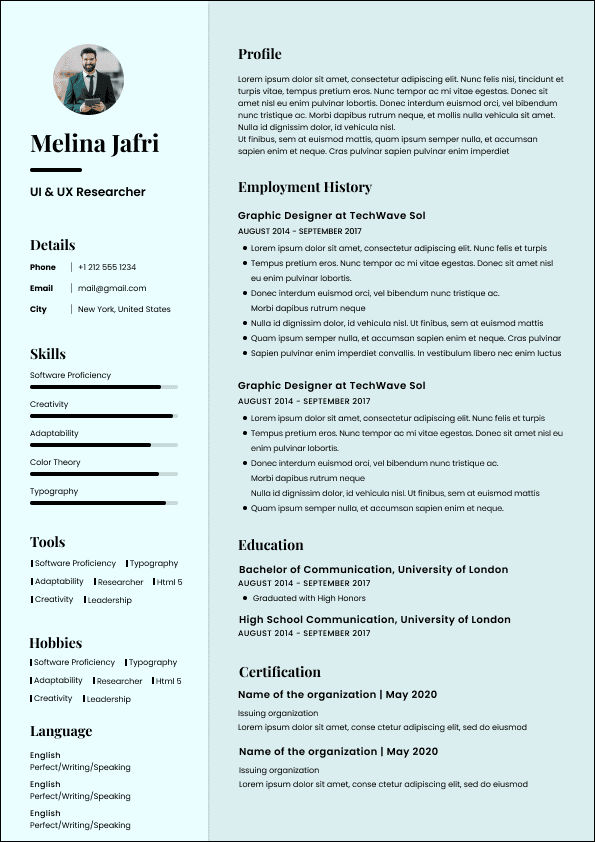
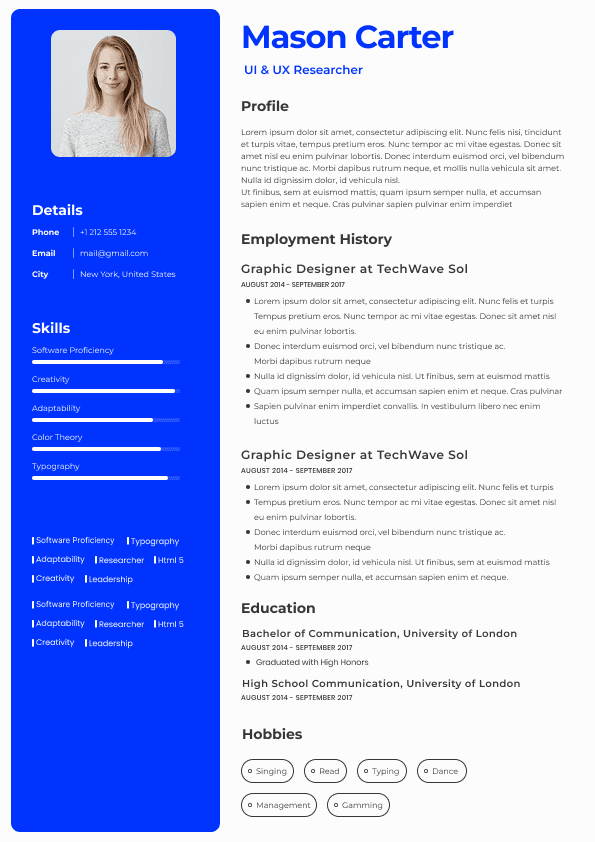
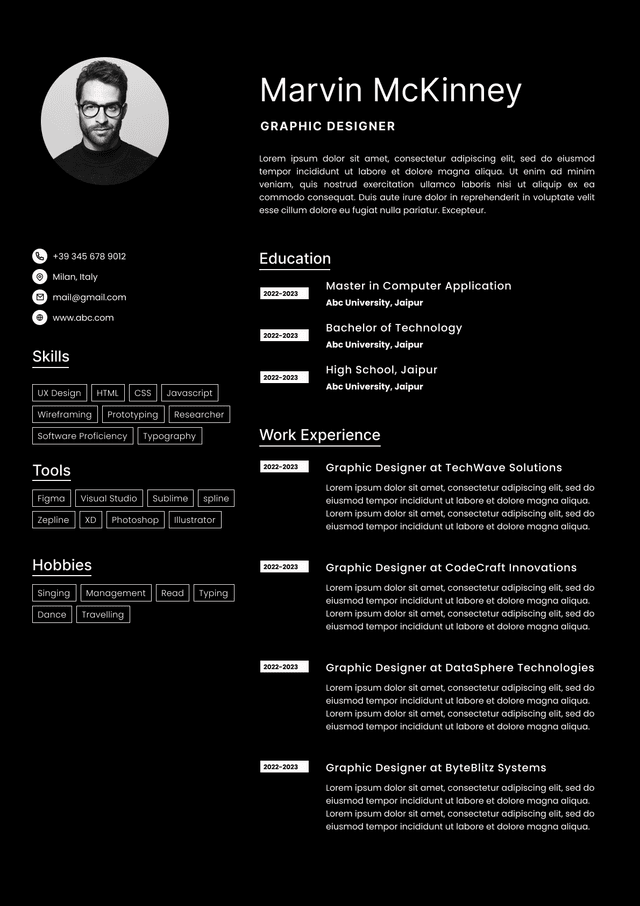
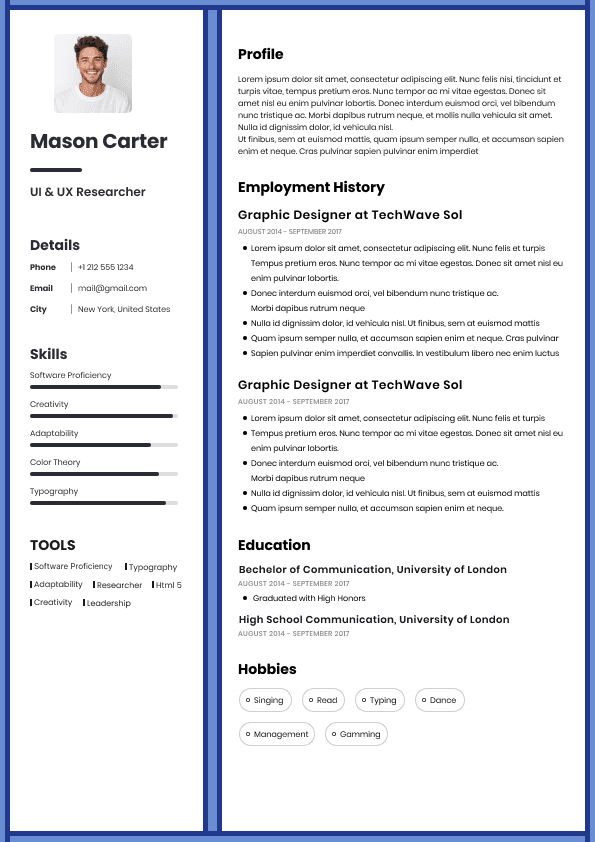
Choose from a wide range of NEWCV resume templates and customize your NEWCV design with a single click.
FAQ
A strong PHP developer portfolio is no longer optional in the US hiring market. Recruiters and engineering managers increasingly expect proof of real-world technical ability before scheduling interviews, especially for Laravel, WordPress, Symfony, Magento, and backend PHP roles. A resume may get you into the applicant pool, but your portfolio is what validates whether you can actually build, ship, optimize, and maintain production-ready applications.
The best PHP developer portfolios do three things well:
Clearly communicate specialization
Showcase real technical decision-making
Demonstrate measurable business or engineering impact
Most candidates fail because their portfolios look generic, contain unfinished projects, or focus only on screenshots instead of architecture, deployment, APIs, security, performance, and business outcomes. The portfolios that consistently generate interviews are structured like technical case studies, not personal galleries.
Most developers assume recruiters are evaluating visual design first. That is rarely true for technical hiring.
Recruiters and hiring managers typically evaluate PHP portfolios in this order:
Role alignment
Technical specialization
Production credibility
Project complexity
Business relevance
Code quality signals
Communication clarity
One of the biggest mistakes candidates make is trying to appear qualified for every PHP role at once.
That creates positioning confusion.
A portfolio that says:
“PHP Developer | WordPress | Laravel | Magento | Symfony | DevOps | AI | Blockchain”
usually signals lack of depth rather than versatility.
Instead, build your portfolio around one primary specialization.
Best for:
SaaS companies
Startups
API-focused applications
Remote engineering teams
Modern backend development roles
Strong signals include:
REST API architecture
Queue systems
The best portfolios are simple, fast, and strategically organized.
Your hero section should instantly answer:
Who you are
What you specialize in
What type of work you do
“Passionate developer who loves coding.”
This says nothing meaningful.
“Laravel Backend Developer building scalable SaaS APIs and performance-focused PHP applications.”
That immediately tells recruiters:
Your stack
Your specialization
Your About section should focus on technical identity and business value, not life story.
Hiring managers care about:
What you build
How you solve problems
What environments you work in
What technical strengths you bring
A high-performing About section typically includes:
Years of PHP experience
Framework specialization
Most developers create terrible skills sections.
Avoid giant keyword dumps.
Instead, organize skills strategically.
PHP 8
Laravel
Symfony
WordPress
Magento 2
REST APIs
GraphQL basics
Vue.js
Projects are the core of your portfolio.
But most PHP developers present projects incorrectly.
Recruiters do not just want screenshots.
They want evidence that you understand:
Architecture
Scalability
Security
Deployment
Business logic
Performance
Maintainability
Every featured project should contain:
Project summary
Business problem
Your role
Tech stack
Architecture overview
Key technical challenges
Security considerations
Performance optimization
Strong for Laravel and full stack PHP developers.
Demonstrates:
Authentication
Authorization
Billing integration
APIs
Queues
Database relationships
UI architecture
Strong for Magento, Laravel, and WordPress developers.
This is where most portfolios fail.
Good developers explain what they built.
Great developers explain why they built it that way.
“Built a Laravel e-commerce website with authentication and payments.”
This sounds generic and low-level.
“Built a Laravel-based multi-vendor e-commerce platform using Redis caching and queue workers to reduce checkout processing latency by 42%. Implemented role-based authorization, Stripe payment workflows, and API rate limiting to improve scalability and transaction security.”
That explanation demonstrates:
Technical depth
Business awareness
Engineering thinking
Production readiness
Hiring managers care about outcomes.
A project with measurable impact always feels more credible.
Reduced load time by 40%
Improved Lighthouse score from 58 to 94
Reduced API response time by 300ms
Increased checkout completion rate
Migrated legacy PHP system to Laravel
Reduced server costs through caching optimization
Even personal projects can include measurable engineering improvements.
Recruiters absolutely check GitHub for many PHP roles.
But they are not necessarily judging algorithm complexity.
They are evaluating:
Code organization
Project realism
Activity consistency
Documentation quality
Technical maturity
Clean README files
Meaningful commit history
Proper folder structure
Environment setup instructions
Testing implementation
Real project complexity
Empty repositories
Design matters, but usability matters more.
A recruiter should understand your value within 10 to 15 seconds.
Use:
Strong typography
Consistent spacing
Clean layouts
High contrast
Mobile responsiveness
Your navigation should usually include:
About
Projects
The best portfolio stack depends on your target role.
Blade
Vue.js
React
Tailwind CSS
Livewire
Alpine.js
Laravel
Symfony
Hiring managers notice deployment quality.
A properly deployed portfolio signals professionalism.
Strong deployment setup includes:
HTTPS enabled
CDN integration
Fast global loading
Error-free deployment
Mobile optimization
Proper caching
Most developers ignore SEO completely.
That is a major missed opportunity.
An SEO-optimized portfolio can generate:
Recruiter discovery
Freelance leads
Agency opportunities
Remote job visibility
Organic inbound traffic
Include relevant phrases such as:
Laravel Developer
Backend PHP Developer
WordPress Plugin Developer
Magento Developer
PHP API Developer
Do not keyword stuff.
Each project should ideally have its own URL.
This improves:
Search visibility
You do not need paid experience to build a strong portfolio.
But junior developers often make one critical mistake:
They create tiny tutorial clones with no real complexity.
That rarely works in competitive hiring.
Two strong projects outperform ten weak ones.
Good beginner project examples:
Booking systems
Inventory systems
SaaS dashboards
CRM tools
E-commerce features
API integrations
Recruiters like seeing growth.
Senior-level hiring expectations are dramatically different.
At senior level, recruiters evaluate:
System design thinking
Scalability
Leadership influence
Business impact
Technical decision-making
Explain:
Service architecture
Queue systems
Scaling decisions
Caching strategy
API versioning
Database optimization
Strong examples include:
Led migration from legacy PHP to Laravel
If your portfolio looks identical to hundreds of others, it becomes forgettable.
Customize your branding and messaging.
Projects without context feel fake or shallow.
Explain:
Who the user was
What problem existed
What changed after implementation
Engineering managers care more about technical substance than animations.
Many recruiters review portfolios on mobile devices.
Broken mobile layouts immediately damage credibility.
Always make it easy to contact you.
Include:
GitHub
Resume download
This is one of the largest gaps in competitor portfolios.
Do not just say what tools you used.
Explain:
Why you chose them
What tradeoffs existed
What problems they solved
That demonstrates engineering maturity.
The strongest portfolios usually follow this structure:
Define exactly what type of PHP developer you are.
Use projects with depth and measurable outcomes.
Demonstrate real technical thinking.
Fast, mobile-friendly, easy to navigate.
Optimize for search visibility and recruiter discovery.
An outdated portfolio can quietly hurt your credibility.

Use ATS-optimised Resume and resume templates that pass applicant tracking systems. Our Resume builder helps recruiters read, scan, and shortlist your Resume faster.

Use professional field-tested resume templates that follow the exact Resume rules employers look for.
Create Resume
Use professional field-tested resume templates that follow the exact Resume rules employers look for.
Create ResumeProfessionalism and responsiveness
A Laravel SaaS company wants completely different signals than a Magento e-commerce agency or a WordPress-focused digital marketing company.
Strong PHP portfolios usually include:
Clear role identity such as “Laravel Backend Developer” or “Full Stack PHP Developer”
Real deployed applications
GitHub repositories with active commits
Architecture explanations
API integrations
Authentication and security implementation
Database design decisions
Performance optimization details
Business metrics or measurable outcomes
Mobile-responsive portfolio design
Fast loading speed
Clean navigation
These are some of the most common rejection triggers recruiters notice:
Generic templates with no customization
Broken project links
No live demos
No explanation of technical decisions
Projects copied from tutorials
Poor mobile responsiveness
Overly flashy animations that hurt usability
Fake metrics or exaggerated claims
Too many unfinished projects
No specialization focus
GitHub repositories with no meaningful activity
A portfolio should reduce hiring uncertainty. Weak portfolios increase it.
Authentication systems
Laravel Sanctum or Passport
Eloquent optimization
Caching strategies
Testing
Deployment workflows
Horizon or Octane usage
Best for:
Agencies
Marketing companies
Freelance development
SMB web development
Strong signals include:
Custom plugin development
WooCommerce customization
Theme architecture
ACF implementation
Performance optimization
Headless WordPress
Security hardening
Best for:
E-commerce companies
Adobe Commerce environments
Enterprise retail platforms
Strong signals include:
Custom module development
Checkout customization
API integrations
Multi-store architecture
Performance optimization
Elasticsearch integration
Best for:
Enterprise software
Complex backend systems
European and enterprise hiring markets
Strong signals include:
Service container usage
Event subscribers
API Platform
Domain-driven architecture
Messenger queues
Best for:
API engineering
Platform engineering
Scalable systems
Infrastructure-focused roles
Strong signals include:
Database architecture
Authentication
API performance
Caching
Background jobs
Security implementation
Scalability decisions
Your likely role fit
Clear specialization headline
Short positioning statement
GitHub link
Resume download
Contact CTA
Optional LinkedIn link
Avoid long personal introductions.
Industries worked in
Technical strengths
Preferred development environments
Results or business outcomes
React
Blade
Livewire
Alpine.js
Tailwind CSS
MySQL
PostgreSQL
Redis
AWS
DigitalOcean
Docker
Laravel Forge
Cloudflare
CI/CD pipelines
Git
Postman
PHPUnit
Composer
This structure helps recruiters quickly assess stack alignment.
Screenshots
Live demo
GitHub repository
Measurable outcomes
Demonstrates:
Payment systems
Inventory logic
Checkout flows
Performance optimization
Security
Strong for backend developers.
Demonstrates:
API architecture
Authentication
Rate limiting
Database optimization
Scalability
Strong for WordPress developers.
Demonstrates:
PHP architecture
Extensibility
WordPress hooks
Admin workflows
Only tutorial projects
No documentation
No commits for years
Random unfinished code dumps
A smaller number of polished repositories is better than dozens of weak ones.
Skills
Resume
Contact
Fast-loading portfolios create stronger professional impressions.
Slow portfolios signal weak engineering discipline.
Optimize:
Images
Fonts
JavaScript bundles
Hosting configuration
CDN usage
Core Web Vitals matter both for SEO and user experience.
WordPress
PHP 8
DigitalOcean
AWS
Cloudflare
Laravel Forge
Envoyer
Vercel for frontend assets
Keyword targeting
Internal linking
Technical authority
Optimize:
Title tags
Meta descriptions
Image alt text
Schema markup
Open Graph tags
A technical blog significantly increases topical authority.
Strong blog topics include:
Laravel performance optimization
PHP security best practices
WooCommerce customization
Redis caching in Laravel
API authentication strategies
This helps demonstrate expertise beyond project execution.
Demonstrate progression through:
Refactoring
Performance improvements
Better architecture decisions
Deployment upgrades
Even junior developers can stand out by explaining:
Why certain architecture decisions were made
Security considerations
Database structure
API implementation logic
Reduced infrastructure costs
Improved deployment reliability
Mentored junior developers
Improved engineering workflows
Senior portfolios should demonstrate:
Large-scale systems
Enterprise integrations
Multi-tenant applications
High-traffic optimization



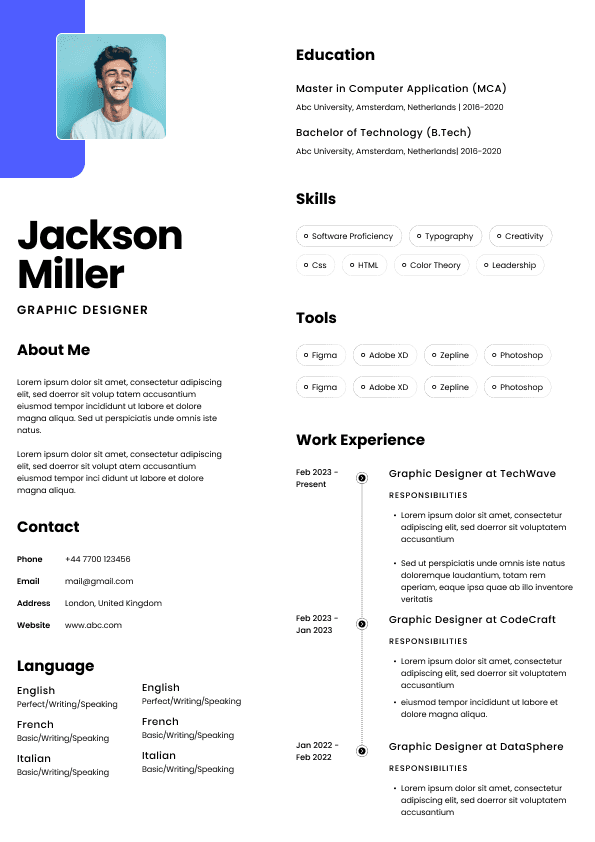
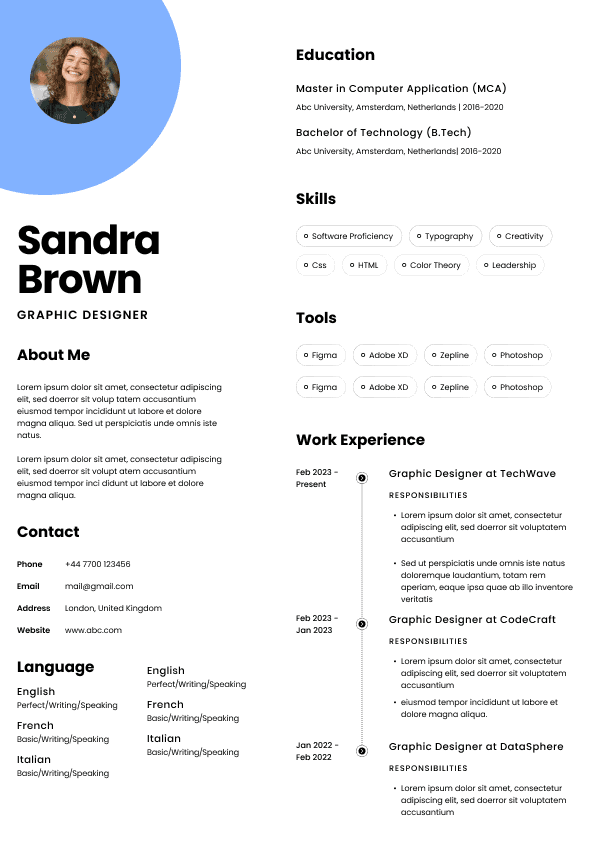
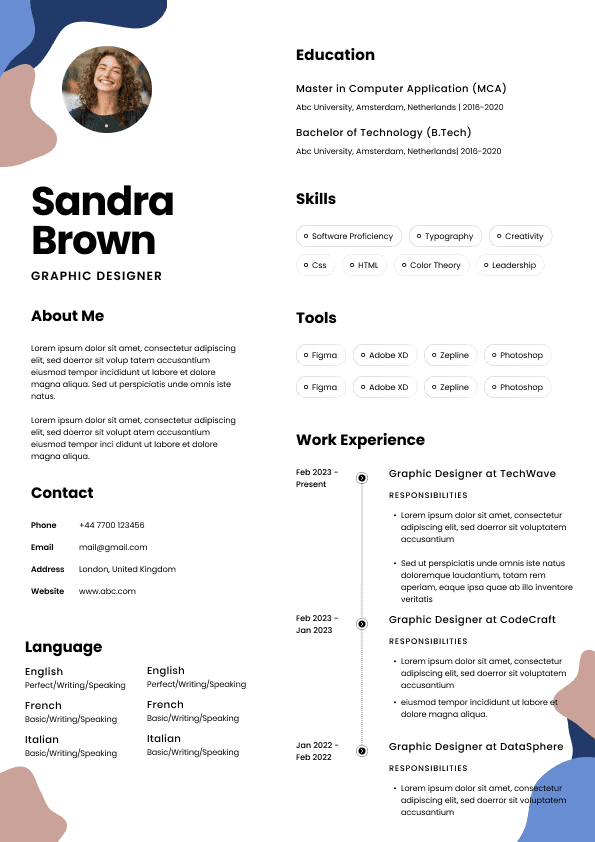
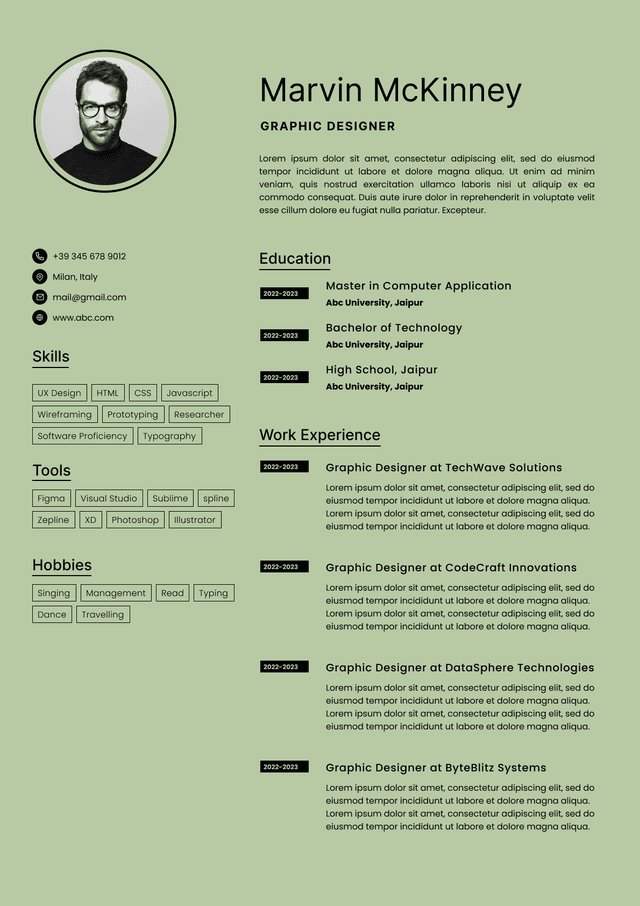
 Upload Resume
 Import from Linkedin