STILL APPLYING. STILL HEARING NOTHING?BUILD YOUR RESUME

STILL APPLYING. STILL HEARING NOTHING?BUILD YOUR RESUME
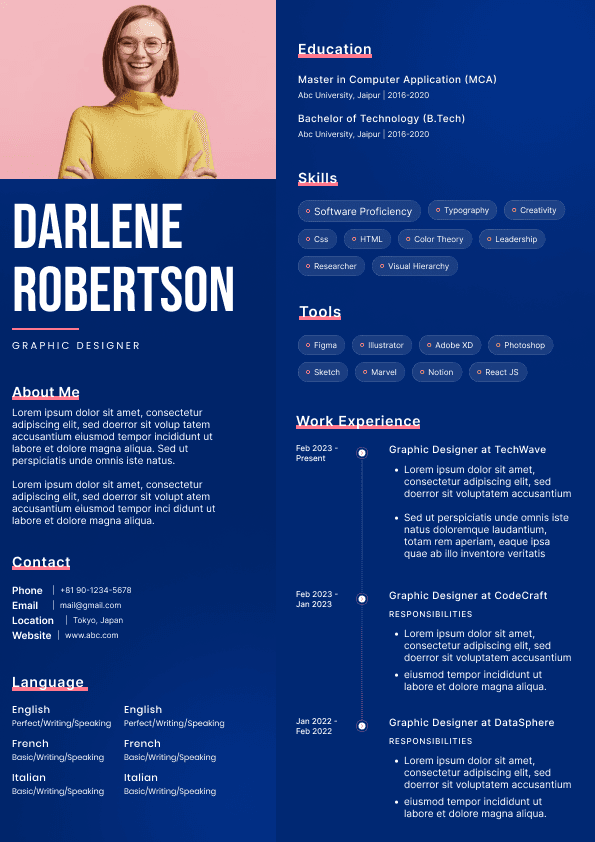
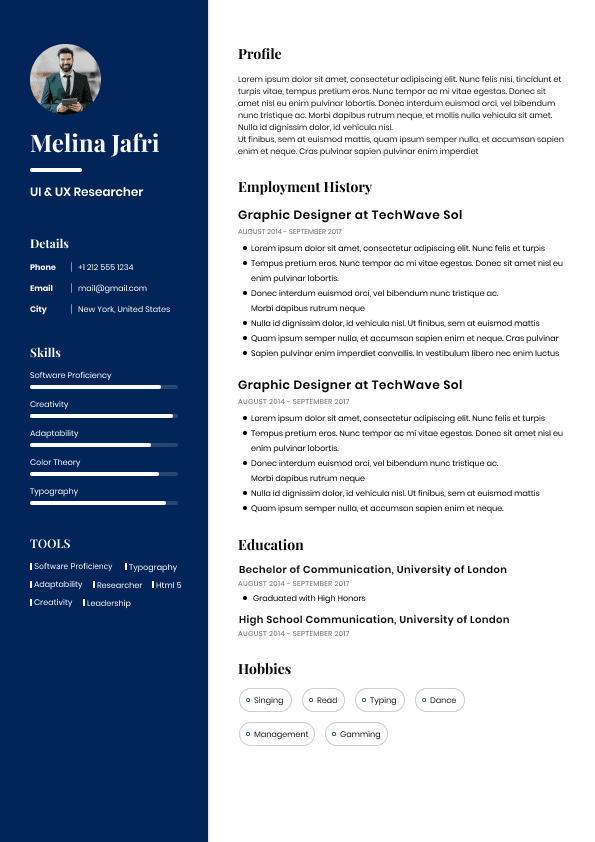
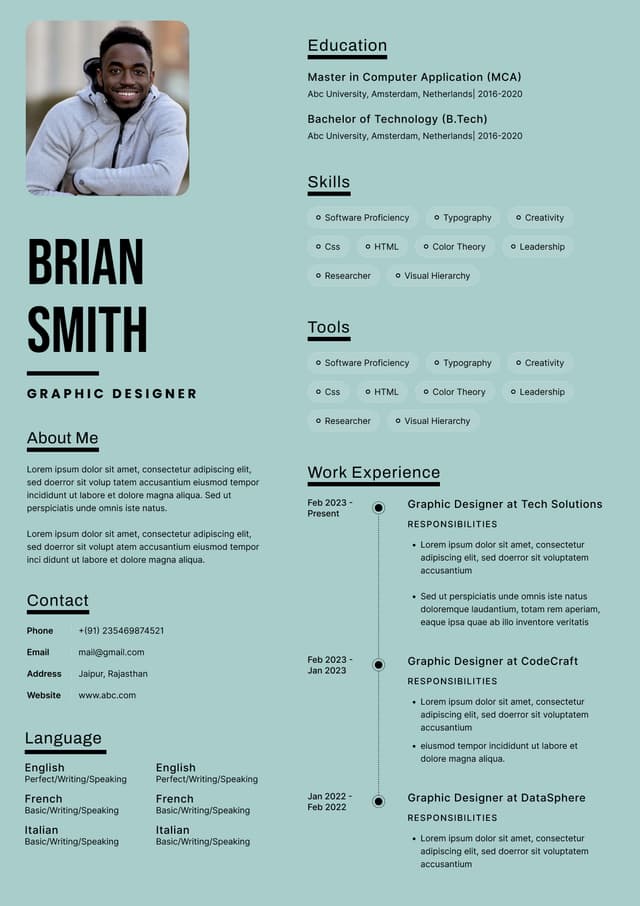
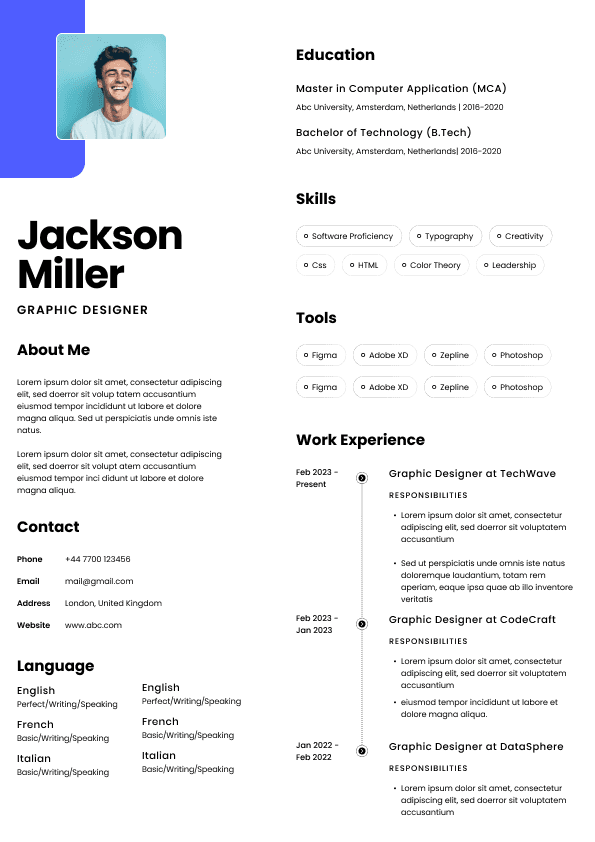
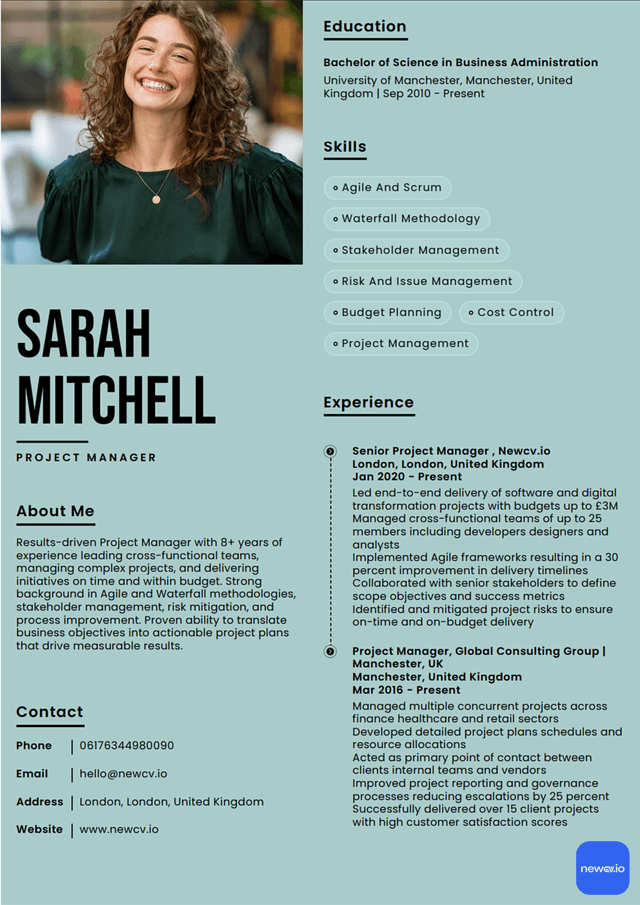
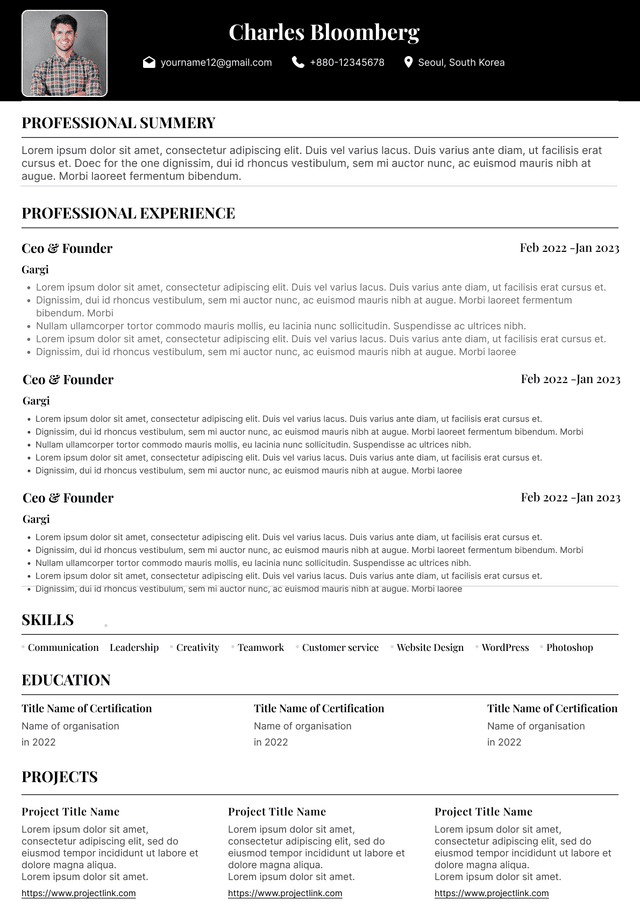
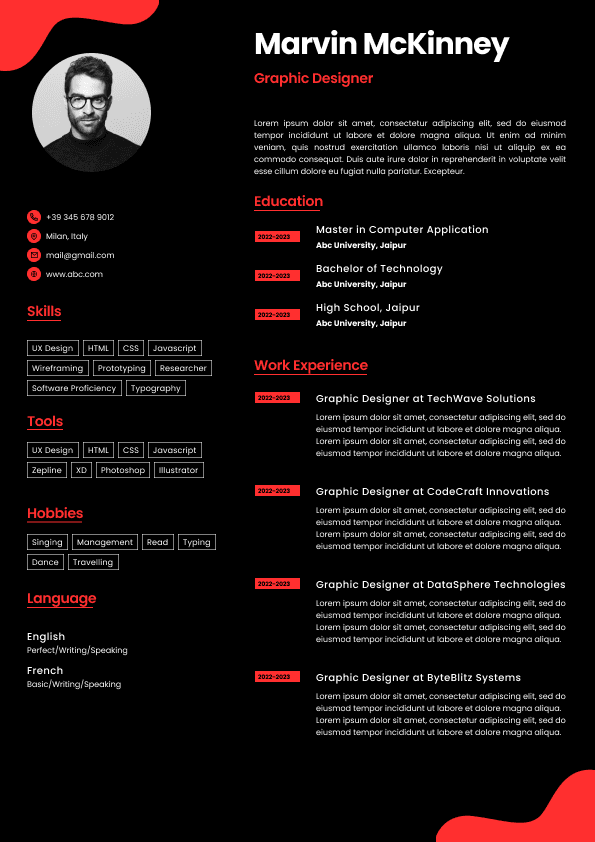
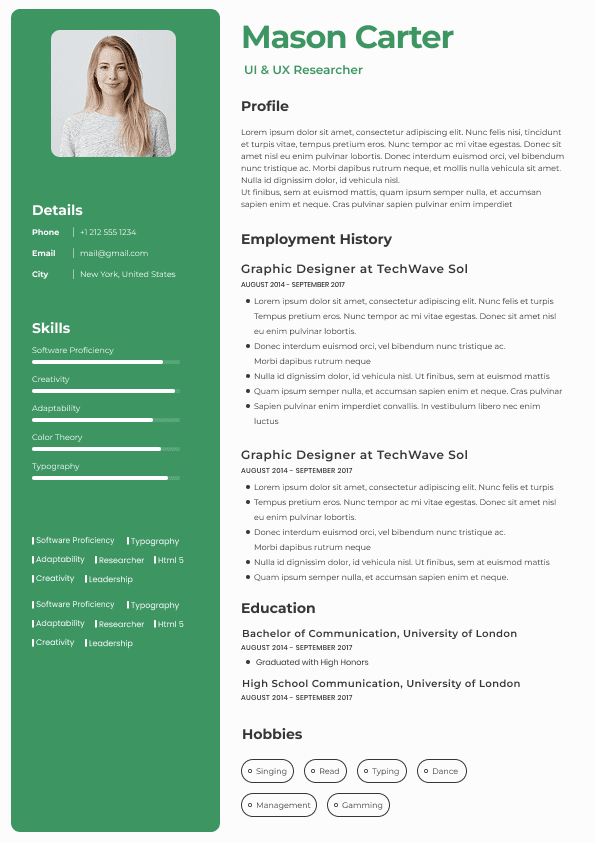
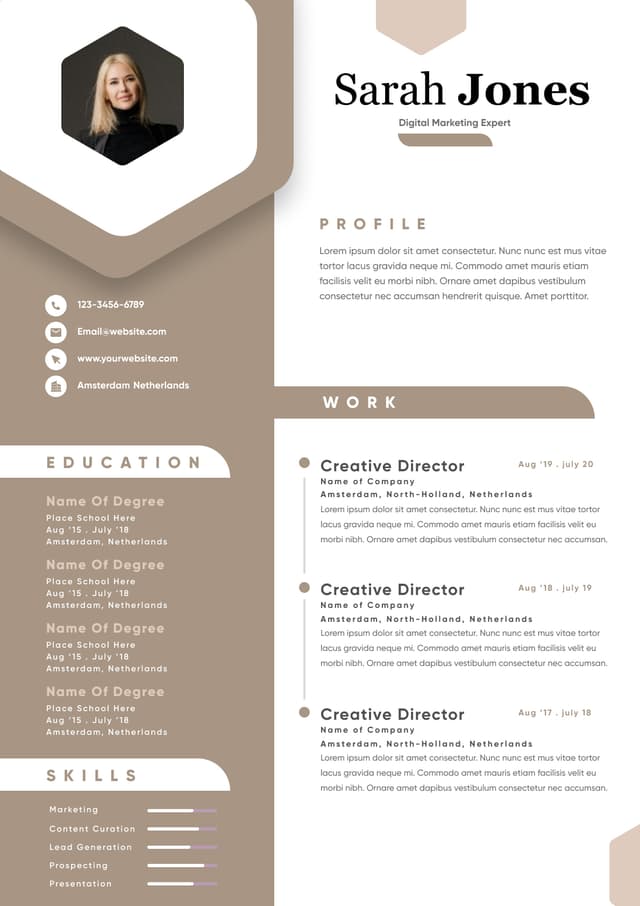
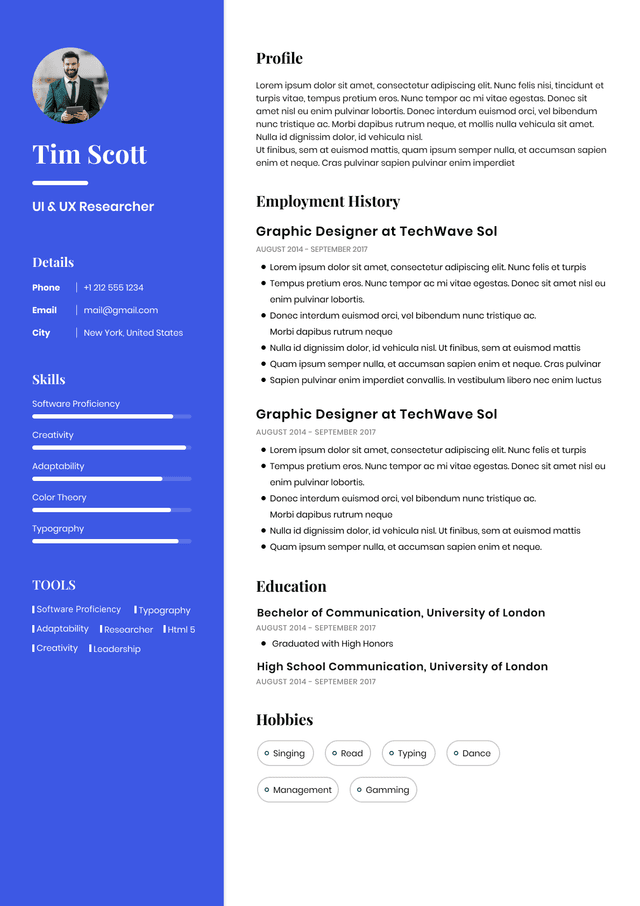
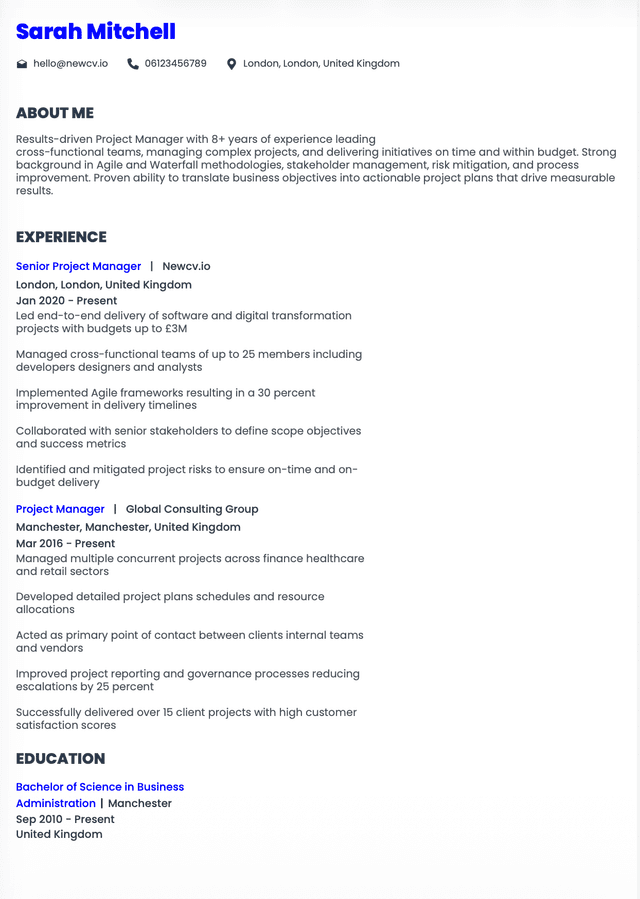
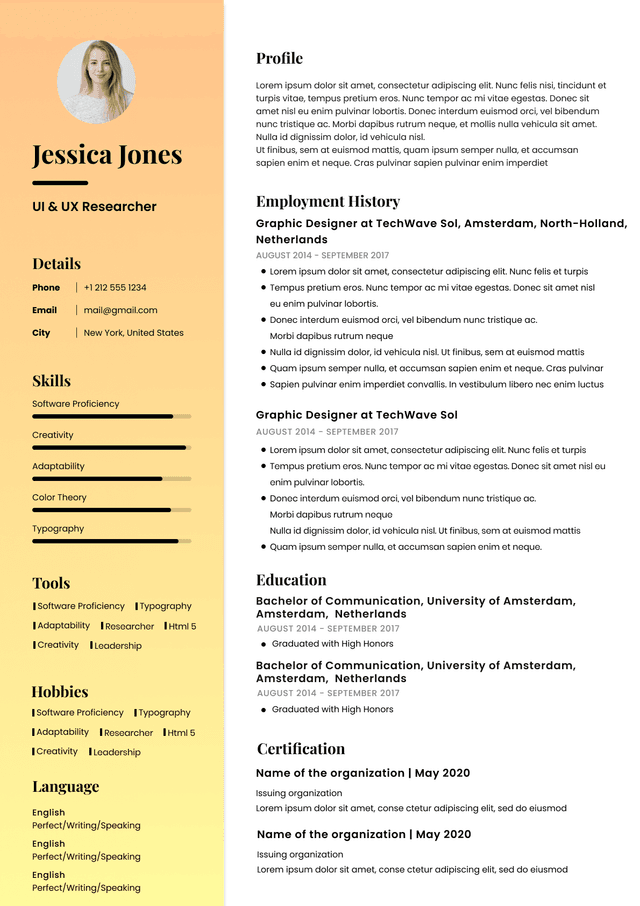
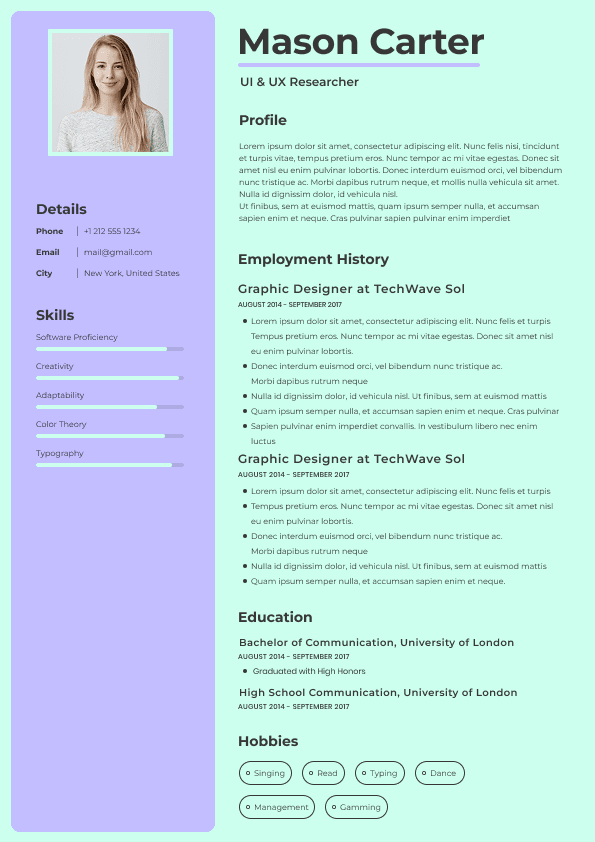
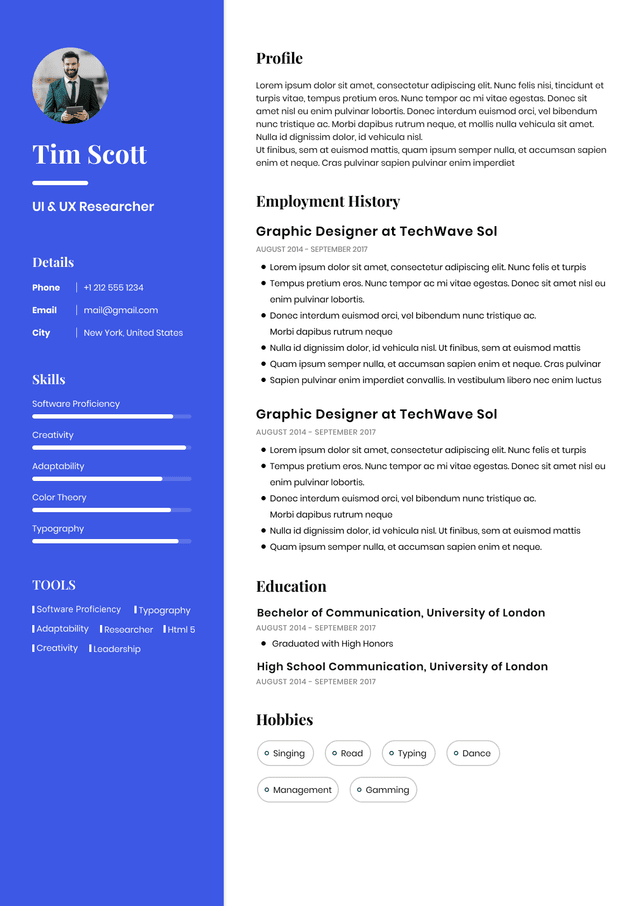
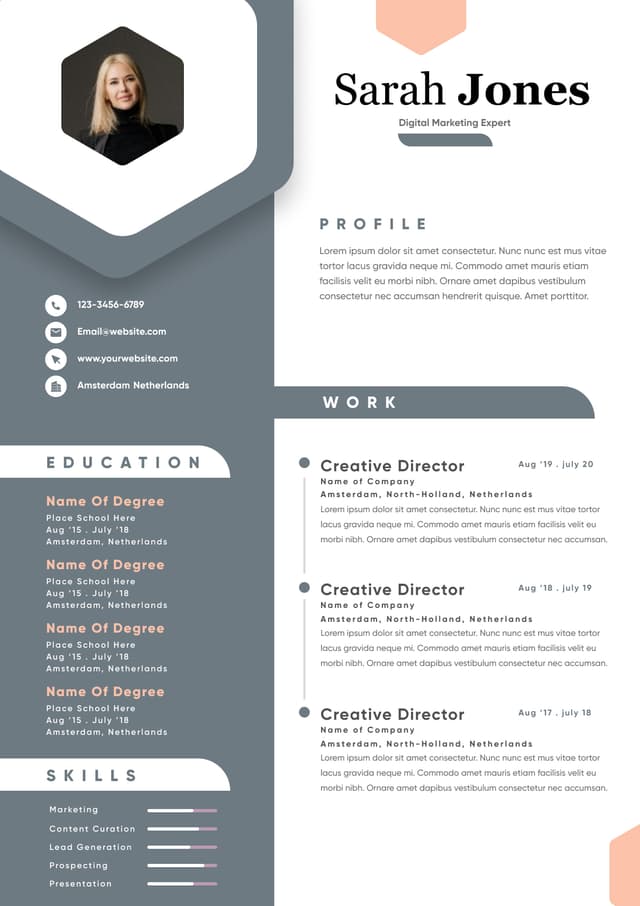
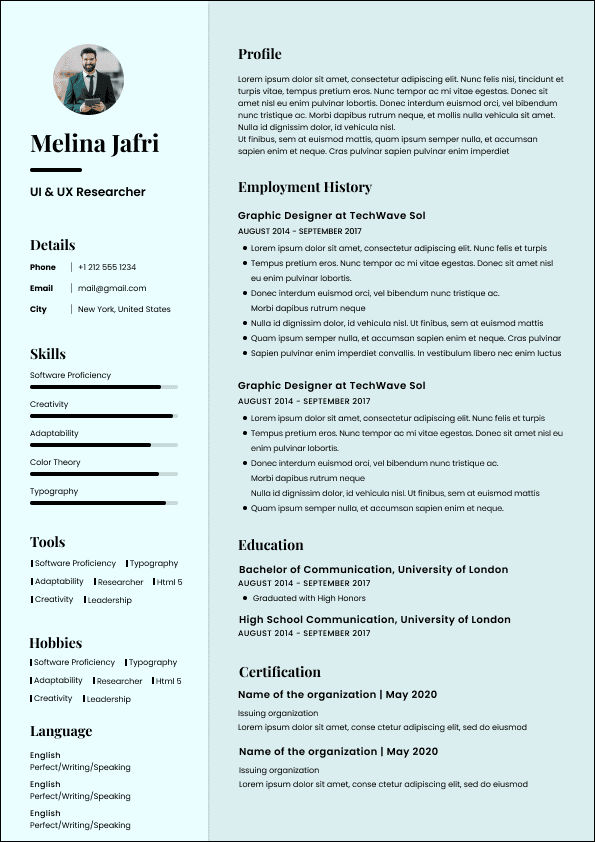
Choose from a wide range of NEWCV resume templates and customize your NEWCV design with a single click.
FAQ


A strong PHP developer resume does not just list tasks. It proves business impact, technical depth, ownership, and engineering maturity. Recruiters and hiring managers scan PHP resumes quickly, often in less than 15 seconds during the first review. Generic bullet points like “worked on PHP applications” or “responsible for backend development” fail because they do not show complexity, scale, or measurable outcomes.
The best PHP developer resume bullet points demonstrate four things immediately:
What you built
Which technologies you used
How you improved performance, reliability, scalability, or business outcomes
Your level of ownership and collaboration
This guide provides recruiter-approved PHP developer resume bullet points, job description examples, action verbs, achievement statements, and work experience examples designed for modern US hiring standards. Whether you work with Laravel, Symfony, WordPress, APIs, SaaS products, enterprise systems, or e-commerce platforms, these examples are structured to pass ATS systems and impress engineering hiring teams.
Most PHP developer resumes fail because the experience section reads like a generic task list instead of proof of engineering contribution.
Hiring managers evaluate PHP resumes based on:
Backend architecture experience
Framework expertise
API development capability
Database optimization skills
Performance and scalability impact
Collaboration with cross-functional teams
Code quality and maintainability
Modern engineering practices
Production ownership
Problem-solving ability
Strong bullet points answer hidden hiring questions such as:
Can this developer work in production environments?
Have they handled scalable systems?
Do they understand software engineering beyond coding?
Can they collaborate effectively with product and DevOps teams?
Will they reduce technical debt or create more of it?
Do they improve systems measurably?
Weak resumes only describe activity. Strong resumes demonstrate outcomes.
The highest-performing resume bullet points usually follow this structure:
Action Verb + Technical Task + Tools/Environment + Measurable Result
“Worked on PHP website development.”
Why this fails:
No technical depth
No frameworks or tools
No ownership
No outcome
Sounds junior and vague
“Developed and deployed Laravel-based customer portal features that reduced manual support requests by 38% and improved account self-service adoption.”
Why this works:
Clear action
Specific technology
Business outcome
Demonstrates impact
Shows ownership
These examples are designed for modern backend and web development environments.
Developed scalable PHP backend services using Laravel and Symfony for high-traffic SaaS applications supporting over 250,000 monthly users
Engineered reusable backend modules and service layers that reduced duplicate code across multiple PHP applications by 35%
Built secure RESTful APIs for mobile and web platforms, improving third-party integration efficiency and reducing API response times
Architected PHP microservices for payment processing workflows handling thousands of daily transactions with improved fault tolerance
Customized WordPress and custom PHP CMS platforms to support enterprise-level content management requirements
Designed modular PHP applications using MVC architecture principles to improve maintainability and feature scalability
Implemented asynchronous job processing and queue management to optimize backend task execution and reduce server bottlenecks
Optimized MySQL queries and database indexing strategies, reducing average page load times by 42%
Improved PHP application performance through Redis caching, lazy loading, and query optimization techniques
Refactored legacy SQL queries and backend processes that reduced server resource utilization by 30%
Analyzed database bottlenecks and implemented schema improvements that increased reporting performance for large datasets
Reduced API latency by optimizing database joins, caching frequently requested data, and improving backend request handling
Built RESTful APIs and backend integrations for CRM, payment gateway, and shipping systems using PHP and Laravel
Developed secure OAuth and JWT authentication systems for customer-facing APIs and third-party integrations
Integrated Stripe, PayPal, Salesforce, HubSpot, and external vendor APIs into enterprise PHP platforms
Created API validation and error-handling frameworks that improved system reliability and reduced production failures
Engineered scalable API endpoints supporting mobile applications, partner integrations, and internal business tools
Collaborated with product managers, UX designers, QA engineers, and DevOps teams during Agile sprint cycles
Participated in code reviews, sprint planning, backlog refinement, and production release activities across distributed engineering teams
Worked closely with stakeholders to translate business requirements into scalable PHP application features
Coordinated with QA teams to resolve production defects and improve regression testing coverage
Contributed to Agile ceremonies and cross-functional planning sessions that improved sprint predictability and delivery timelines
Developed PHPUnit test suites and integration tests to improve application reliability and reduce regression issues
Increased automated test coverage for backend APIs and business-critical workflows across PHP applications
Implemented CI/CD pipelines for automated testing, deployment validation, and release management
Identified and resolved production defects using application logs, debugging tools, and monitoring platforms
Improved code quality standards through peer reviews, static analysis tools, and PSR compliance practices
Automated PHP application deployments using GitHub Actions, Jenkins, Docker, and CI/CD workflows
Configured Linux-based hosting environments, load balancing, and deployment automation for production systems
Improved deployment reliability by implementing rollback strategies, monitoring alerts, and environment validation processes
Managed Composer dependencies, environment configuration, and release versioning across multiple PHP applications
Enhanced observability and application monitoring using New Relic, Datadog, and centralized logging tools
These responsibility-focused examples work well for mid-level and senior developer resumes.
Designed, developed, tested, and maintained PHP-based web applications and backend systems
Built scalable APIs, CMS functionality, and custom business applications using Laravel, Symfony, and native PHP
Collaborated with cross-functional engineering teams to deliver new features and platform improvements
Maintained code quality through unit testing, peer reviews, and adherence to coding standards
Optimized application performance, SQL queries, and backend architecture for improved scalability
Troubleshot production issues and resolved backend defects in high-availability environments
Integrated external APIs, payment gateways, analytics tools, and authentication systems
Participated in Agile software development processes including sprint planning and retrospectives
Refactored legacy PHP codebases to improve maintainability, performance, and security
Managed deployment workflows, environment configurations, and CI/CD processes
Most developers underuse achievements on their resumes. Hiring managers pay close attention to measurable outcomes because they show business value, not just technical activity.
Reduced application response times by 47% through backend optimization and Redis caching implementation
Migrated legacy PHP monolith to modular Laravel architecture, improving deployment speed and reducing production incidents
Increased automated test coverage from 22% to 81%, significantly reducing post-release defects
Built API integrations that eliminated manual order processing and saved operations teams over 20 hours weekly
Refactored legacy codebase and reduced technical debt backlog by 40% within six months
Improved checkout reliability for e-commerce platform processing over $3M in annual transactions
Led backend modernization initiative that upgraded applications from PHP 5.6 to PHP 8.2 with minimal downtime
Developed scalable backend infrastructure supporting 3x traffic growth without major architectural changes
Web-focused PHP developers should emphasize frontend collaboration, CMS systems, and user-facing functionality.
Developed responsive PHP-based web applications integrated with JavaScript frameworks and modern frontend architectures
Customized WordPress themes, plugins, and backend functionality for enterprise and marketing websites
Built secure customer portals, admin dashboards, and CMS-driven web platforms using Laravel and Vue.js
Collaborated with UI/UX teams to implement responsive frontend experiences connected to PHP backend services
Improved website speed, SEO performance, and Core Web Vitals through backend optimization initiatives
Maintained cross-browser compatibility and accessibility standards across PHP web applications
Integrated analytics platforms, marketing tools, and lead-generation systems into customer-facing web applications
Industry context matters. Recruiters want to see alignment between your experience and their business domain.
Built multi-tenant SaaS platform features supporting subscription billing, user permissions, and account management
Developed scalable backend services supporting rapid feature releases and customer onboarding growth
Improved API reliability and uptime for customer-facing SaaS integrations and reporting systems
Developed custom checkout workflows, inventory systems, and payment gateway integrations for high-volume e-commerce platforms
Optimized shopping cart performance and backend order-processing systems during peak traffic periods
Integrated shipping APIs, fraud detection systems, and customer analytics platforms into PHP applications
Developed HIPAA-compliant backend systems for patient data processing and healthcare application workflows
Improved security controls, user authentication, and audit logging for regulated healthcare platforms
Built secure APIs for healthcare data exchange and third-party system integrations
Engineered secure transaction-processing services and financial reporting systems using PHP and MySQL
Developed fraud monitoring tools and encrypted authentication workflows for financial applications
Improved payment processing reliability and transaction audit capabilities across fintech platforms
Strong action verbs improve resume clarity, ATS relevance, and perceived ownership.
Developed
Engineered
Architected
Built
Implemented
Optimized
Refactored
Integrated
Customized
Automated
Deployed
Maintained
Migrated
Debugged
Configured
Secured
Improved
Scaled
Delivered
Collaborated
Streamlined
Enhanced
Modernized
Analyzed
Reduced
Avoid weak verbs like:
Helped
Assisted
Worked on
Responsible for
Participated in
These reduce perceived ownership and technical authority.
Recruiters consistently reject PHP developer resumes for avoidable reasons.
One of the biggest mistakes is describing responsibilities without outcomes.
“Responsible for maintaining PHP applications.”
“Maintained and optimized enterprise PHP applications serving over 100,000 users while reducing recurring production incidents by 28%.”
Large technology lists without context reduce credibility.
Hiring managers prefer:
Depth in relevant technologies
Evidence of practical application
Real engineering impact
Not massive keyword dumps.
Technical accomplishments matter more when tied to outcomes such as:
Revenue growth
Performance improvement
Faster deployments
Reduced downtime
Improved scalability
Lower operational costs
Modern PHP hiring focuses heavily on:
Laravel and Symfony
APIs and integrations
Cloud deployments
CI/CD workflows
Automated testing
Scalable architecture
Performance optimization
Resumes focused only on “PHP website development” often appear outdated.
Senior-level resumes require more than coding examples.
Hiring managers expect evidence of:
Architecture decisions
System scalability
Technical leadership
Mentorship
Cross-team collaboration
Platform modernization
Risk reduction
Operational ownership
Led backend architecture redesign for multi-tenant SaaS platform supporting rapid customer growth and improved deployment reliability
Mentored junior developers through code reviews, technical documentation, and engineering best practices
Drove PHP modernization initiatives including framework upgrades, CI/CD implementation, and technical debt reduction
Collaborated with engineering leadership on scalability planning, infrastructure improvements, and long-term backend strategy
Architected fault-tolerant API systems supporting enterprise integrations and high-volume transaction processing
Many qualified developers get filtered out before a recruiter ever sees their resume.
Modern ATS systems scan for:
PHP frameworks
Backend technologies
API experience
Database systems
Cloud and deployment tools
Testing frameworks
DevOps practices
Role-specific terminology
Include relevant technologies naturally throughout your experience section:
PHP
Laravel
Symfony
WordPress
MySQL
PostgreSQL
REST APIs
GraphQL
Redis
Docker
Do not keyword stuff. Context matters more than repetition.
The resumes that consistently move forward do three things extremely well:
Hiring managers should immediately understand:
Your stack
Your environment
Your complexity level
Your ownership
Metrics increase credibility significantly.
Strong metrics include:
Performance improvements
Traffic scale
Revenue impact
Deployment frequency
Reduced downtime
Faster release cycles
Cost savings
Modern engineering teams want developers who understand:
Scalability
Reliability
Maintainability
Collaboration
Deployment processes
Testing discipline
Production ownership
Developers who only describe coding tasks often lose to candidates who demonstrate broader engineering value.
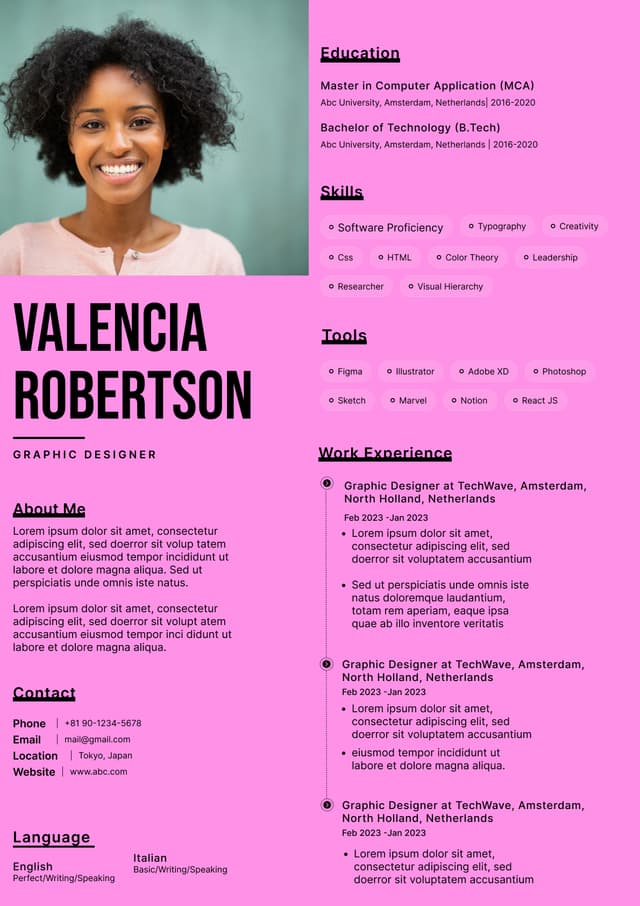
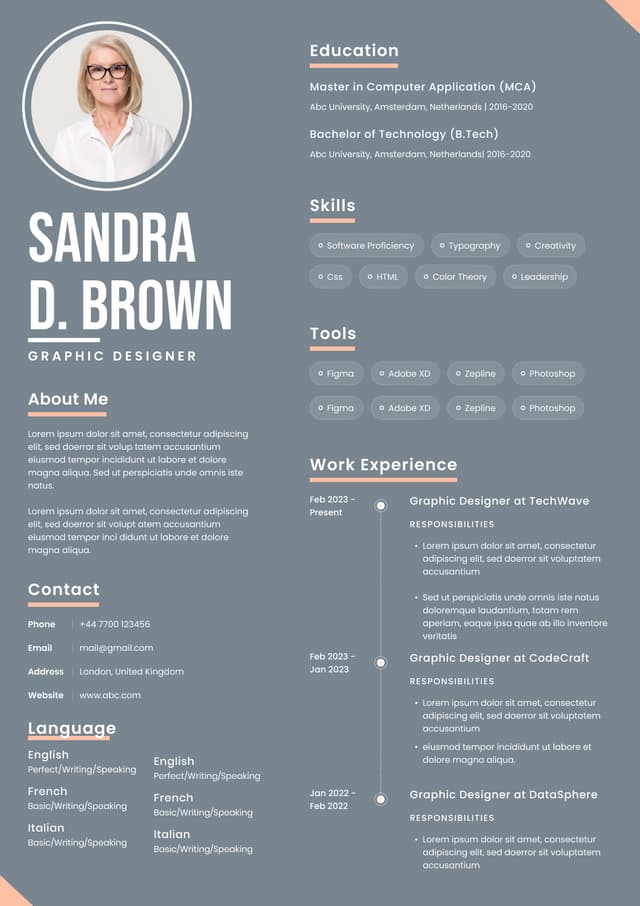
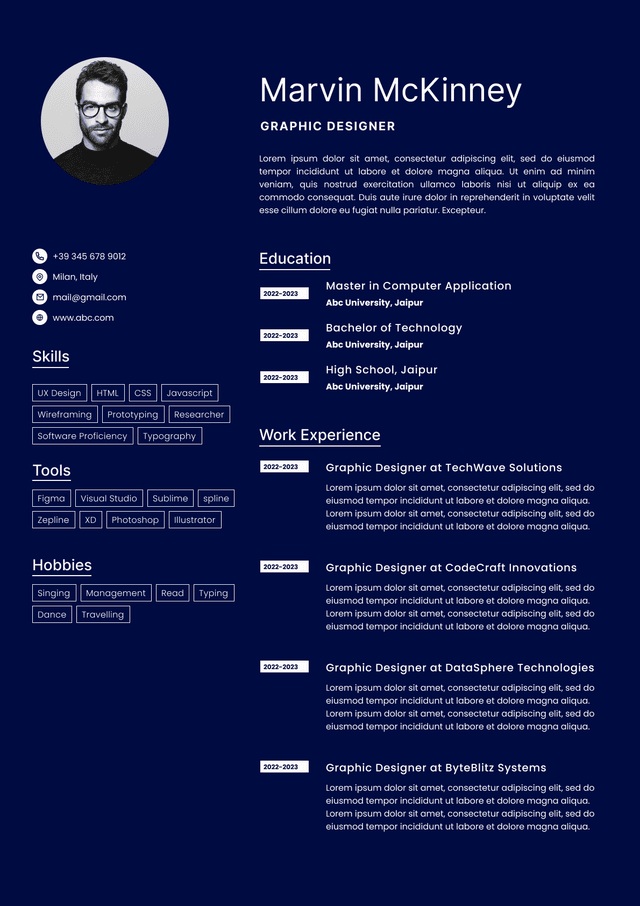
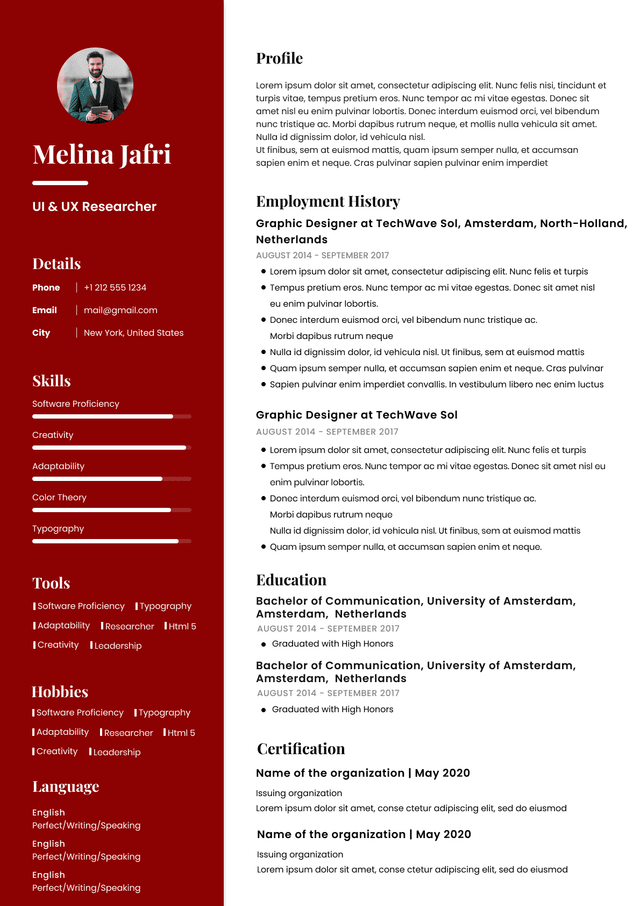
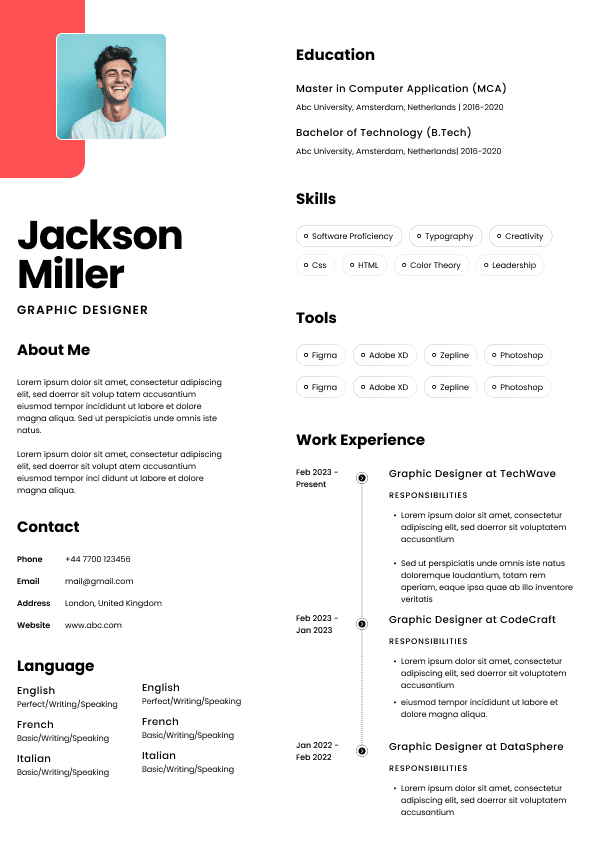
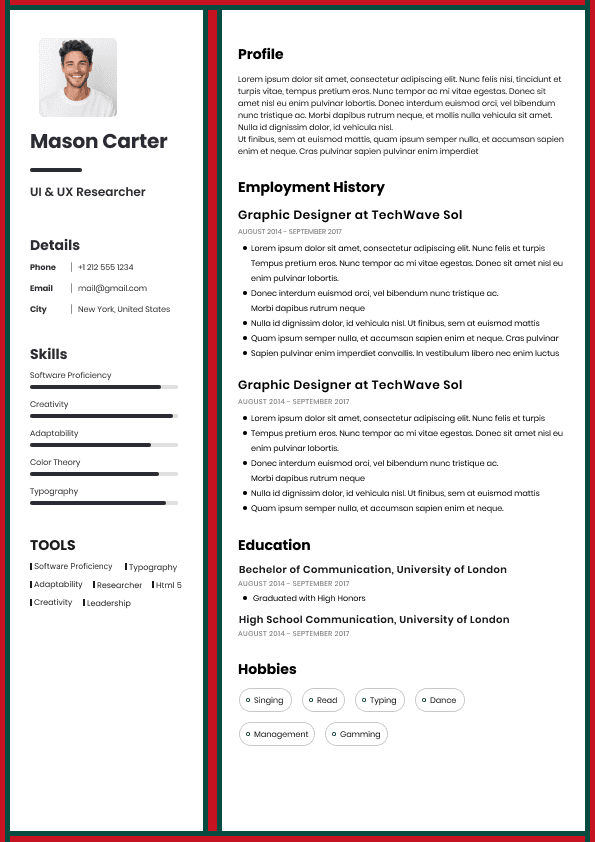
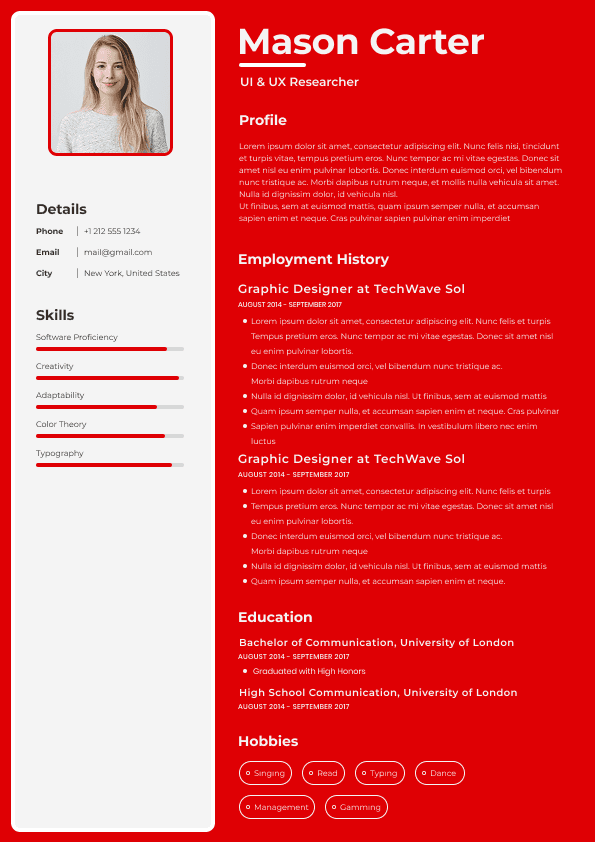
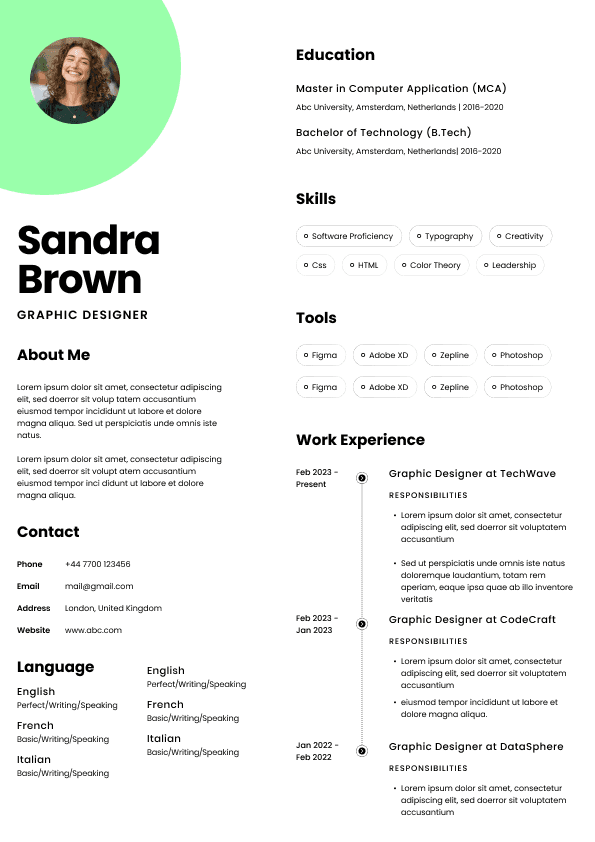
Use ATS-optimised Resume and resume templates that pass applicant tracking systems. Our Resume builder helps recruiters read, scan, and shortlist your Resume faster.

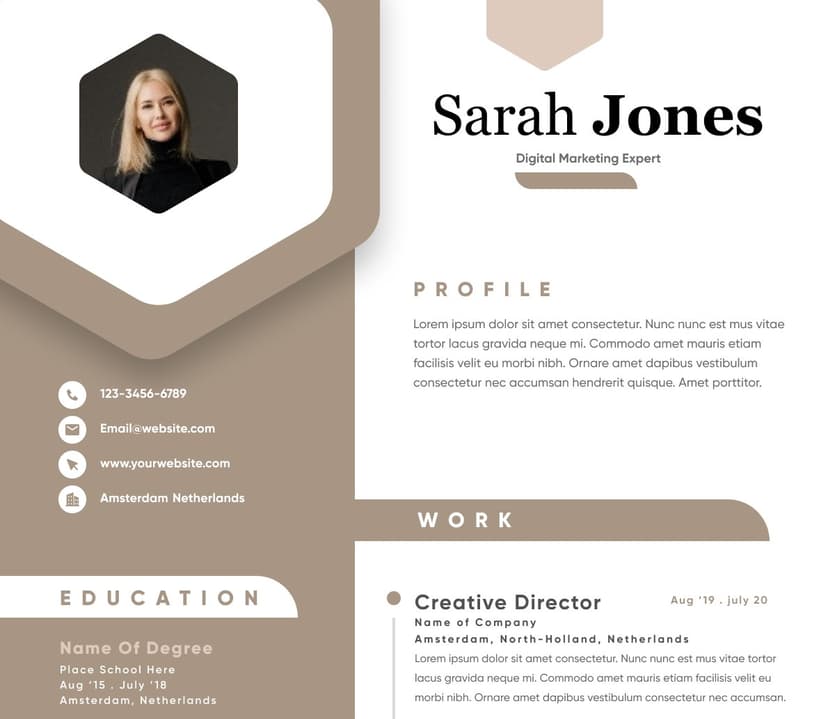
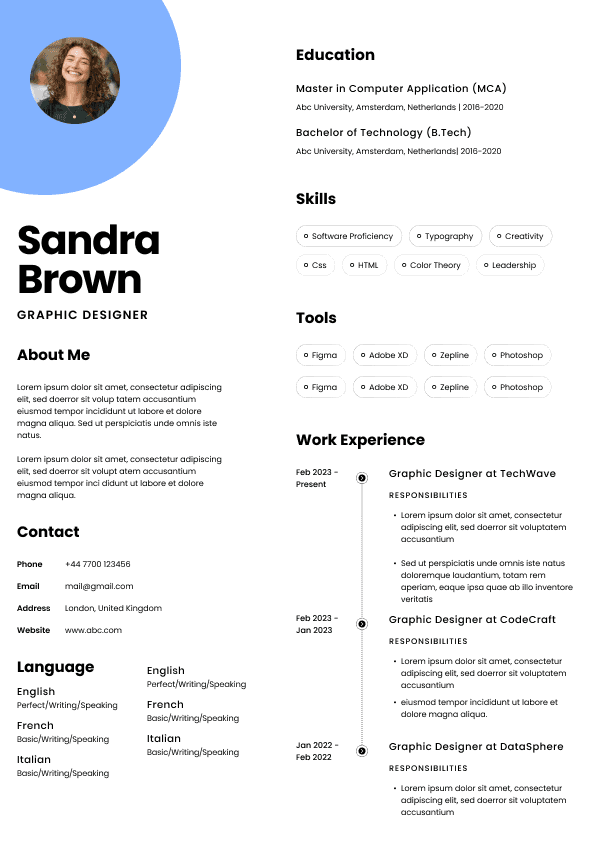
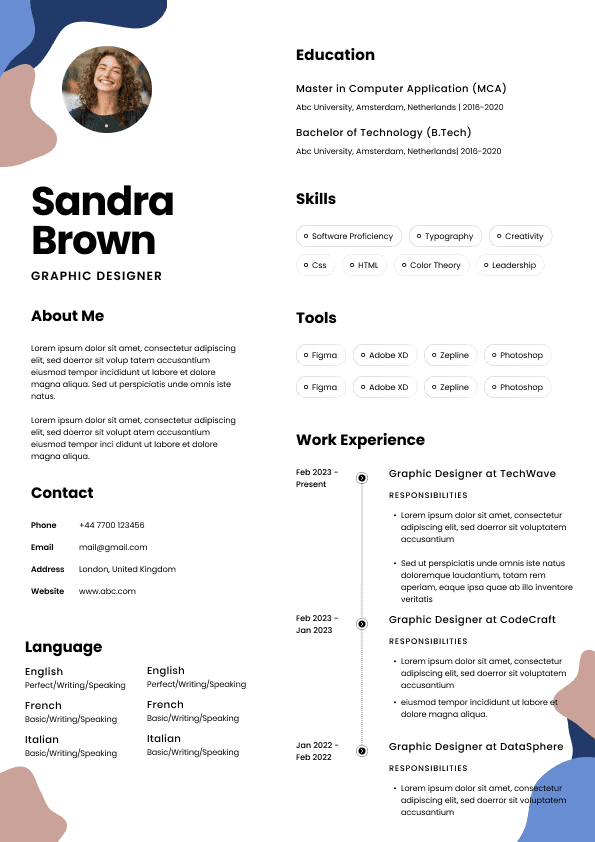
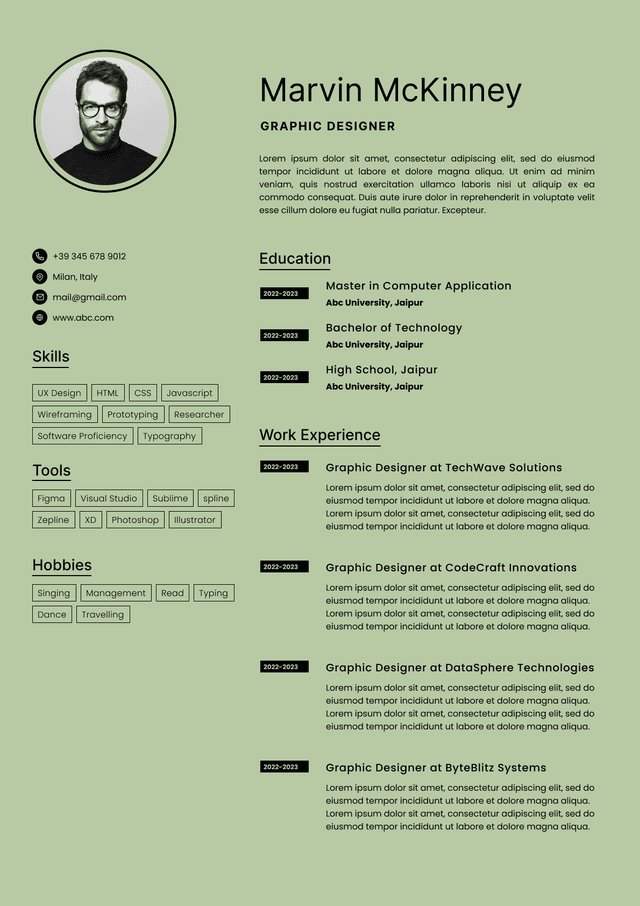
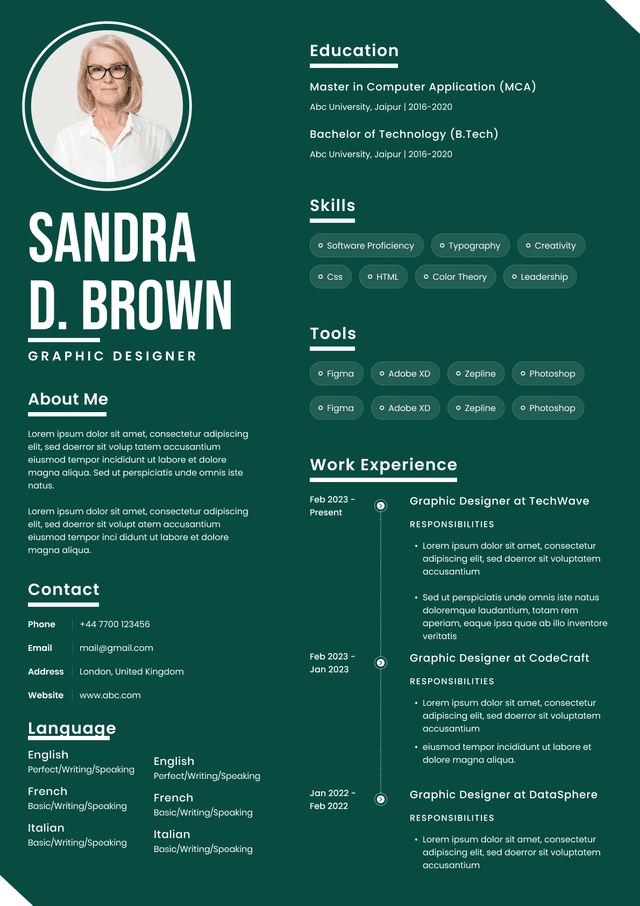
Use professional field-tested resume templates that follow the exact Resume rules employers look for.
Create Resume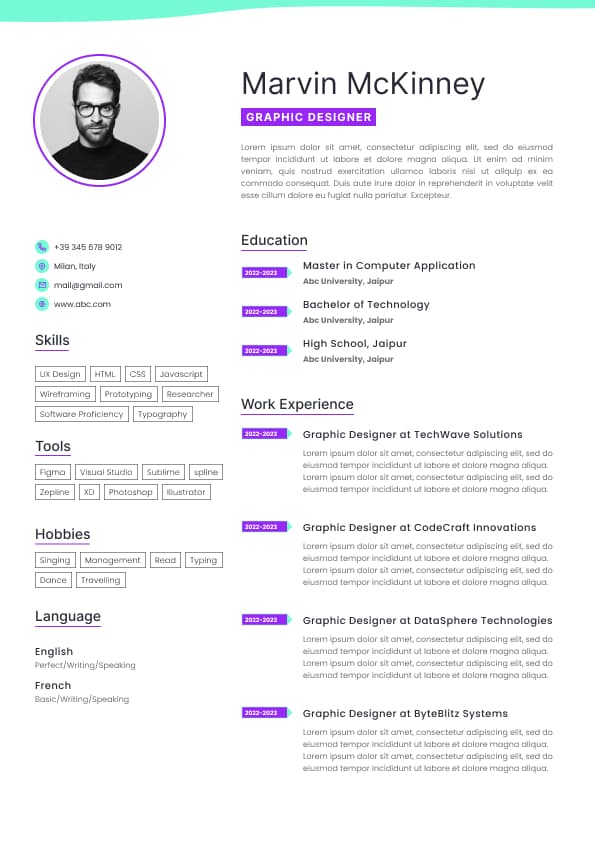
Use professional field-tested resume templates that follow the exact Resume rules employers look for.
Create ResumeKubernetes
Git
Composer
PHPUnit
CI/CD
AWS
Azure
Linux
MVC Architecture
Microservices
Agile



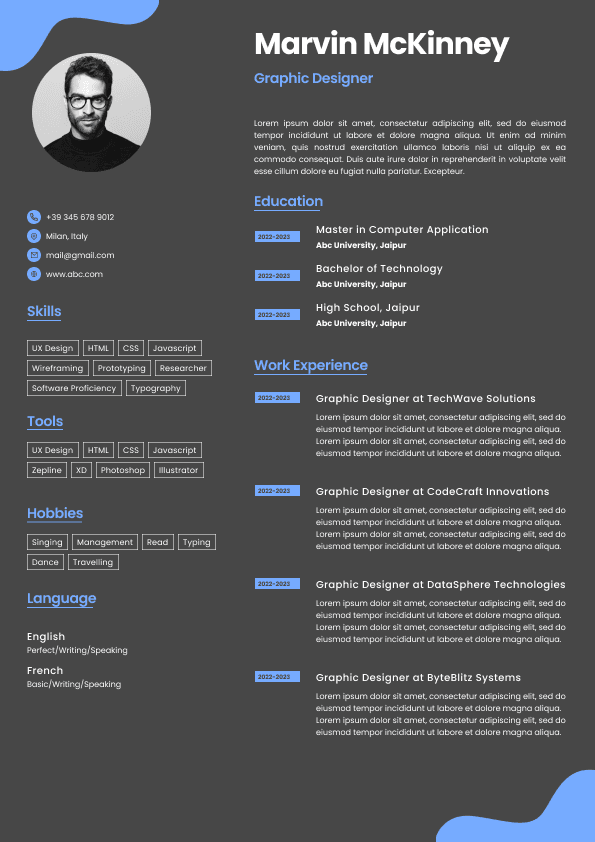
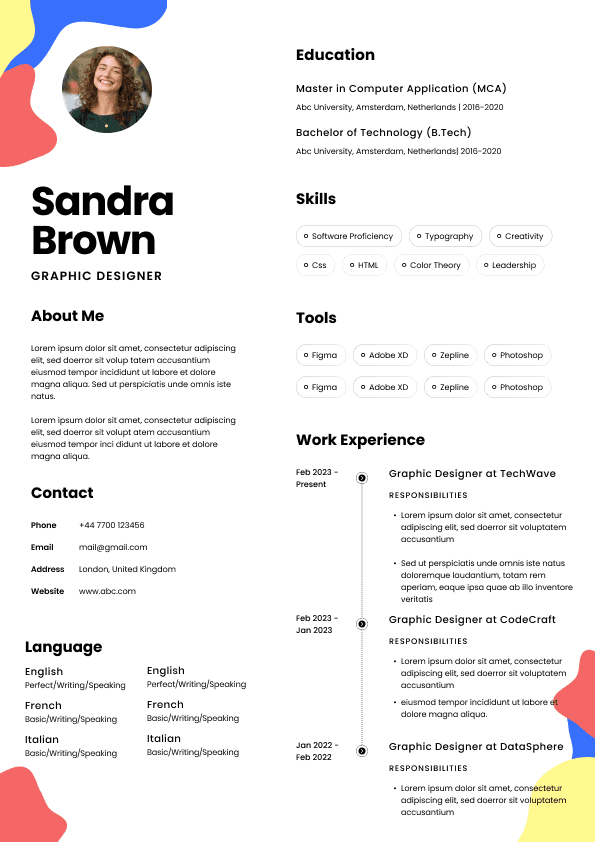
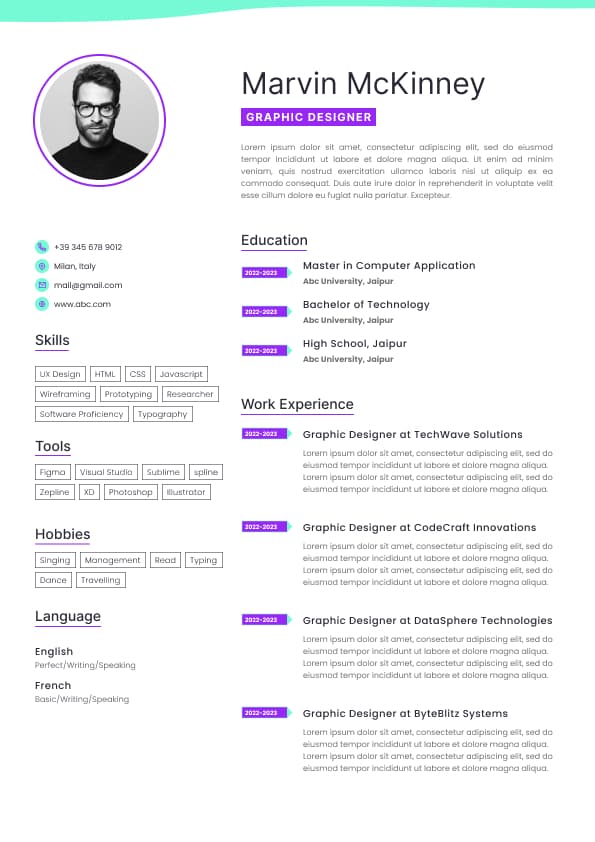
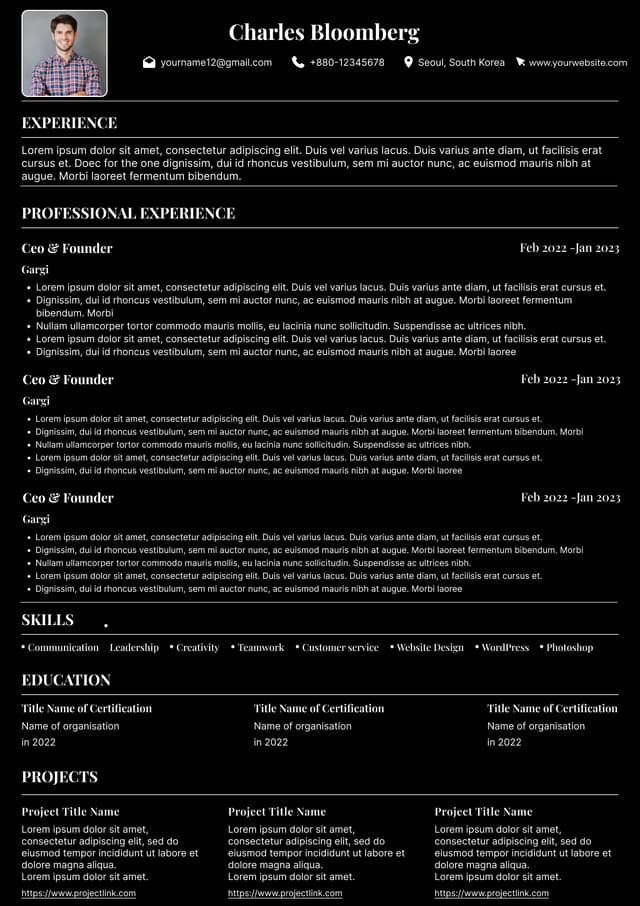
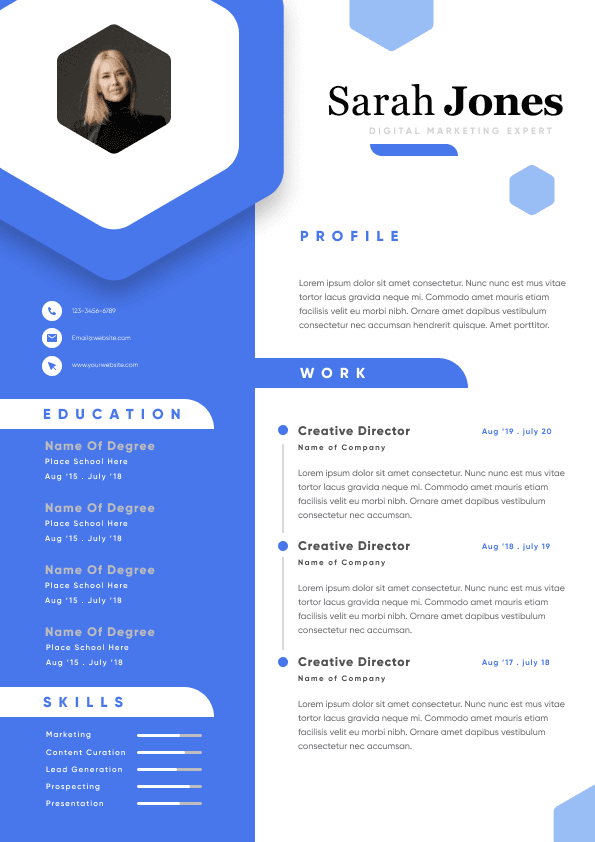
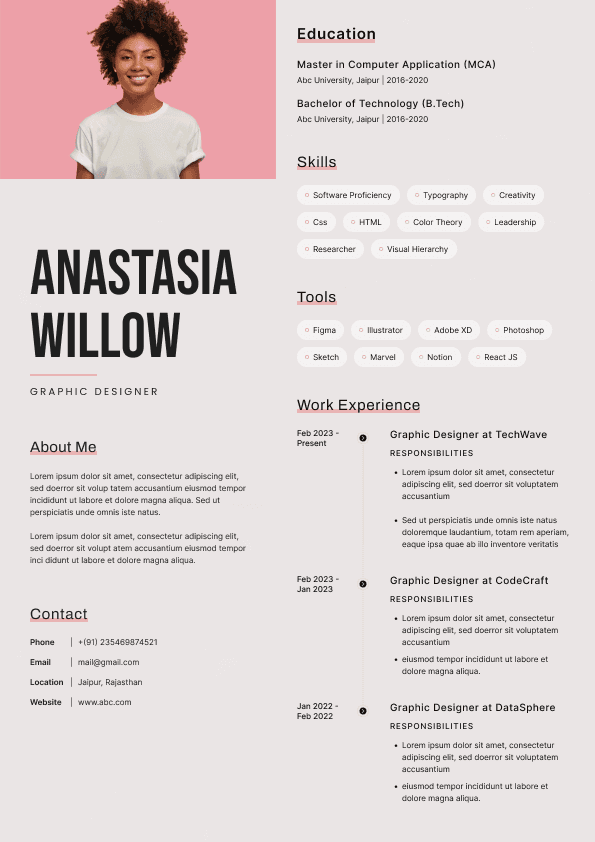
 Upload Resume
 Import from Linkedin