STILL APPLYING. STILL HEARING NOTHING?BUILD YOUR RESUME

STILL APPLYING. STILL HEARING NOTHING?BUILD YOUR RESUME
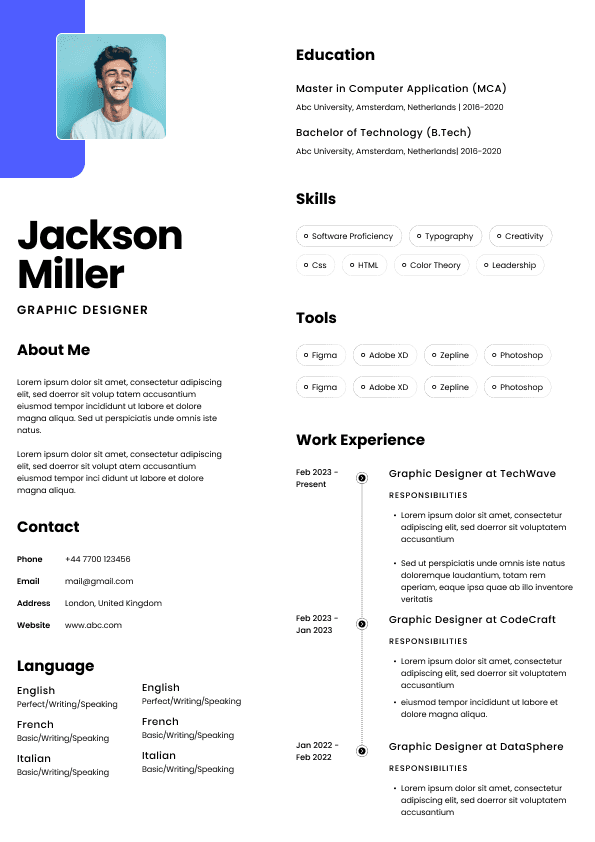
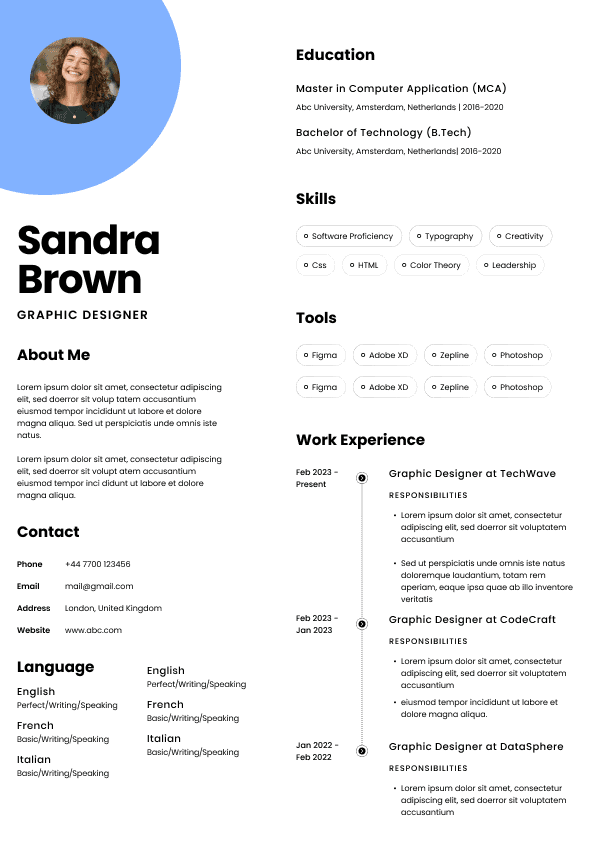
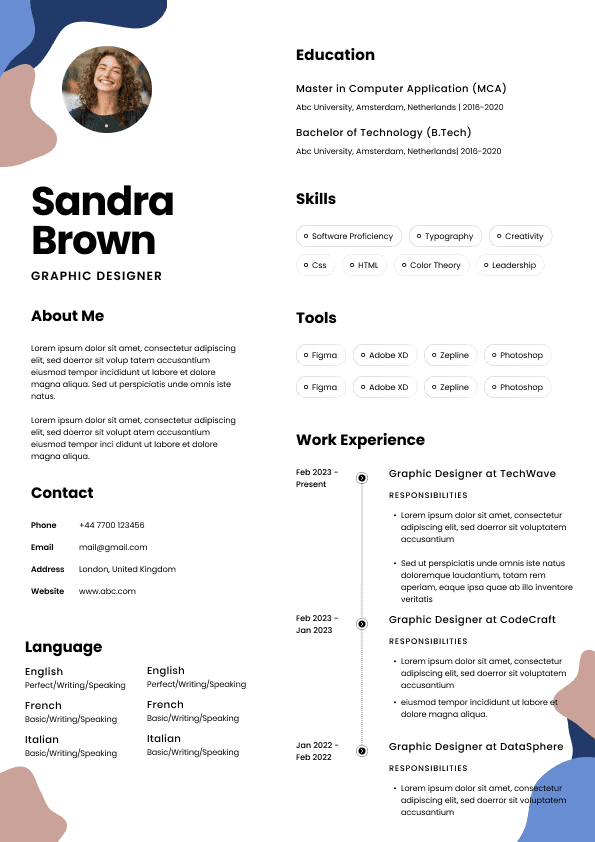
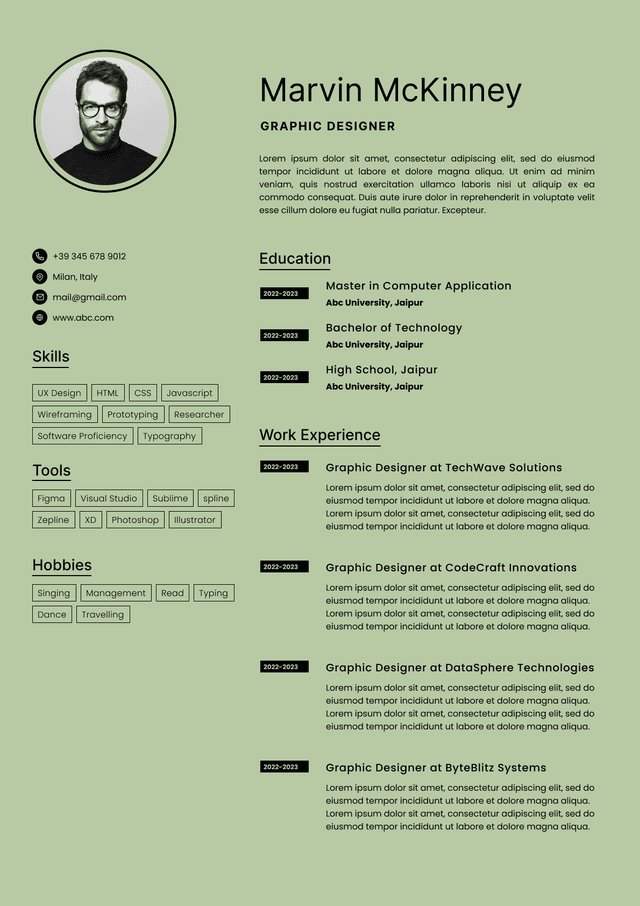
Choose from a wide range of NEWCV resume templates and customize your NEWCV design with a single click.
FAQ
A strong PHP developer resume is not just a list of frameworks and coding tasks. It is a technical positioning document that shows recruiters and hiring managers three things immediately: what systems you have built, what PHP technologies you specialize in, and what measurable impact your work created. The best PHP resumes combine backend engineering depth with business outcomes such as performance improvements, API scalability, uptime reliability, revenue growth, deployment efficiency, and reduced maintenance costs.
Most PHP developer resumes fail because they read like generic job descriptions. Hiring managers want evidence of production-level delivery, modern PHP ecosystem knowledge, collaboration in Agile environments, and measurable engineering impact. Whether you work with Laravel, Symfony, WordPress, Magento, Drupal, or custom PHP applications, your resume should clearly communicate technical ownership, architecture contribution, and real-world results.
This guide breaks down exactly how to write a PHP developer resume that performs well with ATS systems, recruiters, and technical hiring teams.
Recruiters typically spend less than 10 seconds on the first resume scan. During that initial review, they are looking for fast signals that tell them whether you fit the role.
For PHP developer positions, those signals usually include:
PHP framework specialization such as Laravel or Symfony
CMS or e-commerce expertise like WordPress, Magento, or Drupal
Backend architecture and API development experience
MySQL or database optimization knowledge
Production deployment experience
CI/CD and Git workflow familiarity
Cloud infrastructure exposure
Your professional summary should immediately position you for the target role. This section is especially important because recruiters often read it before anything else.
A strong PHP developer summary should include:
Your title and experience level
Core PHP specialization
Framework or CMS expertise
Key technologies
Industry or system experience
Measurable business or engineering impact
Use this framework:
Your technical skills section should be structured strategically, not dumped into one long keyword list.
ATS systems scan for exact technologies. Recruiters scan for specialization patterns. Organizing your skills properly improves both readability and keyword matching.
PHP
OOP PHP
REST APIs
GraphQL
MVC Architecture
Composer
Laravel
Your work experience section determines whether you get shortlisted.
Most developers underwrite this section badly by focusing only on responsibilities instead of outcomes.
Hiring managers do not care that you “worked on backend development.” They care about what you built, how complex it was, what technologies you used, and what improved because of your work.
Every strong bullet point should include:
Action taken
Technologies used
System or feature context
Scale or complexity
Measurable outcome
Action Verb + Technology + System/Feature + Business or Technical Result
Built Laravel-based payment processing APIs handling 500K+ monthly transactions with 99.98% uptime reliability
Different industries prioritize different PHP development skills. Your resume should reflect the context of the systems you worked on.
SaaS companies prioritize:
Scalability
APIs
Multi-tenant architecture
Performance optimization
Security
CI/CD
Strong SaaS phrasing:
Built multi-tenant Laravel SaaS platform supporting 120K+ active users
Designed RESTful APIs integrated with Stripe, Salesforce, and HubSpot
E-commerce hiring managers care about:
Revenue impact
Checkout performance
Conversion optimization
Magento or WooCommerce expertise
Payment integrations
Strong e-commerce phrasing:
Optimized WooCommerce checkout flow, increasing completed purchases by 14%
Developed Magento 2 extensions supporting personalized product recommendations
Agencies prioritize:
Client management
Fast delivery
Multi-project handling
CMS flexibility
Strong agency phrasing:
Delivered 35+ custom WordPress and Laravel client applications across healthcare, nonprofit, and retail industries
Managed simultaneous development cycles for multiple enterprise client projects within Agile sprint environments
Enterprise organizations prioritize:
Architecture
Security
Scalability
Compliance
Team collaboration
Strong enterprise phrasing:
Developed secure internal Symfony applications supporting enterprise compliance workflows across 15 departments
Collaborated with cross-functional engineering teams to modernize legacy PHP systems handling 3M+ annual transactions
One of the biggest differences between average and interview-winning resumes is measurable impact.
Metrics validate credibility.
Strong PHP developer metrics include:
API response time reductions
Uptime improvements
Deployment frequency increases
Revenue growth impact
Conversion improvements
Bug reduction percentages
Test coverage increases
Projects are critical for:
Junior developers
Bootcamp graduates
Career changers
Freelancers
Developers with limited professional experience
The mistake most candidates make is listing projects without explaining architecture decisions or technical complexity.
Strong project sections should include:
Project purpose
PHP framework used
Certifications are not mandatory for most PHP developer roles, but they can strengthen positioning in competitive markets.
The most valuable certifications are those connected to real infrastructure, frameworks, cloud systems, or enterprise development.
Zend Certified PHP Engineer
Laravel Certification
Symfony Certification
Adobe Commerce Certification
Acquia Drupal Certification
AWS Certified Developer
Generic resumes perform poorly in modern ATS systems.
You should tailor your resume for:
Framework alignment
CMS specialization
Seniority level
Industry context
Cloud environment
Backend architecture expectations
For example:
If the role emphasizes Laravel APIs, prioritize:
Laravel
Most rejected resumes fail for predictable reasons.
Weak statements:
Worked on websites
Fixed bugs
Assisted with backend development
These provide no hiring signal.
Hiring managers want to know:
What systems you built
What frameworks you used
What scale you supported
What architecture you touched
Without context, your experience feels junior even if you are experienced.
A resume without metrics forces recruiters to guess your impact.
That weakens positioning immediately.
Some developers overload resumes with random technologies to game ATS systems.
This backfires because:
Recruiters spot inconsistency quickly
Technical interviews expose shallow knowledge
Resume readability collapses
Use only technologies you can discuss confidently.
Tutorial projects without complexity do not help.
Strong projects demonstrate:
Architecture thinking
Real deployment
Security awareness
APIs
Authentication
Performance optimization
Avoid:
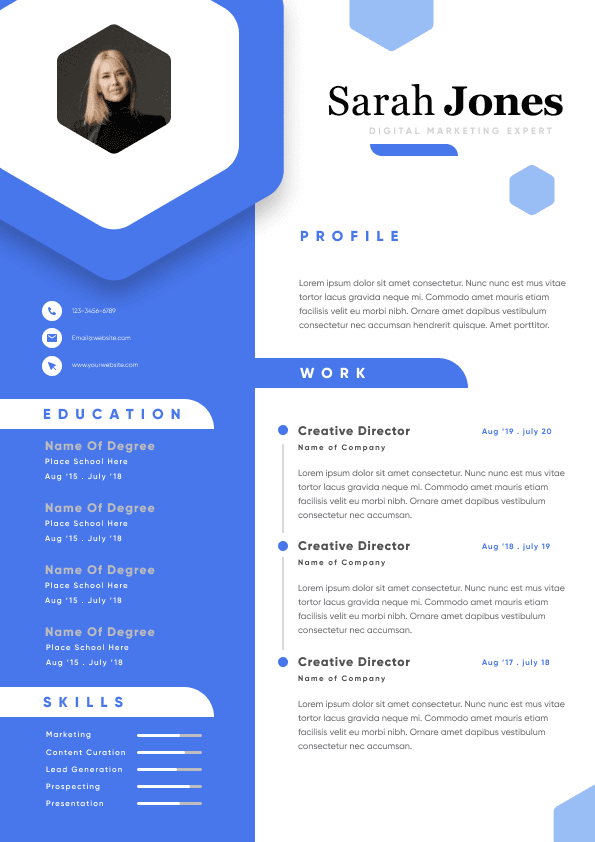
Graphics
Skill bars
Columns that break ATS parsing
Excessive design elements
Dense text blocks
Clean formatting consistently performs better.
ATS compatibility matters because many employers use automated parsing systems before recruiter review.
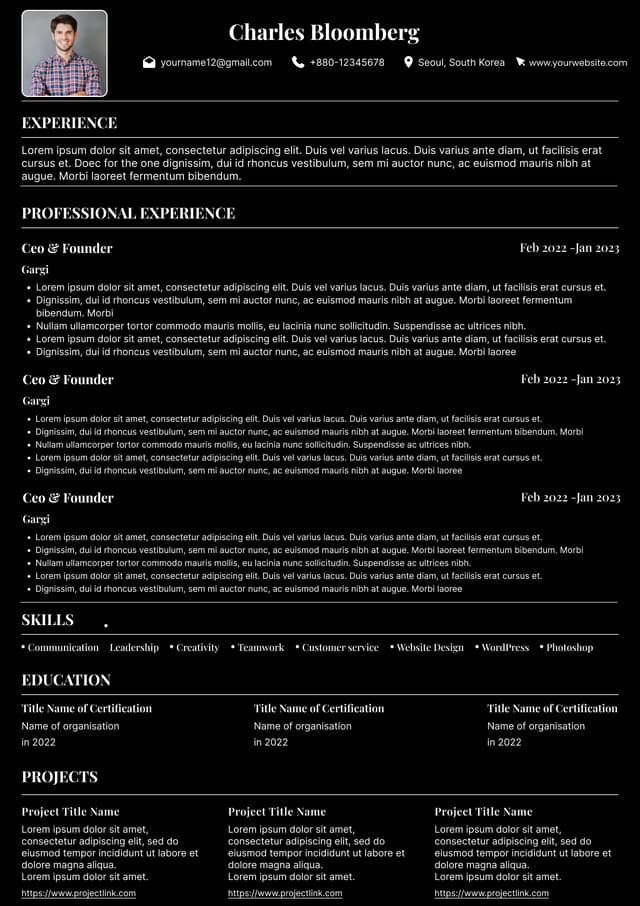
Use standard section headings
Use a single-column layout
Save as PDF unless instructed otherwise
Avoid tables and graphics
Use consistent formatting
Include exact technology names from the job description
Keep font readable and professional
The strongest PHP resumes show more than coding ability.
They demonstrate:
Production-level engineering
Ownership
Architecture awareness
Scalability thinking
Collaboration
Business impact
Recruiters increasingly look for developers who understand outcomes, not just implementation.
A candidate who says:
“Built APIs using Laravel”
is weaker than a candidate who says:
“Architected Laravel APIs supporting 1.2M monthly requests while reducing average response latency by 37%.”
The best PHP developer resumes combine three things exceptionally well:
Technical depth
Business relevance
Clear measurable impact
Your goal is not to list every technology you have touched.
Your goal is to convince recruiters and hiring managers that you can contribute effectively in a production engineering environment.
Strong resumes clearly communicate:
What you built
How you built it
Why it mattered

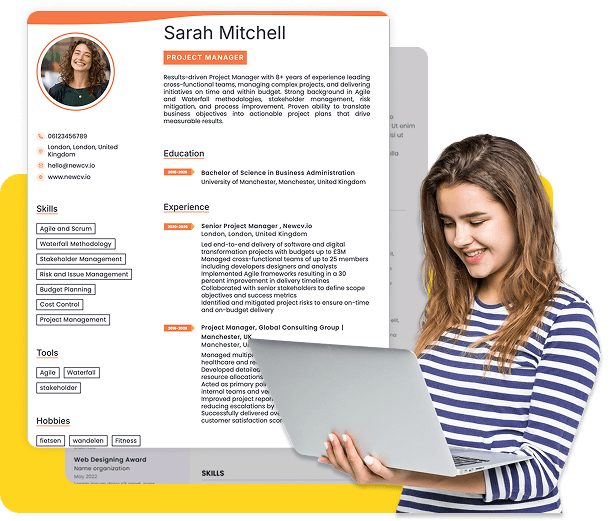
Use ATS-optimised Resume and resume templates that pass applicant tracking systems. Our Resume builder helps recruiters read, scan, and shortlist your Resume faster.

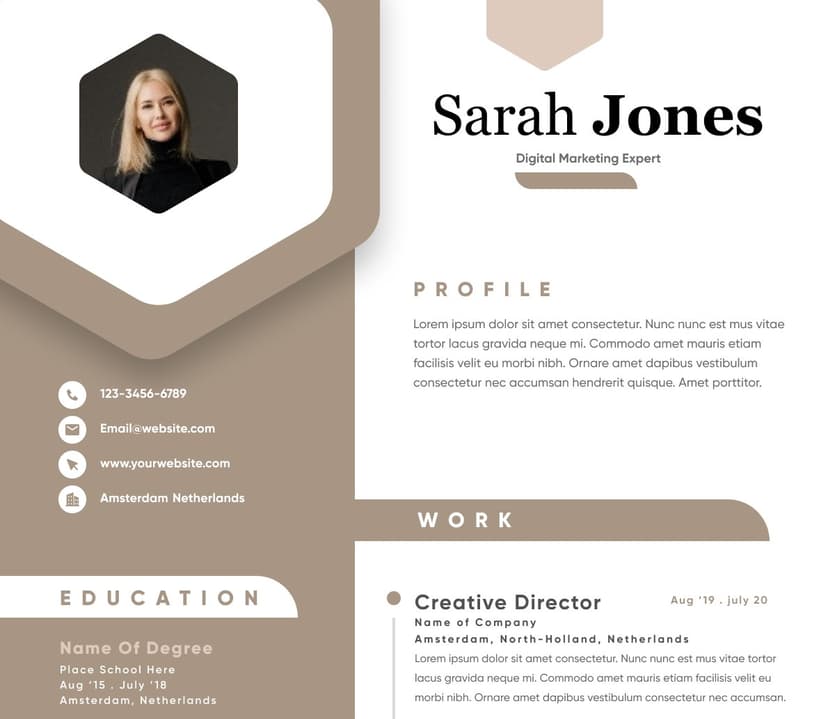
Use professional field-tested resume templates that follow the exact Resume rules employers look for.
Create Resume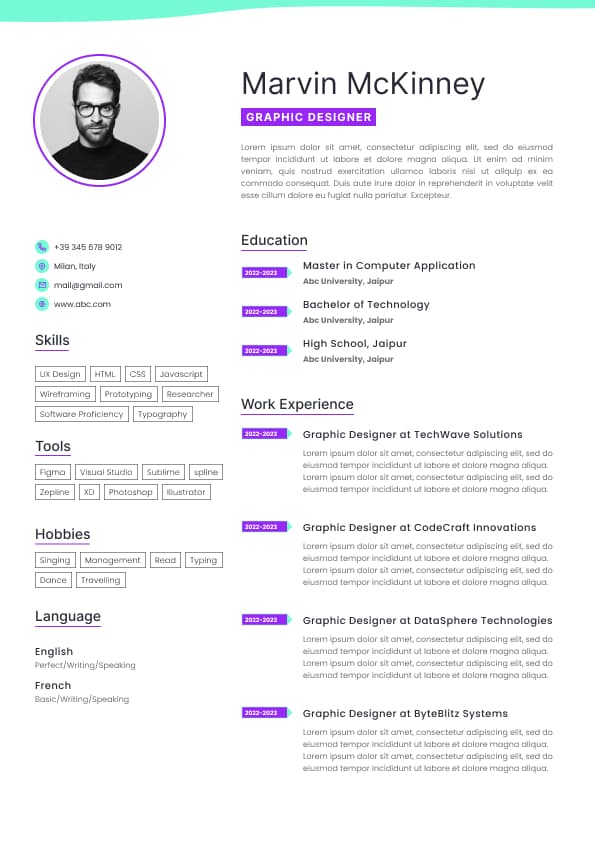
Use professional field-tested resume templates that follow the exact Resume rules employers look for.
Create ResumeMeasurable business or technical outcomes
Seniority level alignment
Stable progression and relevant project complexity
Hiring managers evaluate differently than recruiters. Recruiters focus on keyword alignment and general fit. Engineering leaders focus on depth, architecture quality, scalability experience, and technical judgment.
That means your resume must satisfy both audiences.
A weak PHP resume says:
Weak Example
“Responsible for maintaining company websites and fixing bugs.”
A strong PHP resume says:
Good Example
“Developed and maintained Laravel-based SaaS platform serving 250K+ monthly users, reducing API response time by 42% through query optimization and Redis caching implementation.”
The second version demonstrates:
Technical stack
Product scale
Ownership
Performance improvement
Quantified impact
That is what gets interviews.
“PHP Developer with 5+ years of experience building scalable web applications using Laravel, MySQL, Redis, and REST APIs. Experienced in SaaS and e-commerce environments with a strong focus on backend performance optimization, CI/CD automation, and secure application development. Improved API response times by 38% and reduced deployment errors through automated testing and containerized workflows.”
“Senior PHP Developer with 9+ years of experience designing enterprise-grade backend systems using Symfony, Docker, AWS, and microservices architecture. Led development initiatives for high-traffic fintech applications supporting 1M+ monthly transactions. Specialized in API scalability, database optimization, and Agile engineering leadership.”
Avoid summaries that are vague or generic.
Listing personality traits instead of technical value
Using outdated buzzwords
Writing objectives instead of qualifications
Failing to mention frameworks or specialization
Omitting measurable impact
Symfony
CodeIgniter
Yii
CakePHP
WordPress
Magento
Adobe Commerce
Drupal
WooCommerce
MySQL
PostgreSQL
MongoDB
Redis
JavaScript
TypeScript
Vue.js
React
HTML5
CSS3
AWS
Azure
Google Cloud Platform
Docker
Kubernetes
Jenkins
GitHub Actions
PHPUnit
Integration Testing
OWASP
OAuth
JWT Authentication
Git
Jira
Agile
Scrum
CI/CD
This structure improves scanability while naturally increasing semantic keyword coverage.
Reduced MySQL query execution time by 47% through indexing optimization and database refactoring initiatives
Developed custom Magento modules that increased checkout conversion rates by 18% for enterprise e-commerce clients
Migrated legacy PHP monolith into modular Symfony architecture, reducing deployment time from 2 hours to 20 minutes
Implemented Redis caching and queue processing, decreasing API latency by 41% during peak traffic periods
Collaborated with DevOps teams to containerize PHP applications using Docker and GitHub Actions CI/CD workflows
Increased PHPUnit test coverage from 38% to 82%, significantly reducing production bug incidents after releases
These bullets work because they combine:
Technical depth
Business value
Engineering ownership
Scale indicators
Quantifiable results
Reduced infrastructure costs by 26% through backend optimization initiatives
Improved page load speed from 4.8s to 1.9s, reducing cart abandonment rates
Infrastructure cost savings
User growth support
Performance optimization gains
Reduced API latency by 52%
Increased uptime to 99.99%
Improved deployment efficiency by 70%
Reduced production bugs by 43%
Improved page speed from 5.2s to 2.1s
Increased test coverage from 45% to 87%
Supported 1M+ monthly active users
Lowered cloud infrastructure costs by $85K annually
Metrics help hiring managers estimate engineering maturity and business contribution.
APIs or integrations
Database structure
Hosting or deployment stack
Testing approach
Business functionality
E-Commerce Inventory Management Platform
Built full-stack inventory management system using Laravel, MySQL, Vue.js, and REST APIs
Implemented JWT authentication, role-based permissions, and automated stock tracking workflows
Integrated Stripe payment processing and Redis caching for improved performance
Deployed application using Docker containers and AWS EC2 infrastructure
This reads like production-level engineering experience instead of a tutorial project.
Microsoft Azure Developer Associate
Google Associate Cloud Engineer
Certified ScrumMaster
Linux Foundation Certifications
Do not overload your resume with low-value certificate platforms or beginner coding badges.
Recruiters care more about practical capability than certificate quantity.
REST APIs
Redis
Queue systems
API performance metrics
If the role emphasizes Magento:
Adobe Commerce
Payment systems
Checkout optimization
Conversion metrics
E-commerce scalability
If the role emphasizes enterprise Symfony:
Symfony architecture
Microservices
Docker
CI/CD
Security compliance
Tailoring does not mean rewriting your entire resume. It means adjusting emphasis and keyword alignment strategically.
Use clear bullet structures
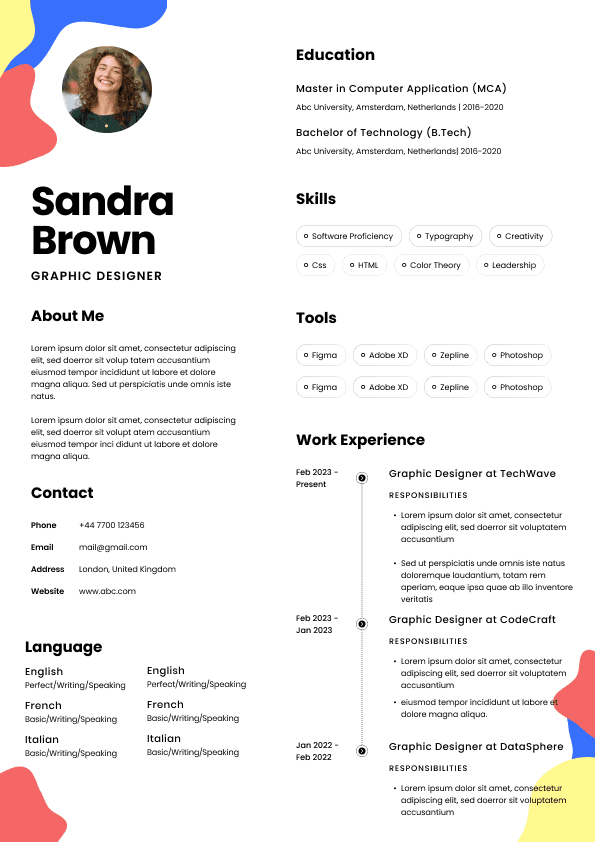
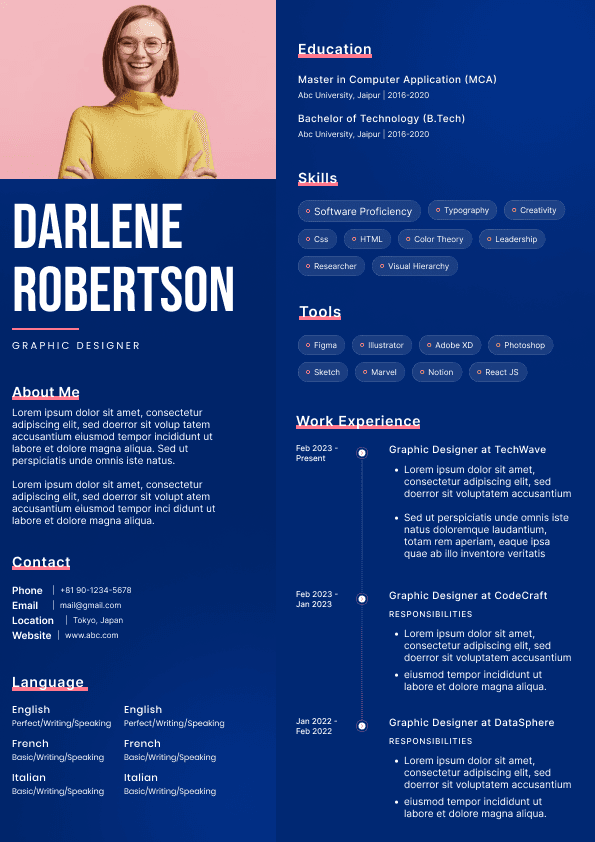
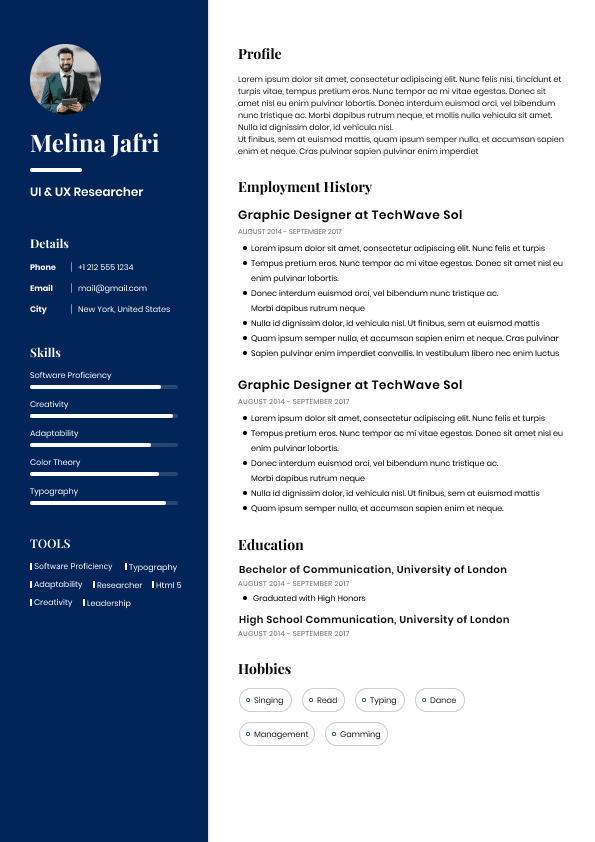
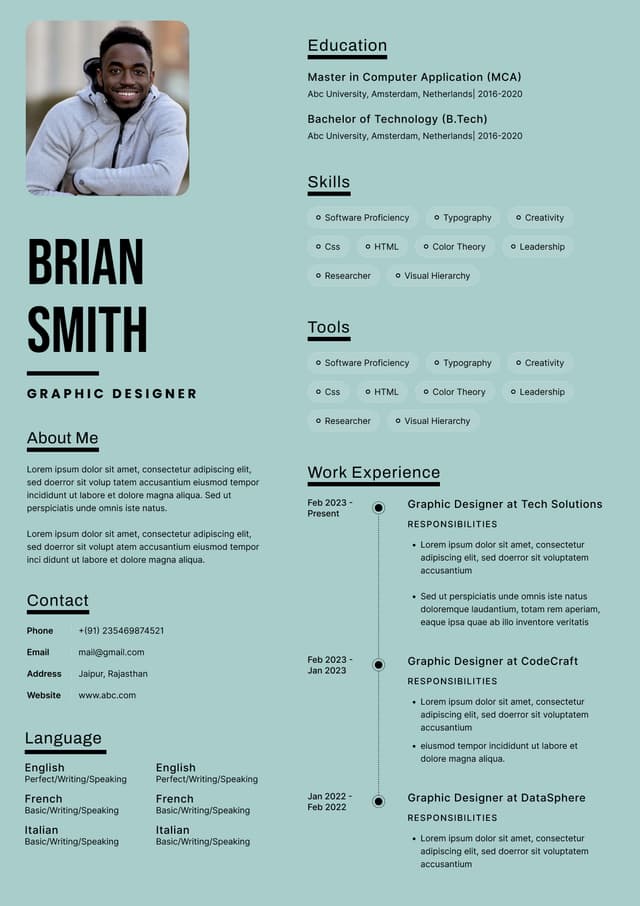
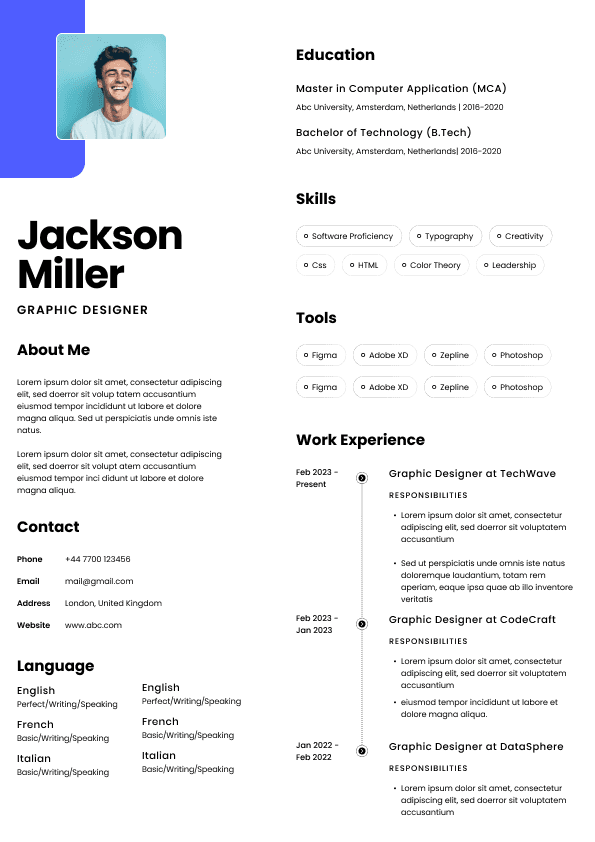
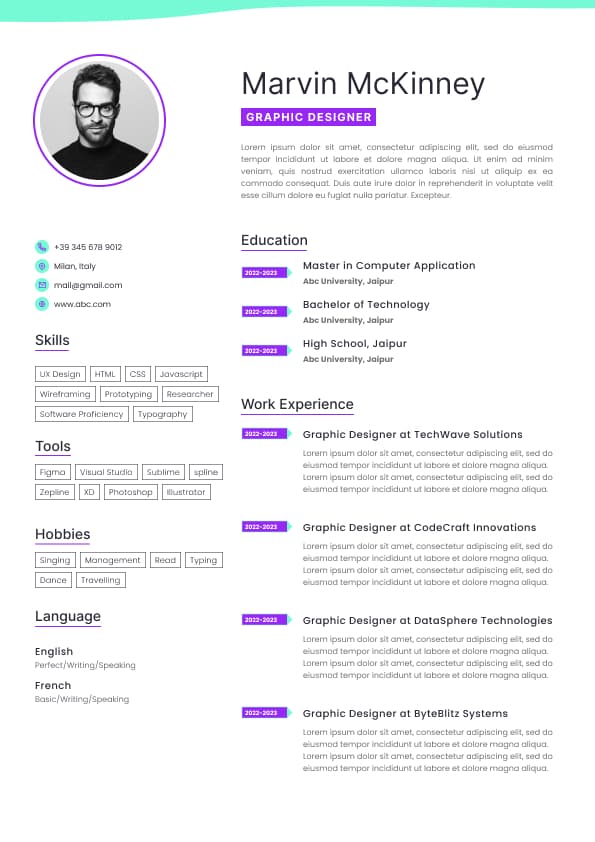
Professional Summary
Technical Skills
Professional Experience
Projects
Certifications
Education
A clean resume is easier for both ATS systems and humans to process quickly.
The second candidate demonstrates:
Scale
Ownership
Performance awareness
Engineering maturity
That difference changes interview outcomes.
What improved because of your work
If your resume consistently demonstrates architecture involvement, framework expertise, measurable results, and production delivery experience, you position yourself as a significantly stronger candidate in today’s PHP job market.



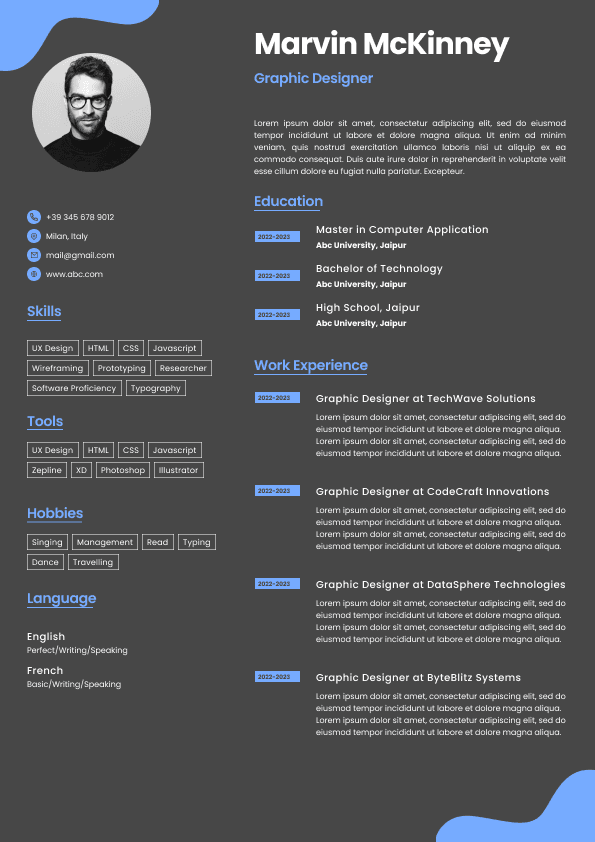
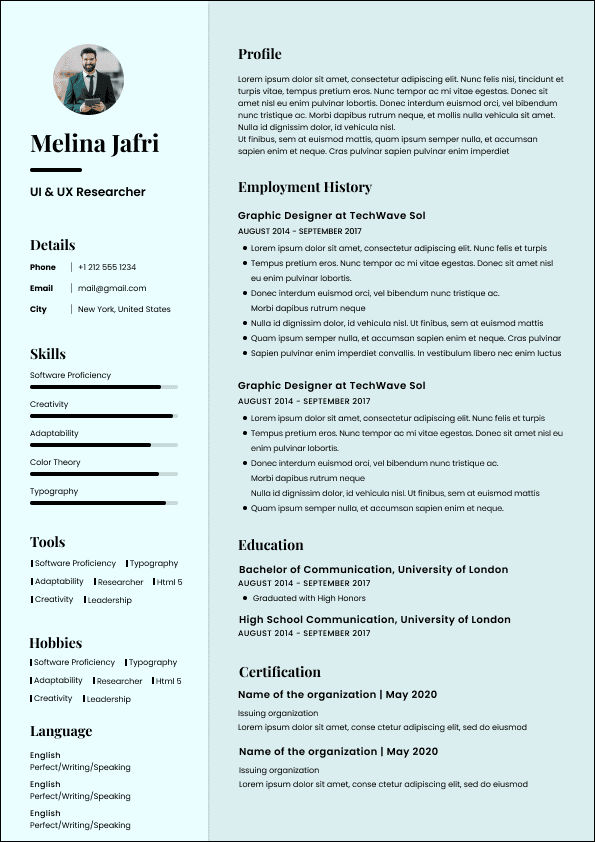
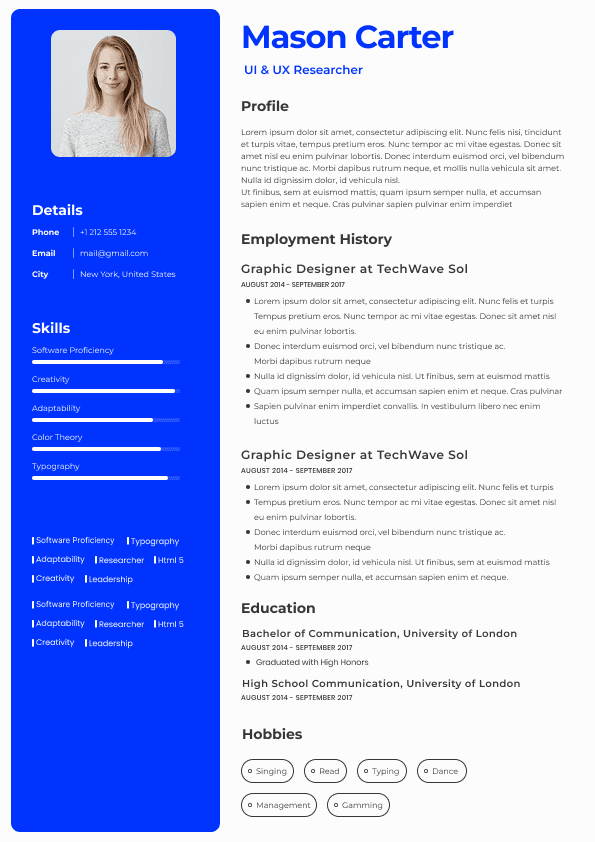
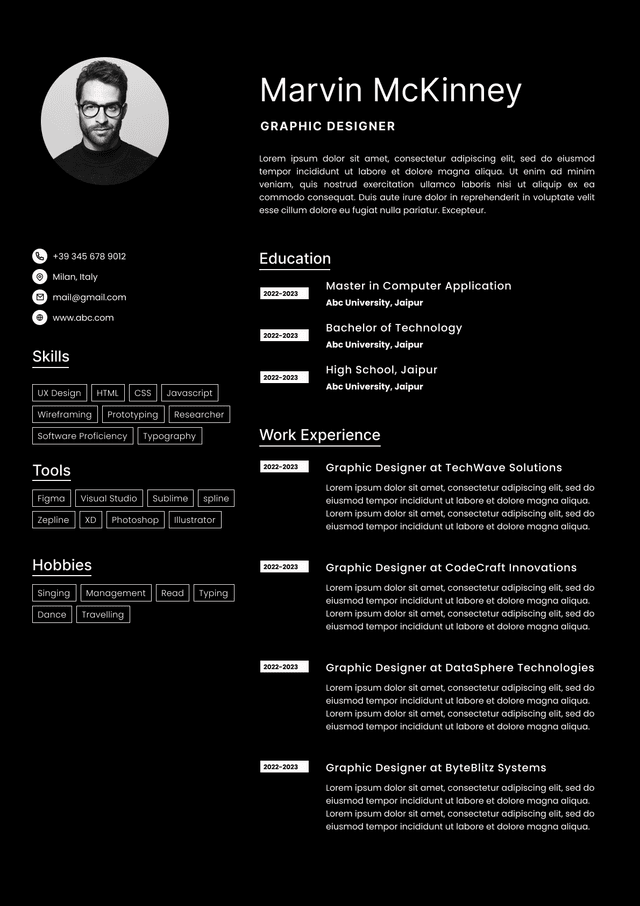
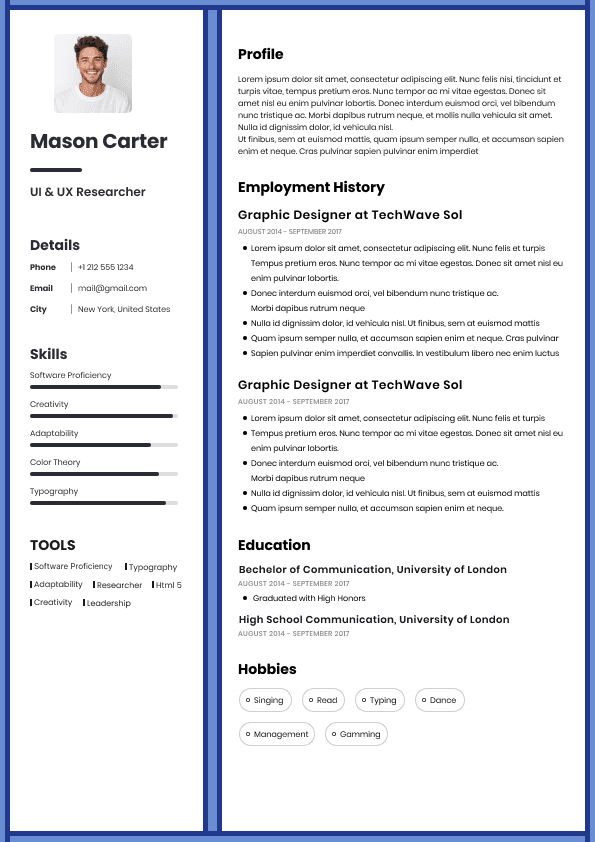
 Upload Resume
 Import from Linkedin