STILL APPLYING. STILL HEARING NOTHING?BUILD YOUR RESUME

STILL APPLYING. STILL HEARING NOTHING?BUILD YOUR RESUME
Choose from a wide range of NEWCV resume templates and customize your NEWCV design with a single click.
FAQ
A startup .NET developer resume is fundamentally different from a traditional enterprise developer resume. Startup hiring managers are not just evaluating whether you can write clean C# code. They are evaluating whether you can ship fast, solve problems independently, work across the stack, and build product features with minimal oversight.
Most startup engineering teams are lean. There is usually no luxury of narrow specialization, long onboarding cycles, or rigid process-heavy environments. The candidate who gets interviews is the one whose resume proves they can operate in ambiguity, own features end-to-end, and contribute to product velocity immediately.
Your resume must demonstrate:
Full-stack execution
Fast shipping ability
Product ownership
API and cloud experience
Customer-focused engineering
Enterprise companies often optimize for specialization, stability, and process adherence. Startups optimize for execution speed and adaptability.
A Fortune 500 hiring manager may care deeply about:
Governance
SDLC compliance
Team segmentation
Architecture committees
Legacy modernization
A startup CTO or founding engineer usually cares more about:
Can this person build quickly?
Can they solve problems independently?
Startup hiring is heavily signal-based. Recruiters and founders scan resumes quickly looking for evidence that you can thrive in fast-moving environments.
The strongest startup .NET resumes consistently show these patterns.
Even backend-focused startup engineers are often expected to contribute across the stack.
Strong resume indicators include:
ASP.NET Core
React or Angular
REST APIs
SQL and NoSQL databases
Azure or AWS deployment
Docker and CI/CD
Startup resumes should be concise, impact-driven, and easy to scan quickly.
The ideal structure is:
This section should immediately position you as startup-ready.
Avoid vague summaries like:
“Experienced .NET developer seeking opportunities.”
Instead, communicate startup value directly.
Good Example
“Full-stack .NET developer with 6+ years building SaaS applications in startup environments. Experienced in ASP.NET Core, Azure deployment, API integrations, and rapid MVP development. Proven ability to ship customer-facing features quickly and own products end-to-end.”
This instantly aligns with startup hiring priorities.
Startup recruiters scan heavily for technical breadth.
Include skills relevant to startup execution:
C#
ASP.NET Core
This is where most startup resumes fail.
Weak resumes describe activities.
Strong resumes describe outcomes, ownership, and execution speed.
Every bullet should ideally communicate:
What you built
Why it mattered
What technologies you used
What business or product outcome happened
Built and launched a multi-tenant SaaS platform using ASP.NET Core and React, supporting 15,000+ active users within the first year
Most candidates misunderstand keyword optimization.
ATS optimization alone is not enough. Startup resumes must also pass human relevance scanning quickly.
The best keywords combine:
Technical capability
Startup execution signals
Product engineering language
Technical keywords:
ASP.NET Core
C#
.NET 8
Many .NET developers unintentionally position themselves as corporate-only candidates.
Problematic resume signals:
Excessive governance language
Heavy process emphasis
No product ownership
Narrow backend-only positioning
No deployment or production exposure
Startup recruiters may assume:
Slow execution style
Startup founders often evaluate resumes differently than recruiters.
They are usually asking:
Can this person reduce engineering bottlenecks?
Can they build independently?
Can they improve product velocity?
Can they contribute strategically, not just technically?
Founders are highly sensitive to candidates who:
Require rigid structures
Need excessive direction
Avoid ambiguity
Full-stack capability is one of the highest-value startup signals.
Even if backend development is your primary strength, demonstrating frontend familiarity significantly increases startup appeal.
They want engineers who can:
Build features independently
Reduce cross-team dependencies
Prototype quickly
Solve customer problems end-to-end
Your resume should clearly show:
Frontend frameworks
API architecture
SaaS experience is highly valuable in startup hiring because it implies recurring product development, customer iteration, and production scalability.
If you have SaaS experience, emphasize:
Subscription systems
User onboarding
Analytics
Customer retention features
Multi-tenant architecture
API integrations
Scalability improvements
Not every technology carries equal weight in startup recruiting.
The highest-impact technologies are those tied to speed, scalability, and modern SaaS development.
Backend:
ASP.NET Core
Minimal APIs
Entity Framework Core
Microservices
GraphQL
Frontend:
React
A startup resume must pass both:
ATS filtering
Human scanning
But startups often rely more heavily on human review than enterprise companies.
That means readability and positioning matter more than excessive keyword density.
Matching job-description terminology naturally
Clear technical skills section
Standard section headings
Modern resume formatting
Strong startup resumes create a clear impression:
“This person can build quickly, solve problems independently, and contribute to product growth immediately.”
Weak startup resumes create uncertainty:
“This person may require too much structure, process, or specialization.”
That distinction drives interview decisions more than most candidates realize.
The strongest startup resumes consistently communicate:
Velocity
Ownership
Product thinking
Technical breadth
Business awareness
Customer impact

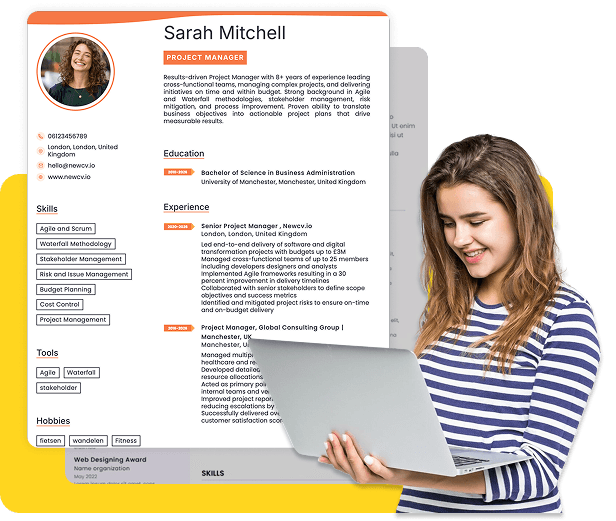
Use ATS-optimised Resume and resume templates that pass applicant tracking systems. Our Resume builder helps recruiters read, scan, and shortlist your Resume faster.

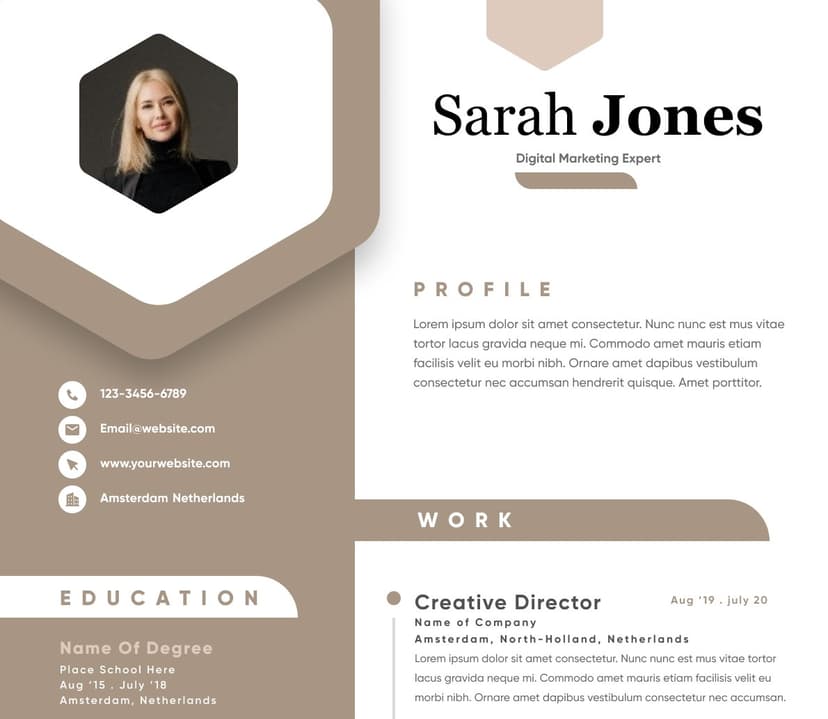
Use professional field-tested resume templates that follow the exact Resume rules employers look for.
Create Resume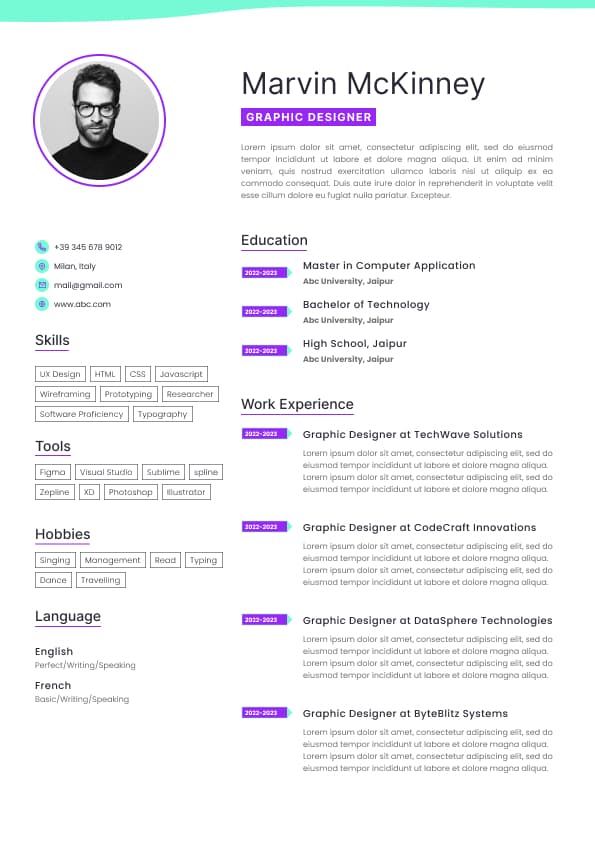
Use professional field-tested resume templates that follow the exact Resume rules employers look for.
Create ResumeComfort in startup environments
Independent problem-solving
MVP and rapid prototyping experience
If your resume reads like a corporate enterprise support document filled with generic technical tasks, startup recruiters will assume you are too process-dependent or too specialized for an early-stage environment.
This guide breaks down exactly how startup recruiters and founders evaluate .NET developer resumes, what signals increase interview conversion, and how to structure your resume to compete for modern SaaS and startup engineering roles.
Can they own a feature without hand-holding?
Can they ship production-ready code fast?
Can they contribute beyond backend development?
Can they work directly with product teams and users?
This changes how your resume should be written.
A startup-focused resume is less about documenting responsibilities and more about proving momentum, impact, ownership, and versatility.
Authentication systems
Third-party integrations
A startup recruiter wants confidence that you can unblock yourself without depending on multiple teams.
Startups strongly prefer engineers who can own a feature lifecycle from idea to deployment.
Strong ownership signals:
Built features from scratch
Led MVP development
Deployed production applications
Worked directly with product stakeholders
Implemented customer-facing functionality
Owned API integrations
Managed release cycles
Weak resumes sound task-oriented.
Weak Example
“Worked on backend APIs for SaaS platform.”
Good Example
“Designed and launched subscription billing APIs for a B2B SaaS platform, integrating Stripe payments and reducing failed transactions by 28%.”
The second example demonstrates ownership, business impact, and startup relevance.
Startups prioritize shipping velocity.
Your resume should show:
Rapid prototyping
Fast iteration cycles
MVP launches
Agile feature releases
Reduced deployment timelines
Customer feedback implementation
Founders want engineers who accelerate product momentum, not engineers who require excessive process layers.
Startup engineering is deeply connected to product outcomes.
Recruiters notice when developers understand:
User behavior
Customer pain points
Feature adoption
Retention impact
Scalability implications
A resume that connects technical work to customer outcomes performs significantly better than one focused only on code implementation.
.NET 8
REST APIs
React
Angular
SQL Server
PostgreSQL
Azure
Docker
Kubernetes
CI/CD
Redis
Microservices
Azure DevOps
Stripe API
OAuth
JWT Authentication
GitHub Actions
Avoid massive keyword dumping. Relevance matters more than quantity.
Developed API-first integrations with Stripe, HubSpot, and SendGrid, reducing manual onboarding workflows by 70%
Led MVP development for a customer analytics dashboard, shipping production-ready functionality within 6 weeks
Deployed containerized .NET applications to Azure using Docker and GitHub Actions, reducing deployment time from 45 minutes to under 10 minutes
Designed scalable authentication and authorization systems using JWT and OAuth 2.0 for enterprise customer onboarding
Worked directly with founders and product teams to prioritize roadmap features based on customer feedback and retention metrics
Notice the difference:
Clear ownership
Specific startup relevance
Product-oriented language
Measurable impact
Production execution
Azure
REST APIs
React
Docker
CI/CD
Kubernetes
PostgreSQL
Microservices
Startup execution keywords:
MVP development
Rapid prototyping
Product engineering
Startup environment
Full-stack ownership
SaaS platform
Agile delivery
Lean development
End-to-end ownership
Customer-focused engineering
Business-impact keywords:
Feature adoption
User engagement
Retention improvement
Deployment optimization
Revenue-impacting features
API scalability
The strongest resumes naturally combine technical and business language.
Limited adaptability
Dependency on large teams
Weak product collaboration skills
This is one of the biggest resume killers.
Weak Example
“Responsible for developing APIs.”
Good Example
“Built high-throughput REST APIs supporting 2 million monthly requests for a SaaS analytics platform.”
Outcomes create credibility.
If you worked at smaller companies, SaaS platforms, or fast-moving teams, make that visible.
Mention:
Startup environments
Product launches
Small engineering teams
Feature ownership
Customer-facing products
Context matters heavily in startup recruiting.
If your resume overemphasizes:
WebForms
WCF
Legacy .NET Framework
Old enterprise tooling
without balancing modern technologies, startups may assume your skills are outdated.
Modern startup resumes should emphasize:
ASP.NET Core
Cloud deployment
Containers
API architecture
Modern frontend frameworks
CI/CD workflows
Only work within narrow responsibilities
Your resume should subtly communicate autonomy.
“Built from scratch”
“Launched MVP”
“Owned architecture decisions”
“Worked directly with customers”
“Scaled product infrastructure”
“Improved release velocity”
These phrases immediately align with startup hiring psychology.
Database management
Cloud deployment
Authentication systems
Production debugging
Weak Example
“Worked with frontend developers to implement UI features.”
Good Example
“Built responsive customer onboarding workflows using React and ASP.NET Core APIs, reducing signup abandonment by 22%.”
The second example demonstrates:
Full-stack capability
Product awareness
Business impact
Ownership
Stripe integration
Usage analytics
Role-based access control
SaaS billing systems
Customer dashboards
Email automation
Real-time notifications
Monitoring and observability
These signals tell recruiters you understand modern startup product ecosystems.
Angular
TypeScript
Cloud and DevOps:
Azure
AWS
Docker
Kubernetes
Terraform
GitHub Actions
Azure DevOps
Infrastructure:
Redis
RabbitMQ
PostgreSQL
Elasticsearch
Integrations:
Stripe
Twilio
Auth0
SendGrid
HubSpot APIs
These technologies strongly align with startup engineering ecosystems.
Relevant keywords in experience bullets
Concise impact-driven bullets
Product-oriented language
Startup execution signals
Clear ownership examples
Metrics and outcomes
The best resumes balance both.
Scalability mindset
That combination is what startup hiring teams aggressively pursue.


 Upload Resume
 Import from Linkedin