
Choose from a wide range of NEWCV resume templates and customize your NEWCV design with a single click.

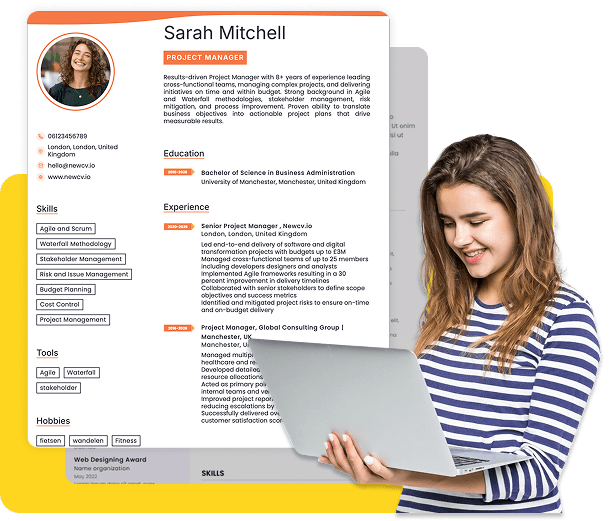
Use ATS-optimised Resume and resume templates that pass applicant tracking systems. Our Resume builder helps recruiters read, scan, and shortlist your Resume faster.

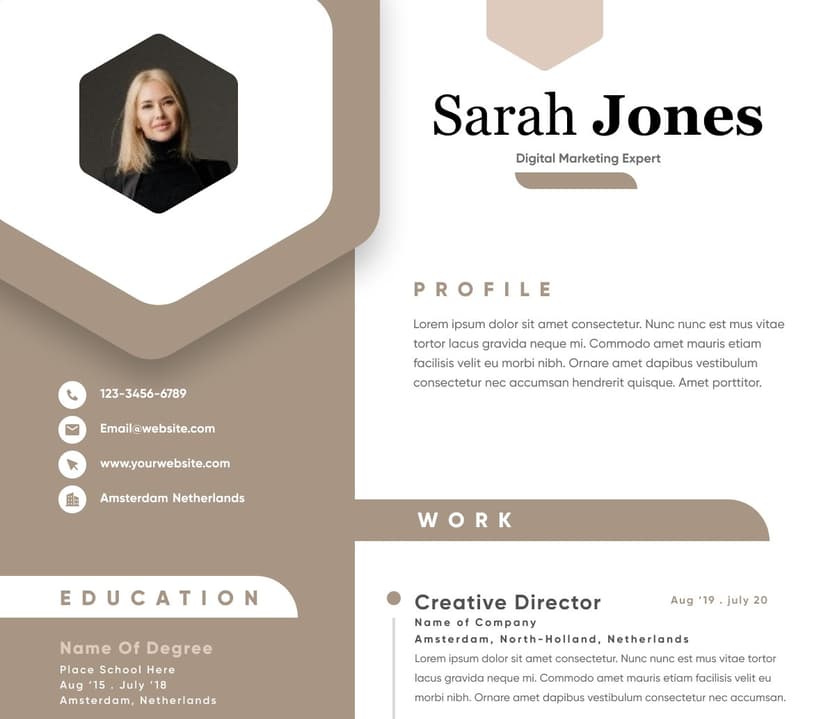
Use professional field-tested resume templates that follow the exact Resume rules employers look for.
Create Resume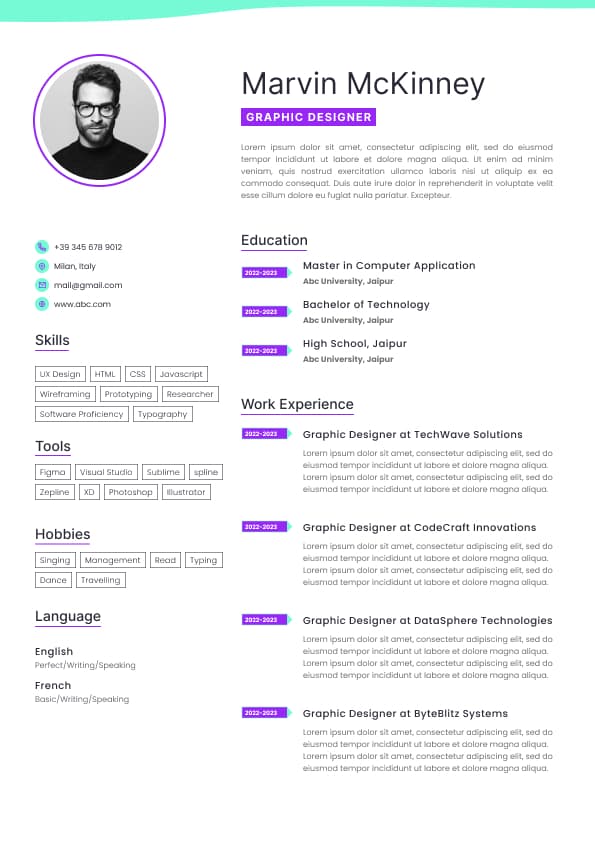
Use professional field-tested resume templates that follow the exact Resume rules employers look for.
Create ResumeA strong disability support worker resume in Australia is not just a list of care duties. Employers are assessing whether you can safely support vulnerable clients, communicate professionally with families and allied health staff, and handle the realities of frontline disability care.
Most resumes fail because they sound generic. They focus on “passion for helping people” instead of showing evidence of capability, reliability, and client-centred support.
In the Australian disability sector, hiring managers are usually screening for five things immediately:
Relevant disability support or community care experience
Understanding of NDIS and person-centred care
Trustworthiness and professionalism
Practical capability in challenging environments
Required compliance checks and certifications
If your resume clearly demonstrates those areas, you immediately move ahead of most applicants.
This guide explains exactly how to structure a disability support worker resume for the Australian market, what employers actually care about, common mistakes that get applications rejected, and how to position yourself competitively whether you are experienced or trying to enter the sector for the first time.
Disability support recruitment in Australia is highly practical.
Hiring managers are not expecting polished corporate resumes. They are looking for people who can genuinely perform the role safely, professionally, and consistently.
That changes how your resume should be written.
A strong disability care resume demonstrates:
Client-facing capability, not just qualifications
Reliability and emotional resilience
Experience managing behaviours or personal care where relevant
Ability to follow care plans and documentation requirements
Confidence working independently in community settings
Communication skills with clients, families, coordinators, and healthcare professionals
Understanding of safeguarding and duty of care
Australian disability employers also heavily value evidence of initiative.
For example:
Weak Example
“Provided support to people with disabilities.”
Good Example
“Supported NDIS participants with daily living activities, medication prompts, community access, and behavioural support while maintaining detailed progress notes and incident documentation.”
The second version shows operational understanding of the role. That matters.
For most disability support roles in Australia, a reverse chronological resume format performs best.
Keep your resume:
2 pages ideally
ATS-friendly
Simple and easy to scan
Focused on practical outcomes and responsibilities
Written with clear Australian terminology
Your resume structure should include:
Contact details
Professional summary
Core skills
Work experience
Qualifications and certifications
Compliance checks and licences
Optional additional sections if relevant
Avoid graphic-heavy resume templates. Many disability providers use ATS systems or internal recruiters who prefer clean formatting over design-heavy resumes.
Your professional summary is often the first decision point.
Recruiters typically spend seconds deciding whether to continue reading.
A strong disability support summary should quickly establish:
Experience level
Care environment exposure
Key strengths
Certifications or compliance where relevant
Personal reliability and professionalism
Compassionate and reliable Disability Support Worker with 4+ years of experience supporting NDIS participants across community, residential, and in-home care settings. Skilled in personal care, behaviour support, manual handling, and community participation. Strong understanding of person-centred care, documentation standards, and safeguarding responsibilities. Holds current First Aid, NDIS Worker Screening Check, and unrestricted Australian driver licence.
This works because it sounds operational, not emotional or generic.
Skills should reflect actual disability support work in Australia rather than vague soft skills.
Focus on capabilities employers actively recruit for.
Personal care support
Community access support
NDIS participant support
Medication assistance
Manual handling
Behavioural support
Dementia support
Autism support
Mental health support
Progress note documentation
Incident reporting
Mobility assistance
Hoist transfers
PEG feeding support
Infection control
Person-centred care
Emotional support
Crisis management
Transport assistance
Communication with families and healthcare teams
Do not overload your resume with generic skills like:
Team player
Hardworking
Good communicator
Fast learner
Those phrases have little hiring value unless supported by real examples.
This is the section that most directly impacts interview selection.
Hiring managers want evidence that you understand real support work responsibilities.
Each role should include:
Type of clients supported
Care environment
Practical responsibilities
Documentation experience
Behaviour support exposure
Independence level
Any measurable outcomes or trust indicators
Disability Support Worker
Care Connect Services | Melbourne VIC
March 2022 – Present
Support NDIS participants with personal care, meal preparation, medication prompts, transport, and daily living activities
Assist clients with community participation, appointments, and social engagement programs
Implement behaviour support strategies in accordance with individual care plans
Complete detailed progress notes, incident reports, and shift documentation using digital care management systems
Provide manual handling and mobility support, including hoist transfers and wheelchair assistance
Collaborate with families, allied health professionals, and support coordinators to maintain continuity of care
This example works because it reflects actual disability care operations in Australia.
Dedicated Disability Support Worker with 5 years of experience delivering person-centred support to NDIS participants across residential and community settings. Skilled in behavioural support, personal care, medication assistance, and community participation. Recognised for professionalism, reliability, and strong client relationship management. Holds current First Aid Certificate, NDIS Worker Screening Check, Working With Children Check, and Australian driver licence.
NDIS participant support
Personal care assistance
Behaviour support
Community access support
Medication administration
Manual handling
Incident reporting
Progress note documentation
Mental health support
Autism support
Infection control
Mobility assistance
Disability Support Worker
LifePath Disability Services | Sydney NSW
January 2021 – Present
Provide daily support to participants with physical disabilities, psychosocial conditions, and intellectual disabilities
Deliver personal care, medication prompts, meal assistance, and mobility support
Support clients during community outings, appointments, and social participation activities
Maintain accurate case notes and incident documentation aligned with NDIS compliance standards
Assist with behavioural support implementation plans under supervision of allied health teams
Build positive relationships with participants and families to improve client engagement and wellbeing
Support Worker
Community Care Solutions | Sydney NSW
June 2018 – December 2020
Assisted clients with activities of daily living in home and community environments
Supported participants with transport, shopping, social engagement, and routine care needs
Monitored client wellbeing and escalated concerns appropriately to supervisors
Maintained workplace health and safety standards during all support activities
Certificate III in Individual Support (Disability)
TAFE NSW
NDIS Worker Screening Check
Working With Children Check
First Aid and CPR Certification
Manual Handling Training
Australian Driver Licence
In Australian disability recruitment, there are several resume mistakes that trigger fast rejection.
If your resume sounds copied from the internet, it loses credibility immediately.
Avoid lines like:
“Passionate about helping people”
“Love making a difference”
“Excellent interpersonal skills”
These do not demonstrate capability.
Many recruiters screen for mandatory checks before reading experience.
Always include:
NDIS Worker Screening Check
Working With Children Check if relevant
First Aid and CPR
Driver licence
Police check where applicable
Saying you “provided support” is too vague.
Employers want to know:
What type of clients you supported
What environments you worked in
What responsibilities you handled
Whether you managed behaviours or personal care
Disability support employers generally prefer direct, practical resumes over executive-style language.
Keep it grounded and operational.
Entry-level applicants can still compete strongly if they position themselves correctly.
The key is proving transferability, reliability, and care readiness.
Focus on:
Relevant placements
Volunteer work
Aged care or community exposure
Customer service experience
Childcare or healthcare exposure
Relevant study
Personal support experience where appropriate
Hiring managers understand many candidates are entering disability care for the first time.
What they want is evidence that you:
Understand the realities of care work
Are emotionally mature
Can follow instructions and policies
Communicate professionally
Show reliability and consistency
“Completed practical placement supporting clients with daily living activities, social participation, and mobility assistance in a community care setting.”
This sounds substantially stronger than:
“Looking for an opportunity to help people.”
Many Australian providers use applicant tracking systems.
That means your resume should naturally include important keywords connected to the role.
Common ATS keywords include:
Disability support worker
NDIS
Personal care
Community access
Behaviour support
Medication assistance
Manual handling
Progress notes
Incident reporting
Support worker
Individual support
Mental health support
Participant care
Do not keyword stuff.
The goal is natural semantic relevance.
In competitive hiring situations, managers are often comparing applicants based on risk.
They are asking:
Can this person safely work alone with vulnerable clients?
Will they show up consistently?
Can they handle difficult behaviours professionally?
Can they communicate concerns properly?
Will families trust them?
Can they maintain documentation standards?
This is why practical examples matter far more than motivational language.
A resume that demonstrates operational competence almost always outperforms one focused on personality traits alone.
Some certifications significantly improve employability in Australia.
Certificate III in Individual Support (Disability)
First Aid and CPR
Medication Administration Training
Manual Handling
Infection Control
Mental Health First Aid
Behaviour Support Training
NDIS Worker Orientation Module
If you are new to the sector, completing these can materially improve interview conversion rates.
Yes, especially for:
Behaviour support roles
Mental health support positions
SIL or SDA environments
Youth disability support
Complex care support
Community participation roles
Different providers prioritise different client needs.
Tailoring helps align your experience with the exact environment.
For example:
A behavioural support role should emphasise:
De-escalation
Behaviour support plans
Incident management
Emotional regulation support
Whereas community participation roles should emphasise:
Transport assistance
Social engagement
Independence building
Community access facilitation
The strongest disability support resumes usually share these characteristics:
Clear and practical language
Evidence-based responsibilities
Strong compliance visibility
Relevant certifications
Stable employment history where possible
Demonstrated client-facing experience
Understanding of NDIS environments
Clean formatting and readability
Hiring managers are often making fast decisions under staffing pressure.
The easier your resume is to trust quickly, the more likely you are to secure interviews.


 Upload Resume
 Import from Linkedin