
Choose from a wide range of NEWCV resume templates and customize your NEWCV design with a single click.

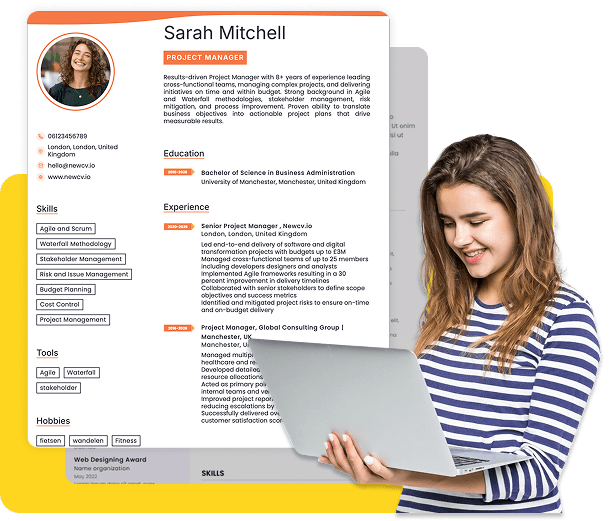
Use ATS-optimised Resume and resume templates that pass applicant tracking systems. Our Resume builder helps recruiters read, scan, and shortlist your Resume faster.
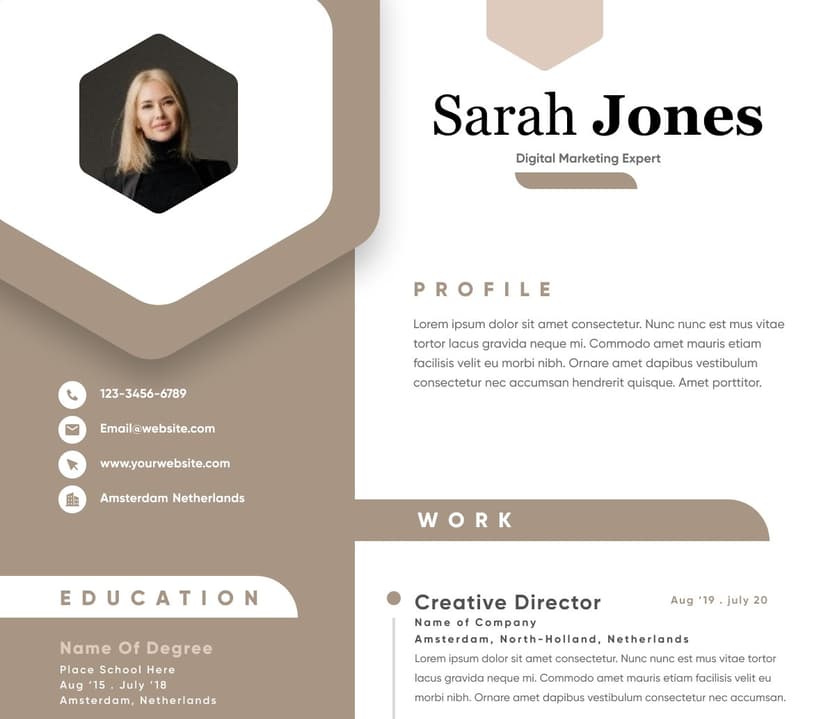
Use professional field-tested resume templates that follow the exact Resume rules employers look for.
Create Resume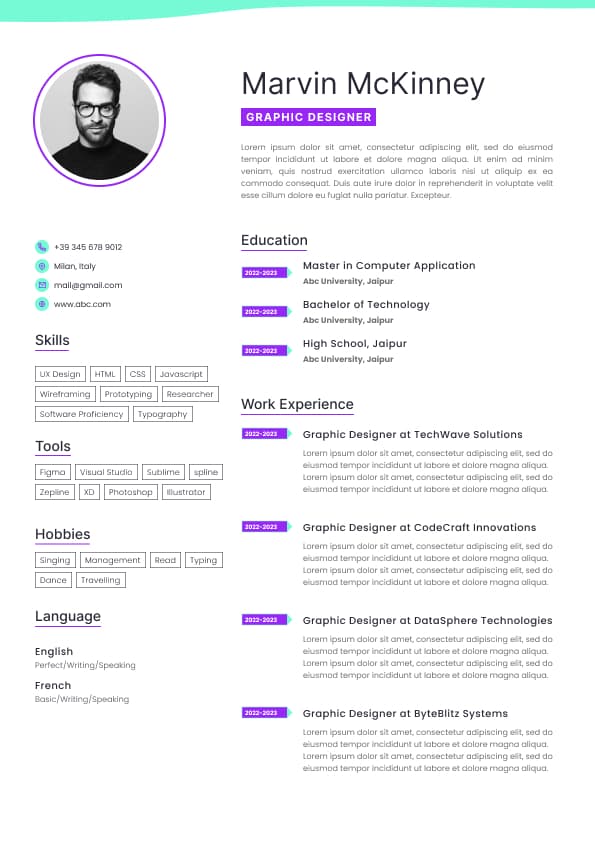
Use professional field-tested resume templates that follow the exact Resume rules employers look for.
Create ResumeInterview Dress Code Australia
What you wear to a job interview in Australia absolutely influences first impressions, but not in the way many candidates think. Most Australian hiring managers are not looking for “fashion”. They are assessing judgement, professionalism, self-awareness, and whether you understand the workplace culture.
The biggest mistake candidates make is either overdressing for a relaxed workplace or dressing too casually because the company “seems laid-back”. In the Australian market, the safest strategy is to dress one level more polished than the company’s everyday standard while still looking natural and comfortable.
For most corporate interviews in Australia, that means clean, tailored business or smart business attire in neutral colours. For trades, hospitality, retail, healthcare, and operational roles, expectations shift depending on safety, practicality, and customer-facing requirements.
This guide explains exactly what Australian recruiters and hiring managers expect, what different industries consider appropriate, and how to avoid the presentation mistakes that quietly cost candidates interviews.
Australian interview dress standards sit somewhere between the US and Europe.
Australian workplaces generally value:
• Professionalism
• Practicality
• Confidence without arrogance
• Clean presentation
• Cultural fit
• Good judgement
Most hiring managers are not expecting luxury brands or highly formal styling. In fact, looking excessively formal can sometimes create disconnect in modern Australian workplaces, particularly in startups, tech, creative industries, and relaxed corporate environments.
The goal is to look:
• Polished
• Reliable
• Organised
• Appropriate for the role and environment
A candidate who looks neat, confident, and aligned with workplace expectations almost always performs better than someone trying too hard to impress visually.
Many candidates assume dress standards no longer matter because workplaces have become more casual. That is not how recruiters assess presentation.
Your appearance still signals:
• Attention to detail
• Self-awareness
• Professional maturity
• Respect for the interview process
• Understanding of workplace expectations
Hiring managers often make subconscious decisions within the first few minutes of an interview. If your presentation creates distraction, uncertainty, or mismatch, it becomes harder for interviewers to focus purely on your skills.
This matters even more in competitive hiring markets where multiple candidates have similar experience levels.
In Australia, recruiters commonly reject candidates for presentation issues when:
• The clothing looks careless or unprepared
• The outfit does not match the seniority level of the role
• The candidate misunderstands workplace culture
• Grooming appears unprofessional
• Clothing creates distraction rather than confidence
Importantly, this is rarely written in rejection feedback. Candidates usually hear vague comments like:
• “Not the right fit”
• “We went with another candidate”
• “Cultural alignment concerns”
Presentation can quietly influence these decisions.
For most professional office-based roles in Australia, smart business attire remains the safest option.
This includes:
• Finance
• Banking
• Government
• Professional services
• Consulting
• HR
• Legal
• Corporate administration
• Project management
• White-collar management roles
A strong corporate interview outfit usually includes:
• Tailored trousers or chinos
• Button-up shirt
• Blazer or business jacket
• Leather shoes or polished dress shoes
• Neutral colours like navy, charcoal, white, black, or light blue
A full suit may still be expected in:
• Law firms
• Banking
• Executive interviews
• Senior leadership roles
• Traditional corporate environments
Ties are increasingly optional in many Australian workplaces unless:
• The organisation is highly formal
• The role is client-facing
• The interview panel is executive-level
Professional interview attire commonly includes:
• Tailored pants or knee-length skirt
• Blouse, shirt, or professional top
• Blazer or structured jacket
• Closed-toe flats, heels, or polished professional shoes
• Neutral or understated colours
Australian workplaces generally prefer polished simplicity over highly fashionable styling.
Avoid:
• Excessively high heels
• Distracting patterns
• Overly revealing clothing
• Heavy perfume
• Loud accessories
This is where many candidates fail.
If the company has a relaxed dress culture, you should not mirror it exactly during the interview.
For example:
• Employees may wear hoodies daily
• Founders may dress casually
• Teams may work fully remote
But candidates still need to show professionalism and judgement during the hiring process.
For modern workplaces in Australia, smart casual usually means:
• Tailored chinos or dark trousers
• Clean button-up shirt, knitwear, or blouse
• Polished shoes or minimal sneakers if culturally appropriate
• Structured but relaxed styling
This works well for:
• Tech companies
• Marketing agencies
• Startups
• Creative industries
• SaaS businesses
• Media roles
One of the biggest mistakes candidates make in Australian startup interviews is dressing too casually because the company website looks informal.
Interviewers still expect effort.
Turning up in gym wear, distressed clothing, or overly casual outfits can signal:
• Poor judgement
• Low seriousness
• Lack of situational awareness
Trades and operational interviews are assessed differently.
Hiring managers are usually looking for:
• Practicality
• Cleanliness
• Safety awareness
• Reliability
• Professional attitude
You do not need corporate attire for:
• Construction
• Warehousing
• Logistics
• Manufacturing
• Field services
• Trades assistant roles
Usually appropriate:
• Clean chinos or work pants
• Polo shirt or collared shirt
• Clean work boots or enclosed shoes
• Neat grooming
Avoid:
• Dirty workwear
• High-vis gear unless requested
• Torn clothing
• Excessively casual outfits
For trade roles, interviewers often judge whether you look “work-ready”.
Looking too corporate can actually create disconnect.
A candidate in a full business suit for a warehouse supervisor role may appear out of touch with the environment.
Retail and hospitality employers heavily assess:
• Grooming
• Presentation
• Customer-facing professionalism
• Cleanliness
• Personality fit
Your appearance directly affects how employers imagine you representing the brand.
Usually best:
• Smart casual clothing
• Clean shoes
• Neutral styling
• Minimal accessories
For luxury retail, elevate your presentation slightly more.
For fast-paced retail environments, polished simplicity works better than highly formal clothing.
For cafes, restaurants, hotels, and venues:
• Clean, neat, practical clothing
• Smart black or neutral attire often works well
• Closed shoes are safest
Avoid:
• Strong fragrances
• Overly formal businesswear
• Excessively trendy styling
Online interviews still require professional presentation.
A common recruiter frustration is candidates treating video interviews casually because they are at home.
This immediately changes interview energy.
Wear the same standard you would wear in person.
At minimum:
• Smart top or blazer
• Neutral colours
• Professional grooming
• Clean background
• Good lighting
Avoid:
• Hoodies
• Pyjamas
• Distracting prints
• Overly casual attire
Interviewers subconsciously associate preparation level with professionalism.
Candidates who appear polished on video are often perceived as:
• More organised
• More prepared
• Better communicators
• More employable overall
Most recruiters do not consciously score clothing itself.
They assess what your presentation communicates.
Strong interview presentation suggests:
• Professional maturity
• Situational awareness
• Respect for the opportunity
• Good judgement
• Workplace readiness
Poor presentation can imply:
• Lack of preparation
• Weak self-awareness
• Carelessness
• Poor understanding of professional expectations
Importantly, recruiters are also assessing whether clients, customers, stakeholders, or leadership teams would feel comfortable with you representing the organisation.
This is especially important in:
• Client-facing roles
• Management positions
• Sales roles
• Professional services
• Healthcare
• Education
The biggest mistake is mismatch.
A full three-piece suit for a relaxed creative agency interview.
Smart business attire aligned with the company culture but slightly more polished.
Interviewers notice distraction.
Outfits that are overly trendy, revealing, flashy, or attention-seeking can shift focus away from your capability.
Candidates often focus only on clothing.
Recruiters also notice:
• Shoes
• Hair
• Nails
• Wrinkled clothing
• Hygiene
• Facial grooming
Small details strongly affect first impressions.
If you never wear formal clothing, avoid extreme businesswear that makes you visibly awkward.
Confidence matters more than rigid formality.
This is one of the most common recruiter complaints and candidates rarely realise it.
Strong perfume or cologne can create negative reactions immediately, especially in smaller interview rooms.
Before the interview:
• Review company LinkedIn profiles
• Check staff photos online
• Look at company culture videos
• Review office images
• Assess industry expectations
• Consider client-facing exposure
If unsure, slightly overdress rather than underdress.
A polished smart business look is rarely criticised in Australia.
Neutral colours remain safest because they create professionalism without distraction.
Best options:
• Navy
• Charcoal
• White
• Black
• Beige
• Soft blue
• Grey
Avoid:
• Neon colours
• Excessively loud prints
• Distracting patterns
This is less about “rules” and more about ensuring the interviewer focuses on you rather than your clothing.
Employers mainly assess:
• Effort
• Professionalism
• Potential
Even if the workplace is casual, graduates should lean slightly more formal.
Expectations rise around:
• Polish
• Confidence
• Leadership presence
• Client readiness
Senior candidates are judged heavily on executive presence.
Presentation becomes part of perceived leadership credibility.
This does not necessarily mean extreme formality, but it does require:
• Strong tailoring
• High-quality grooming
• Professional confidence
• Appropriate sophistication
Yes, if genuinely unclear.
This is completely acceptable in Australia.
A simple question works well:
“Could you please let me know the typical interview dress standard for the office?”
This shows professionalism and preparation, not insecurity.
If you are unsure:
• Dress one level more polished than the workplace
• Prioritise clean, fitted, neutral clothing
• Avoid extremes
• Focus on confidence and comfort
• Match the role’s professionalism level
• Ensure grooming is polished
The best interview outfit is one that:
• Makes you feel confident
• Aligns with workplace culture
• Does not distract interviewers
• Reinforces professionalism
In Australian hiring culture, candidates rarely lose opportunities for being slightly overdressed.
They do lose opportunities for appearing careless, unaware, or too casual.


 Upload Resume
 Import from Linkedin