STILL APPLYING. STILL HEARING NOTHING?BUILD YOUR RESUME

STILL APPLYING. STILL HEARING NOTHING?BUILD YOUR RESUME
Choose from a wide range of NEWCV resume templates and customize your NEWCV design with a single click.
FAQ
An Android Developer Kotlin Multiplatform resume needs to do more than list Kotlin, Android Studio, and KMM. Hiring managers want proof that you can reduce duplicated mobile logic, collaborate effectively with iOS teams, and design scalable shared architecture without compromising native platform quality.
The biggest mistake candidates make is presenting Kotlin Multiplatform like a generic Android skill. It is not. Companies hiring for KMP or KMM roles are looking for engineers who understand shared business logic, platform boundaries, release coordination, API contract alignment, and long-term mobile maintainability.
A strong Kotlin Multiplatform resume clearly demonstrates:
Shared code architecture experience
Android and iOS collaboration
Real production KMP implementation
Platform-specific decision-making
Recruiters hiring for Kotlin Multiplatform roles usually fall into one of these categories:
Startup recruiters building lean cross-platform mobile teams
Product companies reducing duplicated Android and iOS logic
Fintech or SaaS companies scaling shared business rules
Enterprise mobile teams modernizing architecture
Mobile platform engineering teams building reusable infrastructure
The evaluation criteria are very different from traditional Android hiring.
For standard Android roles, recruiters primarily evaluate:
Android framework depth
Most resumes fail because they describe tools instead of outcomes.
“Used Kotlin Multiplatform for shared mobile code.”
This tells recruiters almost nothing.
It does not explain:
What was shared
Why it mattered
Which layers were shared
Whether it worked in production
How collaboration happened
What business impact occurred
Your summary should position you as a mobile systems engineer, not just an Android developer.
“Android Developer with Kotlin experience seeking new opportunities.”
This sounds generic and junior.
“Android Developer with 6+ years of experience building scalable mobile applications using Kotlin, Jetpack Compose, and Kotlin Multiplatform. Specialized in shared mobile architecture, reusable business logic, and Android/iOS collaboration for high-growth product teams. Experienced reducing duplicated code, improving release parity, and implementing maintainable cross-platform domain layers.”
This works because it immediately aligns with recruiter search intent.
Your skills section should reflect modern KMP architecture rather than random keyword stuffing.
Include skills like:
Kotlin Multiplatform
Kotlin Multiplatform Mobile (KMM)
Shared business logic
Shared domain layers
Shared networking architecture
Expect/actual declarations
Multiplatform dependency management
One of the biggest resume differentiators is showing that you understand what should and should not be shared.
Strong KMP engineers do not try to share everything.
Hiring managers know inexperienced teams often over-share code and create maintenance problems.
Your resume should show architectural judgment.
Good resume examples include:
Shared authentication flows
Shared API clients
Shared validation logic
Shared business rules
Shared analytics events
Metrics matter heavily in Kotlin Multiplatform hiring because many companies are still validating the business value of shared mobile architecture.
The best resumes quantify platform efficiency improvements.
Strong examples include:
Reduced duplicate code by 35%
Improved release parity across Android and iOS
Reduced mobile defects by 22%
Increased delivery speed by 30%
Reduced maintenance overhead across mobile teams
Increased shared test coverage
These examples work because they combine:
Technical specificity
Architecture depth
Collaboration signals
Business impact
Built shared mobile business logic using Kotlin Multiplatform, Ktor, Coroutines, and Kotlin Serialization across Android and iOS applications
Reduced duplicate Android and iOS code by 35% by migrating networking, validation, and domain rules into reusable KMP modules
Designed shared domain layers and offline data models using SQLDelight to standardize mobile data consistency across platforms
Most resumes underestimate how strategic KMP hiring actually is.
Companies adopting Kotlin Multiplatform are often making long-term platform decisions involving:
Engineering cost
Team structure
Product velocity
Maintainability
Release coordination
Shared infrastructure investment
Hiring managers therefore evaluate more than coding ability.
They look for engineers who understand:
Mobile architecture tradeoffs
Many Android developers worry that KMP experience weakens their native Android positioning.
In reality, the opposite is true when positioned correctly.
The strongest candidates present themselves as:
Native-first Android engineers
With strategic shared architecture expertise
This distinction matters.
Recruiters often reject resumes that look too similar to generic Flutter or React Native developers because those stacks usually abstract away native platform depth.
Kotlin Multiplatform hiring managers typically want:
Strong native Android fundamentals
Combined with shared business logic expertise
Your resume should therefore emphasize:
Native Android UI expertise
Compose Multiplatform is becoming increasingly important in modern mobile hiring, especially for startups and product-focused teams.
However, recruiters differentiate between:
Experimental exposure
Production-level implementation
If you only completed tutorials or internal prototypes, avoid overstating experience.
“Experienced with Compose Multiplatform.”
This is vague and unconvincing.
“Implemented production-ready Compose Multiplatform UI components for internal tooling and shared mobile design system experimentation.”
This communicates:
Real implementation
Appropriate scope
Many candidates accidentally break ATS relevance by using inconsistent terminology.
You should include both:
Kotlin Multiplatform
Kotlin Multiplatform Mobile
KMP
KMM
Why?
Because recruiters and ATS searches vary dramatically between organizations.
Some recruiters search:
Others search:
Others search:
Your experience section should prioritize:
Business outcomes
Shared architecture scope
Cross-platform collaboration
Technical implementation
For each role:
Start with platform scope
Explain shared architecture contribution
Quantify impact
Many developers falsely imply they shared entire applications.
Experienced hiring managers immediately recognize this as unrealistic.
Avoid:
Instead explain:
Which layers were shared
Which layers remained native
Why architectural boundaries existed
That sounds credible.
Kotlin Multiplatform is fundamentally different from Flutter and React Native.
Your resume should not sound framework-centric.
Avoid overly generic phrases like:
Without context.
KMP recruiters want:
Shared architecture expertise
Native platform understanding
Kotlin ecosystem depth
This is one of the biggest hidden rejection reasons.
KMP roles are highly collaborative.
If your resume only discusses individual Android implementation, recruiters may assume you lack cross-platform coordination experience.
Add collaboration examples intentionally.
Many resumes focus entirely on implementation.
Companies adopting KMP care heavily about:
Efficiency
Scalability
Maintenance reduction
Delivery acceleration
Show business impact wherever possible.
The strongest resumes combine four things:
Recruiters still want strong Android engineers first.
You must demonstrate scalable shared logic implementation.
KMP hiring is collaborative by nature.
Companies want engineers who understand why shared architecture matters strategically.
Most resumes only demonstrate one or two of these areas.
Top candidates demonstrate all four.
You do not need years of production KMP experience to become competitive.
What matters is credible positioning.
If your exposure is limited:
Focus on architecture understanding
Highlight shared module experimentation
Emphasize Android depth
Show collaboration capability
Demonstrate Kotlin ecosystem expertise
Do not fake senior KMP ownership.
Recruiters can usually detect inflated claims quickly.
Instead position yourself as:
The best Android Kotlin Multiplatform resumes do not read like generic mobile resumes.
They communicate:
Modern mobile architecture thinking
Platform collaboration maturity
Shared systems design capability
Business efficiency awareness
Native Android depth
That combination is rare.
Most developers either:
Or:

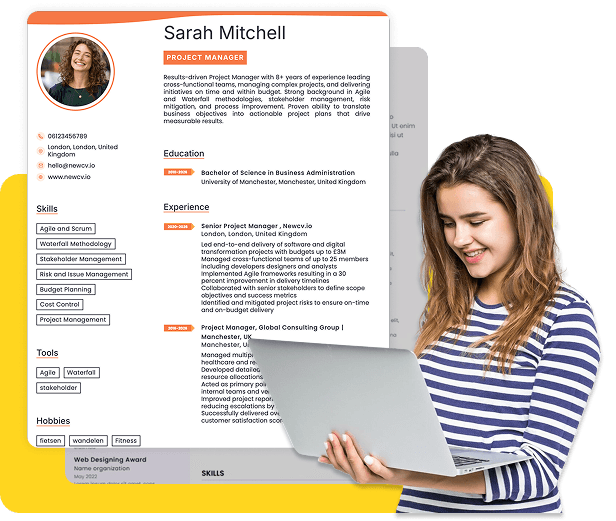
Use ATS-optimised Resume and resume templates that pass applicant tracking systems. Our Resume builder helps recruiters read, scan, and shortlist your Resume faster.
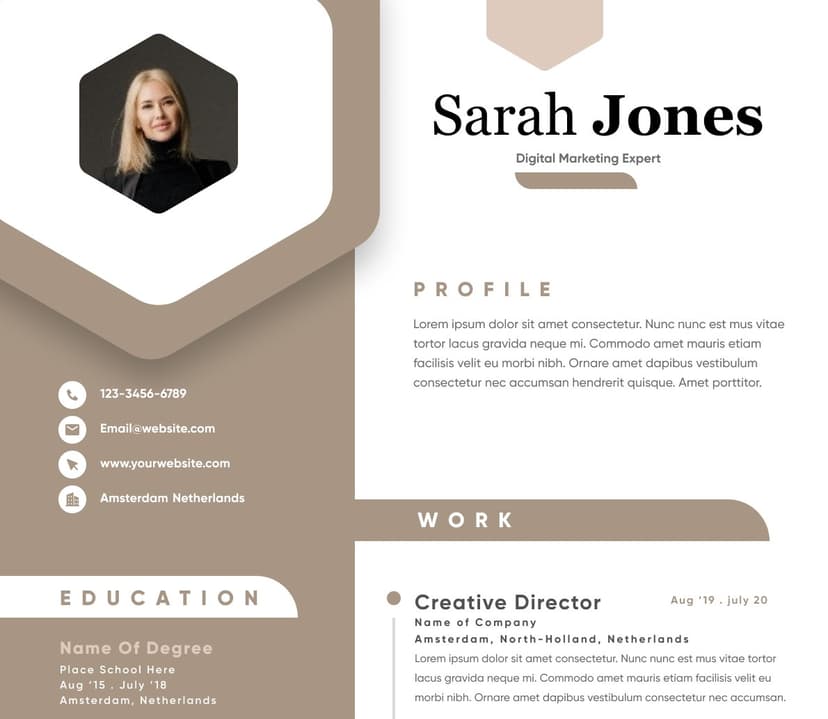
Use professional field-tested resume templates that follow the exact Resume rules employers look for.
Create Resume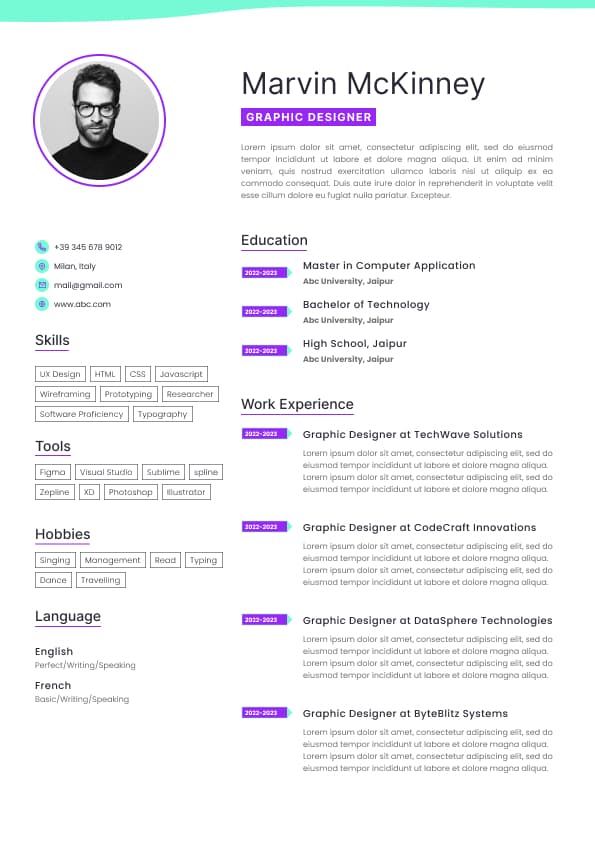
Use professional field-tested resume templates that follow the exact Resume rules employers look for.
Create ResumeMeasurable business outcomes
Modern mobile architecture expertise
If your resume only says “worked with Kotlin Multiplatform,” you will likely lose to candidates who explain how they reduced duplicate code, improved feature parity, accelerated releases, or aligned Android and iOS delivery workflows.
Jetpack expertise
UI implementation
App lifecycle knowledge
Performance optimization
For Kotlin Multiplatform roles, recruiters additionally evaluate:
Shared architecture thinking
Cross-functional collaboration
Mobile platform strategy
Shared domain modeling
API consistency awareness
Native platform boundary decisions
Scalability of shared modules
This is why many senior Android developers still struggle to land KMP roles. Their resumes show strong Android development but fail to prove cross-platform engineering capability.
“Reduced duplicate Android and iOS networking and validation logic by 35% by implementing shared KMP modules using Ktor, Kotlin Serialization, and Coroutines.”
This version immediately communicates:
Shared architecture scope
Technical depth
Platform collaboration
Quantifiable impact
Real production usage
That difference is what gets interviews.
Compose Multiplatform
Coroutines and Flow
Kotlin Serialization
SQLDelight
Ktor
Gradle Kotlin DSL
Still include strong Android fundamentals:
Jetpack Compose
MVVM
Clean Architecture
Dependency Injection
Room
Retrofit
Android SDK
Navigation Component
Firebase
CI/CD pipelines
This is the section most candidates forget.
Include:
Android and iOS collaboration
Shared API contracts
Release coordination
Cross-platform feature planning
Mobile architecture alignment
Shared analytics strategy
Platform-specific UI implementation
Recruiters often search for collaboration terminology directly in ATS systems.
Shared subscription logic
Shared offline caching models
Shared fintech calculations
Shared domain models
Experienced KMP developers understand:
Native UI often remains platform-specific
Device integrations may differ
Performance-sensitive UI logic may stay native
iOS interoperability constraints matter
Showing this nuance increases credibility significantly.
Reduced API inconsistency issues
Improved cross-platform feature rollout timelines
Metrics demonstrate business maturity, not just technical execution.
Implemented shared subscription and authentication workflows that improved mobile release alignment and reduced feature drift
Partnered with iOS engineers to define shared API contracts, reusable domain models, and cross-platform release workflows
Coordinated Android and iOS feature parity planning with product, backend, and QA teams to improve release consistency
Worked closely with Swift developers to optimize interoperability boundaries and platform-specific integrations
Improved mobile delivery speed by standardizing shared architecture patterns and cross-platform testing workflows
Led migration from duplicated native networking logic to shared KMP infrastructure, reducing long-term maintenance effort
Established modular Kotlin Multiplatform architecture standards across multiple mobile product teams
Organizational collaboration
Technical scalability
Platform-specific limitations
Cross-team communication
This is why purely technical resumes often fail.
Your resume should communicate engineering judgment.
Android-specific implementation knowledge
Jetpack Compose proficiency
Android lifecycle depth
Performance optimization
Alongside:
Shared architecture capability
Cross-platform collaboration
KMP infrastructure experience
That combination is highly valuable.
Honest positioning
Strategic platform understanding
Accuracy builds trust.
Your resume should naturally include semantic variations without keyword stuffing.
Show collaboration depth
Mention relevant tooling naturally
Senior Android Developer
Fintech Product Company | Austin, TX
Built shared fintech calculation engines using Kotlin Multiplatform to align Android and iOS transaction validation logic
Reduced duplicate business rule implementation across mobile platforms by 40% through reusable shared domain modules
Collaborated with iOS engineers and backend teams to standardize API contracts and improve feature parity
Implemented shared offline caching and analytics event tracking using SQLDelight and Coroutines Flow
Improved release coordination efficiency by aligning cross-platform testing and deployment workflows
This structure reads like real production engineering experience.
That positioning is often enough for growing KMP teams.
If your resume demonstrates both clearly, you immediately become more competitive for modern mobile engineering teams investing in Kotlin Multiplatform.


 Upload Resume
 Import from Linkedin