STILL APPLYING. STILL HEARING NOTHING?BUILD YOUR RESUME

STILL APPLYING. STILL HEARING NOTHING?BUILD YOUR RESUME
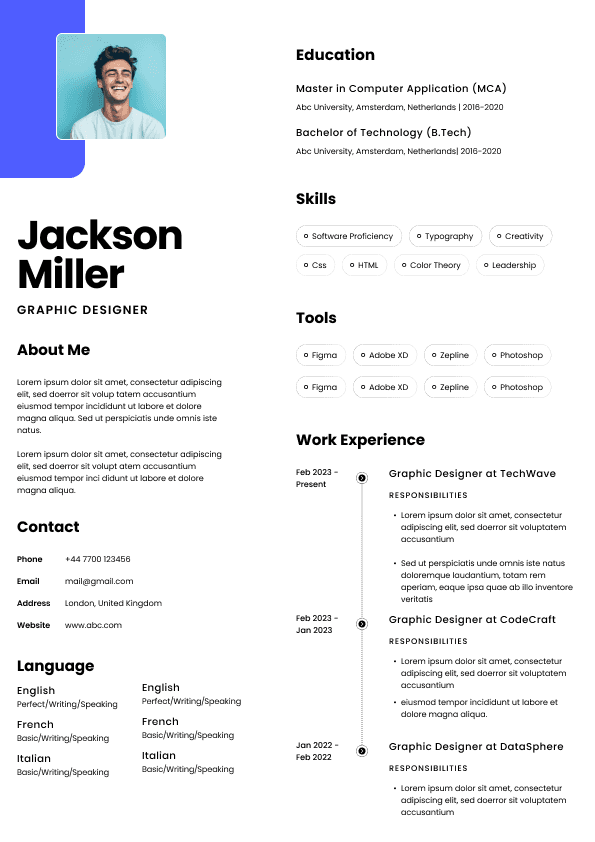
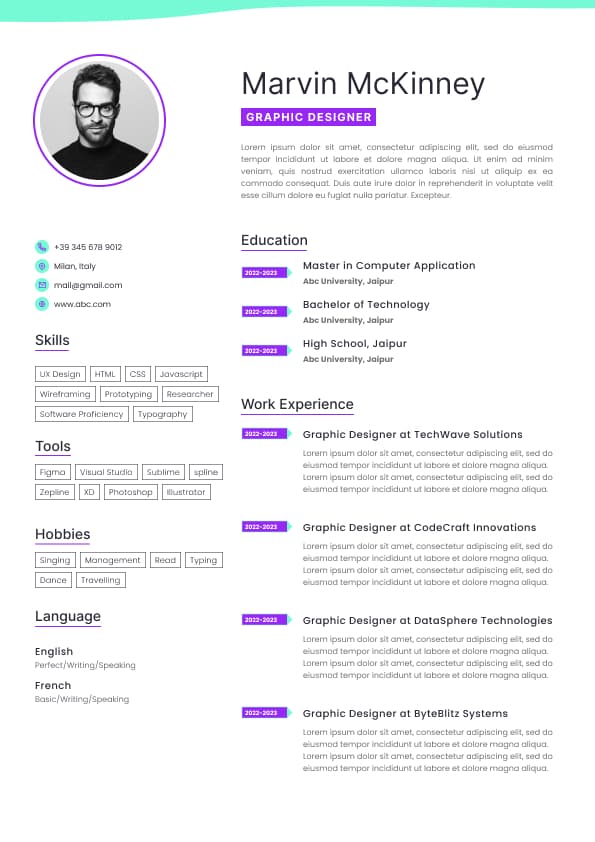
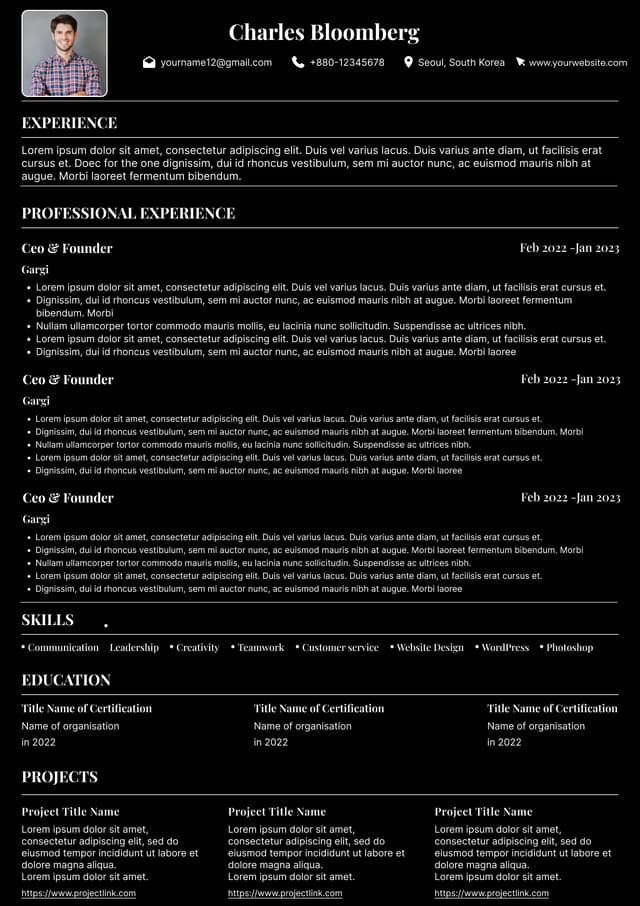
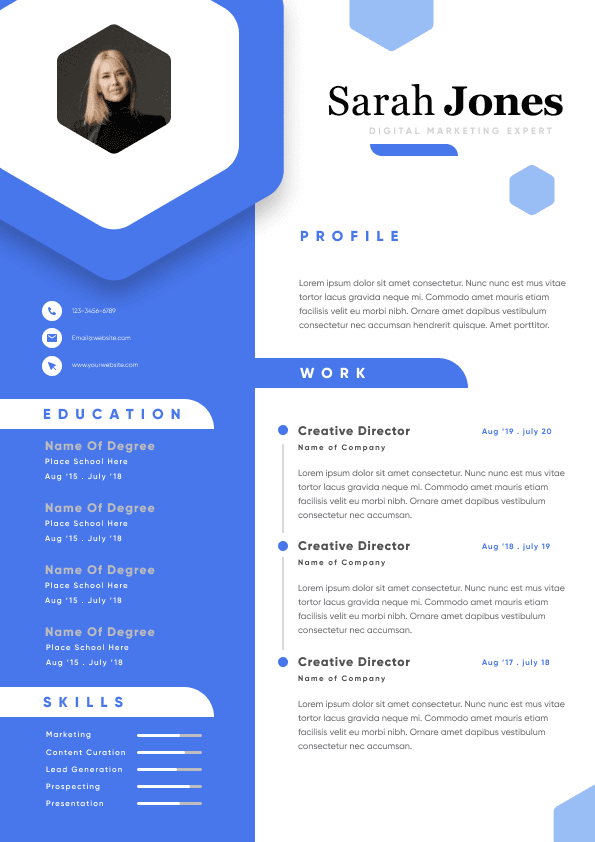
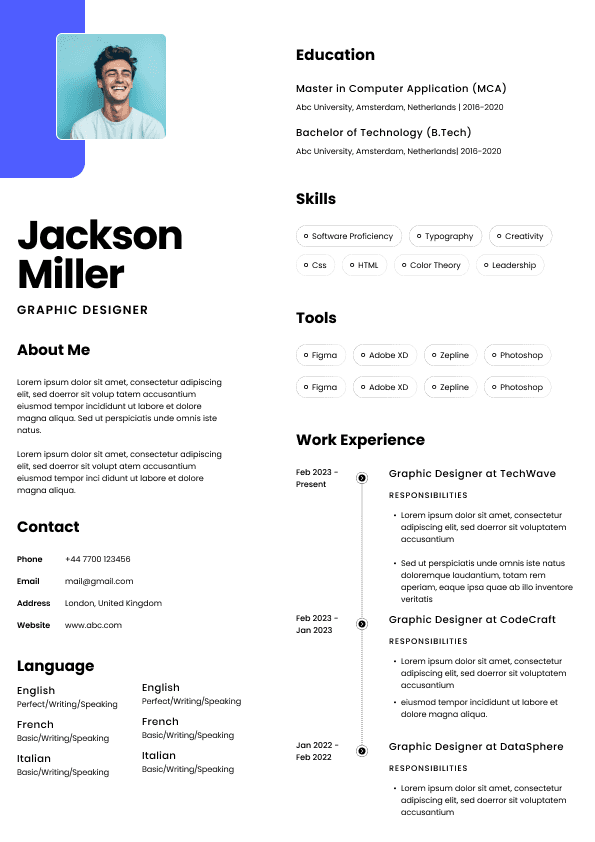
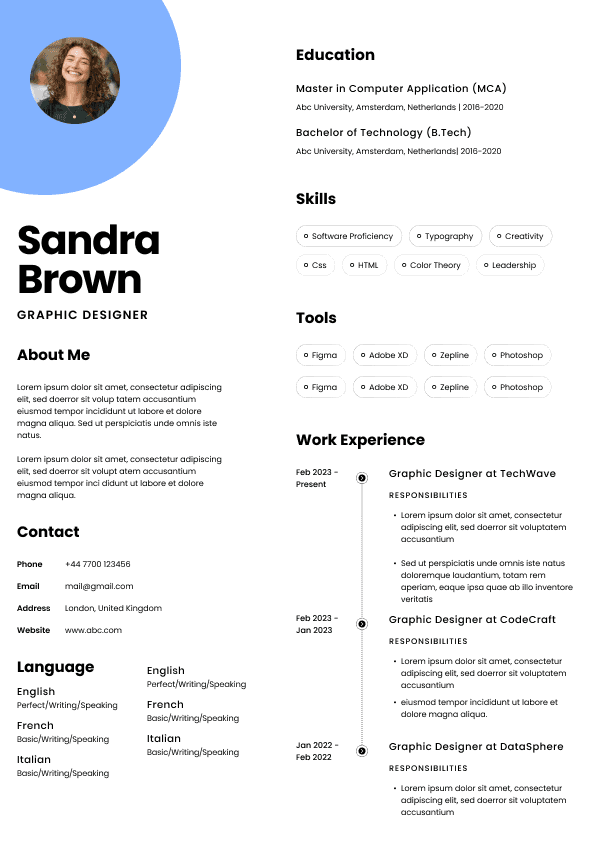
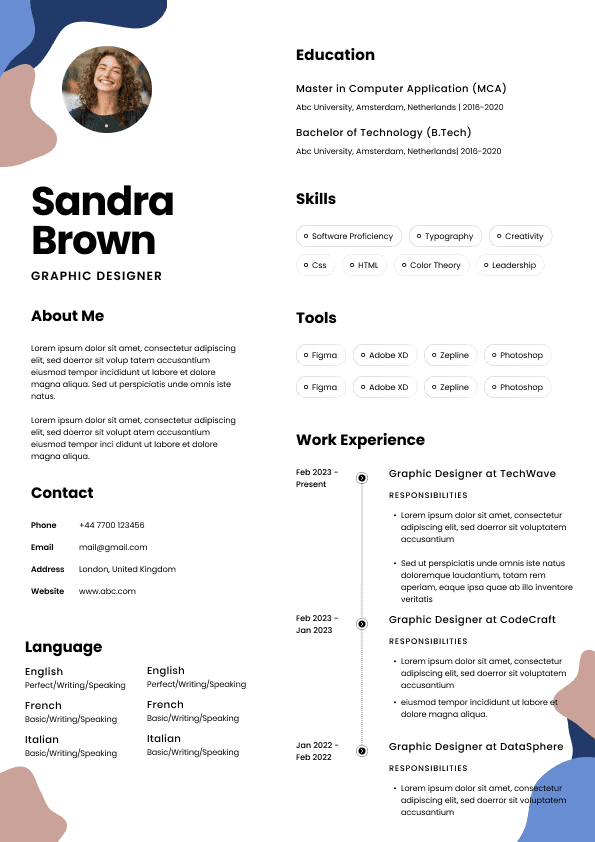
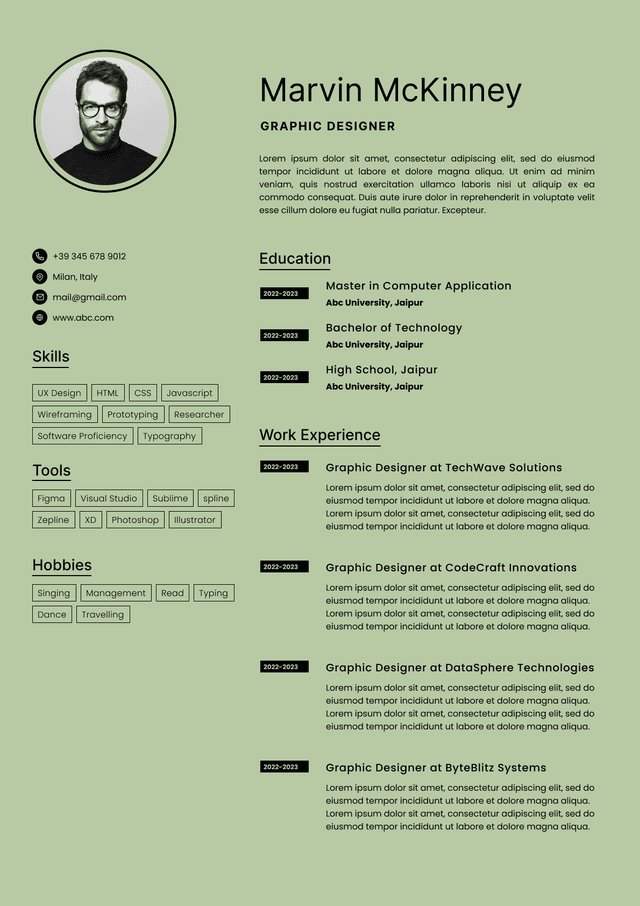
Choose from a wide range of NEWCV resume templates and customize your NEWCV design with a single click.
FAQ
Most Android developers can build features. Far fewer can safely release, monitor, and maintain production apps in the Google Play Store. That distinction matters heavily in today’s hiring market.
Recruiters and hiring managers increasingly screen for real app publishing ownership, not just coding ability. If your resume shows experience with Google Play Console, release management, staged rollouts, app signing, testing tracks, Crashlytics, CI/CD pipelines, and post-release monitoring, you immediately position yourself closer to senior-level and production-ready Android candidates.
The biggest mistake candidates make is listing “published apps” without explaining the operational complexity behind the release process. Strong resumes show how you managed risk, stability, compliance, deployment automation, rollout quality, and production outcomes.
This guide explains exactly how to present Android Play Store release experience on a resume in a way that aligns with how modern engineering teams actually hire.
Hiring managers do not just evaluate whether you can write Kotlin or Java code. They evaluate whether you can help the company safely ship software to real users.
Production Android releases affect:
Revenue
App ratings
User retention
Crash rates
Compliance risk
Customer trust
Subscription billing
Most resumes fail because they describe publishing too vaguely.
Weak phrasing:
Weak Example
“Published Android apps to the Play Store.”
That tells recruiters almost nothing.
Strong candidates demonstrate ownership across the release lifecycle.
Good Example
“Managed Android release lifecycle including Gradle release builds, app signing, internal testing, staged rollouts, Play Console submissions, Crashlytics monitoring, and production deployment validation.”
That communicates:
Production responsibility
Release workflow knowledge
Quality assurance awareness
Monitoring capability
Candidates often overload resumes with programming frameworks while ignoring operational skills that differentiate senior engineers.
The following release-related skills consistently improve Android resume quality when they are genuinely relevant to your experience.
This is one of the most important platform keywords recruiters search for.
Strong resumes mention experience with:
Release tracks
Internal testing
Closed testing
Open testing
Production rollouts
Store listing updates
The best resume bullets combine:
Technical action
Release responsibility
Operational ownership
Measurable outcome
The formula looks like this:
Action + release process + tooling + business or quality outcome
Managed Android release builds, app signing, internal testing, staged rollouts, and production deployments through Google Play Console
Automated Android build and deployment workflows using Fastlane, Gradle, GitHub Actions, and Firebase App Distribution
This is where most SEO content fails. It explains keywords but not evaluation logic.
Here is what experienced engineering managers actually infer from strong release-management experience.
Developers who have handled staged rollouts and production deployments usually understand:
Stability concerns
User impact
Rollback risk
Monitoring requirements
QA expectations
That reduces onboarding risk.
Release ownership often means:
You do not need to be a lead engineer to include release experience effectively.
The key is accurate scope representation.
If you assisted with releases:
Good Example
“Supported Android production releases through internal testing validation, release note preparation, and Play Console deployment coordination.”
If you handled smaller production responsibilities:
Good Example
“Maintained Android release workflows including beta testing distribution, version management, and Crashlytics monitoring.”
Do not exaggerate ownership.
Experienced recruiters can usually identify inflated release claims quickly during interviews.
Weak:
“Published app to Play Store.”
Strong:
“Managed staged rollouts, app signing, Crashlytics validation, and production monitoring for Android releases distributed through Google Play Console.”
Specificity signals expertise.
Production release management is operationally important.
If you genuinely owned release workflows, do not bury that experience inside generic development bullets.
It deserves visibility.
Metrics improve credibility.
Useful examples include:
Crash-free users
ANR reduction
This is the strongest location.
Recruiters trust release claims more when attached to real jobs rather than skills sections.
Include relevant release technologies such as:
Google Play Console
Fastlane
Firebase Crashlytics
Gradle
GitHub Actions
Bitrise
Startup hiring is especially influenced by operational ownership.
Why?
Because startups usually need developers who can:
Build features
Ship releases
Fix production issues
Handle deployments independently
Respond quickly to incidents
A startup recruiter seeing production rollout ownership may immediately categorize you differently from feature-only candidates.
Startup-friendly resume language includes:
End-to-end Android release ownership
These are especially valuable for senior Android engineers, lead developers, and platform-focused roles.
These reduce deployment risk significantly.
Hiring managers like candidates who understand gradual feature enablement and rollback strategies.
This demonstrates operational maturity.
Mention experience with:
Percentage-based rollouts
Geographic testing
Rollback triggers
Crash monitoring thresholds
Senior candidates may mention:
Applicant Tracking Systems frequently scan for deployment-related terminology.
Naturally include relevant terms such as:
Google Play Console
Android App Bundle
APK
AAB
App signing
Staged rollout
Internal testing
Closed testing
Professional Experience
Senior Android Developer
Fintech Mobile Solutions | Austin, TX
January 2022 – Present
Managed Android production releases for consumer fintech applications serving 500K+ active users through Google Play Console
Automated Android build, signing, and deployment workflows using Fastlane, Gradle, GitHub Actions, and Firebase App Distribution
Reduced production crash rates by 38% through staged rollout validation, enhanced regression testing, and Crashlytics monitoring improvements
Coordinated internal testing, closed beta releases, production approvals, release notes, and Play Billing compliance updates
Implemented feature flag rollout strategies and rollback procedures that reduced hotfix deployment time by 45%
If your resume includes release ownership, expect deeper interview questions.
Hiring managers often ask:
How do you handle staged rollouts?
What happens if crash rates spike after deployment?
How do you structure release branches?
What is your rollback strategy?
How do you validate production readiness?
How do you monitor release quality after launch?
Weak candidates discuss tooling only.
Strong candidates explain decision-making frameworks.
For example:
Modern Android hiring increasingly rewards developers who can operate confidently in production environments.
Companies are not only hiring coders.
They are hiring developers who can:
Release software reliably
Protect user experience
Reduce operational risk
Maintain production quality
Handle deployment complexity
Improve release velocity safely
That is why Android Play Store release ownership has become such a powerful differentiator.
Candidates who present release management strategically often outperform technically similar developers whose resumes only focus on feature implementation.

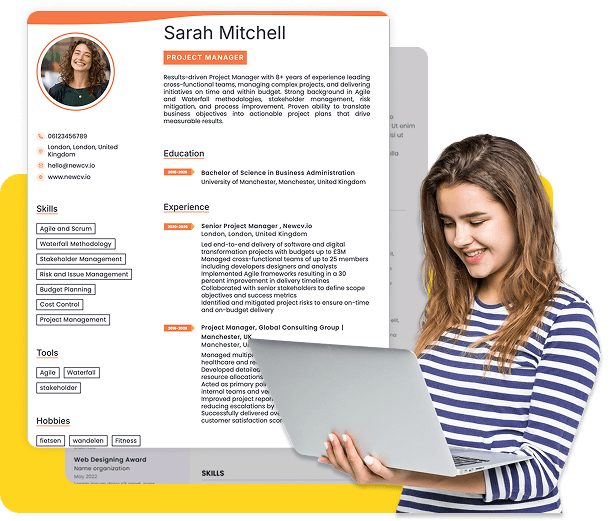
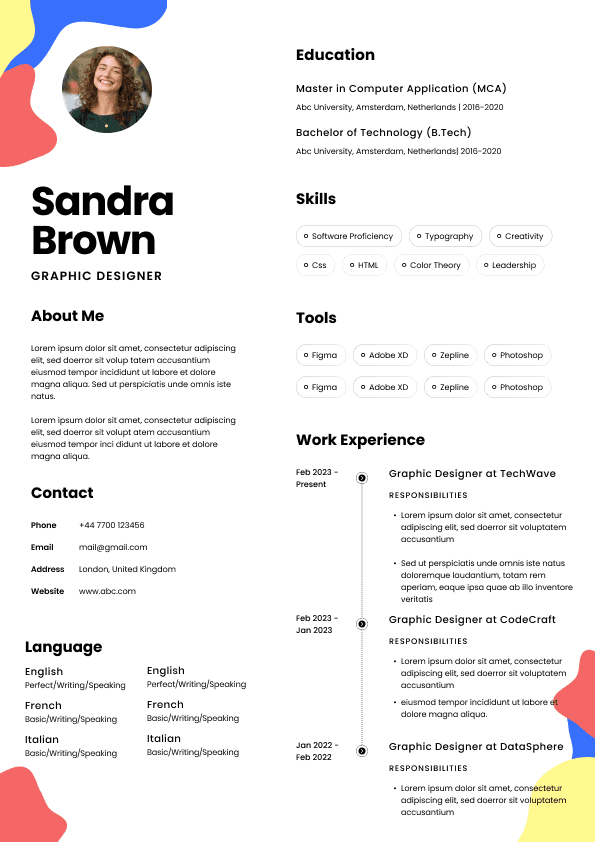
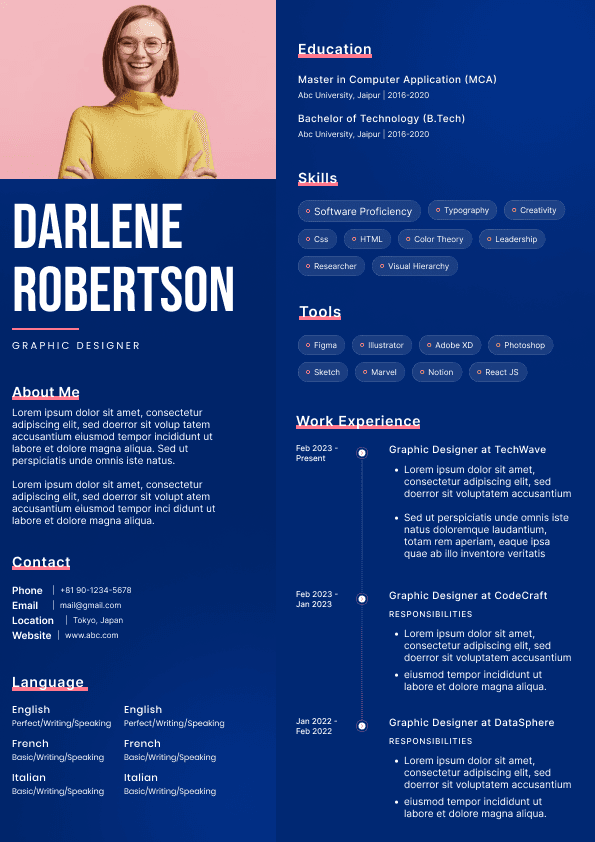
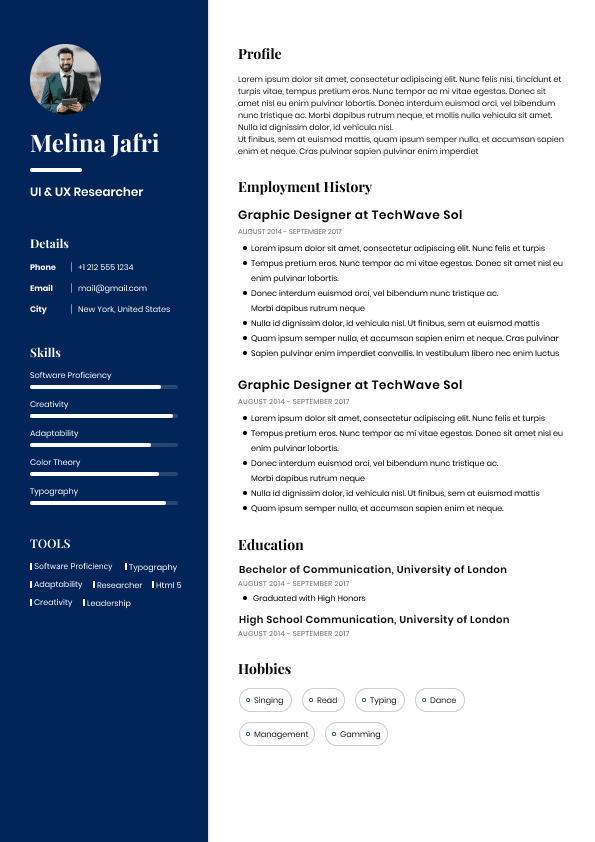
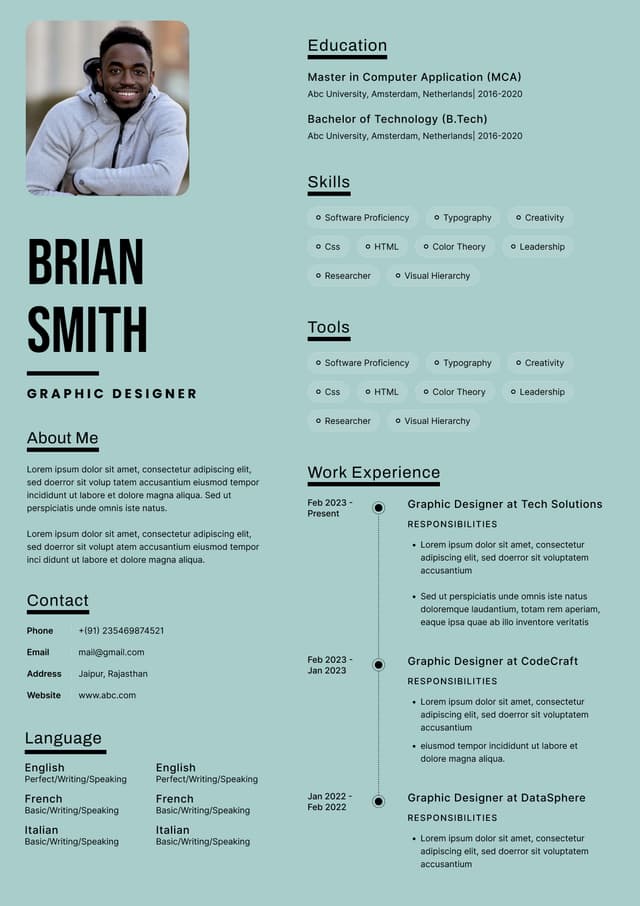
Use ATS-optimised Resume and resume templates that pass applicant tracking systems. Our Resume builder helps recruiters read, scan, and shortlist your Resume faster.

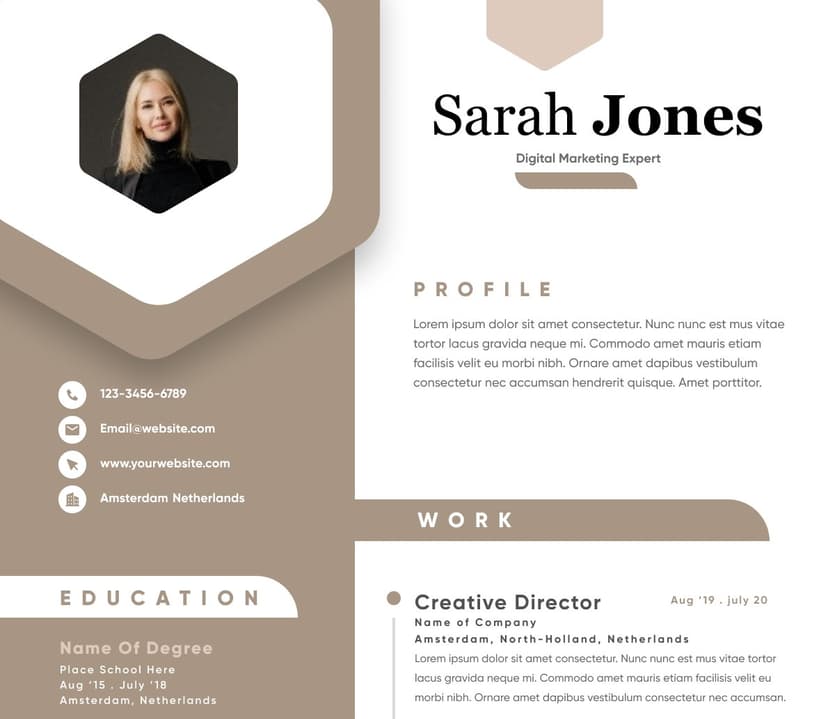
Use professional field-tested resume templates that follow the exact Resume rules employers look for.
Create Resume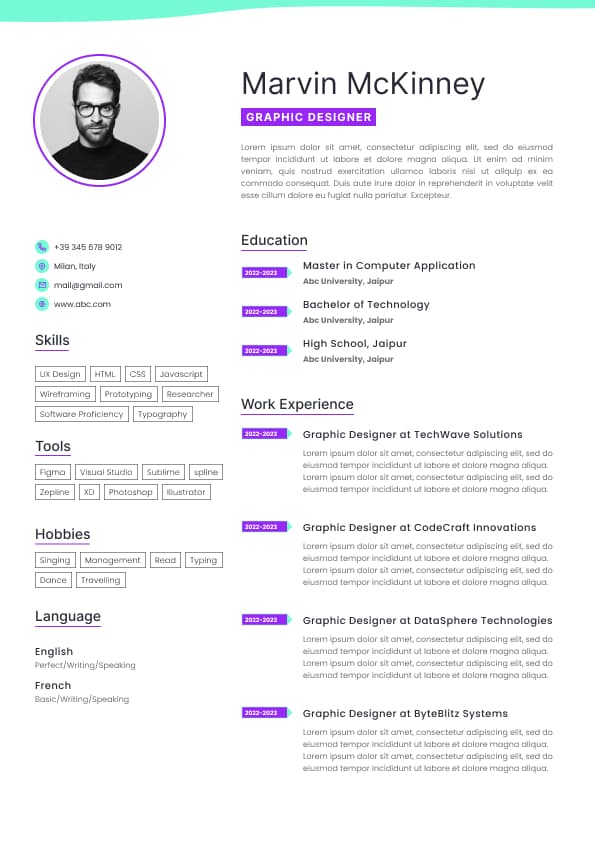
Use professional field-tested resume templates that follow the exact Resume rules employers look for.
Create ResumeRelease velocity
Team productivity
A developer who understands release management reduces operational risk for the company.
That becomes especially important in:
Startups with lean engineering teams
Agencies managing multiple client apps
Product companies with weekly release cycles
Fintech and healthcare apps with compliance requirements
Subscription apps using Play Billing
Large-scale apps with millions of installs
Recruiters know that production release ownership often signals stronger engineering maturity than feature development alone.
Operational maturity
Hiring managers are not only evaluating technical knowledge. They are evaluating trust.
If a company lets you manage production deployments, that implies:
You worked on commercially viable apps
Your code reached real users
You handled release accountability
You understood stability requirements
You collaborated cross-functionally
Those are strong hiring signals.
App review coordination
Release notes
Data safety forms
Play Integrity API
Policy compliance
Play Billing updates
This is frequently overlooked but highly valuable.
Include experience with:
Keystores
Signing configurations
Secure key management
Upload keys
Release keys
SHA fingerprints
Signing automation
Many junior developers never touch signing workflows directly. Mentioning this signals production exposure.
Strong Android resumes often reference:
Build variants
Product flavors
Release build optimization
Build automation
Dependency management
ProGuard or R8 configuration
Environment-specific configurations
This is one of the clearest differentiators between mid-level and senior Android developers.
High-value tools include:
Fastlane
GitHub Actions
Bitrise
Jenkins
GitLab CI/CD
Firebase App Distribution
Recruiters strongly associate CI/CD ownership with engineering maturity.
Modern Android release ownership does not stop after deployment.
Strong resumes mention:
Firebase Crashlytics
Firebase Analytics
Play Console Vitals
Sentry
ANR monitoring
Crash-free user metrics
Hotfix deployment
Rollback planning
This shows you understand production reliability, not just shipping features.
Reduced post-release crashes by 38% through staged rollout validation, Crashlytics monitoring, and improved regression testing procedures
Coordinated Play Store submissions, release notes, privacy policy updates, and Play Billing compliance across quarterly production launches
Improved release reliability by implementing smoke testing, rollback procedures, feature flags, and post-launch monitoring workflows
Configured Gradle product flavors and environment-based release pipelines to support multi-client Android deployments
Monitored ANR rates, crash-free sessions, and Play Console Vitals to improve production stability and app rating performance
Accelerated hotfix deployment turnaround by streamlining release approvals and automating beta distribution processes
These bullets work because they communicate operational ownership rather than passive participation.
Cross-team communication
Coordination with QA
Collaboration with product managers
Compliance updates
Deadline management
Managers associate this with stronger professional maturity.
Commercial release experience carries more hiring weight than side projects alone.
Many resumes show app development. Fewer show operational deployment ownership.
That distinction matters heavily for:
Senior Android developers
Startup engineers
Mobile platform engineers
Lead Android developers
Agency developers
Startup time improvements
Release frequency
Rollback reduction
App rating increases
Hotfix turnaround time
Operational metrics are powerful because they demonstrate user impact.
Weak:
“Used Firebase and Fastlane.”
Strong:
“Automated Android beta distribution and release validation using Fastlane and Firebase App Distribution.”
Context matters more than keyword stuffing.
Jenkins
Sentry
Only include tools you can discuss confidently in interviews.
This works well for junior developers or independent app creators.
Strong project descriptions should include:
Deployment responsibility
Release workflow
Testing process
Monitoring setup
User scale if available
Independent production deployment
CI/CD automation
Rapid hotfix delivery
Release reliability improvements
Monitoring and observability
This signals execution capability.
QA signoff coordination
Release checklists
Compliance reviews
Security validation
Release approval workflows
Advanced Android teams increasingly prioritize observability skills.
Strong examples include:
Real-time crash analysis
Performance monitoring
User-session diagnostics
Production telemetry
App startup optimization
These capabilities separate senior engineers from implementation-only developers.
Production deployment
Firebase Crashlytics
Fastlane
CI/CD
Gradle
Release management
Mobile release engineering
App publishing
Android deployment
Play Console Vitals
Release automation
Do not force keywords unnaturally.
The goal is semantic credibility, not keyword stuffing.
Monitored Play Console Vitals, ANR rates, app startup performance, and crash-free session metrics to improve production stability
Collaborated with QA, product managers, and backend teams to ensure release readiness and production launch quality
This example works because it demonstrates:
Technical ownership
Operational maturity
Production responsibility
Cross-functional collaboration
Business impact
“We used Crashlytics to check crashes.”
Good Example
“We monitored Crashlytics and Play Console Vitals during staged rollouts and paused deployments if crash-free sessions dropped below our acceptable threshold.”
That demonstrates operational thinking.



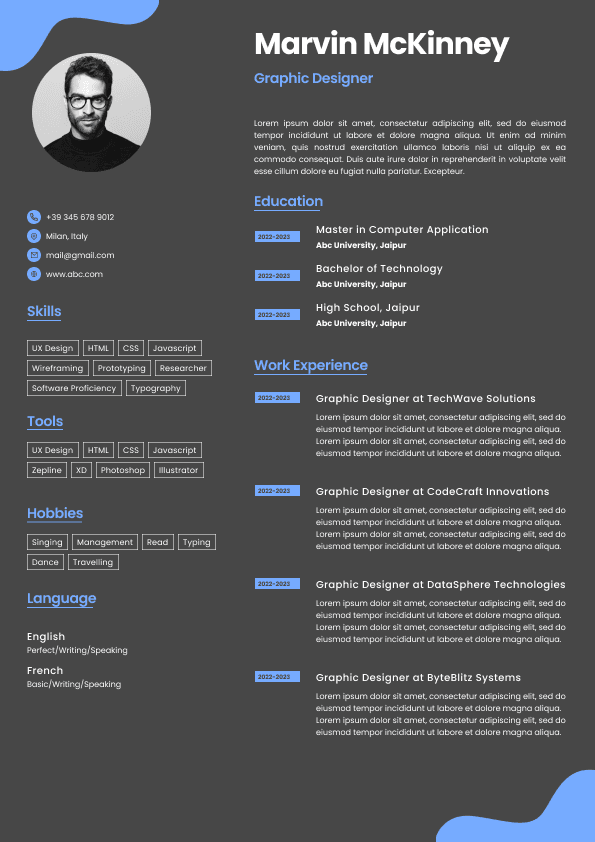
 Upload Resume
 Import from Linkedin