STILL APPLYING. STILL HEARING NOTHING?BUILD YOUR RESUME

STILL APPLYING. STILL HEARING NOTHING?BUILD YOUR RESUME
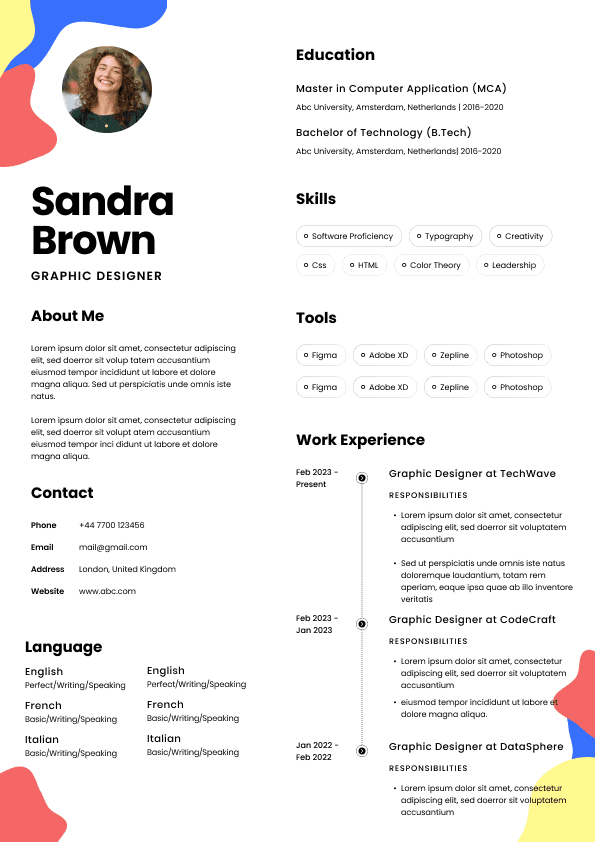
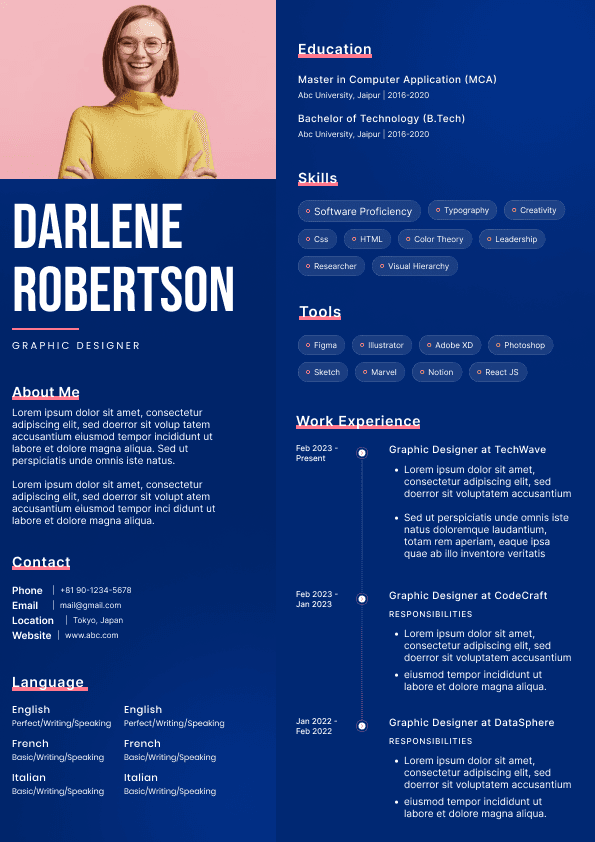
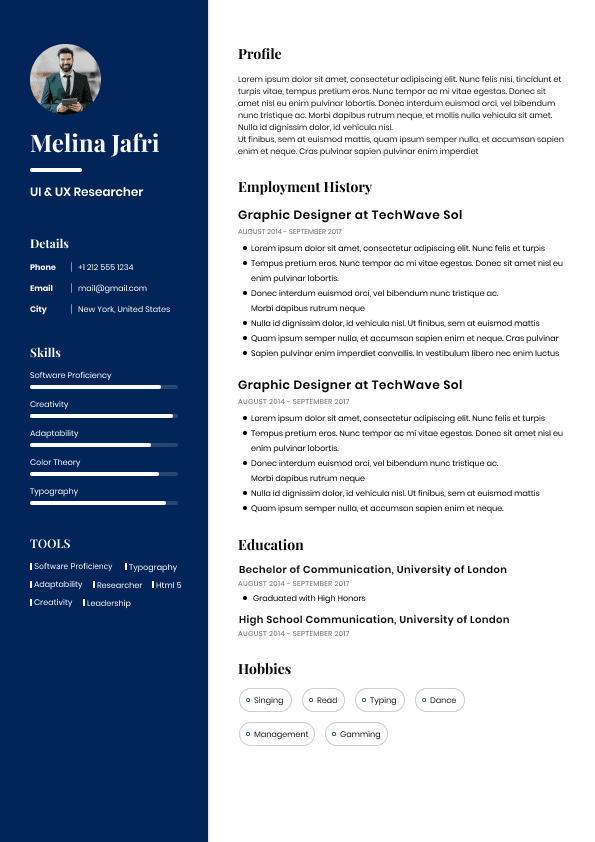
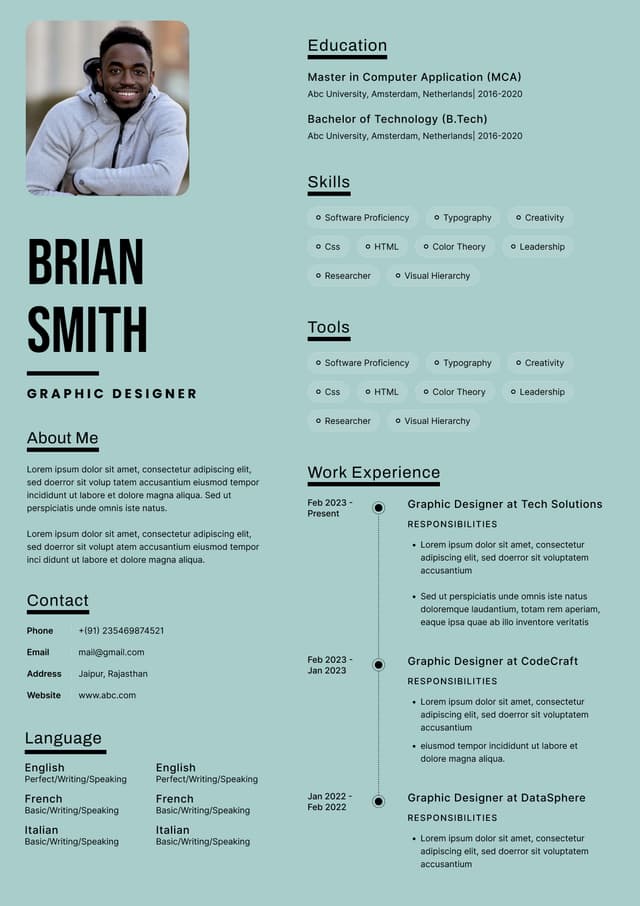
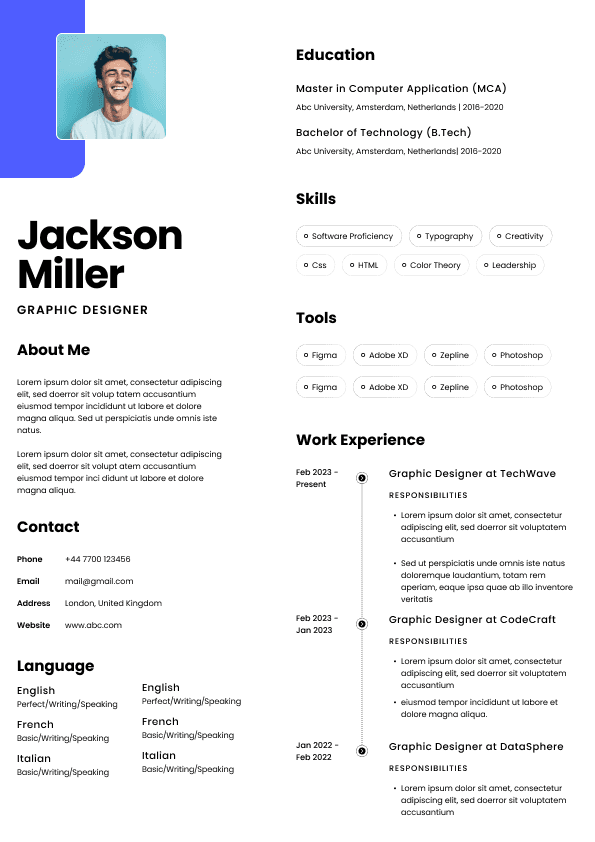
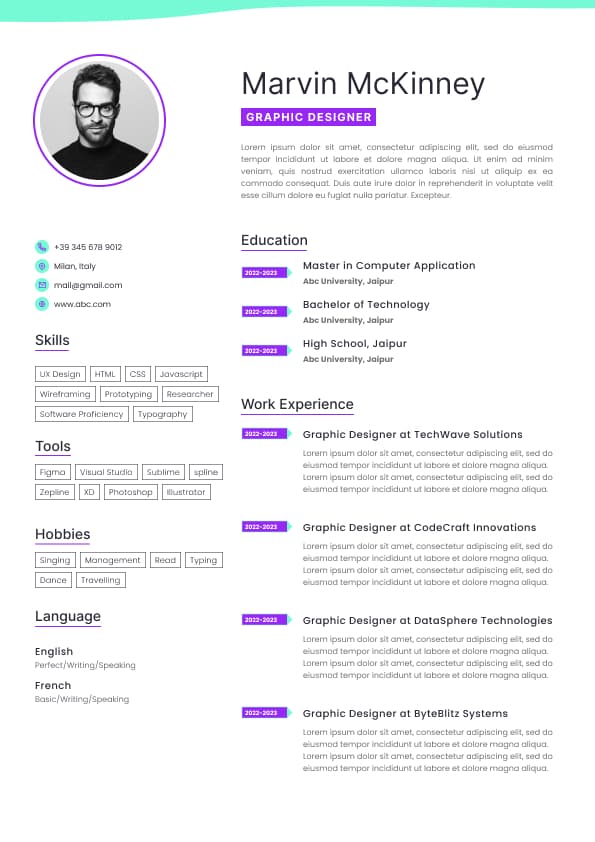
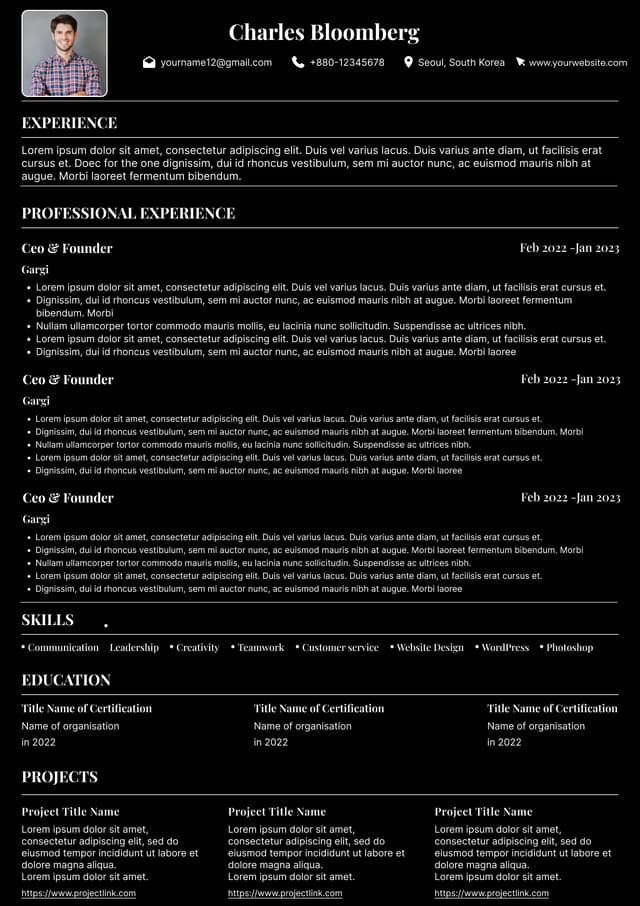
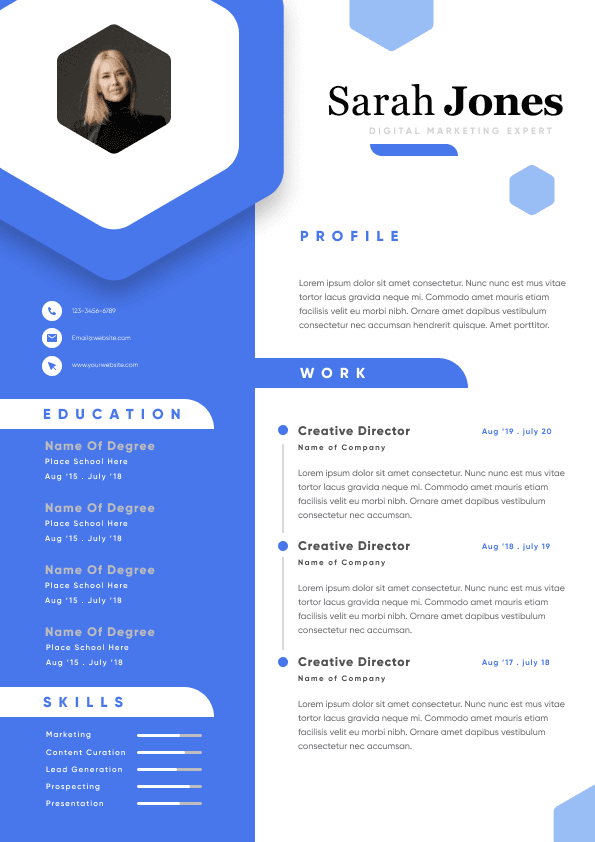
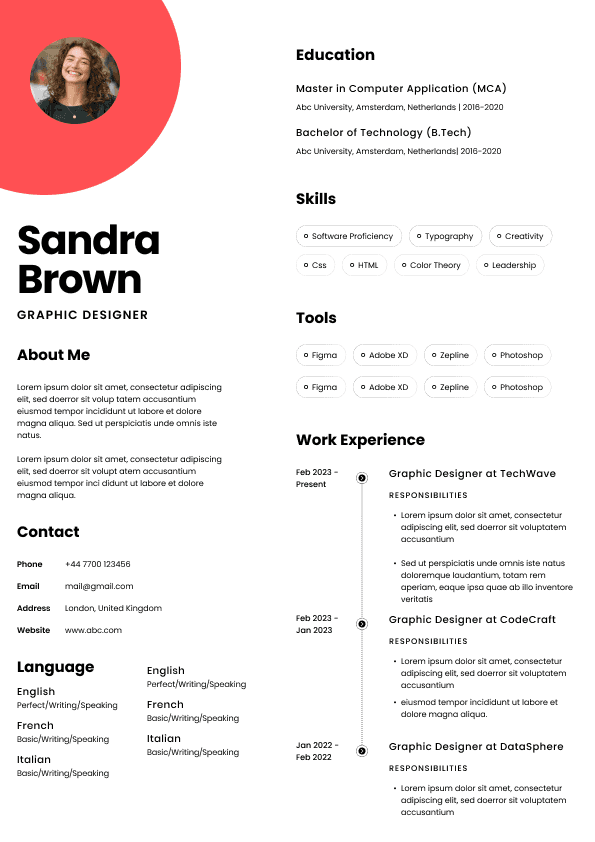
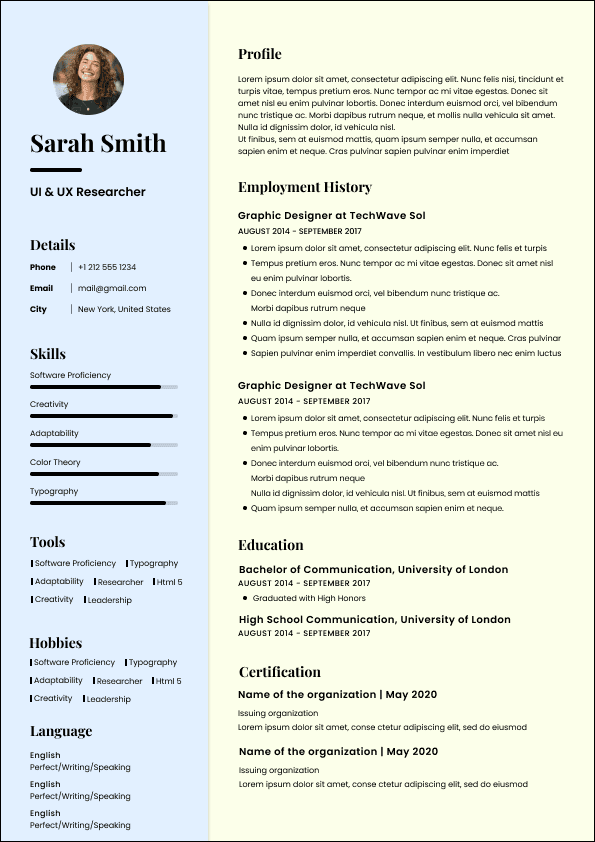
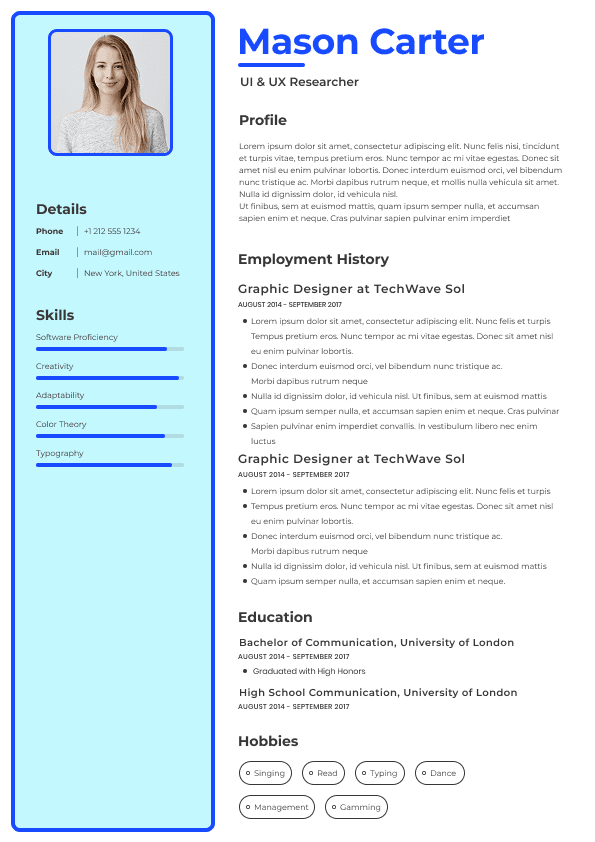
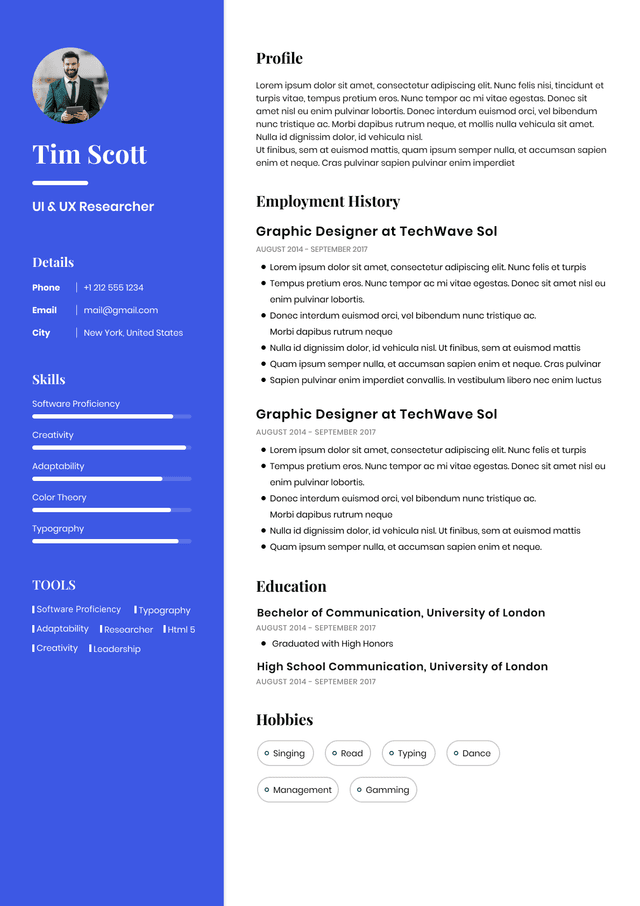
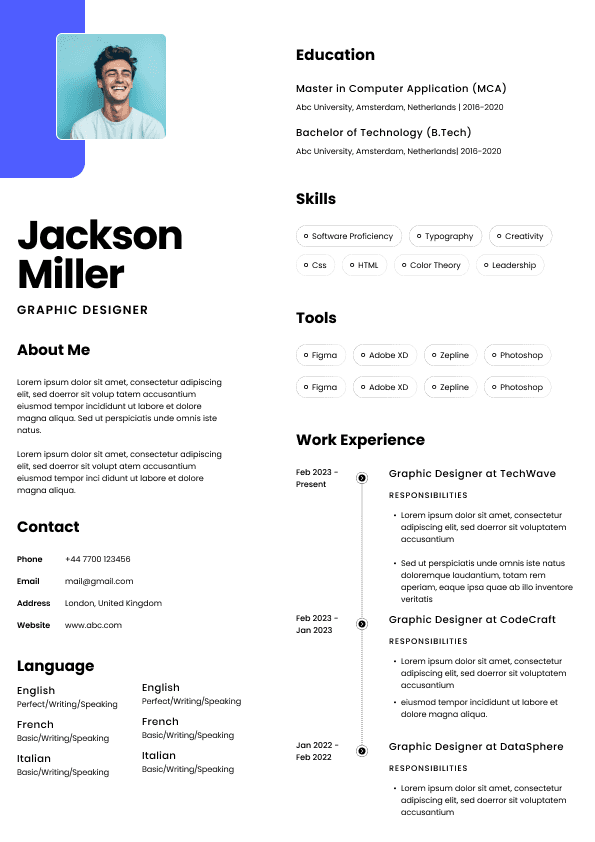
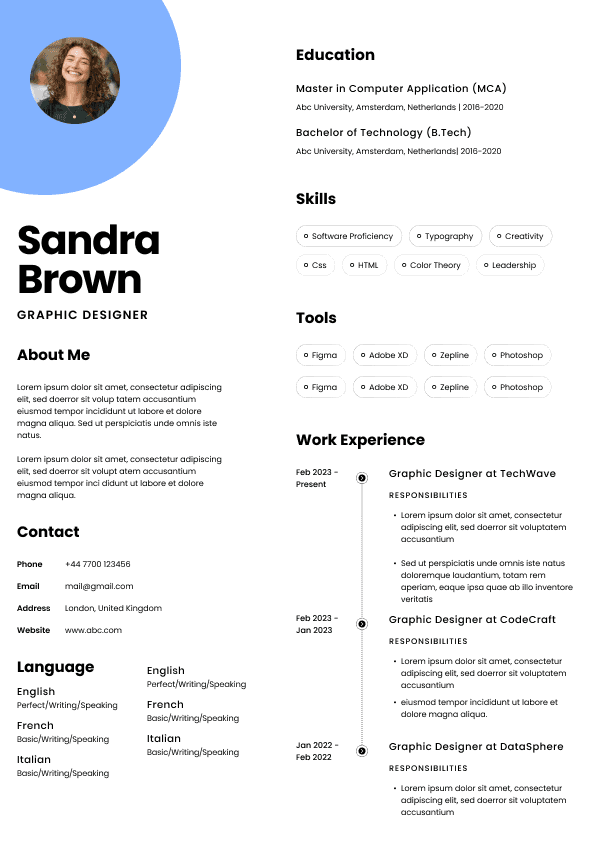
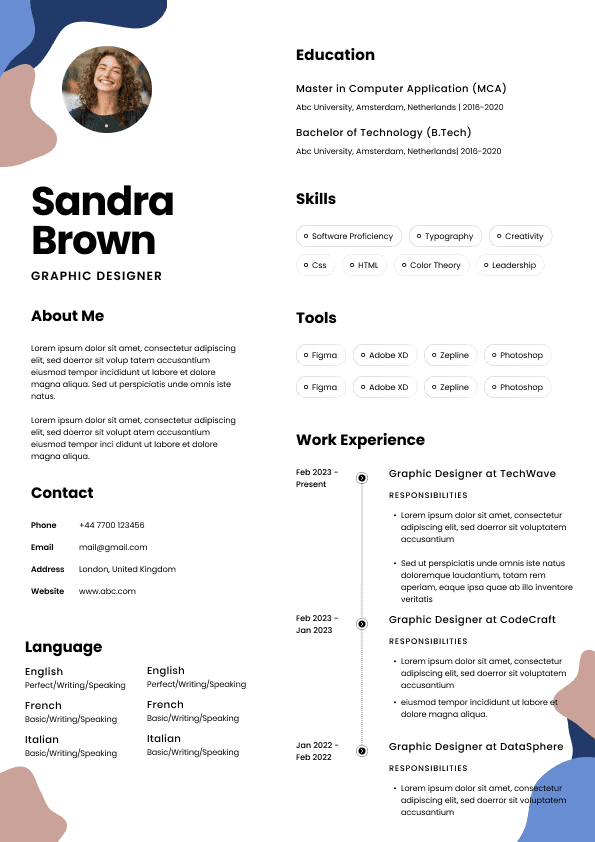
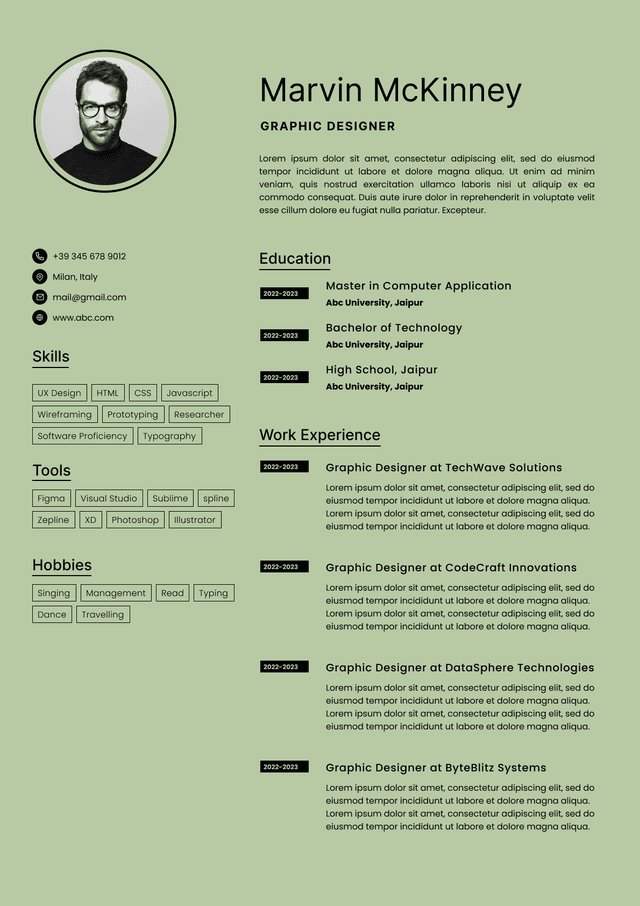
Choose from a wide range of NEWCV resume templates and customize your NEWCV design with a single click.
FAQ
Android security expertise has become one of the strongest differentiators in senior mobile hiring, especially for fintech, healthcare, insurance, banking, and enterprise Android roles. Most Android developers claim they understand “secure coding,” but very few demonstrate real implementation experience with encrypted storage, OAuth flows, OWASP MASVS controls, biometric authentication, secure API communication, or privacy compliance requirements.
That gap matters.
Recruiters and hiring managers actively search resumes for Android security signals because mobile apps now handle sensitive financial data, healthcare records, identity verification, payment credentials, and regulated user information. Companies want Android engineers who can reduce security risk, prevent compliance violations, and ship privacy-aware applications that pass enterprise scrutiny.
The developers getting interviews are not just listing “security” as a skill. They are proving measurable implementation experience with authentication, encryption, secure storage, privacy controls, and mobile threat mitigation using the exact terminology recruiters and ATS systems search for.
This guide explains how to position Android security expertise strategically on your resume, what hiring managers actually evaluate, which keywords improve visibility, and how to write strong Android security bullet points that align with modern enterprise hiring standards.
Android security moved from a “nice-to-have” specialization to a core hiring requirement in many industries.
Enterprise employers now assume senior Android developers understand:
Secure mobile architecture
Authentication and authorization flows
Privacy-first application design
Secure storage implementation
Compliance-aware development
OWASP Mobile Top 10 risks
API security fundamentals
Most Android resumes fail because they describe features instead of risk reduction.
Recruiters hiring for secure Android development roles are evaluating whether the candidate understands:
How mobile attacks happen
How sensitive data should be protected
How authentication systems are secured
How enterprise security requirements affect architecture
How regulated applications differ from consumer apps
How privacy requirements impact engineering decisions
Strong Android security resumes contain implementation evidence.
Weak resumes contain vague claims.
ATS systems and recruiter searches heavily rely on exact terminology. If your resume lacks the language employers search for, you may never appear in candidate searches.
The highest-value Android security keywords currently include:
Android Keystore
OWASP Mobile Top 10
OWASP MASVS
Secure Android Development
OAuth 2.0
OpenID Connect
JWT authentication
Not all security skills carry equal hiring weight.
The most valuable Android security experience usually falls into four categories.
This is one of the biggest screening areas for fintech and enterprise Android hiring.
High-value authentication experience includes:
OAuth 2.0 flows
OpenID Connect
SSO integration
MFA implementation
Biometric authentication
Token refresh management
The strongest Android security bullets follow a specific structure:
Action + Security Mechanism + Business or Risk Outcome
This matters because employers are not hiring security knowledge alone. They are hiring reduced risk.
“Implemented encryption for Android app.”
Too vague. No context. No impact.
“Implemented AES-encrypted local storage using Android Keystore and EncryptedSharedPreferences to protect sensitive payment tokens and support PCI DSS-aware mobile workflows.”
This works because it demonstrates:
Specific implementation
Android-native security tooling
Protected data type
Business context
Many Android developers prepare for coding questions but fail security evaluation rounds.
Enterprise interviewers increasingly assess:
Whether developers understand real attack scenarios
Whether they know why certain implementations are insecure
Whether they understand authentication tradeoffs
Whether they recognize mobile privacy risks
Whether they can explain secure architecture decisions
Strong candidates explain:
Why tokens should not be stored insecurely
This is where many Android developers struggle.
Consumer app hiring often prioritizes:
UI performance
Feature velocity
App polish
User engagement metrics
Enterprise and regulated hiring prioritize:
Security posture
Authentication reliability
Privacy controls
Many resumes say:
“Experienced with OWASP”
“Knowledge of encryption”
“Worked on secure apps”
Without implementation details, these claims carry little weight.
Always show how security was implemented.
Developers often overlook industry context entirely.
If you worked on:
Banking apps
Healthcare apps
If you want higher-paying Android roles in banking, healthcare, enterprise SaaS, or government environments, your positioning matters as much as your technical ability.
Your resume should communicate three things clearly:
Employers want developers who recognize what qualifies as:
PII
PHI
Financial credentials
Authentication tokens
Identity documents
Sensitive session data
Security metrics improve credibility.
Examples include:
Reduced high-risk vulnerabilities by 45%
Resolved 18 penetration test findings
Improved secure storage coverage across 95% of sensitive data flows
Reduced authentication-related support incidents by 30%
Eliminated sensitive logging exposure in production builds
Specificity matters.
Senior Android security engineers rarely work alone.
Strong resumes mention collaboration with:
Security content should appear naturally throughout the resume.
The strongest placements include:
This is where you establish positioning immediately.
Example:
“Senior Android Developer with experience building secure fintech and healthcare applications using OAuth 2.0, Android Keystore, biometric authentication, encrypted storage, and OWASP MASVS-aligned mobile security practices.”
Group security skills intentionally.
Example categories:
Mobile Security
Authentication & Identity
Secure Storage & Encryption
Compliance & Privacy
OWASP MASVS has become increasingly valuable in enterprise Android hiring because it provides a recognized framework for mobile application security verification.
Developers familiar with OWASP MASVS demonstrate awareness of:
Authentication requirements
Secure storage standards
Cryptography expectations
Privacy requirements
Network communication security
Resilience mechanisms
Even basic familiarity can differentiate candidates because many Android developers have never studied structured mobile security standards.
Hiring managers often interpret MASVS knowledge as evidence of maturity and security discipline.
Most developers misunderstand how recruiter sourcing actually works.
Recruiters usually search using combinations like:
“Android + OAuth”
“Android Keystore”
“OWASP Mobile”
“Biometric authentication Android”
“Secure Android development”
“FinTech Android engineer”
“HIPAA Android developer”
That means your resume should contain natural semantic alignment across:

Use ATS-optimised Resume and resume templates that pass applicant tracking systems. Our Resume builder helps recruiters read, scan, and shortlist your Resume faster.

Use professional field-tested resume templates that follow the exact Resume rules employers look for.
Create Resume
Use professional field-tested resume templates that follow the exact Resume rules employers look for.
Create ResumeSession management
Encryption practices
Mobile threat awareness
The reason is simple: mobile applications are now high-risk attack surfaces.
Banking apps process payments. Healthcare apps store PHI. Insurance platforms collect identity documents. Government apps handle sensitive citizen information. Enterprise apps expose internal systems through mobile access.
A single Android security failure can create:
Regulatory violations
Financial losses
Data exposure incidents
App store enforcement issues
Customer trust damage
Legal liability
Security audit failures
Hiring managers know this. That changes how Android resumes are screened.
“Worked on secure Android applications.”
This says nothing meaningful.
“Implemented OAuth 2.0 authentication, Android Keystore-backed token storage, certificate pinning, and biometric login for a PCI DSS-aware mobile banking application.”
The second version demonstrates:
Authentication knowledge
Encryption awareness
Secure storage implementation
Network security understanding
Compliance exposure
Enterprise application context
That immediately changes recruiter perception.
Certificate pinning
Biometric authentication
EncryptedSharedPreferences
Jetpack Security
Play Integrity API
Secure API communication
HTTPS enforcement
Token management
Secure session management
Secure coding
Mobile app encryption
Secure storage
Android app hardening
Privacy by design
Data minimization
PII protection
PHI protection
HIPAA awareness
PCI DSS awareness
GDPR awareness
Secure authentication
Root detection
Tamper detection
Secrets management
Input validation
These keywords matter because enterprise recruiters often search directly using phrases like:
“Android Keystore experience”
“OWASP Android developer”
“Secure Android authentication”
“Android biometric login”
“FinTech Android security engineer”
“HIPAA mobile developer”
If your resume lacks these entities entirely, you lose discoverability.
Session expiration logic
Secure JWT handling
Firebase Authentication
Auth0 integration
Okta implementation
Microsoft Entra ID integration
Recruiters view authentication experience as evidence that the developer understands enterprise-grade mobile architecture.
Many Android developers still misuse SharedPreferences or store sensitive data insecurely.
Strong resumes demonstrate:
Android Keystore usage
EncryptedSharedPreferences
Jetpack Security
SQLCipher
AES encryption implementation
Hardware-backed key storage
Secure token persistence
Credential protection strategies
This category strongly influences banking and healthcare hiring decisions.
Enterprise employers increasingly prioritize developers who understand mobile attack surfaces.
Important differentiators include:
Certificate pinning
Root detection awareness
Tamper detection awareness
Play Integrity API
Secure release management
Reverse engineering awareness
Obfuscation practices
Secure logging controls
Dependency vulnerability management
Developers who understand mobile abuse prevention often stand out during senior-level interviews.
This area separates consumer app developers from enterprise mobile engineers.
Strong candidates understand:
HIPAA implications
PCI DSS requirements
GDPR principles
Data minimization
Consent handling
Privacy-by-design architecture
Google Play Data Safety requirements
Secure retention policies
Sensitive data classification
Many developers underestimate how important compliance awareness has become in enterprise hiring.
Compliance alignment
Implemented secure Android authentication using OAuth 2.0, biometric login, JWT validation, and Android Keystore-backed token storage for a fintech mobile platform
Remediated OWASP Mobile Top 10 vulnerabilities across authentication, storage, logging, and API communication layers, reducing high-risk security findings during penetration testing
Integrated Play Integrity API and tamper detection controls to reduce unauthorized app usage and improve mobile fraud prevention
Enforced HTTPS-only API communication with certificate pinning and secure token rotation for enterprise Android applications handling sensitive customer data
Applied HIPAA-aware mobile privacy controls including secure session expiration, PHI masking, and restricted sensitive logging for telehealth Android applications
Improved secure storage coverage by migrating legacy SharedPreferences implementations to EncryptedSharedPreferences and Android Keystore-backed encryption
Partnered with security and compliance teams to resolve mobile audit findings related to PCI DSS, secure authentication, and local data protection requirements
Reduced authentication-related production incidents by implementing secure refresh token handling and session timeout enforcement across Android banking applications
Why certificate pinning matters
Why biometric authentication is not sufficient alone
How Android Keystore protects secrets
How OAuth differs from session-based auth
Why secure logging matters
How Play Integrity API reduces abuse
Why compliance requirements change implementation decisions
Weak candidates memorize terminology without understanding practical implications.
That becomes obvious quickly in interviews.
Audit readiness
Risk reduction
Secure architecture
Compliance alignment
That changes resume expectations.
For fintech and healthcare roles, hiring managers expect developers to think defensively.
They want engineers who naturally ask:
What sensitive data exists?
Where is it stored?
Who can access it?
What happens if the device is compromised?
What attack vectors exist?
What privacy obligations apply?
Your resume should reflect that mindset.
Insurance platforms
Identity verification systems
Government applications
Mention it.
Regulated industry experience significantly improves perceived seniority.
Weak resumes focus on functionality.
Strong resumes explain:
Risk reduction
Security improvements
Compliance support
Vulnerability remediation
Sensitive data protection
That is what enterprise hiring managers care about.
Many developers omit tooling entirely.
Security-aware Android resumes should mention relevant tools when applicable:
MobSF
Burp Suite
OWASP ZAP
SonarQube
Snyk
Dependabot
This signals exposure to modern security workflows.
This includes experience with:
Secure authentication
Secure storage
Encryption
API security
Mobile hardening
Privacy controls
Enterprise employers strongly prefer candidates who understand:
Security reviews
Audit expectations
Compliance collaboration
Risk remediation
Privacy requirements
That combination dramatically increases interview rates.
Security teams
Compliance teams
Backend engineers
Identity management teams
DevSecOps teams
QA and penetration testers
That signals enterprise readiness.
Senior-level hiring managers want more than feature implementation.
Strong resumes reference:
Security architecture
Threat modeling awareness
Privacy-first design
Secure release controls
Defense-in-depth strategies
This elevates your positioning beyond mid-level Android development.
Security Tooling
This is where implementation depth matters most.
Use measurable, implementation-focused bullets.
Security-focused side projects can strengthen positioning significantly, especially for mid-level developers transitioning into enterprise environments.
Security terminology
Authentication concepts
Compliance language
Android-native security tooling
Industry-specific context
Keyword stuffing fails.
Semantic credibility wins.





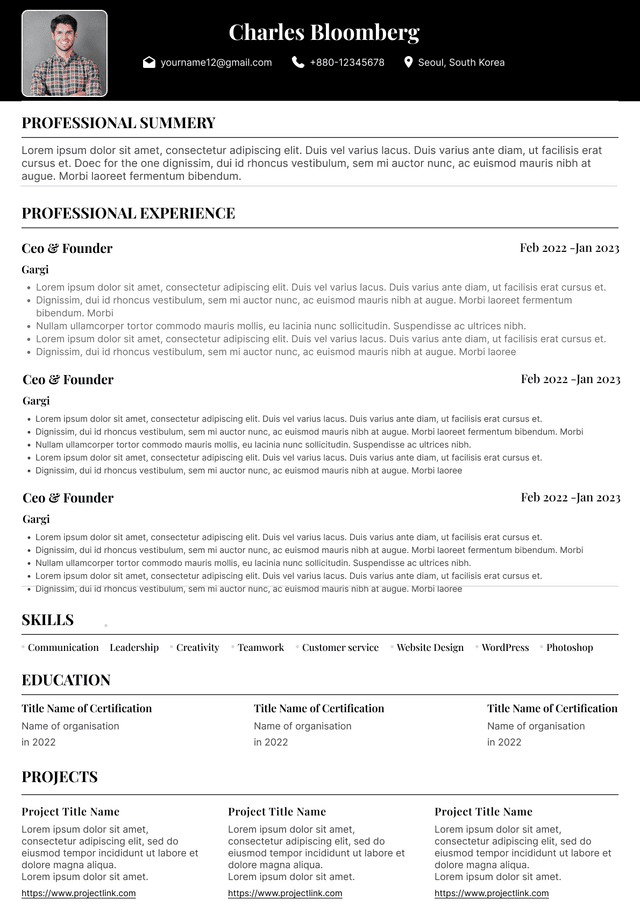
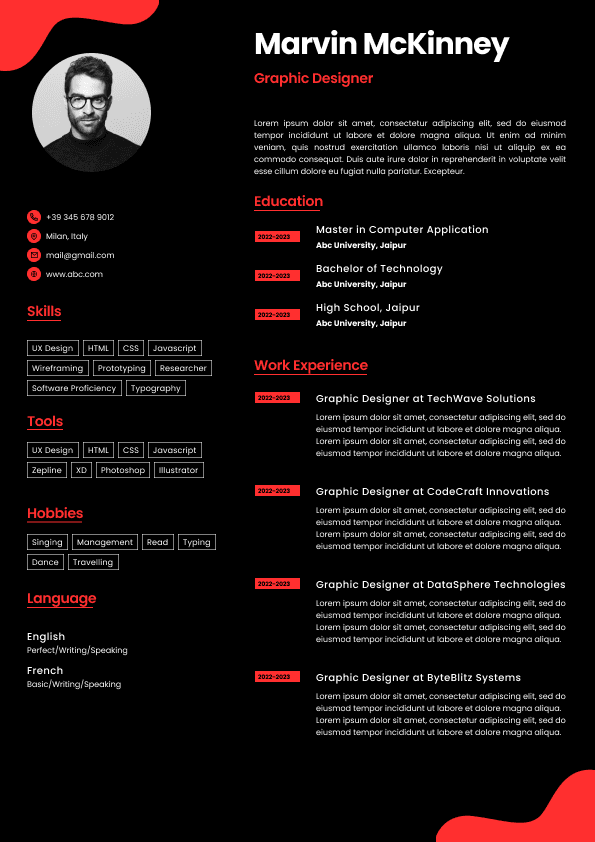
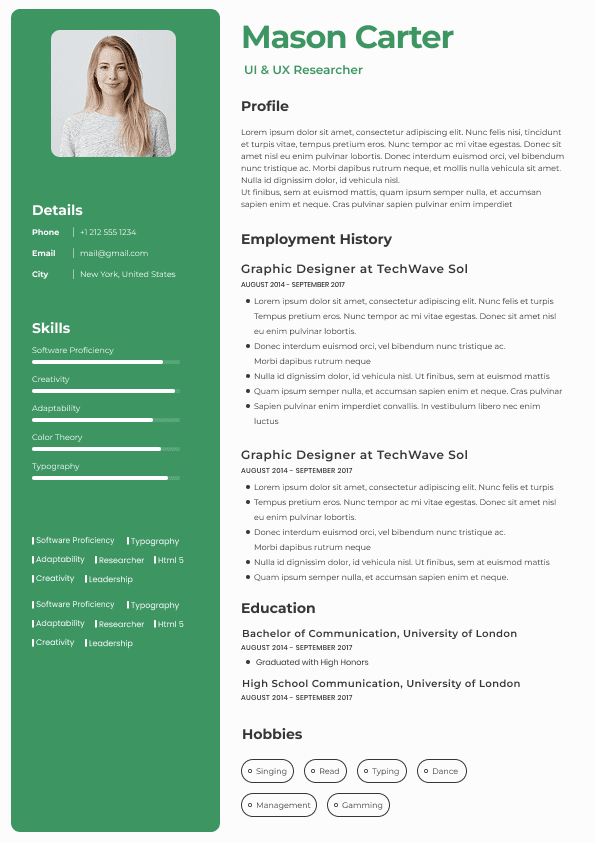
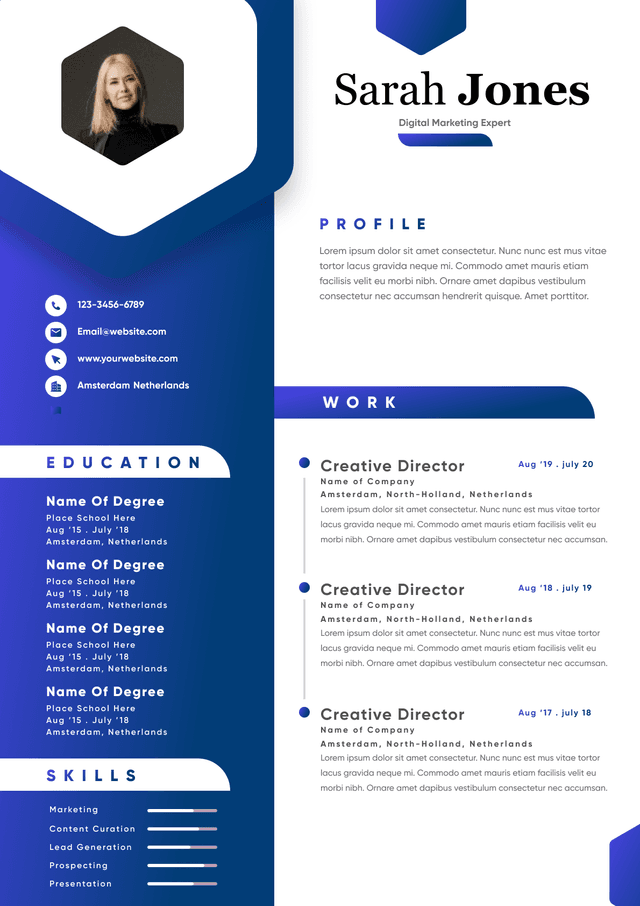


 Upload Resume
 Import from Linkedin