STILL APPLYING. STILL HEARING NOTHING?BUILD YOUR RESUME

STILL APPLYING. STILL HEARING NOTHING?BUILD YOUR RESUME
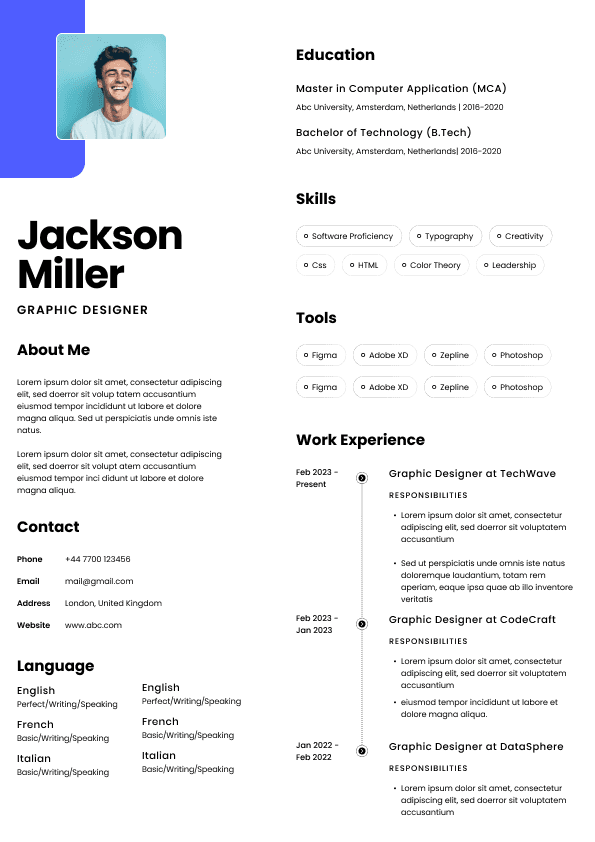
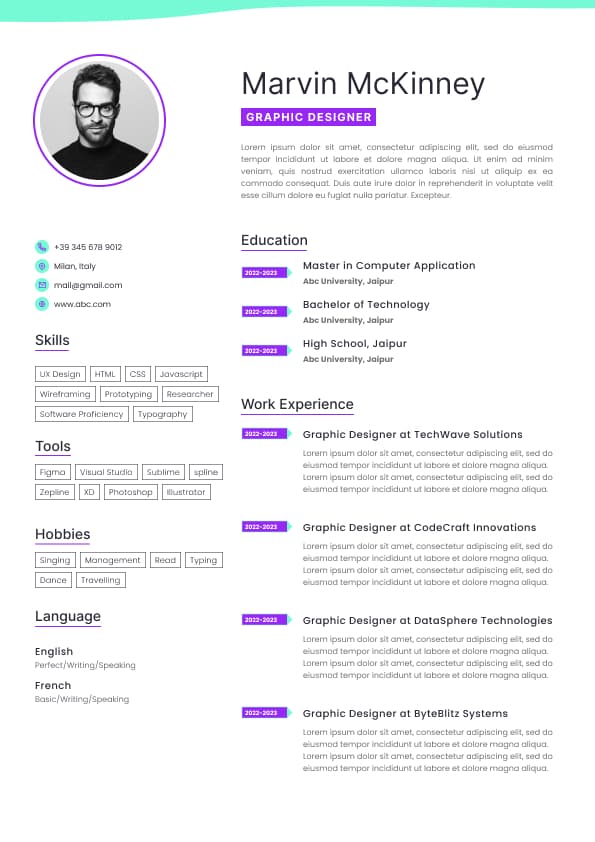
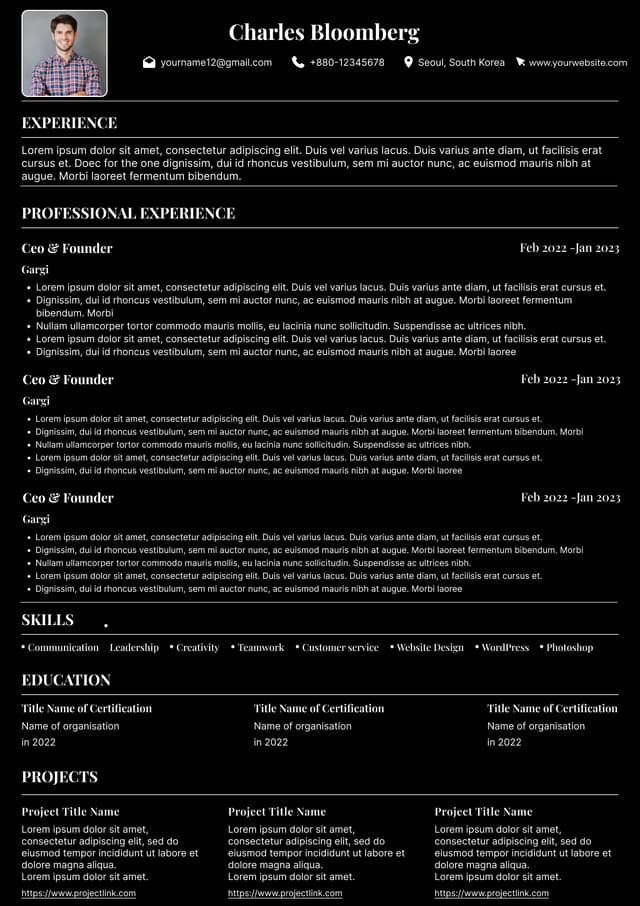
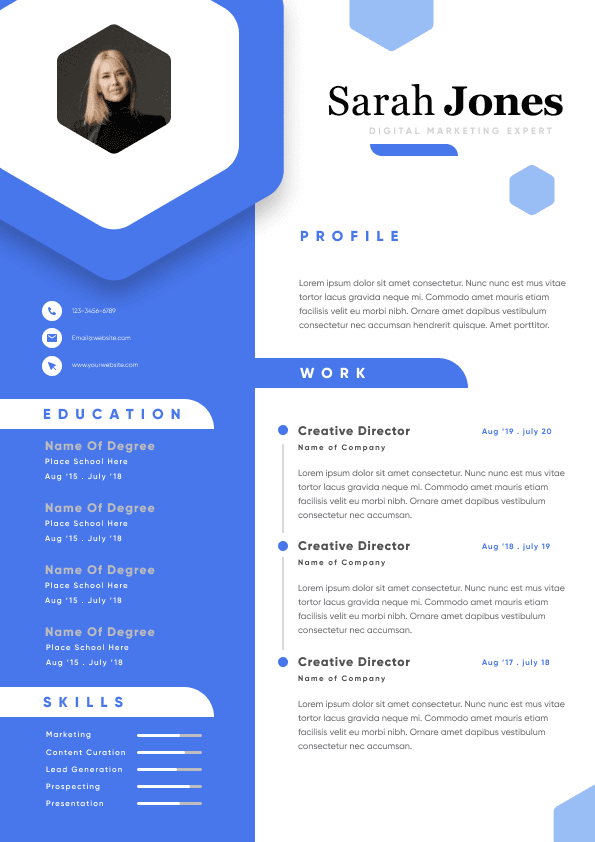
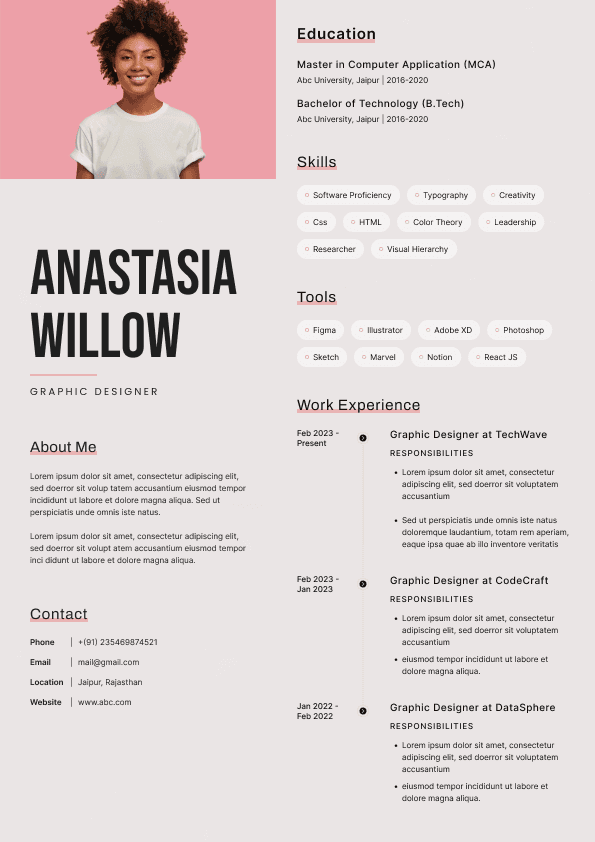
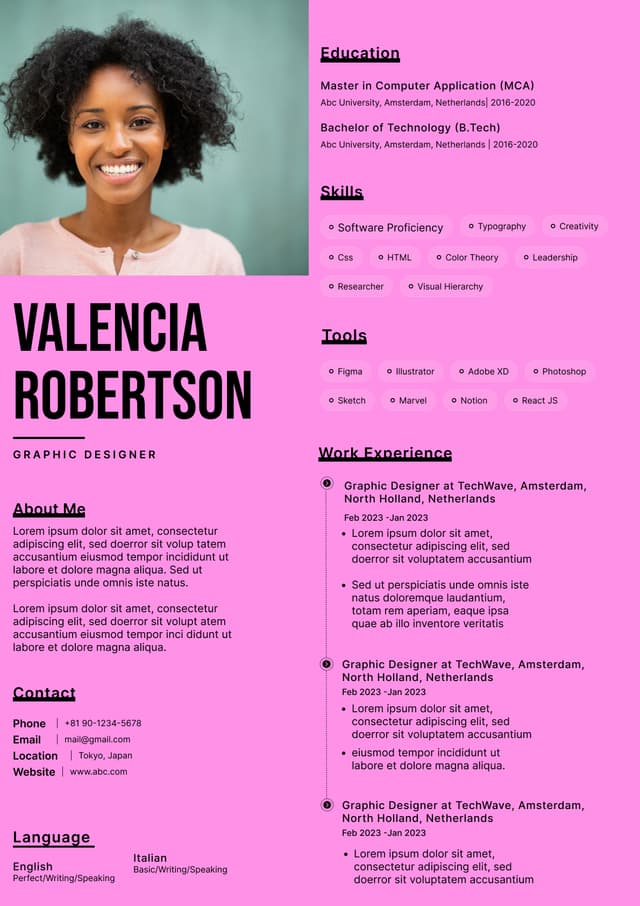
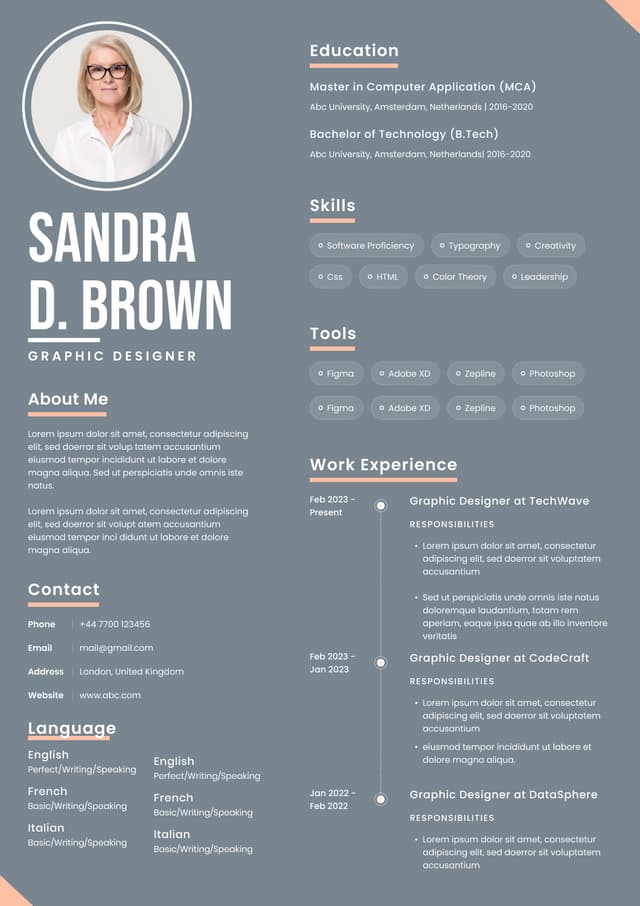
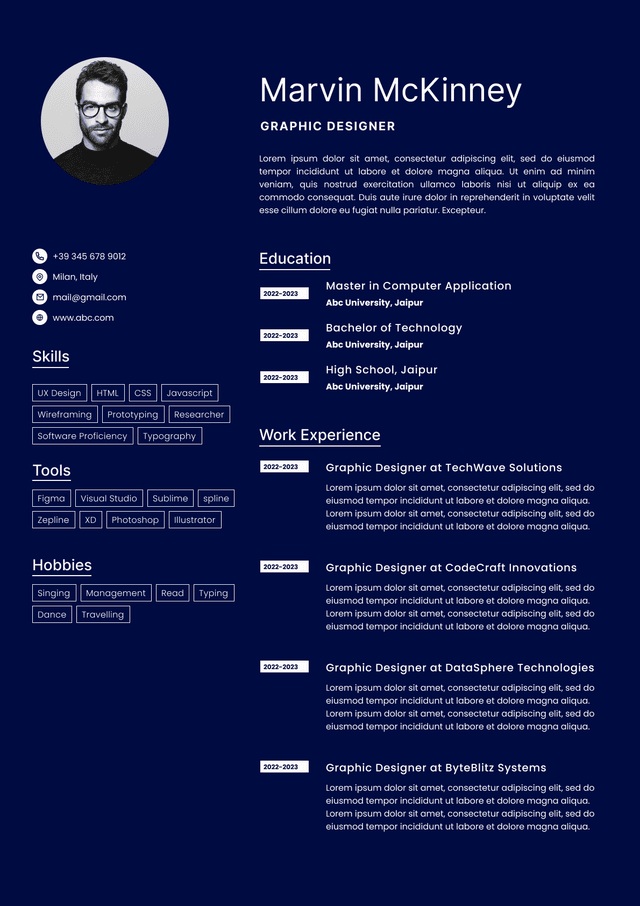
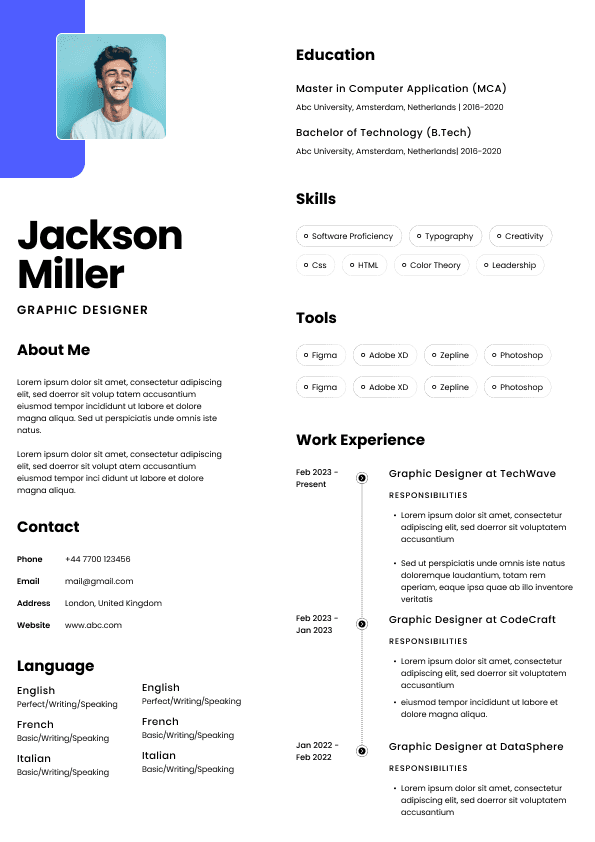
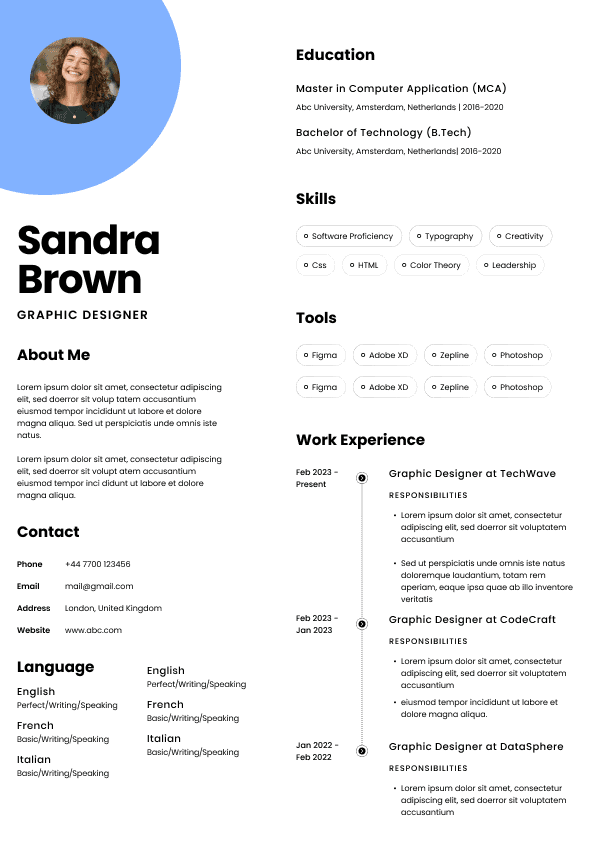
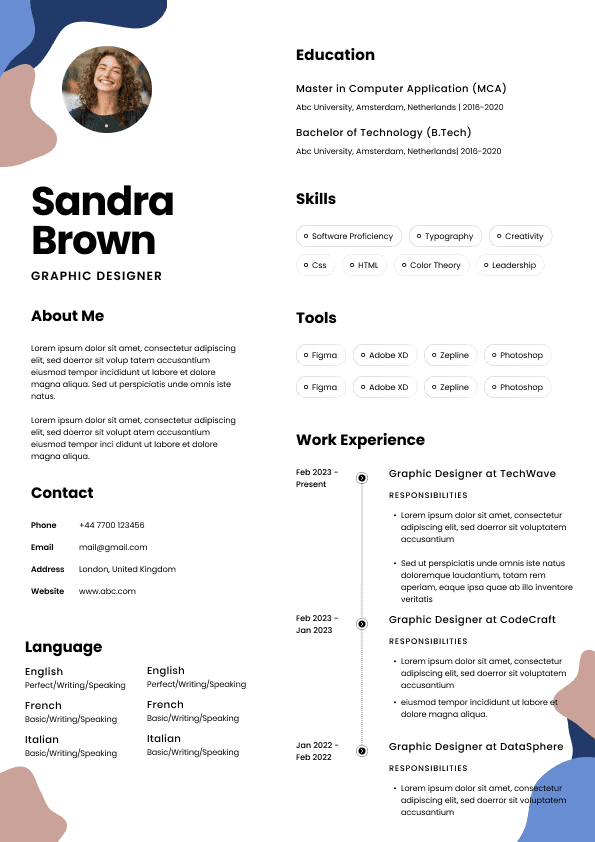
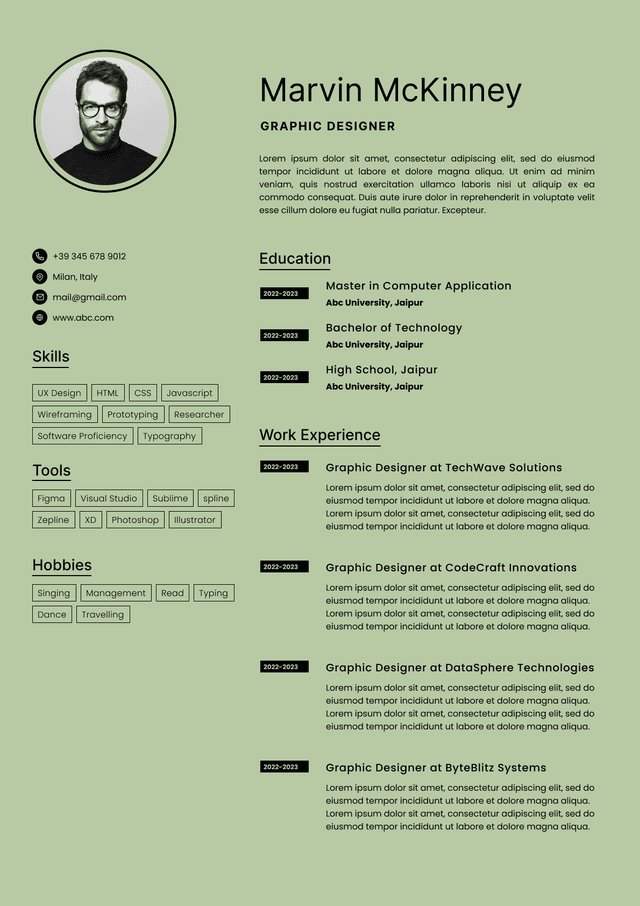
Choose from a wide range of NEWCV resume templates and customize your NEWCV design with a single click.
FAQ
If your LinkedIn profile is not generating recruiter messages for ASP.NET or .NET roles, the problem is usually not your experience. It is your positioning.
Most ASP.NET developers make the same mistakes:
Generic headlines like “Software Developer”
Weak keyword coverage for recruiter searches
No visible specialization
Empty or vague About sections
No proof of Azure, APIs, enterprise systems, or production impact
Most developers underestimate how keyword-driven LinkedIn recruiting is.
Recruiters rarely search for “developer” broadly. They search using combinations of:
ASP.NET Core
C#
Azure
Web API
SQL Server
Microservices
Angular
Blazor
Not every section carries equal weight.
Recruiters typically evaluate profiles in this order:
Your headline is the single most important SEO field on LinkedIn.
It affects:
Search visibility
Click-through rate
First impressions
Positioning clarity
This determines whether recruiters believe:
You understand enterprise development
Your headline should instantly answer:
What you specialize in
What stack you use
What type of developer you are
Weak headlines destroy recruiter engagement because they force recruiters to interpret your profile.
A strong headline often combines:
Role identity
Core stack
Specialization
Your About section should position you as a business-ready technical professional, not just someone who writes code.
The best About sections communicate:
Technical specialization
Enterprise experience
Business outcomes
Team collaboration
Production ownership
Career direction
Recruiters want evidence that you can contribute in real-world engineering environments.
Example
I’m an ASP.NET Core Developer with 6+ years of experience building enterprise web applications, REST APIs, and cloud-based solutions using the Microsoft technology stack.
My background includes developing scalable backend systems with C#, ASP.NET Core, Entity Framework, SQL Server, and Azure services across SaaS, healthcare, and fintech environments.
I specialize in:
ASP.NET Core application development
RESTful API architecture
SQL Server optimization
Azure cloud deployments
Microservices implementation
CI/CD pipelines using Azure DevOps
In recent roles, I’ve improved API response times, optimized SQL performance for high-volume enterprise applications, and contributed to cloud modernization initiatives for production systems serving thousands of users.
Keyword optimization is critical for LinkedIn discoverability.
You should naturally integrate relevant keywords into:
Headline
About section
Skills
Job descriptions
Certifications
Project descriptions
ASP.NET Developer
ASP.NET Core Developer
ASP.NET MVC Developer
.NET Developer
C# Developer
Backend .NET Developer
Full Stack .NET Developer
This is where most ASP.NET developers underperform badly.
Recruiters do not want generic job descriptions like:
“Worked on web applications”
“Developed backend systems”
“Participated in agile development”
Those descriptions provide zero differentiation.
Instead, recruiters want:
Scale
Complexity
Business impact
Technical ownership
Technologies used
System scale
Performance improvements
API work
Cloud infrastructure
Migration projects
Production support
Security or compliance exposure
The Featured section is massively underused.
This section can immediately separate you from other candidates with similar experience.
Recruiters often trust visible proof more than self-written claims.
GitHub repositories
API projects
Azure deployment screenshots
Technical architecture diagrams
SaaS platforms
Case studies
Performance optimization examples
Blog posts
The Skills section matters more than many developers realize.
LinkedIn’s search system heavily uses skills for ranking and filtering.
Place your most valuable recruiter-search skills near the top.
ASP.NET Core
C#
SQL Server
Azure
REST APIs
Entity Framework
ASP.NET MVC
Azure DevOps
One of the biggest mistakes developers make is trying to appear good at everything.
Recruiters prefer:
Clear specialization
Strong alignment
Technical focus
If your profile mixes:
ASP.NET
WordPress
PHP
Flutter
Enterprise hiring managers evaluate ASP.NET developers differently than startup recruiters.
Enterprise environments prioritize:
Stability
Scalability
Production reliability
Long-term maintainability
Security
Documentation
Cross-team collaboration
Your LinkedIn profile should reflect those realities.
Production support experience
High-volume applications
Secure API integrations
Cloud migration work
CI/CD pipelines
SQL optimization
Architecture collaboration
Agile enterprise teams
Azure skills dramatically improve inbound recruiter activity for ASP.NET developers.
Modern Microsoft-stack hiring increasingly expects:
Cloud deployment experience
Infrastructure familiarity
CI/CD knowledge
Azure services exposure
Even mid-level Azure experience improves marketability substantially.
Azure Functions
Azure App Services
Azure DevOps
Azure SQL
Azure Storage
Azure Kubernetes Service
Azure Active Directory
ARM Templates
These mistakes consistently reduce recruiter engagement.
Profiles with vague headlines perform significantly worse in recruiter searches.
An empty About section signals weak professional branding.
Developers without visible project proof lose credibility quickly.
Simply listing technologies is not enough.
Recruiters want measurable outcomes.
This weakens specialization and positioning.
Many developers fail to explain:
Production environments
Scale
System complexity
Team collaboration
That makes experience appear junior.
Low-quality visuals reduce professionalism instantly.
Missing terms like:
ASP.NET Core
Azure
REST APIs
SQL Server
can dramatically reduce discoverability.
A strong banner subtly reinforces technical branding.
ASP.NET Core architecture visuals
Azure cloud graphics
API diagrams
Clean Microsoft-stack branding
GitHub or portfolio URL
Modern development visuals
Enterprise SaaS imagery
Avoid:
Meme graphics
You do not need to become a full-time content creator.
But occasional technical visibility helps recruiter trust.
ASP.NET Core performance improvements
Azure deployment lessons
API architecture decisions
SQL optimization wins
CI/CD implementation insights
Blazor development experiences
Production troubleshooting stories
Even one quality post monthly can strengthen positioning.
Most developers configure this poorly.
You should align your Open to Work settings with actual recruiter searches.
ASP.NET Developer
ASP.NET Core Developer
.NET Developer
Backend .NET Developer
Full Stack .NET Developer
Azure Developer
C# Developer
Do not select too many unrelated job titles.
Focused targeting improves recruiter matching quality.
When recruiters compare similar developers, the deciding factors are usually:
Clear specialization
Strong keyword alignment
Enterprise credibility
Azure exposure
Business impact
Project proof
Communication quality
Production-scale experience
The strongest LinkedIn profiles feel immediately aligned with the recruiter’s open role.
Before considering your profile complete, verify that you have:
A keyword-rich ASP.NET headline
A specialized About section
ASP.NET Core and Azure keywords
Measurable achievements
Enterprise system context
API and SQL experience
Featured GitHub projects
Relevant certifications

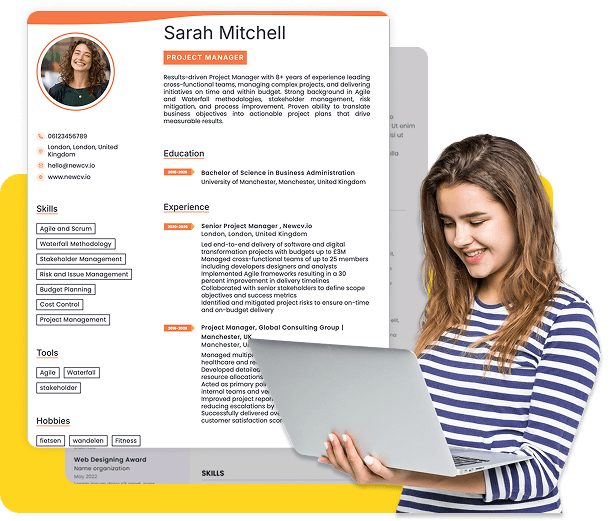
Use ATS-optimised Resume and resume templates that pass applicant tracking systems. Our Resume builder helps recruiters read, scan, and shortlist your Resume faster.

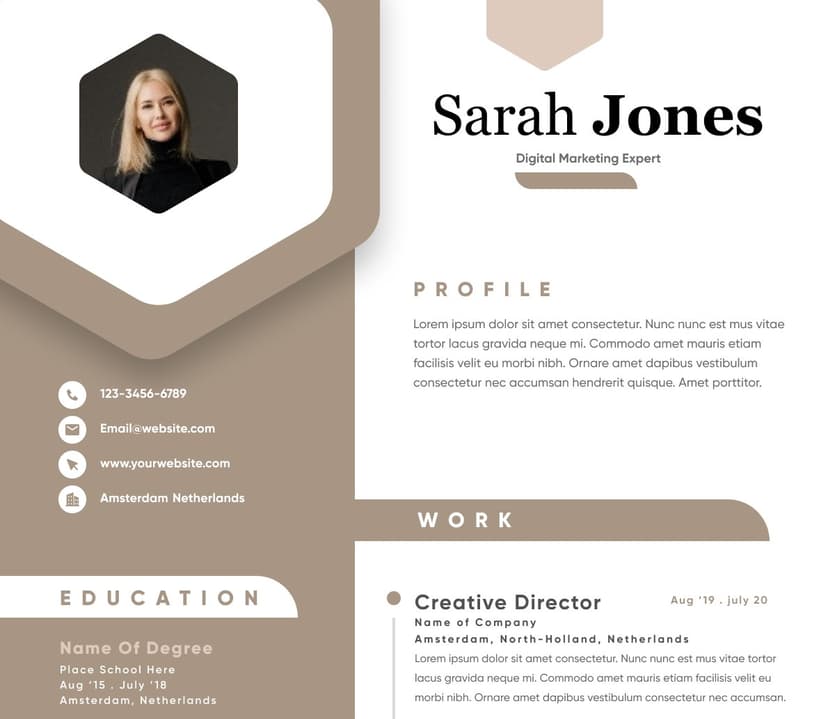
Use professional field-tested resume templates that follow the exact Resume rules employers look for.
Create Resume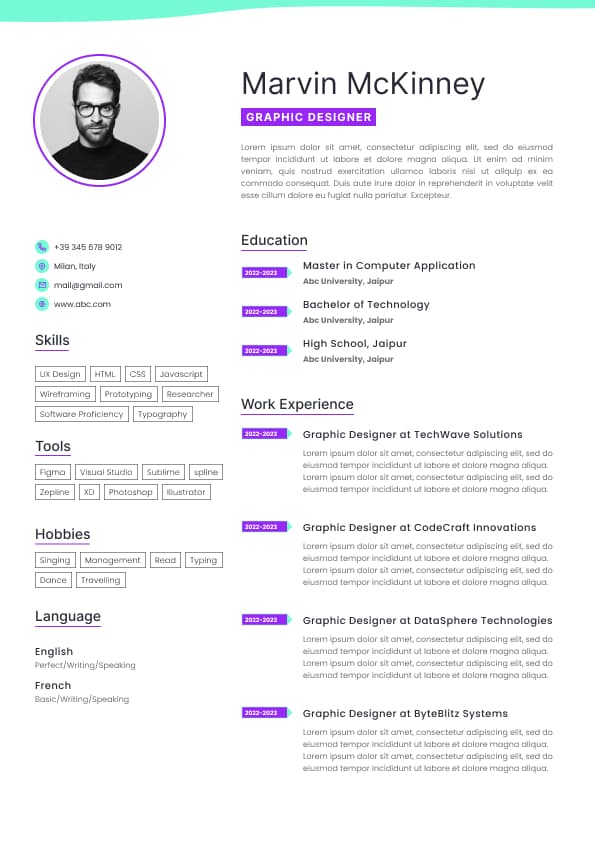
Use professional field-tested resume templates that follow the exact Resume rules employers look for.
Create ResumeNo project visibility
Recruiters searching for ASP.NET developers on LinkedIn use highly specific filters and keyword combinations. If your profile does not clearly align with those searches, you become invisible even if you are technically strong.
A high-performing ASP.NET Developer LinkedIn profile should immediately communicate:
Your Microsoft-stack specialization
Your seniority level
Your backend or full-stack focus
Your cloud and API experience
Your enterprise production impact
The type of roles you want
This guide breaks down exactly how recruiters evaluate ASP.NET LinkedIn profiles and how to optimize yours for higher visibility, stronger positioning, and more inbound opportunities.
Entity Framework
REST APIs
CI/CD
Azure DevOps
Backend .NET Developer
Full Stack .NET Developer
A recruiter hiring for a healthcare SaaS platform may search:
“ASP.NET Core AND Azure AND SQL Server”
“C# Web API microservices”
“Full Stack .NET Angular”
“Azure Functions .NET Developer”
If those terms are missing from your:
Headline
About section
Skills
Experience descriptions
your profile may never appear in search results.
This is one of the biggest visibility failures among technically capable ASP.NET developers.
You have production-level experience
You fit the role specialization
You can communicate professionally
Recruiters scan for:
Business impact
Enterprise-scale systems
APIs
Cloud infrastructure
Performance optimization
Architecture exposure
This influences LinkedIn search matching heavily.
Strong ASP.NET developers often separate themselves here by showcasing:
GitHub repositories
API architecture diagrams
Azure deployments
Technical posts
SaaS applications
Portfolio projects
Cloud or architecture experience
Example
ASP.NET Core Developer | C# | Azure | REST APIs | SQL Server
Example
Full Stack .NET Developer | ASP.NET Core | Angular | Azure DevOps
Example
Backend .NET Developer | C# | Microservices | Web API | SQL Optimization
Example
Azure .NET Developer | ASP.NET Core | Azure Functions | CI/CD
Example
Enterprise .NET Developer | ASP.NET MVC | SQL Server | API Integration
Example
Blazor Developer | ASP.NET Core | C# | Azure | SaaS Platforms
Weak Example
Software Engineer
Why it fails:
No specialization
No searchable keywords
No Microsoft-stack positioning
Weak Example
Developer | Programmer | Tech Enthusiast
Why it fails:
Generic
No recruiter targeting
No enterprise relevance
No searchable value
I enjoy working on backend architecture, performance optimization, cloud-native applications, and scalable enterprise platforms.
Technical Stack:
ASP.NET Core, C#, SQL Server, Azure, Entity Framework, Web API, Docker, Azure DevOps, Angular, Blazor, Git
Certifications:
Microsoft Certified: Azure Developer Associate
Portfolio and GitHub:
[Insert Links]
This structure succeeds because it:
Uses high-value recruiter keywords naturally
Establishes specialization quickly
Demonstrates production-level experience
Includes business outcomes
Signals enterprise readiness
Supports LinkedIn SEO
Azure Developer
Azure Functions
Azure DevOps
CI/CD
Cloud Migration
Docker
Kubernetes
REST API
Web API
Microservices
Entity Framework
API Integration
Backend Architecture
SQL Server
SQL Optimization
Database Performance
Stored Procedures
Angular
Blazor
React
JavaScript
TypeScript
Production experience
Cross-functional collaboration
Example
Developed and maintained enterprise ASP.NET Core applications supporting over 250,000 monthly users across healthcare SaaS platforms.
Designed RESTful APIs integrated with third-party insurance systems and internal reporting tools.
Optimized SQL Server queries and indexing strategies, reducing average API response time by 38%.
Implemented CI/CD pipelines using Azure DevOps, improving deployment reliability and reducing release rollback incidents.
Collaborated with DevOps and product teams on Azure cloud migration initiatives.
Weak Example
Worked on ASP.NET applications and fixed bugs.
Why it fails:
No scale
No business impact
No technical depth
No measurable value
No recruiter differentiation
Technical presentations
Portfolio website
If you lack enterprise visibility, create portfolio projects showing:
ASP.NET Core APIs
Azure Functions
Authentication systems
SaaS dashboards
Blazor applications
Microservices architecture
SQL optimization examples
These projects demonstrate practical capability beyond resume claims.
Microservices
Blazor
Angular
Docker
Avoid cluttering your profile with unrelated technologies that dilute your positioning.
Graphic design
SEO
Blockchain
Cybersecurity
your positioning becomes unclear.
Clear specialization increases recruiter confidence.
Regulatory environments
Legacy modernization
Recruiters often search for industry-specific experience in:
Healthcare
Fintech
Insurance
Government
Enterprise SaaS
Consulting
Logistics
Manufacturing
Mentioning these industries can improve recruiter relevance significantly.
CI/CD Pipelines
If you have Azure certifications, display them prominently.
Generic stock photos
Cluttered text-heavy banners
Low-resolution images
The weakest profiles force recruiters to interpret unclear positioning.
That extra cognitive effort often causes recruiters to move on.
Technical skills prioritized correctly
Strong recruiter targeting
Professional profile photo
Technical LinkedIn banner
Open to Work configured properly
A highly optimized ASP.NET Developer LinkedIn profile does not just look better. It performs better in recruiter search systems, generates more inbound opportunities, and positions you for stronger Microsoft-stack roles.



 Upload Resume
 Import from Linkedin