STILL APPLYING. STILL HEARING NOTHING?BUILD YOUR RESUME

STILL APPLYING. STILL HEARING NOTHING?BUILD YOUR RESUME
Choose from a wide range of NEWCV resume templates and customize your NEWCV design with a single click.
FAQ
An effective ASP.NET developer resume does more than list C#, ASP.NET Core, SQL Server, and Azure skills. It proves business impact, technical depth, and production-level experience in a way recruiters and hiring managers can evaluate within seconds. The strongest resumes clearly show what you built, the architecture you worked with, the scale of the applications, and measurable outcomes like performance improvements, deployment speed, uptime, or user growth.
Most ASP.NET developer resumes fail because they read like generic technology inventories instead of engineering achievement documents. Hiring managers are looking for developers who can build maintainable systems, solve backend problems, collaborate across teams, and contribute to production environments. Whether you are applying for ASP.NET Core backend roles, enterprise MVC positions, Azure-focused cloud jobs, or full stack .NET opportunities, your resume must position you as someone who can deliver production-ready solutions, not just write code.
Recruiters screening .NET resumes typically spend less than 15 seconds deciding whether a candidate moves forward. The initial scan focuses on five things:
Technical stack alignment
Project complexity
Business impact
Modern .NET ecosystem exposure
Production environment experience
For ASP.NET roles specifically, recruiters look for evidence of:
ASP.NET Core or ASP.NET MVC experience
C# backend development
For nearly all ASP.NET developer roles in the US market, the best format is reverse chronological.
This format works best because recruiters want to quickly evaluate:
Recent technical experience
Career progression
Production-level engineering work
Current framework exposure
Your resume should typically include:
Professional summary
Technical skills
Professional experience
Results-driven ASP.NET developer with 6+ years of experience building scalable web applications, REST APIs, and enterprise backend systems using C#, ASP.NET Core, SQL Server, Azure, and Entity Framework Core. Experienced in modern software architecture, cloud deployments, API optimization, and Agile development environments. Strong track record improving application performance, reducing production issues, and delivering secure, maintainable business applications.
C#
ASP.NET Core
ASP.NET MVC
.NET 8
REST APIs
Entity Framework Core
Many technically capable developers still struggle to get interviews because their resumes communicate poorly.
Common rejection patterns include:
Recruiters do not hire based on keyword dumping alone.
Weak Example
“Worked with ASP.NET, SQL Server, Azure, and APIs.”
This tells recruiters almost nothing.
Good Example
“Built REST APIs using ASP.NET Core, SQL Server, and Azure App Service supporting 80,000+ monthly insurance platform users.”
The second version demonstrates:
Scale
Business context
Technical implementation
Production experience
ASP.NET Core roles are heavily focused on scalable backend architecture, APIs, cloud deployments, and performance optimization.
BluePeak Systems – Chicago, IL
2020 – Present
Developed backend services using C#, ASP.NET Core, Web API, SQL Server, Redis, Azure Functions, and Azure Service Bus
Designed API endpoints, authentication flows, database schemas, stored procedures, and asynchronous background jobs
Reduced application errors by 31% through improved exception handling and structured logging
Integrated third-party APIs, payment systems, and event-driven workflows
Supported CI/CD deployments using Azure DevOps, Docker, ARM templates, and Azure App Service
Many enterprise organizations still rely heavily on ASP.NET MVC applications, especially in healthcare, insurance, finance, and government environments.
EnterpriseLogic Group – Atlanta, GA
2019 – Present
Built enterprise web applications using ASP.NET MVC, Razor Views, C#, JavaScript, jQuery, Bootstrap, SQL Server, and Entity Framework
Modernized legacy MVC modules, improved page load speed, and reduced support tickets by 26%
Developed reusable controllers, services, validation logic, view models, and data access layers
Collaborated with business analysts to translate requirements into secure, maintainable application features
Wrote unit tests, documented application flows, and supported production releases through IIS and Azure DevOps
Full stack .NET roles require balancing backend engineering with frontend collaboration.
NexaCommerce – Denver, CO
2021 – Present
Developed full stack business applications using ASP.NET Core, Angular, TypeScript, SQL Server, Entity Framework Core, and Azure
Built secure authentication, role-based access control, admin dashboards, reporting modules, API integrations, and workflow automation features
Increased feature delivery speed by 24% through reusable UI components and backend architecture improvements
Created automated tests, CI/CD pipelines, API documentation, and onboarding guides
Partnered with operations, product, and customer support teams to resolve production issues and improve user experience
Entry-level candidates face a different challenge: proving readiness without extensive production experience.
Projects and Academic Experience
Built academic and personal projects using C#, ASP.NET Core MVC, SQL Server, Entity Framework Core, HTML, CSS, JavaScript, and Git
Created REST API endpoints, Razor pages, authentication workflows, and validation logic
Completed coding exercises focused on OOP, LINQ, SQL queries, debugging, and MVC architecture
Contributed to collaborative GitHub projects using pull requests, Agile task boards, and code reviews
Developed a portfolio application with user authentication, CRUD operations, and Azure deployment
Demonstrated strong learning ability, clean coding practices, and backend development fundamentals
Cloud-focused .NET hiring continues growing rapidly, especially for SaaS and enterprise modernization initiatives.
CloudAxis Technologies – Seattle, WA
2020 – Present
Developed cloud-native ASP.NET Core applications deployed through Azure App Service and Azure Kubernetes Service
Built event-driven integrations using Azure Service Bus, Azure Functions, and Azure Storage Queues
Automated infrastructure deployments using Bicep templates and Azure DevOps pipelines
Improved deployment consistency and reduced release time by 42%
Configured Application Insights monitoring, centralized logging, and performance diagnostics
Blazor remains a growing niche within the .NET ecosystem, especially in internal enterprise applications.
InnovateWare Solutions – Tampa, FL
2022 – Present
Built interactive business applications using Blazor Server, Blazor WebAssembly, C#, ASP.NET Core, and SQL Server
Developed reusable UI components, form validation systems, and role-based dashboards
Integrated REST APIs and authentication services using JWT and ASP.NET Identity
Improved application responsiveness and reduced frontend maintenance complexity
Collaborated with UX designers and backend engineers to streamline internal workflow systems
Not all technical skills carry equal recruiting weight.
The highest-impact skills for modern .NET hiring include:
C#
ASP.NET Core
REST APIs
Entity Framework Core
SQL Server
LINQ
Dependency Injection
Long skill sections filled with unrelated technologies reduce credibility.
Recruiters prefer depth over random breadth.
Weak resumes say:
Strong resumes explain:
What was built
Why it mattered
Which technologies were used
What improved
Engineering hiring is increasingly outcome-driven.
Modern ATS systems primarily parse structure and keywords.
The biggest ATS mistakes include:
Complex graphics
Multi-column layouts
Unreadable formatting
Keyword stuffing
Missing role-specific terminology
To improve ATS compatibility:
Use standard section headings
Match terminology from job descriptions naturally
Senior-level hiring evaluates much more than coding ability.
Leadership-oriented .NET resumes should demonstrate:
Architecture ownership
Technical decision-making
Mentorship
Cross-team collaboration
System scalability
Production stability
Engineering process improvements

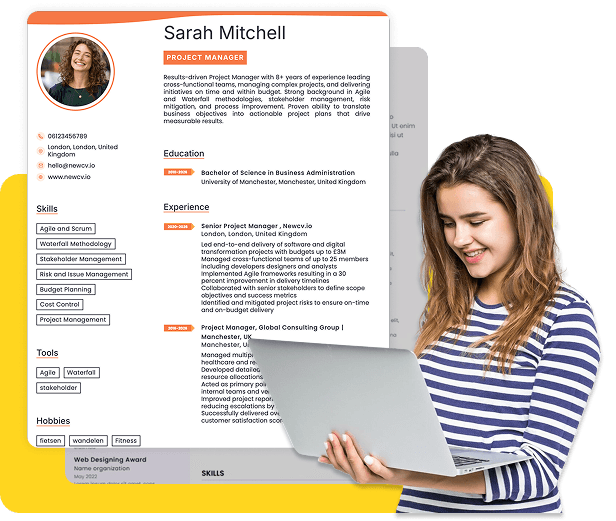
Use ATS-optimised Resume and resume templates that pass applicant tracking systems. Our Resume builder helps recruiters read, scan, and shortlist your Resume faster.

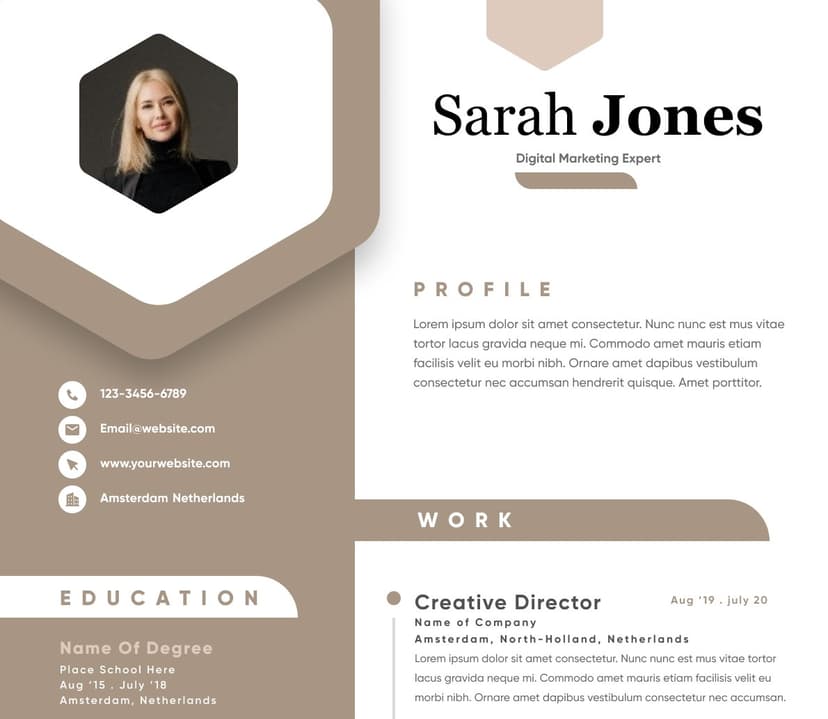
Use professional field-tested resume templates that follow the exact Resume rules employers look for.
Create Resume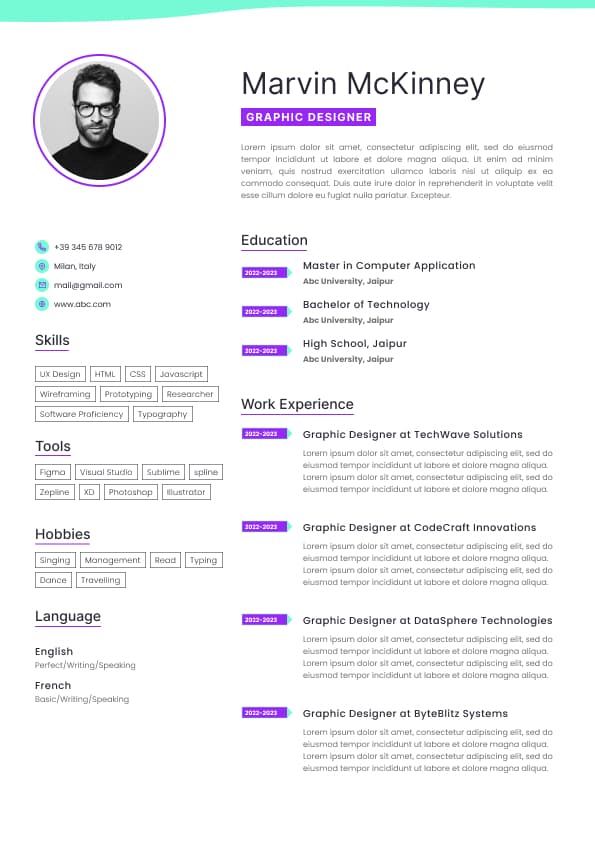
Use professional field-tested resume templates that follow the exact Resume rules employers look for.
Create ResumeREST API development
SQL Server or database expertise
Azure or cloud deployment knowledge
Entity Framework or EF Core
Authentication and authorization implementation
CI/CD and DevOps familiarity
Full stack collaboration with frontend frameworks
Agile development experience
Hiring managers go deeper. They want proof that you can:
Design scalable backend systems
Maintain clean architecture
Optimize application performance
Debug production issues
Work across APIs, databases, and infrastructure
Contribute to long-term application maintainability
A resume that simply lists technologies without showing implementation depth usually gets filtered out early.
Projects if relevant
Education
Certifications if applicable
Entry-level developers can place projects higher on the resume if they lack production experience.
SQL Server
Azure App Service
Azure Functions
Docker
GitHub Actions
Azure DevOps
JavaScript
Angular
Redis
xUnit
Swagger
IIS
TechNova Solutions – Dallas, TX
2021 – Present
Designed, developed, tested, and deployed ASP.NET Core applications supporting 150,000+ monthly users
Built RESTful APIs using C#, ASP.NET Core Web API, Entity Framework Core, SQL Server, Swagger, and Azure App Service
Improved API response time by 38% through SQL indexing, async programming, caching, and backend refactoring
Collaborated with product owners, QA engineers, DevOps teams, and business stakeholders in Agile sprints
Maintained 85%+ unit test coverage using xUnit, Moq, and integration testing practices
Reduced production deployment failures by implementing CI/CD pipelines using Azure DevOps and GitHub Actions
Implemented JWT authentication, role-based authorization, and API security best practices
Vertex Digital – Austin, TX
2018 – 2021
Developed enterprise web applications using ASP.NET MVC, Razor Views, C#, JavaScript, Bootstrap, and SQL Server
Modernized legacy MVC modules and reduced support tickets by 26%
Created reusable services, repositories, controllers, and validation logic
Built internal reporting systems and automated workflow features
Supported IIS deployments, production debugging, and application monitoring
Hiring managers want outcomes, not task lists.
Strong resumes quantify:
Performance gains
Uptime improvements
Deployment efficiency
User scale
Feature delivery speed
Error reduction
Operational impact
Modern .NET hiring increasingly prioritizes:
ASP.NET Core
Cloud-native development
APIs
Containerization
Azure integration
CI/CD pipelines
Modern authentication
Candidates presenting only older Web Forms experience without modernization exposure often struggle in competitive markets.
Built scalable microservice integrations for enterprise SaaS applications
For ASP.NET Core roles, hiring managers increasingly prioritize:
API architecture experience
Cloud deployment knowledge
Async programming
Dependency injection
Distributed systems understanding
Logging and observability
Containerization
Simply saying “ASP.NET Core developer” is not enough. Your resume must demonstrate production-level backend engineering capability.
Improved application maintainability by refactoring tightly coupled legacy components into layered architecture patterns
For MVC-focused resumes, employers evaluate:
Legacy modernization capability
Enterprise application maintenance
SQL optimization skills
Razor View experience
Architecture discipline
Stability-focused engineering practices
These environments often value reliability and maintainability over flashy modern tooling.
Integrated frontend Angular applications with scalable REST APIs and authentication middleware
Weak full stack resumes often present shallow frontend exposure.
Strong candidates demonstrate:
Real frontend framework usage
API integration depth
State management familiarity
Authentication implementation
Production debugging experience
Cross-functional collaboration
Hiring managers want developers who can operate effectively across the stack, not backend developers who touched JavaScript once.
Junior developers often make the mistake of trying to sound senior.
That backfires quickly.
Recruiters hiring junior developers primarily evaluate:
Technical foundation
Learning ability
Code quality mindset
Project initiative
Collaboration exposure
Problem-solving capability
Strong junior resumes emphasize:
Real projects
GitHub activity
APIs
Databases
Deployment exposure
Team collaboration
Not inflated claims about enterprise architecture.
Implemented secure authentication using Azure AD and managed identities
Cloud-focused .NET teams often prioritize:
Infrastructure awareness
DevOps collaboration
Deployment automation
Monitoring and observability
Cost optimization awareness
Scalability mindset
Candidates who only understand application code without deployment context may struggle in modern cloud engineering teams.
Blazor resumes perform better when candidates position themselves as:
Strong .NET engineers first
UI-capable developers second
Many hiring managers still prioritize backend engineering fundamentals over frontend specialization in Blazor environments.
Authentication and Authorization
Azure
Docker
Kubernetes
Azure DevOps
GitHub Actions
CI/CD pipelines
Infrastructure as Code
Microservices
Clean Architecture
Repository Pattern
CQRS
Caching
Logging
Async Programming
Performance Optimization
Angular
React
TypeScript
JavaScript
Razor Pages
Blazor
Companies want developers who improve:
Scalability
Reliability
User experience
Delivery speed
Operational efficiency
Older technologies are not automatically bad.
But resumes focused heavily on:
Web Forms
VB.NET
Silverlight
Without modernization experience may appear outdated.
If you have legacy experience, position it alongside modernization work.
Include relevant frameworks and tools
Keep formatting simple
Use consistent date formatting
Most ATS failures are actually recruiter rejection problems caused by weak positioning, not software parsing issues.
Led modernization initiatives
Improved deployment reliability
Reduced infrastructure costs
Designed distributed systems
Guided junior developers
Influenced architecture decisions
Improved engineering velocity
Senior resumes that read like mid-level coding resumes often underperform despite strong experience.


 Upload Resume
 Import from Linkedin