STILL APPLYING. STILL HEARING NOTHING?BUILD YOUR RESUME

STILL APPLYING. STILL HEARING NOTHING?BUILD YOUR RESUME
Choose from a wide range of NEWCV resume templates and customize your NEWCV design with a single click.
FAQ
Your ASP.NET Developer resume summary is one of the highest-impact sections on your resume because recruiters often decide within seconds whether to continue reading. A strong summary immediately communicates your technical stack, years of experience, specialization, business impact, and level of ownership. A weak summary wastes space with generic phrases like “hardworking developer” or “team player” without proving technical value.
For ASP.NET developers, hiring managers specifically look for alignment between your summary and the actual engineering environment they need help with. That means your summary should quickly establish relevant technologies such as ASP.NET Core, C#, MVC, REST APIs, SQL Server, Azure, Entity Framework Core, Angular, Docker, CI/CD, or cloud deployment experience.
The best ASP.NET resume summaries are concise, technically specific, outcome-focused, and tailored to the seniority level of the role. Entry-level candidates should emphasize practical projects and foundational skills, while senior developers should highlight architecture, scalability, modernization, leadership, and production impact.
Most recruiters scanning .NET resumes are trying to answer a few immediate questions:
Does this candidate match our tech stack?
Are they junior, mid-level, or senior?
Have they worked on production applications?
Can they build scalable backend systems or APIs?
Do they understand enterprise development practices?
Will they require extensive ramp-up time?
Your summary needs to answer those questions fast.
A recruiter reviewing dozens of ASP.NET resumes does not want vague statements like:
Weak Example
“Motivated developer with good programming skills looking for a challenging opportunity.”
The strongest ASP.NET summaries usually follow this structure:
Professional identity
Years of experience
Core technical stack
Specialization or focus area
Business or technical impact
Supporting strengths
A practical framework looks like this:
“[Role] with [X years] of experience building [type of applications/systems] using [core technologies]. Skilled in [specialization areas]. Proven success in [business or technical impact].”
This structure works because it mirrors how hiring managers evaluate technical candidates during initial screening.
Results-driven ASP.NET Developer with 5+ years of experience designing, developing, testing, and deploying scalable web applications, REST APIs, and enterprise systems using C#, ASP.NET Core, MVC, SQL Server, Entity Framework Core, Azure, Docker, and Azure DevOps. Strong background in Agile development, code quality, secure authentication, performance optimization, CI/CD, and production support.
ASP.NET Developer with experience building scalable web applications using C#, ASP.NET Core, SQL Server, REST APIs, and Azure. Skilled in debugging, backend development, database optimization, and Agile delivery.
ASP.NET Developer experienced in developing and maintaining web applications using C#, ASP.NET MVC, SQL Server, and Entity Framework. Strong understanding of backend logic, API integration, and application troubleshooting.
Professional ASP.NET Developer with expertise in enterprise web application development, RESTful APIs, SQL Server optimization, and cloud-based deployment. Experienced working in Agile teams delivering scalable and secure .NET applications aligned with business objectives.
ASP.NET Core Developer with 4+ years of experience developing modern web applications and microservices using ASP.NET Core, C#, Entity Framework Core, SQL Server, Docker, Kubernetes, and Azure. Strong experience in API development, cloud deployment, authentication, and scalable backend architecture.
ASP.NET MVC Developer experienced in building data-driven enterprise applications using ASP.NET MVC, C#, Razor, SQL Server, JavaScript, jQuery, and Entity Framework. Skilled in backend logic development, UI integration, debugging, and application performance improvement.
C# .NET Developer with strong expertise in object-oriented programming, ASP.NET Core, REST API development, SQL Server, Entity Framework Core, and Azure cloud services. Experienced in designing maintainable code, optimizing backend performance, and supporting production applications.
Full Stack ASP.NET Developer experienced in building end-to-end business applications using ASP.NET Core, C#, Angular, TypeScript, SQL Server, Entity Framework Core, Web API, Docker, and Azure. Skilled in frontend integration, API design, database modeling, automated testing, CI/CD workflows, and production troubleshooting.
Senior ASP.NET Developer with 8+ years of experience leading backend architecture, enterprise application modernization, REST API development, SQL Server optimization, Azure cloud deployments, code reviews, mentoring, and high-impact .NET delivery. Proven record improving system reliability, reducing latency, and modernizing legacy .NET applications.
Entry-level candidates often struggle because they lack formal work experience. Recruiters understand this. What matters is whether you can demonstrate technical readiness, practical development exposure, and learning ability.
Your objective should focus on:
Technical foundation
Relevant projects
Internship experience
GitHub or portfolio work
Willingness to contribute
Core .NET stack familiarity
Motivated entry-level ASP.NET Developer seeking to apply strong C# fundamentals, ASP.NET Core project experience, SQL Server knowledge, debugging ability, and familiarity with Git, Visual Studio, Entity Framework Core, REST APIs, and Azure basics to build reliable, business-focused web applications.
Recent computer science graduate with hands-on experience developing ASP.NET Core applications, REST APIs, and SQL Server databases through academic and personal projects. Seeking an ASP.NET Developer role to contribute backend development skills and continue growing in enterprise .NET technologies.
Junior C# .NET Developer with foundational knowledge of ASP.NET MVC, object-oriented programming, SQL queries, and API integration seeking an opportunity to contribute to software development teams while expanding real-world enterprise application experience.
Career-focused ASP.NET Developer seeking to leverage backend development expertise, API integration experience, and cloud deployment knowledge to build scalable, high-performance applications in a collaborative Agile environment.
Many technically capable developers lose interviews because their summaries fail to communicate value clearly.
Recruiters routinely ignore summaries overloaded with phrases like:
Hardworking
Dedicated
Passionate
Team player
Fast learner
These words add little value without evidence.
Instead, focus on technical specificity and business outcomes.
Another common mistake is turning the summary into a keyword dump.
Weak Example
“Experienced in C#, ASP.NET, MVC, Core, Azure, AWS, SQL, JavaScript, React, Angular, jQuery, Docker, Kubernetes, Jenkins, APIs, HTML, CSS, Git, Agile.”
This looks unfocused and often signals résumé optimization for ATS rather than actual expertise.
Strong summaries prioritize the technologies most relevant to the target role.
A senior developer summary should sound materially different from a junior one.
Senior candidates should emphasize:
System architecture
Scalability
Technical leadership
Cross-team collaboration
Production ownership
Cloud infrastructure
Modernization projects
Junior candidates should emphasize:
Your summary is not a career biography.
An effective ASP.NET summary is usually:
2 to 4 sentences
Around 50 to 120 words
Focused on immediate positioning
Long summaries reduce readability and weaken impact.
Recruiters screen for alignment.
Hiring managers screen for capability.
Those are different evaluations.
Recruiters typically check:
Years of experience
Required technologies
Industry relevance
Employment stability
Seniority match
Hiring managers look deeper at:
System complexity
Strong summaries naturally include relevant keywords without sounding robotic.
Common high-value ASP.NET resume keywords include:
ASP.NET Core
ASP.NET MVC
C#
.NET Framework
REST API
Entity Framework Core
SQL Server
Azure
Enterprise environments prioritize:
Scalability
Security
Stability
System integration
Documentation
Long-term maintainability
A strong enterprise-focused summary should mention:
Enterprise applications
Secure authentication
Startup hiring managers often prioritize:
Speed
Ownership
Full stack flexibility
Product thinking
Rapid iteration
Strong startup summaries emphasize:
End-to-end development
Cross-functional collaboration
Fast delivery
Cloud-heavy roles increasingly expect:
Azure
CI/CD
Docker
Kubernetes
Monitoring
Infrastructure familiarity
Cloud-oriented summaries should establish deployment and scalability exposure, not just coding ability.
Junior ASP.NET Developer with experience building academic and personal web applications using C#, ASP.NET Core, SQL Server, and Entity Framework. Familiar with REST APIs, Git workflows, debugging, and Agile development practices. Strong problem-solving ability and eagerness to contribute to production development teams.
ASP.NET Developer with 5 years of experience developing scalable enterprise applications, backend APIs, and database-driven systems using ASP.NET Core, C#, SQL Server, Azure, and Entity Framework Core. Skilled in application optimization, API integration, cloud deployment, and cross-functional collaboration.
Senior ASP.NET Developer and technical lead with 10+ years of experience designing distributed enterprise systems, modernizing legacy .NET applications, leading cloud migration initiatives, and improving platform scalability using ASP.NET Core, Azure, microservices, Kubernetes, and DevOps automation.
The strongest technical resumes demonstrate business relevance, not just technical exposure.
Hiring managers care about outcomes like:
Faster application performance
Reduced downtime
Improved scalability
Better maintainability
Secure architecture
Faster deployments
Improved reliability
Instead of saying:
“Worked on APIs.”
Recruiters scanning technical resumes usually notice these elements first:
Job title alignment
Summary quality
Technical stack relevance
Years of experience
Recent technologies
Cloud exposure
Stability of employment
Seniority consistency
If your summary is weak, many recruiters never reach the project or experience sections.
This confusion causes major positioning mistakes.
Use a resume summary if you have:
Professional experience
Internships
Freelance projects
Production application exposure
Use a resume objective if you are:
Entry-level
Changing careers
Transitioning into .NET development
Do not blindly copy keywords.
Instead:
Mirror the technical environment
Prioritize overlapping technologies
Reflect the company’s engineering focus
Align with role seniority
A cloud-heavy role should not receive a summary focused entirely on MVC frontend work.
Hiring managers trust focused expertise more than shallow breadth.
A summary emphasizing strong ASP.NET Core backend architecture experience is usually more compelling than one listing 25 unrelated technologies.
Modern hiring managers increasingly prioritize:
ASP.NET Core
Cloud-native development
API-first architecture
Containerization
CI/CD automation
Azure services
Candidates whose summaries still focus primarily on outdated .NET Framework stacks may appear behind current market expectations unless legacy modernization is part of the role.
The best summaries connect engineering work to business outcomes.
Examples include:
Reduced downtime
Improved deployment speed
Modernized legacy systems
Increased scalability
Faster API performance
Improved security compliance
This separates engineers from coders.

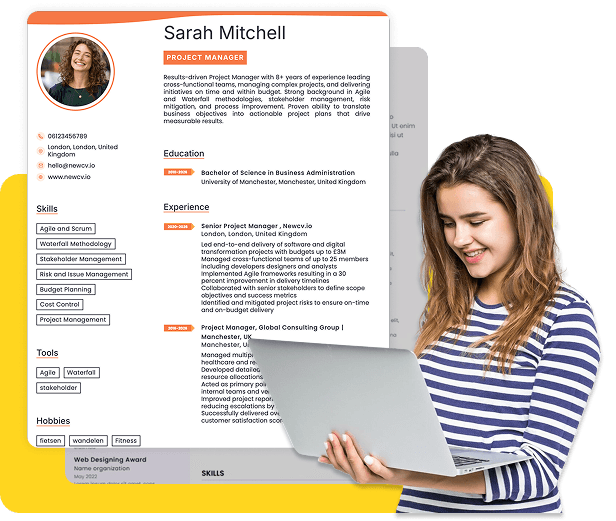
Use ATS-optimised Resume and resume templates that pass applicant tracking systems. Our Resume builder helps recruiters read, scan, and shortlist your Resume faster.

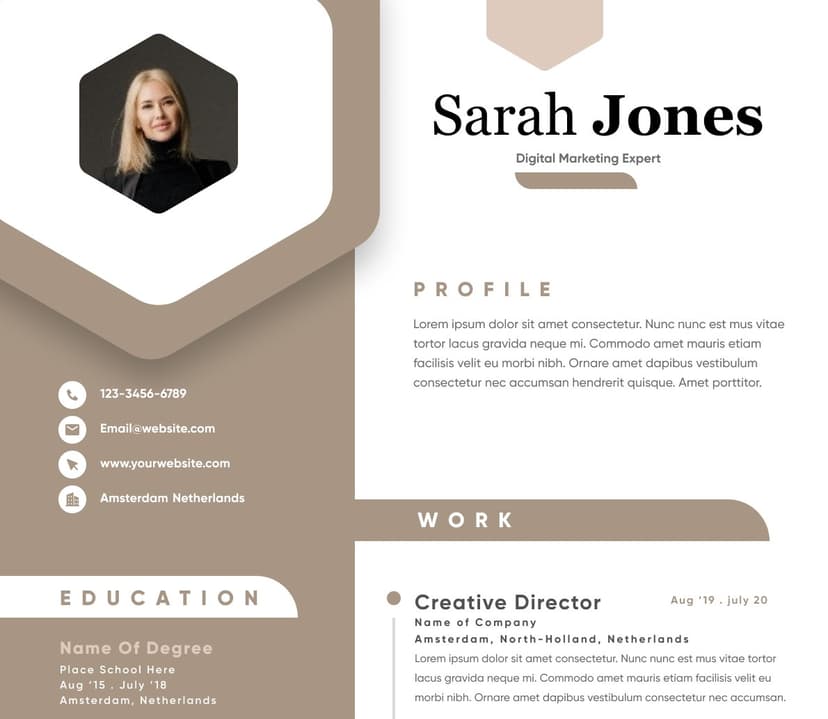
Use professional field-tested resume templates that follow the exact Resume rules employers look for.
Create Resume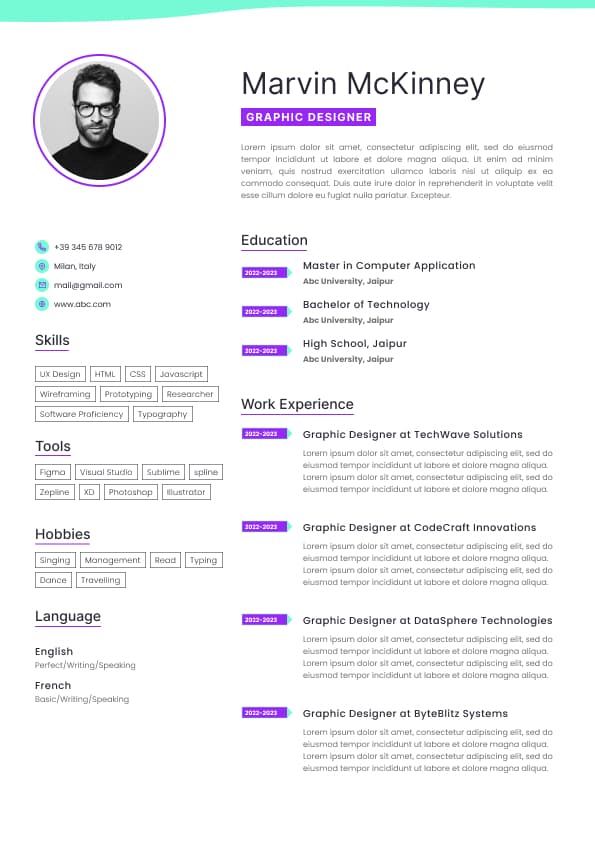
Use professional field-tested resume templates that follow the exact Resume rules employers look for.
Create ResumeThis fails because it says nothing meaningful about the candidate’s actual technical capability.
A stronger summary immediately positions the candidate technically and professionally.
Good Example
“ASP.NET Developer with 4+ years of experience building scalable web applications and REST APIs using C#, ASP.NET Core, SQL Server, Entity Framework Core, and Azure. Experienced in Agile environments, API integration, performance optimization, and CI/CD deployment workflows.”
The second version works because it establishes:
Experience level
Core technologies
Backend specialization
Enterprise development exposure
Modern deployment familiarity
Development fundamentals
Practical projects
Technical growth
Collaboration
Hands-on coding exposure
Recruiters immediately notice when the tone and claims do not align with experience level.
Architecture exposure
Production scale
API design quality
Cloud deployment experience
Engineering maturity
That is why high-performing summaries include both technical tools and engineering context.
Compare these two examples.
Weak Example
“Developer experienced in ASP.NET and SQL Server.”
Good Example
“ASP.NET Core Developer with experience building high-traffic REST APIs, optimizing SQL Server performance, and deploying containerized applications through Azure DevOps CI/CD pipelines.”
The second version communicates engineering maturity, not just technology exposure.
Docker
Kubernetes
Microservices
CI/CD
Azure DevOps
Git
Agile
OAuth
JWT authentication
Dependency Injection
LINQ
Blazor
Angular
React
Web API
Cloud-native applications
Performance optimization
Backend development
Do not force all of them into one summary. Prioritize role alignment.
API integrations
Production support
Large-scale systems
Full stack capability
Problem-solving
Say:
“Developed and optimized REST APIs supporting high-volume enterprise transactions with reduced response latency and improved system reliability.”
The second version signals production impact.
That makes the summary one of the most leveraged sections on the entire resume.
Recently graduated
Experienced developers using objectives often appear junior unintentionally.


 Upload Resume
 Import from Linkedin