STILL APPLYING. STILL HEARING NOTHING?BUILD YOUR RESUME

STILL APPLYING. STILL HEARING NOTHING?BUILD YOUR RESUME
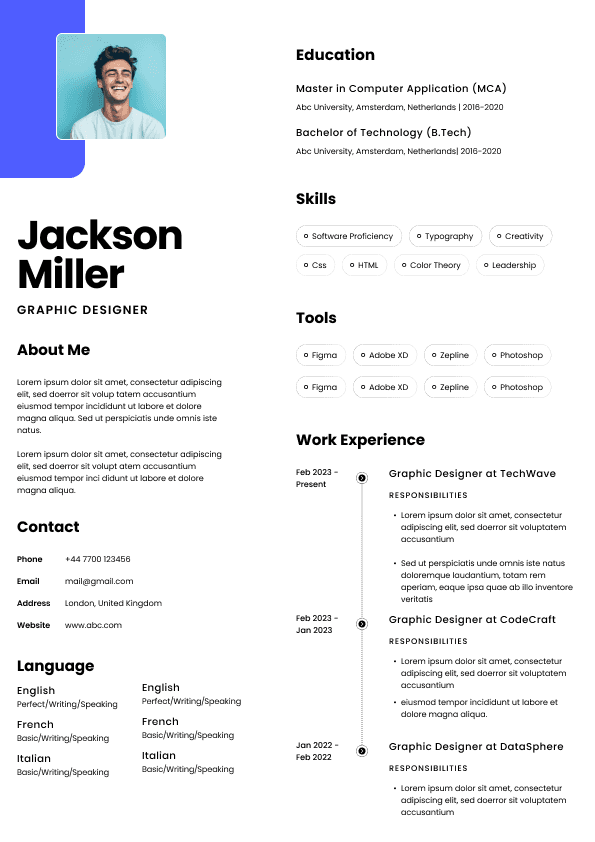
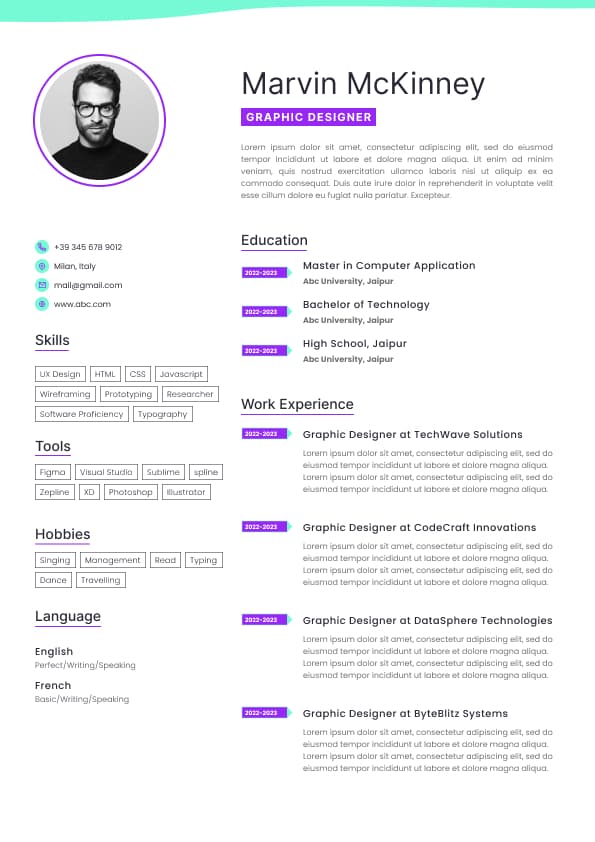
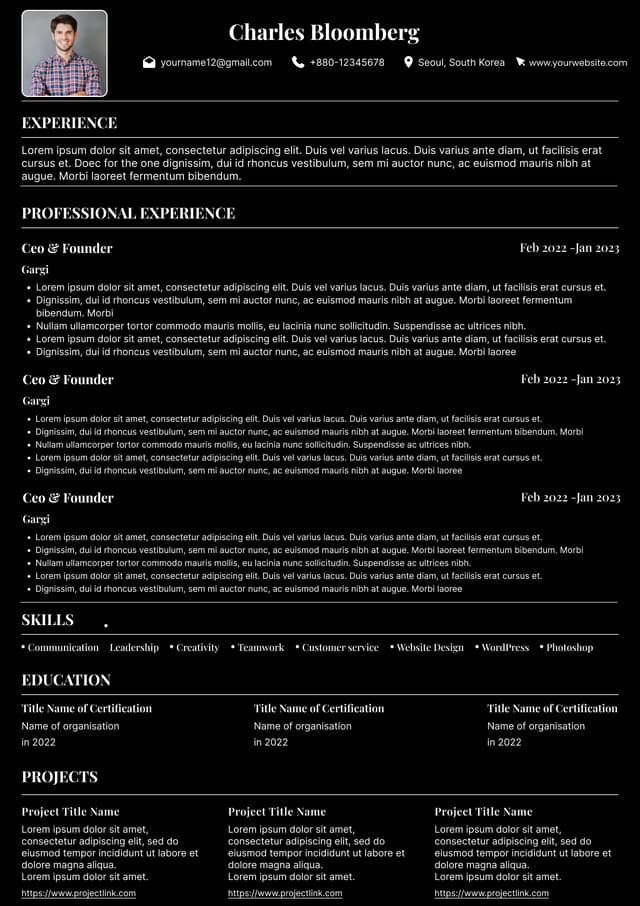
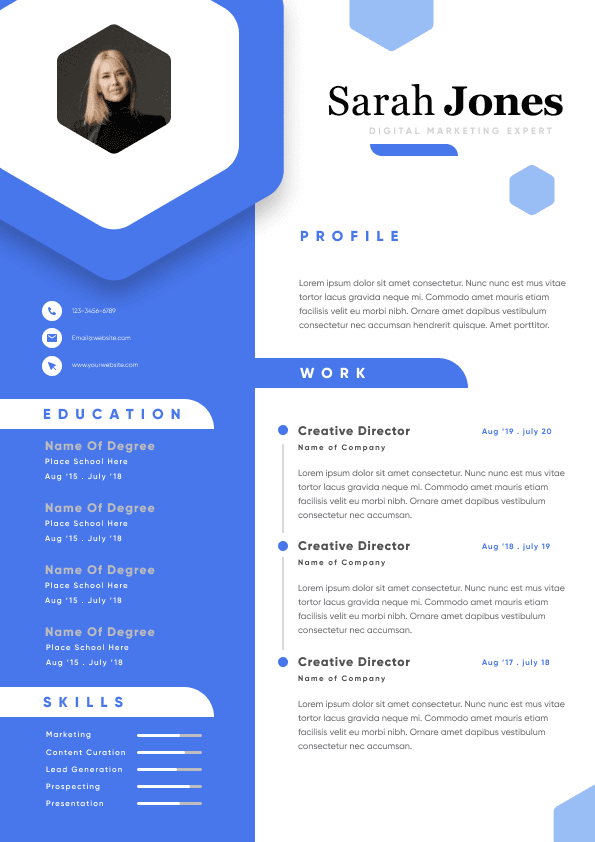
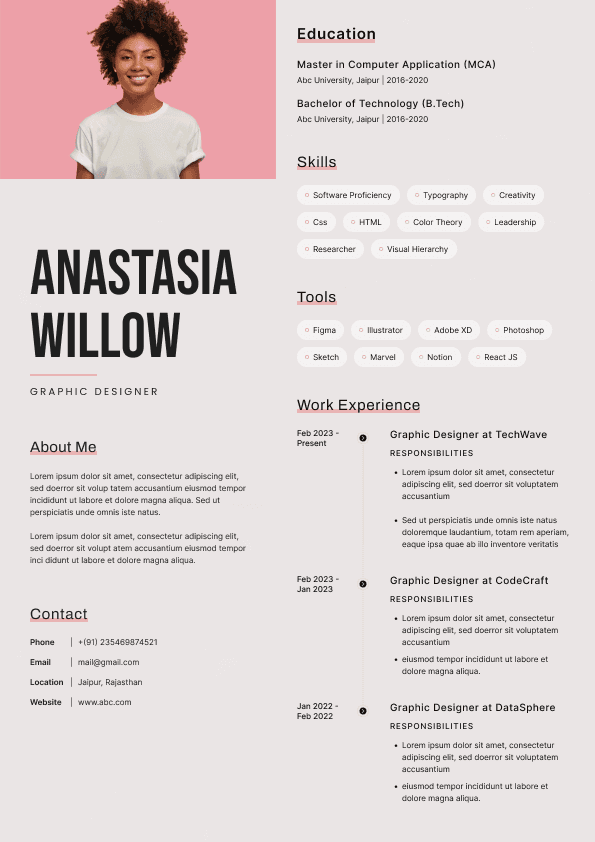
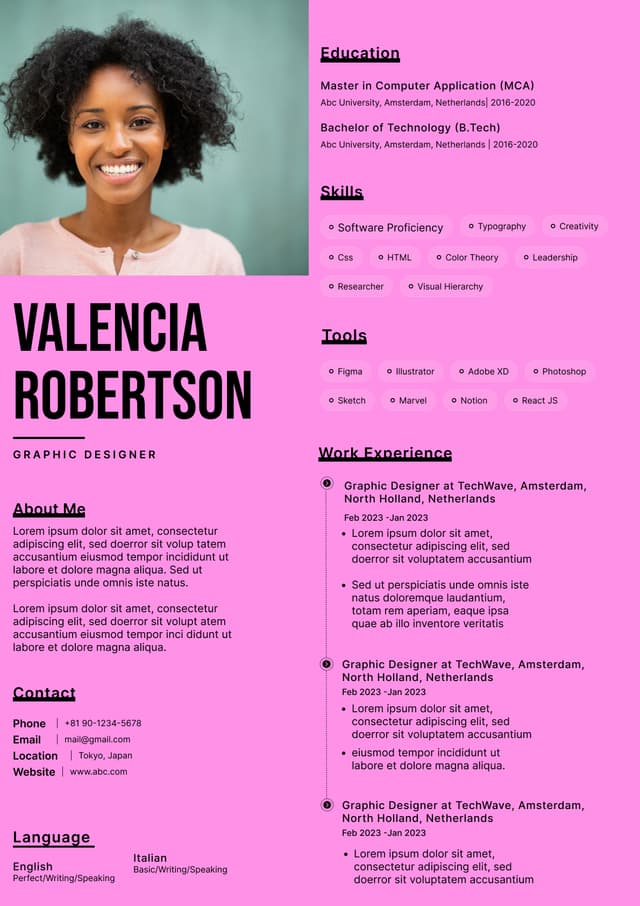
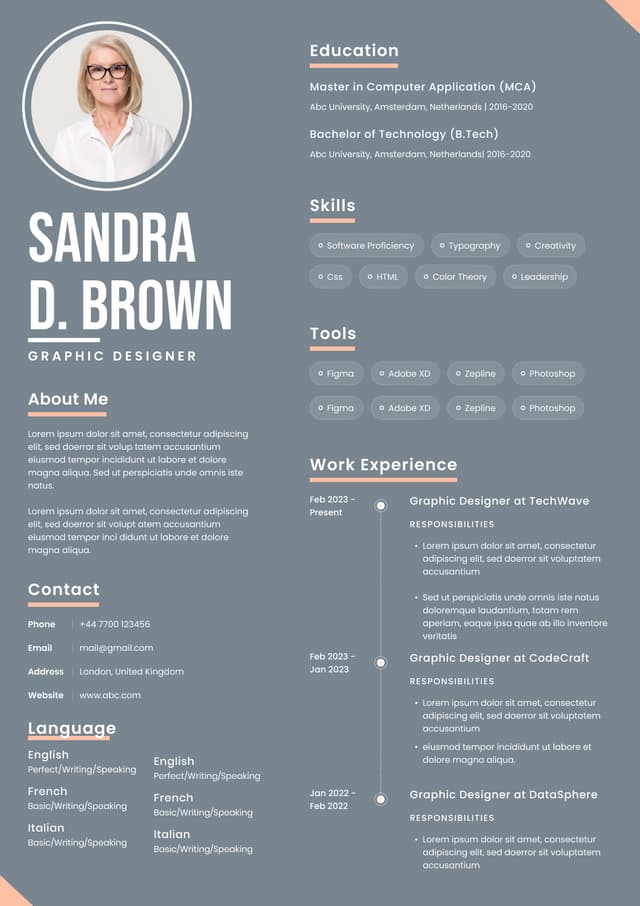
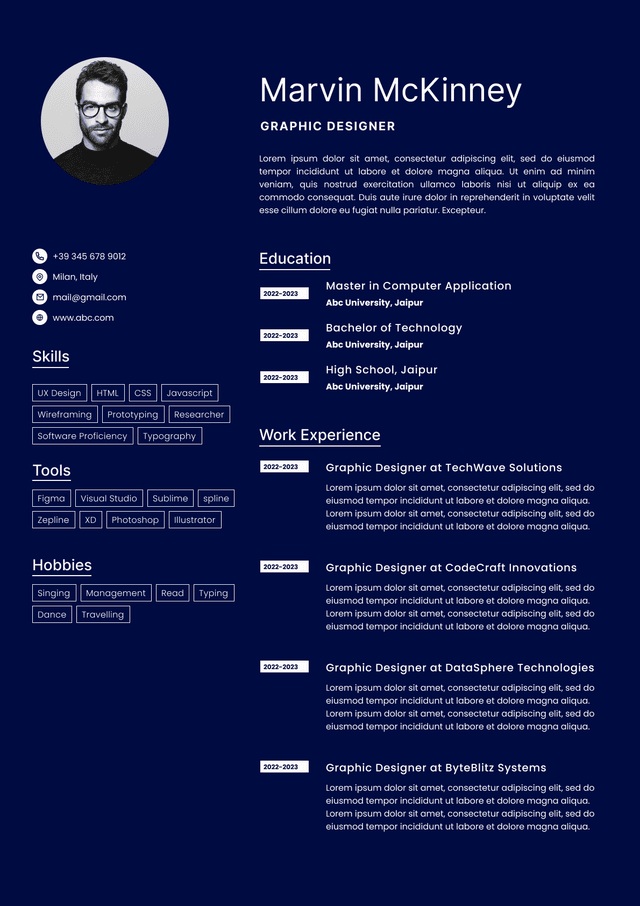
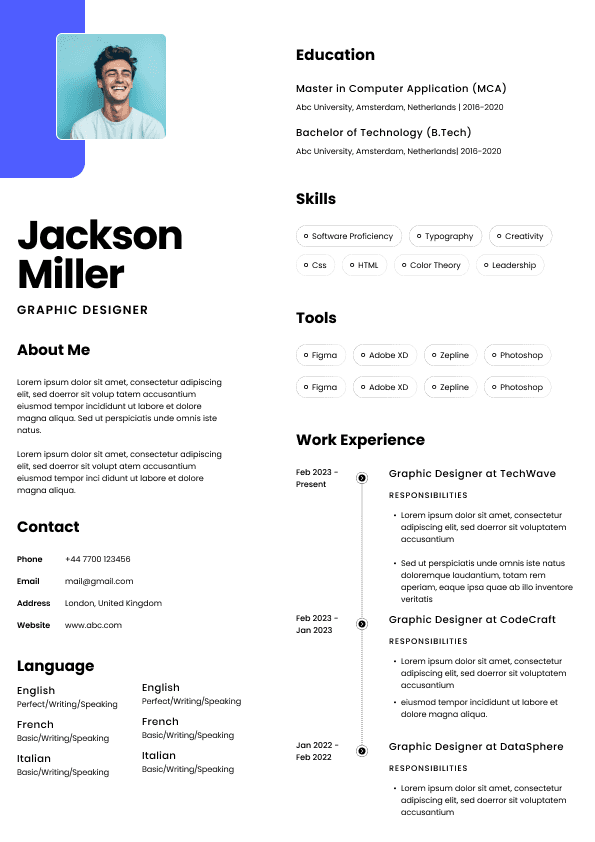
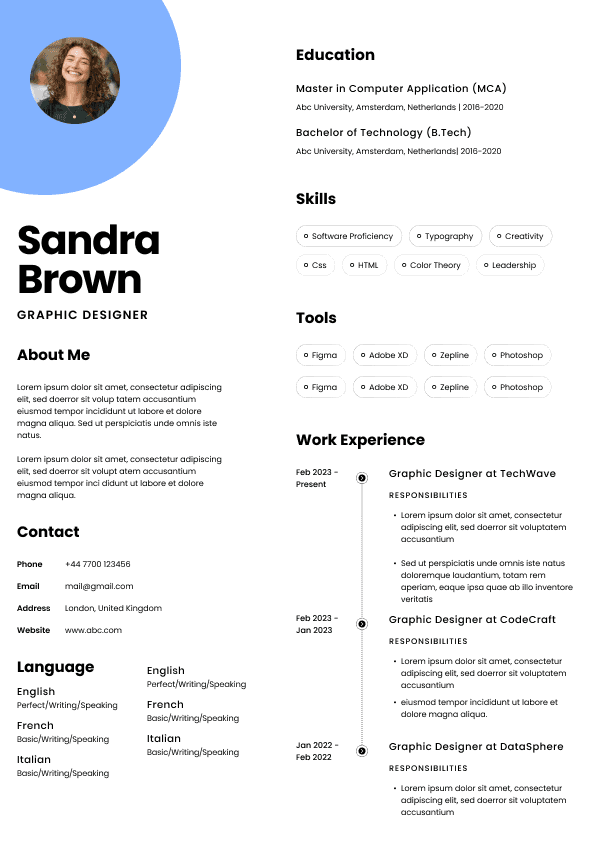
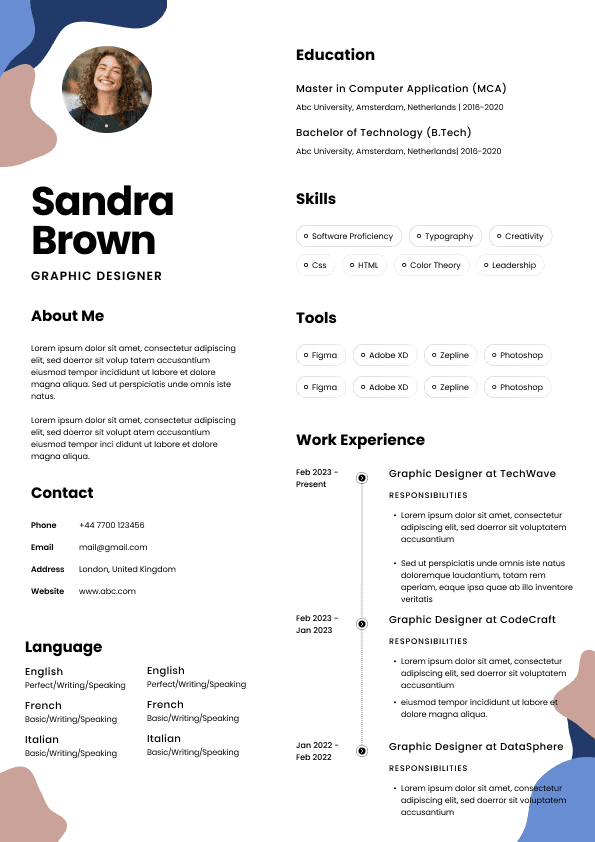
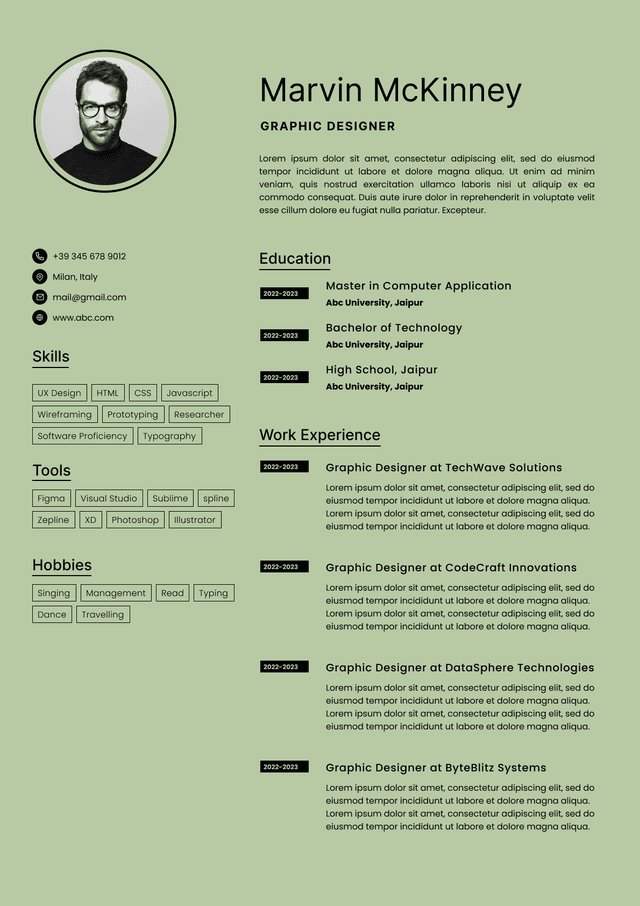
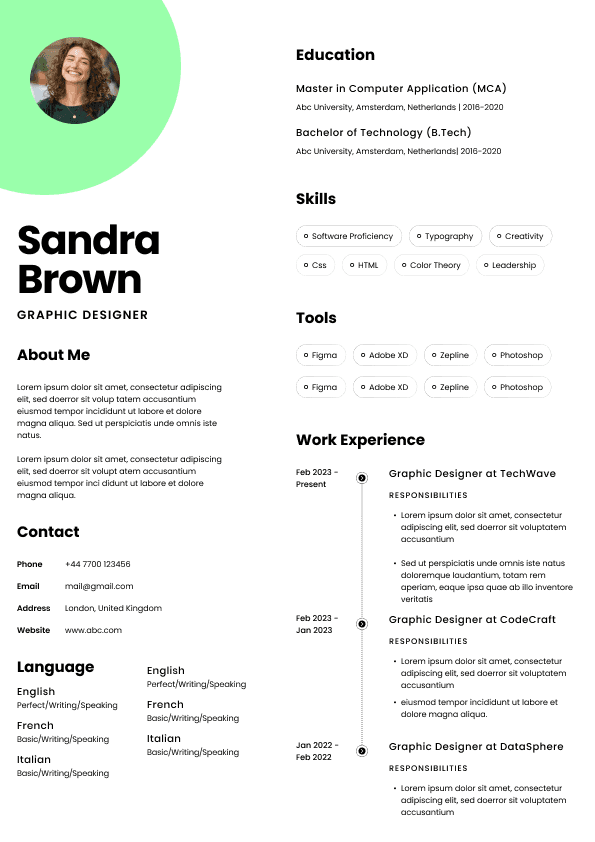
Choose from a wide range of NEWCV resume templates and customize your NEWCV design with a single click.
FAQ

A strong GitHub profile can significantly improve your chances of getting interviews as a .NET developer, especially in competitive entry-level and mid-level markets. Recruiters and hiring managers use GitHub to validate technical claims, assess code quality, and determine whether candidates can build production-ready applications beyond tutorial-level work.
Most .NET developers make the same mistake: they treat GitHub like cloud storage instead of a technical portfolio.
A recruiter reviewing your GitHub is not just checking whether you can write C# code. They are evaluating whether you understand software architecture, API design, documentation, testing, deployment, and real-world engineering workflows.
The difference between a weak GitHub profile and one that generates interviews usually comes down to four things:
Real project depth
Repository quality
Technical credibility
Proof of consistency
If your GitHub demonstrates those clearly, it becomes a major advantage on resumes, LinkedIn profiles, and job applications.
For many hiring teams, GitHub acts as technical proof.
A resume can claim anything. GitHub shows evidence.
This matters even more for:
Entry-level .NET developers
Self-taught developers
Career changers
Bootcamp graduates
Developers without recognizable company experience
Internship candidates
Junior ASP.NET Core developers
Hiring managers often struggle to evaluate junior candidates because resumes look nearly identical. GitHub helps differentiate candidates who can actually build applications from those who only completed coursework or copied tutorial projects.
A high-quality GitHub profile can help prove:
C# proficiency
ASP.NET Core experience
API development skills
SQL Server knowledge
Entity Framework competency
Azure deployment familiarity
Testing discipline
Software architecture understanding
Documentation quality
For experienced developers, GitHub can also reinforce seniority through:
Open-source contributions
Architecture decisions
NuGet packages
Technical leadership
Code maintainability
Community collaboration
Recruiters typically spend less than 2 minutes initially reviewing a GitHub profile.
That means your strongest technical signals must appear immediately.
Here is the actual review sequence many recruiters and engineering managers follow.
Your bio should instantly explain:
What type of developer you are
Your core stack
Your specialization
What you are currently building
ASP.NET Core Developer | C# | Azure | SQL Server | Building scalable APIs and cloud-native applications
Passionate programmer who loves coding and technology
The second example says nothing meaningful.
Recruiters want specificity.
Your pinned repositories are the most important section of your GitHub profile.
Most recruiters never go beyond them.
Your pinned projects should demonstrate:
API development
Full-stack capability
Database integration
Authentication
Cloud deployment
Testing
Architecture organization
Avoid pinning:
Tutorial clones
Incomplete projects
School assignments
Outdated repositories
Broken demos
Recruiters do not expect daily commits.
They do look for consistency and real development behavior.
A healthy contribution graph signals:
Active learning
Ongoing development
Technical engagement
Reliability
Large periods of inactivity can hurt perception, especially for junior developers.
Most candidates underestimate how much README quality influences hiring decisions.
Poor documentation often signals:
Weak communication skills
Lack of professionalism
Inexperience with collaborative development
Strong README files create immediate credibility.
The best GitHub projects simulate real business applications.
Recruiters are far more impressed by realistic architecture than flashy complexity.
A strong API project should include:
Authentication and authorization
JWT implementation
Entity Framework Core
SQL Server integration
Swagger/OpenAPI documentation
Validation
Error handling
Logging
Dependency injection
Pagination and filtering
Unit testing
This is one of the highest-value project types for .NET developers because it aligns directly with enterprise hiring needs.
A complete application demonstrates broader engineering capability.
Examples include:
Employee management systems
E-commerce platforms
CRM applications
Booking systems
Inventory platforms
SaaS-style dashboards
Strong full-stack projects should demonstrate:
ASP.NET Core backend
React, Angular, or Blazor frontend
Authentication flows
Database relationships
API consumption
Deployment workflows
Azure projects immediately strengthen enterprise credibility.
Good examples include:
Azure App Service deployments
Azure Functions
Azure SQL integration
Blob Storage usage
CI/CD pipelines using GitHub Actions
Many candidates mention Azure on resumes but cannot demonstrate real implementation.
GitHub closes that credibility gap.
For mid-level or senior developers, architecture depth matters.
Projects involving:
API gateways
Docker
Kubernetes
Service communication
Background workers
Event-driven systems
can significantly strengthen technical positioning.
However, complexity without clarity can backfire.
A well-documented moderate-complexity project is usually stronger than a poorly explained advanced architecture project.
Most GitHub repositories fail because they lack professional structure.
Recruiters often interpret messy repositories as messy engineering habits.
Weak repository names:
testproject123
newapp
practice-api
finalproject
Strong repository names:
aspnetcore-ecommerce-api
employee-management-system
azure-order-processing-service
clean-architecture-dotnet-api
Clear naming improves professionalism immediately.
Every serious .NET repository should include:
Project overview
Features
Tech stack
Architecture explanation
Installation instructions
Environment setup
Database setup
API documentation
Screenshots
Deployment instructions
Testing instructions
Live demo links
Project summary
Key business features
Technologies used
Architecture overview
Setup instructions
Database migration steps
API endpoint documentation
Deployment information
Screenshots
Future improvements
This structure mirrors professional engineering workflows.
One of the fastest ways to lose credibility is requiring recruiters to guess how to run your application.
Your setup instructions should include:
.NET SDK version
Database requirements
Environment variables
Migration commands
Startup instructions
Seed data information
If your project cannot realistically be run by another developer, it loses significant value.
Hiring managers often do not have time to clone projects.
Visual proof matters.
Include:
Dashboard screenshots
Authentication screens
API Swagger views
Admin interfaces
Mobile responsiveness
If possible, deploy projects publicly using:
Azure
Render
Railway
Vercel for frontend hosting
Deployment demonstrates engineering maturity.
Senior-level repositories usually stand out through engineering decisions, not complexity alone.
Recruiters and engineering leads look for:
Clean Architecture
Separation of concerns
SOLID principles
Proper dependency injection
Repository patterns where appropriate
Scalable folder organization
They also evaluate whether the architecture actually fits the project.
Overengineering junior projects can hurt credibility.
Most junior developers skip testing entirely.
Including tests immediately differentiates you.
Strong signals include:
Unit tests
Integration tests
xUnit usage
Mocking frameworks
Meaningful test coverage
Testing communicates professionalism and production awareness.
Recruiters often review:
Endpoint structure
Naming conventions
HTTP status handling
Validation
Error responses
Pagination design
Messy API design signals inexperience quickly.
Commit history matters more than many candidates realize.
Weak commit examples:
update
fixed stuff
changes
final final version
Strong commit examples:
Implement JWT authentication middleware
Add pagination support for product endpoints
Refactor order service for dependency injection
Clear commits suggest professional development habits.
These mistakes appear constantly across junior and mid-level profiles.
Recruiters can recognize tutorial projects immediately.
Common warning signs:
Generic architecture
Identical README wording
No customization
Minimal commits
Standard CRUD-only functionality
Tutorials are acceptable for learning.
They are weak as portfolio centerpieces unless heavily expanded.
An unfinished project is worse than no project if it looks abandoned or broken.
Avoid showcasing repositories that:
Do not run
Lack documentation
Have missing dependencies
Contain obvious errors
Have placeholder code everywhere
If recruiters cannot see the application working, perceived quality drops significantly.
Live demos increase trust.
Poor documentation often signals poor collaboration skills.
Engineering teams care about maintainability, not just code.
Twenty tiny repositories usually look weaker than three excellent projects.
Depth beats quantity.
Your GitHub profile should feel intentional.
That means:
Professional profile image
Strong bio
Consistent naming
Organized repositories
Updated pinned projects
Portfolio links
LinkedIn integration
Your GitHub should support your resume, not exist separately.
Strong candidates align both strategically.
If your resume mentions projects, recruiters expect to find them easily.
Your strongest repositories should:
Match resume wording
Reflect resume technologies
Include live links
Be pinned visibly
Do not dump a generic GitHub URL without context.
Instead:
GitHub: github.com/johndoe
GitHub Portfolio: github.com/johndoe
Featured Projects: ASP.NET Core API, Azure SaaS Dashboard, Clean Architecture CRM
This frames recruiter expectations immediately.
Your repositories should reinforce the roles you target.
If applying for ASP.NET Core backend roles, prioritize:
APIs
SQL projects
Authentication
Azure integration
Backend architecture
If targeting full-stack roles, include frontend integration clearly.
Open-source contributions can significantly strengthen credibility, especially for developers with limited professional experience.
They demonstrate:
Collaboration
Real-world workflows
Code review exposure
Team communication
Initiative
Strong starting points include:
ASP.NET Core projects
Documentation contributions
NuGet packages
Bug fixes
Good first issue repositories
Hacktoberfest participation
You do not need massive contributions initially.
Even small, meaningful pull requests can help.
Positive signals include:
Ability to work in shared codebases
Comfort with pull request workflows
Technical initiative
Engineering maturity
This matters particularly for remote engineering teams.
Most junior developers need only 3 to 5 strong projects.
The ideal mix typically includes:
One production-style ASP.NET Core API
One full-stack application
One cloud or Azure project
One project with testing coverage
One collaborative or open-source contribution
Quality matters far more than volume.
Hiring managers are not expecting perfection from junior developers.
They are looking for evidence of:
Problem-solving
Learning capability
Technical foundation
Engineering discipline
Growth potential
Your GitHub should reduce hiring risk.
That is the real goal.
These strategies often separate candidates who get interviews consistently from those who struggle.
Simple architecture visuals can dramatically improve project clarity.
Include diagrams showing:
API layers
Database flow
Authentication structure
Service communication
This demonstrates system-level thinking.
CI/CD workflows create strong engineering credibility.
Good examples include:
Automated testing
Build validation
Deployment pipelines
Even simple automation helps.
API discoverability matters.
Swagger/OpenAPI integration shows production readiness and professionalism.
Recruiters evaluating backend developers often check database understanding.
Include:
Relationship explanations
ERD diagrams
Migration strategy
Indexing decisions
This immediately elevates project maturity.
Examples include:
Caching strategy
Query optimization
Async processing
Pagination logic
Most candidates never discuss scalability.
That creates an opportunity for differentiation.
Your GitHub profile README acts like a landing page.
Done correctly, it immediately improves credibility.
Your profile README should contain:
Professional introduction
Core tech stack
Featured projects
Certifications
Current learning focus
Contact information
Portfolio links
LinkedIn link
GitHub stats widgets
ASP.NET Core Developer focused on scalable backend systems, cloud deployment, and API architecture using C#, SQL Server, Azure, and Entity Framework Core.
This immediately establishes technical positioning.
Developer passionate about coding and learning new technologies.
This adds almost no recruiter value.
Strong GitHub portfolios often change interview dynamics significantly.
Interviewers may:
Ask deeper technical questions
Skip basic screening doubts
Explore architecture decisions
Discuss tradeoffs in your implementation
This is good.
It means your portfolio already established credibility.
Weak GitHub profiles create the opposite effect:
More skepticism
More validation questioning
More concern about practical ability
The goal is not showing that you can code.
The goal is showing that you can contribute to a real engineering team.
That means demonstrating:
Technical competence
Communication quality
Professional workflows
Engineering discipline
Product thinking
Maintainability awareness
A recruiter should be able to look at your GitHub and confidently imagine you working inside a production engineering environment.
That is what gets interviews.
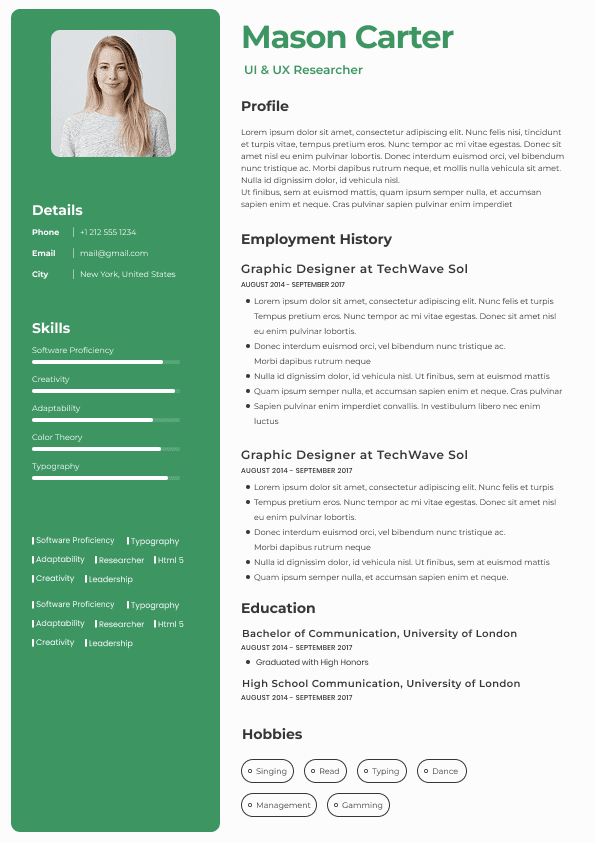
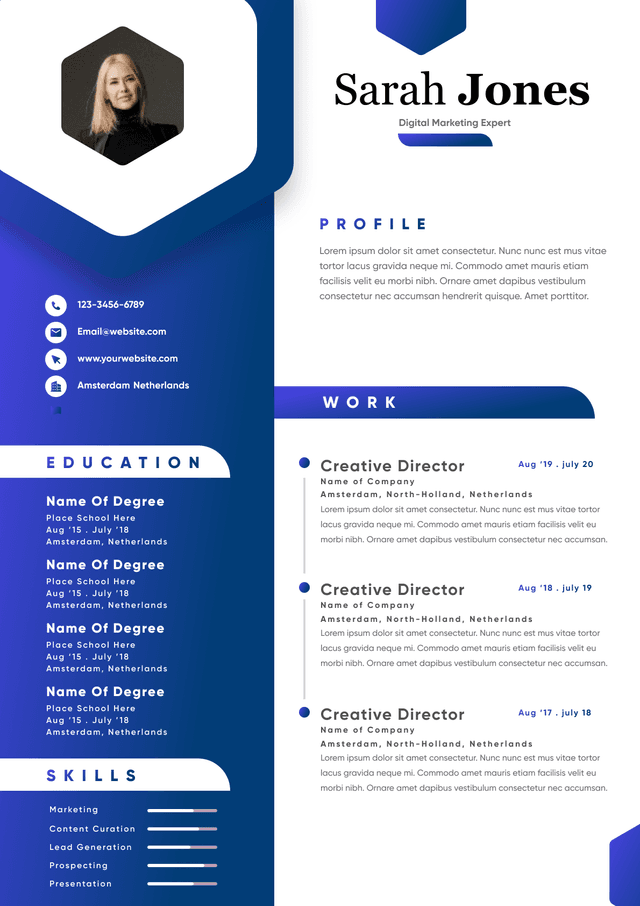
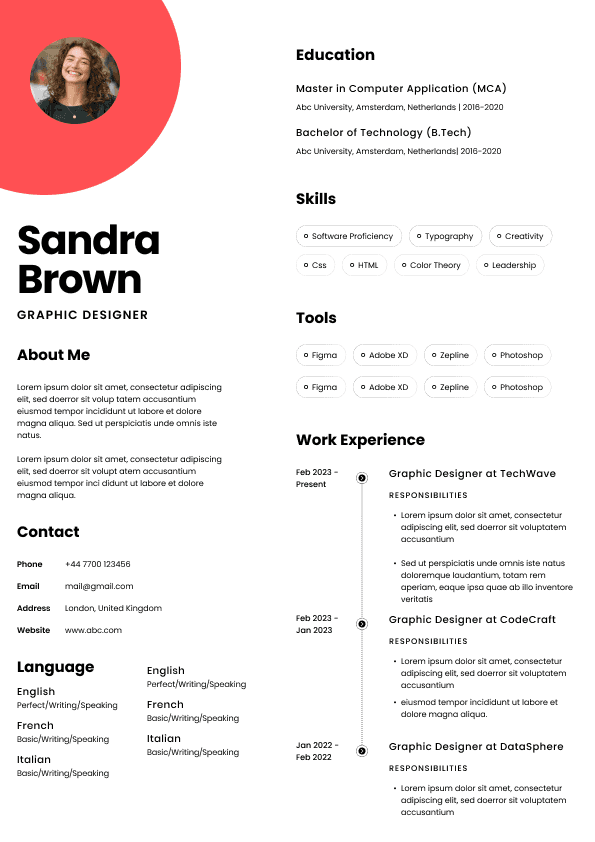
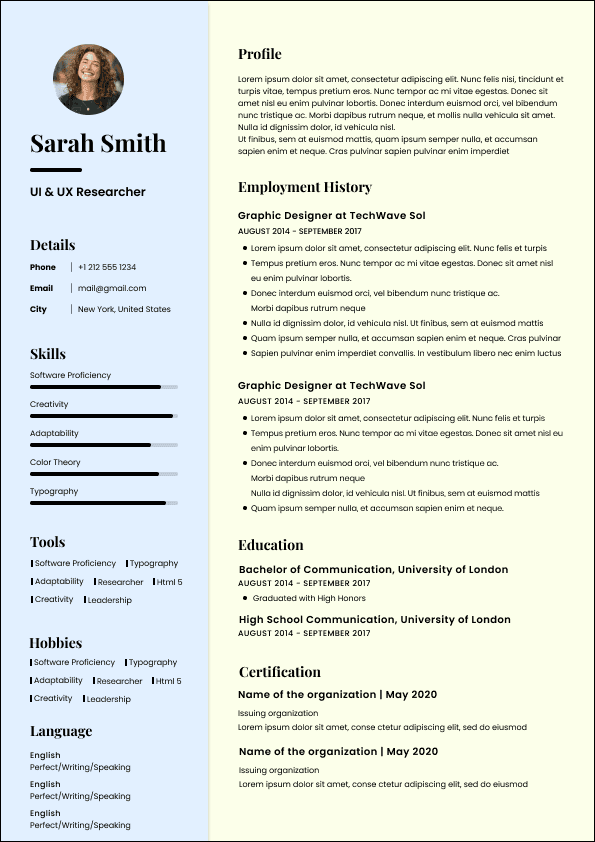
Use ATS-optimised Resume and resume templates that pass applicant tracking systems. Our Resume builder helps recruiters read, scan, and shortlist your Resume faster.

Use professional field-tested resume templates that follow the exact Resume rules employers look for.
Create Resume
Use professional field-tested resume templates that follow the exact Resume rules employers look for.
Create ResumeVersion control habits



 Upload Resume
 Import from Linkedin