STILL APPLYING. STILL HEARING NOTHING?BUILD YOUR RESUME

STILL APPLYING. STILL HEARING NOTHING?BUILD YOUR RESUME
Choose from a wide range of NEWCV resume templates and customize your NEWCV design with a single click.
FAQ
A .NET developer resume that fails ATS screening usually has one of three problems: missing Microsoft stack keywords, weak technical positioning, or ATS-incompatible formatting. Most recruiters searching for .NET candidates filter resumes using exact technologies like C#, ASP.NET Core, Azure, SQL Server, REST APIs, Entity Framework Core, and CI/CD tools before they ever review applications manually.
To pass ATS consistently, your resume needs more than a generic skills section. It must mirror the employer’s technical environment, use the correct job title variations, include measurable engineering impact, and structure keywords naturally throughout your summary, experience, projects, and skills sections.
The highest-performing .NET resumes combine technical depth with business outcomes. Recruiters are not just searching for “C#.” They are looking for developers who shipped APIs, optimized systems, modernized legacy applications, improved deployment pipelines, reduced latency, increased uptime, and worked in modern cloud-based engineering environments.
Most ATS systems used by US employers parse resumes into structured data and rank candidates based on keyword relevance, role alignment, technical stack compatibility, and experience context.
For .NET developer hiring, ATS systems typically scan for:
Job title relevance
Microsoft ecosystem technologies
Backend and API development experience
Database technologies
Cloud and DevOps tools
Architecture patterns
Testing frameworks
The strongest ATS keywords are directly tied to real hiring demand in the US market. These keywords should appear naturally throughout your resume, not dumped into a giant skills block.
.NET development
C# development
ASP.NET Core
ASP.NET MVC
Web API
REST API development
Entity Framework Core
One of the biggest ATS mistakes developers make is using only one job title variation.
Different companies use different naming conventions. Your resume should reflect the titles most aligned with your actual experience and the target role.
.NET Developer
C# Developer
ASP.NET Developer
ASP.NET Core Developer
.NET Software Engineer
.NET Application Developer
Backend .NET Developer
The technical skills section is one of the first sections parsed by ATS systems. Poorly structured skills sections reduce search visibility significantly.
The best-performing .NET resumes group skills by category.
C#
SQL
T-SQL
JavaScript
TypeScript
HTML
CSS
ATS optimization is not about stuffing keywords. It is about proving technical relevance in the same language employers use.
Many ATS systems score resumes based on keyword matching percentages.
If the job description says:
ASP.NET Core
Azure Functions
SQL Server
REST APIs
Then your resume should contain those exact phrases if they honestly reflect your experience.
“Worked on backend systems using Microsoft technologies.”
“Developed ASP.NET Core REST APIs integrated with SQL Server and Azure App Service for enterprise SaaS applications.”
A technically strong resume can still fail ATS if formatting breaks parsing.
Use this order:
Header
Professional Summary
Technical Skills
Professional Experience
Projects
Certifications
Education
This is where most online resume advice fails.
Recruiters rarely search for broad terms like “software developer.”
They search by stack alignment.
Examples:
“C# AND Azure AND microservices”
“ASP.NET Core AND SQL Server”
“.NET AND REST API AND Docker”
“Blazor AND Azure DevOps”
“Entity Framework Core AND CI/CD”
Your resume needs contextual keyword depth across multiple sections to rank in these searches.
A skills section alone is not enough.
The highest-ranking resumes distribute keywords strategically.
Include:
Job title
Years of experience
Core stack
Specialization
Business impact
“Senior .NET Developer with 8+ years of experience building ASP.NET Core APIs, Azure-based microservices, and enterprise SaaS platforms using C#, SQL Server, Entity Framework Core, Docker, and CI/CD pipelines.”
This works because it combines:
Strong engineering resumes use action-oriented technical verbs.
Engineered
Developed
Built
Implemented
Designed
Architected
Automated
Optimized
Senior-level ATS optimization requires more than listing technologies.
You need architectural depth and business impact.
Distributed systems
Domain-driven design
Event-driven architecture
CQRS
Microservices architecture
API gateway
Azure Service Bus
Industry alignment improves ATS ranking dramatically.
Payment processing
PCI DSS awareness
Fraud detection
Financial APIs
Transaction systems
Audit logging
HIPAA awareness
Many technically qualified developers fail ATS because of avoidable mistakes.
If your resume lacks:
C#
ASP.NET Core
SQL Server
Azure
You may get filtered out automatically for Microsoft-stack roles.
Generic bullets destroy recruiter confidence.
“Worked on enterprise applications.”
“Developed ASP.NET Core Web APIs integrated with Azure SQL and Redis caching to support 250K+ monthly users.”
Improving ATS score requires targeted optimization, not random keyword additions.
The top third of the resume matters most.
Include early:
Target job title
Core Microsoft stack
Cloud technologies
API development
Database technologies
Years of experience
Metrics improve recruiter engagement significantly.
For many .NET developers, yes.
Especially for:
Junior developers
Self-taught developers
Career changers
Contractors
Full stack developers
Strong additions include:
GitHub repositories
Swagger documentation
Focus on:
Projects
GitHub
APIs
SQL
ASP.NET Core
Certifications
Practical coding proof
Focus on:
The strongest .NET resumes share several characteristics.
They:
Match the target role precisely
Use exact Microsoft stack terminology
Show measurable engineering outcomes
Demonstrate architecture understanding
Include cloud and deployment experience
Present clean ATS-friendly formatting
Use modern engineering terminology

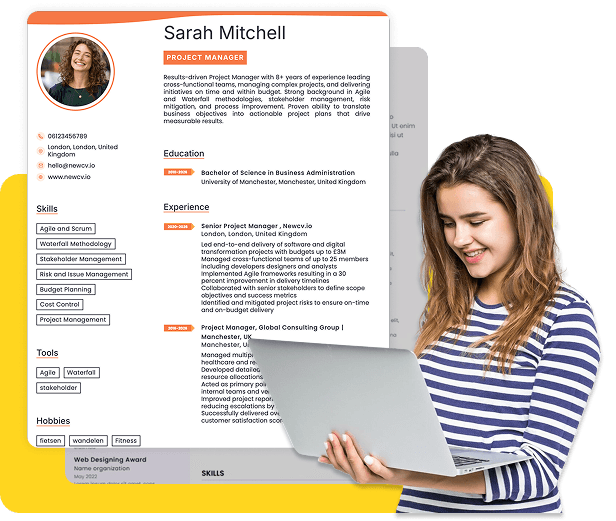
Use ATS-optimised Resume and resume templates that pass applicant tracking systems. Our Resume builder helps recruiters read, scan, and shortlist your Resume faster.

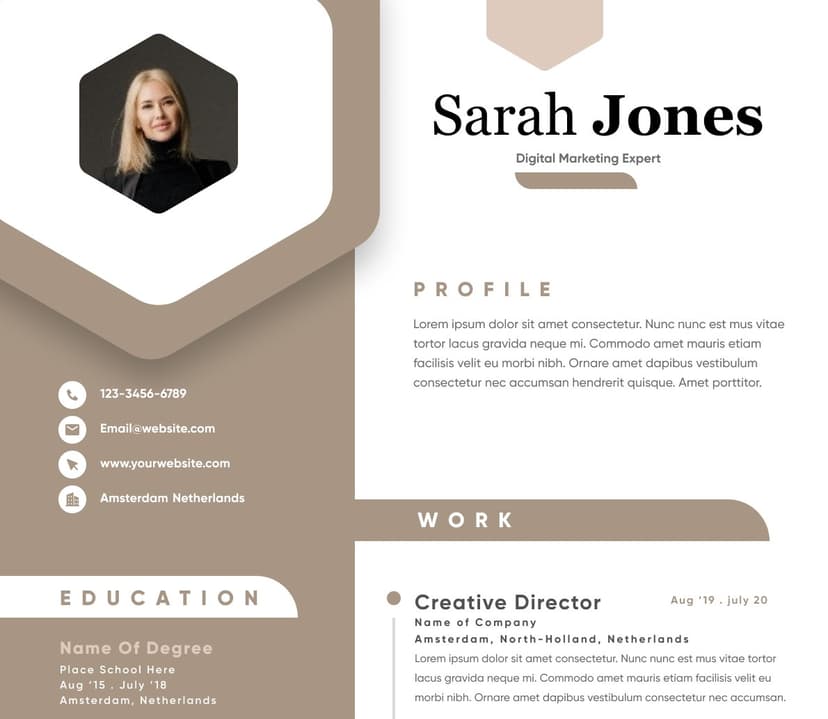
Use professional field-tested resume templates that follow the exact Resume rules employers look for.
Create Resume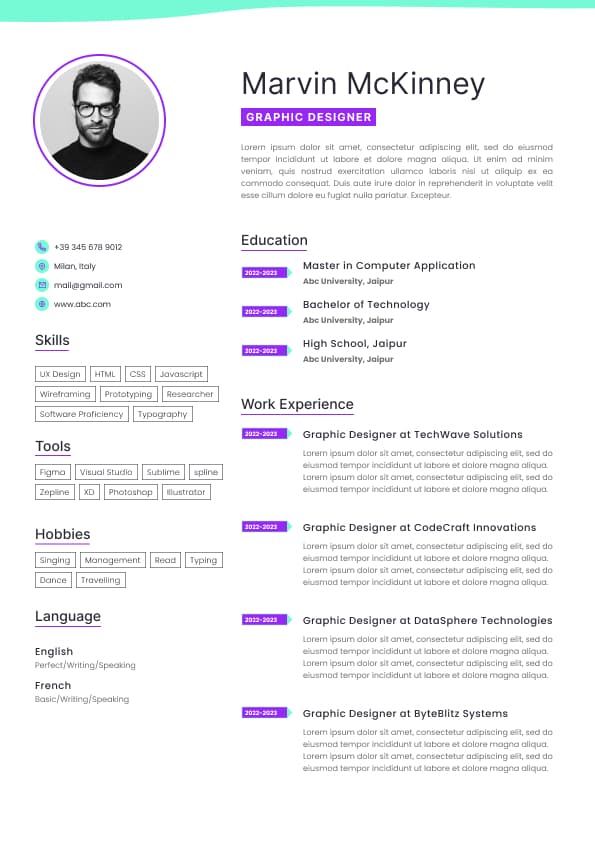
Use professional field-tested resume templates that follow the exact Resume rules employers look for.
Create ResumeAgile methodologies
Seniority indicators
Industry-specific engineering terms
Recruiters then search manually inside ATS platforms using Boolean filters and keyword combinations such as:
“ASP.NET Core” AND “Azure”
“C#” AND “SQL Server” AND “REST API”
“.NET Developer” AND “Entity Framework Core”
“Microservices” AND “Docker” AND “Kubernetes”
If your resume lacks these exact phrases, you may never appear in recruiter searches even if you are technically qualified.
LINQ
SQL Server
T-SQL
Object-oriented programming
SOLID principles
Clean architecture
Microservices
Azure cloud
Agile development
CI/CD
Unit testing
Debugging
Code review
Git version control
Enterprise application development
These are foundational ATS terms recruiters actively search for.
Full Stack .NET Developer
Azure .NET Developer
Enterprise .NET Developer
API Developer
MVC Developer
Blazor Developer
Senior .NET Developer
Lead .NET Developer
ATS ranking improves when the resume title matches the job posting title closely.
If the employer uses “ASP.NET Core Developer,” but your resume only says “Software Engineer,” you lose keyword relevance even if your experience matches perfectly.
Use truthful title alignment wherever possible.
Razor
XML
JSON
PowerShell
VB.NET
Python basics
.NET
.NET Core
.NET Framework
.NET 8
ASP.NET Core
ASP.NET MVC
ASP.NET Web API
Razor Pages
Blazor
Entity Framework Core
LINQ
SignalR
MediatR
AutoMapper
FluentValidation
Serilog
Angular
React
Vue.js
Bootstrap
jQuery
SQL Server
Azure SQL Database
PostgreSQL
MySQL
MongoDB
Redis
Cosmos DB
Dapper
ADO.NET
Stored procedures
Query optimization
Microsoft Azure
Azure App Service
Azure Functions
Azure DevOps
Azure Pipelines
Docker
Kubernetes
GitHub Actions
Terraform
IIS
Linux
CI/CD
xUnit
NUnit
MSTest
Moq
Postman
Swagger
OpenAPI
Selenium
SonarQube
Integration testing
API testing
The second version improves:
ATS matching
Recruiter clarity
Technical credibility
Search relevance
Use:
Standard fonts
Single-column layout
Clear section headings
Bullet points
Traditional formatting
Avoid:
Tables
Graphics
Icons
Text boxes
Multiple columns
Complex design templates
Skill bars
Infographics
Most US employers prefer:
.docx for ATS compatibility
ATS-friendly PDF only when requested or accepted
Some legacy ATS systems still parse Word documents more accurately than PDFs.
ATS keywords
Technical specialization
Seniority positioning
Modern engineering stack
Use grouped categories rather than random keyword lists.
This is the most important ATS ranking section after job titles.
Recruiters care about contextualized technical usage.
“Responsible for application development.”
“Engineered scalable ASP.NET Core microservices deployed through Azure DevOps CI/CD pipelines, reducing API response latency by 38%.”
This demonstrates:
Technical stack
Architecture exposure
Cloud deployment
Measurable impact
Refactored
Secured
Migrated
Modernized
Integrated
Scaled
Debugged
Deployed
These verbs improve recruiter perception because they imply ownership and technical contribution.
Kubernetes orchestration
Application scalability
Performance optimization
Secure software development
Enterprise modernization
Legacy migration
Cloud-native architecture
Senior resumes should demonstrate:
System ownership
Scalability decisions
Technical leadership
Architecture decisions
Cloud modernization
Deployment automation
Production reliability
Not just coding tasks.
HL7/FHIR
EHR integrations
Patient data security
Healthcare APIs
Multi-tenant SaaS
Subscription platform
Product analytics
RBAC
API integrations
FedRAMP
Section 508 accessibility
Identity and access management
Secure software development
Stuffing dozens of technologies into a skills section without evidence creates credibility problems.
Recruiters immediately notice when candidates claim every framework in the ecosystem.
A .NET developer resume should not dilute relevance with unrelated IT responsibilities unless strategically necessary.
Too much unrelated experience weakens ATS relevance scoring.
Strong technical metrics include:
API latency reduction
Test coverage increase
Deployment frequency
Bug reduction
Uptime improvement
Database performance gains
Infrastructure cost reduction
Concurrent user scaling
“Optimized SQL Server queries and caching strategy, reducing average API response time from 1.8s to 450ms.”
This demonstrates:
Performance engineering
Database optimization
Backend ownership
Quantifiable impact
Live applications
Azure deployments
Technical blog posts
API demos
Hiring managers increasingly use GitHub and project reviews to validate practical engineering ability when resumes look similar.
A candidate with strong real-world projects often outperforms a candidate with keyword-heavy but shallow experience descriptions.
Ownership
Feature delivery
CI/CD
Database optimization
Azure deployment
API integrations
Focus on:
Architecture
Scalability
Cloud systems
Team leadership
Modernization initiatives
Technical strategy
Reliability engineering
Align technical skills with actual project context
Most importantly, they make recruiter evaluation easy.
A recruiter should immediately understand:
What type of .NET developer you are
Your technical stack
Your seniority level
Your architecture exposure
Your business impact
Your specialization
within the first 15 seconds.


 Upload Resume
 Import from Linkedin