STILL APPLYING. STILL HEARING NOTHING?BUILD YOUR RESUME

STILL APPLYING. STILL HEARING NOTHING?BUILD YOUR RESUME
Choose from a wide range of NEWCV resume templates and customize your NEWCV design with a single click.
FAQ
Most .NET developer resumes fail because they describe activity instead of impact.
Recruiters reviewing engineering resumes are scanning for evidence that a candidate can:
Improve system performance
Build scalable applications
Reduce operational costs
Increase engineering efficiency
Support enterprise-scale systems
Modernize legacy infrastructure
Improve deployment and release processes
Strong .NET resume bullets typically demonstrate at least one of these outcomes:
Performance optimization
Scalability improvements
Cloud infrastructure efficiency
System modernization
CI/CD automation
API reliability and throughput
Database optimization
Production stability
Most high-performing .NET resume bullets follow this structure:
Action + Technical Work + Measurable Result + Business Impact
“Worked on ASP.NET Core APIs and SQL optimization.”
This sounds passive, generic, and low-impact.
“Improved ASP.NET Core API response time by 42% through Redis caching, asynchronous processing, and SQL Server query optimization, improving customer transaction speed during peak usage.”
The second version demonstrates:
Ownership
Technical competence
Scale
Performance impact
Performance metrics are among the most valuable engineering resume signals because they directly demonstrate technical capability.
Improved ASP.NET Core API response time by 42% through caching, asynchronous processing, and backend refactoring
Reduced API latency from 1.8 seconds to 700 milliseconds by optimizing Entity Framework queries and SQL indexing
Increased backend request throughput by 55% after implementing distributed caching and database connection pooling
Reduced API error rates by 33% through improved validation, authentication, and centralized exception handling
Optimized microservice communication performance using gRPC, reducing inter-service response times by 40%
Improved high-volume transaction processing performance for systems handling 2M+ daily API requests
Modern .NET hiring heavily prioritizes Azure and cloud-native engineering experience.
Candidates who quantify cloud improvements consistently outperform generic cloud resumes.
Reduced Azure cloud infrastructure costs by 24% through autoscaling optimization, Azure Functions migration, and resource cleanup
Improved Azure application scalability by implementing Kubernetes-based container orchestration across microservices
Automated Azure DevOps CI/CD pipelines, reducing deployment time from 50 minutes to 10 minutes
Improved cloud resource utilization by consolidating underused Azure App Services and optimizing compute allocation
Reduced production deployment failures by 38% after implementing automated infrastructure validation pipelines
Legacy modernization is one of the strongest enterprise .NET resume themes because many organizations still operate hybrid .NET Framework environments.
Candidates who can modernize enterprise systems are highly valuable.
Migrated legacy .NET Framework applications to .NET 8, improving scalability, deployment speed, and maintainability
Refactored 25,000+ lines of legacy C# code to reduce technical debt and improve long-term maintainability
Modernized monolithic enterprise applications into microservices architecture using ASP.NET Core and Docker
Reduced application startup time by 45% after upgrading legacy services to .NET Core architecture
Replaced outdated SOAP integrations with RESTful APIs, improving third-party integration speed and reliability
Engineering leaders increasingly prioritize developers who improve software quality and release reliability.
Testing metrics are especially powerful for senior and lead-level resumes.
Increased automated test coverage from 50% to 90% across critical .NET microservices using xUnit and Moq
Reduced manual QA testing time by 40% through automated API and UI testing workflows
Reduced production defects by 35% after expanding integration and regression testing coverage
Implemented automated regression testing pipelines, reducing release validation time by 60%
Improved deployment confidence by integrating automated testing into Azure DevOps CI/CD pipelines
Many companies care less about “writing code fast” and more about improving engineering velocity across teams.
These bullets are highly effective because they demonstrate broader organizational impact.
Improved developer onboarding speed by 35% through technical documentation, setup automation, and coding standards
Built 30+ reusable Blazor, Razor, or Angular UI components adopted across multiple internal platforms
Reduced feature delivery bottlenecks by implementing reusable shared service architecture across backend systems
Improved sprint delivery consistency by redesigning CI/CD workflows and reducing deployment blockers
Delivered 20+ business-critical features across Agile sprint cycles using ASP.NET Core, SQL Server, and Azure
Scale matters heavily in enterprise engineering hiring.
Supporting production systems at scale demonstrates credibility.
Built enterprise applications supporting 500,000+ users across web, API, and internal business systems
Maintained 99.95% uptime for customer-facing ASP.NET Core applications
Supported enterprise systems processing 2M+ API requests, transactions, or events per day
Reduced customer-reported issues by 28% after improving logging, monitoring, and production alerting
Resolved 250+ production bugs and support incidents while improving overall application stability
Improved system resiliency by implementing failover handling and distributed retry mechanisms
Not all resume metrics carry equal weight.
The strongest .NET engineering metrics usually involve:
Performance improvements
Deployment speed improvements
Cost reductions
Production stability metrics
Cloud optimization outcomes
Scalability improvements
Test automation coverage
Weak resumes say:
Developed APIs
Worked with SQL Server
Maintained applications
Strong resumes explain:
What improved
By how much
Why it mattered
Experienced hiring managers spot fake numbers quickly.
Recruiters usually evaluate .NET resume achievements across four dimensions:
Did the candidate solve difficult engineering problems?
Did the work improve revenue, reliability, efficiency, or scalability?
Did the candidate lead, optimize, architect, automate, or modernize?
Was the work performed in enterprise-grade environments?
Candidates who demonstrate all four dimensions consistently receive more interviews.
Senior-level resumes usually include stronger indicators of:
System architecture
Cloud scalability
Technical leadership
DevOps maturity
Cross-team influence
Enterprise modernization
Reliability engineering
Process optimization
That means senior resumes should emphasize:
Many developers struggle because they were never given formal metrics.
You can still create credible achievement bullets by estimating responsibly.
Deployment frequency
Ticket volume
User scale
Feature count
Bug resolution volume
API traffic estimates
Test coverage percentages
The strongest .NET developer resumes do not read like job descriptions.
They read like engineering impact summaries.
That is what hiring managers actually evaluate.
Your resume should demonstrate:
What systems you improved
What technical problems you solved
What scale you supported
What business outcomes you influenced
How your engineering work created measurable value
In today’s competitive US hiring market, measurable impact is often the difference between:
Getting ignored

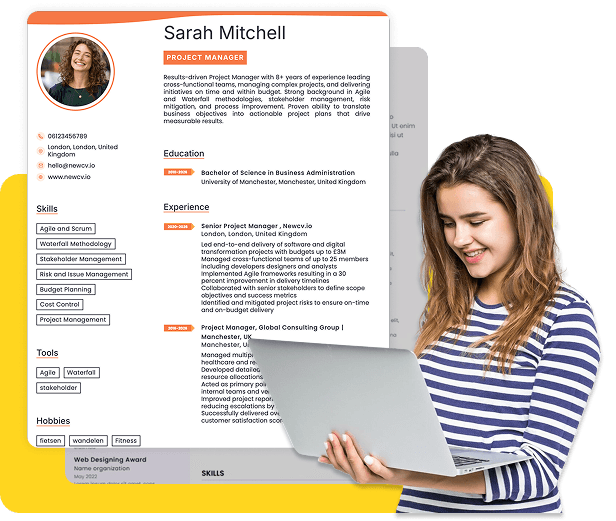
Use ATS-optimised Resume and resume templates that pass applicant tracking systems. Our Resume builder helps recruiters read, scan, and shortlist your Resume faster.

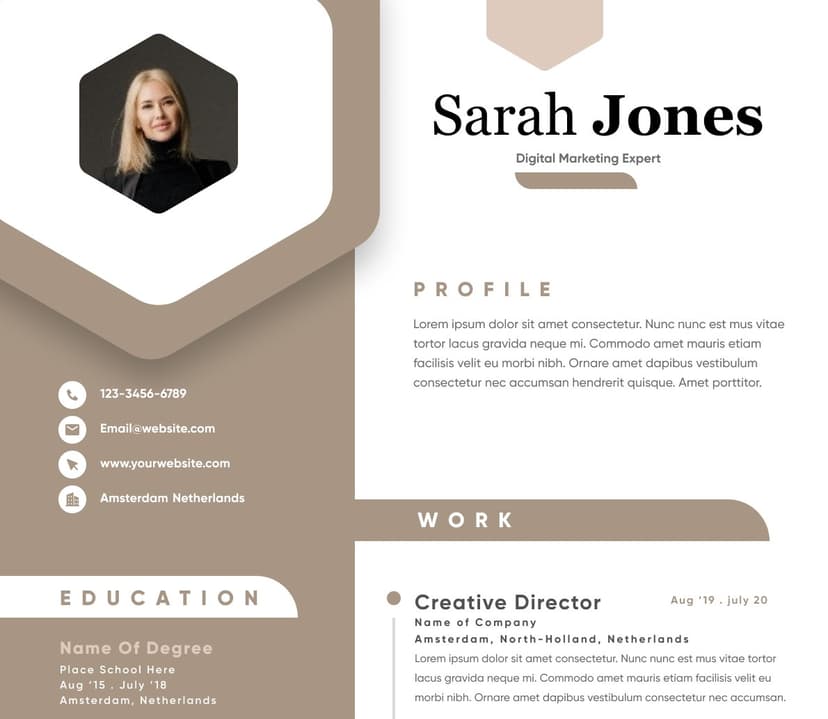
Use professional field-tested resume templates that follow the exact Resume rules employers look for.
Create Resume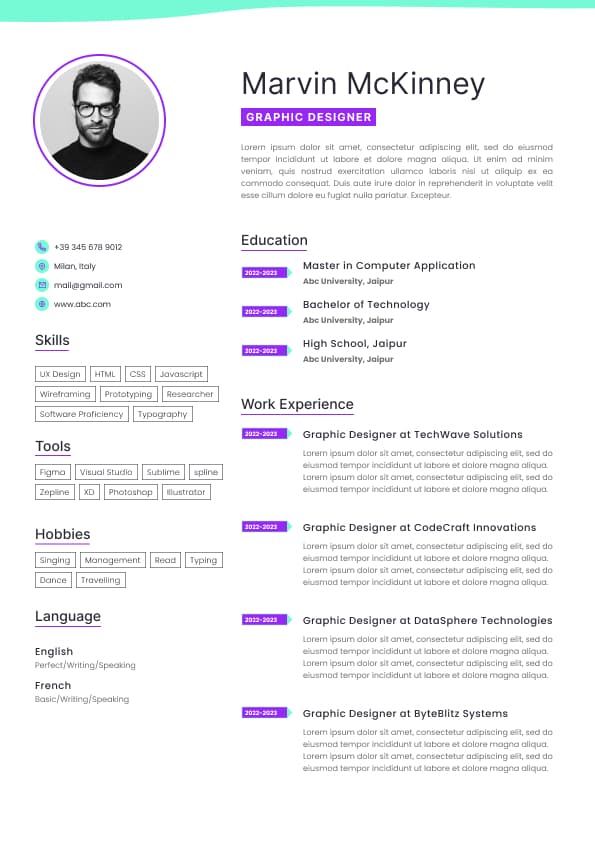
Use professional field-tested resume templates that follow the exact Resume rules employers look for.
Create ResumeReduce production incidents
Deliver measurable business outcomes
A hiring manager is not asking:
“Did this person write C# code?”
They are asking:
“What happened because this person wrote the code?”
That distinction is what separates interview-winning resumes from average resumes.
Developer productivity
Feature delivery velocity
Security improvements
Testing automation
Enterprise application scale
Cross-functional business impact
The strongest candidates combine:
Technical depth
Business value
Measurable outcomes
That combination is what creates credible senior-level engineering positioning.
Business relevance
That is what recruiters shortlist.
Improved SQL Server query execution time by 65% through indexing, stored procedure tuning, and schema optimization
Reduced database deadlocks by 48% after redesigning transaction handling logic and optimizing locking behavior
Migrated inefficient reporting queries to optimized stored procedures, reducing reporting generation time from 18 minutes to 3 minutes
Reduced database storage usage by 27% through archival automation and schema normalization improvements
Optimized Entity Framework Core queries, reducing unnecessary database calls by 50%
These metrics matter because performance issues directly affect:
User experience
Revenue generation
Infrastructure cost
System scalability
Operational reliability
Recruiters know this immediately.
Improved release reliability by implementing blue-green deployment strategies within Azure environments
Migrated on-premise enterprise applications to Azure cloud infrastructure supporting 500,000+ users
Increased deployment frequency from monthly to weekly using Azure DevOps automation and infrastructure modernization
Hiring managers view these bullets as indicators of:
DevOps maturity
Production engineering capability
Enterprise scalability experience
Modern engineering practices
Those are premium hiring signals in the US market.
Improved deployment consistency by containerizing legacy applications using Docker and Kubernetes
Reduced recurring production failures by redesigning legacy authentication and session management workflows
These bullets communicate:
Enterprise engineering maturity
Architecture-level thinking
Long-term maintainability focus
Real modernization experience
That is far more valuable than simply listing “.NET Core” in a skills section.
Reduced post-release hotfix incidents by 32% through improved unit and integration testing standards
Automated performance testing for enterprise APIs processing millions of daily transactions
Recruiters often associate strong testing metrics with:
Senior engineering discipline
Lower production risk
Better collaboration with QA teams
More reliable release management
These are strong signals for higher-level engineering roles.
Reduced debugging time by implementing centralized logging and application monitoring solutions
Improved cross-team development efficiency through standardized API documentation and shared SDK libraries
Reduced repetitive engineering tasks through PowerShell automation and deployment scripting
Hiring managers love these bullets because they indicate:
Team impact
Process improvement
Scalable engineering practices
Leadership potential
These metrics often differentiate mid-level engineers from senior-level candidates.
Reduced production outage recovery time by 45% through automated incident response tooling
Improved platform observability through Azure Monitor, Application Insights, and centralized logging systems
These bullets communicate operational maturity.
Many resumes fail because they focus only on development work while ignoring production ownership.
Modern .NET hiring increasingly rewards engineers who understand:
Reliability
Monitoring
Scalability
Incident management
Production stability
Enterprise usage scale
Feature delivery volume
Bug reduction percentages
API throughput improvements
CI/CD acceleration
Uptime metrics
Infrastructure savings
Database optimization results
These metrics directly align with business priorities.
That alignment is why they perform well in resume screening.
Avoid unrealistic claims like:
“Improved performance by 5000%”
“Eliminated all bugs”
“Reduced costs by 90%”
Use credible estimates when exact numbers are unavailable.
Not every bullet requires a percentage.
The goal is credibility and readability.
Strong resumes balance:
Technical depth
Outcome-driven language
Measurable impact
This is weak:
“Reduced latency by 40%.”
This is stronger:
“Reduced API latency by 40% for customer-facing payment services handling 500K+ monthly transactions.”
Context increases perceived impact.
Systems impact
Team-level outcomes
Operational improvements
Architectural decisions
Not just feature development.
Performance benchmarking
Sprint delivery data
Infrastructure savings
Support ticket reductions
Monitoring dashboards
Even directional metrics are better than generic statements.
For example:
“Improved application performance.”
“Improved application response times significantly after optimizing SQL queries, reducing user-reported delays during peak traffic.”
Quantified is ideal.
Specific is mandatory.
Getting interviews
Landing senior-level opportunities
If your current resume mostly lists technologies and responsibilities, that is likely your biggest optimization opportunity.


 Upload Resume
 Import from Linkedin