STILL APPLYING. STILL HEARING NOTHING?BUILD YOUR RESUME

STILL APPLYING. STILL HEARING NOTHING?BUILD YOUR RESUME
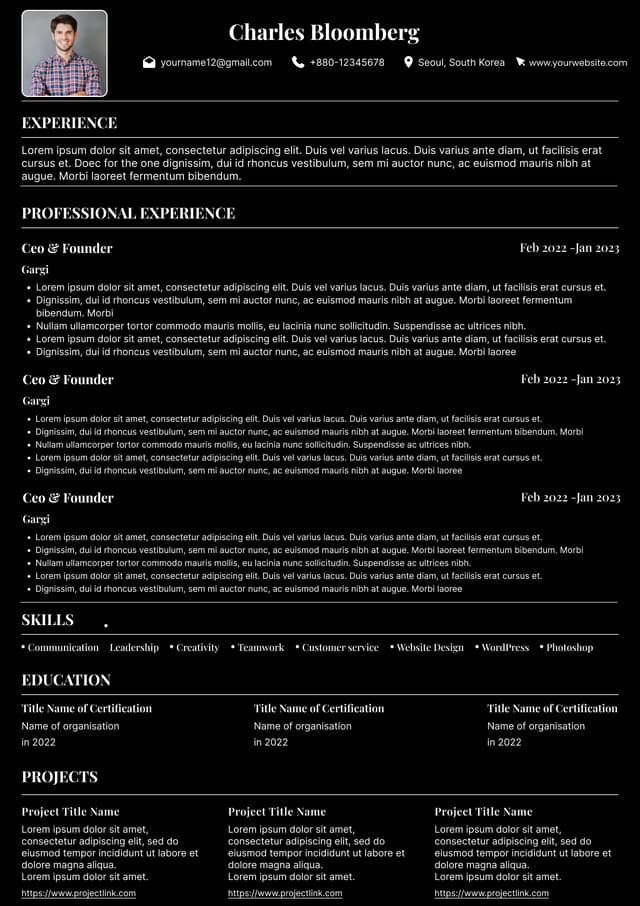
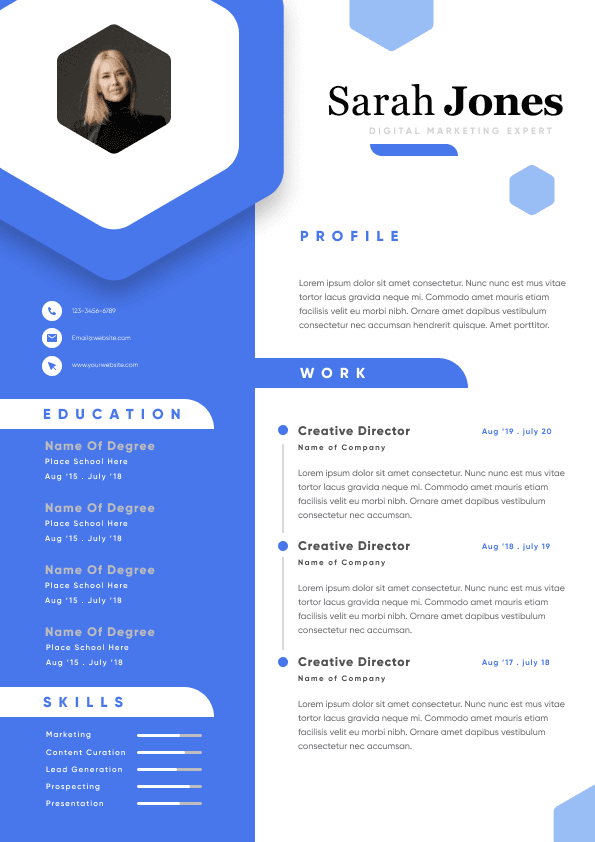
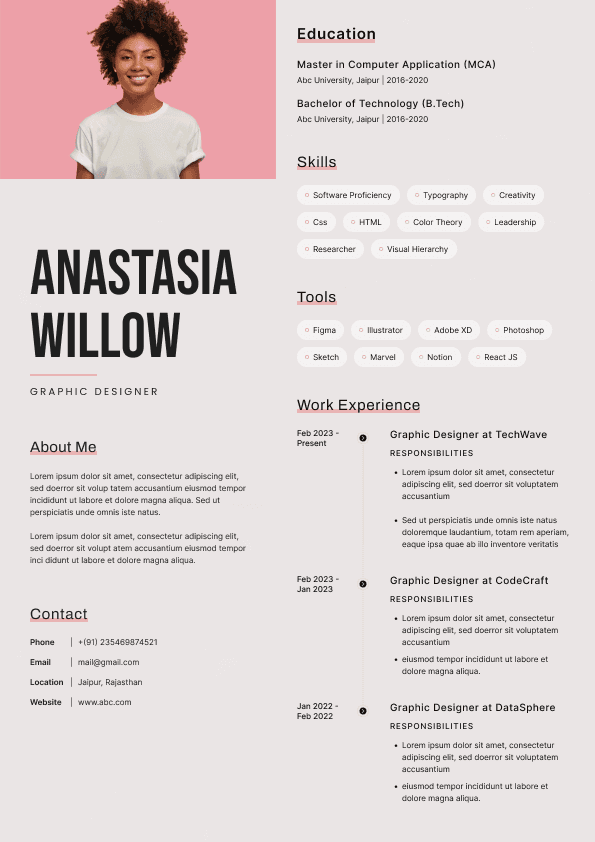
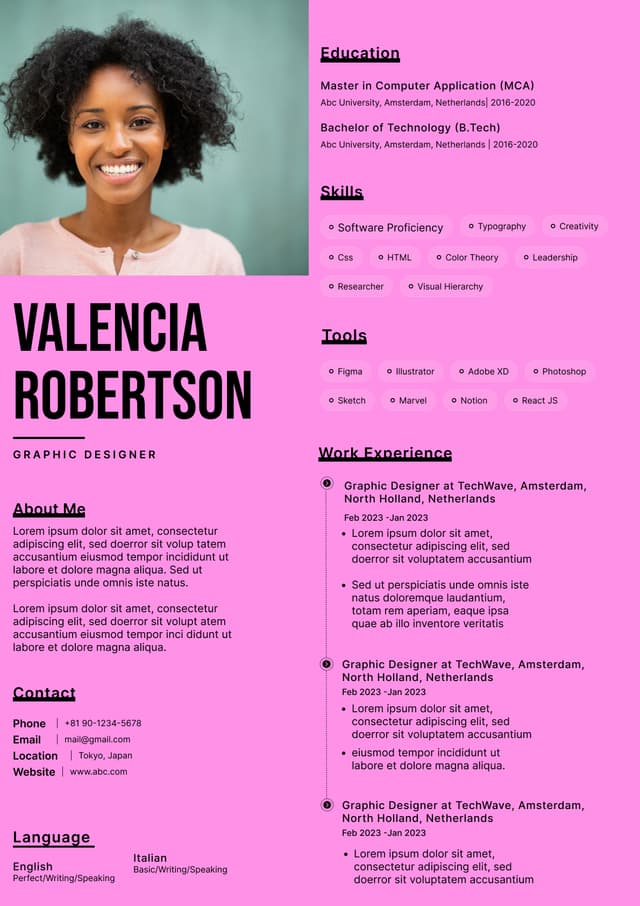
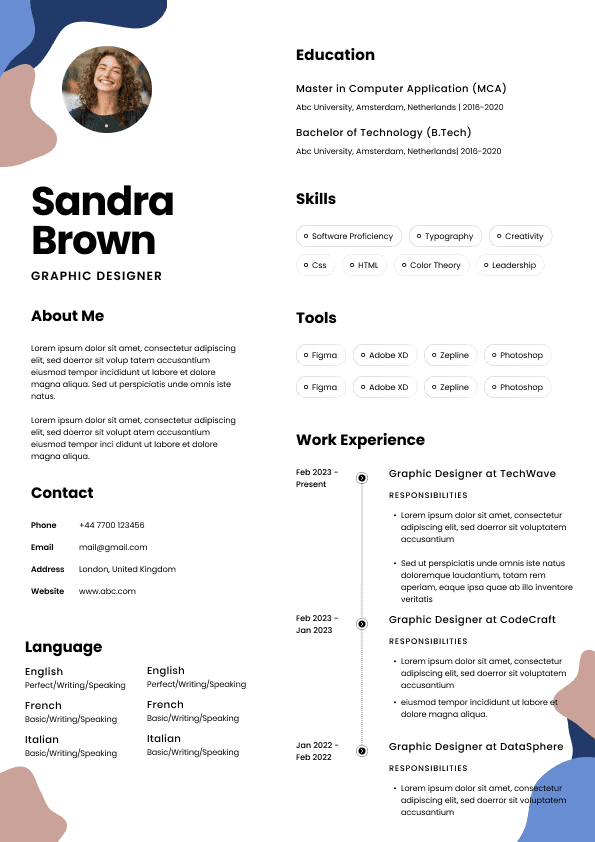
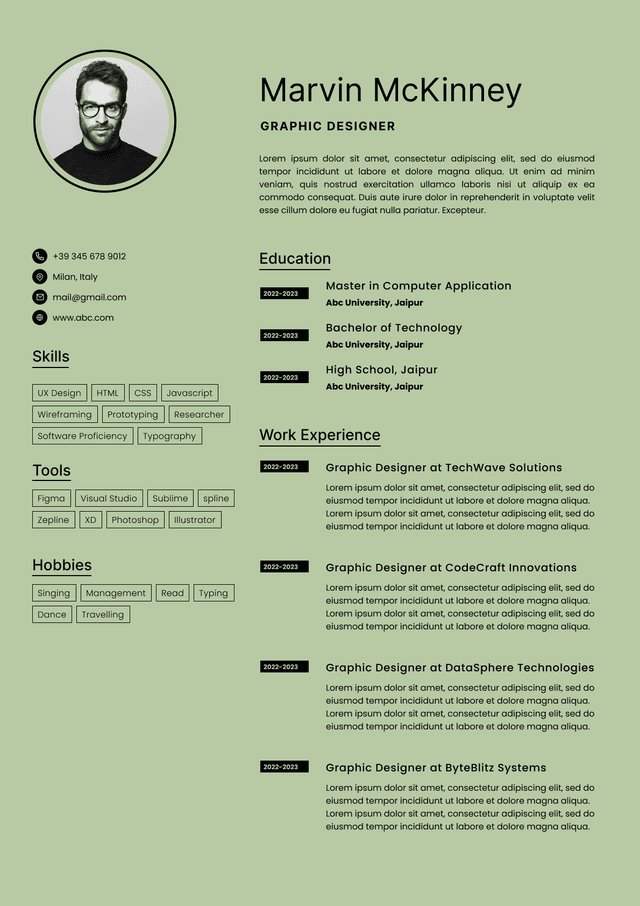
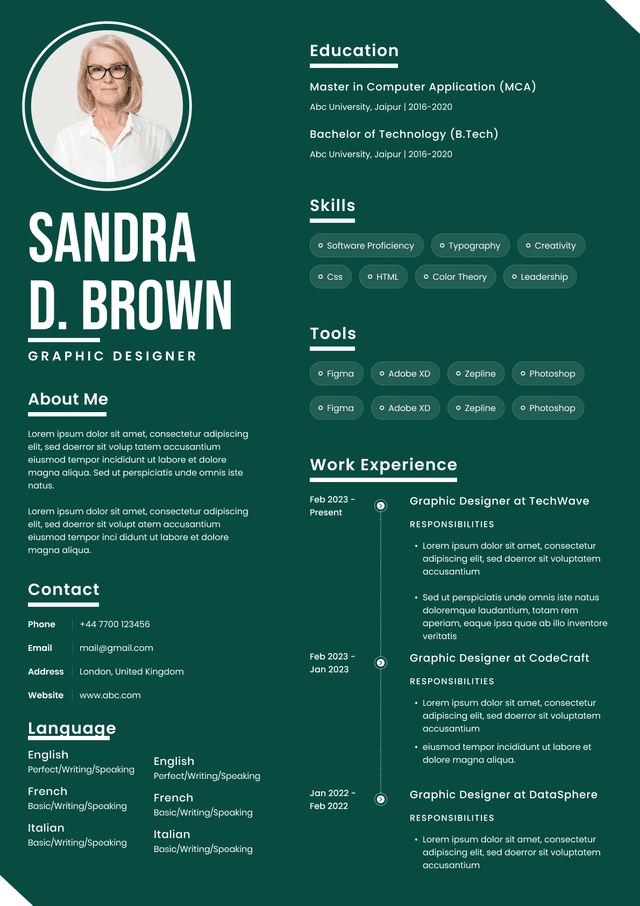
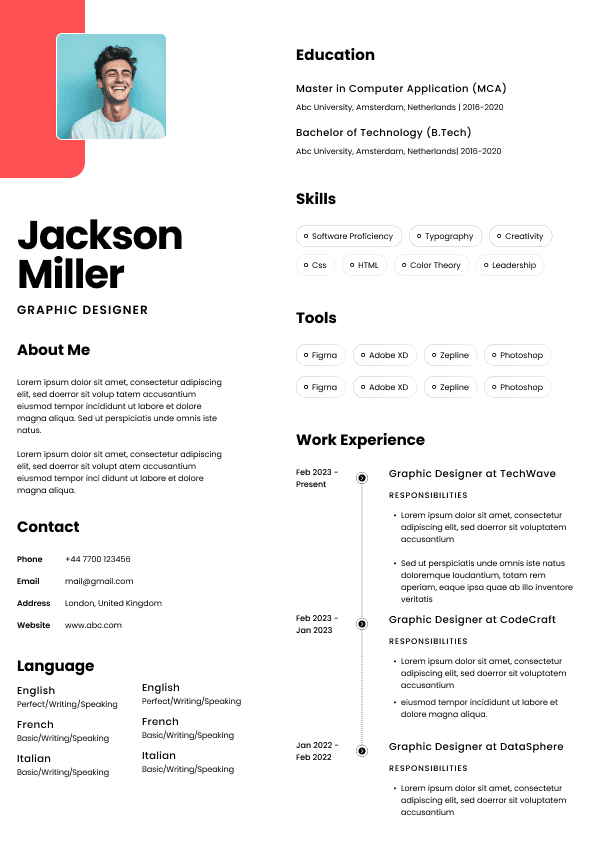
Choose from a wide range of NEWCV resume templates and customize your NEWCV design with a single click.
FAQ


PHP developers are responsible for building, maintaining, optimizing, and securing web applications and backend systems that power modern websites, SaaS platforms, APIs, eCommerce systems, and CMS environments. On a resume, employers expect PHP developers to demonstrate more than coding ability. They look for evidence of backend architecture knowledge, framework experience, debugging skills, API integration, database optimization, security awareness, and collaboration within Agile engineering teams.
The strongest PHP developer resumes clearly show measurable technical impact, not vague task lists. Hiring managers want to see how you improved application performance, reduced downtime, optimized queries, modernized legacy systems, integrated APIs, or contributed to scalable product development. Generic descriptions like “worked on PHP websites” rarely survive recruiter screening or ATS filtering.
This guide breaks down the exact duties and responsibilities modern employers expect from PHP developers and explains how to present them effectively on a resume.
A PHP developer designs, develops, tests, deploys, and maintains server-side web applications and backend services using PHP and related technologies. Depending on the company and product, the role may involve:
Building custom web applications
Developing APIs and backend systems
Working with frameworks like Laravel or Symfony
Maintaining WordPress or Magento platforms
Optimizing databases and application performance
Integrating third-party services and payment gateways
Troubleshooting production issues
Supporting DevOps and deployment workflows
Improving application security and scalability
In smaller companies, PHP developers often work full stack and handle both frontend and backend responsibilities. In larger engineering organizations, they usually specialize in backend architecture, APIs, integrations, infrastructure collaboration, or platform engineering.
The exact responsibilities vary by company, but most modern PHP developer roles include the following core functions.
One of the primary responsibilities is building web applications and backend services using PHP.
This includes:
Writing application logic
Designing backend architecture
Creating reusable modules and components
Building APIs and microservices
Supporting web application functionality
Developing admin dashboards and internal tools
Recruiters pay close attention to whether candidates have worked on real production systems rather than only small projects or maintenance work.
Strong resumes specify:
Types of applications built
Traffic scale or user volume
Frameworks used
Technical complexity
Business impact
Weak Example
“Developed PHP applications.”
Good Example
“Developed and maintained Laravel-based SaaS applications supporting 150K+ monthly users and integrated RESTful APIs for customer billing and authentication workflows.”
The second example demonstrates scale, context, and technical depth.
Modern engineering teams prioritize code quality heavily.
Hiring managers expect PHP developers to:
Follow coding standards
Write reusable components
Maintain readable architecture
Reduce technical debt
Follow SOLID principles when applicable
Use version control properly
Improve long-term maintainability
This matters because poorly structured PHP systems become difficult and expensive to maintain over time.
Strong resumes demonstrate:
Refactoring experience
Legacy modernization work
Code review participation
Engineering standard improvements
Maintainability-focused development
Many weaker candidates list technologies without proving they understand scalable engineering practices.
Different PHP ecosystems create different employer expectations.
Laravel-focused positions often involve:
Building RESTful APIs
Developing scalable backend services
Implementing authentication systems
Queue management
Database migrations
Eloquent ORM optimization
Unit and feature testing
Middleware implementation
Event-driven workflows
Recruiters hiring Laravel developers typically prioritize backend engineering maturity over basic PHP knowledge.
Symfony roles usually focus on enterprise-grade applications.
Responsibilities often include:
Modular architecture development
Dependency injection management
API platform implementation
Enterprise integrations
High-performance backend systems
Scalable service architecture
Symfony candidates are frequently evaluated for architectural thinking and engineering discipline.
WordPress developers are expected to handle:
Custom theme development
Plugin development
WooCommerce customization
CMS optimization
Security hardening
Performance optimization
Third-party plugin integrations
Hiring managers increasingly reject WordPress candidates who only rely on page builders without deeper PHP development experience.
Magento developers commonly manage:
eCommerce backend customization
Checkout optimization
Module development
Payment gateway integrations
Catalog performance optimization
API integrations
Multi-store architecture support
Magento experience is often associated with complex enterprise commerce environments.
Modern PHP development is heavily backend-oriented.
Most companies expect PHP developers to work extensively with APIs, databases, and server-side systems.
Key backend responsibilities include:
Building RESTful APIs
Integrating third-party APIs
Managing authentication systems
Handling business logic
Processing asynchronous jobs
Designing backend workflows
Supporting frontend applications with APIs
Managing database communication
Strong resumes explain integration complexity clearly.
Recruiters respond well to specifics such as:
Stripe payment integration
Salesforce CRM synchronization
OAuth authentication systems
AWS service integrations
ERP integrations
Twilio communication workflows
Shopify integrations
HubSpot synchronization
Generic statements like “worked with APIs” do not create meaningful differentiation.
Database optimization is one of the most overlooked areas on PHP developer resumes.
Many applications fail due to poor database performance rather than poor PHP logic.
Common database responsibilities include:
Writing optimized SQL queries
Designing database schemas
Improving indexing strategies
Reducing query execution times
Managing MySQL or PostgreSQL systems
Supporting migrations
Improving data consistency
Troubleshooting database bottlenecks
Recruiters often see stronger technical maturity in candidates who mention measurable optimization work.
Weak Example
“Worked with MySQL databases.”
Good Example
“Optimized complex MySQL queries and indexing strategies, reducing API response times by 42% across customer-facing reporting systems.”
The second example demonstrates measurable engineering impact.
Production troubleshooting is a major part of real-world PHP development.
Experienced PHP developers spend substantial time diagnosing issues across:
Backend logic
Database performance
API failures
Hosting environments
Caching systems
Deployment pipelines
Server logs
Application monitoring systems
Strong candidates demonstrate calm, structured problem-solving ability.
Recruiters especially value developers who can:
Resolve production incidents quickly
Analyze root causes
Prevent recurring issues
Improve system reliability
Support high-availability applications
This becomes even more important for senior PHP roles.
Performance optimization separates average PHP developers from high-value backend engineers.
Modern employers expect PHP developers to understand:
Query optimization
Caching systems
Memory usage
Lazy loading
Queue systems
CDN integration
Page speed optimization
API latency reduction
Application scalability
Strong resumes frequently mention:
Redis caching
Memcached
Queue workers
Load balancing
NGINX optimization
Cloud hosting improvements
Performance profiling tools
Candidates who quantify optimization improvements usually perform better during technical screening.
Security awareness is now a core hiring requirement, especially for backend developers.
PHP developers are often responsible for protecting applications against:
SQL injection
Cross-site scripting (XSS)
Cross-site request forgery (CSRF)
Authentication vulnerabilities
Session hijacking
Data exposure risks
API abuse
Access control failures
Modern recruiters look for evidence that developers understand secure coding practices, not just feature development.
Strong resume language includes:
Input validation
Authentication hardening
Encryption implementation
Access control systems
Secure API development
Security patch management
Vulnerability remediation
Security knowledge strongly influences hiring decisions for senior-level roles.
PHP developers rarely work independently in modern software organizations.
Most engineering environments involve collaboration with:
Product managers
Designers
QA engineers
DevOps engineers
Scrum masters
Stakeholders
Frontend developers
Clients
Typical Agile responsibilities include:
Sprint planning
Daily standups
Backlog refinement
Technical estimation
Retrospectives
Pull request reviews
Cross-functional coordination
Hiring managers increasingly prioritize communication and collaboration skills alongside technical ability.
Candidates who cannot operate effectively in team-based delivery environments often struggle during interviews.
Modern PHP development frequently overlaps with DevOps practices.
Many employers now expect PHP developers to support:
CI/CD pipelines
Deployment workflows
Git version control
Composer dependency management
Docker environments
Cloud hosting platforms
Release processes
Monitoring systems
Common technologies include:
GitHub Actions
Jenkins
GitLab CI/CD
AWS
Docker
Kubernetes
Linux environments
NGINX
Apache
Recruiters increasingly favor PHP developers who understand deployment and infrastructure workflows because engineering teams want developers who can contribute across the software delivery lifecycle.
A significant portion of PHP development work involves maintaining or modernizing legacy systems.
This includes:
Upgrading PHP versions
Refactoring outdated code
Removing deprecated functionality
Improving architecture
Migrating frameworks
Reducing technical debt
Modernizing database structures
Improving maintainability
Many candidates underestimate how valuable this experience is.
Companies often struggle to find developers capable of safely modernizing older PHP systems without disrupting production stability.
Strong modernization experience can significantly improve hiring outcomes.
Recruiters do not simply scan for “PHP” keywords.
They evaluate:
Technical depth
Framework specialization
Backend complexity
Business impact
Scalability exposure
Production experience
Modern engineering practices
Problem-solving capability
Collaboration ability
The strongest PHP resumes demonstrate progression from task execution to ownership and technical impact.
Strong PHP resumes usually include:
Laravel, Symfony, WordPress, or Magento expertise
API development experience
Performance optimization work
Measurable technical achievements
Production support exposure
Database optimization
Security implementation
CI/CD workflows
Scalable architecture contributions
Common failure patterns include:
Generic task descriptions
No measurable outcomes
No framework specificity
No scale indicators
No backend depth
No optimization examples
No collaboration context
No technical ownership
Many PHP developers unintentionally undersell themselves by listing responsibilities without showing engineering impact.
The language used on a resume matters significantly.
Weak resumes sound passive and generic.
Strong resumes sound outcome-driven and technically specific.
Effective action verbs include:
Developed
Engineered
Optimized
Integrated
Refactored
Architected
Automated
Implemented
Troubleshot
Modernized
Secured
Scaled
Deployed
Maintained
High-performing PHP resumes often follow this structure:
Action + Technology + Scope + Measurable Outcome
For example:
“Optimized Laravel API endpoints and MySQL queries, reducing average response times by 38% for high-traffic customer reporting features.”
This format immediately communicates value.
Many technically capable PHP developers lose interviews because of weak positioning.
This is one of the biggest resume problems.
Bad resumes describe activities instead of results.
Recruiters care about outcomes.
Long technology lists without context reduce credibility.
Strong resumes explain how technologies were used and why they mattered.
Modern employers expect current practices.
Outdated wording like “built websites using PHP and HTML” can make candidates appear junior or obsolete.
Technical work should connect to business outcomes when possible.
Examples include:
Faster application performance
Reduced downtime
Improved scalability
Better customer experience
Increased transaction reliability
Faster deployments
This helps recruiters understand why the work mattered.
Senior PHP developers are expected to operate beyond implementation tasks.
Responsibilities often include:
System architecture decisions
Technical leadership
Mentoring developers
Engineering process improvements
Cross-team coordination
Scalability planning
Incident response leadership
Security oversight
Technical roadmap contributions
Senior-level resumes should demonstrate ownership, not just execution.
Strong senior resumes often mention:
Architecture redesigns
Large-scale migrations
High-traffic systems
Engineering standards
Team leadership
Mentorship
Infrastructure collaboration
Cross-functional influence
Hiring managers look carefully for evidence of strategic technical contribution.
Not every PHP role values the same responsibilities equally.
Candidates should align resume content with the target role.
Prioritize:
APIs
Queue systems
Microservices
Authentication
Scalability
Testing
Database optimization
Prioritize:
Custom themes
Plugin development
WooCommerce
CMS performance
Security
Page speed optimization
Prioritize:
Symfony
Architecture
Integrations
Scalability
CI/CD
Cloud systems
Security
Tailored resumes generally outperform generic “one-size-fits-all” resumes during recruiter screening.
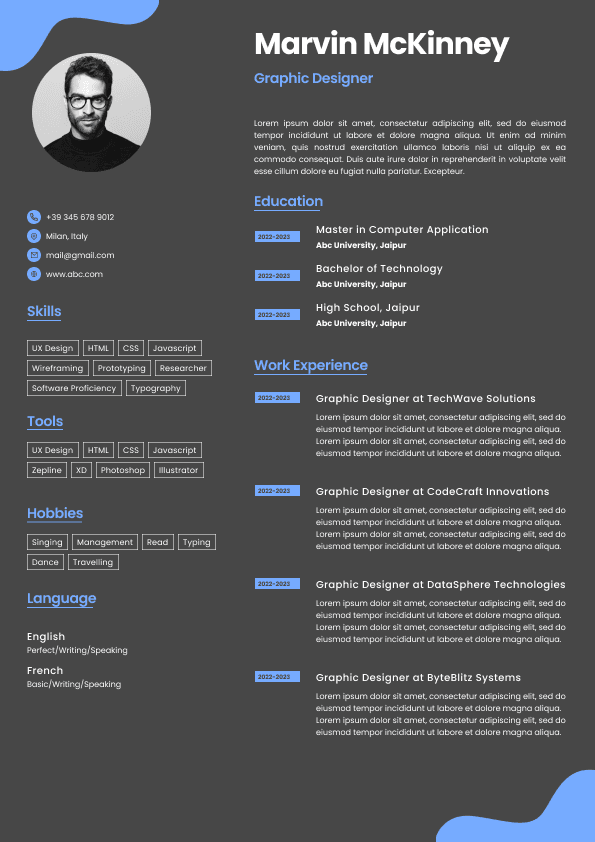
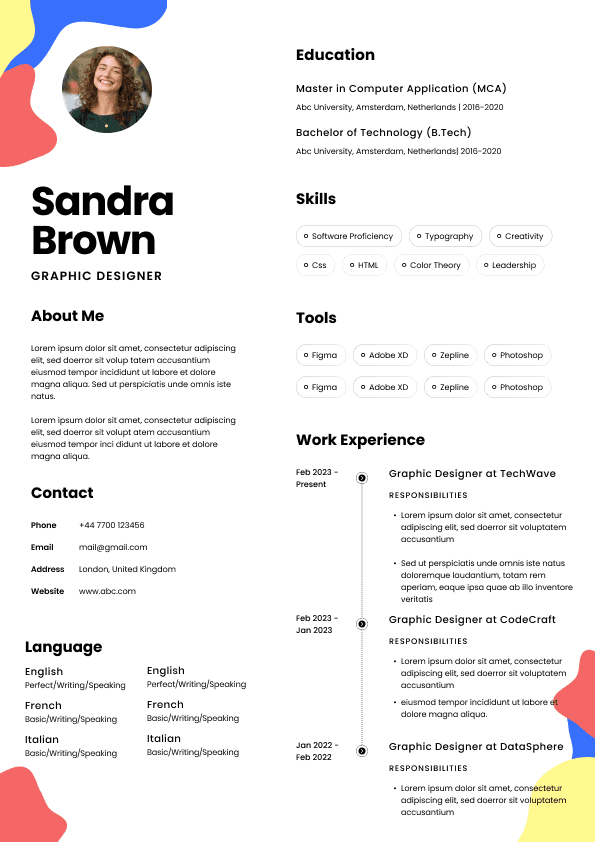
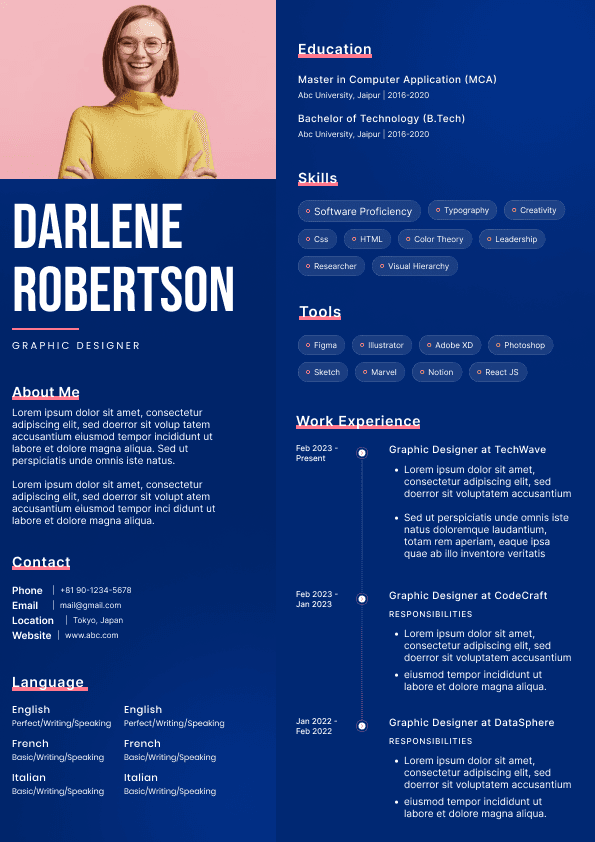
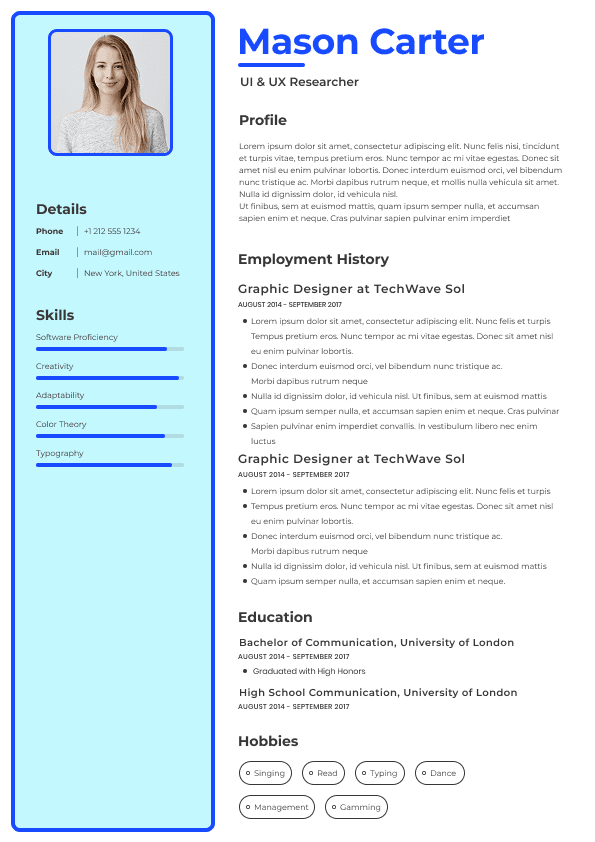
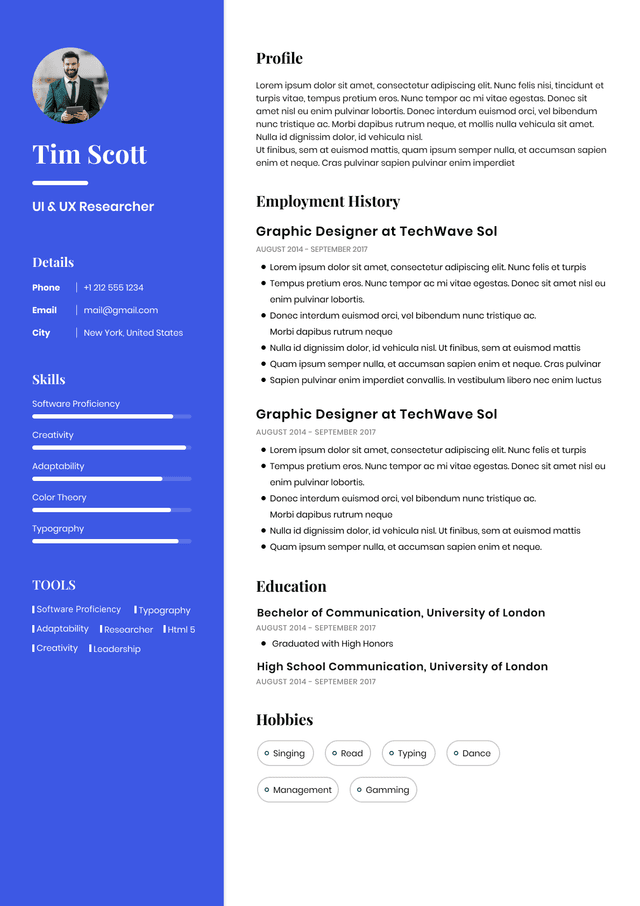
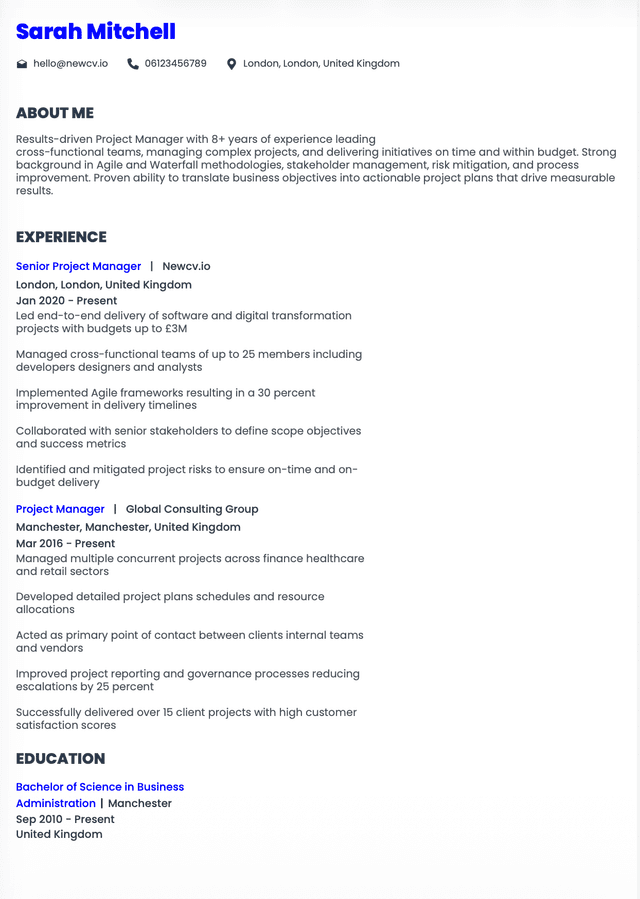
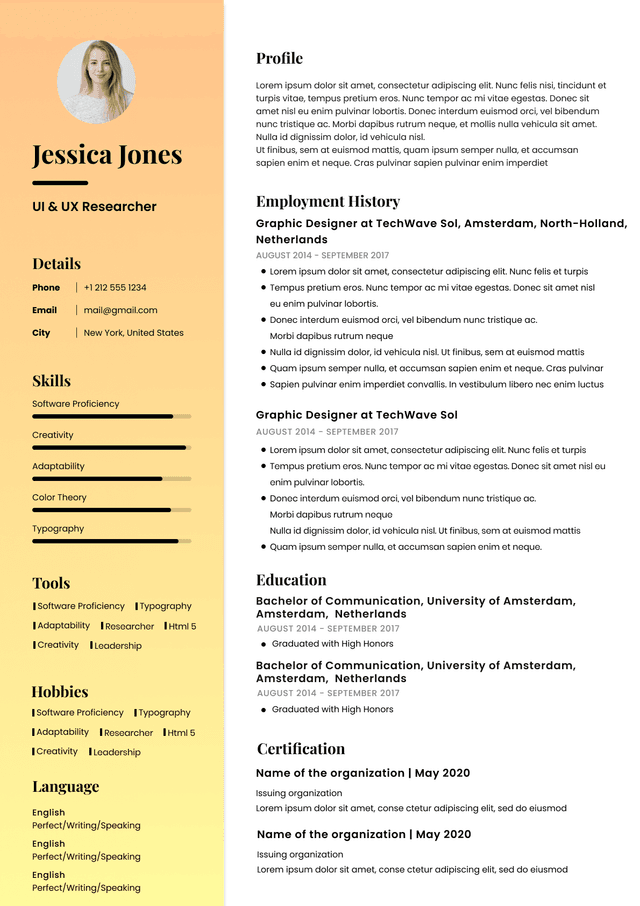
Use ATS-optimised Resume and resume templates that pass applicant tracking systems. Our Resume builder helps recruiters read, scan, and shortlist your Resume faster.


Use professional field-tested resume templates that follow the exact Resume rules employers look for.
Create Resume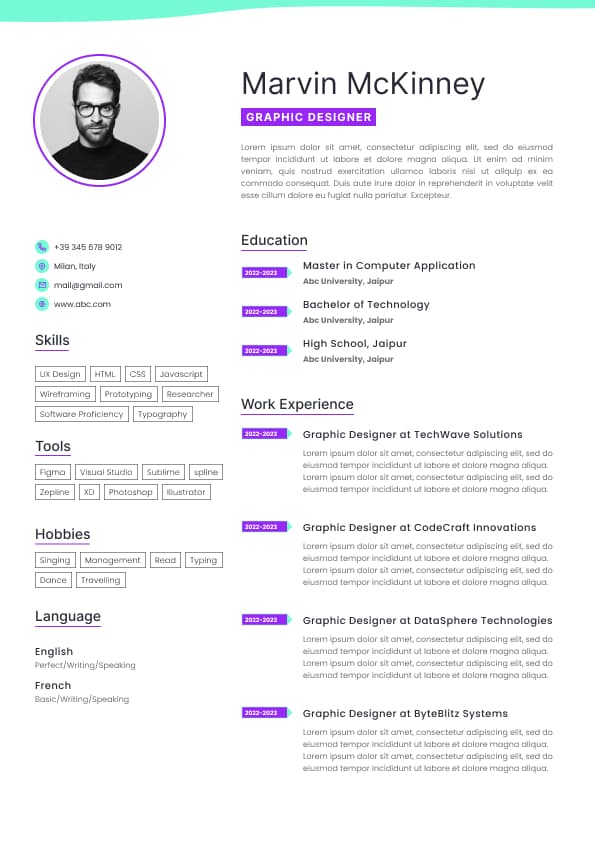
Use professional field-tested resume templates that follow the exact Resume rules employers look for.
Create Resume






 Upload Resume
 Import from Linkedin