STILL APPLYING. STILL HEARING NOTHING?BUILD YOUR RESUME

STILL APPLYING. STILL HEARING NOTHING?BUILD YOUR RESUME
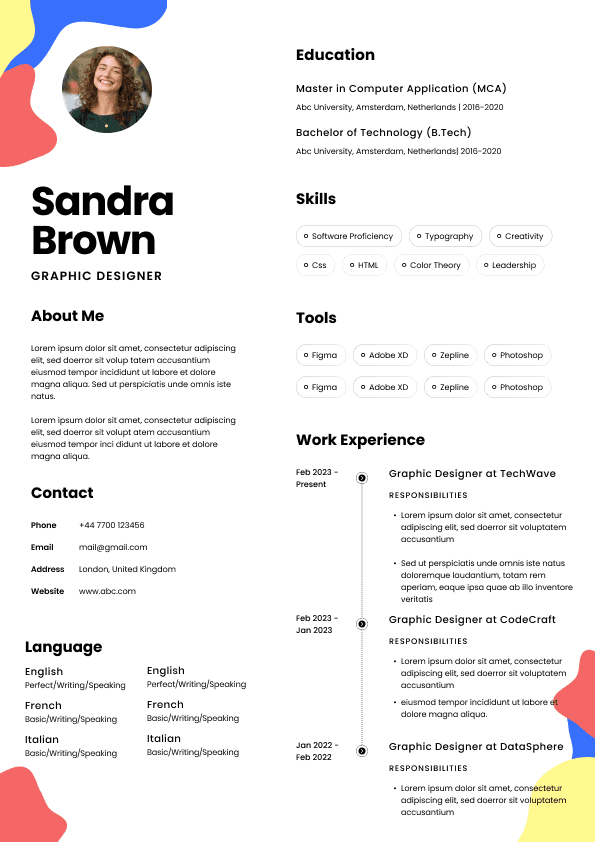
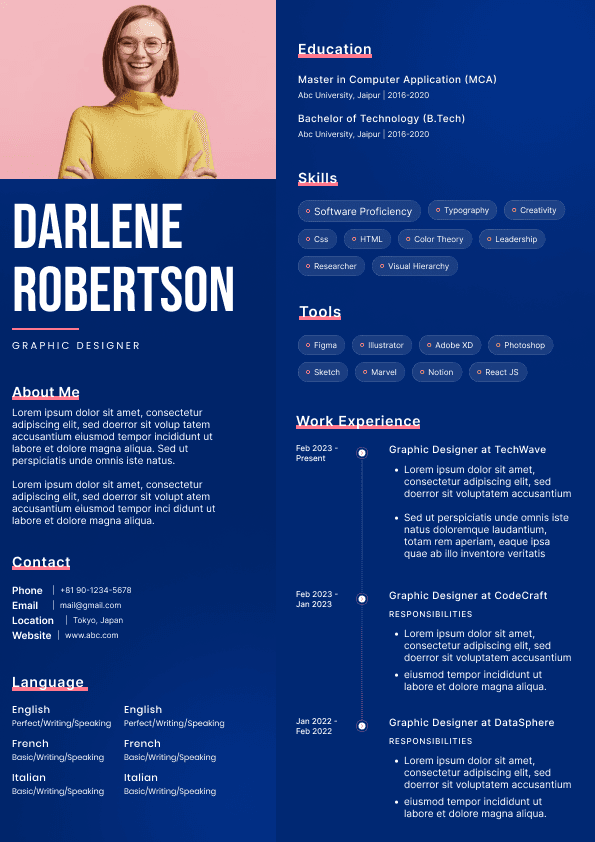
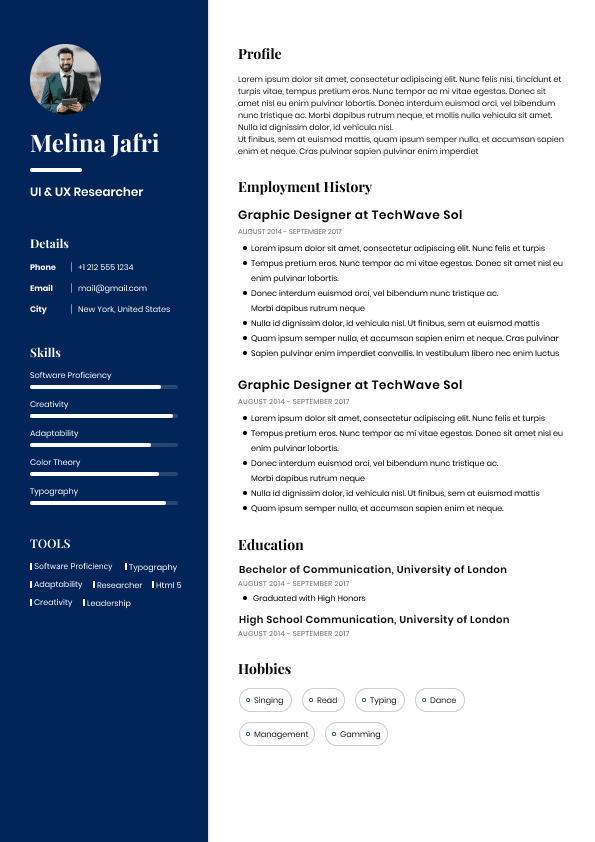
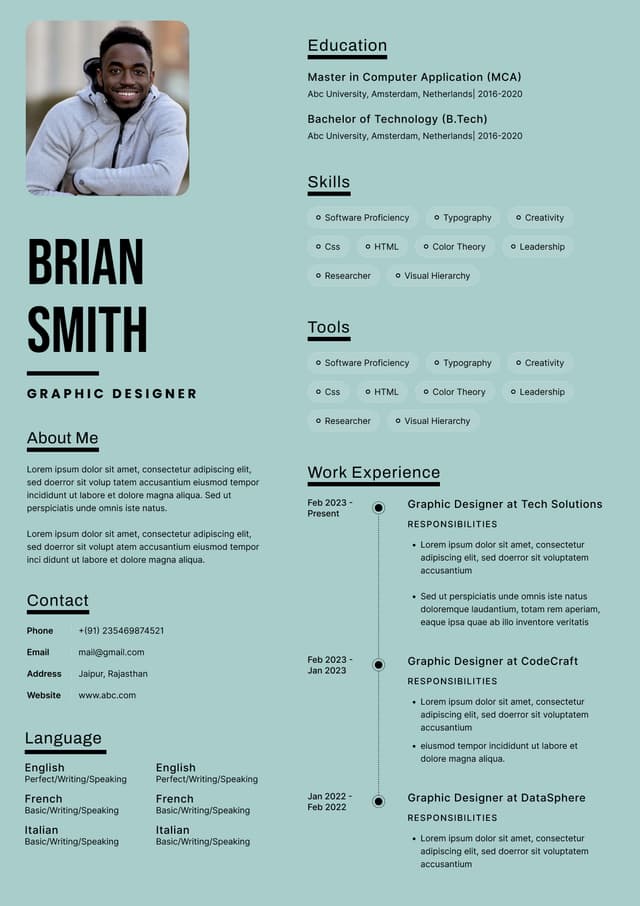
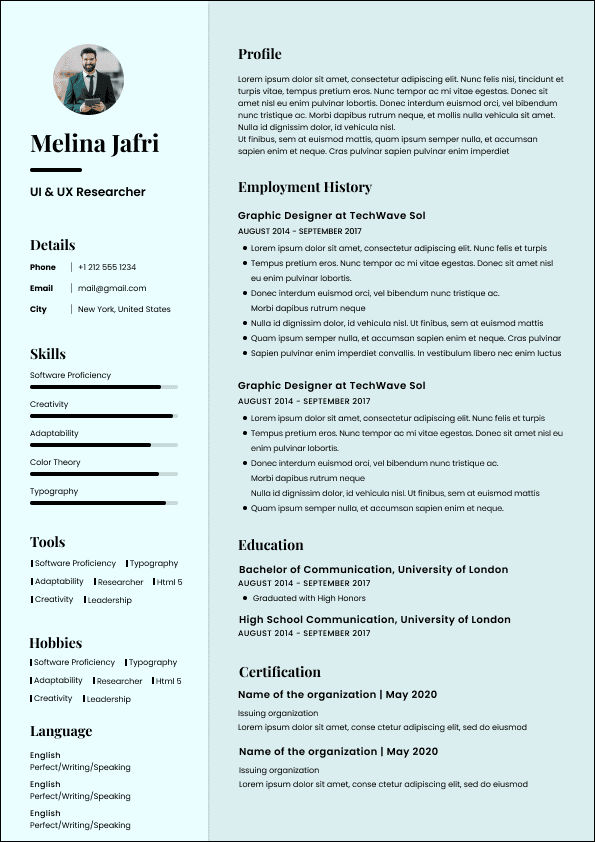
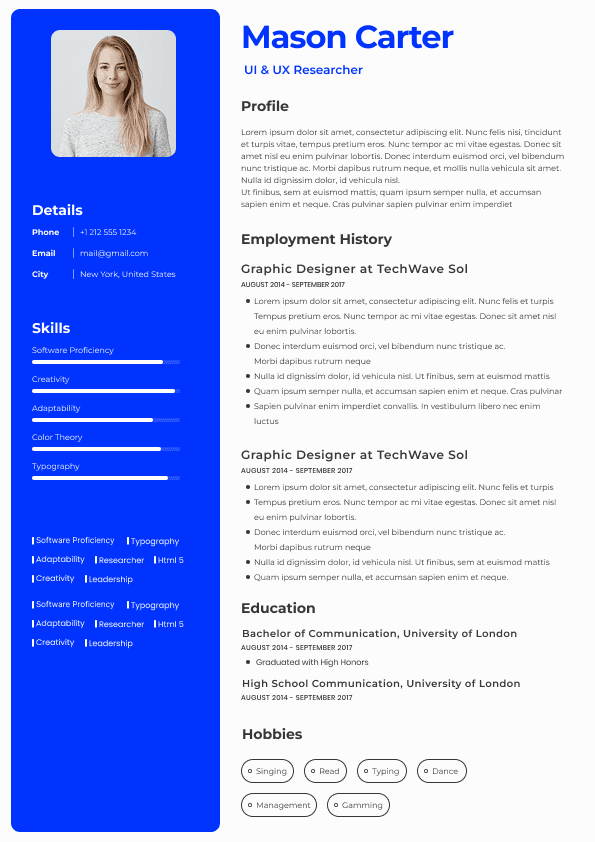
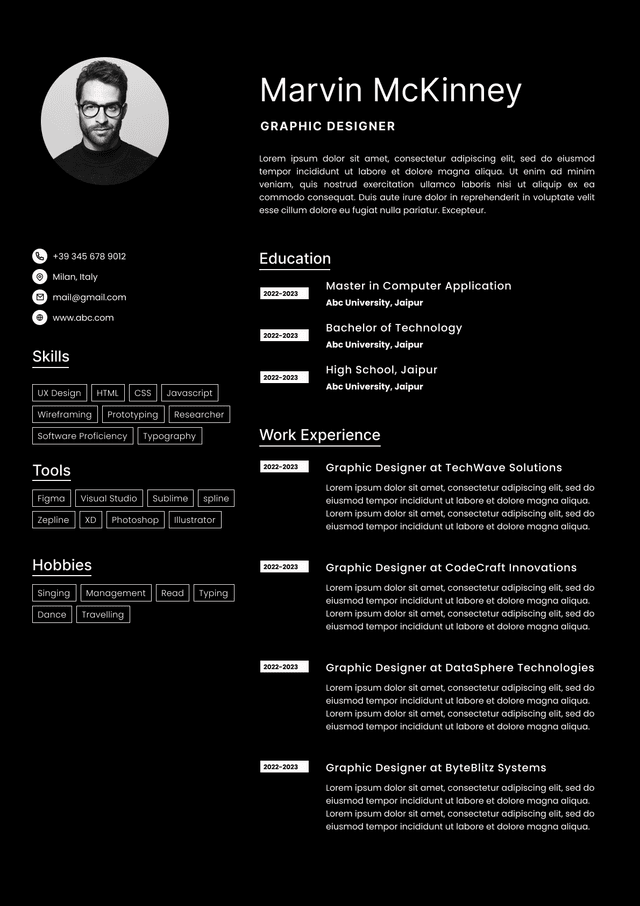
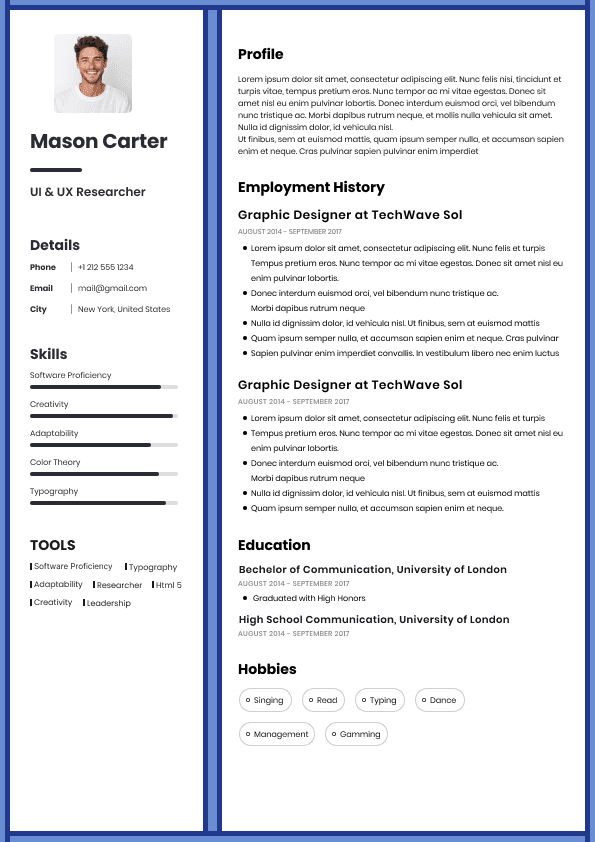
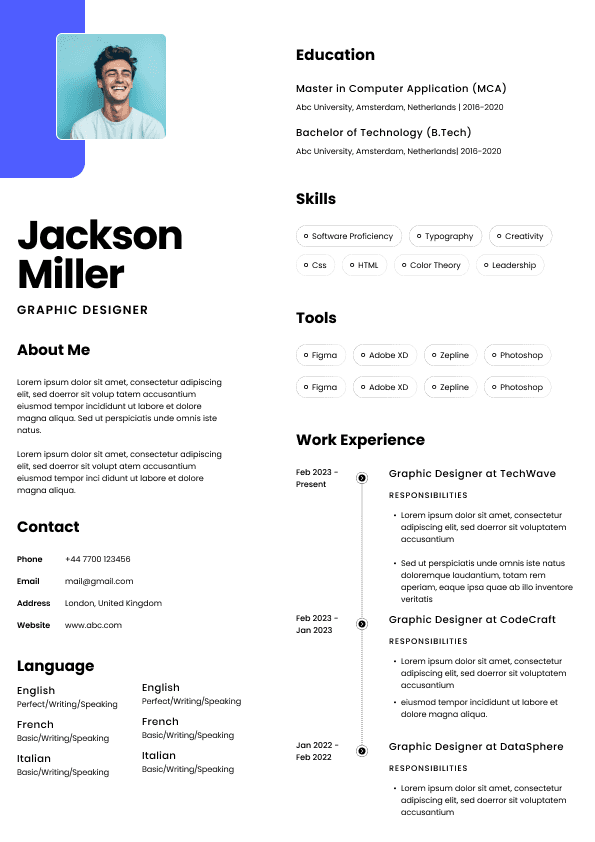
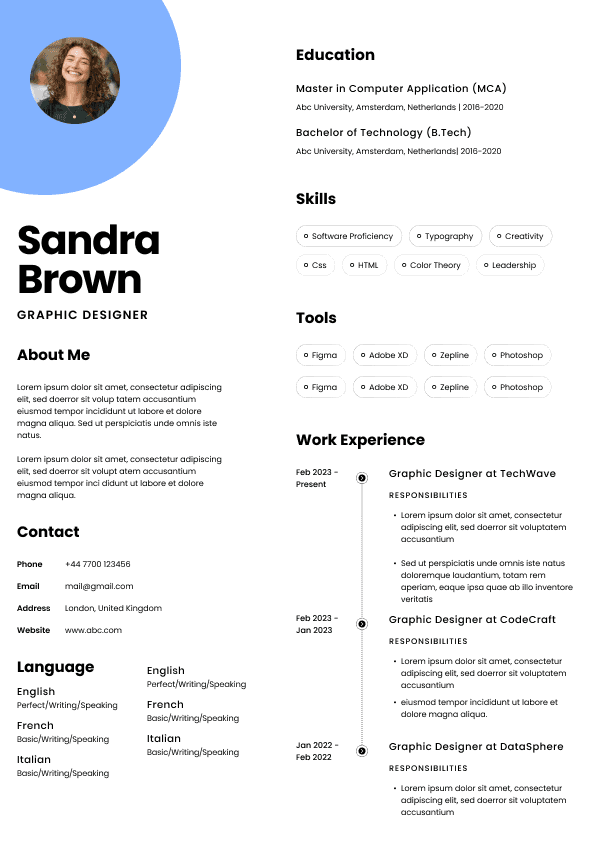
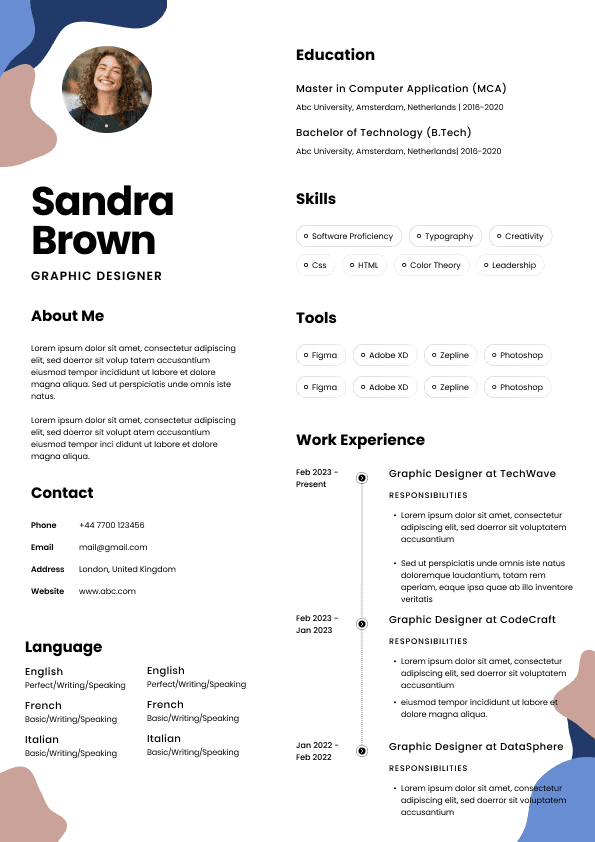
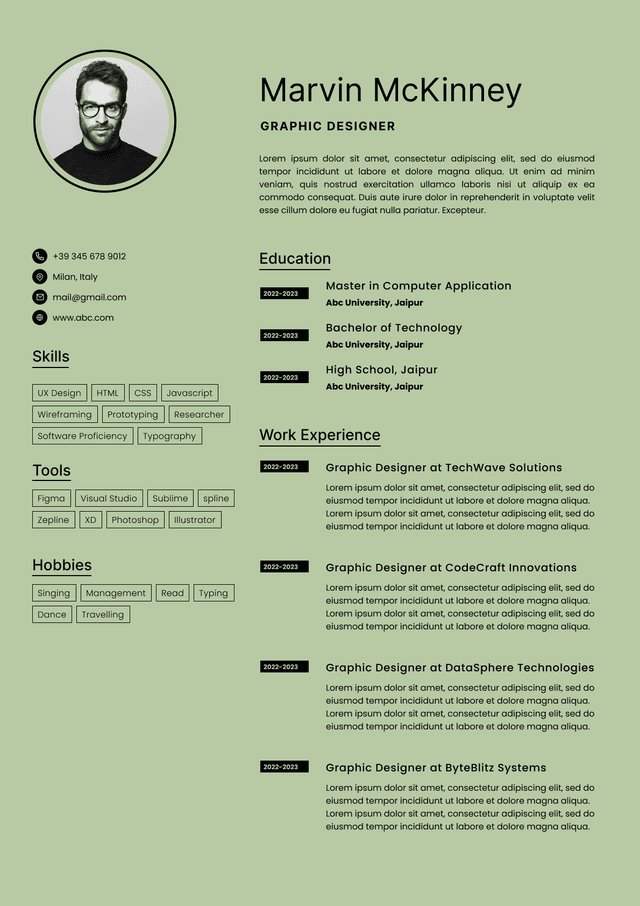
Choose from a wide range of NEWCV resume templates and customize your NEWCV design with a single click.
FAQ
A strong GitHub profile can directly improve your chances of getting interviews as a PHP developer, especially in competitive markets where recruiters and hiring managers want proof beyond a resume. For PHP roles, GitHub acts as technical evidence of your coding ability, architecture decisions, documentation habits, framework knowledge, and consistency.
Most PHP developers make the same mistake: they treat GitHub like a code storage platform instead of a professional credibility platform.
Recruiters are not reviewing every line of your code. They are scanning for signals:
Can this person build real applications?
Do they understand modern PHP development practices?
Can another developer understand and run their code?
Do they write production-level projects or just tutorials?
Are they active, organized, and technically credible?
A well-optimized GitHub profile can help you:
PHP hiring is heavily proof-driven.
Unlike some non-technical roles where experience descriptions may be enough, backend hiring managers want visible technical evidence. A polished GitHub profile reduces uncertainty during hiring.
This matters even more for:
Junior PHP developers
Self-taught developers
Career changers
Freelancers
Developers without major brand-name employers
Internship applicants
Remote job candidates
When recruiters review PHP candidates, GitHub often validates whether the resume matches reality.
Your GitHub profile should immediately communicate three things:
Your PHP specialization
Your technical depth
Your project quality
A cluttered or empty profile creates doubt.
Your bio should clearly position you.
Avoid vague descriptions like:
Weak Example
“Passionate developer who loves coding.”
This says nothing meaningful.
Good Example
“PHP Developer specializing in Laravel APIs, MySQL architecture, and scalable backend applications.”
Or:
“WordPress PHP Developer building custom plugins, REST APIs, and WooCommerce integrations.”
Specificity increases recruiter confidence immediately.
Pinned repositories are your technical homepage.
This is where most recruiters decide whether to keep evaluating your profile.
You should pin projects that demonstrate:
Real-world functionality
Framework depth
Clean architecture
Documentation quality
Deployment readiness
Strong options include:
Laravel REST API
The strongest PHP GitHub portfolios solve realistic business problems.
Laravel projects perform extremely well because they demonstrate modern PHP engineering practices.
High-value Laravel project ideas include:
Multi-role authentication platform
Subscription billing system
CRM backend
Inventory management system
API-first SaaS platform
Job board application
Most PHP developers massively underestimate README quality.
Recruiters absolutely judge project professionalism based on documentation quality.
A great README immediately separates serious developers from hobbyists.
Explain:
What the project does
Who it is for
The business problem it solves
List technologies clearly:
PHP 8.x
Laravel 11
MySQL
Redis
Your GitHub profile README acts like a developer landing page.
A strong README profile should include:
Short professional introduction
PHP specialization
Framework expertise
Featured repositories
Current projects
Open source contributions
Technical stack badges
Certifications if relevant
Open source contributions create strong credibility because they demonstrate collaboration and production-level code review experience.
Even small contributions matter if they are legitimate.
Strong contribution areas include:
Laravel packages
Documentation improvements
Bug fixes
Community tooling
Starter kits
Good opportunities include:
Plugin development
Recruiters evaluate far more than repositories.
Consistent activity is stronger than random bursts of commits.
This does not mean you must code daily. It means your GitHub should look alive and current.
Finished projects matter.
Many PHP developers start projects and never complete them. Recruiters notice.
Even non-technical recruiters often escalate profiles to engineering teams if architecture appears organized.
Strong documentation suggests:
Communication skills
Team readiness
Professional maturity
Most GitHub portfolios fail because they look unfinished, careless, or generic.
Multiple empty repositories create the appearance of abandoned work.
Archive or clean them.
Recruiters recognize tutorial projects immediately.
If your portfolio only contains cloned YouTube projects, your credibility drops significantly.
If possible, deploy your applications.
Live projects dramatically increase trust.
Bad names include:
testproject
laravelapp1
newprojectfinalfinal
Professional naming matters.
If your GitHub is weak today, you can improve it strategically.
Remove:
Broken projects
Empty repositories
Duplicate tutorials
Low-quality experiments
Focus on quality over quantity.
Ideal mix:
One advanced backend app
One API project
Junior developers often assume they cannot compete without experience.
That is no longer true.
For internships and entry-level roles, GitHub often matters more than formal experience.
Recruiters want evidence that you understand:
Routing
Authentication
APIs
Databases
MVC architecture
Security basics
Environment management
A fully completed small application is more valuable than five unfinished advanced projects.
Your resume and GitHub must reinforce each other.
Mismatch creates suspicion.
If your resume claims:
Laravel expertise
API development
PHPUnit testing
Docker experience
your GitHub should visibly support those claims.
Strong alignment includes:
Matching technologies
Similar project descriptions
Consistent specialization
Verifiable technical depth
Good placement options include:
Header section
Portfolio links
Project section
Technical skills section
Do not bury GitHub at the bottom of your resume.
Once your fundamentals are strong, advanced optimization can further improve recruiter response rates.
Packagist publishing demonstrates deeper PHP ecosystem involvement.
Strong technical writing improves authority.
Brief explanations of:
Design patterns
Scalability decisions
Security approaches
show engineering maturity.
Swagger or Postman collections improve usability significantly.
Visual clarity increases recruiter engagement.
The difference is rarely raw coding ability.
The biggest differences are usually:
Project completion
Documentation quality
Technical clarity
Professional presentation
Real-world relevance
Consistency
Strong GitHub portfolios look production-ready.
Weak portfolios look experimental.
That distinction strongly affects hiring outcomes.

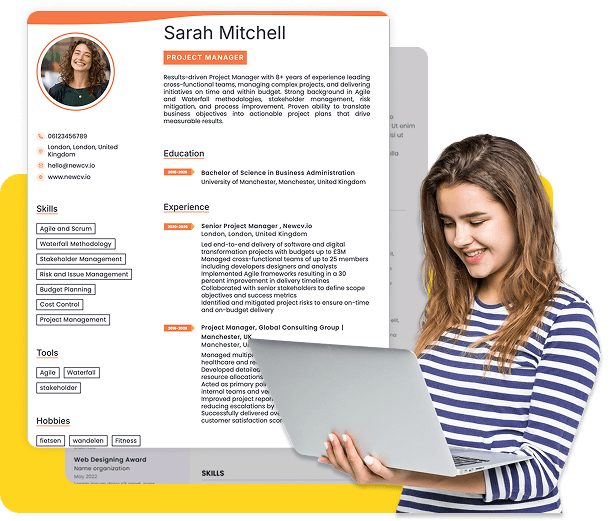
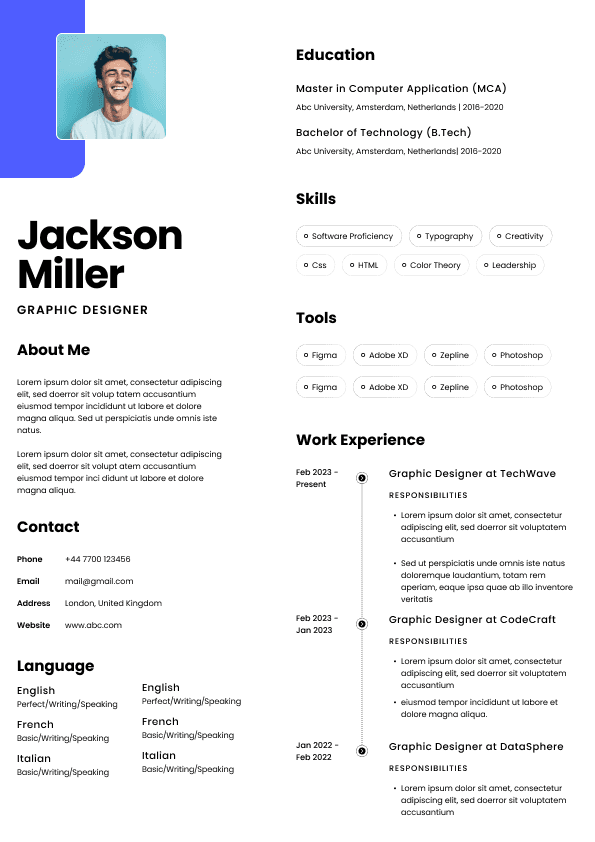
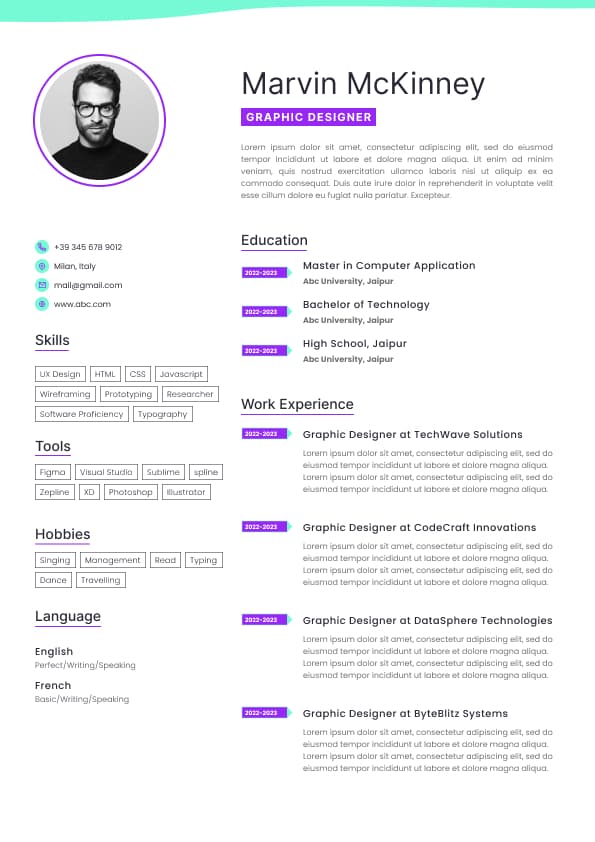
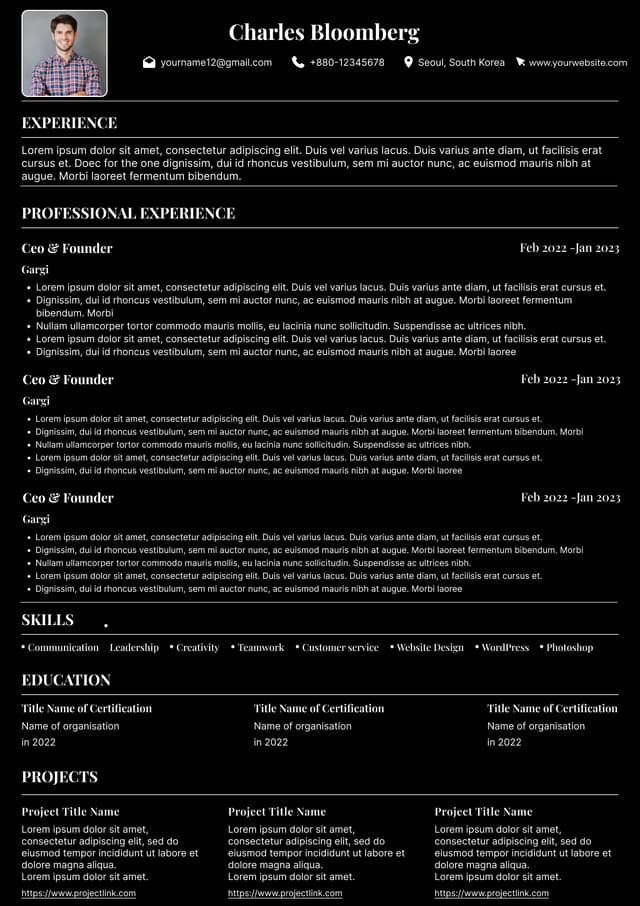
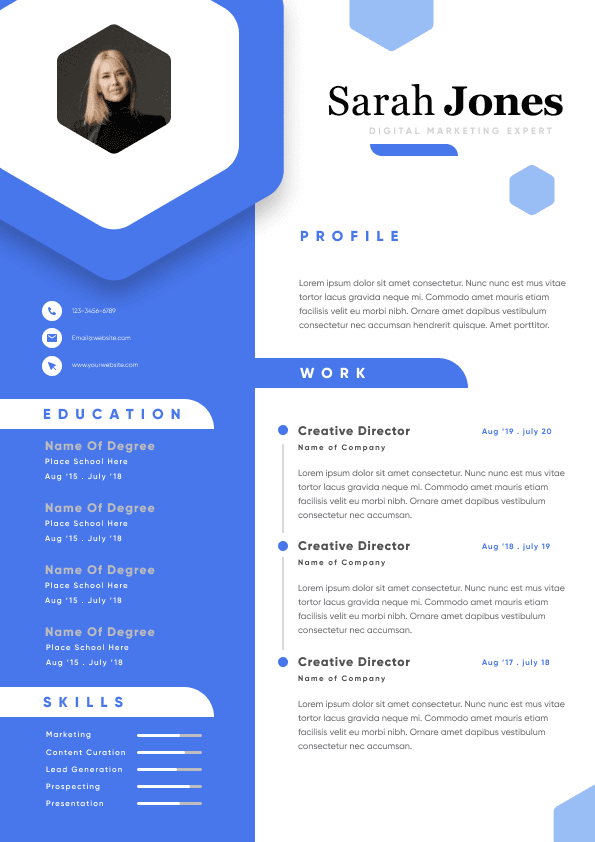
Use ATS-optimised Resume and resume templates that pass applicant tracking systems. Our Resume builder helps recruiters read, scan, and shortlist your Resume faster.

Use professional field-tested resume templates that follow the exact Resume rules employers look for.
Create Resume
Use professional field-tested resume templates that follow the exact Resume rules employers look for.
Create ResumeStand out in junior and mid-level PHP hiring
Prove Laravel, Symfony, WordPress, or Magento expertise
Strengthen your resume without additional certifications
Build technical authority through open source contributions
Increase recruiter trust during screening
Improve internship and freelance opportunities
Demonstrate real-world backend development skills
For many PHP developers, GitHub becomes the deciding factor between “looks promising” and “interview this candidate.”
A strong PHP GitHub profile demonstrates:
Backend architecture understanding
Framework-specific knowledge
API integration capability
Database design awareness
Security practices
Testing habits
Dependency management with Composer
Environment configuration knowledge
Documentation quality
Deployment understanding
Hiring managers especially value candidates who can show working applications instead of theoretical skills.
Your GitHub profile should include:
Portfolio website
LinkedIn profile
Personal domain
Technical blog if available
Email contact
Packagist profile for Composer packages
These signals strengthen credibility and professionalism.
Avoid usernames like:
phpmaster123
darkcoder
anonymousdev
Use professional naming conventions whenever possible:
firstname-lastname
firstnamedev
firstnamephp
Recruiters notice professionalism instantly.
E-commerce backend
Authentication system
CMS platform
Booking system
SaaS dashboard
Payment integration project
Multi-tenant application
Queue processing system
Dockerized PHP application
Composer package
WordPress plugin
Magento extension
Symfony bundle
Avoid pinning:
Tutorial clones
Half-finished projects
Empty repositories
Tiny exercises
Random experiments with no README
Recruiters care far more about project quality than quantity.
Event booking system
Team collaboration app
Real-time notification system
Admin analytics dashboard
Recruiters specifically look for:
Eloquent relationships
Queue jobs
Middleware usage
API resources
Authentication systems
Validation structure
Service layer organization
Database migrations
Testing coverage
WordPress developers often fail to demonstrate advanced PHP ability.
Most GitHub portfolios only show themes. That is a mistake.
Better projects include:
Custom WooCommerce plugin
Headless WordPress API integration
Gutenberg block development
Membership plugin
Multi-site automation tool
SEO optimization plugin
Custom REST API endpoints
Performance optimization plugin
These projects better demonstrate PHP engineering depth.
Symfony projects signal strong enterprise development capability.
Good Symfony GitHub projects include:
Enterprise API platform
Microservice architecture demo
Event-driven application
Admin portal
Role-based enterprise dashboard
Messaging queue integration
Symfony hiring managers often evaluate:
Dependency injection
Service container architecture
Event subscribers
Doctrine ORM usage
Configuration management
Testing structure
Magento developers should showcase:
Custom Magento modules
Checkout customizations
Payment integrations
Inventory extensions
API integrations
Store optimization modules
Magento hiring managers value developers who understand scalability and platform architecture.
Docker
PHPUnit
Composer
Nginx
This helps recruiters quickly evaluate technical alignment.
Always include:
Composer installation
Environment setup
Database migration steps
Seeder instructions
API key setup guidance
Docker instructions if applicable
Projects without setup instructions create friction and reduce credibility.
Whenever possible include:
Dashboard screenshots
API examples
Deployment URLs
Swagger documentation
Architecture diagrams
Hiring managers strongly prefer projects they can visually understand quickly.
If you use PHPUnit or Pest, document it clearly.
Testing is a major differentiator in PHP hiring because many candidates skip it entirely.
Contact links
Portfolio link
A clean structure might include:
Intro section
Current tech stack
Featured Laravel projects
Open source contributions
GitHub stats
Contact section
Avoid overly flashy designs that hurt readability.
Core patches
Gutenberg improvements
WooCommerce extensions
Enterprise-focused recruiters often value Symfony open source participation highly.
Hacktoberfest can help newer developers build contribution consistency, but quality matters more than contribution count.
Low-value spam pull requests can hurt credibility.
Engineering discipline
Exposed secrets immediately damage credibility.
Never expose:
API keys
Database credentials
.env files
AWS secrets
Payment keys
Security mistakes can instantly eliminate candidates.
No documentation suggests incomplete work.
Commit messages like:
fixed stuff
updates
test
final version
reduce professionalism.
Use meaningful commits:
Implement JWT authentication middleware
Add order status queue processing
Refactor API validation service
PHP hiring managers increasingly value automated testing.
Even partial testing coverage is better than none.
One framework-specific project
One open source contribution
One polished smaller utility tool
Professional documentation alone can significantly improve perceived developer quality.
Use platforms like:
Vercel
Railway
DigitalOcean
AWS
Render
Even simple deployments improve credibility.
Position yourself clearly around your specialization.
Do not try to imitate enterprise-scale architecture prematurely.
Clean fundamentals matter more.
Even documentation pull requests demonstrate collaboration skills.



 Upload Resume
 Import from Linkedin