STILL APPLYING. STILL HEARING NOTHING?BUILD YOUR RESUME

STILL APPLYING. STILL HEARING NOTHING?BUILD YOUR RESUME
Choose from a wide range of NEWCV resume templates and customize your NEWCV design with a single click.
FAQ
The best PHP developer resume format depends on your experience level, technical depth, and hiring target. For most US-based PHP developers, the reverse chronological format performs best because recruiters and hiring managers want to quickly understand your recent stack, frameworks, shipped products, and business impact.
If you are junior, self-taught, transitioning careers, or coming from bootcamps, a functional or combination format may work better because projects and technical skills matter more than long-term employment history.
The biggest mistake PHP developers make is using visually impressive templates that break ATS parsing. Most hiring systems prioritize clean structure, keyword relevance, and readable technical experience over design.
A strong PHP developer resume template should:
Highlight technical skills near the top
Showcase frameworks like Laravel, Symfony, or CodeIgniter clearly
Include measurable backend impact
Support ATS parsing without graphics or columns
Show real production work, APIs, databases, integrations, and deployment exposure
This is the strongest format for:
Mid-level PHP developers
Senior backend engineers
Laravel developers
Full-stack PHP developers
Agency developers
SaaS engineers
Enterprise developers
Recruiters prefer this format because it answers the most important screening questions immediately:
Most PHP resumes fail because they read like task lists instead of technical impact documents.
Recruiters and hiring managers scan for five things first:
Your resume must clearly match the stack in the job description.
For example:
Laravel
Symfony
REST APIs
MySQL
PostgreSQL
Docker
A recruiter-friendly PHP developer resume should follow this structure:
Include:
Full name
Phone number
Professional email
GitHub
Portfolio website
Location
Do not include:
Your summary should position you strategically within 3 to 5 lines.
A strong PHP summary includes:
Years of experience
Primary frameworks
Backend specialization
Business domain exposure
Technical strengths
Scale or impact indicators
Weak Example
“Hardworking PHP developer seeking opportunities to grow.”
Good Example
“PHP Developer with 6+ years of experience building scalable Laravel and Symfony applications for SaaS and e-commerce platforms. Specialized in REST API development, MySQL optimization, AWS deployments, and performance-focused backend architecture supporting high-traffic production environments.”
This section should appear near the top.
Recruiters often decide whether to continue reading within seconds based on this section alone.
Use grouped categories.
Languages: PHP, JavaScript, TypeScript, SQL
Frameworks: Laravel, Symfony, CodeIgniter
CMS/E-commerce: WordPress, Magento, WooCommerce
Databases: MySQL, PostgreSQL, MongoDB
Frontend: Vue.js, React, HTML5, CSS3
Cloud/DevOps: AWS, Docker, Kubernetes, CI/CD
This section determines interview conversion rate more than any other part of the resume.
Every bullet should communicate:
Action
Technology
Scope
Outcome
Action + Technology + Scope + Result
Good Example
“Developed RESTful APIs using Laravel and MySQL for a healthcare SaaS platform, reducing third-party integration latency by 37%.”
Good Example
“Refactored legacy PHP monolith into modular Laravel services, decreasing deployment failures by 48% and improving release velocity.”
Good Example
“Integrated Stripe and PayPal payment workflows across WooCommerce storefronts processing $2.4M in annual transactions.”
Laravel jobs are highly competitive because the framework dominates modern PHP hiring.
If you are applying for Laravel-focused roles:
Mention Laravel early in the summary
Include Laravel in skills and project sections
Showcase Eloquent ORM usage
Highlight queue systems, Redis, Horizon, Sanctum, or Passport when applicable
Include testing frameworks like PHPUnit or Pest
Mention deployment tooling and CI/CD
Most applicants mention Laravel.
Far fewer demonstrate:
There is an important positioning difference.
Focus more on:
Frontend collaboration
CMS systems
Responsive UI integration
JavaScript frameworks
Full-stack delivery
Typical technologies:
PHP
WordPress
The safest fonts are:
Arial
Calibri
Aptos
Helvetica
Recommended formatting:
10 to 12 pt font size
Single-column layout
Standard margins
Clear section spacing
Yes, especially in technical hiring markets.
Recruiters increasingly validate:
Code quality
Real projects
Framework familiarity
Technical consistency
Strong portfolio additions include:
GitHub repositories
Deployed Laravel apps
API documentation
Entry-level PHP candidates face a trust problem.
Hiring managers need proof you can contribute in production environments.
You can compensate for limited experience through:
Strong projects
Technical specificity
GitHub activity
Internships
Freelance work
Certifications
Real deployments
Senior-level resumes should demonstrate:
Ownership
Architecture decisions
Team leadership
Scalability thinking
Technical mentorship
System modernization
Monolith-to-microservice migrations
Huge keyword dumps reduce credibility.
Recruiters trust focused expertise more than inflated stacks.
Generic bullets create zero differentiation.
Specificity creates credibility.
Technical work should connect to:
Revenue
Performance
User experience
Scalability
Reliability
Best for:
Entry-level developers
Junior developers
Internships
Bootcamp graduates
Best for:
Mid-level developers
Senior engineers
Architects
Before applying, confirm your resume:
Matches the target role keywords
Includes PHP frameworks clearly
Uses measurable achievements
Shows production-level work
Includes GitHub or portfolio links
Uses ATS-safe formatting
Prioritizes technical skills near the top
Demonstrates business impact

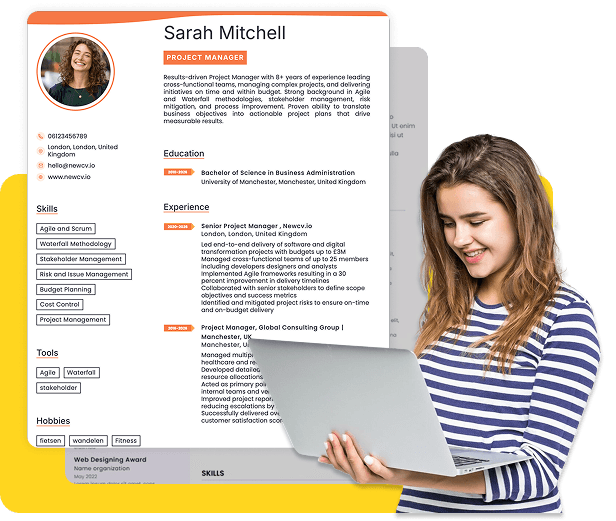
Use ATS-optimised Resume and resume templates that pass applicant tracking systems. Our Resume builder helps recruiters read, scan, and shortlist your Resume faster.

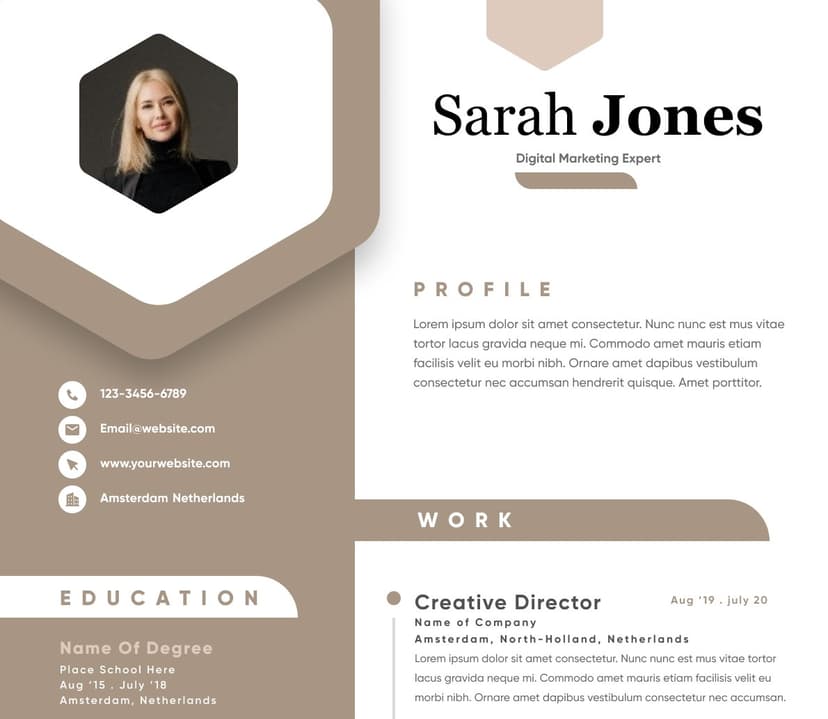
Use professional field-tested resume templates that follow the exact Resume rules employers look for.
Create Resume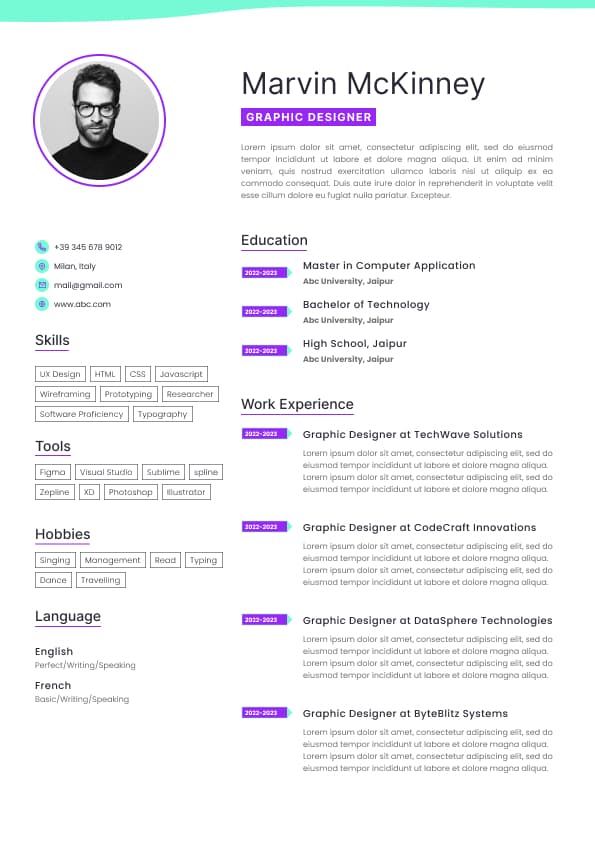
Use professional field-tested resume templates that follow the exact Resume rules employers look for.
Create ResumeMake recruiter scanning easy within 10 to 20 seconds
For US hiring markets in 2026, simple ATS-friendly formatting consistently outperforms flashy resume designs for software engineering roles.
What technologies do you currently use?
How recent is your PHP experience?
What scale have you worked at?
Have you shipped production systems?
Have you worked in teams?
Have you improved business outcomes?
This format should emphasize:
Recent technical roles
Framework expertise
System architecture exposure
API development
Database optimization
Performance improvements
Cloud infrastructure experience
This format works best for:
Career changers
Bootcamp graduates
Self-taught developers
Entry-level candidates
Developers returning after employment gaps
A functional format shifts focus from employment chronology to:
Technical projects
Skills
Frameworks
Freelance work
GitHub contributions
Portfolio applications
However, there is a major risk.
Many recruiters distrust heavily functional resumes because they sometimes hide weak experience history. If you use this format, you still need:
Real project depth
Technical specificity
Deployment evidence
GitHub links
Stack details
Business use cases
This is often the best option for:
Freelance PHP developers
WordPress/PHP hybrid developers
Laravel contractors
CMS developers
E-commerce developers
Developers with large project portfolios
This format combines:
Skills section near the top
Strong project section
Traditional employment history
It works especially well when:
Your projects are stronger than your job titles
You worked with multiple clients
You built deployable applications
You contributed to plugins, APIs, or modules
You handled both backend and frontend responsibilities
AWS
Redis
PHPUnit
Git
CI/CD
If those technologies are buried deep in the resume, your interview probability drops significantly.
Hiring managers want evidence that you worked on real systems.
Strong indicators include:
API integrations
Payment systems
Authentication systems
Scalable databases
Queue systems
Caching
Deployment pipelines
Monitoring tools
Security improvements
Weak resumes describe duties.
Strong resumes describe impact.
Weak Example
“Worked on Laravel applications and fixed bugs.”
Good Example
“Improved Laravel API response times by 42% through query optimization, Redis caching, and database indexing across a SaaS billing platform serving 120K monthly users.”
The second version demonstrates:
Technical depth
Performance awareness
Scale
Business context
Engineering maturity
Most ATS systems struggle with:
Multi-column layouts
Graphics
Icons
Tables
Skill bars
Text boxes
A visually impressive template can destroy parsing accuracy.
The safest format uses:
Single-column layout
Clear section headers
Standard fonts
Plain bullets
Consistent spacing
Modern PHP hiring increasingly evaluates:
Git workflows
Testing practices
CI/CD pipelines
Cloud deployment
Containerization
API architecture
Security awareness
Microservices familiarity
Even junior candidates benefit from demonstrating exposure to these concepts.
Full address
Photo
Age
Marital status
US employers do not expect these details.
The second summary:
Uses recruiter keywords
Clarifies specialization
Establishes seniority
Improves ATS alignment
Signals production-level capability
Testing: PHPUnit, Pest, Cypress
Tools: Git, Composer, Jira, Postman
This structure improves:
ATS keyword recognition
Recruiter scanning speed
Technical clarity
Strong PHP experience bullets often include:
Scalability
Database optimization
Security improvements
API integrations
Performance tuning
Cloud deployments
Cross-functional collaboration
Revenue impact
System migrations
Weak resumes often:
List responsibilities only
Avoid metrics
Lack framework specificity
Omit deployment experience
Sound generic
Fail to show business impact
Scalable architecture
Multi-tenant applications
Event-driven systems
Queue optimization
API versioning
Containerized deployments
Performance optimization
These are senior-level differentiation signals.
Laravel
Vue.js
React
HTML/CSS
APIs
Focus more on:
APIs
Databases
Scalability
System architecture
Security
Queues
Caching
Infrastructure
Typical technologies:
PHP
Laravel
Symfony
Redis
Docker
AWS
PostgreSQL
Your resume positioning should match the target role exactly.
Bold section headers only
Avoid:
Icons
Charts
Infographics
Photos
Colored backgrounds
Tables
Multiple columns
These commonly break ATS parsing.
Technical blog posts
Plugin repositories
Open-source contributions
Recruiters usually do not deeply review code.
Engineering managers often do.
They typically evaluate:
Project relevance
Consistency
Documentation quality
Architecture patterns
Deployment maturity
Recency of activity
Even 2 to 3 polished projects can significantly strengthen interview probability.
Prioritize:
Technical projects
Stack clarity
API work
Database usage
Authentication systems
CRUD applications
Deployment exposure
Avoid:
Generic objective statements
Overloaded skills lists
Fake expertise claims
Irrelevant work history dominating the resume
Buzzword stuffing
Recruiters spot inflated technical claims quickly.
Performance optimization at scale
Cloud architecture
CI/CD implementation
Security initiatives
Engineering leadership
Cross-functional coordination
Many senior developers undersell themselves by:
Writing tactical bullets only
Omitting business impact
Failing to quantify scale
Ignoring leadership influence
Senior hiring is not only about coding.
It is about technical decision-making and organizational impact.
Efficiency
Designer resumes often fail ATS systems.
Simple formatting wins in technical recruiting.
Technical recruiters scan skills immediately.
Place them near the top.
You need both:
ATS compatibility
Human readability
The best resumes balance both effectively.
Technical leads
Candidates with extensive project experience
Do not force everything onto one page if it sacrifices clarity or impact.
Aligns with the exact job posting
Avoids generic language
The highest-performing PHP resumes are not the most visually impressive.
They are the clearest, most technically credible, and easiest to evaluate quickly.


 Upload Resume
 Import from Linkedin