STILL APPLYING. STILL HEARING NOTHING?BUILD YOUR RESUME

STILL APPLYING. STILL HEARING NOTHING?BUILD YOUR RESUME
Choose from a wide range of NEWCV resume templates and customize your NEWCV design with a single click.
FAQ
A strong PHP developer resume is not just a list of programming languages or frameworks. In the U.S. hiring market, recruiters and engineering managers want proof that you can build, maintain, optimize, and troubleshoot production-grade backend systems using modern PHP practices.
The fastest way to get rejected is to submit a generic developer resume filled with vague technical buzzwords like “worked on web applications” or “responsible for backend development.”
What employers actually want to see is evidence of:
Real-world PHP application delivery
Laravel or Symfony framework expertise
API development and integration experience
Database optimization and backend architecture skills
Most PHP developer resumes fail because they focus too heavily on tasks instead of engineering outcomes.
Hiring managers are scanning for signals that answer these questions immediately:
Can this person contribute to production systems quickly?
Have they worked with modern PHP ecosystems?
Do they understand scalable backend architecture?
Can they debug and optimize applications independently?
Have they collaborated in Agile engineering teams?
Can they ship reliable code without excessive oversight?
A high-performing PHP resume demonstrates technical depth, ownership, and measurable impact.
Your headline should align with the actual role you want.
Senior PHP Developer | Laravel, REST APIs, AWS
Backend PHP Developer | Symfony, MySQL, Docker
PHP Full Stack Developer | Laravel + Vue.js
WordPress PHP Developer | WooCommerce Customization
PHP Software Engineer | SaaS Platform Development
Magento PHP Developer | Adobe Commerce Specialist
Junior PHP Developer | PHP 8, MySQL, Laravel
Avoid generic titles like:
Technical recruiters prefer resumes that are easy to scan quickly.
The best structure is:
Include:
Name
Phone number
Professional email
GitHub or portfolio
Location
Do not include:
Full mailing address
Your skills section should reflect real production environments.
Do not overload it with every technology you have ever touched.
Group skills strategically.
PHP 7/8+
Object-Oriented PHP
MVC Architecture
Composer
PSR Standards
Dependency Injection
REST APIs
This is the most important section on your resume.
Most candidates describe responsibilities.
Top candidates describe engineering outcomes.
“Responsible for developing websites using PHP and MySQL.”
This tells recruiters almost nothing.
“Developed and optimized Laravel-based SaaS platform serving 120K+ monthly users, reducing API response time by 42% through Redis caching, database indexing, and query optimization.”
This demonstrates:
Scale
Technical ownership
Performance engineering
Business relevance
The best bullet points follow this structure:
Action + Technical Environment + Business/Engineering Outcome
Built RESTful APIs in Laravel supporting 3M+ monthly transactions across customer billing systems
Reduced page load times by 38% through Redis caching, eager loading optimization, and database indexing
Migrated legacy PHP 5 application to PHP 8 and Laravel, improving maintainability and reducing production bugs by 31%
Designed secure OAuth2 authentication workflows for enterprise SaaS integrations
Integrated Stripe and PayPal payment gateways for high-volume e-commerce platform processing $4.2M annually
Containerized PHP applications using Docker, improving deployment consistency across staging and production environments
Laravel is one of the most requested PHP frameworks in the U.S. market.
Employers expect Laravel developers to understand more than controllers and routes.
Your resume should demonstrate:
Service containers
Queues and jobs
Eloquent optimization
API development
Authentication systems
Testing
Event-driven architecture
Symfony employers often evaluate candidates differently than Laravel-heavy companies.
Symfony environments tend to prioritize:
Enterprise application architecture
Long-term maintainability
Strong OOP principles
Dependency injection
Service-oriented design
Large-scale systems
Your resume should emphasize:
Modular architecture
CMS-based PHP roles are evaluated differently from SaaS backend engineering roles.
Employers expect:
Custom theme development
Plugin development
WooCommerce customization
Performance optimization
Security hardening
REST API integrations
Avoid positioning yourself as only a “website builder.”
Show engineering depth.
Junior developers often make one major mistake:
They try to look senior instead of proving potential.
Hiring managers know entry-level candidates lack production experience.
What they want instead:
Strong fundamentals
Learning ability
Clean projects
Modern PHP practices
Technical curiosity
Good communication
Senior-level resumes are evaluated completely differently.
At the senior level, employers expect:
Technical leadership
Architecture ownership
Scalability decisions
Mentorship
Cross-functional collaboration
System reliability improvements
Strong indicators:
Led backend modernization initiatives
Remote engineering hiring is more competitive because talent pools are national or global.
Your resume should demonstrate:
Async communication
Documentation quality
Ownership
Independent execution
Cross-time-zone collaboration
Collaborated with distributed engineering teams across multiple time zones
Managed production deployments independently in remote Agile environment
Tailoring your experience to industry context improves interview conversion rates significantly.
Highlight:
Multi-tenant architecture
Subscription systems
API ecosystems
Scalability
User growth metrics
Platform uptime
Employers prioritize:
Bad:
PHP
MySQL
Laravel
Git
This proves nothing.
Context matters more than keyword stuffing.
Recruiters can identify inflated resumes quickly.
Avoid excessive claims like:
Expert in all PHP frameworks
Most companies use applicant tracking systems before human review.
However, ATS optimization is often misunderstood.
The goal is not keyword stuffing.
The goal is alignment.
Use naturally where relevant:
PHP 8
Laravel
Symfony
REST APIs
MySQL
Docker
For nearly all PHP developers, reverse chronological format performs best.
Why:
Easier recruiter scanning
Better ATS parsing
Clear technical progression
Faster evaluation by engineering managers
Keep your resume:
1 page for junior developers
2 pages for experienced developers
Do not exceed 2 pages unless you are applying for highly senior architecture or leadership roles.
The best PHP resumes consistently do three things:
Not just technologies used, but how systems were engineered.
Engineering decisions tied to measurable outcomes.
Recruiters immediately understand:
Seniority
Specialization
Technical environment
Employer fit
Most resumes fail because they are vague.
Strong resumes reduce evaluation friction.
That is what gets interviews.

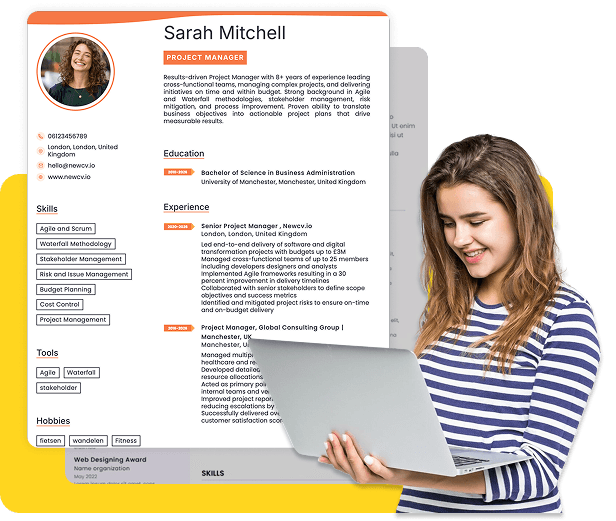
Use ATS-optimised Resume and resume templates that pass applicant tracking systems. Our Resume builder helps recruiters read, scan, and shortlist your Resume faster.

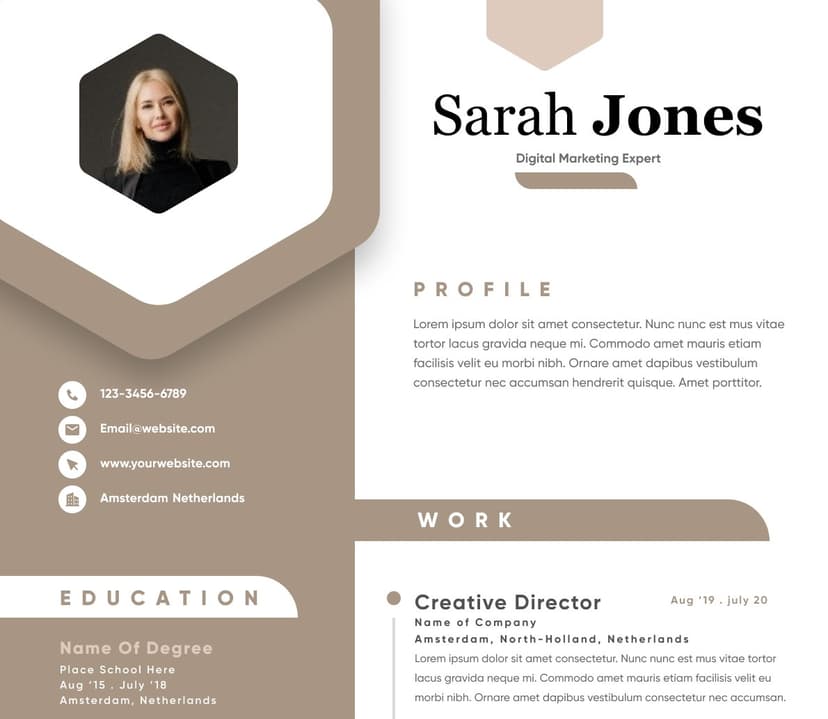
Use professional field-tested resume templates that follow the exact Resume rules employers look for.
Create Resume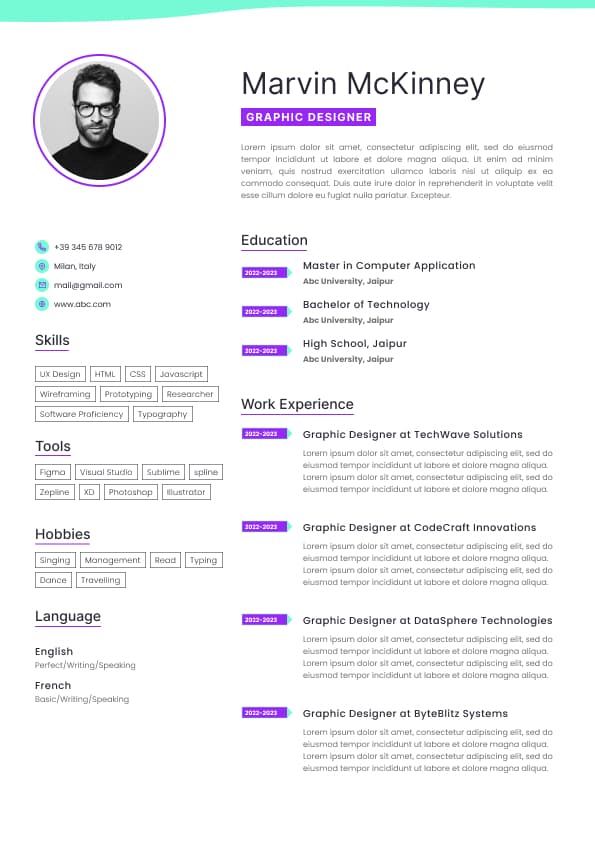
Use professional field-tested resume templates that follow the exact Resume rules employers look for.
Create ResumeProduction support and debugging capability
Clean, maintainable, scalable code practices
Business impact tied to technical work
The strongest PHP developer resumes position candidates as engineers who solve backend business problems, not just developers who write code.
Whether you are applying for a Laravel developer role, backend PHP engineer position, WordPress development job, or senior PHP architect opening, your resume must align with how technical hiring teams evaluate candidates today.
Recruiters rarely read resumes line by line initially. They pattern-match.
Your resume must instantly communicate:
Your level: junior, mid-level, senior, lead, architect
Your specialization: Laravel, WordPress, Magento, backend APIs, SaaS, e-commerce, etc.
Your technical environment
Your years of experience
Your business impact
If that context is unclear, your resume becomes harder to evaluate and more likely to be skipped.
Software Developer
Web Programmer
IT Professional
Full Stack Engineer without stack clarity
Specificity improves recruiter confidence immediately.
Photo
Personal details unrelated to work authorization or hiring
Your summary should position you strategically in 3 to 5 lines.
A good summary explains:
Years of experience
Core PHP specialization
Framework expertise
Technical environment
Business outcomes or strengths
“Experienced PHP developer seeking a challenging opportunity to grow skills.”
Why this fails:
Generic
No specialization
No business value
No technical depth
Sounds interchangeable with thousands of resumes
“Senior PHP Developer with 8+ years of experience building scalable SaaS and e-commerce platforms using PHP 8, Laravel, MySQL, Redis, Docker, and AWS. Proven track record improving API performance, reducing infrastructure costs, and delivering production-ready backend systems in Agile environments.”
Why this works:
Clear seniority
Modern tech stack
Business outcomes
Production-level credibility
Strong technical positioning
Authentication and Authorization
PHPUnit or Pest Testing
Laravel
Symfony
CodeIgniter
Laminas/Zend
WordPress
Drupal
Magento/Adobe Commerce
WooCommerce
MySQL
PostgreSQL
MariaDB
Redis
Elasticsearch
Docker
Linux
Apache
Nginx
AWS
CI/CD Pipelines
GitHub Actions
GitLab CI
JavaScript
TypeScript
HTML5
CSS3
Vue.js
React
Tailwind CSS
Measurable impact
Implemented CI/CD pipelines using GitHub Actions and AWS deployment workflows
Refactored monolithic application into modular service architecture, reducing technical debt and accelerating feature delivery
Developed custom WordPress plugins and WooCommerce functionality for enterprise clients
Optimized MySQL queries and schema structures, reducing database load during peak traffic periods
Caching strategies
Queues and workers
Production deployment
Strong signals:
Laravel Sanctum or Passport
Horizon
Queues
Redis
PHPUnit/Pest
API versioning
Dockerized Laravel environments
AWS deployments
Weak signals:
“Worked with Laravel”
“Created CRUD functionality”
“Used MVC architecture” without outcomes
Reusable services
Event subscribers
Security implementation
Complex enterprise workflows
Symfony hiring teams often care more about engineering maturity than rapid feature delivery.
Hiring teams want:
Custom module development
Drupal migrations
Enterprise CMS workflows
Multisite environments
Accessibility compliance
Government or higher education experience
Magento employers prioritize:
Adobe Commerce experience
Checkout optimization
Payment gateway integrations
Catalog performance
Inventory systems
Enterprise e-commerce scalability
Magento resumes should heavily emphasize business transaction scale.
GitHub projects
Laravel portfolio applications
API projects
Internship experience
Freelance work
Open-source contributions
Bootcamp or coursework projects if strong enough
Recruiters evaluate:
Code quality potential
Problem-solving mindset
Stack alignment
Ability to ramp quickly
Not:
Designed microservices or modular architecture
Reduced cloud costs
Improved release stability
Mentored engineering teams
Established coding standards
Owned production infrastructure decisions
Weak senior resume signals:
Only task-focused bullets
No leadership evidence
No architecture impact
No business outcomes
Senior PHP resumes must demonstrate engineering influence, not just coding ability.
Documented APIs and internal tooling for distributed development teams
Participated in remote code reviews and technical planning sessions
Remote employers heavily prioritize reliability and communication.
Security
Compliance
Payment processing
Authentication systems
Audit logging
Reliability
Strong signals include:
HIPAA awareness
Secure patient data handling
Access control systems
Compliance-focused development
Documentation practices
Focus on:
Checkout optimization
Payment integrations
Cart performance
Product catalog scale
Revenue impact
Conversion improvements
Full mastery of backend architecture
Advanced DevOps engineer without evidence
Technical hiring teams increasingly care about outcomes.
Explain:
Performance improvements
Scalability gains
Revenue support
Reliability improvements
Deployment efficiency
Security hardening
Weak phrases:
Helped develop
Assisted with
Responsible for
Worked on
Strong phrases:
Engineered
Designed
Optimized
Migrated
Implemented
Refactored
Automated
AWS
Redis
CI/CD
PHPUnit
Git
Linux
API Integration
Backend Development
Microservices
SaaS Platform
WordPress Development
Graphics-heavy resumes
Poor formatting
Missing relevant stack terminology
Keyword mismatch with job descriptions
Unclear job titles


 Upload Resume
 Import from Linkedin